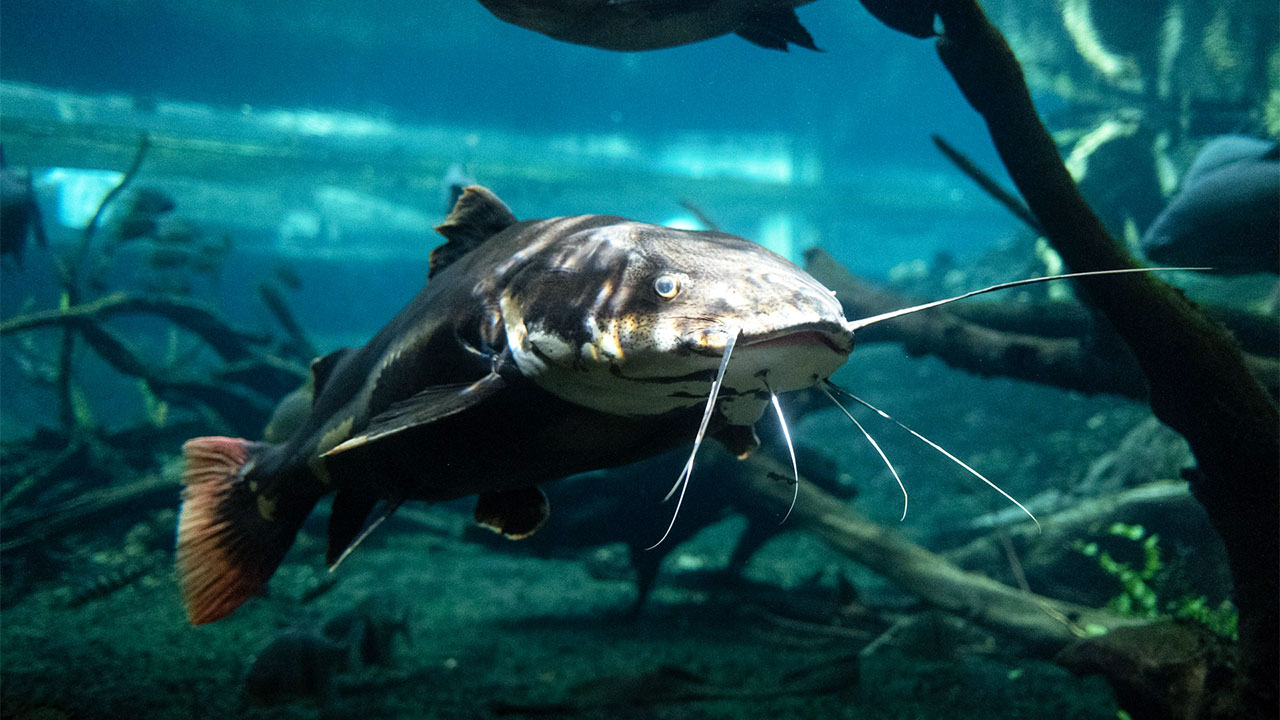
Photo credit: Laura España/Unsplash.com
Catfish are one of those fish everybody thinks they understand—until you start digging into how they actually live, feed, and defend themselves. They’re not just “bottom feeders,” and they’re not just a warm-water food fish. They’re sensory machines built for murky water, and some of the things they can do (and survive) are pretty wild.
1) A channel catfish is basically a “swimming tongue”

This sounds like a joke until you realize it’s literal biology. The U.S. Fish & Wildlife Service notes channel catfish have taste buds spread over their entire body, with many concentrated around their gills and whiskers (barbels). North Dakota Game and Fish says the same idea in plain language: taste receptors are most abundant near the mouth and barbels, but the body is covered in them. That’s why catfish can feed confidently in muddy water where sight doesn’t help much. They can “taste” a scent trail and home in on it like a bloodhound, which is also why stink baits and cut bait work so well when conditions are right.
2) “Whiskers” aren’t decoration — they’re sensory tools
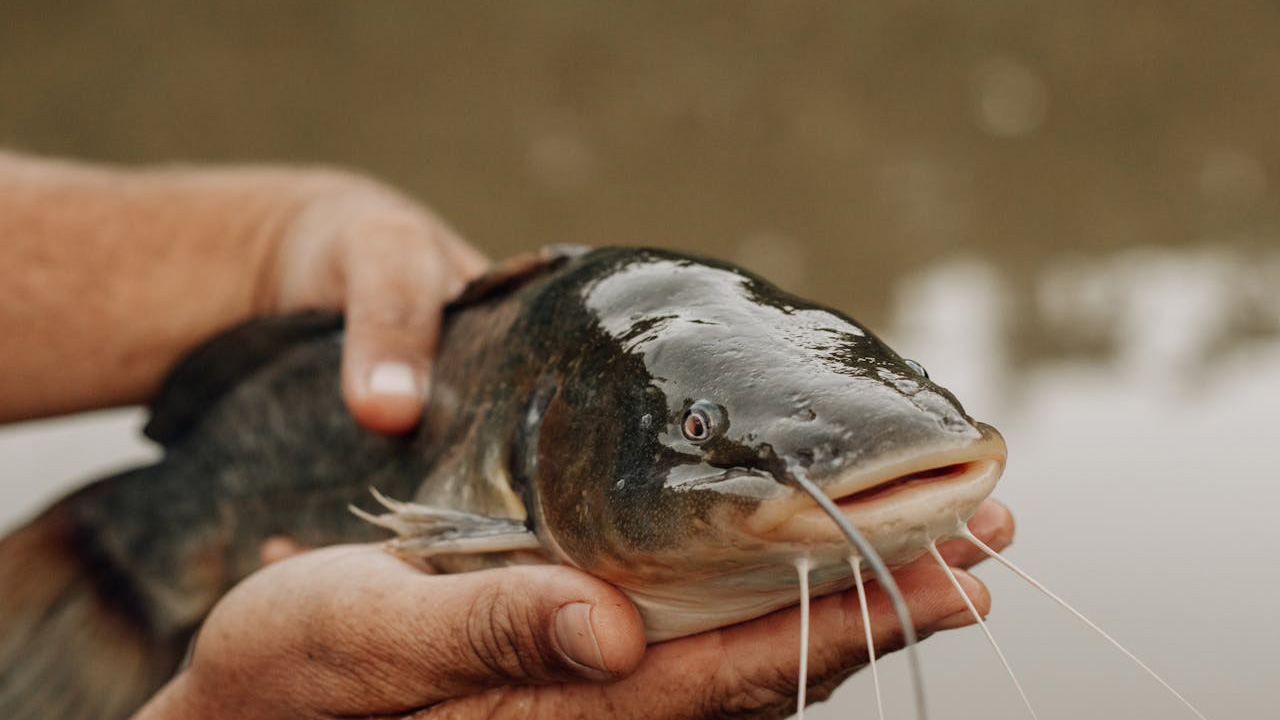
Those barbels aren’t there to look cool. They’re packed with sensory cells and help catfish locate food in low visibility. Louisiana’s wildlife agency points out that their barbels and skin are loaded with taste buds that help them find food in murky water. That matters if you’re trying to catch them: current seams, eddies, and bottom transitions matter because scent collects there, and catfish are built to work those lanes. It also explains why you can catch them at night, in chocolate water, or during algae blooms—conditions that shut down a lot of “sight” feeders.
3) A lot of catfish don’t have scales
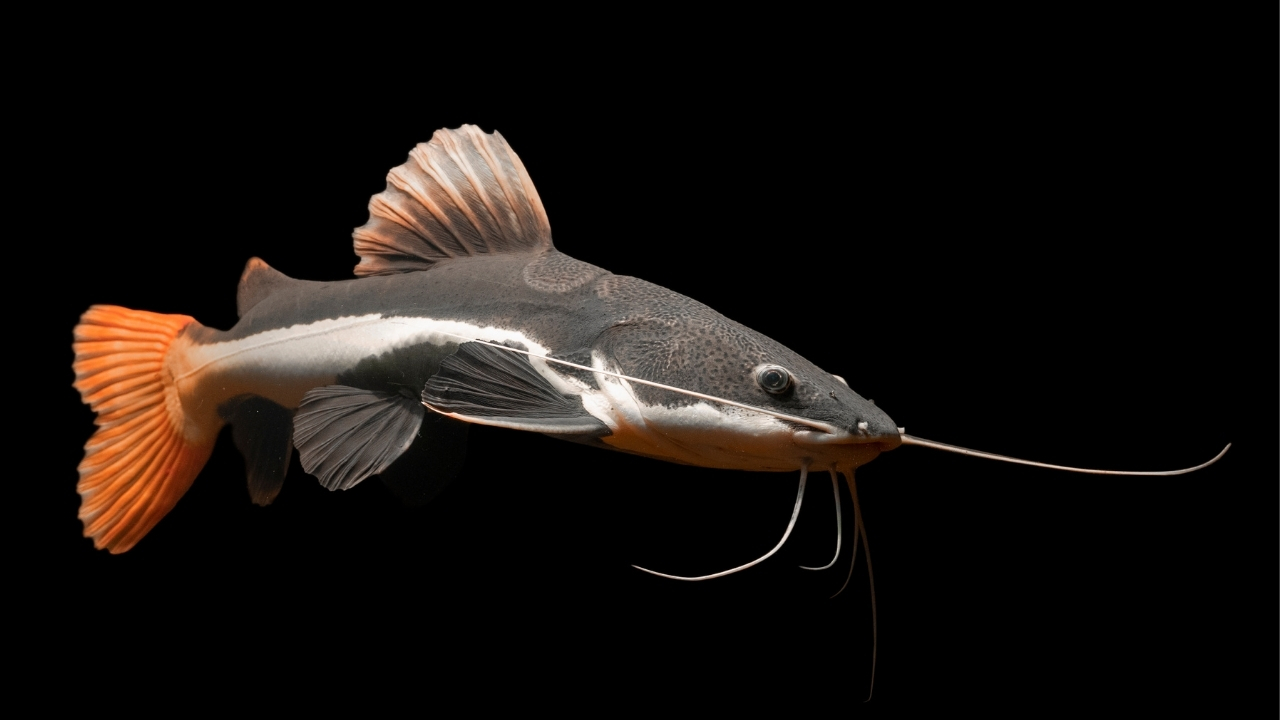
This one surprises people because we’re trained to think “fish = scales.” Catfish as a group are known for lacking scales, and many species have smooth “naked” skin. Practically, that skin is part of why catfish handle rough environments well—they’re tough, slippery, and built to slide through cover. It’s also why they can feel “slimy.” That slime layer is protective, and if you’re handling them, you want to be careful—especially around the spines—because the skin and spines can turn a simple grab into a bad day.
4) Catfish can absolutely sting you — and the spines are the problem

A lot of people call it a “sting” like it’s a bee. What’s really happening is you get punctured by spines—typically one dorsal and two pectoral spines—and some catfish species can deliver venom associated with those spines. Freshwater stings are often less severe than marine catfish, but they can still hurt badly and get infected if you’re not careful. The outdoors takeaway is simple: don’t palm-grip a catfish like a bass. Control the head and spines, or use a gripper, especially if you’re tired, cold, or in the dark.
5) Some catfish can “lock” their spines as a defense
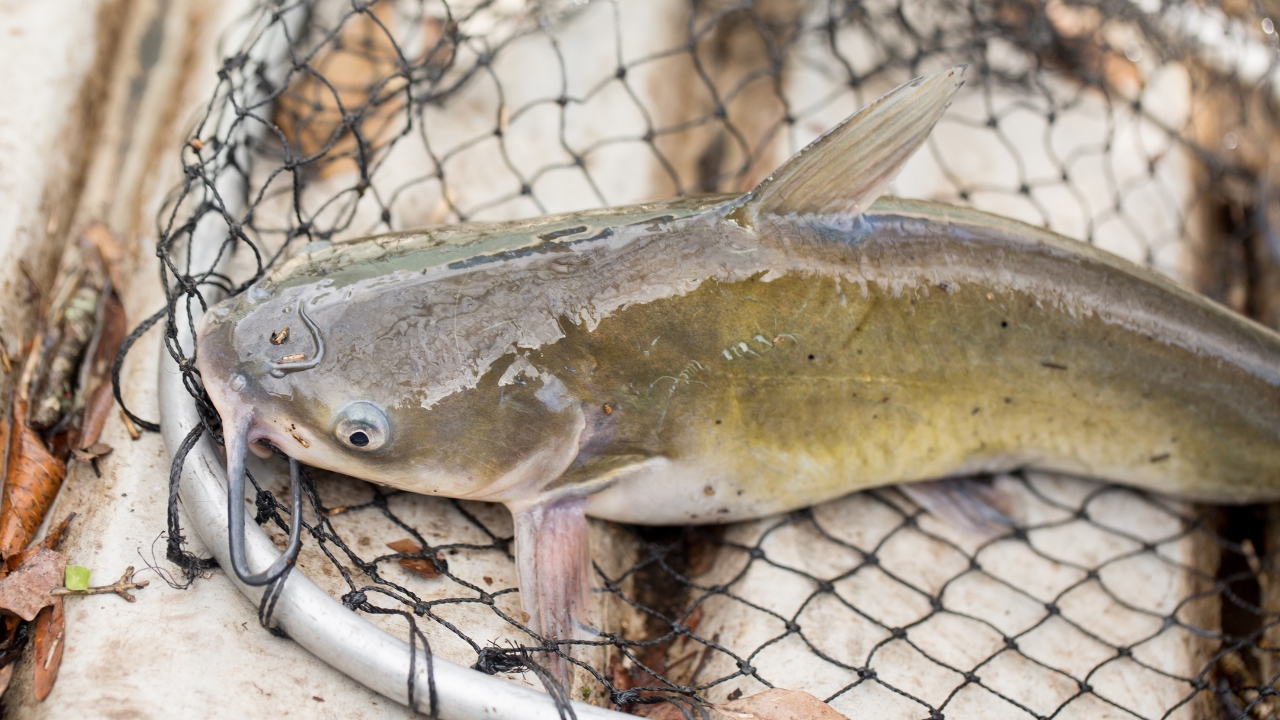
If you’ve ever tried to unhook a catfish that suddenly feels like a barbed anchor, you’ve met this trick. Catfish pectoral spines can be used as an anti-predator defense, including being locked or held rigid, making them harder to swallow. That’s why a catfish can wedge itself in cover or be a nightmare for predators to gulp down. For anglers, it means you don’t rush the landing and handling part. The fight may be over, but that fish can still get you with a spine jab when you’re trying to be quick.
6) “Bottom feeder” is an oversimplification

Yes, catfish will eat off the bottom. But they’re opportunistic and many are active predators. For example, Louisiana describes channel catfish as omnivorous, eating insects, crustaceans, amphibians, small fish, and some plant material. The practical meaning: you can catch catfish in the water column, on flats, along current breaks, and even shallow at night. If you only fish deep holes because “that’s where catfish live,” you’ll miss some of the best bites of the year—especially when they’re cruising to feed.
7) Channel catfish spawn in dark, tucked-away places
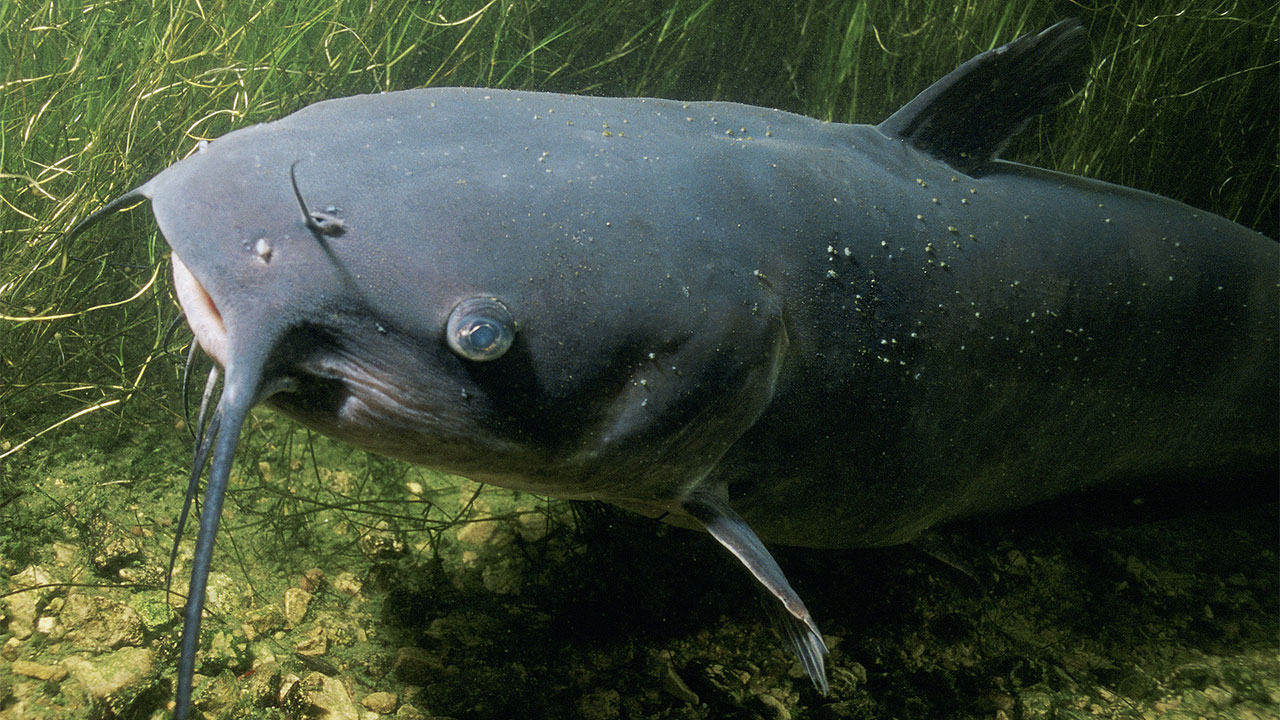
They don’t broadcast spawn like some species. Channel catfish often pick secluded cavities—under ledges, around submerged logs, stumps, roots, and similar cover. Louisiana notes they typically spawn in dark, secluded areas like that and time it to warmer water (around 70°F and up), with spawning windows that can stretch later in warm states. For anglers, this is why certain pieces of cover become “catfish magnets” during the spawn window. For anyone managing a pond, it’s also why structure matters if you want natural reproduction.
8) Catfish can live in places that look “too nasty” for fish

This is part biology and part attitude. Many catfish handle low visibility and turbid conditions extremely well because their feeding isn’t dependent on sight. That’s why you find them thriving in rivers after storms, in silty reservoirs, and in backwaters that look dead. The outdoor angle: when a river muddies up and the bass bite dies, catfish can still be catchable—sometimes even better—because scent travels and they’re built to track it.
9) Flathead catfish are not the same “kind” of catfish bite as channels

If you’ve fished both, you already know. Flatheads are much more predatory, and they can change food webs when they invade new systems. Penn State research has documented how invasive flathead catfish are affecting ecosystems like the Susquehanna by altering food web structure and energy flow. Translation: in some rivers, flatheads aren’t just “another fish,” they can be a top-end predator that competes with and preys on other species. If your local system has newly established flatheads, fishing patterns and native species dynamics can shift over time.
10) Catfish are often most active when other fish “shut down”

Because they rely heavily on taste and smell, catfish can feed in low light, stained water, and nighttime conditions. That’s why so many people have their best catfish luck at dusk, after dark, or during overcast weather. It’s also why they’re a reliable target for family fishing trips: you don’t need perfect clarity and bright sun. You need current, food, and a presentation that puts scent where they can find it.
11) Their habitat isn’t just rivers — lots of catfish thrive in lakes and ponds

Channels especially are common in reservoirs and ponds because they tolerate a wide range of conditions and feed on a broad menu. That’s why they’re stocked so often and why they’re one of the most “available” game fish for people without access to big rivers. The surprising part for newer anglers is how shallow they can get at night in lakes—cruising flats, riprap, and bank edges where bait is moving.
12) Catfish management is a real thing, not an afterthought

They’re not “junk fish” in the eyes of agencies. U.S. Fish & Wildlife Service notes channel catfish are a popular recreational fish and are managed under state regulations like creel and size limits. That matters because it reflects how important catfish are culturally and economically—tournaments, harvest fishing, stocked ponds, and public access programs. If you want consistent bites, paying attention to local regs and seasonal patterns pays off the same way it does for deer or ducks.
13) Catfish can key in on tiny chemical cues in the water

When you hear people argue about “what bait smells best,” this is why it matters. Catfish are built to detect chemicals in the water and respond to them—again, that “swimming tongue” concept. Practical takeaway: location still matters most, but scent presentation matters more for catfish than for a lot of species. Putting bait where current can carry the smell down a travel lane often beats “the perfect bait” tossed into dead water.
14) The classic “catfish live in deep holes” idea misses half the story

Deep holes are important—especially for summer refuge and current breaks—but feeding runs often happen on edges, flats, and transitions where prey is accessible. This is where catfish fishing starts to look like hunting: find travel corridors (creek mouths, channel edges, riprap, downed timber lanes), then intercept. Their sensory advantage lets them feed efficiently in those zones even when you can’t see much with your own eyes.
15) A lot of the “mystery” around catfish is just people not fishing them like predators
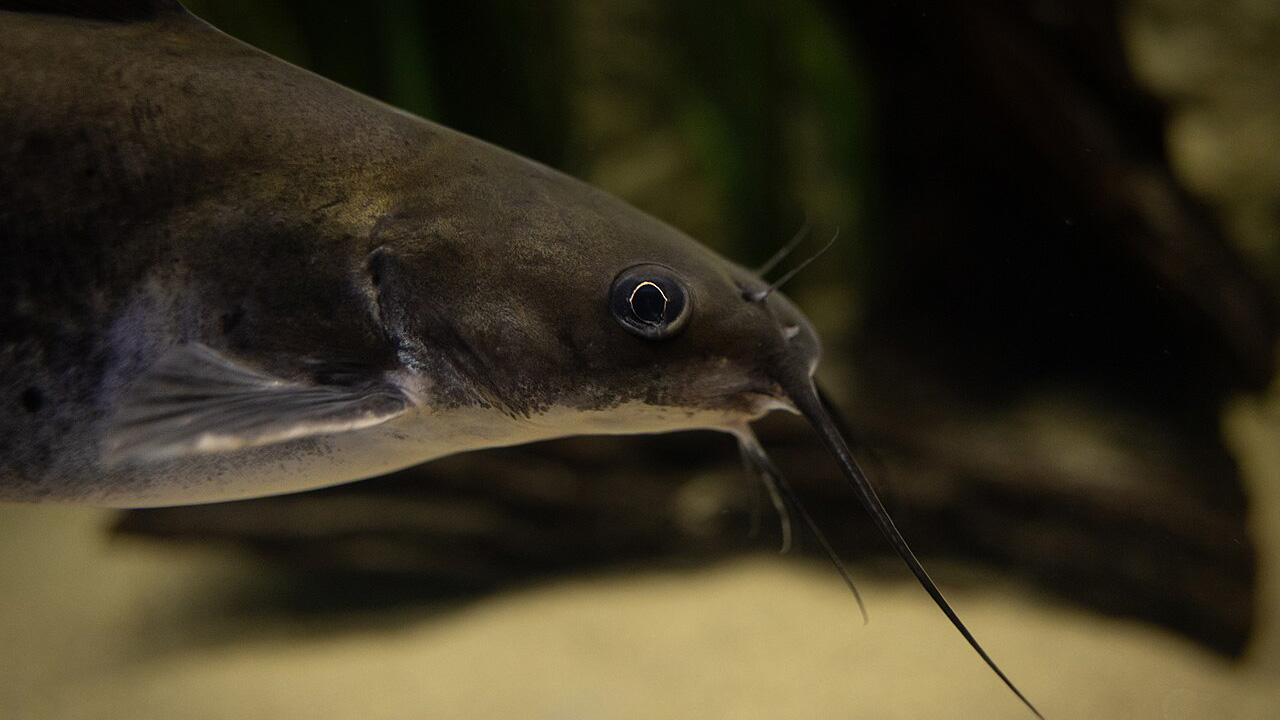
If you treat catfish like a scavenger and just soak bait anywhere, you’ll catch some—but you’ll miss the best patterns. Channels and blues especially can be patterned around current, bait movement, water temp, and time windows, and their sensory gear lets them hunt in conditions that make other fish tough. Agencies describing their taste-based feeding and broad diet are basically telling you the same thing: catfish are built to locate and exploit food efficiently. Fish them like a predator that follows scent and structure, and you’ll catch them more consistently.
Like The Avid Outdoorsman’s content? Subscribe to our newsletter so you never miss an article.
Here’s more from us: