Photo credit: Varminter Magazine/YouTube
Some guns do not become desirable all at once. They sit quietly for years while buyers chase easier names, newer features, or whatever the market is excited about that month. Then supply tightens, a certain configuration gets noticed, or shooters finally realize the gun had more value than they gave it credit for.
That is when the same firearm people walked past starts getting searched, saved, and talked about like it was obvious the whole time. The funny part is that most of these guns did not suddenly become better. People just finally caught up to what patient owners already knew.
Winchester Model 88 Carbine
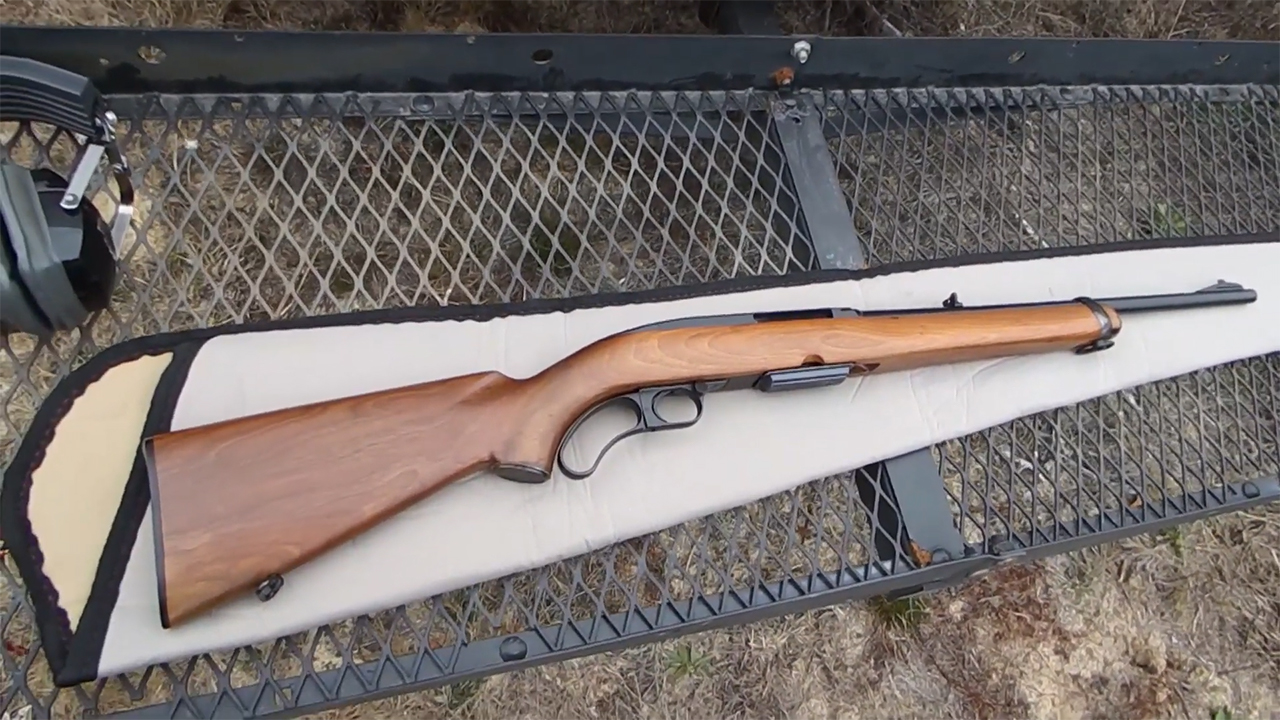
The Winchester Model 88 Carbine was easy to overlook when buyers wanted either classic lever guns or familiar bolt-action deer rifles. It sat in the middle, with lever-action handling and a box-magazine design that some hunters never fully appreciated.
That changed once people started noticing how handy the carbine versions really were. They carried well, pointed fast, and handled modern-style cartridges better than tube-fed lever guns. A clean Model 88 Carbine is not something you trip over anymore. The same design that once confused buyers is exactly what makes it interesting now.
Smith & Wesson Model 58
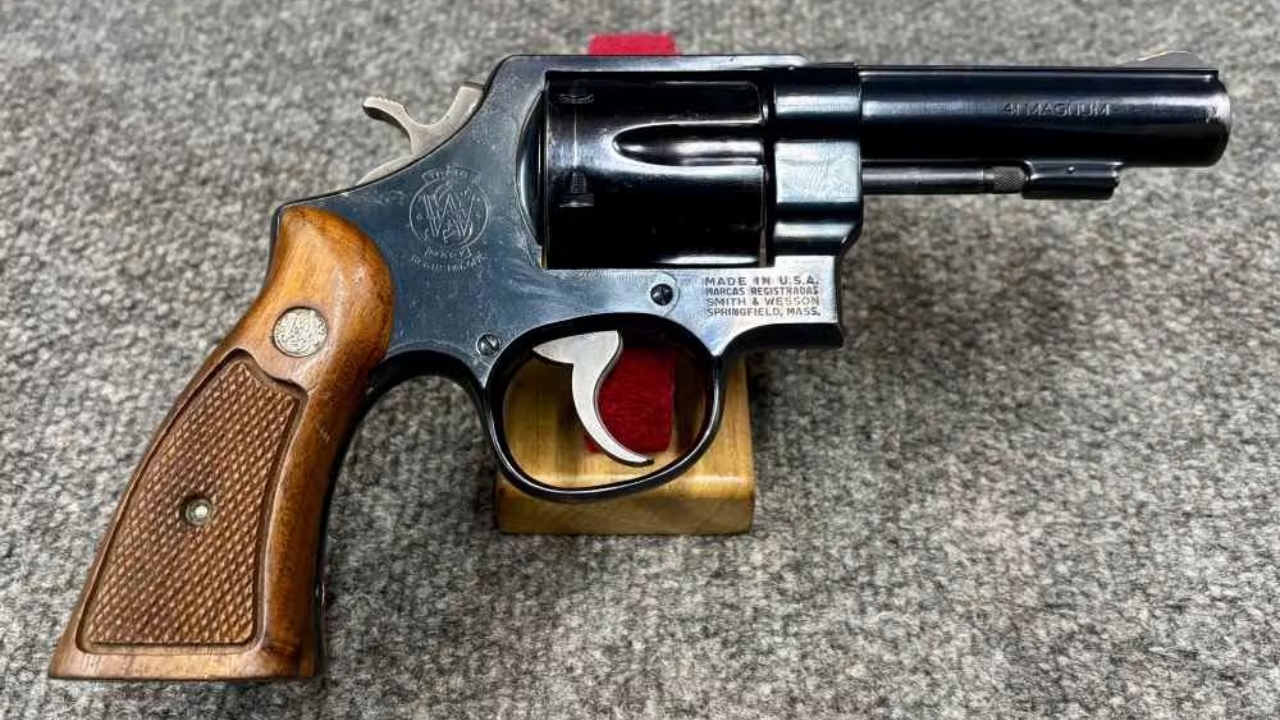
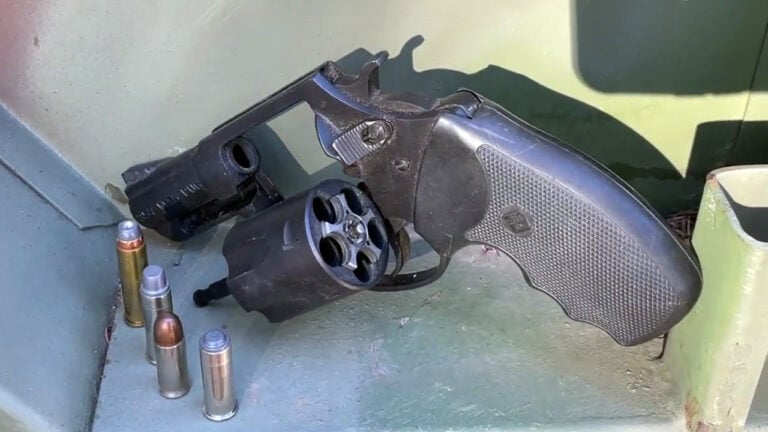
The Smith & Wesson Model 58 spent years being treated like the plain service version of the .41 Magnum family. Fixed sights, heavy frame, and a cartridge that never became as popular as .357 or .44 made it easy to pass over.
Now collectors and revolver fans look at it differently. The Model 58 has N-frame strength, working-gun style, and enough scarcity to make clean examples stand out. It is not as flashy as a Model 57, but that is part of the appeal. People ignored it until they realized plain .41 Magnum Smiths were not exactly common.
Ruger 77/17
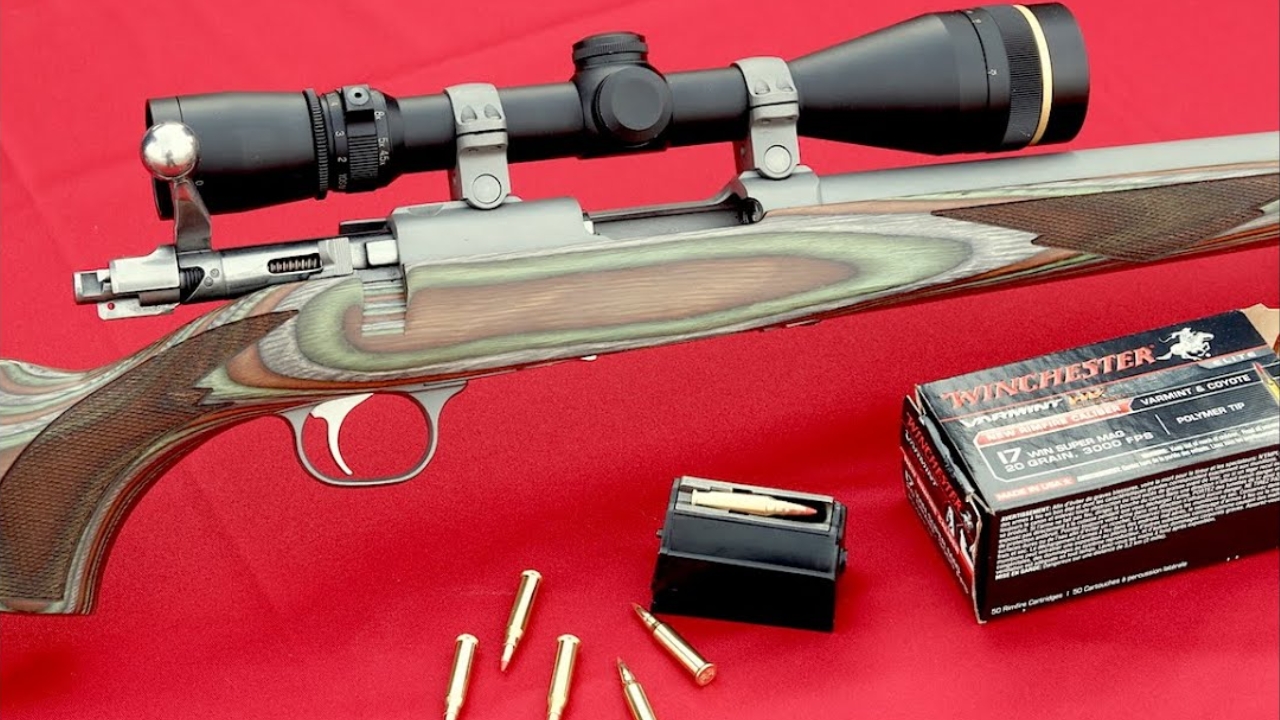
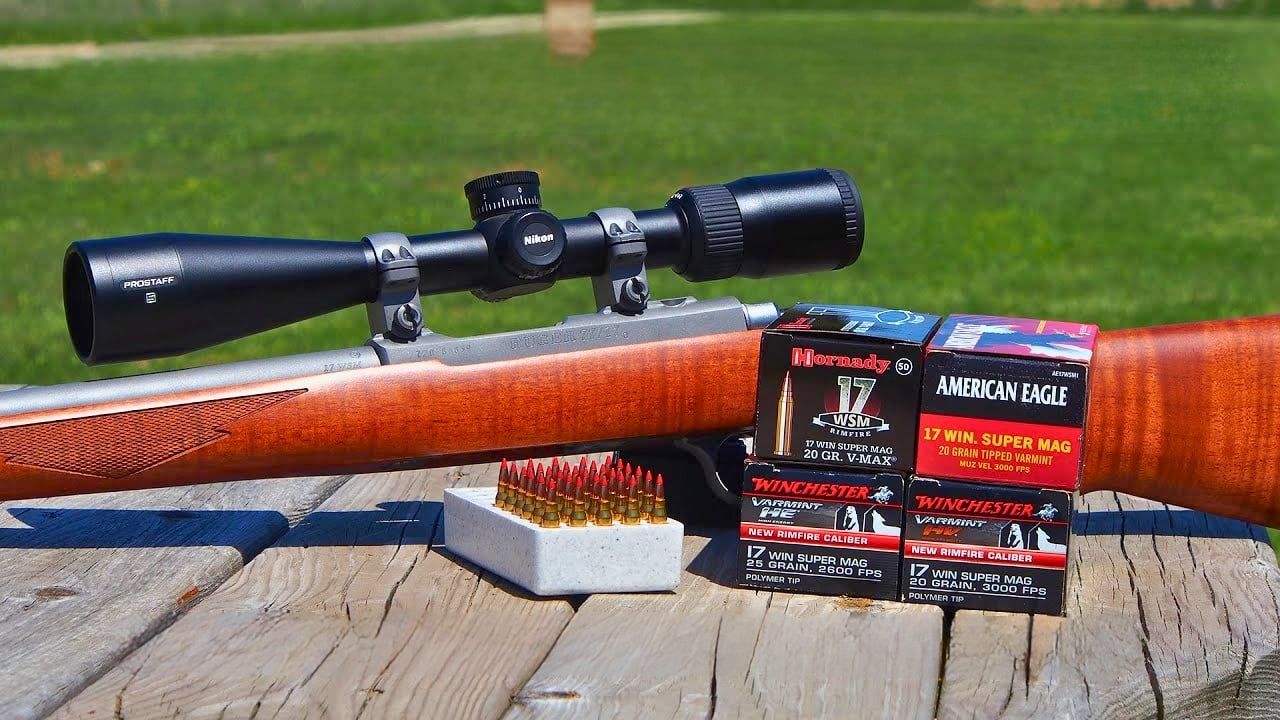
The Ruger 77/17 did not always get the attention it deserved because rimfire magnum rifles lived in a smaller corner of the market. Plenty of buyers were content with cheaper .17 HMR rifles and did not see the need to pay Ruger money.
Then shooters started appreciating how useful a well-built .17 HMR sporter could be. The 77/17 felt more like a centerfire rifle than a disposable rimfire, with a rotary magazine and solid handling. For prairie dogs, crows, rabbits, and general pest control, it made sense. Once good ones became harder to find, the earlier indifference looked foolish.
Colt 1909 New Service
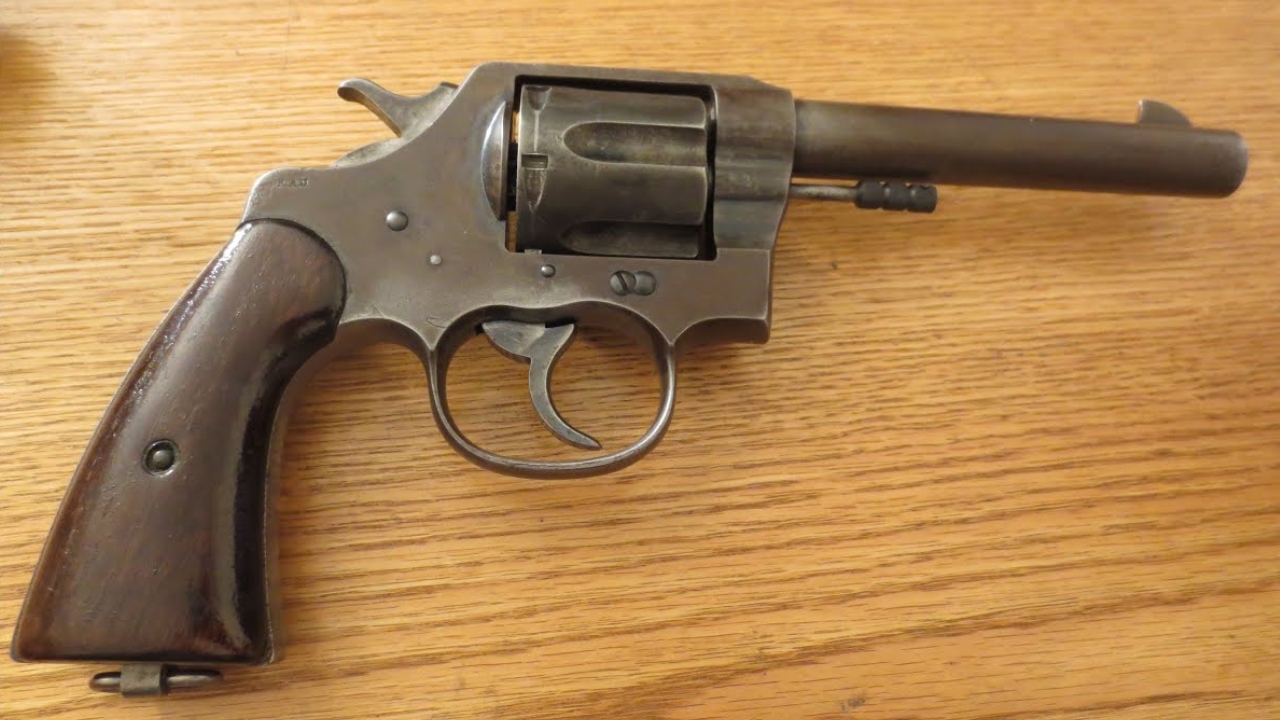
The Colt 1909 New Service was ignored by many buyers who focused on smaller carry revolvers or more famous Colt snake guns. A big old military-style .45 Colt revolver seemed too large and too specialized for casual interest.
That thinking did not hold. The 1909 has history, size, power, and classic Colt craftsmanship in one serious package. It is not a gun most people buy for daily use, but collectors understand why it matters. Once big-frame Colts started getting more attention across the board, the 1909 became harder to dismiss and much harder to buy cheaply.
Browning 53
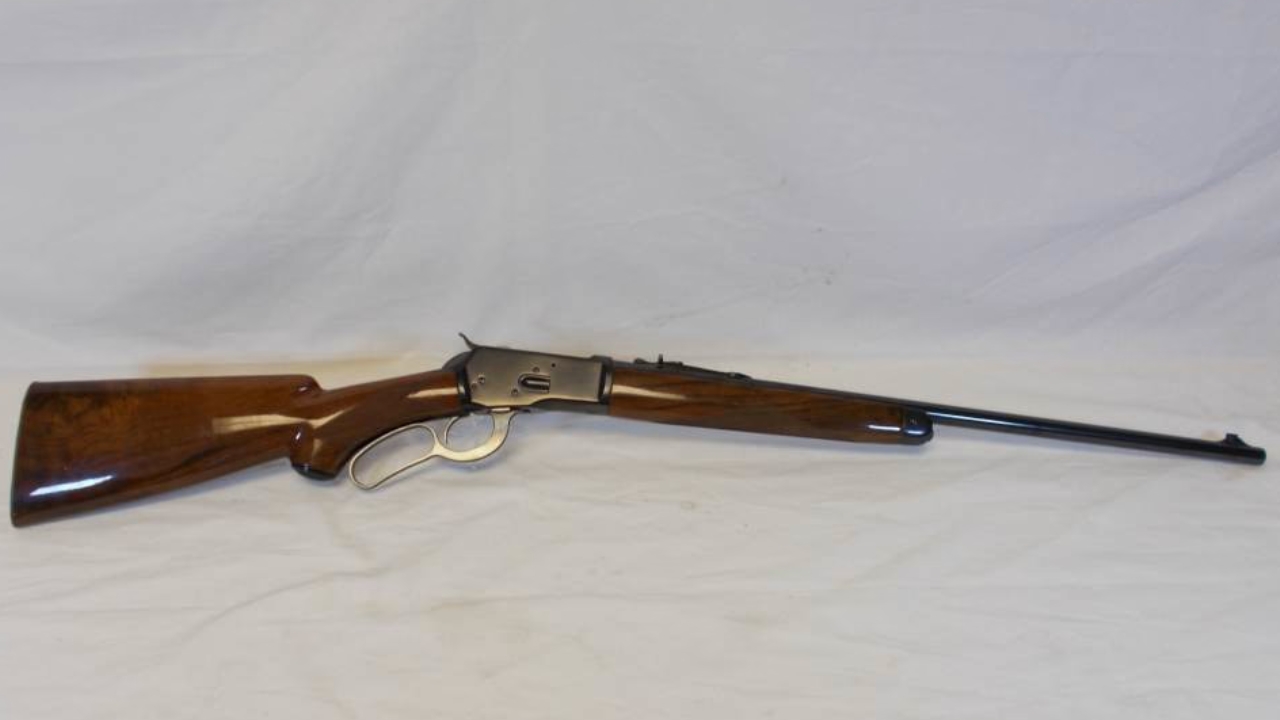
The Browning 53 was one of those high-quality reproduction lever guns that many people admired but did not rush to buy. Chambered in .32-20, it seemed too specialized for hunters who wanted more common cartridges.
Now that specialty is part of the draw. The Browning 53 is beautifully made, light, slick, and tied to a Winchester pattern that collectors appreciate. It is not a rifle for everyone, but it never needed to be. Buyers who skipped it because .32-20 felt old-fashioned now find out that neat, discontinued Browning lever guns do not stay affordable forever.
Remington Model 541-S
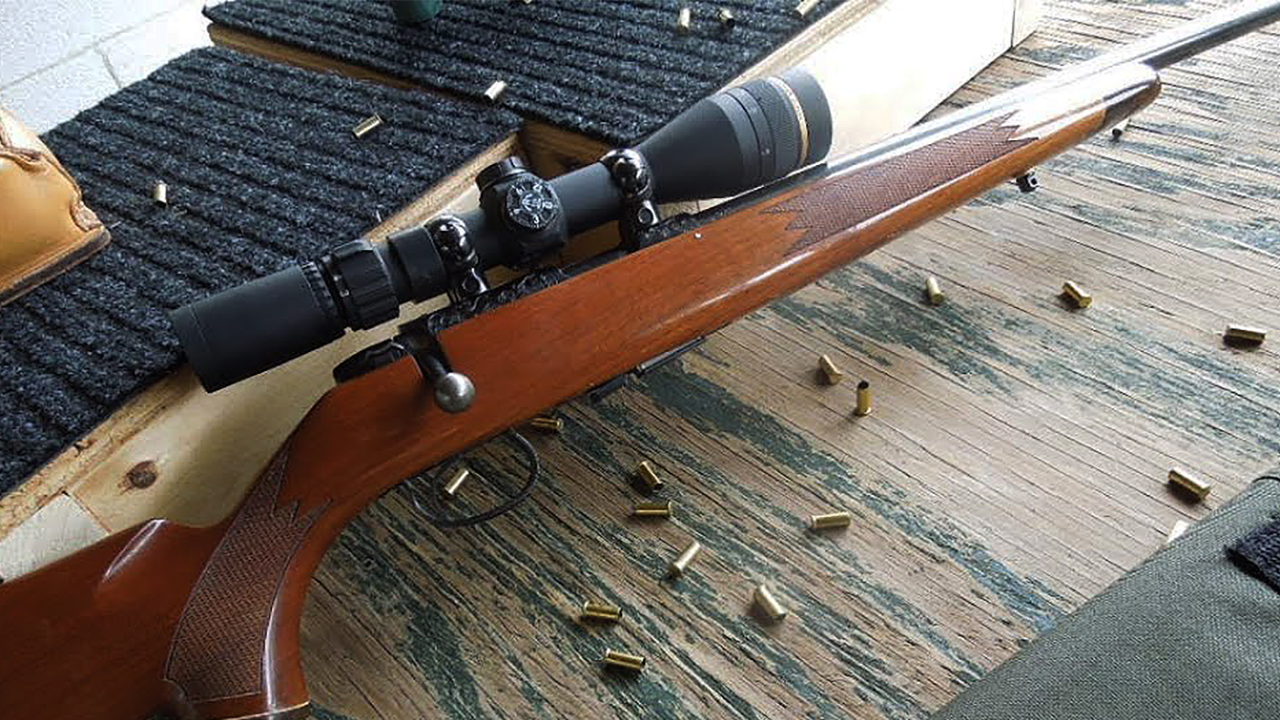
The Remington Model 541-S was easy to ignore when rimfire rifles were still treated as casual buys. It looked like a nice .22, but many shooters did not understand how much better it was than ordinary plinkers.
That changed as older quality rimfires gained attention. The 541-S had a grown-up sporter feel, strong accuracy, and enough refinement to make range time feel serious. It was the kind of .22 you could hunt squirrels with in the morning and shoot tiny groups with in the afternoon. Once people started wanting real rimfire quality again, the 541-S became much harder to ignore.
Beretta 89 Gold Standard
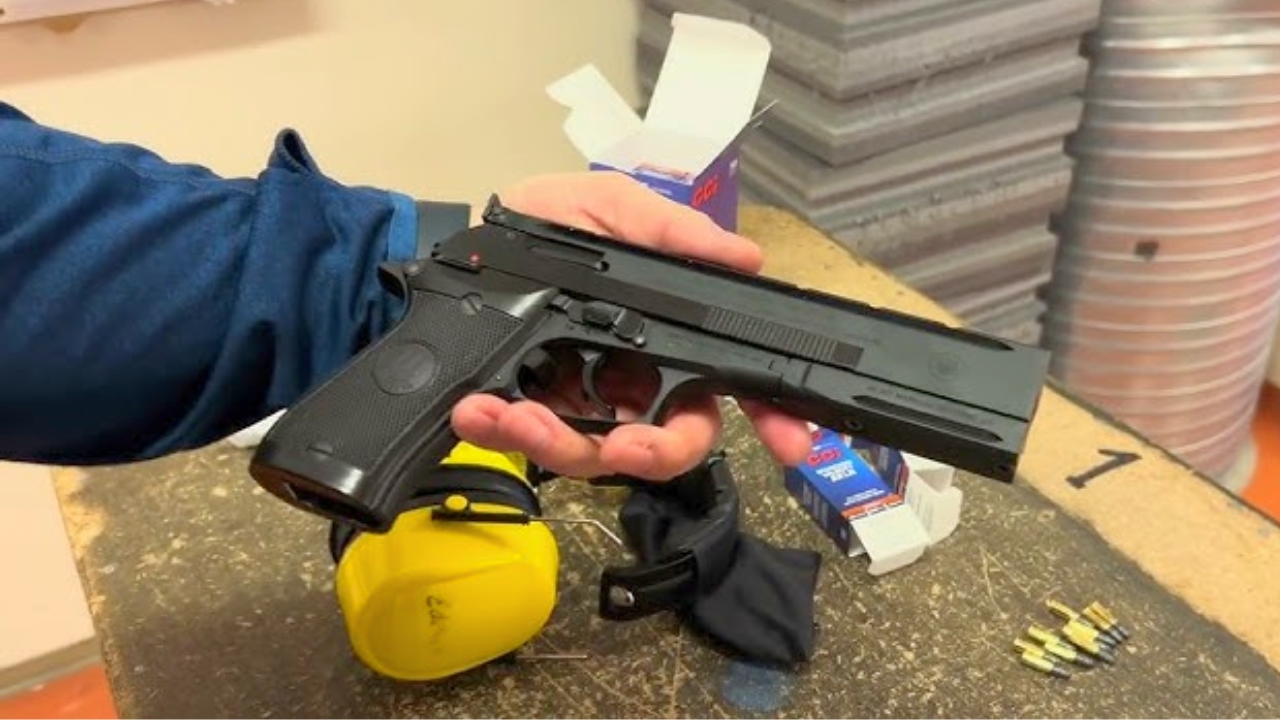
The Beretta 89 Gold Standard never had the same mainstream pull as Ruger and Browning rimfire pistols. It was more expensive, less common, and aimed at shooters who understood target-pistol refinement.
That limited interest kept many buyers from paying attention until later. Now the 89 Gold Standard stands out because it is beautifully made, accurate, and different from the usual American rimfire choices. It has real collector and shooter appeal, especially for Beretta fans. People ignored it because it was unusual. Now unusual is exactly why they want it.
Marlin 1897 Century Limited
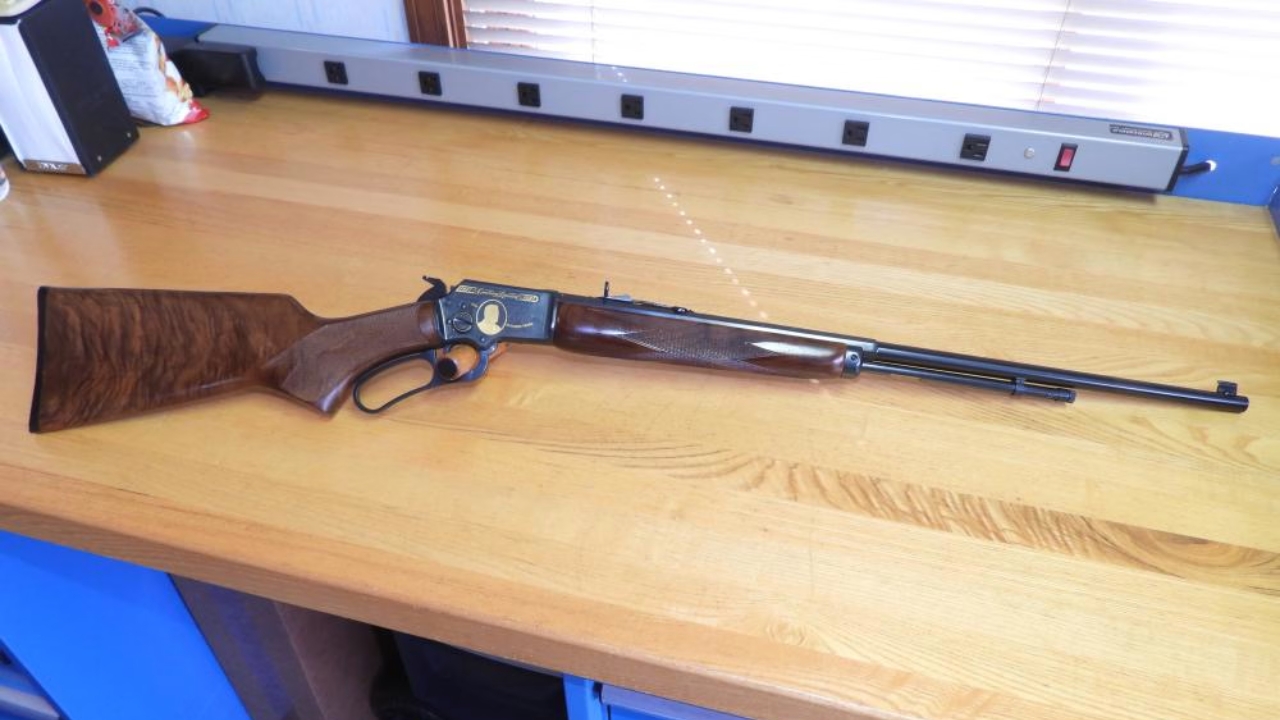
The Marlin 1897 Century Limited was easy to miss if you were not already a Marlin collector. It looked like a commemorative-style .22 lever gun, and plenty of shooters skipped it because special editions do not always feel practical.
This one aged better than that. The 1897 pattern, octagon barrel, classic lines, and Marlin rimfire charm gave it more appeal as lever guns heated up. It is shootable, attractive, and not something you see in every rack. Buyers who ignored it as “just a .22 commemorative” missed a rifle that became desirable for both collectors and shooters.
SIG Sauer P245
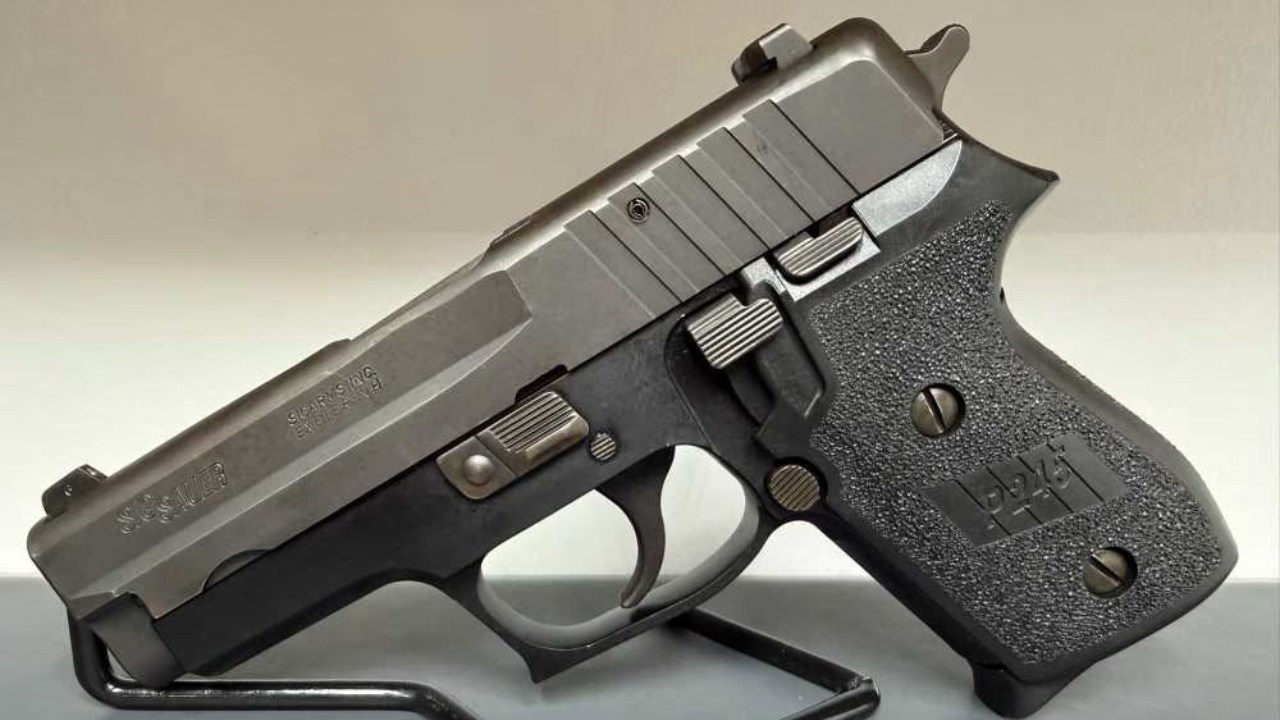
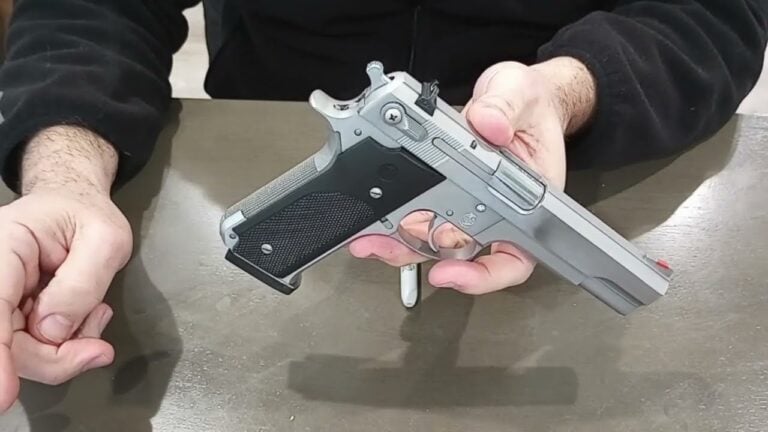
The SIG Sauer P245 was overshadowed by the P220 and later by smaller, higher-capacity carry guns. A compact single-stack .45 did not seem like the future once polymer 9mms started taking over.
Now classic SIG fans appreciate it more. The P245 gives you the old SIG feel in a shorter, handier package, with .45 ACP character and real build quality. It is not the easiest pistol to find in clean condition, and that has helped interest grow. People ignored it when it looked dated, then started wanting one after compact metal SIGs became harder to replace.
Winchester Model 43 Deluxe
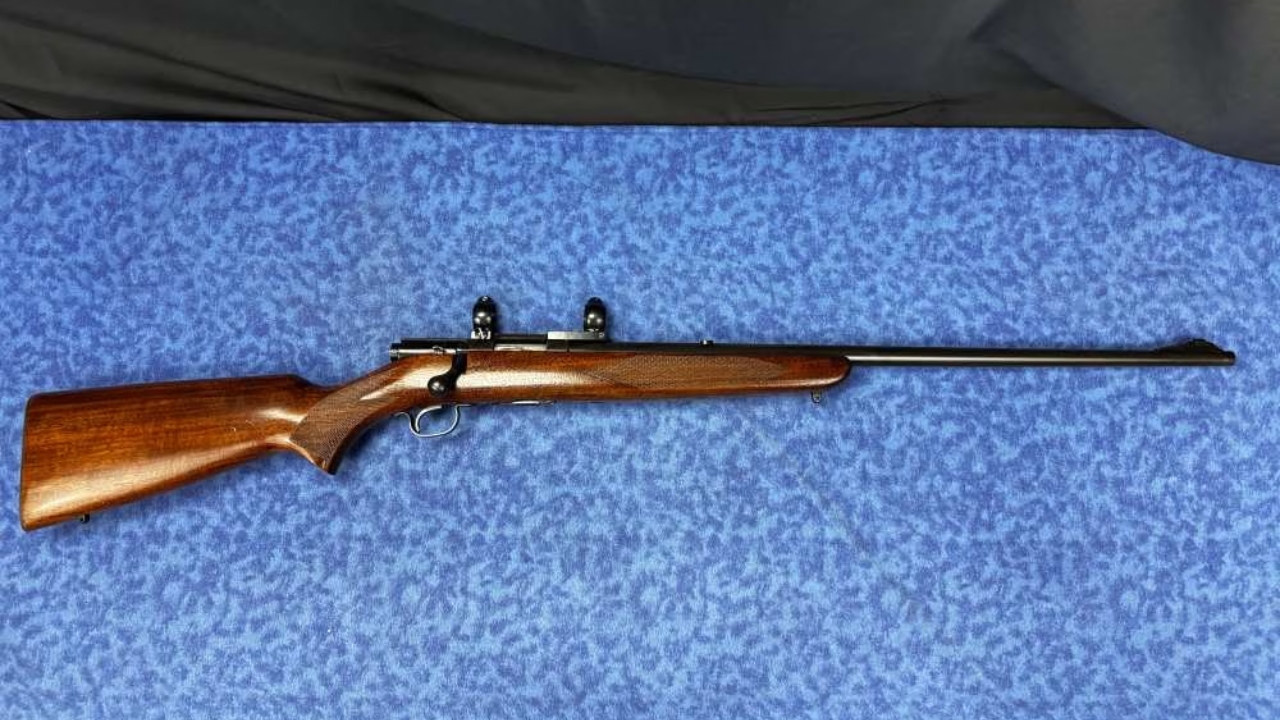
The Winchester Model 43 Deluxe was a small centerfire sporter that many buyers passed over because it did not fit the big-game rifle mold. Chamberings like .22 Hornet and .218 Bee seemed too narrow for people chasing deer rifles.
That narrow role is what makes it appealing now. The Deluxe versions have better wood, classic Winchester styling, and a light varmint-rifle personality that is hard to duplicate today. It is the kind of rifle that feels perfect for careful small-game and pest shooting. Buyers ignored it until they realized small centerfire sporters with real charm had nearly disappeared.
Ruger Red Label

The Ruger Red Label was not always loved when it was available. Some shotgun buyers thought it was too heavy or not refined enough compared with more established over-unders.
Then Ruger stopped making it, and opinions softened fast. The Red Label was American-made, sturdy, and practical for hunters who wanted an over-under without jumping into European prices. It may not have had the polish of higher-end doubles, but it had a loyal field following. Once they were gone, the same buyers who once shrugged at them started wanting clean examples.
Star PD
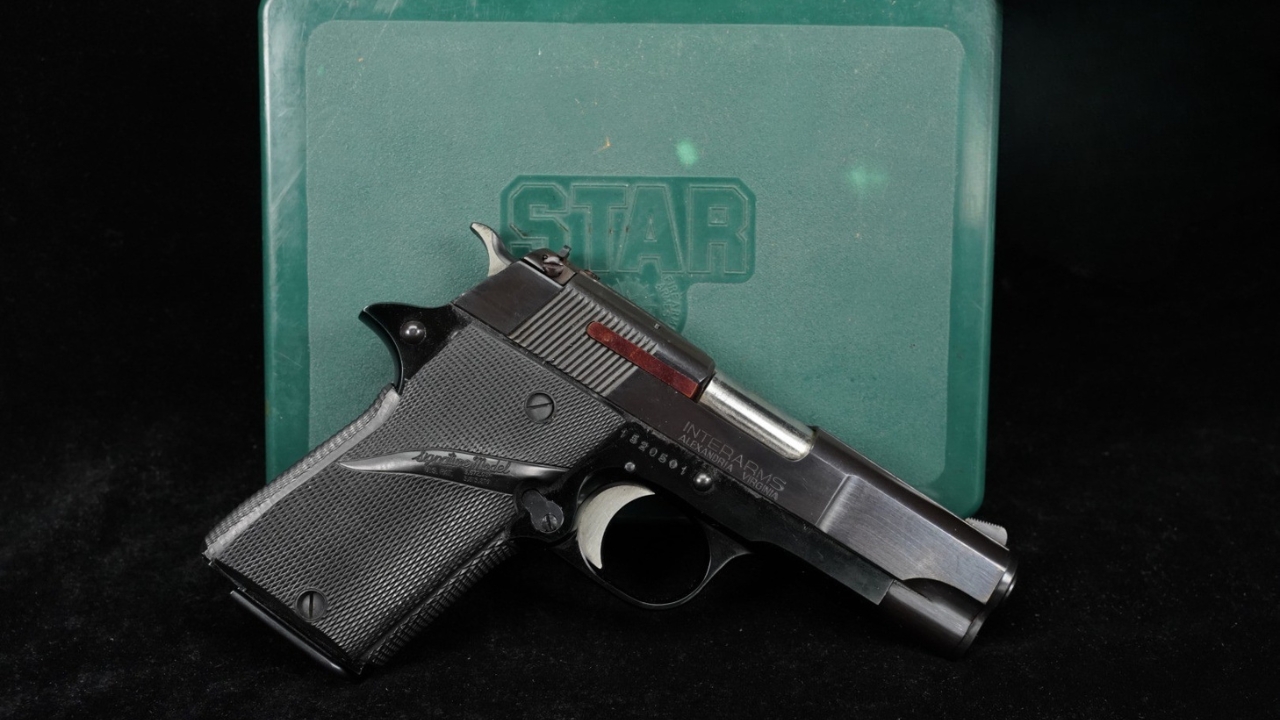
The Star PD was one of the early lightweight compact .45 pistols that many buyers overlooked because it was not a Colt and did not have the same support as bigger brands. Some saw it as a curiosity from another era.
Now it gets more respect for what it tried to do. The PD gave shooters a lightweight .45 carry pistol before that became a crowded idea. It is not a high-volume range gun, and parts matter, but it has real historical interest and a loyal following. People ignored it when it was just an odd Spanish .45. Now it looks like an important compact carry experiment.
Remington Model 700 Classic in 8mm Mauser
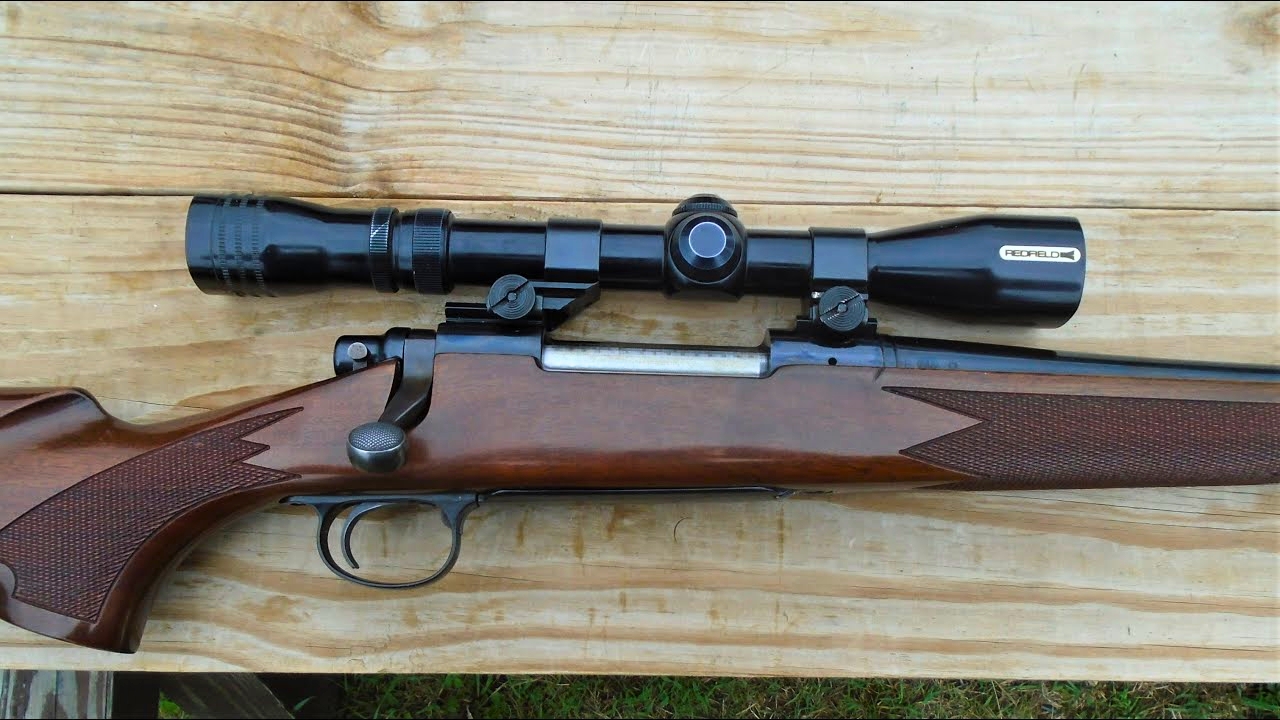
The Remington Model 700 Classic line had plenty of chamberings people noticed, but the 8mm Mauser version was easy to ignore. American hunters were not exactly rushing to buy a new Remington in an old European military cartridge.
That is why it became interesting later. Limited chambering runs have a way of turning into collector targets, and the 8mm Mauser Classic checks that box. It is a familiar Model 700 with an uncommon chambering and traditional style. Buyers who skipped it because the cartridge felt odd now understand that odd chamberings often become the ones people chase.
Browning 1885 Traditional Hunter

The Browning 1885 Traditional Hunter was easy to walk past if you wanted a repeater. A single-shot rifle does not have mass-market appeal, even when it is well made.
But shooters who appreciate falling-block rifles eventually pushed interest higher. The 1885 Traditional Hunter has classic lines, excellent build quality, and the kind of deliberate-shooting appeal that does not go out of style. It is not for someone who measures a rifle by magazine capacity. It is for someone who wants one clean shot from a rifle that feels special. That audience found it later.
Smith & Wesson 3914
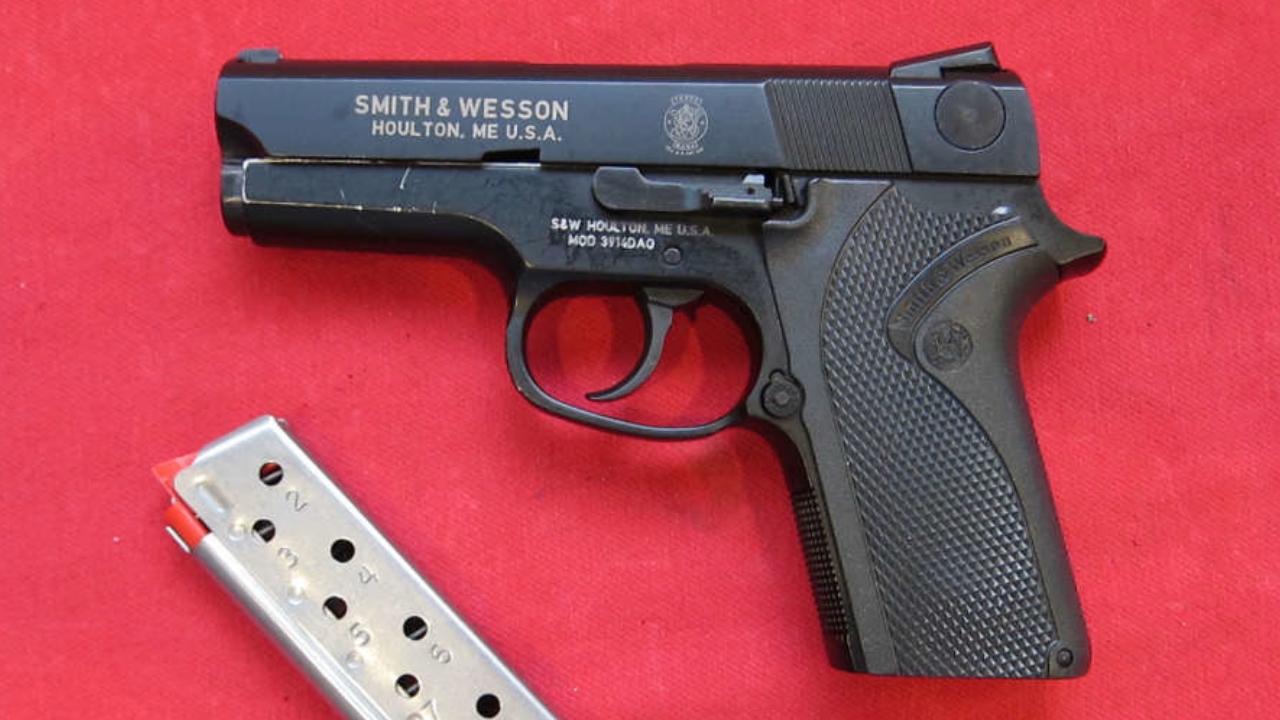
The Smith & Wesson 3914 spent years in the shadow of better-known third-generation pistols and newer polymer carry guns. A compact single-stack 9mm seemed outdated once lighter, higher-capacity pistols took over.
Now people appreciate it as one of the better carry-sized metal autos of its era. It is slim, dependable, easy to conceal, and built with old Smith quality. The black finish gives it a clean, practical look, and the pistol carries flatter than many people expect. Buyers ignored them when capacity became the whole conversation. Now they want them because quality compact metal pistols are harder to find.
Like The Avid Outdoorsman’s content? Subscribe to our newsletter so you never miss an article.
Here’s more from us: