Photo credit: NRApubs/Youtube
Gun trends move fast. One year everyone wants ultralight rifles. Then it is chassis rifles. Then micro-compacts, pistol-caliber carbines, tactical shotguns, red-dot-ready pistols, or whatever the newest category happens to be. Trends are not always bad, either. A lot of them bring real improvements.
But some older guns age better than the trend that supposedly replaced them.
They may not have the newest features, but they still carry better, shoot better, fit better, or last longer than people expected. These are the firearms that got shoved aside by newer ideas, only for owners to realize the old design still had plenty of life left.
Smith & Wesson Model 19
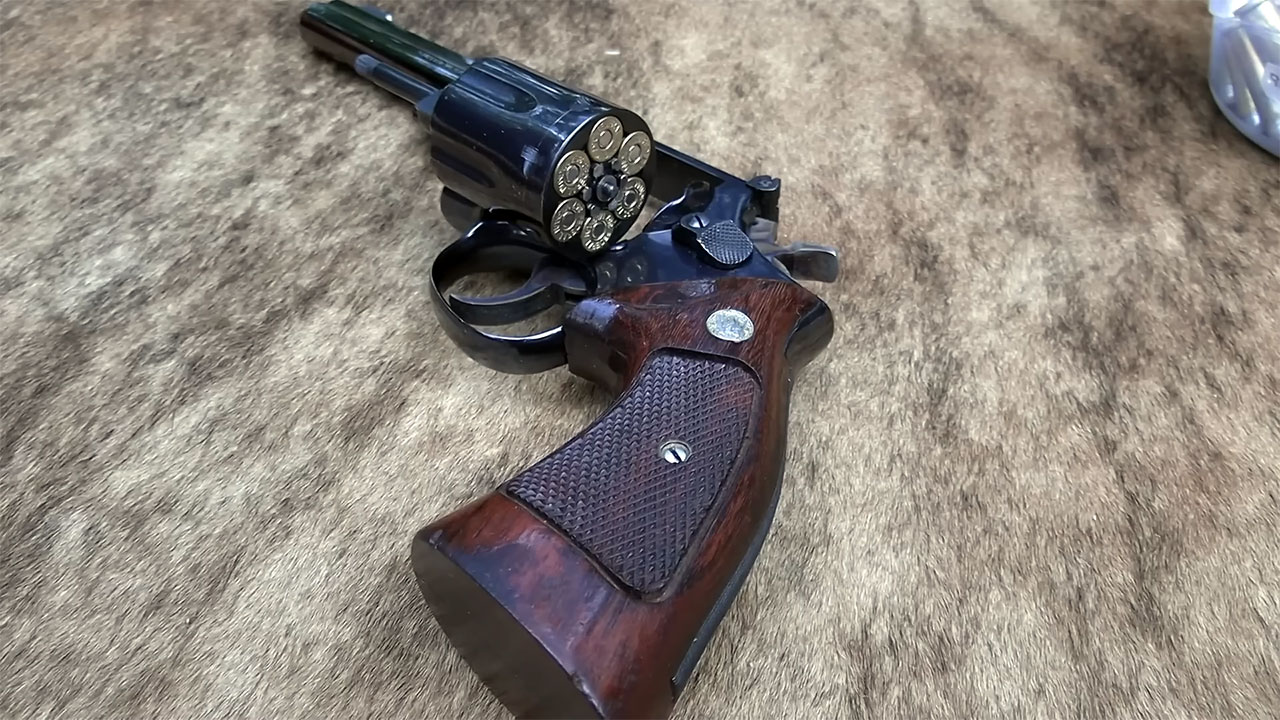
The Smith & Wesson Model 19 was pushed aside by heavier magnum revolvers and, later, by high-capacity semi-autos. The logic made sense. If someone wanted a .357 Magnum revolver for steady magnum use, a larger L-frame or Ruger could take more abuse. If someone wanted a defensive handgun, modern pistols held more rounds.
But the Model 19 aged beautifully because it was never just about raw durability or capacity. It was about balance. A K-frame .357 Magnum carries easier than many larger revolvers while still giving shooters the option of .38 Special practice and magnum loads. It feels lively, points naturally, and has the classic Smith & Wesson character people keep coming back to. The trend moved toward bigger or more modern guns, but the Model 19 still owns its sweet spot.
Browning Auto-5
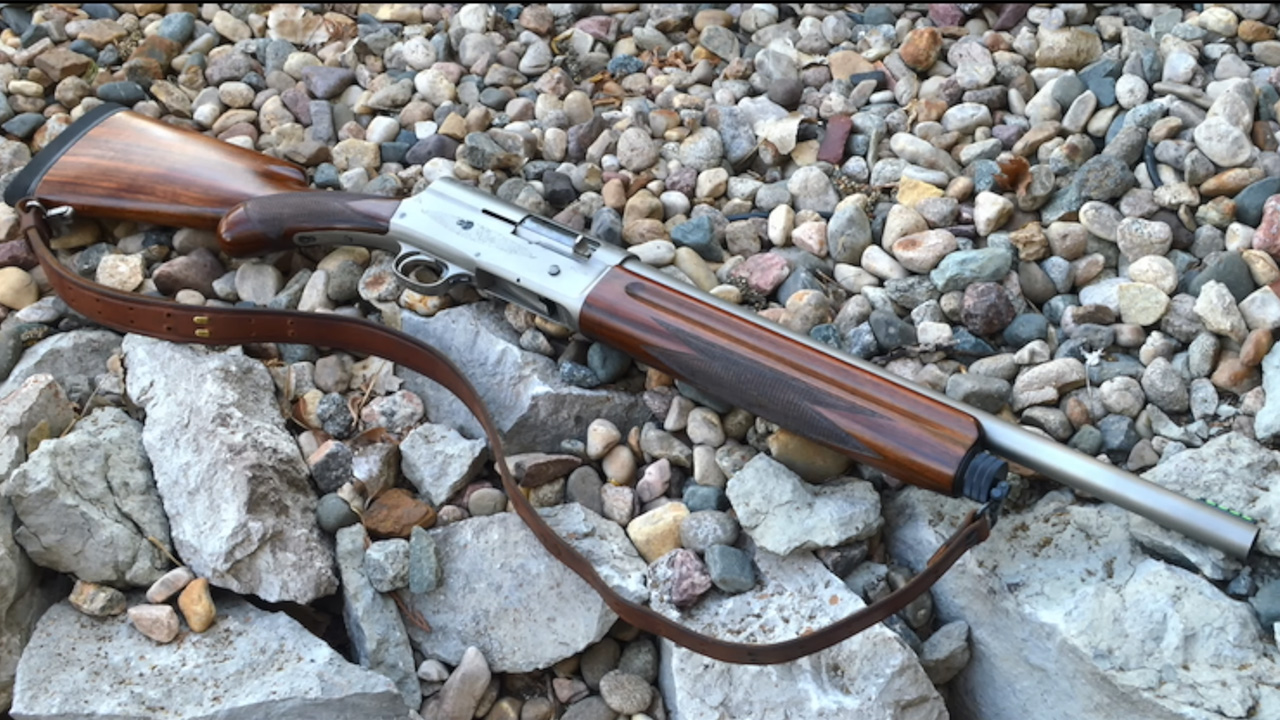
The Browning Auto-5 was replaced in many gun safes by lighter, softer-shooting, easier-to-adjust semi-auto shotguns. That was understandable. The Auto-5’s long-recoil system feels old now, and the gun requires more understanding than many modern designs.
Still, it aged better than many people expected because personality matters. The humpback receiver gives it a sight picture some shooters love, and the gun’s field history is almost impossible to duplicate. A new semi-auto may be easier to clean, more versatile with loads, and gentler on the shoulder. But it may not make the owner feel anything. A good Auto-5 still brings old-world quality and hunting heritage that newer trends cannot manufacture overnight.
Ruger M77 Hawkeye
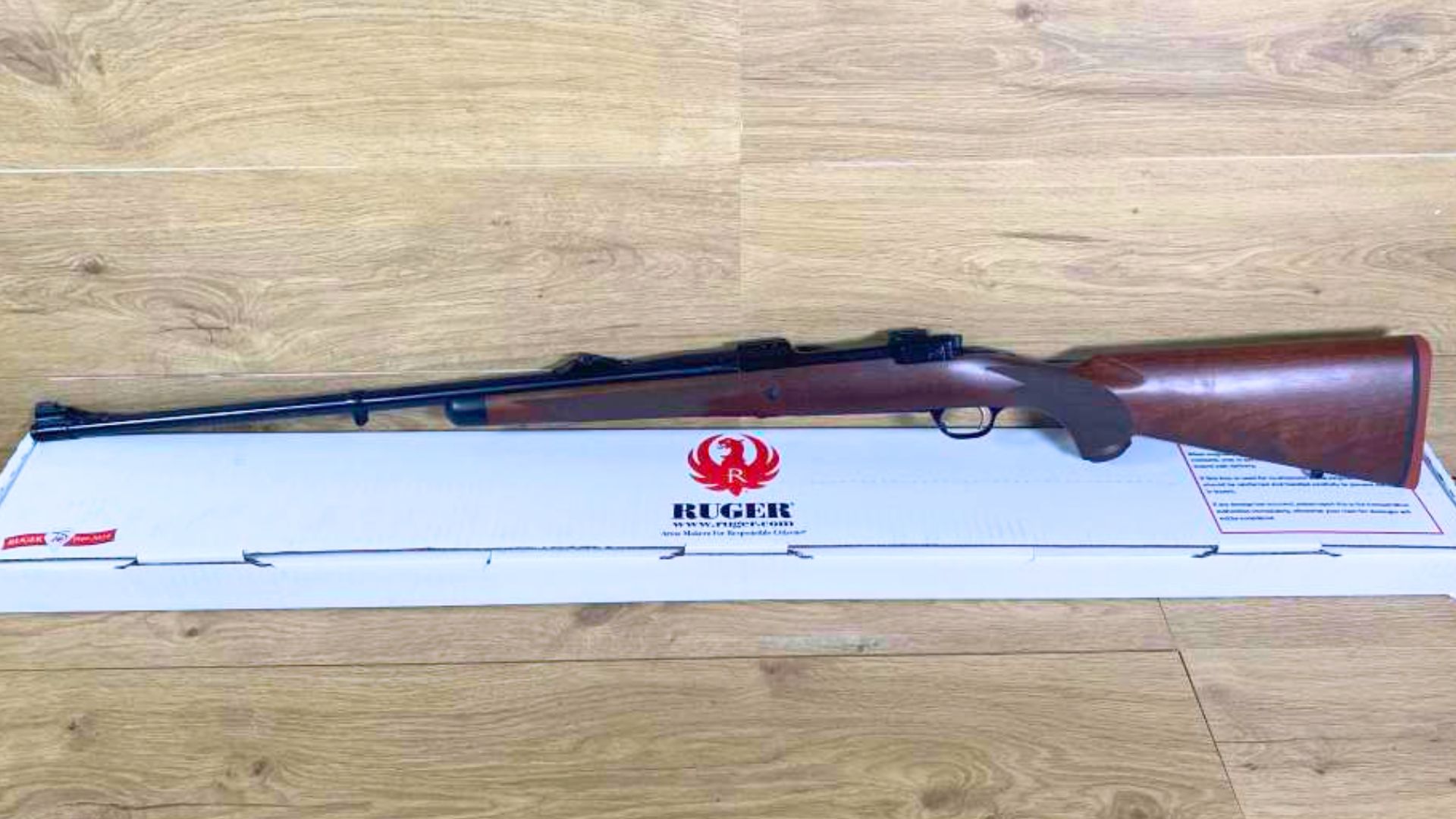
The Ruger M77 Hawkeye aged well because the market kept chasing lighter, cheaper, and more modular rifles. Those trends have benefits. A lightweight synthetic rifle is easier to carry, and a budget rifle can shoot impressively well. But many of them do not feel as solid as a Hawkeye.
The Hawkeye gives hunters controlled-round-feed appeal, rugged construction, and a traditional bolt-action personality. It is not always the lightest rifle in its class, and some shooters prefer smoother actions or different triggers. But the rifle feels like it was built to last. In an era where many rifles feel disposable or overly specialized, the Hawkeye’s straightforward toughness looks better with time.
Beretta 92FS

The Beretta 92FS got overshadowed by polymer striker-fired pistols that were lighter, simpler, and easier to carry. That trend changed the handgun market for good reason. A Glock, M&P, or similar pistol makes a lot of practical sense for many owners.
But the 92FS aged better than expected because it remains such a good shooter. The full-size alloy frame, open-slide design, and smooth recoil impulse make it pleasant on the range. It is large for carry and the slide-mounted safety is not everyone’s favorite, but as a full-size service pistol, it still has serious charm. The trend that replaced it won on efficiency. The Beretta kept winning people over with feel.
Remington 700 BDL
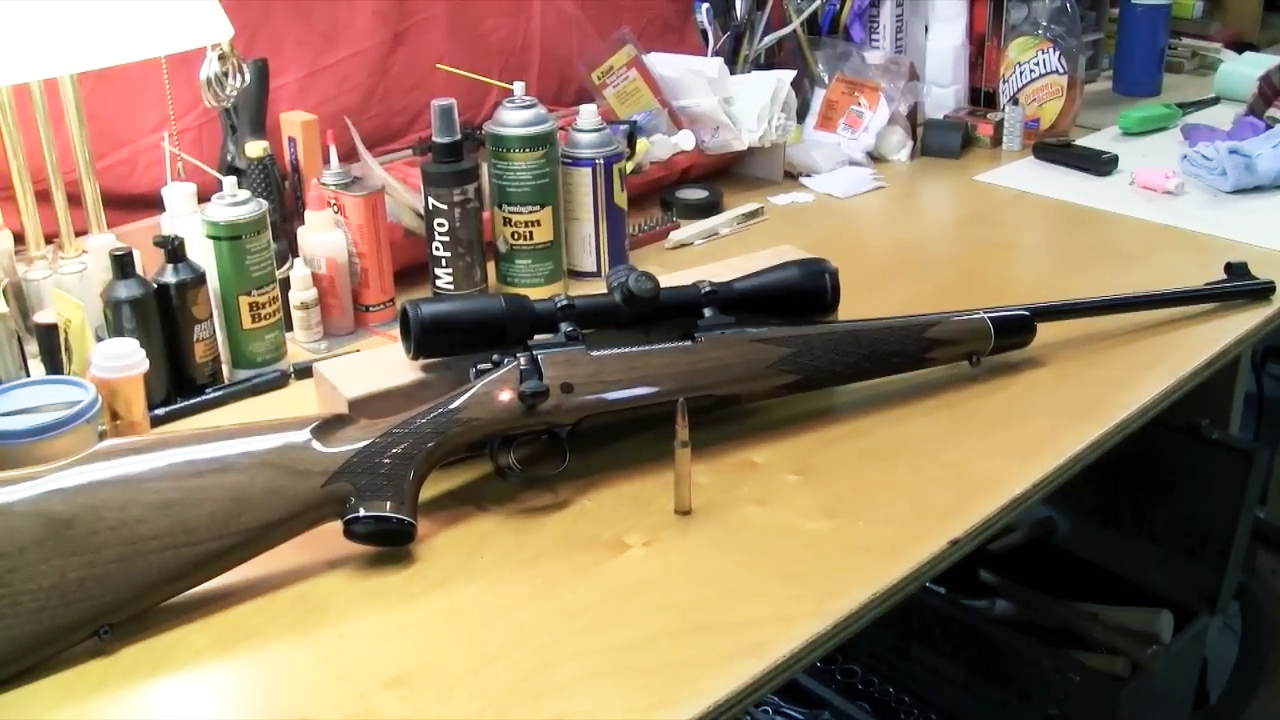
The Remington 700 BDL got pushed aside by synthetic-stocked hunting rifles, chassis builds, and long-range setups with heavier barrels and adjustable everything. Those rifles can be excellent. They also changed what a lot of hunters thought a bolt-action should look like.
But the BDL aged well because a classic deer rifle still makes sense. Walnut, blued steel, a hinged floorplate, and familiar handling do not stop working just because newer rifles look more tactical. A clean BDL in a useful chambering still feels right in a deer stand or walking through the woods. It may not be the best platform for every modern trend, but it remains one of the rifles that reminds people why traditional sporters became beloved in the first place.
Winchester Model 12
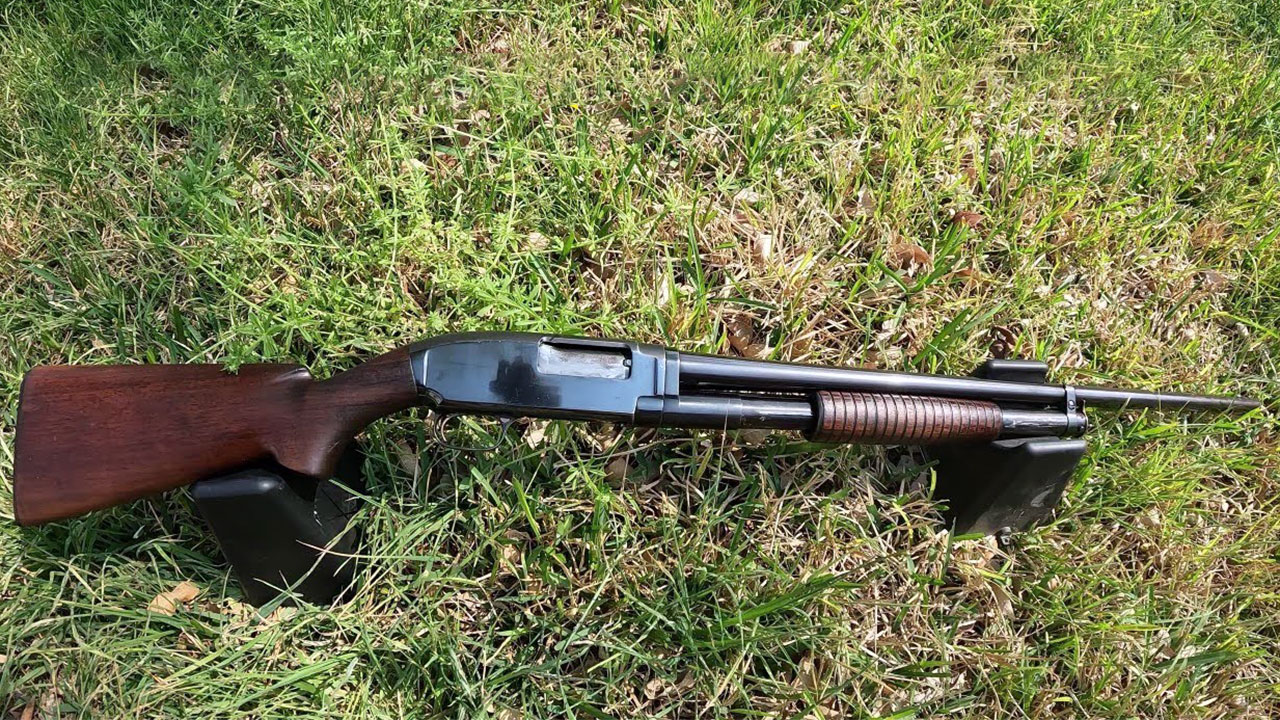
The Winchester Model 12 aged better than the trend toward cheaper pump guns and modern semi-autos. It is heavier than some newer shotguns and lacks the simple production economics of today’s designs. It also comes from an era when machining and hand-fitting mattered more.
That is exactly why it still impresses people. A good Model 12 has a slickness and all-steel confidence that many modern pumps do not match. It is a wonderful field shotgun, clay gun, and collector piece depending on configuration and condition. Newer shotguns may be more weather-resistant or easier to accessorize, but the Model 12 has a mechanical smoothness that aged beautifully. The trend replaced it with efficiency. It kept its soul.
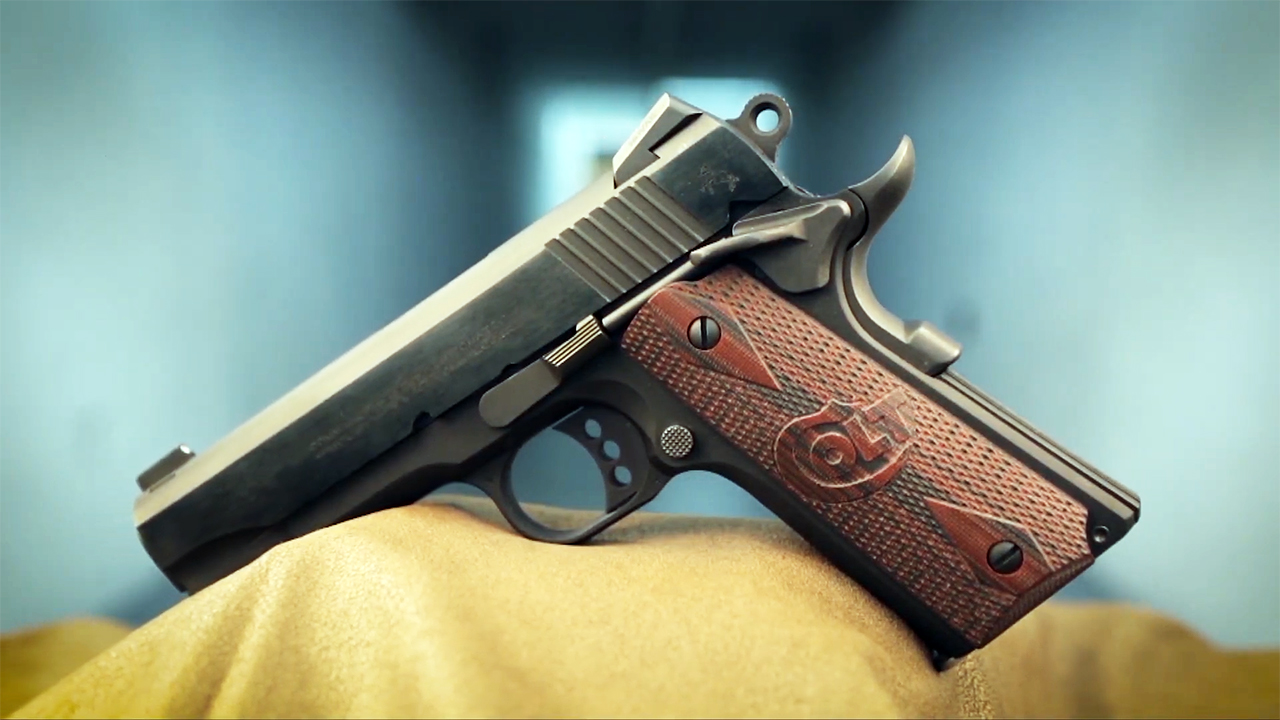
Colt Lightweight Commander
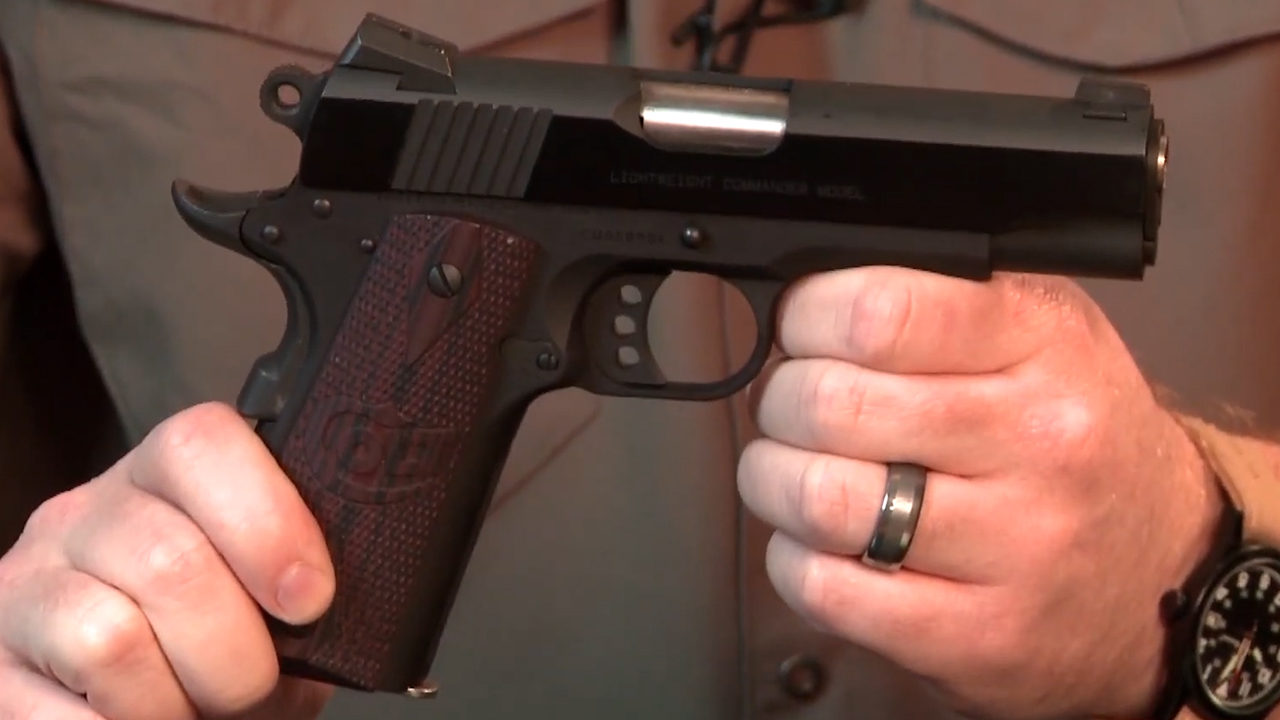
The Colt Lightweight Commander was overshadowed by polymer carry pistols that offered more capacity, less weight, simpler maintenance, and lower cost. For everyday carry, that trend is hard to argue with. A modern compact 9mm can be extremely practical.
Still, the Lightweight Commander aged well because it offers something different. It carries flat, balances well, and gives shooters the crisp 1911 trigger in a handier package than a full-size steel gun. It demands more from the owner in terms of training, magazines, and maintenance, but it rewards people who love the platform. The trend replaced it with easier answers. The Commander remains desirable because easy is not the only thing that matters.
Marlin 39A

The Marlin 39A aged better than almost every trend in rimfire rifles. Semi-auto .22s, tactical-style rimfires, precision chassis rimfires, and budget bolt guns all have their place. But none of them truly replace a smooth lever-action .22 with classic build quality.
The 39A is useful, fun, accurate, and deeply charming. It can teach new shooters, handle small-game duty where legal, and provide relaxed range time for anyone who enjoys lever guns. It is also a rifle that feels like it belongs to another era of craftsmanship. The rimfire market moved in many directions after it, but the 39A did not become obsolete. It became more obviously special.
SIG Sauer P229
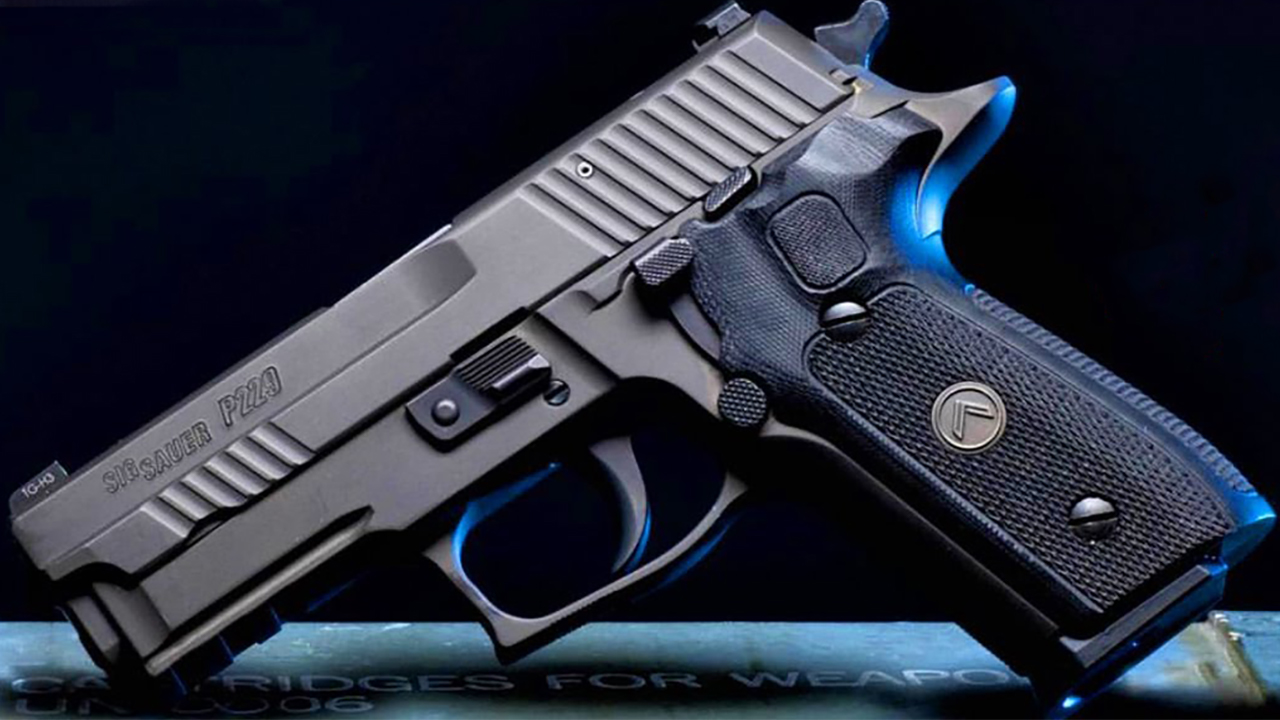
The SIG Sauer P229 got shoved aside by lighter striker-fired pistols and newer optics-ready designs. It is thicker and heavier than many current carry options, and DA/SA pistols require more practice than consistent-trigger striker guns. The market’s direction was obvious.
But the P229 aged well because it feels serious and durable. It shoots well, handles recoil nicely, and gives owners traditional controls in a compact service-pistol package. It may not be the easiest pistol to carry compared with modern slim guns, but it remains highly trusted by shooters who value its feel and build. The trend replaced it with lighter convenience. The P229 kept its reputation for confidence.
Ruger No. 1

The Ruger No. 1 aged better than the trend toward higher-capacity, modular, long-range rifles because it never tried to compete with them. It is a falling-block single-shot rifle, which sounds impractical in a world obsessed with fast follow-up shots and detachable magazines.
That impracticality is part of the charm. The No. 1 is compact for its barrel length, elegant, and deliberate. It appeals to hunters and shooters who appreciate making one shot count. It has been offered in a wide range of chamberings, from mild deer cartridges to serious big-game rounds. A modern rifle may be more efficient, but the No. 1 offers an experience. Trends chase performance. The No. 1 aged well because it gives owners ritual.
Browning Hi-Power

The Browning Hi-Power was replaced by pistols with lighter frames, higher capacities, accessory rails, optic cuts, and simpler triggers. By modern standards, it can seem dated. The trigger often needs help, the sights on older examples can be small, and it lacks many current features.
Yet it aged beautifully because the grip, balance, and history are hard to beat. The Hi-Power feels slim for a double-stack 9mm and points naturally for many shooters. It is not the most practical modern defensive pistol, but it is one of the most elegant service pistols ever built. The trend replaced it with better specs. The Hi-Power survived on feel, and feel has aged extremely well.
Remington 1100

The Remington 1100 got pushed aside by newer gas guns and inertia guns that promised lighter weight, broader load handling, and easier modern features. Many of those newer shotguns are excellent. But the 1100 still has a soft-shooting, natural feel that keeps owners loyal.
A good 1100 can be a wonderful dove gun, clay gun, upland shotgun, or general-purpose semi-auto depending on setup. It is heavier than some modern alternatives and needs maintenance, but it rewards shooters with comfortable recoil and classic handling. The trend moved toward newer systems. The 1100 aged well because shotguns are judged by how they feel when they move, and it still moves beautifully.
Smith & Wesson Model 39
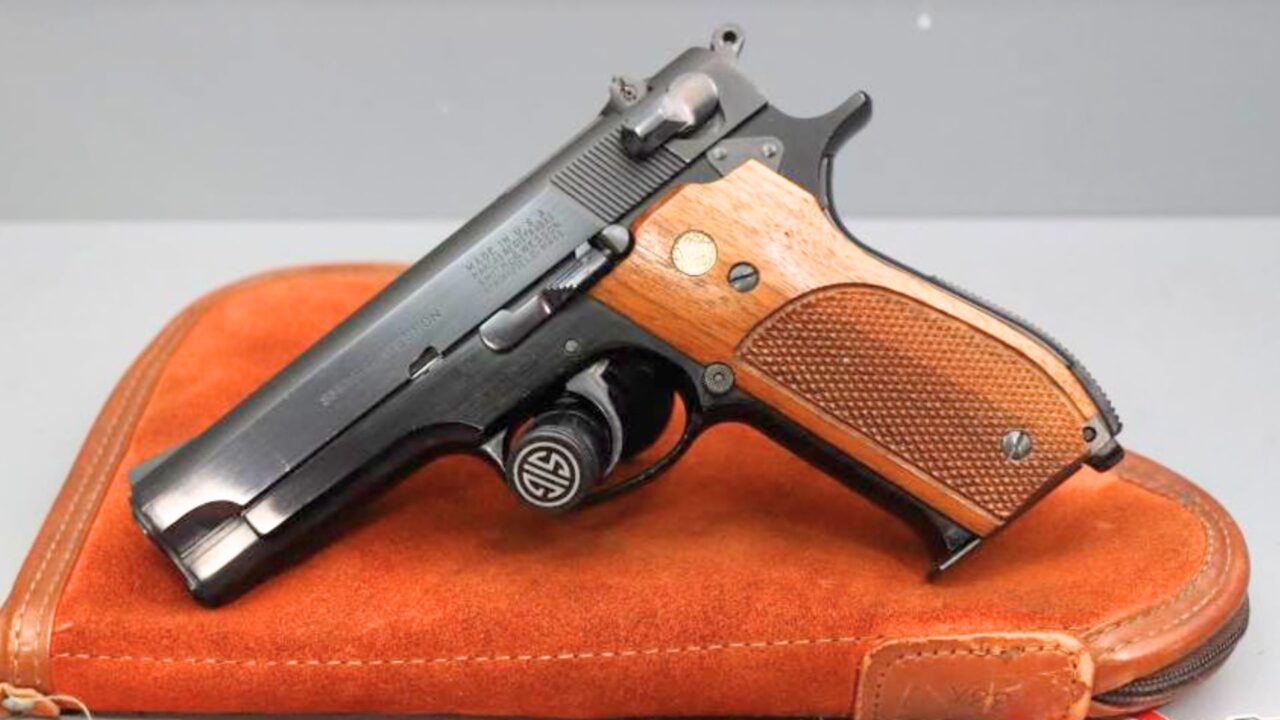
The Smith & Wesson Model 39 was replaced by double-stack pistols, then polymer pistols, then micro-compacts that made single-stack metal-frame 9mms look inefficient. On a spec sheet, the Model 39 loses badly to many modern carry guns.
But it aged well because it has elegance. It is slim, light for its era, and historically important as one of America’s early successful double-action 9mm pistols. It may not be the best modern carry choice, but as a shooter and collectible, it has strong appeal. The trend replaced it with capacity and simplicity. The Model 39 kept its graceful lines and old-school charm.
Winchester Model 70 Classic

The Winchester Model 70 Classic aged better than the trend toward cheaper push-feed rifles and later toward highly modular long-range hunting rigs. Those newer designs often shoot well and cost less to build. But the controlled-round-feed Model 70 Classic still feels like a serious hunting rifle.
It has the claw extractor, three-position safety, and traditional handling that many hunters trust. It may not be as lightweight or adjustable as newer rifles, but it has confidence built into its design. Hunters who value simplicity, field reliability, and classic form still appreciate it deeply. The trend replaced it with cheaper production and modern features. The Classic kept the kind of hunting-rifle identity people still chase.
Ruger P89

The Ruger P89 aged better than the trend that made it look obsolete. Polymer pistols became lighter, sleeker, and easier to carry. The P89 looked bulky, overbuilt, and plain. Many shooters dismissed it as a clunky relic from the old wonder-nine era.
Years later, that overbuilt personality became the appeal. The P89 is durable, reliable in many owners’ hands, and surprisingly easy to trust. It is not refined, and it will never feel like a modern slim carry gun. But as a rugged range pistol, home-defense gun, or old-school service-style 9mm, it has aged into respectability. The trend replaced it with lighter pistols. The P89 stayed the brick that refused to die.
Like The Avid Outdoorsman’s content? Be sure to follow us.
Here’s more from us: