Photo credit: Bulletproof Tactical/Youtube
Some guns make a decent first impression. The price looks right, the feature list sounds fine, and maybe the first range trip even goes well enough. Then ownership stretches out. The finish wears faster than expected, the trigger starts bothering you, the magazines feel flimsy, or the whole gun never quite earns real confidence.
That’s when “affordable” starts feeling like “cheap.” Not every gun on this list is useless, and some owners may have had good luck with theirs. But these are the guns that often felt less impressive the longer people lived with them.
Remington 770
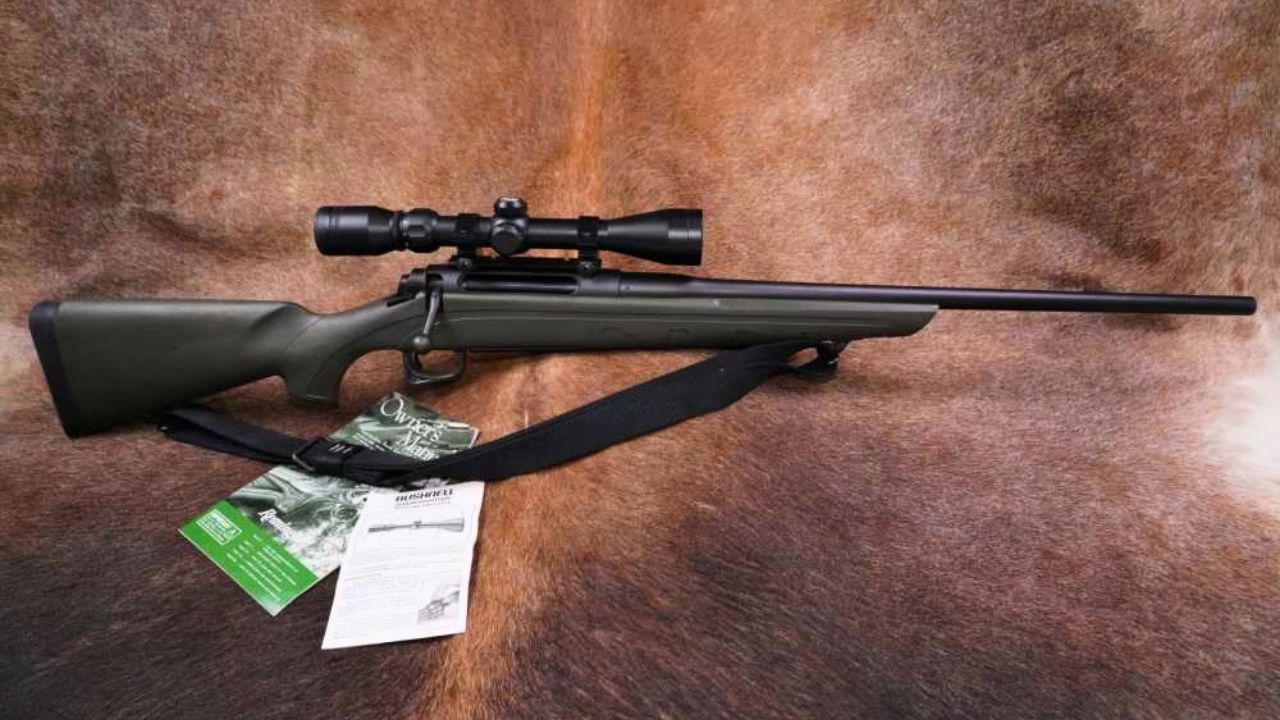
The Remington 770 looked like an affordable way into a scoped hunting rifle, especially for buyers who trusted the Remington name. At first glance, that made sense. It came as a package gun, chambered in useful deer rounds, and seemed ready for the woods without much extra money.
The longer owners lived with it, the cheaper it tended to feel. The bolt could feel rough or sloppy, the stock felt flimsy, and the overall rifle lacked the pride people associated with older Remingtons. Plenty killed deer, and that matters, but working and feeling good are not the same thing. After a few seasons, many hunters wished they had spent a little more on a rifle with better bones.
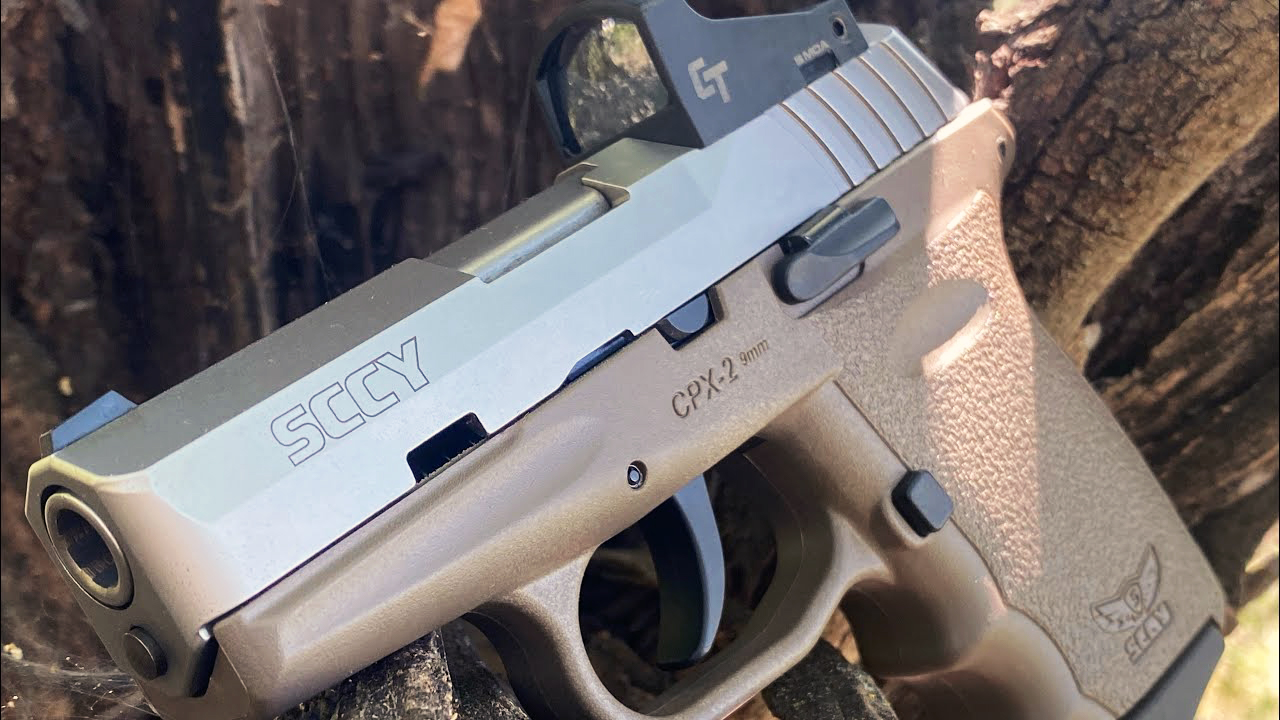
SCCY CPX-2
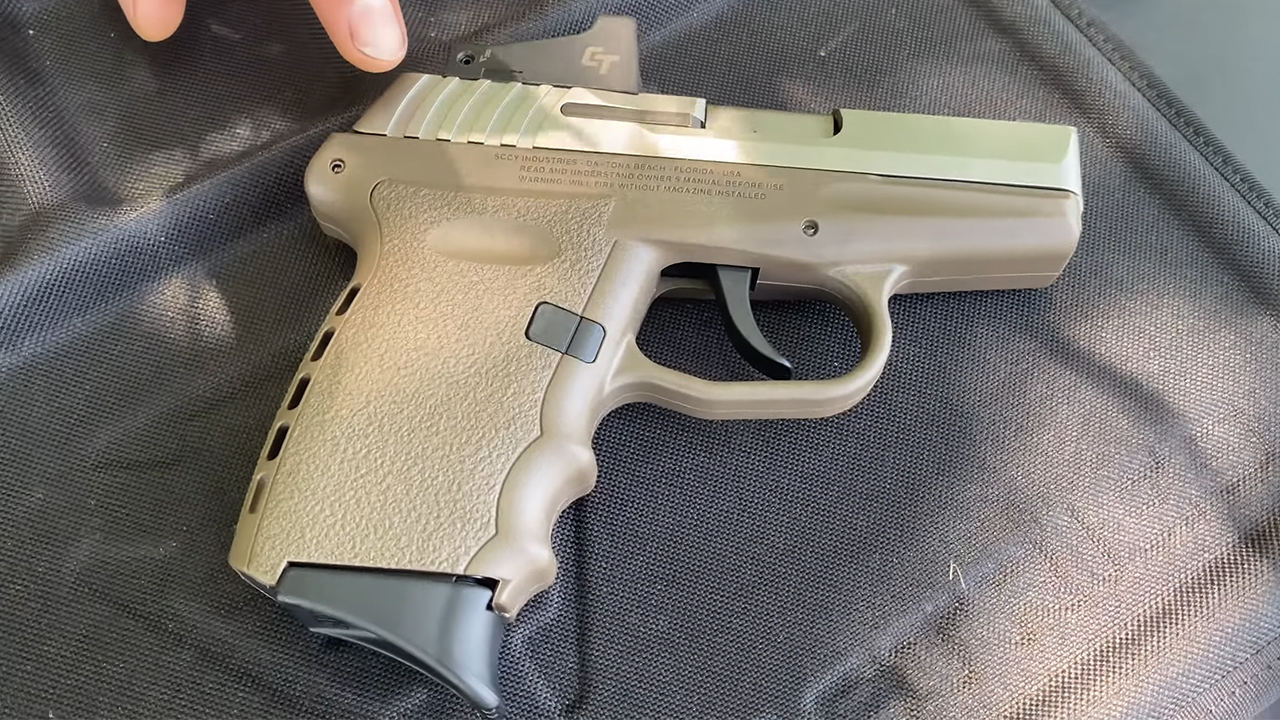
The SCCY CPX-2 appealed to buyers because it was compact, affordable, and chambered in 9mm. For someone who needed a carry pistol on a tight budget, it looked like a practical choice. The warranty also helped people feel better about taking the chance.
Over time, though, the CPX-2’s rough edges became harder to ignore. The long, heavy trigger made accurate shooting more difficult for many owners, and recoil could feel sharp in such a light pistol. Some ran fine, but the shooting experience often reminded people why it cost less. As better budget pistols became available, the CPX-2 started feeling less like a smart buy and more like a compromise.
Mossberg 715T
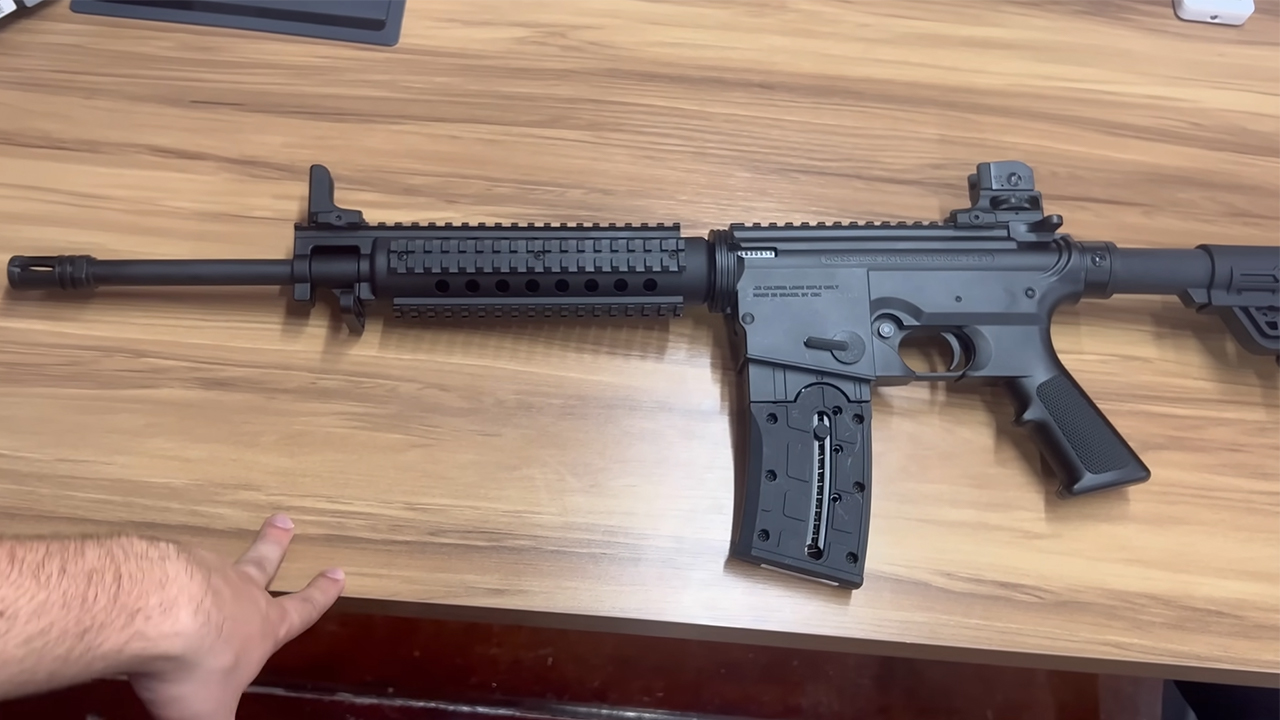
The Mossberg 715T looked fun at first because it gave shooters an AR-style rimfire without a big price tag. The tactical shell, rails, and modern profile made it seem more serious than a plain .22 rifle, especially to newer shooters.
After a while, the styling could start feeling hollow. The rifle often felt bulky and plastic-heavy, and the AR-like appearance didn’t necessarily make it a better shooter or trainer. Some owners dealt with reliability frustration, while others simply realized a simpler rimfire felt sturdier and more enjoyable. The 715T’s look did a lot of selling early, but long-term ownership often made the basic construction feel cheaper than expected.
Taurus Curve
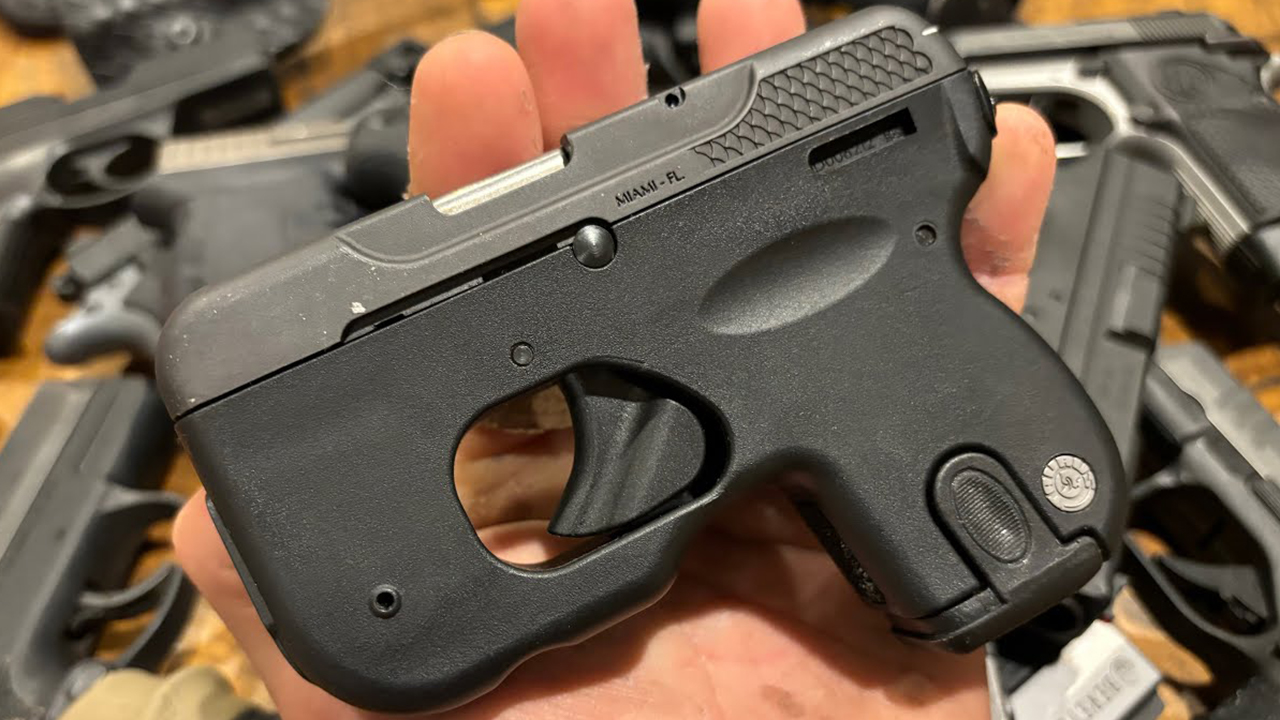
The Taurus Curve felt clever at first because it was so different. A curved .380 designed for body carry, with built-in light and laser on some versions, sounded like an inventive answer to deep concealment. It definitely didn’t feel like another copycat pocket pistol.
The longer people tried to treat it like a serious carry gun, the less convincing it became. The grip shape was odd, the sighting system was limited, and the whole pistol felt more like an idea than a durable shooting tool. Concealment was the selling point, but practice and confidence are what keep a carry gun in rotation. The Curve’s uniqueness started feeling less useful and more gimmicky over time.
Remington 887 Nitro Mag
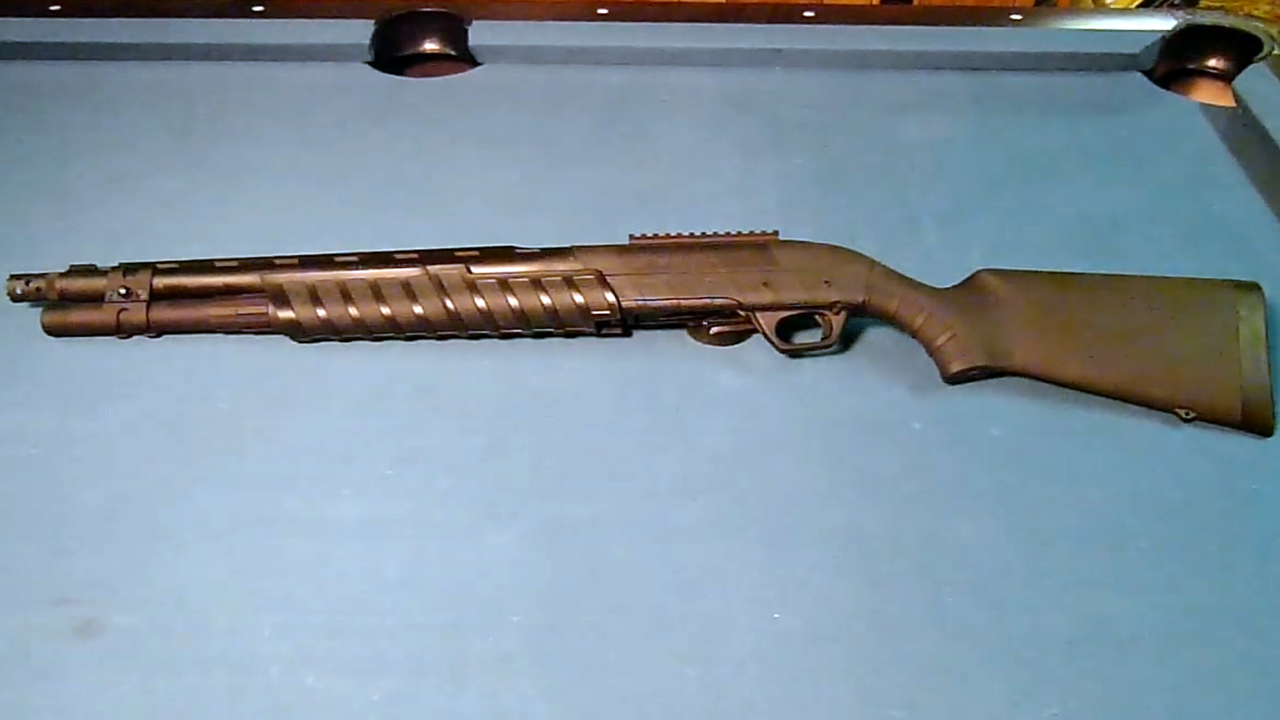
The Remington 887 Nitro Mag looked rugged enough to justify itself. The coating, large frame, and 3½-inch chambering made it seem like a weatherproof waterfowl pump built for nasty conditions. It had attitude, and that helped it stand out.
Ownership told a different story for many hunters. The shotgun felt bulky, awkward, and less natural than the older pump guns it was supposed to improve on. Reliability complaints and recall history didn’t help. Over time, the tough exterior didn’t make up for the lack of trust. A hard-use shotgun needs to feel better the more it gets used. The 887 often did the opposite.
Beretta Nano
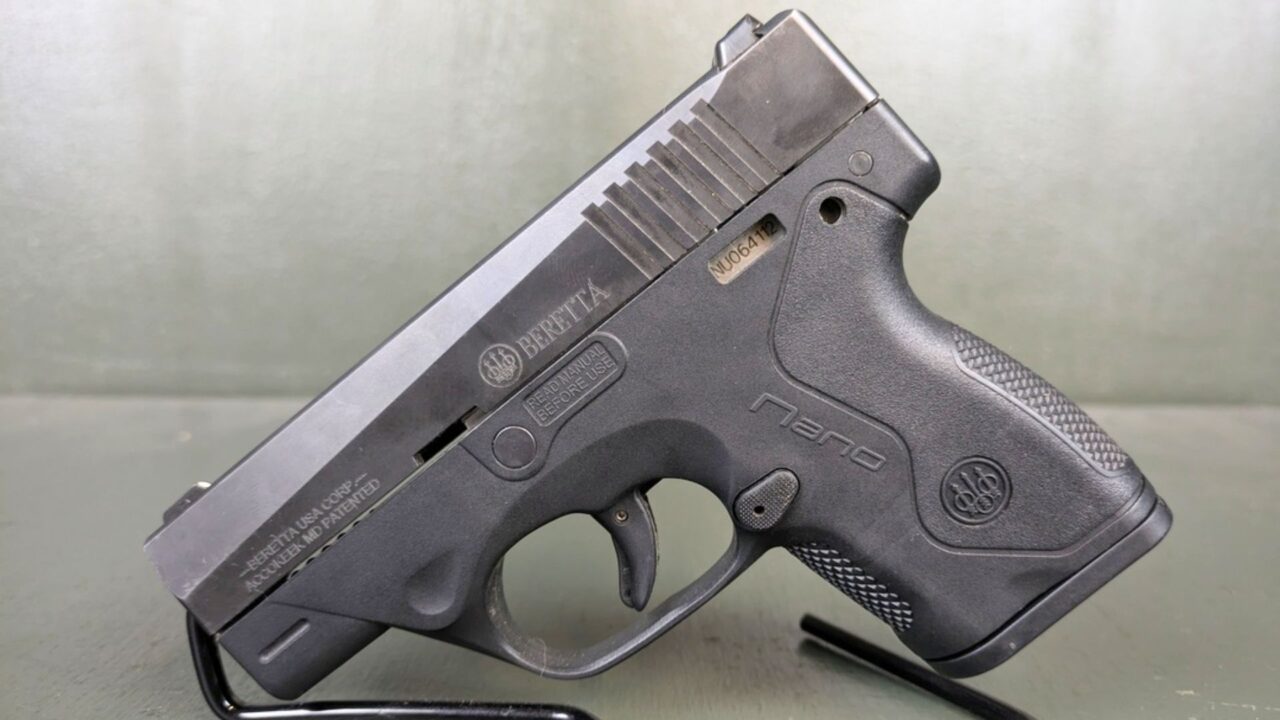
The Beretta Nano had smart ideas when it launched. It was compact, smooth-sided, snag-free, and built around a modular chassis system before that became common in carry pistols. With Beretta’s name attached, many buyers expected it to age well.
Instead, the market moved quickly and the Nano’s compromises became more obvious. The trigger felt heavy to many shooters, the grip was short, and the lack of an external slide stop lever frustrated some owners. It carried easily, but it didn’t always shoot comfortably. As newer slim 9mms arrived with better triggers, better capacity, and better control, the Nano started feeling older and cheaper faster than expected.
Savage Axis

The Savage Axis has helped a lot of hunters get into the woods, and many shoot surprisingly well. That deserves credit. But the original Axis also showed its budget roots quickly, especially before the Axis II brought the AccuTrigger into the picture.
The stock could feel flimsy, the trigger on early versions was not loved, and the overall rifle had very little refinement. Again, many of them shot well enough to hunt, which is why they sold. But after a few seasons, some owners wanted a rifle that felt better in the hand and more satisfying to keep. Accuracy can save a budget rifle, but it doesn’t always make it feel less cheap.
KelTec PF-9
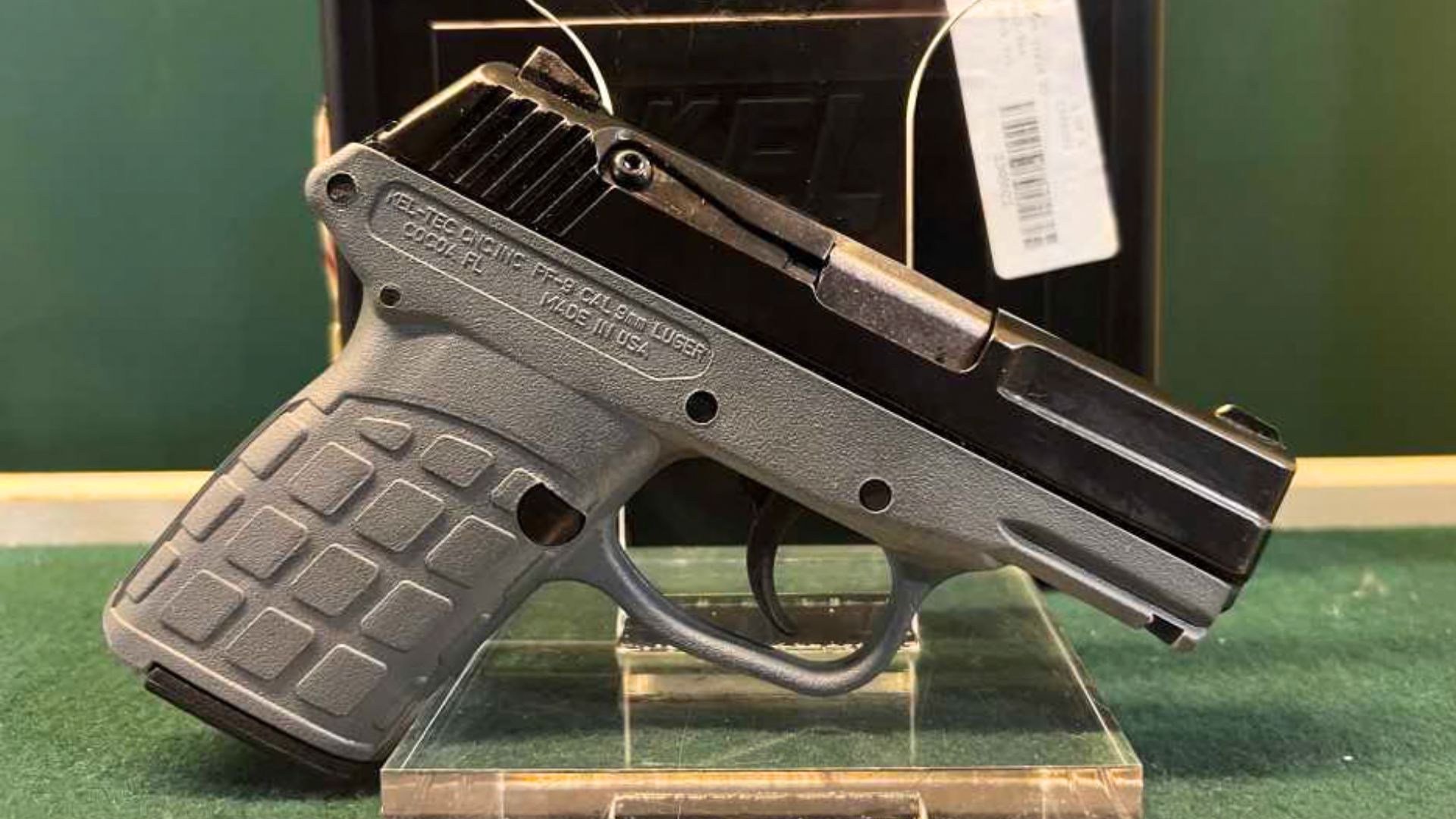
The KelTec PF-9 made sense when slim 9mm carry guns were less common. It was thin, light, inexpensive, and easy to conceal. For a certain period, that was enough to get a lot of attention from budget-minded concealed carriers.
The problem was that long-term shooting made the tradeoffs obvious. The recoil was sharp, the trigger took work, and the gun wasn’t especially pleasant for regular practice. A carry gun that owners avoid shooting can become a problem, even if it hides well. As smoother, more shootable slim pistols became available, the PF-9 started feeling more like an early compromise than a lasting solution.
Remington RP9
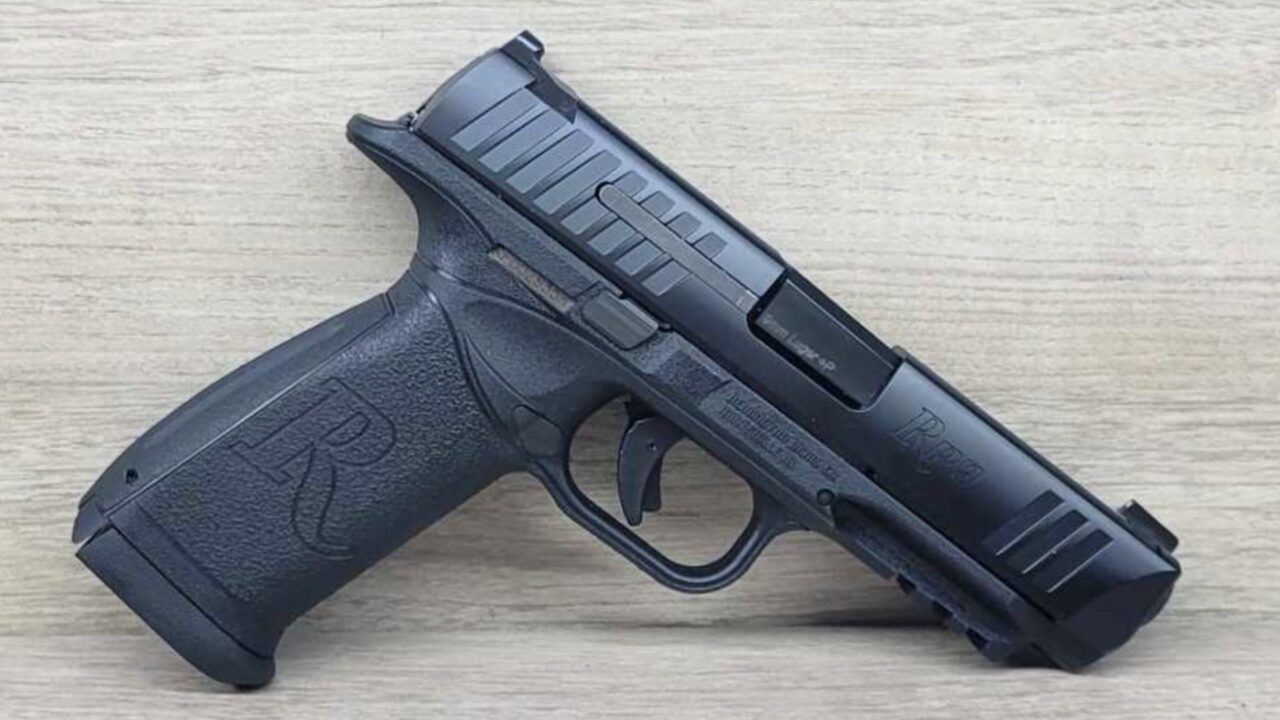
The Remington RP9 looked like a practical full-size 9mm at first. It had good capacity, interchangeable backstraps, and a price that made it seem like Remington was offering a serious budget-friendly duty-style pistol.
The more people handled and shot it, the less impressive it felt. The grip shape was awkward for many shooters, the trigger didn’t stand out, and the pistol never built the reputation needed to survive in a crowded striker-fired market. It looked acceptable on a spec sheet, but real use made it feel behind better options. A full-size pistol should inspire confidence. The RP9 often felt like it was built to a price first.
Winchester Wildcat
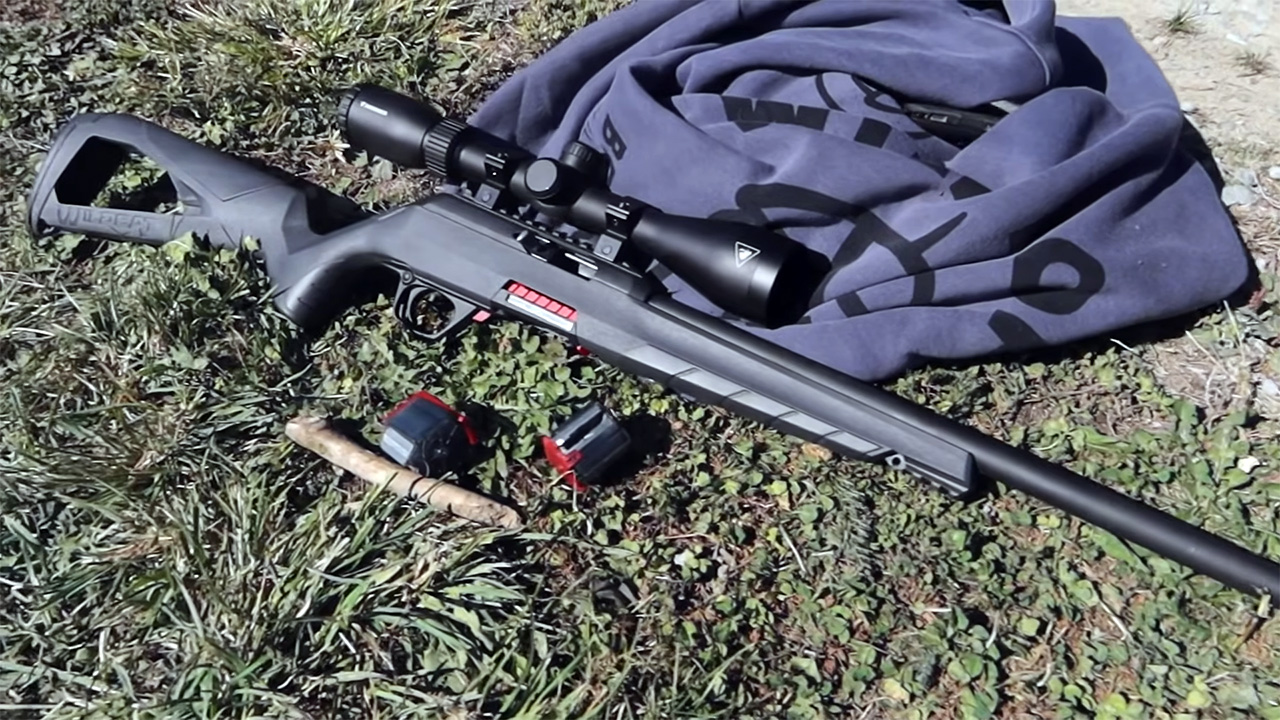
The Winchester Wildcat has genuinely smart features. It is easy to clean, lightweight, affordable, and compatible with Ruger 10/22 magazines. That magazine compatibility alone made it look like a clever modern rimfire.
But some owners found that the rifle felt cheaper with time because of its very light, plastic-heavy feel. It may work fine, and for younger shooters or casual plinking, it can make sense. Still, compared with sturdier rimfires, it doesn’t always feel like something built for decades of hard use. The design is smart, but clever features don’t always create the same confidence as solid feel.
Smith & Wesson Bodyguard 380
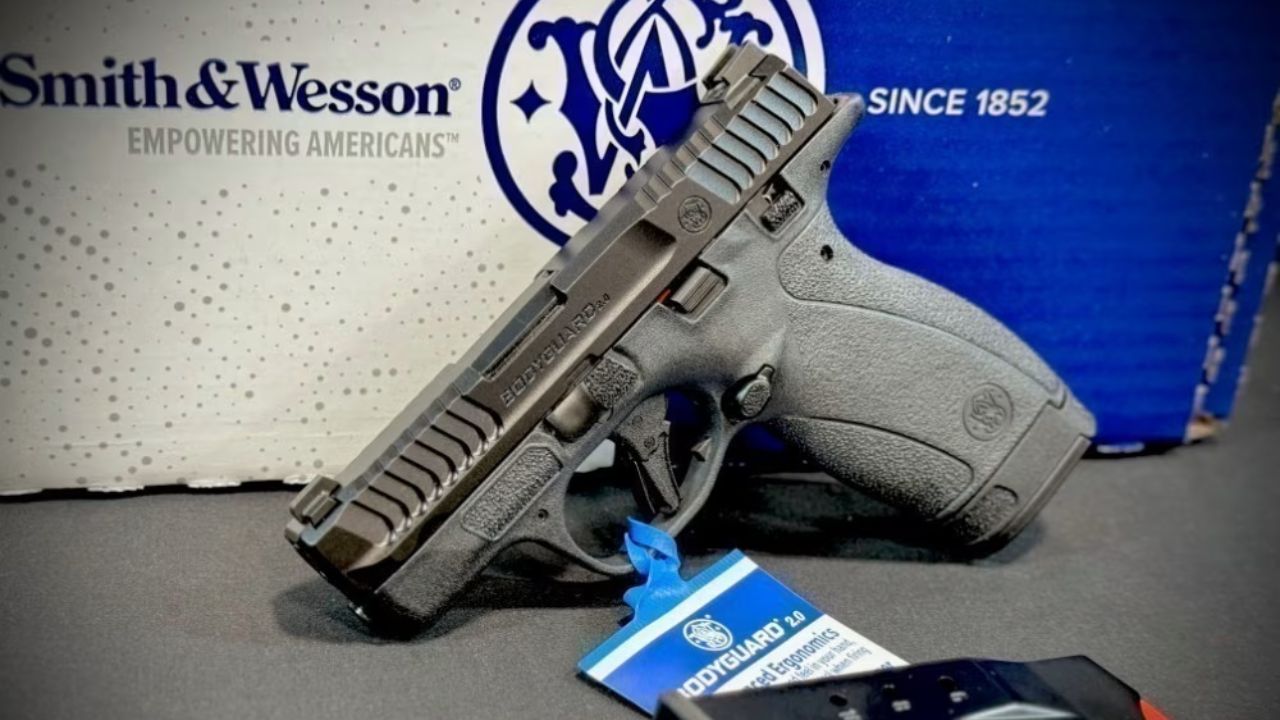
The Bodyguard 380 looked like a practical pocket pistol because it was small, light, and easy to conceal. Early laser-equipped versions added to the appeal. For deep carry, it had a real purpose.
The longer owners practiced with it, the more the cheap-feeling side could show. The long trigger, tiny sights, and short grip made it difficult to shoot well. That’s not unusual for pocket .380s, but it still matters. A pistol can be easy to carry and still frustrating to train with. Many owners eventually moved to slightly larger guns that felt more substantial and gave them more confidence.
Taurus PT709 Slim

The Taurus PT709 Slim arrived when slim single-stack 9mms were in high demand. It was affordable, compact, and easy to carry, which made it attractive to buyers who didn’t want to pay more for better-known options.
Long-term ownership was mixed. Some examples worked fine, but others left owners dealing with odd trigger feel, reliability concerns, or a general lack of refinement. Once pistols like the Shield, Glock 43, and later higher-capacity micro-compacts became common, the PT709 felt less competitive. Its low price was the draw, but over time many shooters realized they wanted more trust and better shootability.
Rossi Circuit Judge
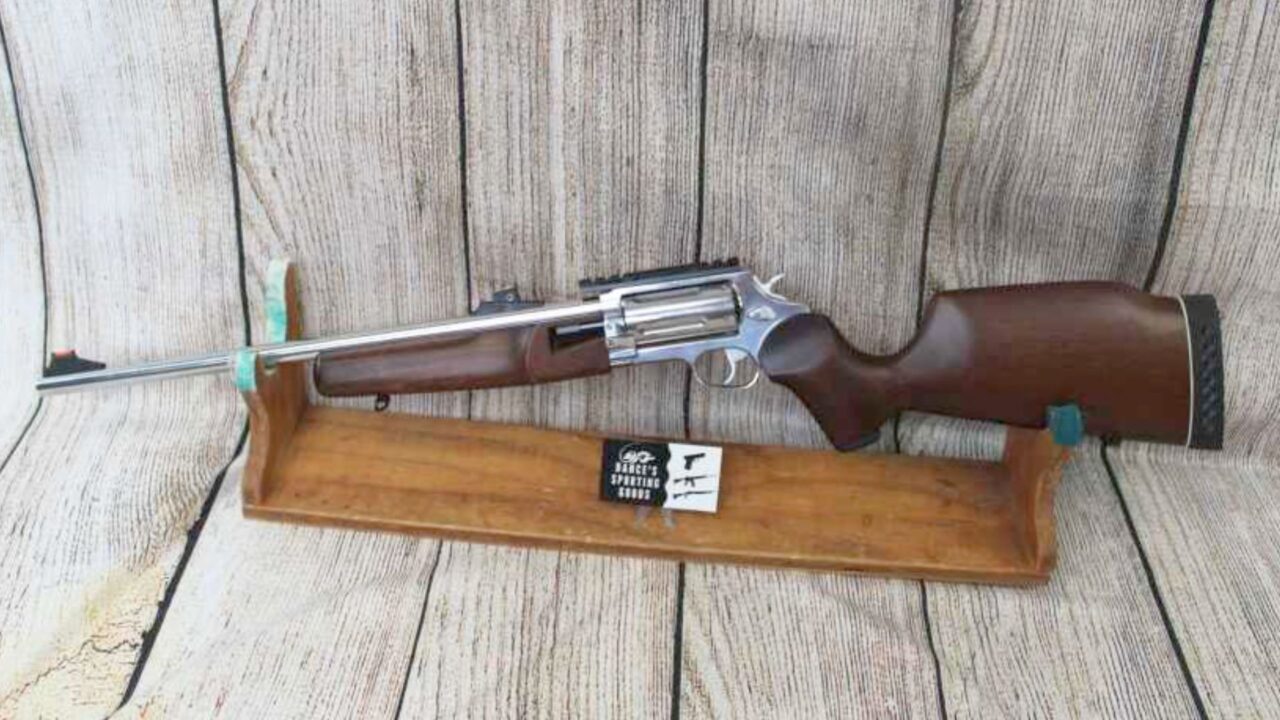
The Rossi Circuit Judge looked like a fun do-it-all carbine. A revolving long gun that could fire .45 Colt and .410 shells sounded useful for pests, camp use, and general property work. The idea was easy to like.
But the longer owners lived with it, the more the compromises showed. The cylinder gap, awkward handling, limited .410 performance from the platform, and overall niche role made it feel less practical than promised. A dedicated lever gun, shotgun, or rimfire often handled specific jobs better. The Circuit Judge was interesting, but long-term ownership made the versatility feel more like a collection of tradeoffs.
SIG Sauer Mosquito
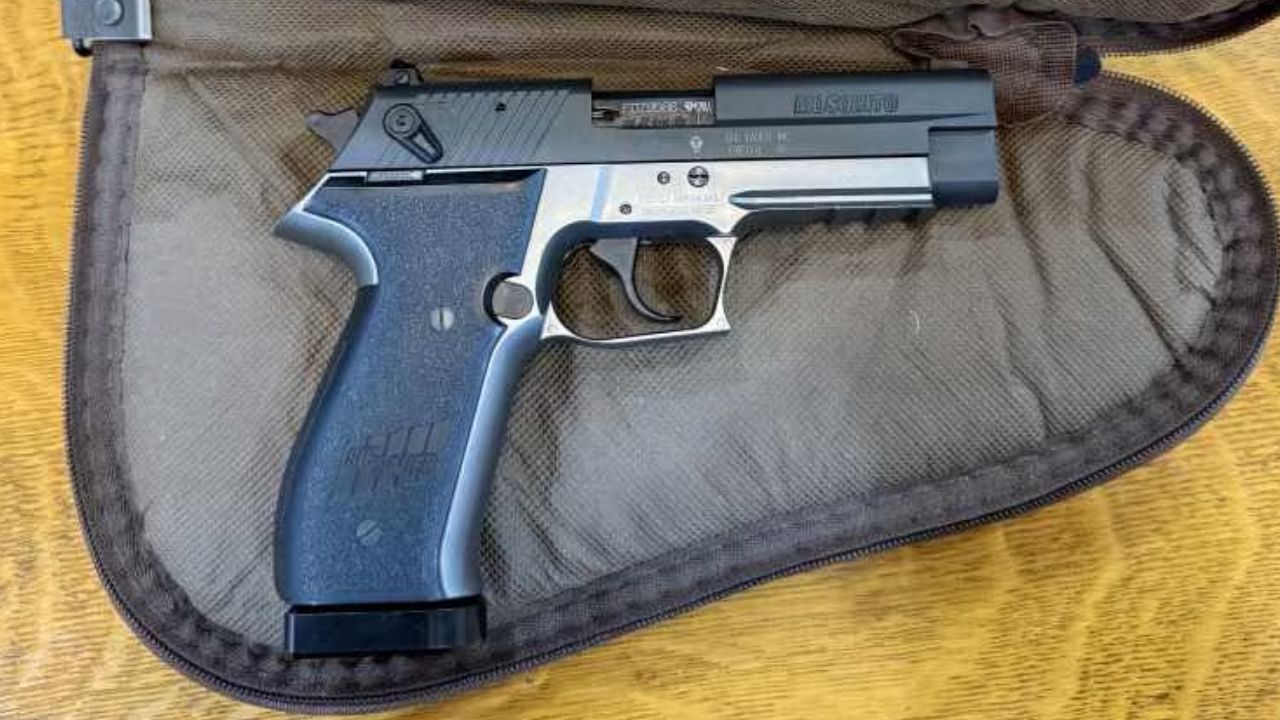
The SIG Mosquito looked like it should have felt better than it did. A .22 LR pistol with SIG styling and trainer appeal seemed like a great way to practice cheaply. The idea was strong enough that a lot of buyers gave it the benefit of the doubt.
The longer people owned one, the more ammunition sensitivity and reliability frustration hurt the experience. Rimfire pistols can always be picky, but the Mosquito developed a reputation for being too finicky for the role it was supposed to fill. A .22 pistol should make practice easier. When it makes practice annoying, it starts feeling cheap no matter what name is on the slide.
Desert Eagle .50 AE
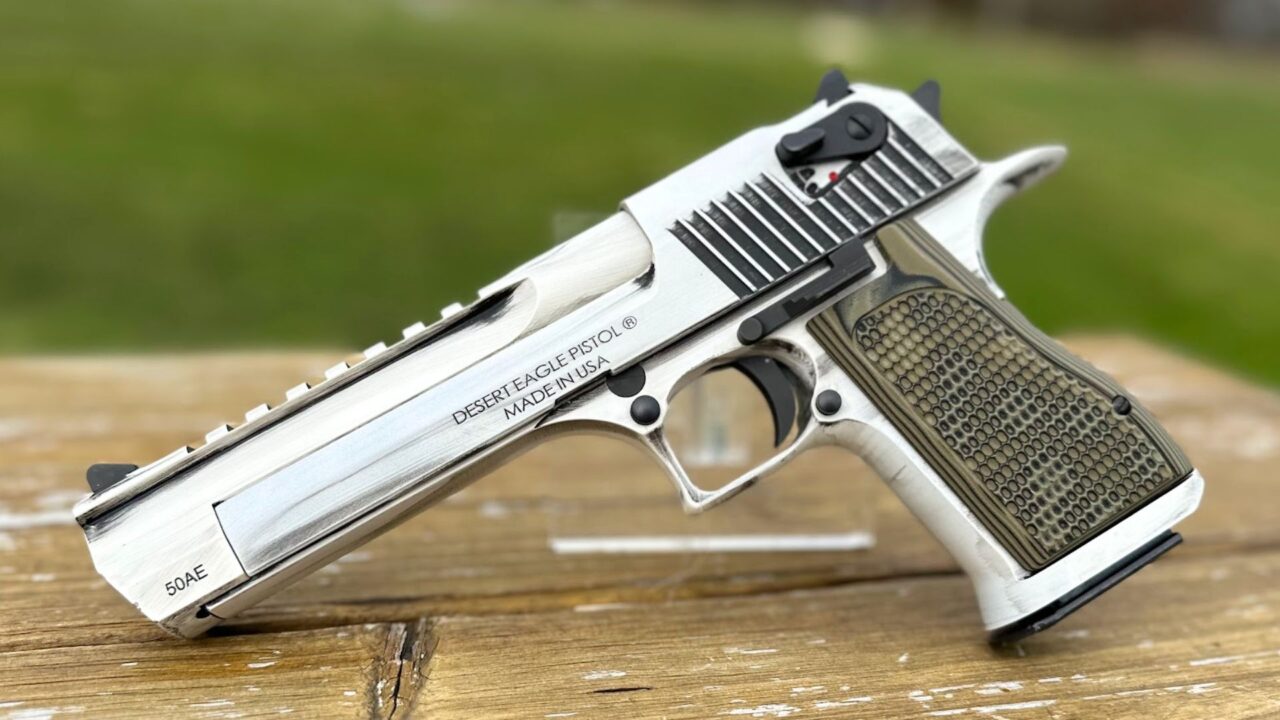
The Desert Eagle .50 AE does not feel physically cheap. It is huge, heavy, and mechanically impressive. But it can start feeling like a bad value the longer owners live with it, especially if they expected practical use instead of entertainment.
The ammunition is expensive, the pistol is massive, the grip is too large for many hands, and reliability depends more on proper technique and ammunition than simpler handguns. It is still iconic and fun in the right setting. But after the novelty fades, many owners realize they paid a lot for a gun they don’t shoot often. That kind of “cheap feeling” comes less from construction and more from realizing the usefulness was thinner than expected.
Like The Avid Outdoorsman’s content? Subscribe to our newsletter so you never miss an article.
Here’s more from us: