Photo credit: c
Old guns have a way of making modern design feel a little too busy. You pick one up, run the action, shoot a few groups, and suddenly all the rails, cuts, modules, coatings, and marketing terms start looking less important. Some older firearms were not perfect, but they were built around clear jobs and simple answers.
That is what makes them age so well. They fed, fired, carried, hunted, and handled without needing a long explanation. Newer designs may offer real improvements, but these old guns remind shooters that practical design does not always need to be complicated.
Winchester Model 94

The Winchester Model 94 did not need a chassis, detachable magazine, or oversized bolt knob to become one of the most trusted deer rifles ever carried. It was slim, fast-handling, and easy to keep close in thick woods. For generations of hunters, that was enough.
Modern rifles may shoot flatter and mount optics easier, but the old 94 still makes sense when shots are close and speed matters. It carries like it belongs in your hand, not slung behind you like a tool you forgot about. That simple usefulness makes a lot of newer hunting rifles feel overbuilt for ordinary deer woods.
Remington 870 Wingmaster

The Remington 870 Wingmaster is one of those shotguns that proves smoothness matters more than gadgetry. It has a simple pump action, good balance, and a feel that modern budget shotguns often struggle to match. Nothing about it needs explaining.
A good Wingmaster just runs. You can hunt birds, shoot clays, keep it behind the door, or pass it down without acting like it needs a software update. Newer tactical shotguns may come with rails, pistol grips, and extended everything, but the Wingmaster reminds you that a shotgun mostly needs to point well and cycle cleanly.
Smith & Wesson Model 10
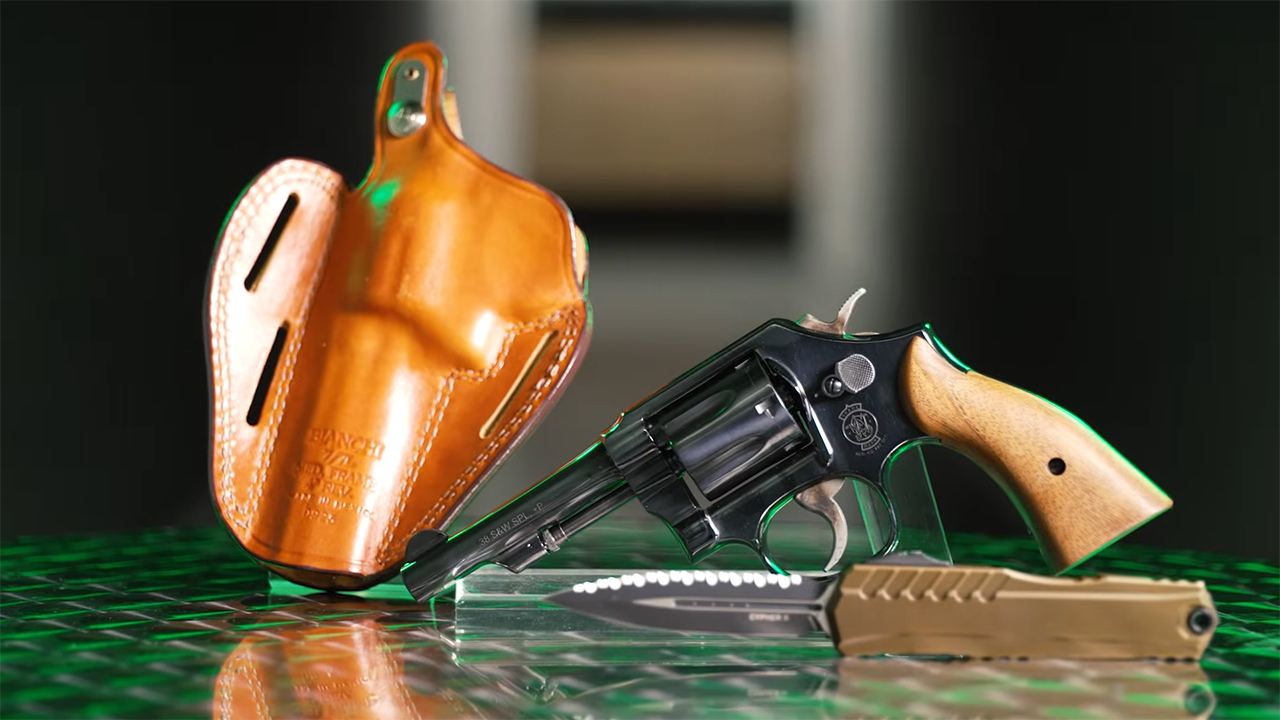
The Smith & Wesson Model 10 is about as plain as a revolver can get, and that is the whole point. Fixed sights, .38 Special, six shots, and a double-action trigger that taught generations of shooters how to press smoothly. It was not built to impress anybody on a spec sheet.
That old K-frame balance still makes newer defensive handguns feel busier than they need to be. No magazines, no optics plates, no striker systems to argue about. You load it, aim it, and shoot it. The Model 10 is not the answer to everything today, but as a shooting tool, it remains brutally honest.
Marlin 336
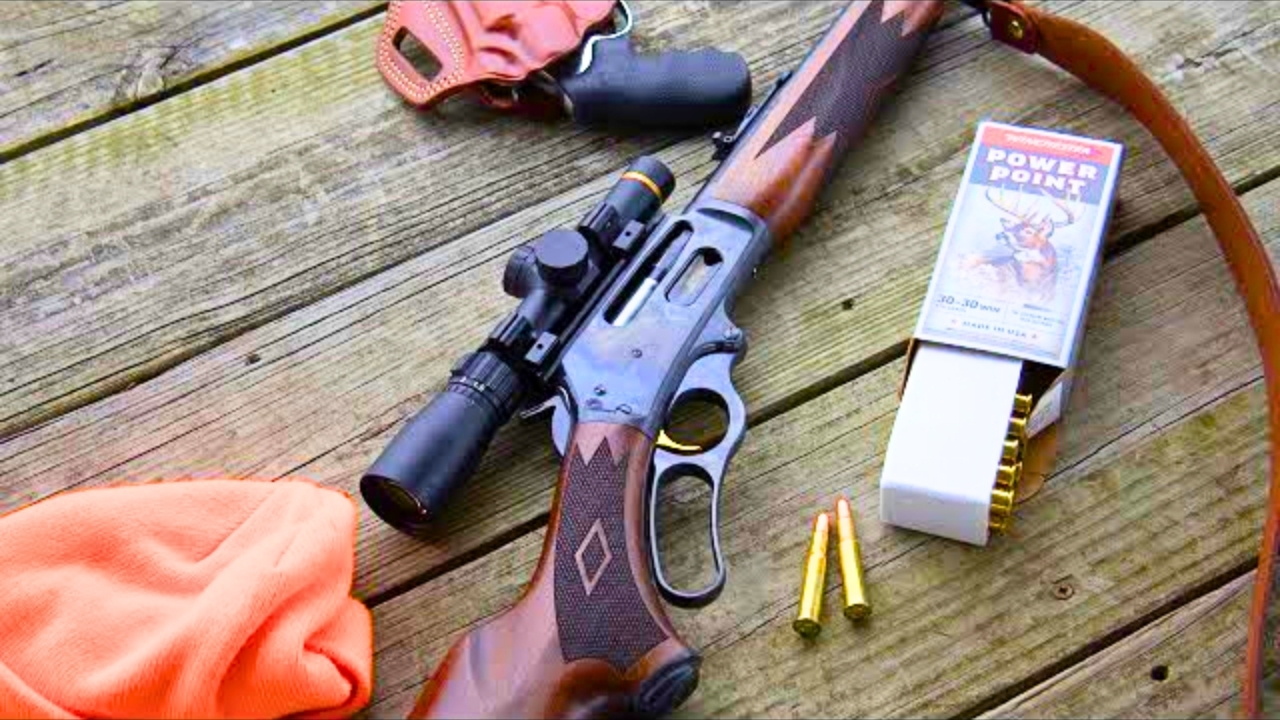
The Marlin 336 stayed useful because it understood its job. A side-ejecting lever gun in .30-30 with decent sights and a receiver that could take an optic made all kinds of sense for deer hunters. It was compact, handy, and more practical than people gave it credit for.
Compared with some modern hunting rifles, the 336 feels refreshingly direct. You do not need a detachable box magazine, a carbon barrel, or a folding stock to kill deer inside normal woods ranges. You need a rifle that shoulders quickly and puts a bullet through the ribs. The 336 has been doing that for a long time.
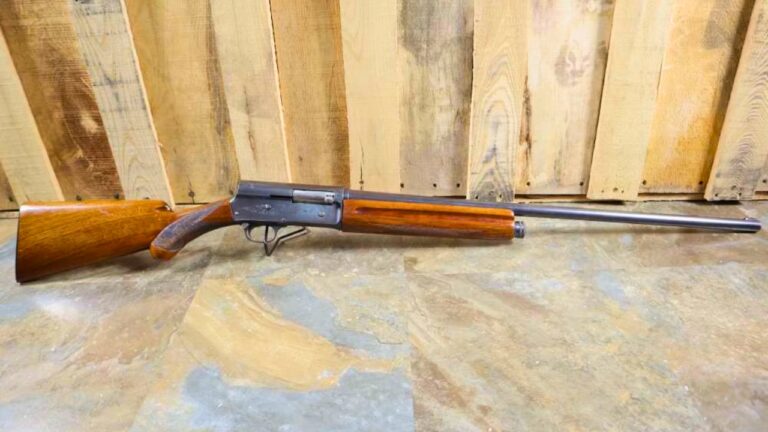
Browning Auto-5
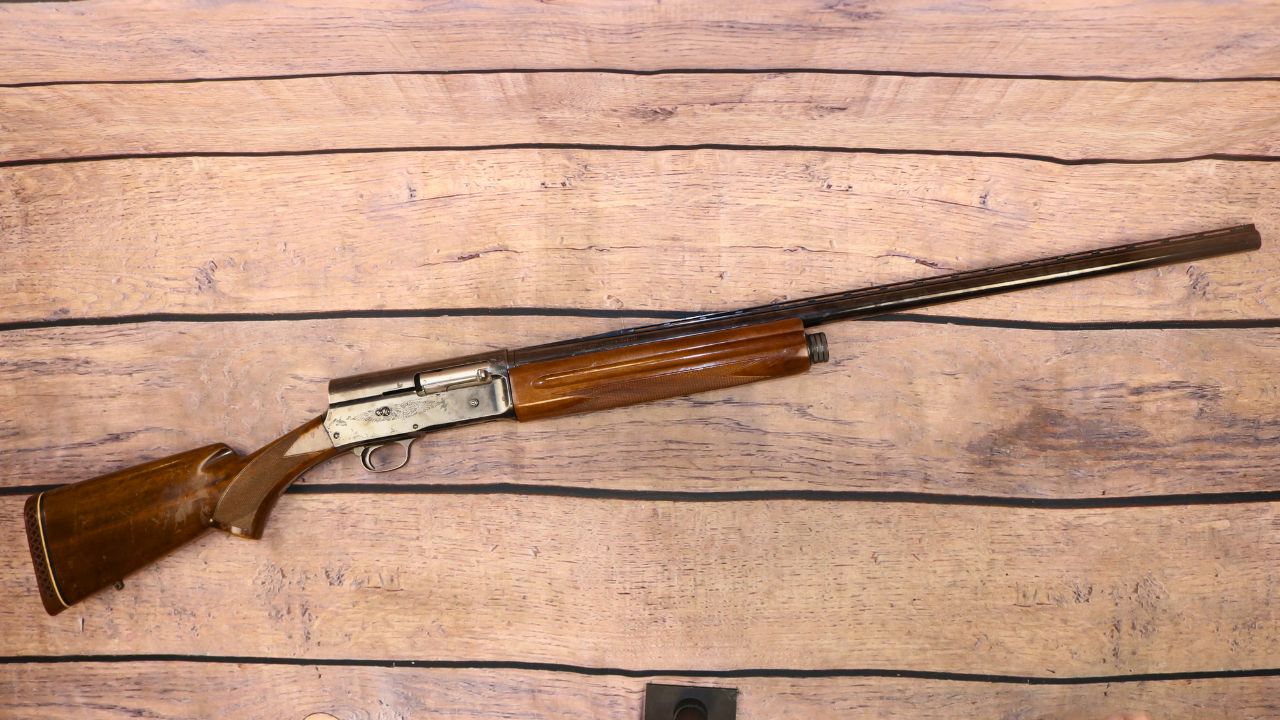
The Browning Auto-5 looks old because it is old, but the design still has a kind of mechanical honesty that newer shotguns can lack. That long-recoil action, humpback receiver, and field-ready balance made it one of the most recognizable semi-auto shotguns ever built.
It may kick differently than modern gas guns, but it was built to work, not flatter a marketing department. Hunters carried them for decades because they cycled, pointed, and lasted. Newer shotguns can be softer and more adjustable, but the Auto-5 makes you respect a design that solved the problem early and stayed relevant.
Colt Government Model 1911

The Colt Government Model 1911 has been copied, modified, customized, and argued over for more than a century, but the basic design still makes sense. A single-action trigger, slim frame, natural point, and strong .45 ACP chambering gave shooters a pistol that felt right in the hand.
Modern pistols beat it on capacity, weight, and simplicity for some roles, but the old 1911 still makes many newer designs feel like they are trying too hard. The trigger alone reminds you why people keep coming back. You do not need six backstraps and three safety systems when the gun already points and breaks cleanly.
Ruger 10/22
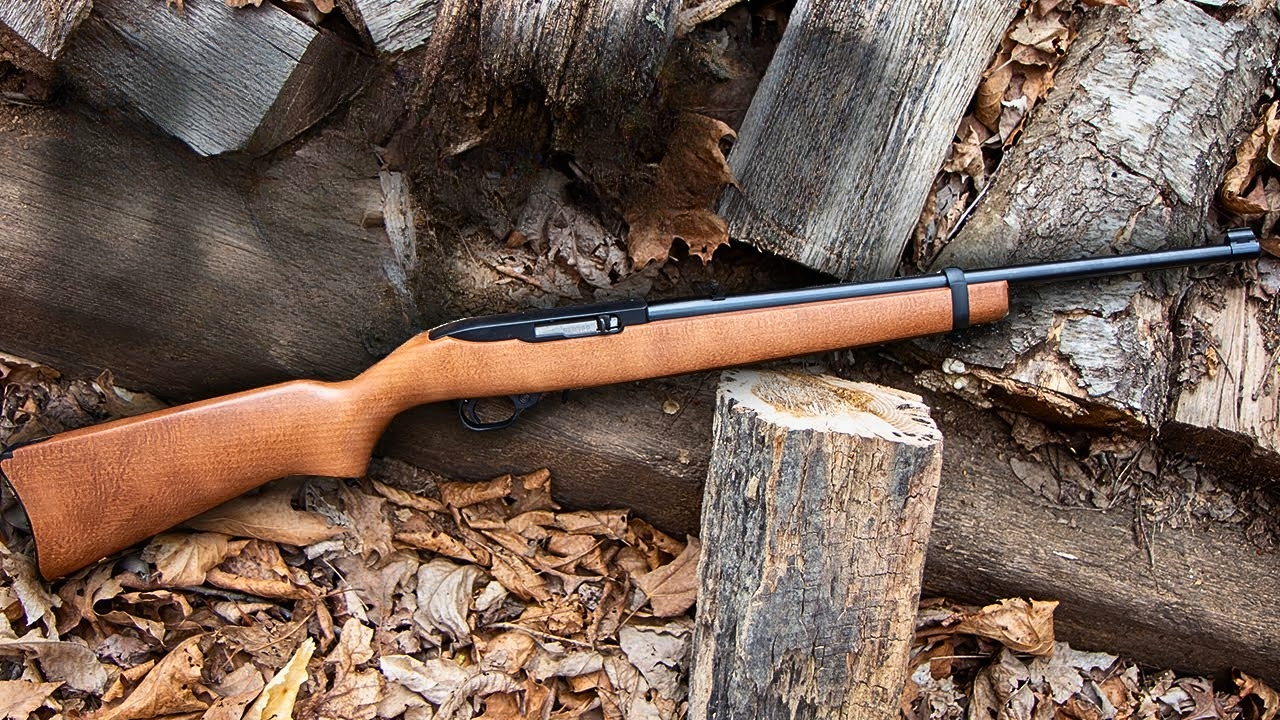
The Ruger 10/22 is not ancient, but it has been around long enough to embarrass newer rimfire designs. It is simple, reliable, easy to modify, and still one of the most useful .22 rifles a shooter can own. That rotary magazine was a smart idea that actually worked.
Plenty of newer rimfires try to look more tactical or more modern, but the 10/22 keeps winning because it does the job without drama. Plinking, small game, training, teaching new shooters — it handles all of it. Sometimes the best design is the one that disappears in your hands and lets you shoot.
Savage 99
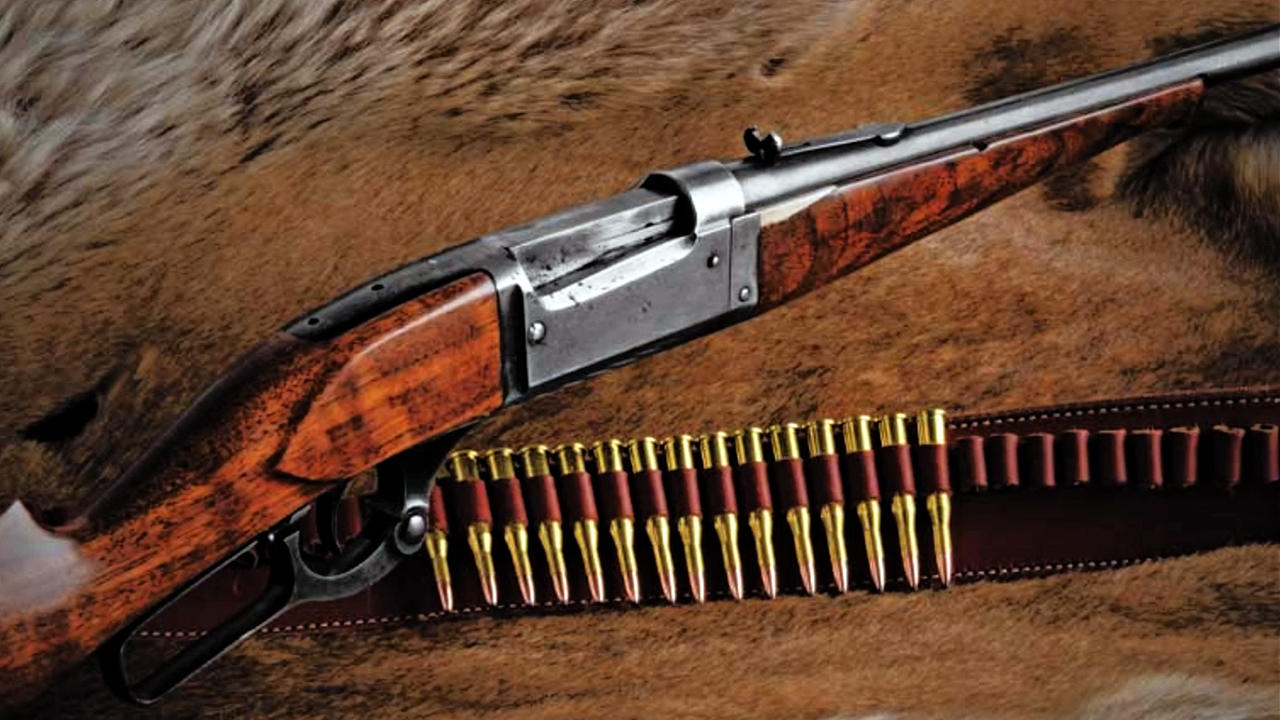
The Savage 99 was clever without feeling complicated. It gave hunters a lever-action rifle that could handle pointed bullets, carry well, and shoot cartridges that stretched beyond traditional tube-fed lever-gun limits. That was real innovation without making the rifle feel awkward.
Today, a lot of modern hunting rifles chase versatility with rails, detachable magazines, and adjustable stocks. The 99 did its own kind of versatile work decades earlier in a slick, compact package. It was a hunting rifle first, not a concept piece. That is why it still makes shooters stop and wonder why more rifles are not that clean.
Browning Hi-Power
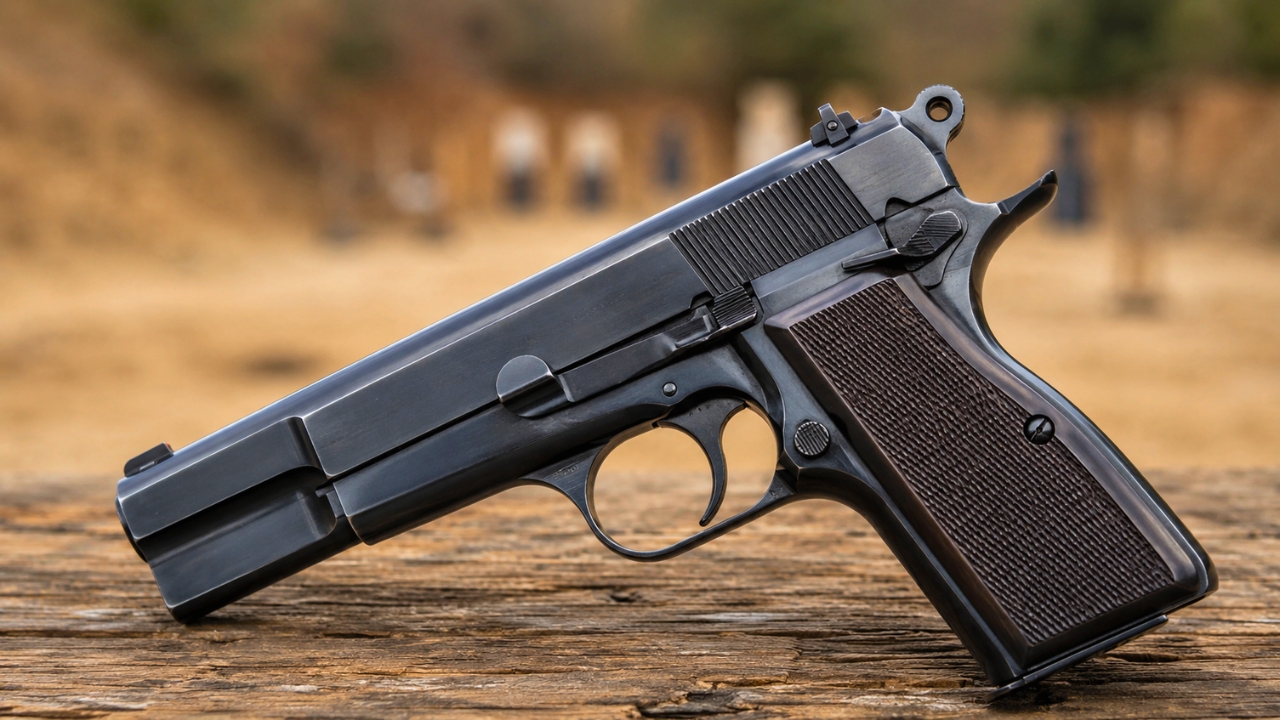
The Browning Hi-Power had capacity, balance, and one of the best-feeling grip shapes ever put on a pistol. Long before every carry gun advertised “high capacity” like it had discovered fire, the Hi-Power was already giving shooters a slim double-stack 9mm that pointed naturally.
Modern pistols are lighter, easier to maintain, and more optics-friendly, but many still do not feel as good in the hand. The Hi-Power reminds you that ergonomics matter more than buzzwords. You can improve a lot of things on paper and still miss the simple magic of a pistol that settles naturally onto target.
Winchester Model 70

The Winchester Model 70 earned the “rifleman’s rifle” reputation because it was controlled, reliable, and built around serious hunting use. The action felt purposeful, the safety made sense, and the rifle had a confidence that did not need flashy styling.
Modern bolt guns can be more affordable and sometimes more accurate, but many feel like they were built from a checklist. The Model 70 feels like it was built by people who understood hunters. Controlled-round feed, solid handling, and clean lines still matter. It makes some newer rifles feel like they added features before asking what the rifle was actually for.
Ruger Blackhawk
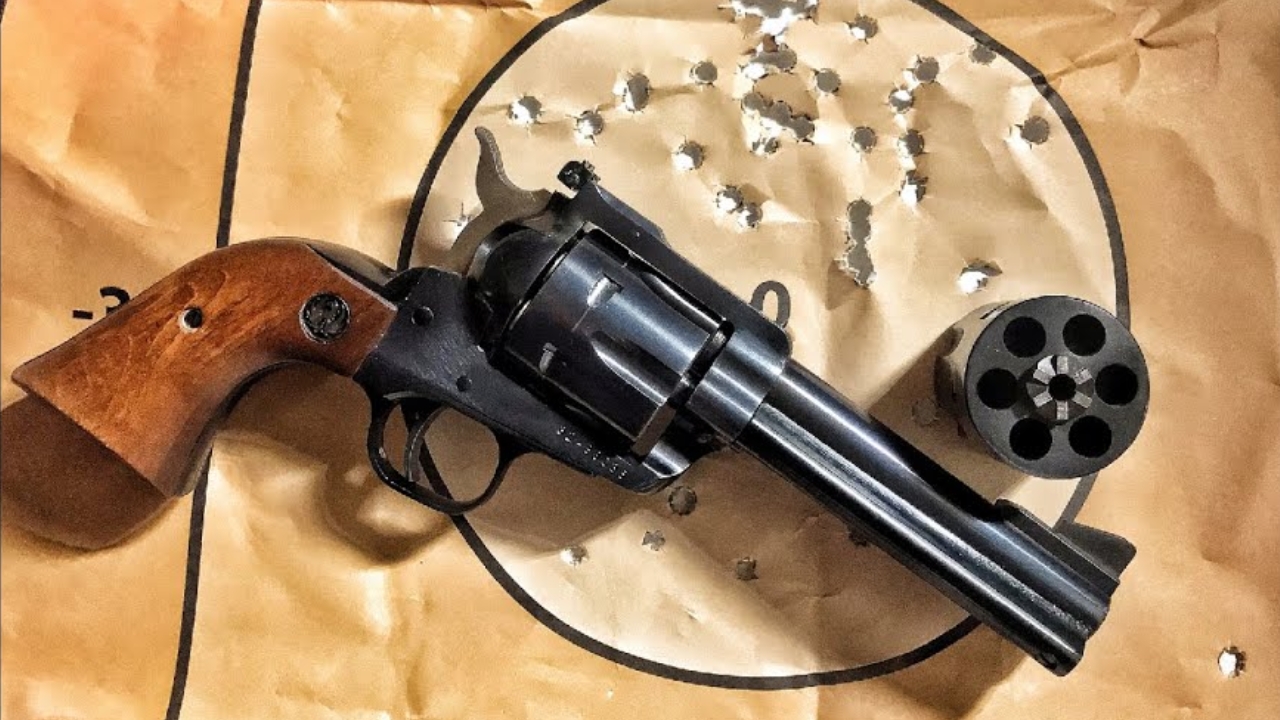
The Ruger Blackhawk took the single-action revolver idea and made it stronger, more practical, and easier to live with. It gave shooters old-school handling with modern durability, especially in serious revolver cartridges. That is a pretty clean formula.
Compared with newer big-bore handguns, the Blackhawk feels simple in the best way. No giant slide, no fragile-looking extras, no complicated manual of arms. You cock it, aim it, and shoot it. For hunting, trail use, and deliberate handgun work, it still makes sense. It proves that simple does not have to mean weak or outdated.
Mossberg 500

The Mossberg 500 is not fancy, and that is exactly why it keeps working. The tang safety is easy to find, the action is simple, and the shotgun can be set up for hunting, defense, or general use without turning into a science project. It is a working gun through and through.
A lot of newer shotguns seem designed to look more serious than they actually are. The 500 just does the work. It may rattle a little, and it may not feel polished like pricier guns, but it has earned trust the hard way. That kind of plain reliability ages better than trendy furniture.
CZ 75

The CZ 75 still makes newer metal-framed pistols look like they are rediscovering something old. Low bore axis, great grip shape, good capacity, and a smooth DA/SA system gave shooters a pistol that felt planted and controllable. It was practical without looking sterile.
Modern pistols may be easier to mount optics on and lighter to carry, but the CZ 75 reminds you what a good shooting handgun feels like. The weight helps, the grip locks in, and the gun tracks naturally. It is not a trendy design anymore, but it still makes plenty of newer pistols feel less settled.
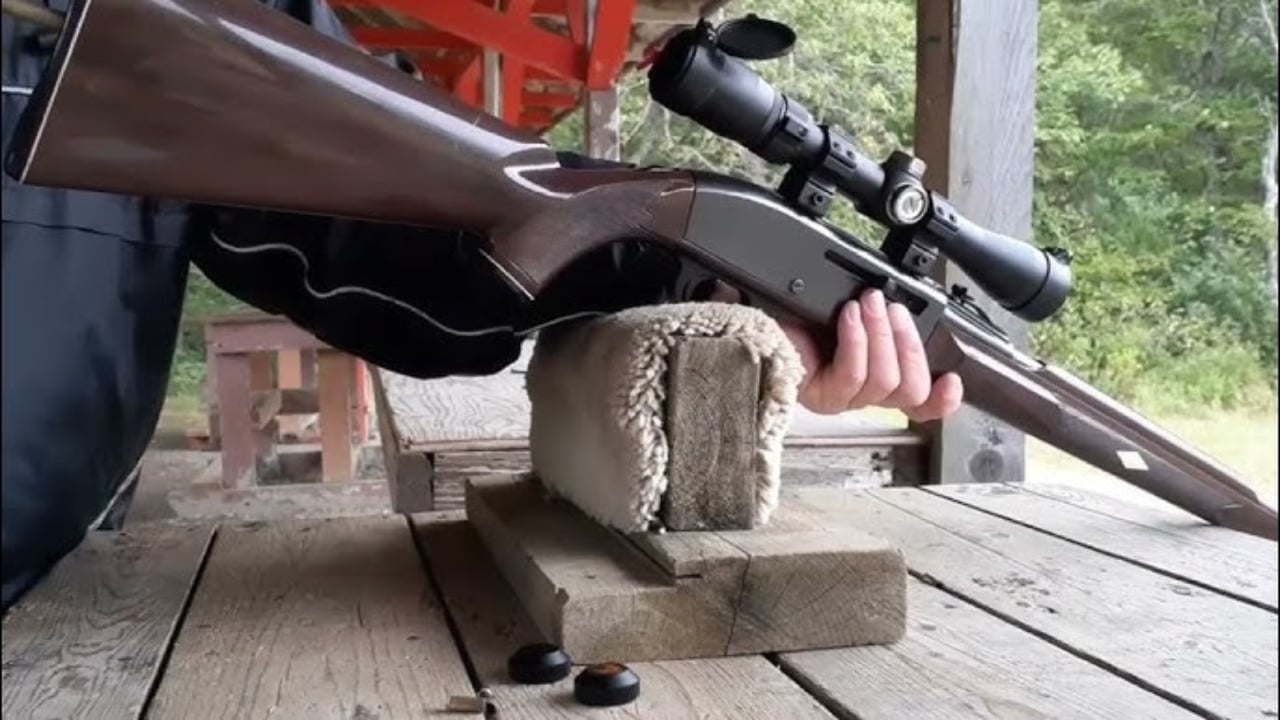
Remington Nylon 66

The Remington Nylon 66 looked odd when compared with traditional wood-stocked .22 rifles, but the design was smarter than people gave it credit for. It was lightweight, weather-resistant, and famously reliable for a rimfire. That made it useful in a way that still feels modern.
A lot of newer .22 rifles try to win attention with rails, fake tactical styling, or complicated takedown systems. The Nylon 66 kept things simple and practical. It carried easily, shot well enough, and did not need to be babied. For a field .22, that is still a strong argument.
Ithaca Model 37

The Ithaca Model 37 is one of those pump shotguns that feels better than it looks on paper. Bottom ejection, slick cycling, light handling, and a clean receiver made it a favorite for hunters who actually carried their guns all day. It was simple, but not crude.
Newer pumps often focus on tactical looks, extra capacity, or accessory rails. The Model 37 reminds you that a shotgun should mount fast, swing naturally, and cycle without distracting you. It may not look modern, but in the bird field or deer woods, it still makes a lot of newer designs feel like they are working too hard.
Like The Avid Outdoorsman’s content? Subscribe to our newsletter so you never miss an article.
Here’s more from us: