Photo credit: Gun Tests Magazine/YouTube
Small carry guns always come with tradeoffs. Nobody expects a pocket pistol or slim micro-compact to shoot like a full-size range gun. Less weight, less grip, and less sight radius usually mean more recoil, more movement, and more effort from the shooter.
But some small carry guns make things harder than they need to. They may carry well, disappear easily, or look great on paper, but once the shooting starts, the short grips, sharp recoil, long triggers, awkward controls, or tiny sights can turn practice into a chore. These pistols still have fans, but they are not nearly as easy to run as their size and popularity suggest.
Beretta APX A1 Carry

The Beretta APX A1 Carry looks like it should be a smart little carry pistol. It comes from a major brand, has a compact profile, and offers a modern striker-fired design in a package that is easy to conceal. For someone shopping by size and name recognition, it makes sense at first glance.
The problem is that it does not give the shooter much help once the trigger starts moving. The grip is small, the trigger can feel awkward, and recoil feels sharper than many expect from a pistol carrying the Beretta name. It is not impossible to shoot, but it asks more from the shooter than a small carry gun should.
Diamondback DB9 Gen 4

The Diamondback DB9 Gen 4 is extremely easy to carry because it is so thin and light. That is the main reason people keep considering it. A 9mm this small can disappear in places where a larger pistol feels like too much.
That same tiny size is what makes it difficult at the range. The grip gives the shooter very little to hold, recoil feels abrupt, and the pistol does not offer much margin for sloppy technique. It fills a deep-concealment role, but it is the kind of gun many people carry more than they practice with, and that is never ideal.
Kahr CW9
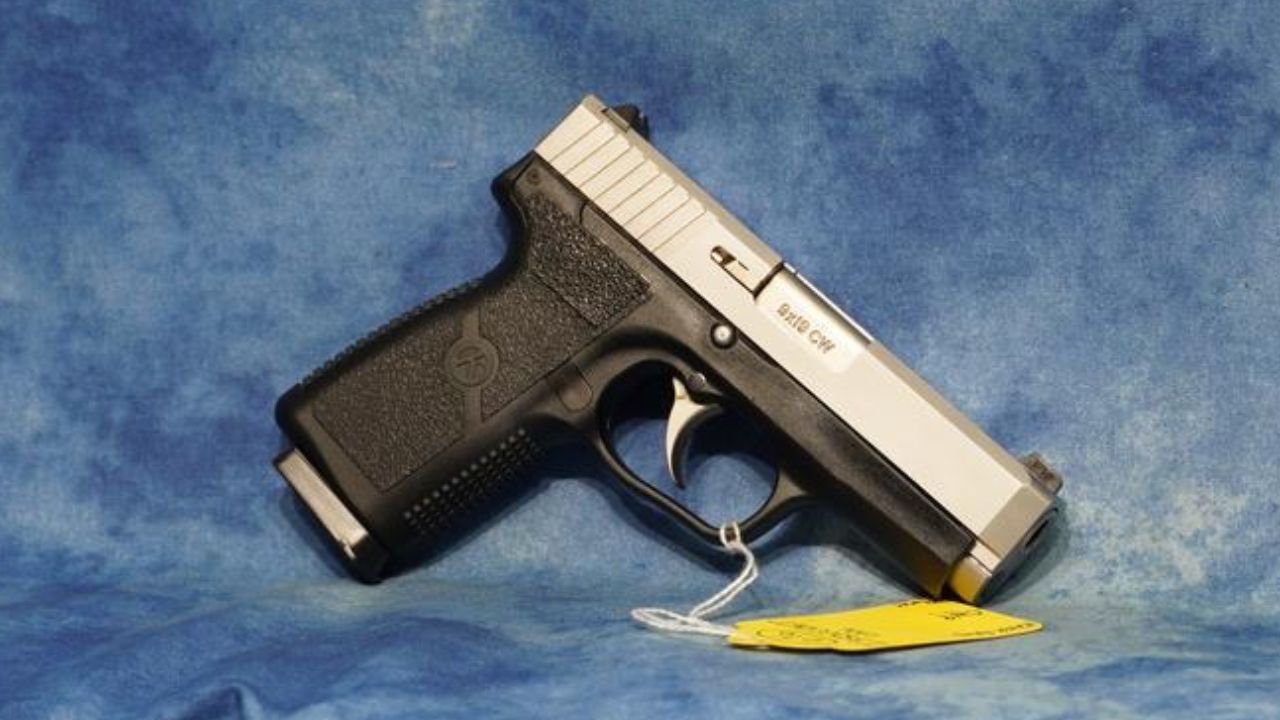
The Kahr CW9 has always appealed to people who want a slim, simple 9mm carry pistol. It is flat, easy to conceal, and has a smooth-sided shape that works well under clothing. The long trigger pull also gives some shooters a sense of safety for carry.
That trigger is also why it can be harder to shoot well than expected. It is smooth, but it is long, and newer shooters especially can drag shots off target while trying to manage it. Add the narrow grip and light frame, and the CW9 demands more discipline than many modern carry pistols. It carries nicely, but it is not the easiest pistol to shoot fast.
SIG Sauer P290RS

The SIG Sauer P290RS feels solid for a tiny carry gun, which helped it earn loyal defenders. It has a serious, chunky build and a double-action-style trigger that some carriers liked because it felt deliberate. On paper, it seemed like a rugged little pocket 9mm from a respected company.
At the range, though, it can feel heavy for its capacity and still not especially easy to shoot. The trigger is long, the grip is short, and the pistol feels clunky compared with newer micro-compacts. It is not as punishing as some featherweight guns, but it does not reward the shooter much either.
Springfield Armory 911 9mm

The Springfield 911 9mm has a lot of appeal because it looks refined and carries easily. It gives shooters a small 1911-style pistol with decent sights, a metal frame, and a clean little profile. For people who like single-action pistols, it feels familiar right away.
The issue is that shrinking the 1911-style formula this far creates problems. The grip is tiny, the controls are small, and recoil is sharper than the classy appearance suggests. It can be accurate in careful hands, but it is not a forgiving pistol under speed. A carry gun this small asks the shooter to be more skilled than the size implies.
KelTec P11

The KelTec P11 deserves some credit for being ahead of its time. It gave shooters a small, lightweight 9mm with double-stack capacity long before the current micro-compact boom. It was affordable and easy to conceal, which made it attractive to people who wanted more rounds in a small package.
But the shooting experience is rough by modern standards. The trigger is long and heavy, the grip is blocky, and recoil feels unpleasant during extended practice. It was useful for its time, but that does not make it easy to shoot. Many newer carry guns do the same job with far less punishment.
Smith & Wesson CSX
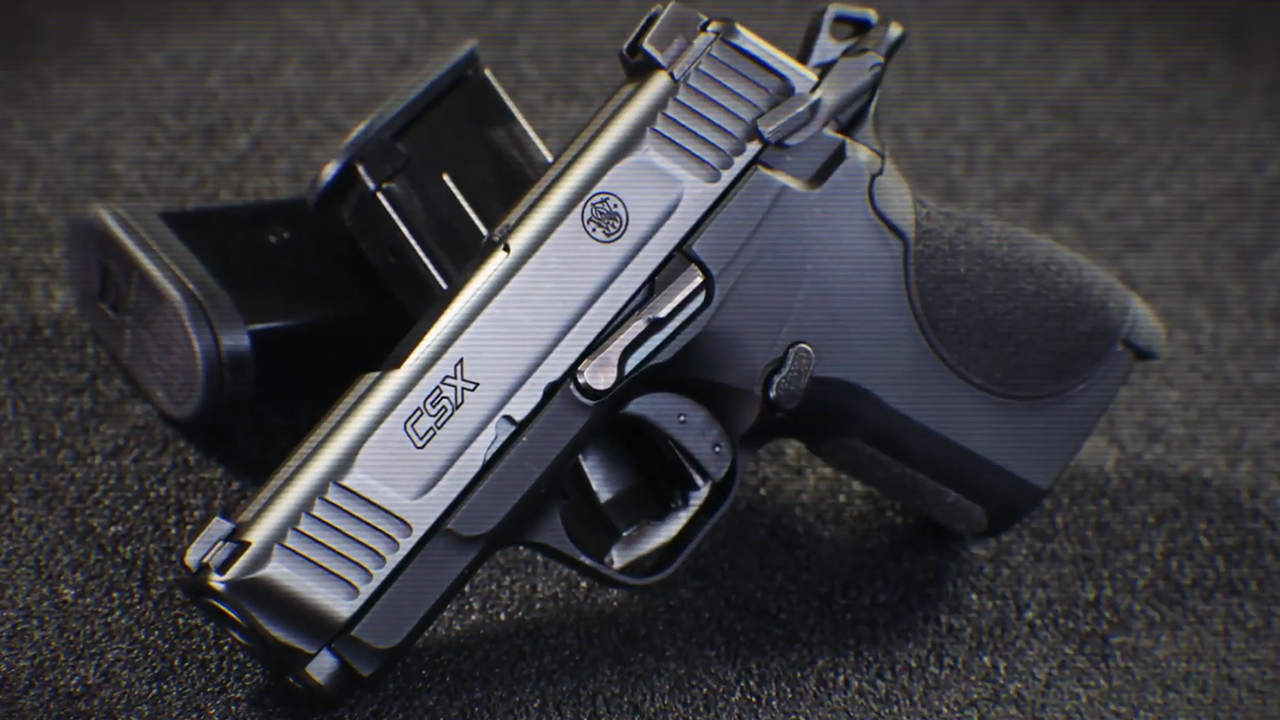
The Smith & Wesson CSX feels like it should shoot better than it does. The aluminum frame, hammer-fired layout, and solid little grip make it seem more refined than most polymer micro-compacts. In the store, it can feel like a clever solution for people who want something different.
The range experience is more divisive. The trigger and reset bother a lot of shooters, and the small controls take practice to run cleanly. It has enough weight to avoid feeling brutal, but not enough polish to feel truly easy. The CSX is interesting, but interesting does not always mean effortless to shoot.
Taurus Spectrum

The Taurus Spectrum was designed to look and feel friendlier than the average pocket pistol. Its rounded shape, soft-touch panels, and colorful options made it seem approachable, especially for people who did not want a harsh-looking defensive gun. It looked less intimidating than many tiny carry pistols.
Unfortunately, the shooting experience did not match the approachable styling. The trigger is long, the sights are minimal, and the grip does not give much control. It is easy to carry, but harder to shoot confidently than its soft appearance suggests. A pistol can look comfortable and still be frustrating on the range.
Kimber EVO SP
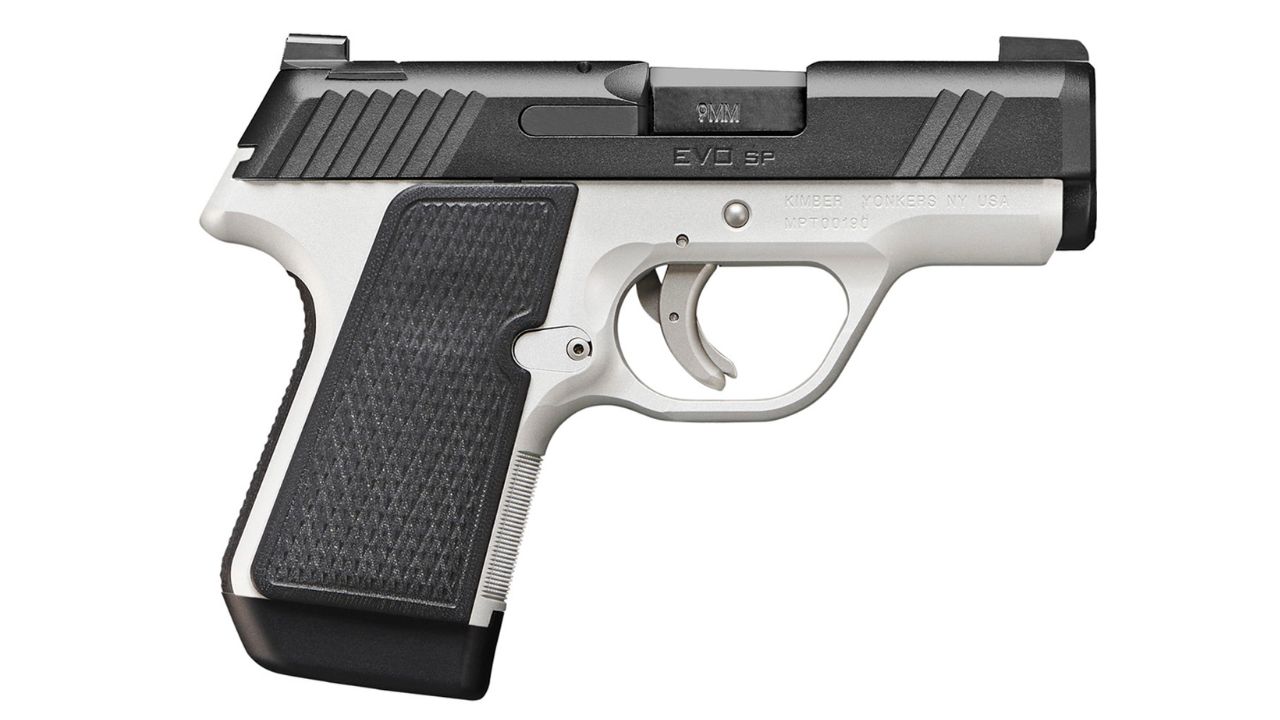
The Kimber EVO SP was Kimber’s attempt at a small striker-fired carry gun with a more premium feel. The metal frame, clean styling, and compact dimensions gave it an upscale appearance that stood apart from the usual polymer options. It felt like it should be a refined little 9mm.
The problem is that small premium pistols still have to fight physics. The grip is short, recoil feels quick, and the controls are not as forgiving as larger carry guns. It may look polished, but many shooters find that it does not shoot as comfortably as the price and finish suggest. Good looks do not make a tiny pistol easier to run.
Remington R51

The Remington R51 had an interesting design and a grip angle that made people want to believe it would shoot softer than other compact 9mms. The Pedersen-style action promised something different, and the pistol felt unusual enough to stand out from the crowded carry market.
The reality was much less impressive. Between reliability concerns, odd handling, and a shooting feel that never fully lived up to the concept, the R51 became more frustrating than helpful for many owners. It looked like a clever answer to small-pistol problems, but it ended up proving that clever design does not automatically make a carry gun easy to shoot.
SCCY DVG-1

The SCCY DVG-1 was supposed to give SCCY buyers a striker-fired option with a more modern feel than the older CPX pistols. It kept the small size and low price while moving away from the long double-action trigger that defined the brand’s earlier carry guns. On paper, that sounded like a real improvement.
In practice, it still feels like a budget micro-compact that asks the shooter to do a lot of work. The grip is short, recoil is snappy, and the overall feel does not match more polished carry pistols. It may be easier for some people than the CPX line, but it is still not what most shooters would call easy.
Bersa BP9CC

The Bersa BP9CC is slim, light, and affordable, which are exactly the things that get small carry guns recommended. It also has a low bore axis and a clean profile that make it seem like it should shoot better than many budget pistols. For concealed carry, the size is appealing.
The downside is that the pistol can feel less refined once the shooting starts. The grip is thin, the trigger feel is unusual, and recoil can feel sharp in such a light frame. It is not a terrible pistol, but it is one of those guns that sounds more practical than it feels after a few boxes of ammo.
Walther CCP M2
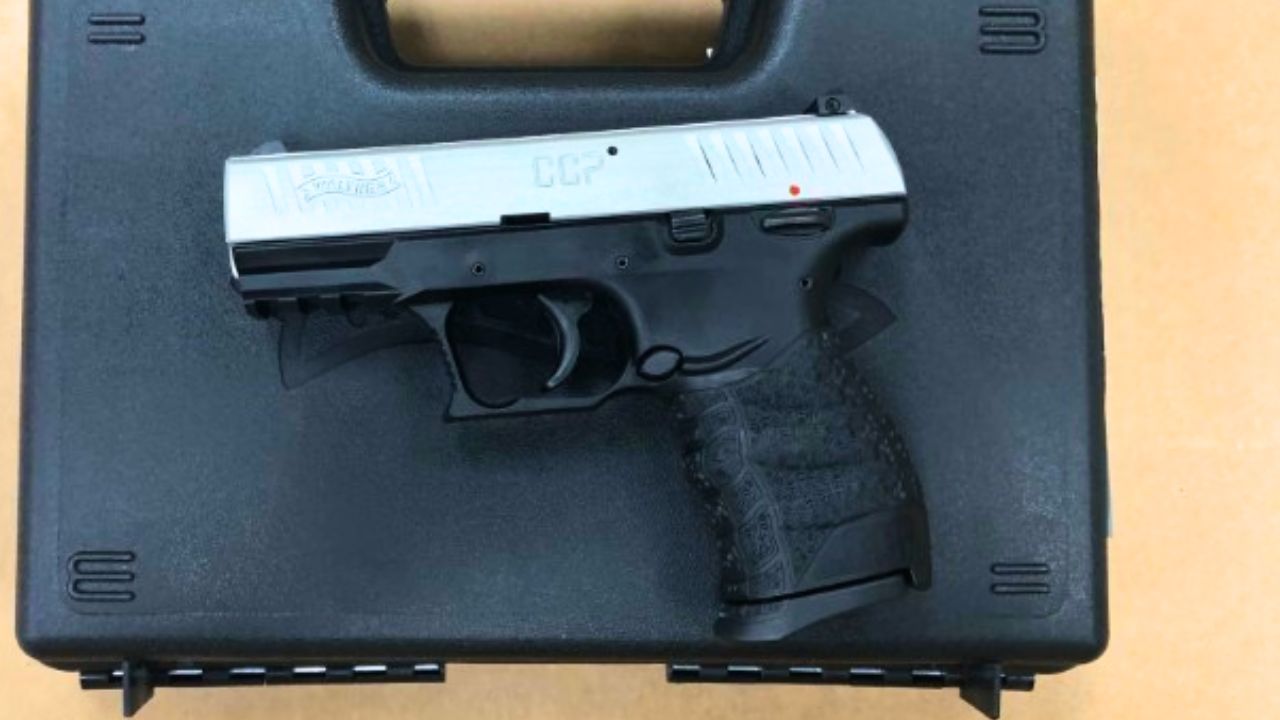
The Walther CCP M2 is often praised for being softer shooting than many small 9mm pistols, and there is some truth to that. The gas-delayed system gives it a different recoil feel, and the grip is comfortable. For people who struggle with harsher carry guns, it can seem like a good answer.
The problem is that easy recoil does not solve everything. The trigger, takedown process, and overall operating feel can still make it frustrating. It may be comfortable in the hand, but it is not as clean and simple as many modern carry pistols. A gun can reduce recoil and still be harder to like than expected.
Ruger LC9

The Ruger LC9 was a major carry pistol when slim 9mms were still becoming common. It was light, flat, affordable, and easy to hide. For a long time, it looked like exactly what people wanted from a practical concealed-carry pistol.
The original LC9’s long trigger made it harder to shoot well than it should have been. The narrow grip and small frame already demanded good technique, and the trigger added one more obstacle. Later Ruger versions improved the formula, but the original LC9 remains a good example of a small gun that carried better than it shot.
Colt Mustang XSP
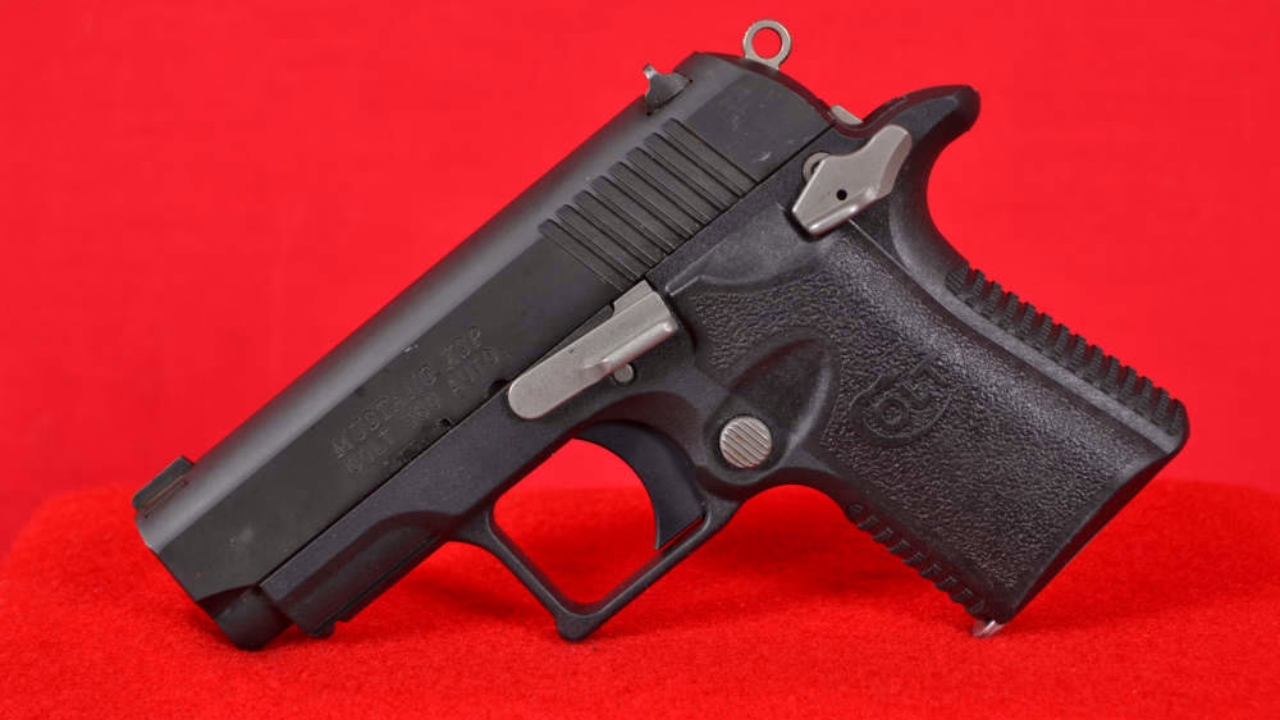
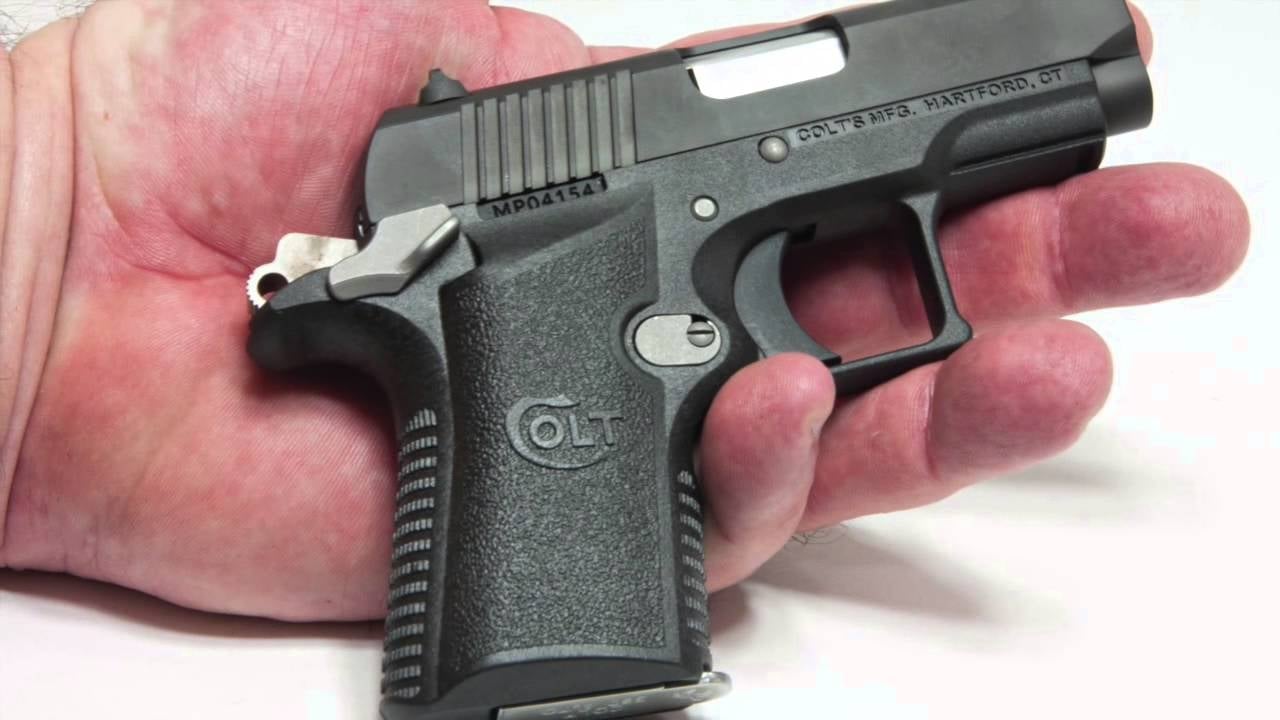
The Colt Mustang XSP has loyal fans because it takes the Mustang idea and puts it into a lightweight polymer-framed package. It is tiny, easy to carry, and still gives shooters the familiar single-action feel that made the original Mustang appealing. For pocket carry, it seems like a slick little option.
The problem is that the XSP gives up some of the solid feel people like about the metal Mustang models. The grip is small, the sights are limited, and the controls are tiny. It can work for someone who trains with it, but it is not the easy-shooting pocket pistol its friendly size might suggest.
Rohrbaugh R9

The Rohrbaugh R9 has always had a certain premium pocket-gun mystique. It was extremely small for a 9mm and built with a level of seriousness that made it stand apart from cheaper deep-concealment pistols. For people who wanted the smallest high-end 9mm possible, it had real appeal.
Shooting it is where the limitations are obvious. The R9 is not built for casual range use or high-volume practice. Recoil is sharp, the grip is minimal, and the gun demands careful maintenance and realistic expectations. It is impressive as a design exercise, but not easy to shoot often or well.
Honor Defense Honor Guard

The Honor Guard looked like a serious small carry pistol when it first appeared. It had aggressive texture, practical dimensions, and an American-made pitch that helped it stand out. For shooters tired of the same big brands, it seemed like a worthy alternative.
The shooting experience never really made it a standout. Recoil felt sharp enough to notice, the trigger was not exceptional, and the overall package did not give people a major reason to choose it over better-known options. It was not hopeless, but it was harder to shoot well than its confident marketing suggested.
Remington RM380
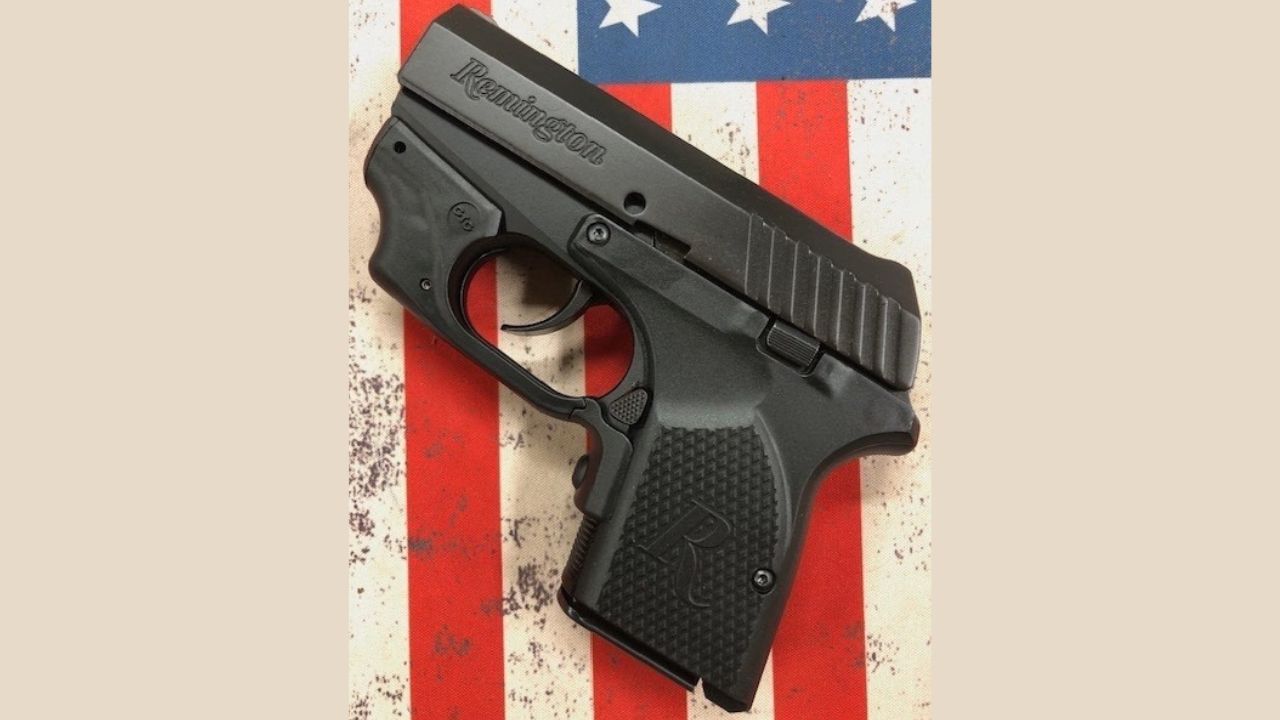
The Remington RM380 looks like it should be a manageable little pocket gun because it is slightly more substantial than some tiny .380s. It has a smooth profile, simple controls, and enough weight to seem less punishing than the smallest featherweight pistols. For deep carry, the idea makes sense.
The problem is that the trigger and sights make accuracy harder than it should be. The long pull takes concentration, and the minimal sight picture does not help new or casual shooters. It carries easily, but it is not the kind of pistol that encourages regular practice. That limits its usefulness as a defensive gun.
AMT Backup
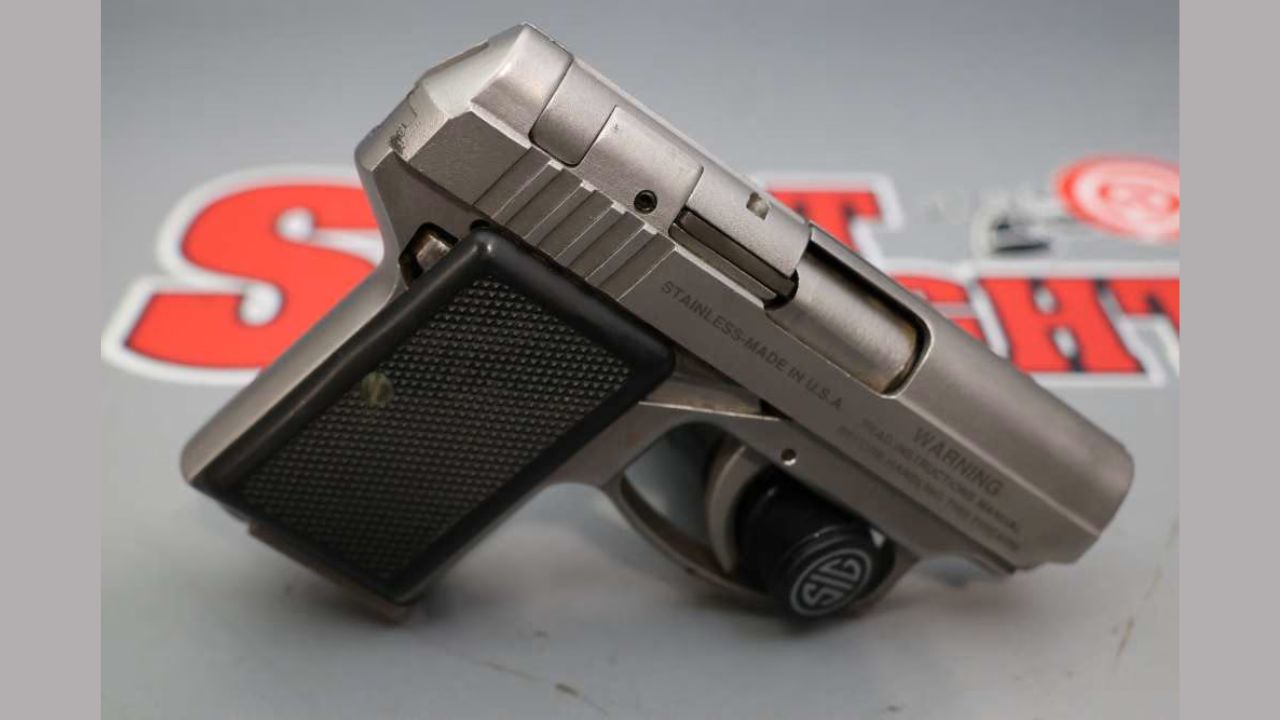
The AMT Backup has a tough little stainless look that still appeals to some old-school carry fans. It feels compact, solid, and simple, which are all qualities people like in a pocket gun. In the store or in a collection, it has more charm than many polymer pistols.
At the range, the Backup can feel crude. The trigger is heavy, the sights are tiny, and the overall handling is not especially friendly. It may have made sense in an era with fewer pocket-pistol options, but today it feels like a gun that asks too much from the shooter and gives too little back.
NAA Guardian .380

The NAA Guardian .380 feels like a serious little chunk of stainless steel. It is small, durable-looking, and easy to carry in a pocket. Compared with some featherweight polymer pistols, it gives the impression of being tougher and more substantial.
That weight does not make it easy to shoot. The grip is tiny, the trigger is long, and .380 in a small blowback-style pistol can still feel unpleasant. It is built well, but it is not built to make practice enjoyable. For a gun that looks so solid, it can be surprisingly difficult to run well.
Like The Avid Outdoorsman’s content? Be sure to follow us.
Here’s more from us: