Photo credit: Savage Arms
Some gun buyers chase whatever is hot right now. Others wait, watch, and buy the firearms that quietly make sense even when nobody else is paying attention. That patience can look boring at first. Then production changes, prices climb, trends shift, or the market finally realizes a certain gun was better than people gave it credit for.
Those patient buyers end up looking smart later. They bought before the rush, kept what worked, and did not panic just because a gun lacked hype. These firearms rewarded the people who saw the value early and held onto them long enough for everyone else to catch up.
Ruger American Ranch

The Ruger American Ranch looked plain when it first started gaining attention. It was short, affordable, and built more like a tool than a showpiece. Some buyers dismissed it because it did not have the feel of a polished traditional rifle.
Patient buyers saw the point. It was handy, accurate enough, threaded, and chambered in useful rounds that made sense for suppressors, trucks, hogs, coyotes, and deer stands. As compact bolt guns became more popular, the Ranch started looking smarter. The people who bought early got a rifle that filled a real role before everyone else decided they needed one too.
CZ P-01
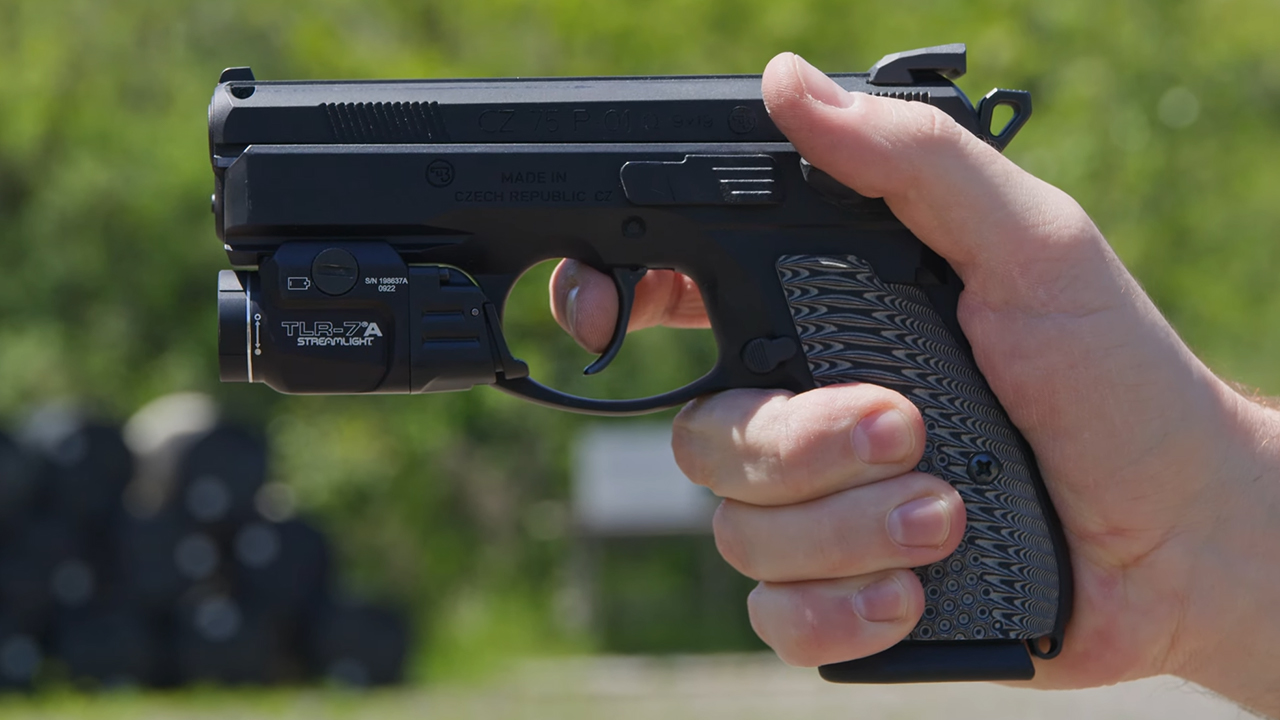
The CZ P-01 never had the same loud mainstream push as polymer carry pistols, but buyers who understood it early looked smart later. It gave them a compact metal-framed 9mm with real shootability, good ergonomics, and a proven double-action/single-action system.
While other shooters kept chasing smaller and snappier carry guns, P-01 owners had a pistol that was still comfortable to shoot hard. It carried well enough, handled recoil smoothly, and felt better in the hand than many trendier options. As metal-framed compacts gained more respect again, the P-01 looked less old-fashioned and more like the right call all along.
Henry Classic Lever Action .22

The Henry Classic Lever Action .22 was never hard to understand. It was affordable, smooth, fun, and useful. That may be why some people overlooked it. A basic .22 lever gun does not sound like the kind of purchase that makes anyone look brilliant.
Years later, patient buyers know better. A good rimfire lever action is one of those guns that always has a place. It works for plinking, teaching new shooters, small-game hunting, and quiet range days when you just want to enjoy shooting. While everyone else chased more complicated rimfire setups, the Henry owners kept a rifle they actually used.
Smith & Wesson SD9 VE
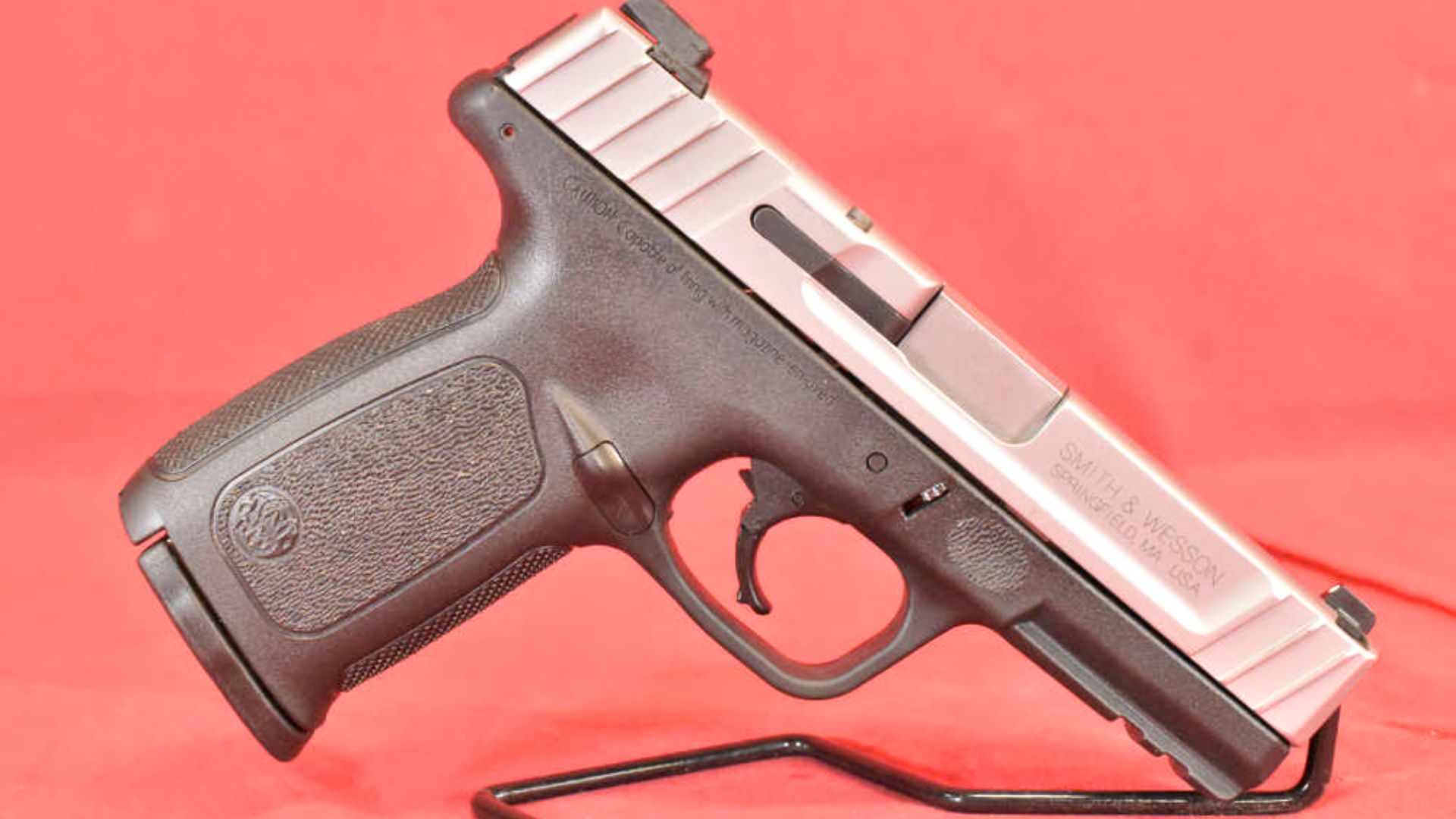
The Smith & Wesson SD9 VE caught plenty of criticism because of its trigger and budget price. A lot of buyers treated it like the pistol you bought only because you could not afford something better.
Patient buyers who understood its role looked smarter later. It was affordable, reliable for many owners, simple to use, and backed by a major brand. It was not refined, but it got a lot of people into a usable defensive 9mm without wrecking their budget. When prices rose across the handgun market, the people who bought one cheap and trained with it ended up making a pretty practical decision.
Marlin XT-22
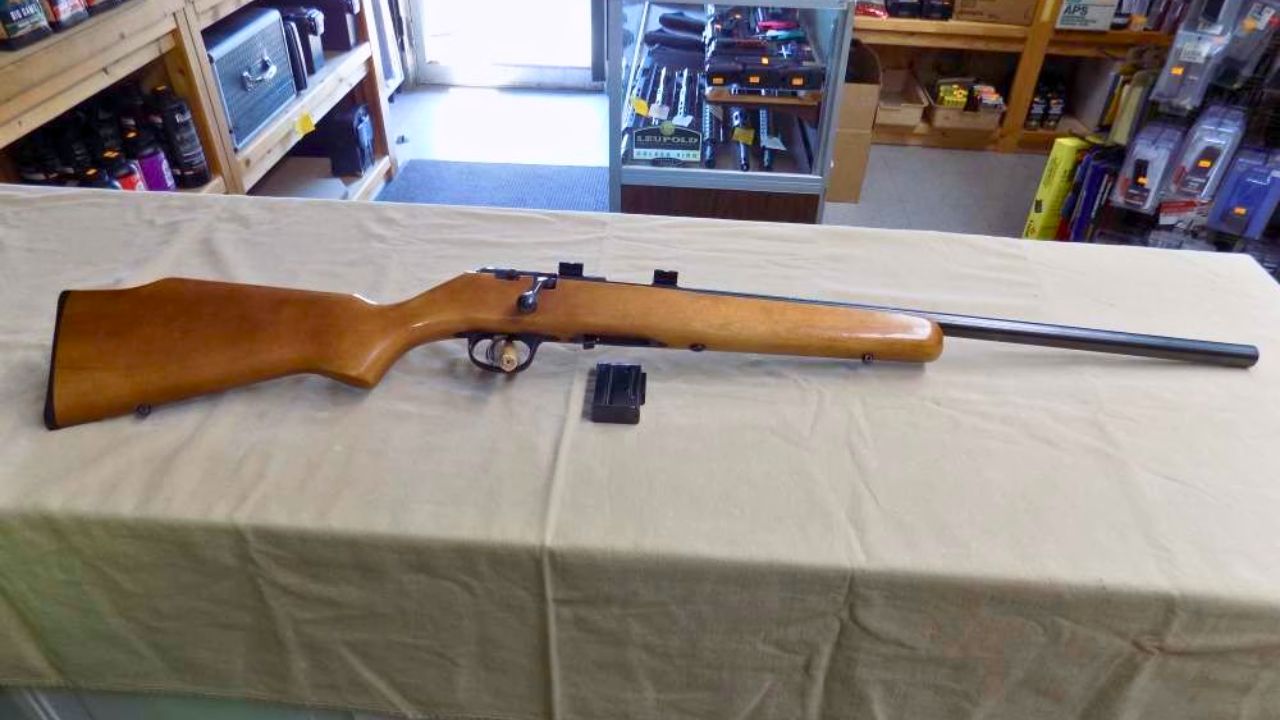
The Marlin XT-22 was easy to ignore because bolt-action .22s do not usually create much excitement. It was affordable, simple, and not nearly as customizable as some more popular rimfire platforms.
That is exactly why patient buyers looked smart. The XT-22 gave shooters a practical, accurate little rifle for small game and target work without demanding a pile of upgrades. It felt like a real rifle, fed well with its detachable magazines, and handled everyday rimfire use nicely. As older Marlin rimfires gained more appreciation, the XT-22 started looking like one of those quiet buys people should have noticed sooner.
Beretta 92A1

The Beretta 92A1 sat in an odd spot for years. It was not the classic 92FS, and it was not as modern-looking as newer striker-fired pistols. Some buyers passed because they were not sure where it fit.
Patient buyers saw the value. The 92A1 added a rail, removable front sight, rounded trigger guard, and practical updates while keeping the soft-shooting Beretta feel. It was a smooth, accurate, full-size 9mm that worked well for range use and home defense. As interest in metal-framed pistols stayed strong, the 92A1 owners looked smart for buying a practical Beretta before prices got less friendly.
Mossberg MVP Patrol

The Mossberg MVP Patrol looked unusual because of its magazine compatibility and compact bolt-gun setup. Some hunters and shooters did not know whether to treat it like a scout rifle, a truck gun, or a range toy.
The patient buyers who grabbed one understood the appeal. A handy bolt rifle that could use common AR-style magazines in certain chamberings made real practical sense. It was not perfect, and it was not fancy, but it filled a niche before compact utility rifles became more common. Years later, that oddball practicality looks smarter than it did at first glance.
Walther Creed
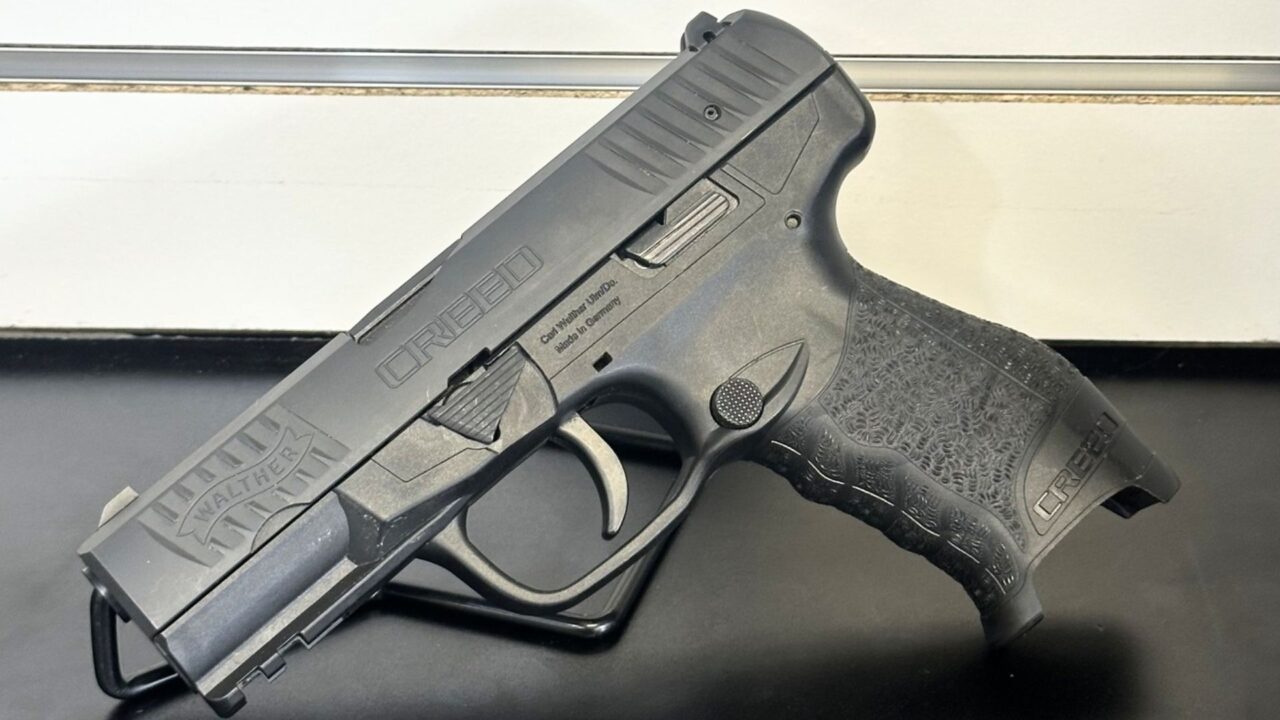
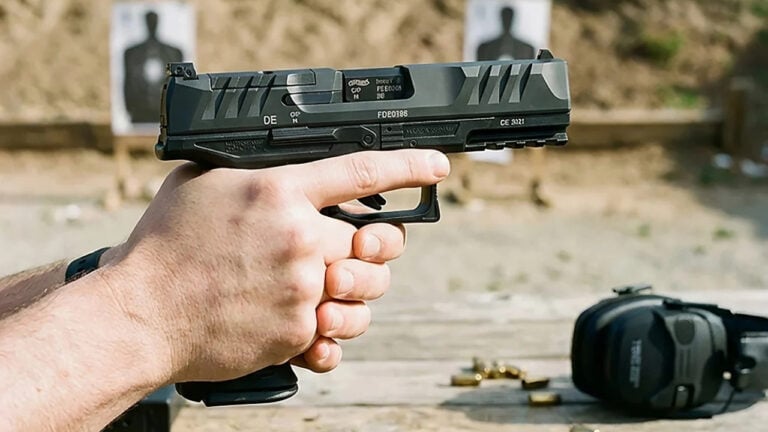
The Walther Creed never got much respect from the crowd chasing higher-end striker-fired pistols. It was inexpensive, hammer-fired internally, and easy to write off as a budget gun that lacked excitement.
That was too harsh. Patient buyers got a comfortable, soft-shooting 9mm with a surprisingly good trigger feel for the money. It was not built to impress collectors or tactical gear guys. It was built to give regular shooters a usable pistol at a fair price. As handgun prices kept climbing, the people who bought a Creed for practical range and home-defense use ended up looking smarter than the snobs expected.
Thompson/Center Compass
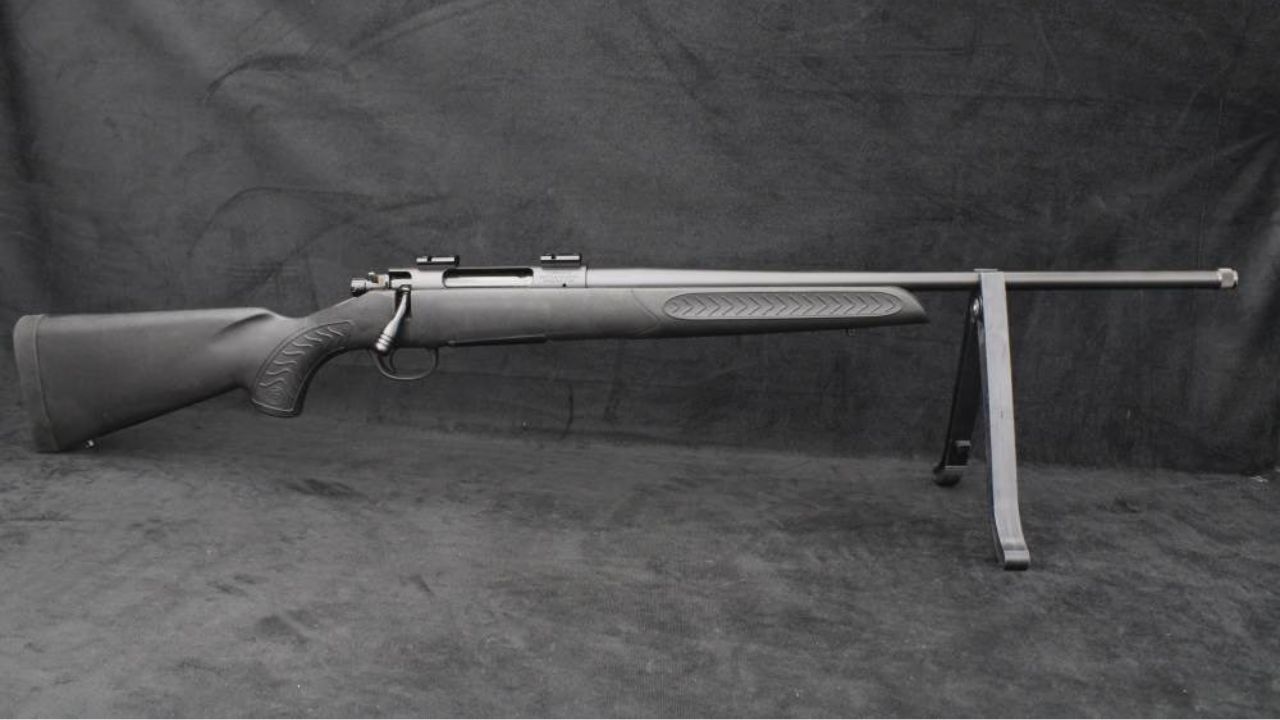
The Thompson/Center Compass was one of those budget rifles people loved to criticize until they saw what some of them could do on paper. It was plain, inexpensive, and not exactly the rifle people bought for pride of ownership.
Patient buyers cared more about results. Many Compass rifles shot well, came in useful hunting chamberings, and gave new hunters a way into centerfire rifles without spending too much. It was not fancy, but it filled freezers. When T/C’s future became uncertain and affordable rifles kept getting more expensive, the people who bought a good-shooting Compass early looked pretty sharp.
Bersa Thunder .380

The Bersa Thunder .380 always had buyers who understood it, even when others dismissed it as a budget Walther-style pistol. It was not the smallest .380, and it was not the most modern carry option.
Patient buyers liked it because it was comfortable, affordable, and easy to shoot well for its size. The fixed barrel helped accuracy, the controls were familiar, and recoil stayed manageable. While tiny pocket .380s punished hands and expensive options got harder to justify, the Thunder kept making sense. The people who bought one before everyone wanted cheaper carry options looked practical, not cheap.
Savage Mark II FV-SR
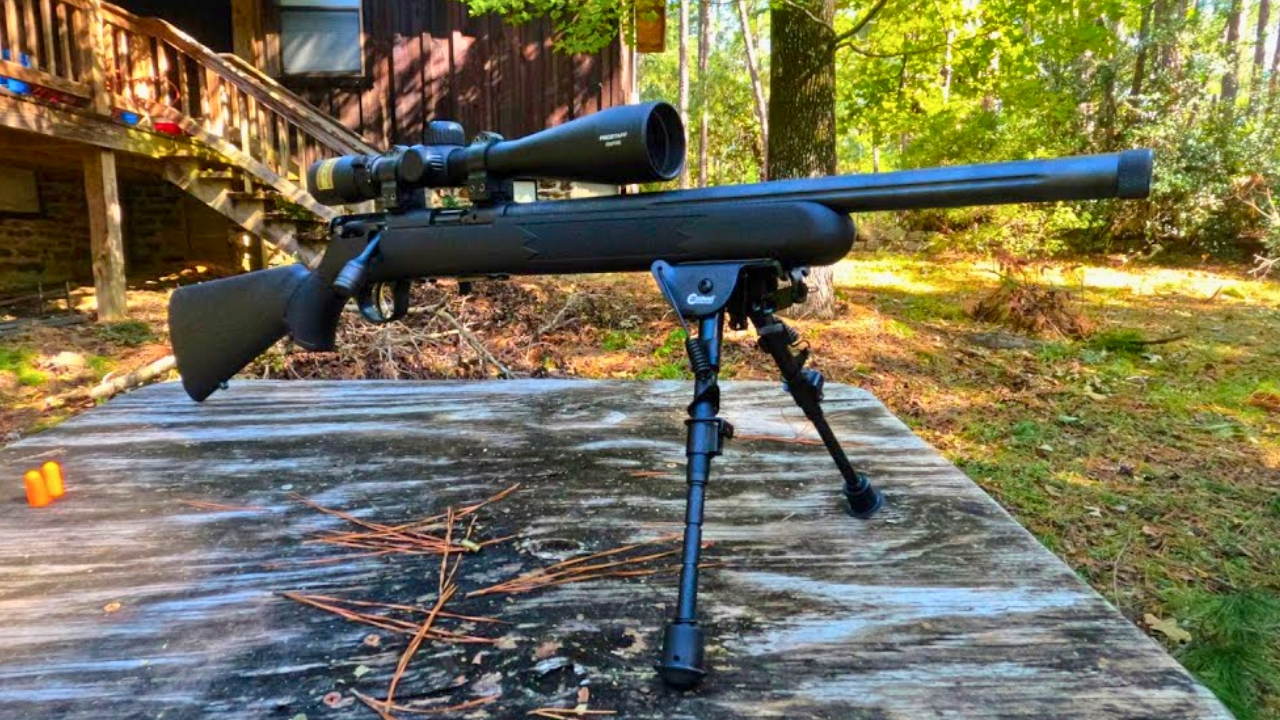
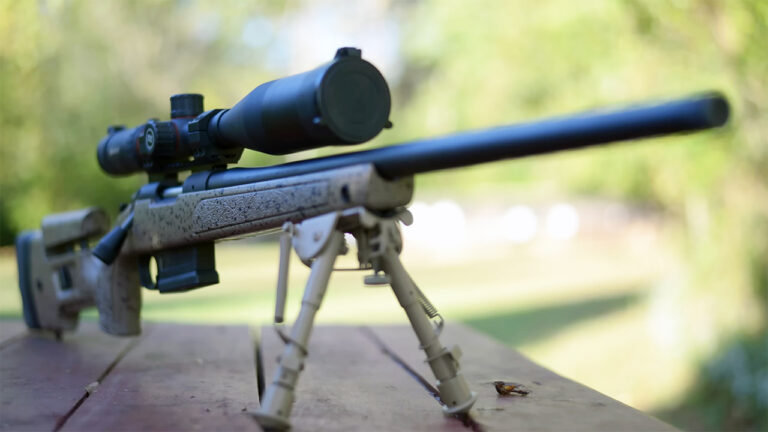
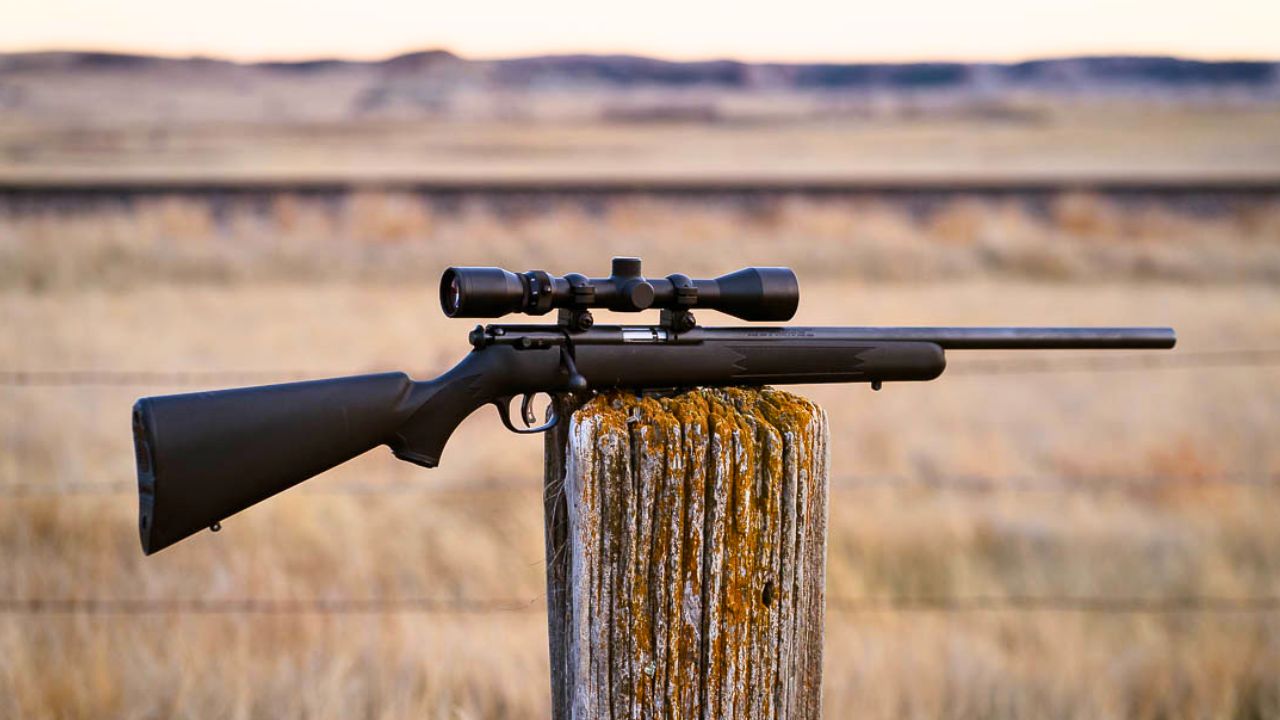
The Savage Mark II FV-SR rewarded buyers who wanted a suppressor-ready rimfire before threaded .22 rifles became as common as they are now. At first, it looked like a simple heavy-barrel bolt .22 with a tactical-style stock and a threaded muzzle.
That setup aged well. The rifle was accurate, affordable, and perfect for quiet practice, small game, and low-cost target shooting. Patient buyers got into a useful rimfire before the suppressor-ready market became crowded and prices shifted. It was not glamorous, but a threaded bolt-action .22 that shoots well is the kind of gun people keep finding uses for.
Springfield Armory XD Mod.2

The XD Mod.2 caught a lot of internet grief because the XD line was easy to mock once Glock, SIG, and Smith & Wesson dominated the carry conversation. Some buyers avoided it just because the crowd had moved on.
Patient buyers who shot them well did not care. The Mod.2 had comfortable grip texture, decent capacity, and a soft enough shooting feel in several sizes. It was not the trendiest pistol, but it worked for a lot of regular owners. As prices climbed and every new carry gun started sounding the same, the people who bought an XD Mod.2 at a fair price looked more reasonable than critics admitted.
Rossi Model 92

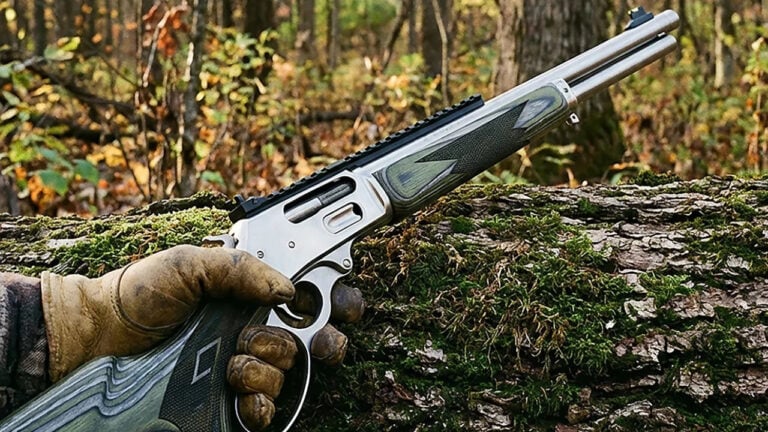
The Rossi Model 92 spent years being treated like the budget lever gun people bought because they could not afford something nicer. That made some buyers overlook how useful it actually was.
Patient buyers ended up ahead. A pistol-caliber lever action in .357 Magnum or .44 Magnum is handy, fun, and practical in the woods or around the property. Once lever guns became expensive and harder to find, the Rossi looked a lot smarter than it did back when people were turning their noses up at it. Owners who bought early got the role filled before the lever-action market got wild.
Stoeger Coach Gun
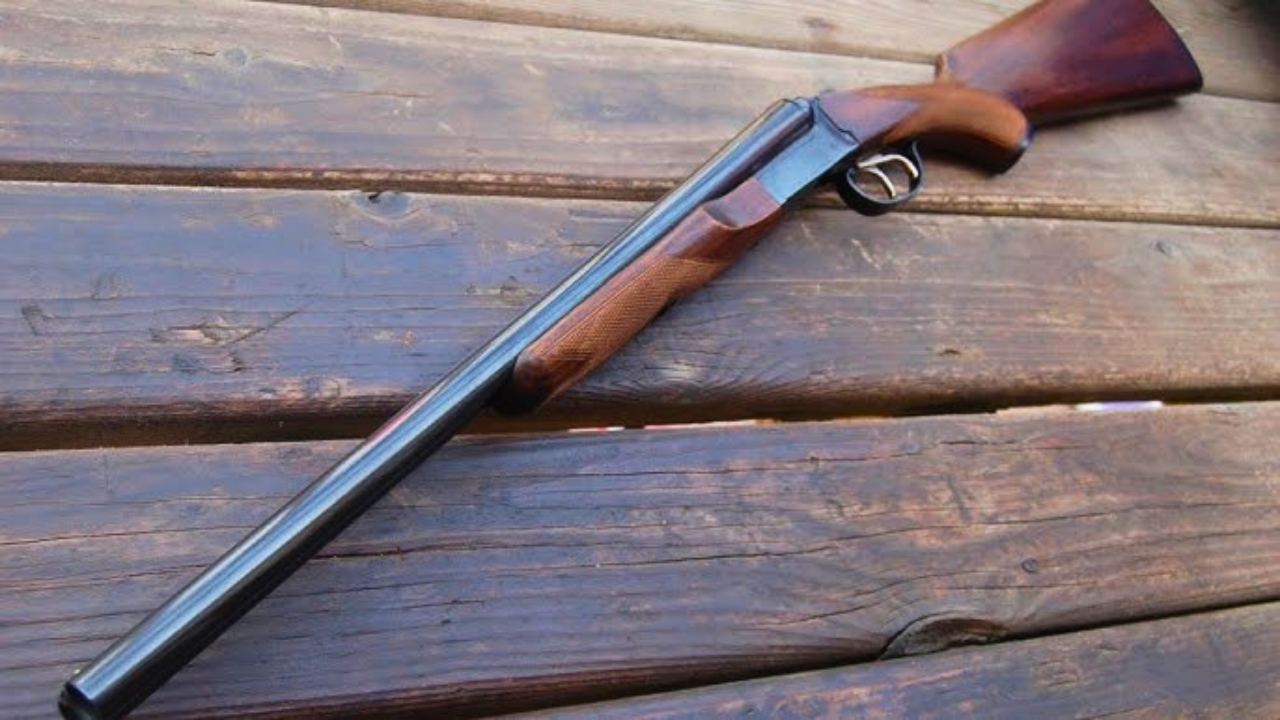
The Stoeger Coach Gun looked simple because it was simple. A short double-barrel shotgun with basic finish and old-school handling did not seem like a genius buy when tactical shotguns and semi-autos were getting all the attention.
But patient buyers understood the appeal. It was straightforward, durable enough for casual use, and fun in a way more complicated shotguns are not. Cowboy-action shooters, farm owners, and casual range shooters all found reasons to keep them around. As affordable doubles became less common and prices rose, the people who bought one early looked smart for grabbing a useful shotgun while it was still easy.
KelTec PMR-30

The KelTec PMR-30 always split opinions. Some shooters saw a lightweight .22 Magnum pistol with a huge magazine and immediately called it a gimmick. Others bought one because they understood it was supposed to be different.
Those patient buyers got a gun that stayed interesting long after the first laugh. It is loud, light, and ammo-sensitive in some cases, but it is also fun, flat-shooting, and useful as a trail or range pistol in the right hands. As .22 Magnum handguns gained more attention, the PMR-30 looked less silly and more like KelTec had understood the fun factor early.
Like The Avid Outdoorsman’s content? Subscribe to our newsletter so you never miss an article.
Here’s more from us: