Photo credit: GUNSweek/YouTube
Gun-counter hype can get expensive fast. A pistol feels good for five minutes under bright lights, the salesman talks up the trigger, the brand name sounds right, and suddenly the buyer is convinced they found the one. Then the first range trip tells a different story.
That is where regret usually starts. Maybe the gun is too snappy, too picky, too expensive for what it does, or just not as useful as the sales pitch made it sound. Some handguns are interesting, and some even have loyal fans, but they can still punish buyers who trusted the hype before doing enough honest shooting.
SIG Sauer P938
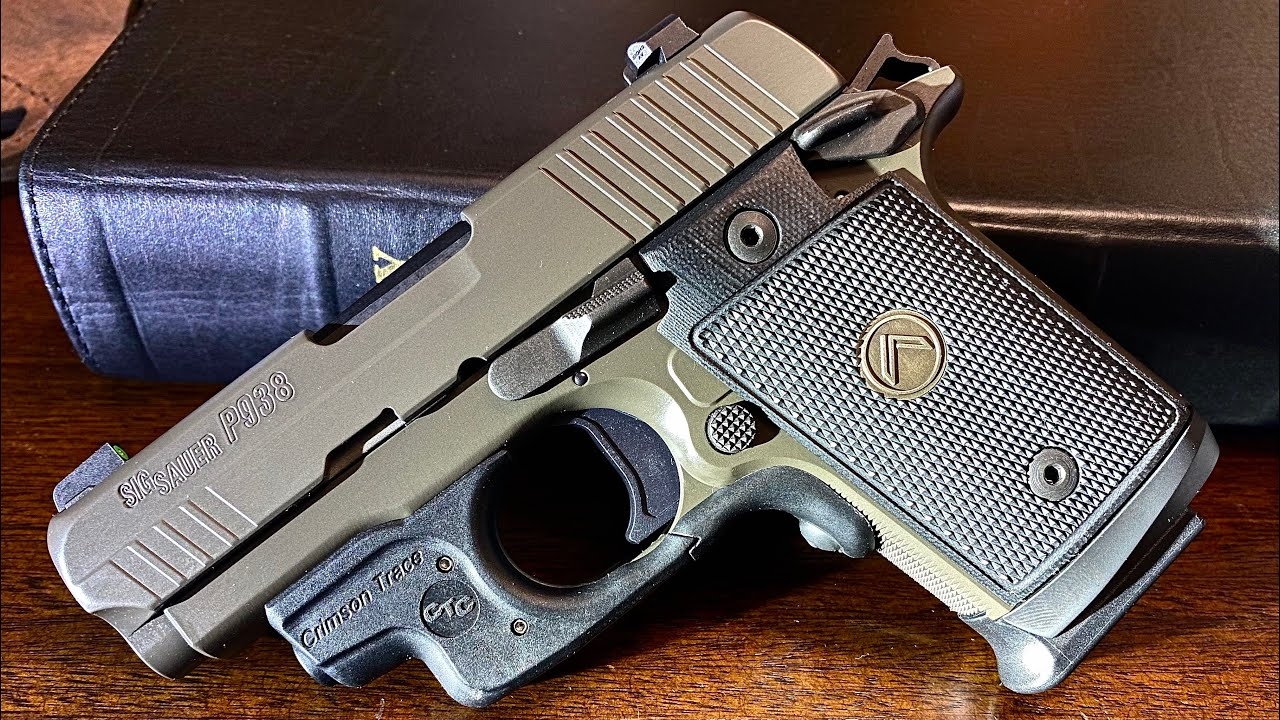
The SIG Sauer P938 looks like an easy pistol to sell at the counter. It is small, metal-framed, handsome, and carries the SIG name. If you like 1911-style controls, it can feel like a tiny premium carry gun before you even load a magazine.
Then some buyers discover how demanding it can be for its size. The short grip, small controls, sharp recoil, and single-action safety system require more commitment than a lot of casual carriers expect. It can shoot well in practiced hands, but it is not the effortless pocket 9mm the sales pitch sometimes suggests. Plenty of owners would have been better served by something less charming and easier to run.
Springfield Armory 911

The Springfield Armory 911 had the same kind of counter appeal that pulls people toward tiny metal pistols. It looked classy, carried easily, and seemed like a refined answer for deep concealment.
The problem is that small .380 and 9mm-style mini-1911 pistols ask more from the shooter than people expect. The controls are tiny, the grip gives you little margin, and fast shooting takes real practice. Some buyers bought the 911 because it looked smarter than a polymer pocket gun, then realized the simpler pistol was easier to carry, shoot, and trust. Cute little carry guns can be unforgiving.
Ruger EC9s
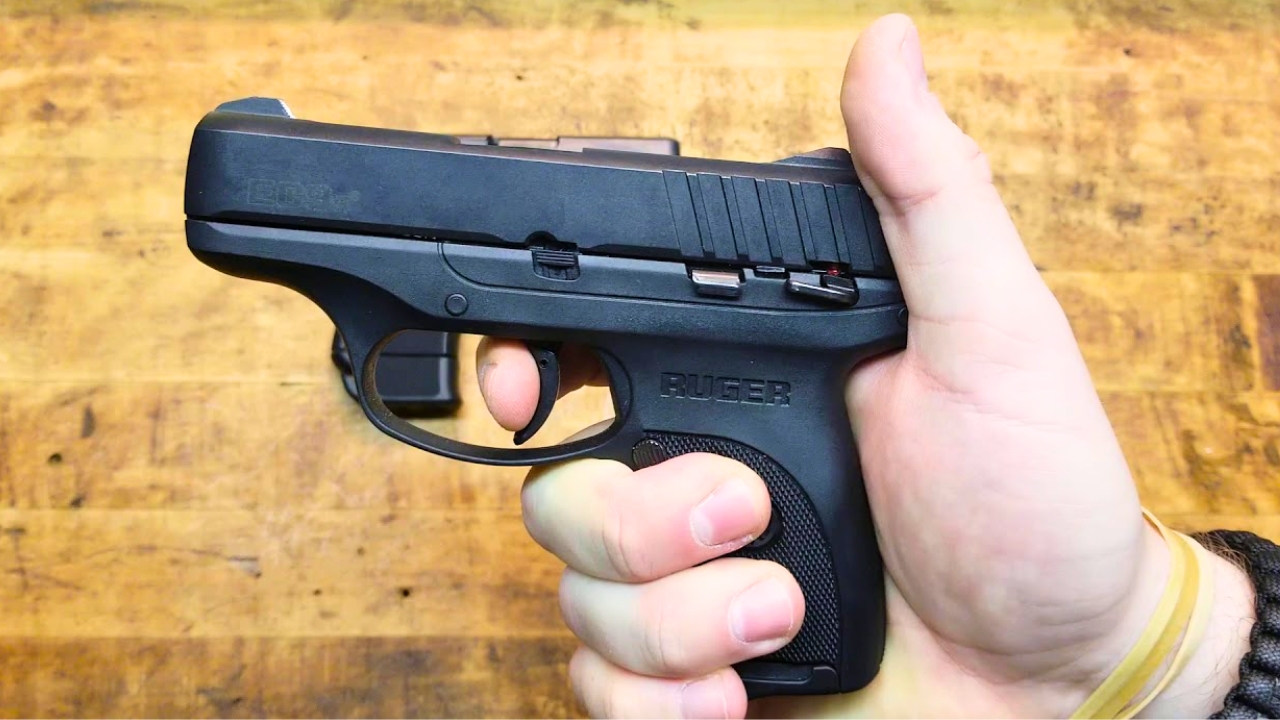
The Ruger EC9s is often sold as a low-cost answer to concealed carry, and that can make it tempting for first-time buyers. It is thin, light, affordable, and backed by a familiar brand, which makes the counter pitch pretty easy.
Where it can punish people is in the shooting experience. The sights are basic, the trigger is not exactly confidence-building, and the pistol can feel snappy during longer practice sessions. It may work fine for the money, but buyers expecting it to feel like a polished carry gun often learn quickly why it costs less. Cheap carry guns still need to be shot enough to prove they fit you.
Smith & Wesson SW9VE Sigma
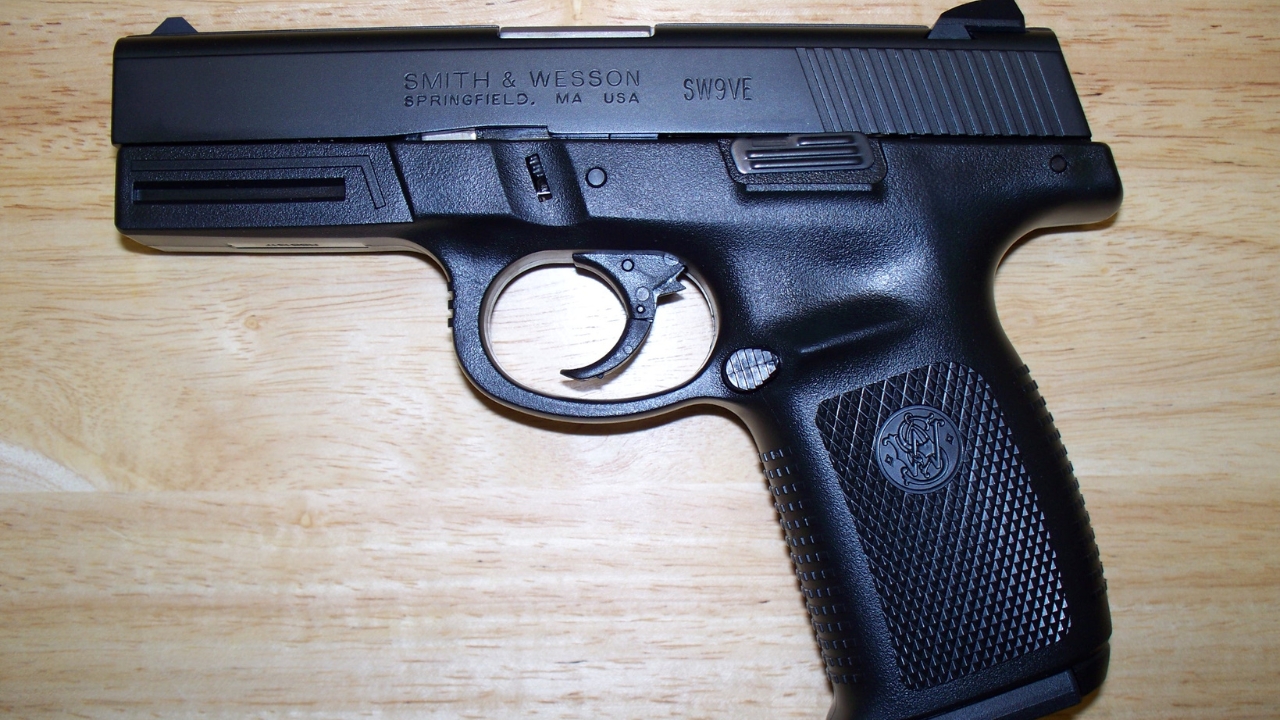
The Sigma sold a lot of people because it looked like a straightforward polymer 9mm from a major American brand. For buyers who wanted an affordable defensive pistol, it seemed like a sensible shortcut.
Then they got behind the trigger. The heavy, long pull became the thing everyone remembered, and it made the pistol harder to shoot well than many buyers expected. Some examples ran reliably, and that matters, but a defensive pistol that fights your trigger control can make practice frustrating. Plenty of buyers learned that saving money up front was not always worth feeling clumsy every time they shot it.
Beretta Nano

The Beretta Nano had the right ingredients for counter hype when it arrived. It was slim, striker-fired, modular-looking, and came from Beretta at a time when single-stack 9mms were getting hot.
But the pistol never felt as easy to love as the idea. The grip was short, the trigger feel turned off some shooters, and the minimalist controls were not for everyone. Some owners also disliked the lack of traditional sights and handling compared with competitors. It could serve as a small carry gun, but buyers expecting Beretta smoothness in a tiny package often walked away disappointed after range time.
Glock 36

The Glock 36 sounds like a dream to the right buyer: a slim Glock in .45 ACP. At the counter, that pitch can work fast, especially on someone who wants Glock simplicity but still loves big-bore handguns.
Reality is less romantic. The 36 is relatively low capacity, sharper in recoil than many expect, and not as easy to shoot well as larger .45 pistols. It fills a narrow role, and not every buyer understands that before taking it home. If you bought it expecting the perfect thin .45 carry gun, it may have felt more like a compromise that cheaper 9mms handled better.
Remington RM380
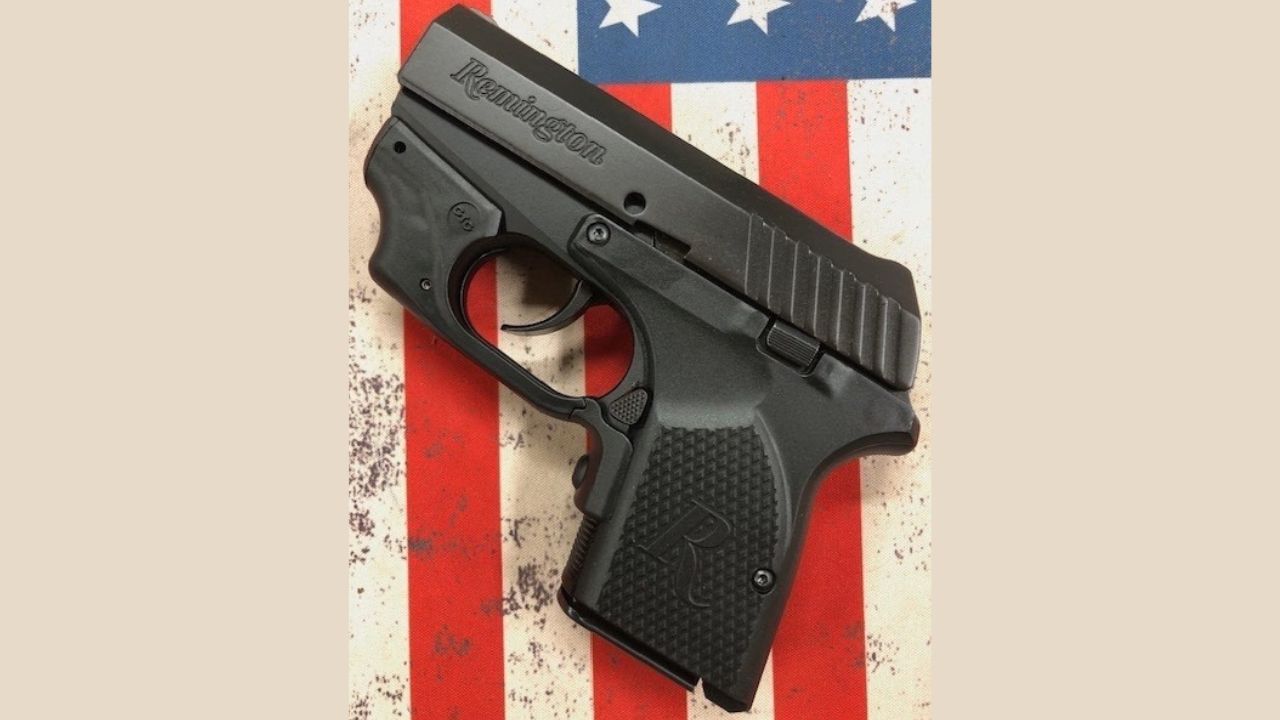
The Remington RM380 had counter appeal because it was small, smooth-looking, and easier to rack than many tiny pistols. Buyers who wanted a simple pocket .380 could talk themselves into it quickly.
The trouble is that it came from a period when buyer confidence in Remington handguns was already shaky. Even when the RM380 worked, it did not always feel like a pistol people loved training with. The long trigger pull, small size, and limited role made it easy to outgrow. A pocket pistol has to be boringly trustworthy. If the owner keeps wondering whether a different .380 would have been smarter, the hype already failed.
Kimber Micro .380

The Kimber Micro .380 looks good enough to sell itself. It has metal-frame charm, nice styling, and controls that appeal to shooters who like small 1911-style pistols. At the counter, it feels more upscale than a lot of plastic pocket guns.
But looks do not make a tiny pistol easy. Some buyers find the recoil sharper than expected, the controls small, and the platform more maintenance-sensitive than they wanted for a pocket gun. It can be enjoyable when it runs well and fits the shooter, but many people would have been better off with a plainer .380 that asked less from them.
SCCY DVG-1

The SCCY DVG-1 tried to move the company beyond the CPX-style hammer-fired pistols by offering a striker-fired option. On paper, that sounded like the upgrade SCCY buyers wanted.
The issue is that it entered a market full of stronger carry pistols with better reputations. At the counter, the price can make it seem like a clever buy. At the range, some owners realize the trigger, finish, accessory support, and overall feel do not match what a little more money can buy. Budget pistols can be fine, but the DVG-1 punishes people who expect a bargain to feel like a breakthrough.
Honor Defense Honor Guard 9

The Honor Guard 9 was easy to hype because it checked the right early concealed-carry boxes. It was American-made, aggressively textured, compact, and aimed at buyers who wanted something different from the usual brands.
That “different” part became the problem for some owners. A carry pistol needs broad support, long-term confidence, and a strong reason to choose it over established names. The Honor Guard never built enough momentum to feel like a safe bet. Some buyers ended up with a pistol that worked okay but did not offer the parts, holsters, resale value, or trust they could have had with a more proven option.
Caracal CP660
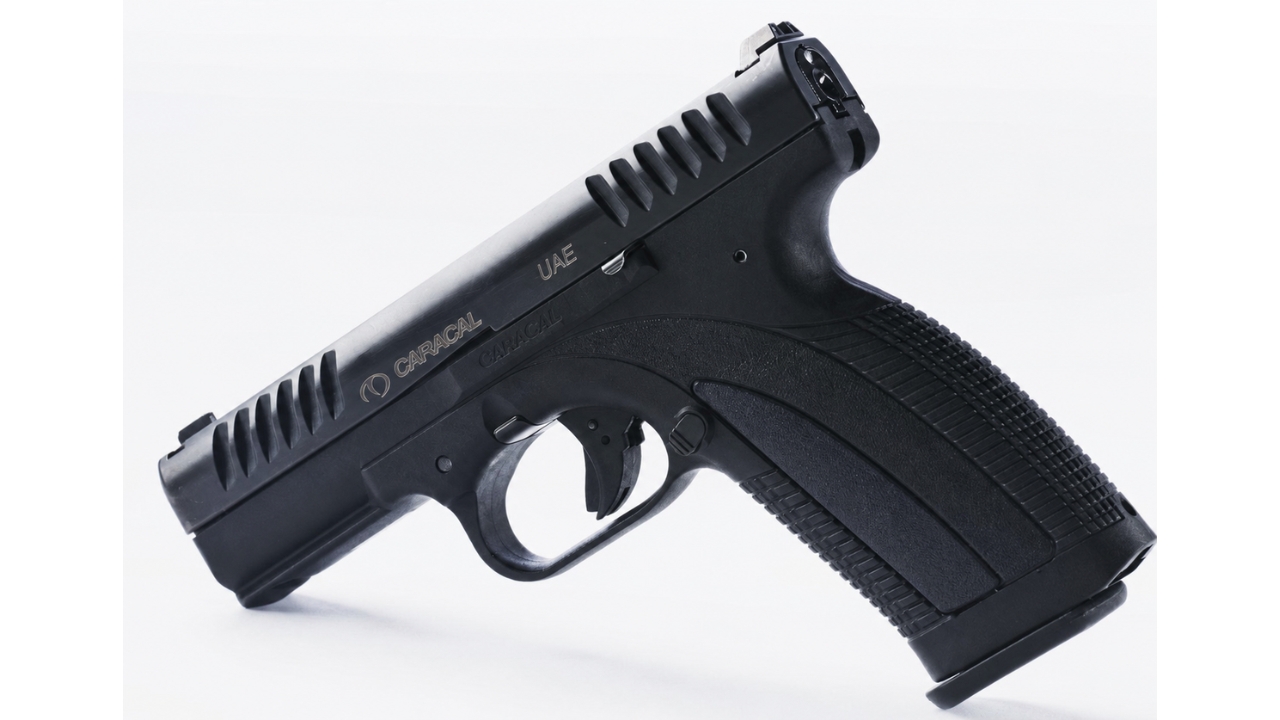
The Caracal CP660 had a certain counter curiosity factor. It came from a brand with an unusual history in the U.S. market and promised a modern striker-fired pistol outside the normal Glock-SIG-Smith crowd.
That can be tempting if you like being different. The problem is that different can be lonely when support is thin and the platform has not built much trust. Even if the gun shoots acceptably, buyers may struggle with holsters, magazines, parts, and confidence compared with established pistols. Some handguns punish you less at the range and more after purchase, when ownership starts feeling inconvenient.
Rock Island Armory MAPP FS
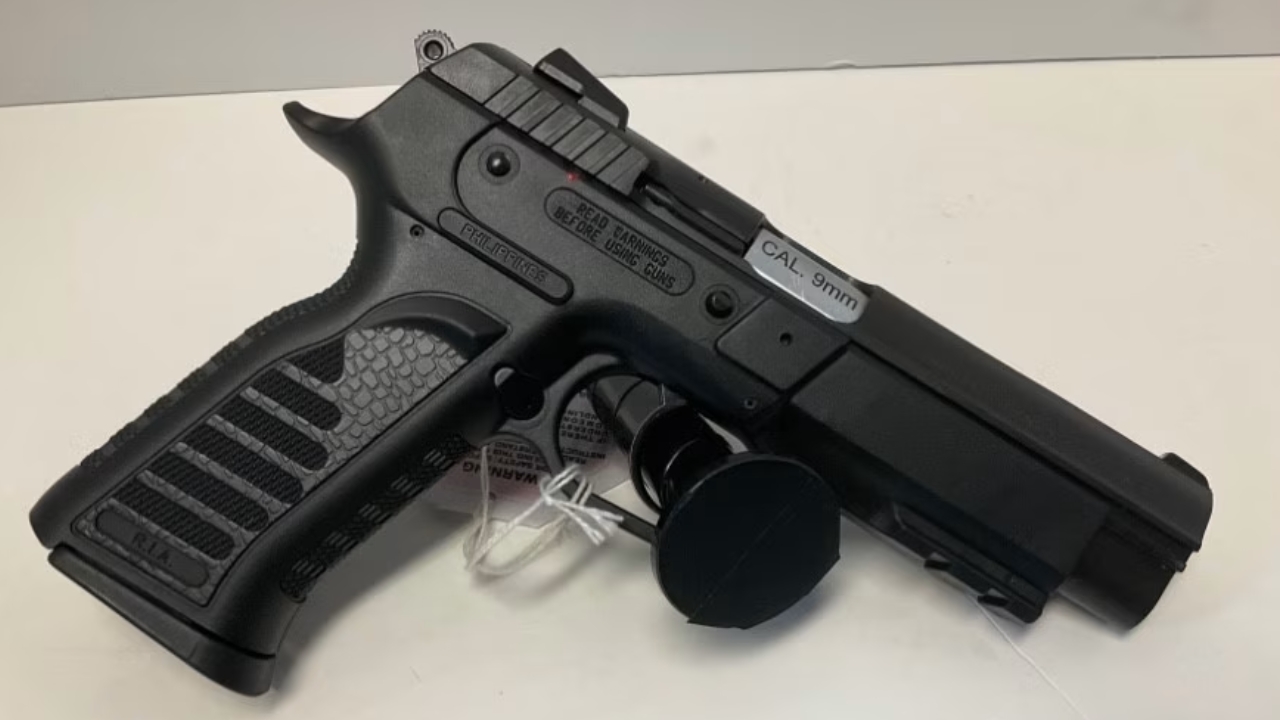
The Rock Island Armory MAPP FS looked appealing to buyers who wanted CZ-style ergonomics without CZ money. That kind of pitch always gets attention because it sounds like getting most of the performance for less.
Some owners found out the gap mattered more than they expected. The pistol can be serviceable, but the fit, trigger feel, aftermarket support, and overall polish may not satisfy buyers who really wanted a CZ in the first place. When a handgun is sold as a cheaper path to a better-known design, it has to fight that comparison forever. The MAPP FS does not always win.
Bersa BP9CC
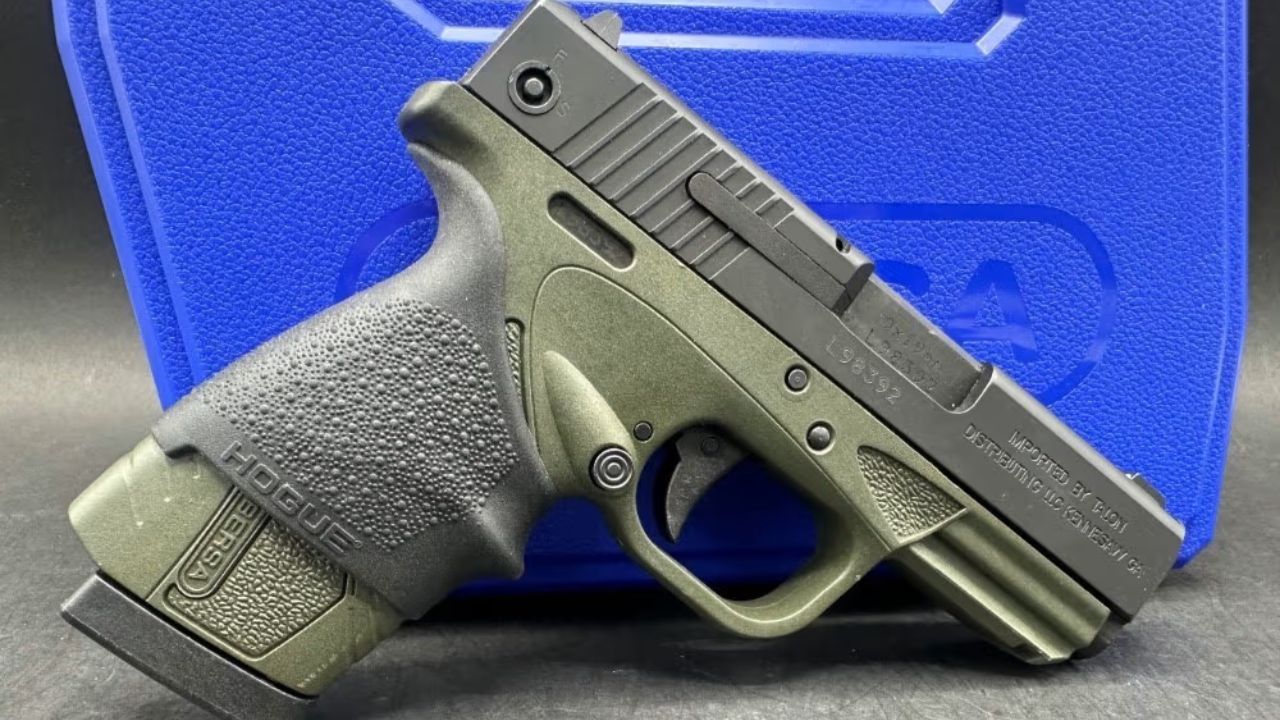
The Bersa BP9CC got plenty of interest because it was thin, affordable, and had a surprisingly light trigger for a budget carry pistol. At the counter, that can make it feel like a hidden bargain.
The catch is that a light trigger on a small carry gun is not automatically a benefit for every shooter. Some buyers liked it, while others found the pistol too easy to disturb under stress or too different from what they trained with. Add limited aftermarket support compared with bigger brands, and the bargain starts looking less clean. A carry pistol needs to fit your whole system, not just your wallet.
Taurus Spectrum
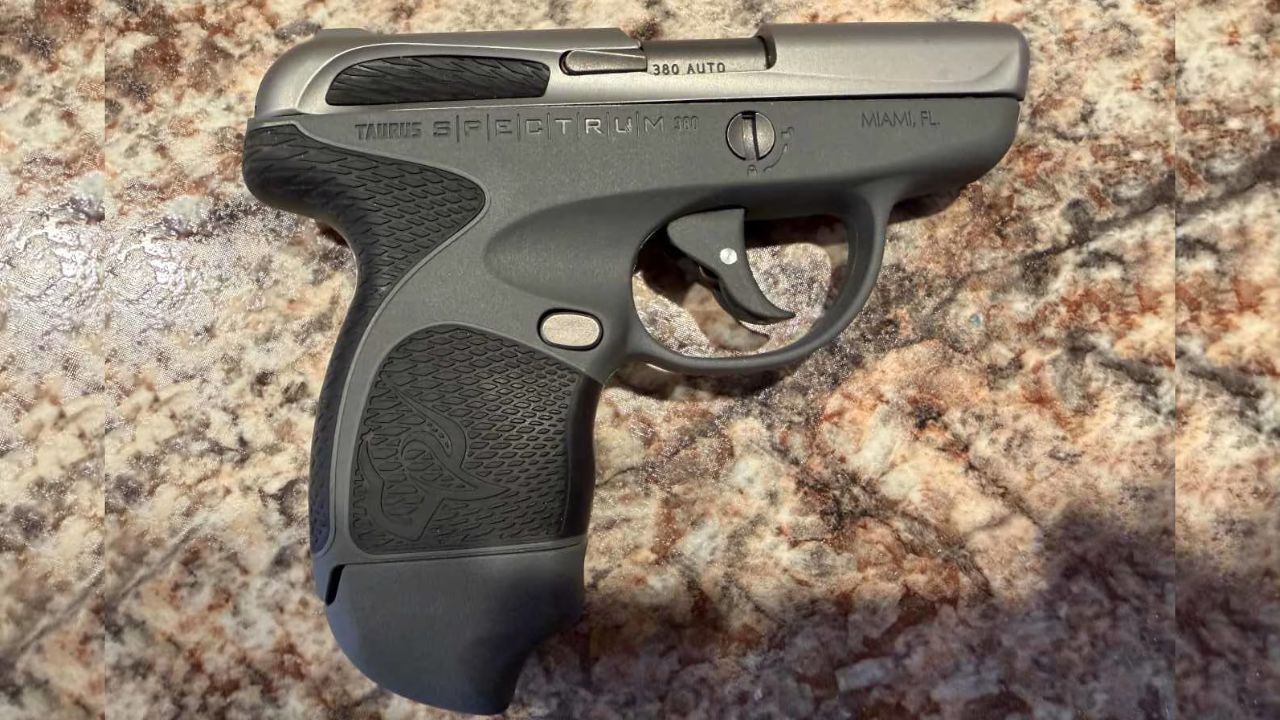
The Taurus Spectrum had a soft-touch look and a very approachable sales pitch. It was small, inexpensive, and styled to seem friendlier than the average pocket pistol. That kind of thing can work on buyers who want a simple carry option without intimidating controls.
The shooting experience was not always as friendly as the appearance. Tiny .380s are already hard to shoot well, and the Spectrum did not build the kind of trust buyers needed. Some owners dealt with stiff triggers, picky behavior, or a general lack of confidence. It was a reminder that carry guns should be judged by performance, not soft edges and color options.
Springfield Armory XD-E
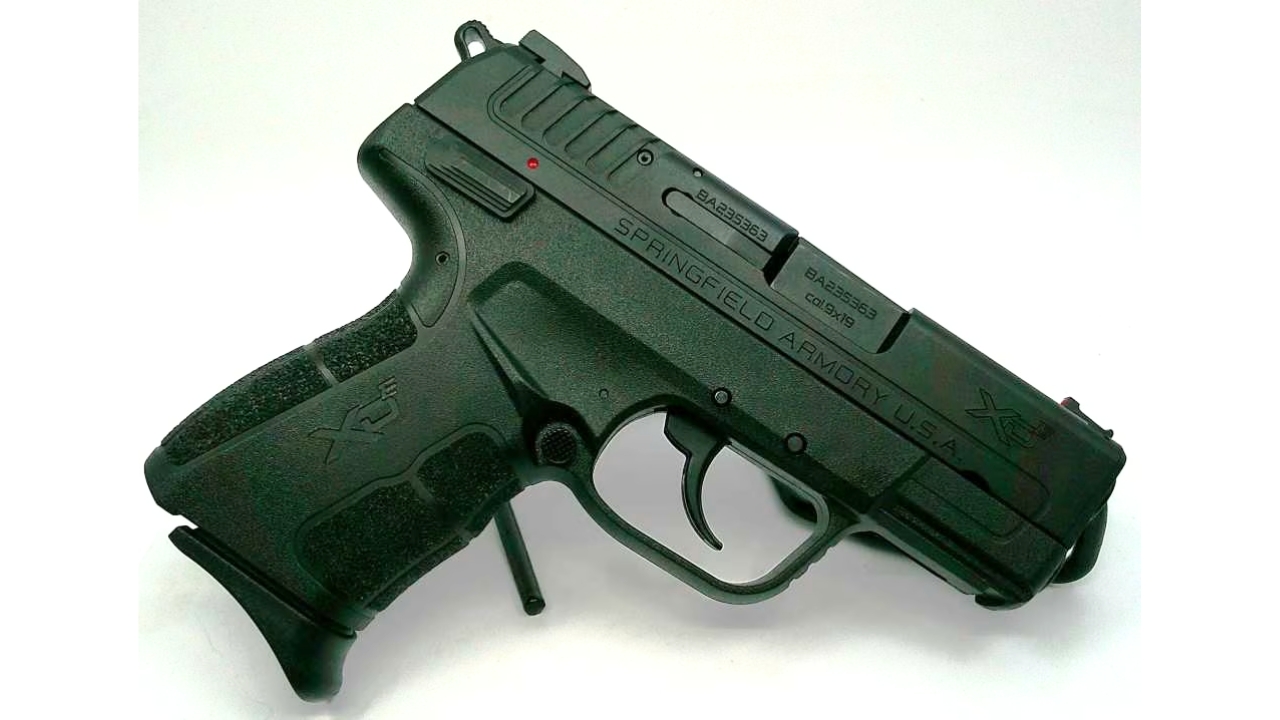
The XD-E had a strong counter pitch because it offered a slim hammer-fired carry pistol at a time when almost everything else was striker-fired. For shooters who liked double-action/single-action controls, it sounded like a practical alternative.
The problem was that the market had moved hard toward simpler, higher-capacity, easier-supported carry guns. The XD-E was interesting, but it was not always pleasant enough, compact enough, or compelling enough to pull buyers away from better-established options. Some owners liked the concept more than the gun itself. That is the danger of counter hype: a good idea still has to beat the boring choices.
Like The Avid Outdoorsman’s content? Subscribe to our newsletter so you never miss an article.
Here’s more from us: