Photo credit: The Avid Outdoorsman
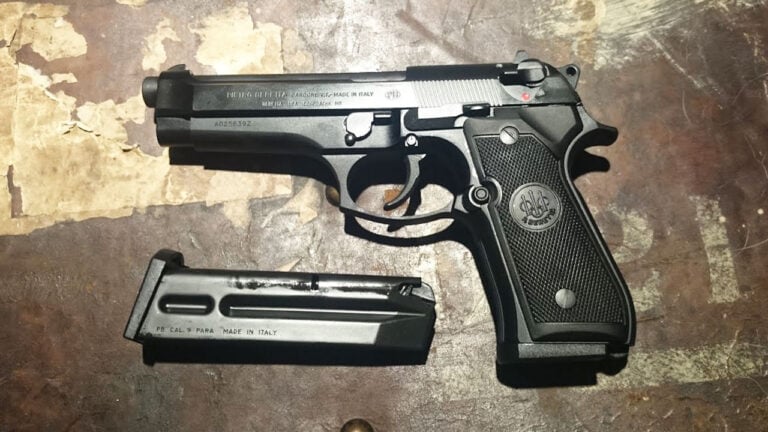
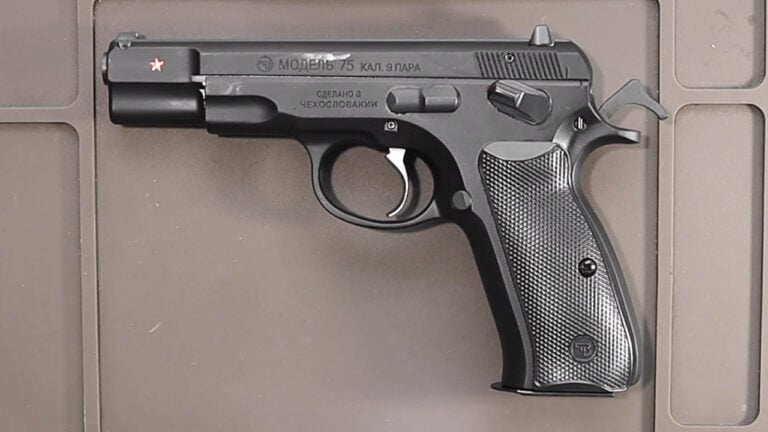
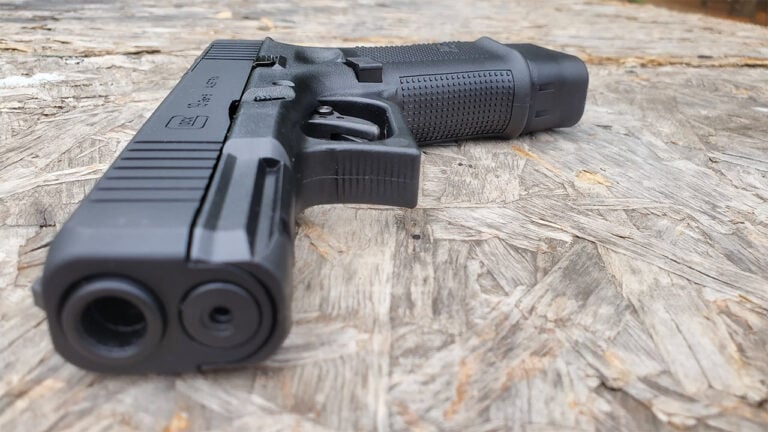
The gun owner said the pistol was originally handed over as a favor. According to the Reddit post, he lent a friend a handgun for self-protection, but about a year later, the problem was that the friend still had it and he could not get the firearm back.
The Reddit thread can be found here: https://www.reddit.com/r/legaladvice/comments/11zrqgh/i_lent_a_friend_a_pistol_for_self_protection/
That is the kind of decision that can feel reasonable in the moment and become a legal headache later. A friend says they are scared, need protection, or feel unsafe. The gun owner wants to help. Instead of thinking through transfers, possession rules, written agreements, or how the gun will be returned, the firearm leaves his control.
Then time passes.
Once a pistol has been with someone else for a year, it no longer feels like a quick loan. It starts looking like an informal transfer, even if that was never the owner’s intent. Depending on the state, the relationship between the two people, and whether the friend was legally allowed to possess firearms, that can create problems for both sides.
The owner’s biggest issue was simple: the gun was his, but someone else still had it. If the friend was refusing to return it, avoiding him, making excuses, or treating it like their own, the owner had to decide whether to keep asking or start treating the gun as stolen or wrongfully retained.
That is a serious line to cross with a friend. Filing a police report over a firearm can put the other person in real trouble. But the owner also had to protect himself. If the pistol was later used in a crime, lost, stolen, pawned, or found during a traffic stop, the owner would want a clear record showing he had tried to recover it and did not still approve of the friend keeping it.
There was also the safety question. When a gun owner loans out a firearm, he is trusting someone else with safe storage, legal possession, and responsible use. If the friend is careless, prohibited, unstable, or simply unwilling to return the pistol, that trust becomes a liability.
The better move would have been to handle it formally from the beginning or not lend the gun at all. A firearm is not like lending a jacket or a set of tools. It has a serial number, legal responsibilities, and consequences if it disappears.
At this stage, the owner needed documentation. Texts asking for the gun back, any messages where the friend admitted having it, proof of ownership, serial number, purchase records, and the date it was handed over could all matter if police or a court became involved.
Commenters told the gun owner that he needed to stop treating it like an ordinary favor if the friend was refusing to return the pistol. Several said he should make one clear written demand for the firearm’s return and keep a copy of the message.
Others warned that the original “loan” could be legally messy depending on state law. If the friend was not legally allowed to possess firearms, or if the state required transfers through a dealer, the owner may have created a bigger problem by handing it over in the first place.
Some commenters said that if the friend would not return it, the owner may need to report it as stolen or unlawfully retained. A firearm staying in someone else’s hands for a year is not something to ignore.
A few people recommended talking to an attorney before making a report if the owner was worried that the original loan itself may have violated the law. That way, he could protect himself while still trying to get the pistol out of the friend’s control.
The post ended with a lesson most gun owners already know but sometimes learn the hard way. Lending a firearm to a friend can feel like helping, but once that friend will not give it back, the owner is left with the legal risk, the missing gun, and the burden of proving where it went.
Like The Avid Outdoorsman’s content? Subscribe to our newsletter so you never miss an article.
Here’s more from us: