Photo credit: terry benton/Youtube
Some guns don’t feel like lifetime keepers the day you buy them. They’re practical, familiar, maybe even a little plain. You pick one up because it fits a need, shoots well enough, or made sense for the money. Nothing dramatic.
Then years pass, and that gun keeps surviving every safe cleanout. Newer guns come in. Some get traded. Some lose their appeal. But that one keeps staying because it still works, still fits, and still feels useful. These are the guns that quietly became worth keeping for life.
Ruger 10/22

The Ruger 10/22 is one of the easiest guns to underestimate because almost everyone knows what it is. It’s common, affordable, and so supported by the aftermarket that people forget how useful the basic rifle already is. A lot of owners buy one as a first .22 or casual plinker, then realize decades later it has never stopped being useful.
That’s what makes it a lifetime gun. It can teach new shooters, handle small-game duty, burn cheap ammo on slow afternoons, or become a full custom project if the owner wants to tinker. Magazines are easy to find, parts are everywhere, and the rifle fits almost any stage of a shooter’s life. A 10/22 may not be rare, but it is the kind of gun most people regret selling.
Glock 19
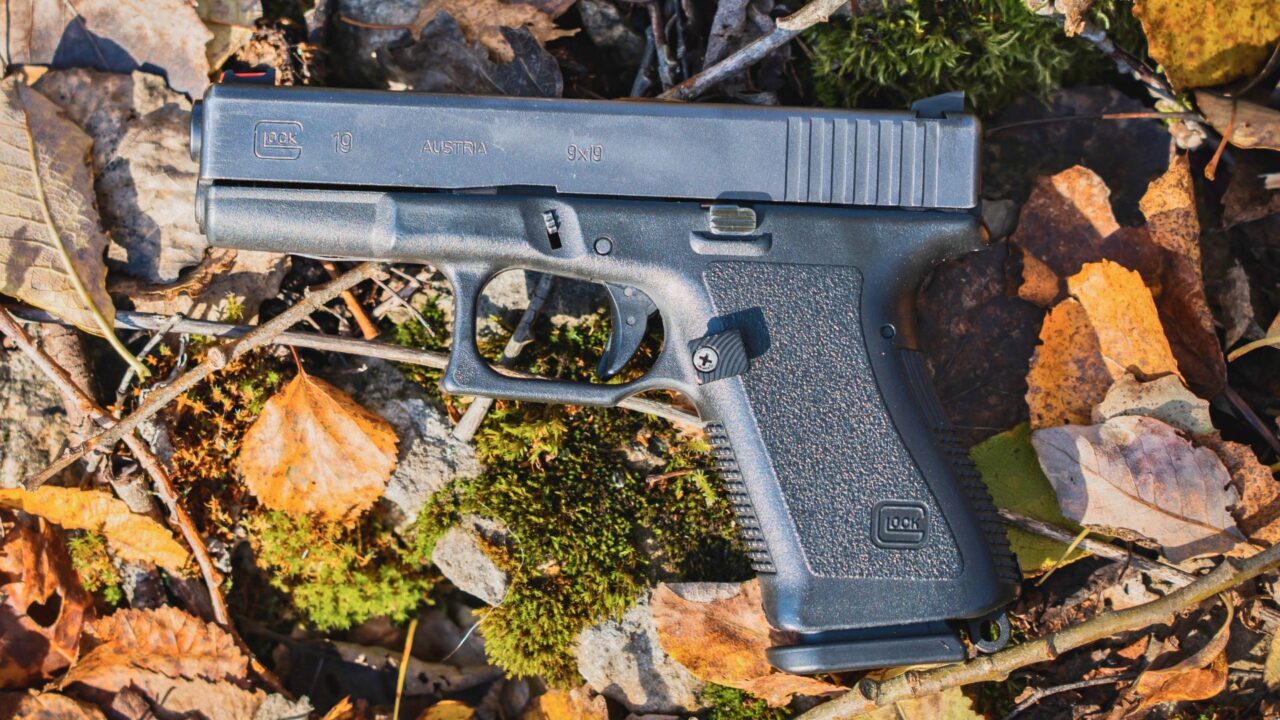
The Glock 19 has become a lifetime keeper for a lot of owners because it does so many things well enough that replacing it never feels urgent. It can serve as a carry gun, home-defense pistol, range gun, training pistol, or backup to a larger Glock setup. That kind of flexibility matters more over time than any one flashy feature.
It’s not the prettiest handgun, and plenty of pistols have better factory triggers or more refined ergonomics. But the Glock 19 keeps earning its place through reliability, parts support, magazine availability, and simple maintenance. Once someone has holsters, magazines, sights, and thousands of rounds of familiarity built around it, selling it rarely makes sense. It becomes less of a purchase and more of a standard.
Remington 870 Wingmaster

The Remington 870 Wingmaster is the kind of shotgun that gets better in the owner’s mind the longer it stays around. It may have started as a bird gun, a deer gun, or a family shotgun, but a good Wingmaster has a smoothness and balance that many newer pumps never quite match. The more you use one, the harder it is to replace.
The action slicks up beautifully with use, and the finish gives it more pride than basic working pumps. With different barrels, an 870 can cover birds, clays, deer, turkey, and general utility. A Wingmaster especially feels like a shotgun worth passing down instead of trading off. It’s practical enough to use and nice enough to care about, which is exactly where lifetime guns tend to land.
Marlin 336

The Marlin 336 quietly became a lifetime rifle for hunters who spend time in woods, brush, and normal deer country. It’s not built around long-range dreams or trendy cartridges. It’s a handy lever-action that carries well, shoulders quickly, and does exactly what a .30-30 or .35 Remington woods rifle is supposed to do.
A good 336 earns its place through familiarity. You know how it balances. You know how it cycles. You know what it can do inside its real range. The side-eject receiver makes optics easier than on some classic lever guns, and the solid feel keeps confidence high. Once a hunter has taken deer with one across several seasons, it stops being just another rifle. It becomes part of the hunting routine.
Smith & Wesson Model 686
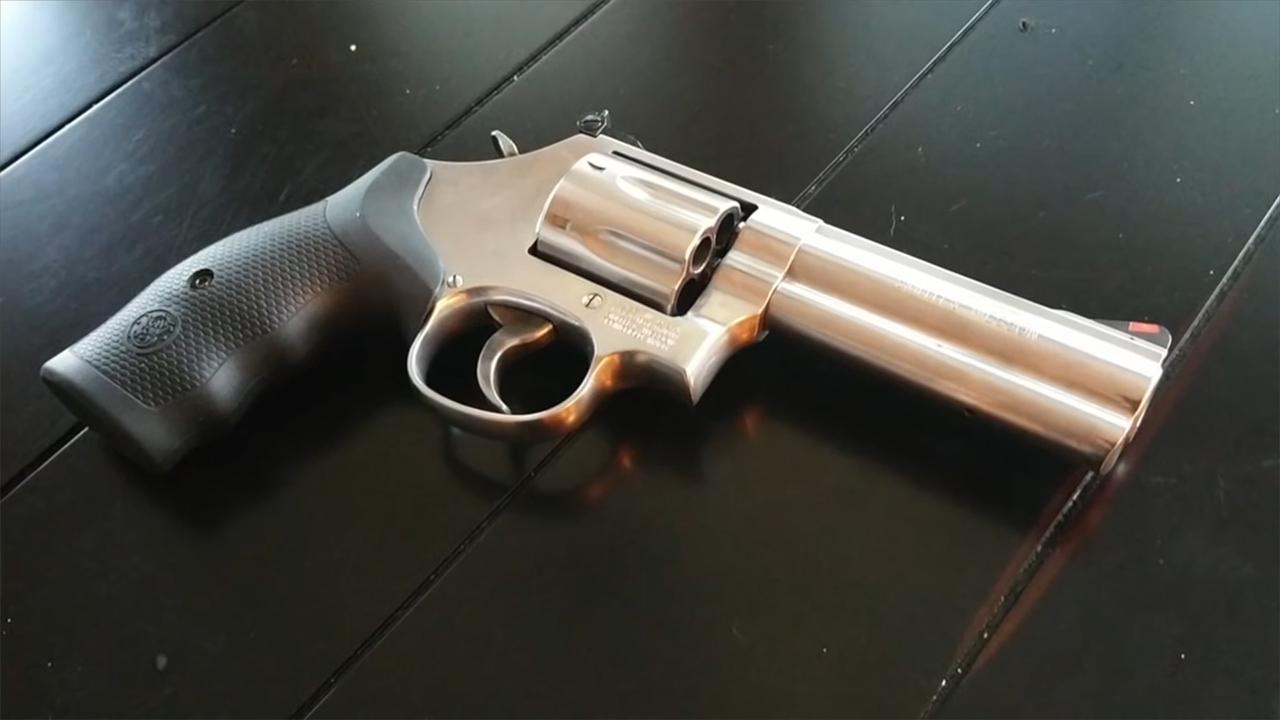
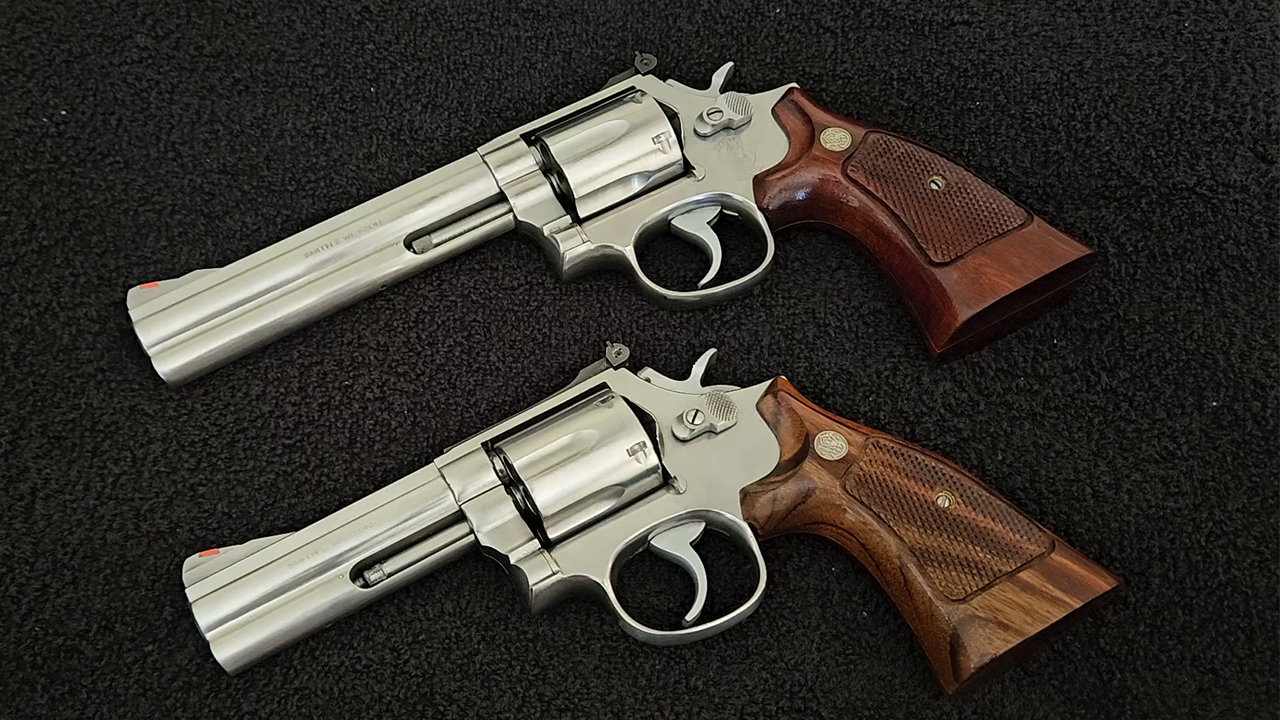
The Smith & Wesson Model 686 is one of those revolvers that makes selling feel like a mistake before the idea fully forms. It’s strong enough for regular .357 Magnum use, comfortable with .38 Special, and balanced well enough to serve as a range gun, woods revolver, home-defense option, or hunting sidearm depending on barrel length.
That versatility is what gives it lifetime value. A 4-inch 686 may be one of the most useful all-around revolvers ever made, while the 6-inch models shine on the range and in the field. Stainless steel helps it age well, and the L-frame size gives it a sweet spot between carryable and controllable. A good 686 doesn’t need much defending. It simply keeps being useful.
Winchester Model 70
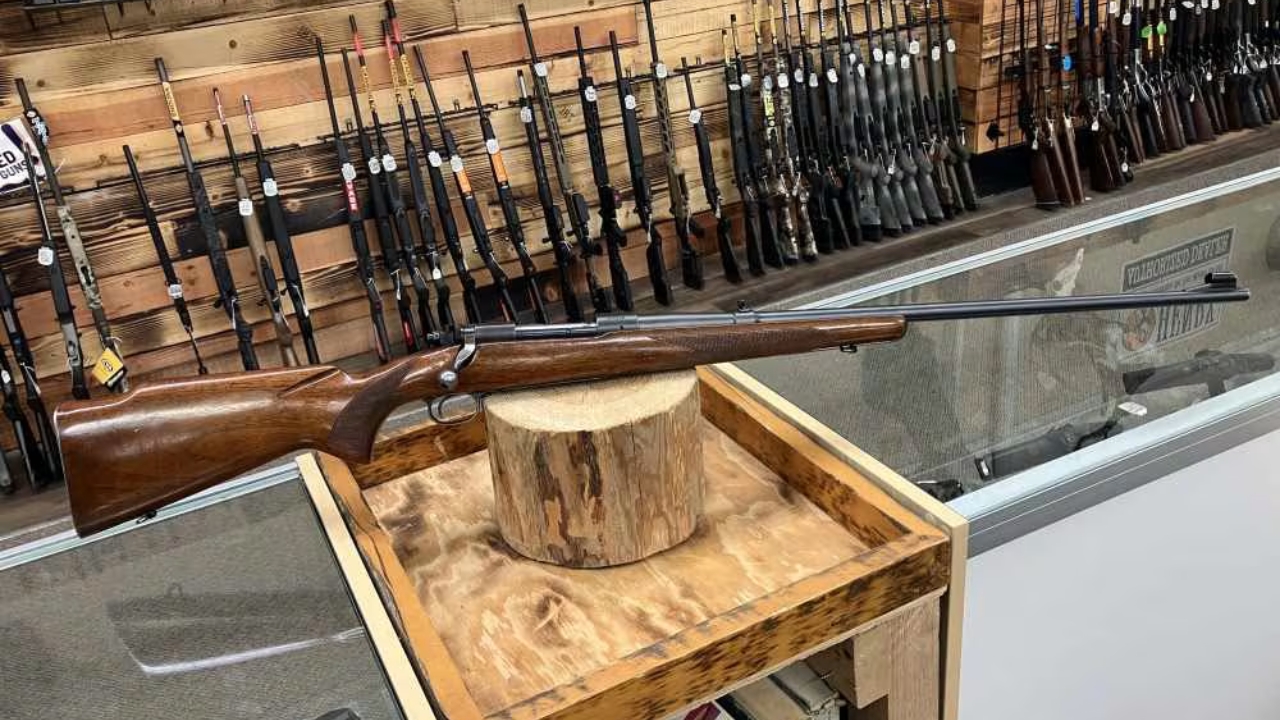
The Winchester Model 70 has the kind of reputation that makes owners think twice before ever letting one go. It’s a traditional hunting rifle with a strong action, excellent three-position safety, and, in controlled-round-feed versions, the kind of field confidence hunters still value. It feels like a rifle built around real hunting, not just sales-floor comparisons.
A Model 70 becomes worth keeping because it carries history and function at the same time. It looks right in deer camp, but it also works when the weather turns bad and the shot matters. Some rifles shoot well but feel disposable. A good Model 70 feels like something that belongs in a family for decades. That is a different kind of value.
Beretta 92FS
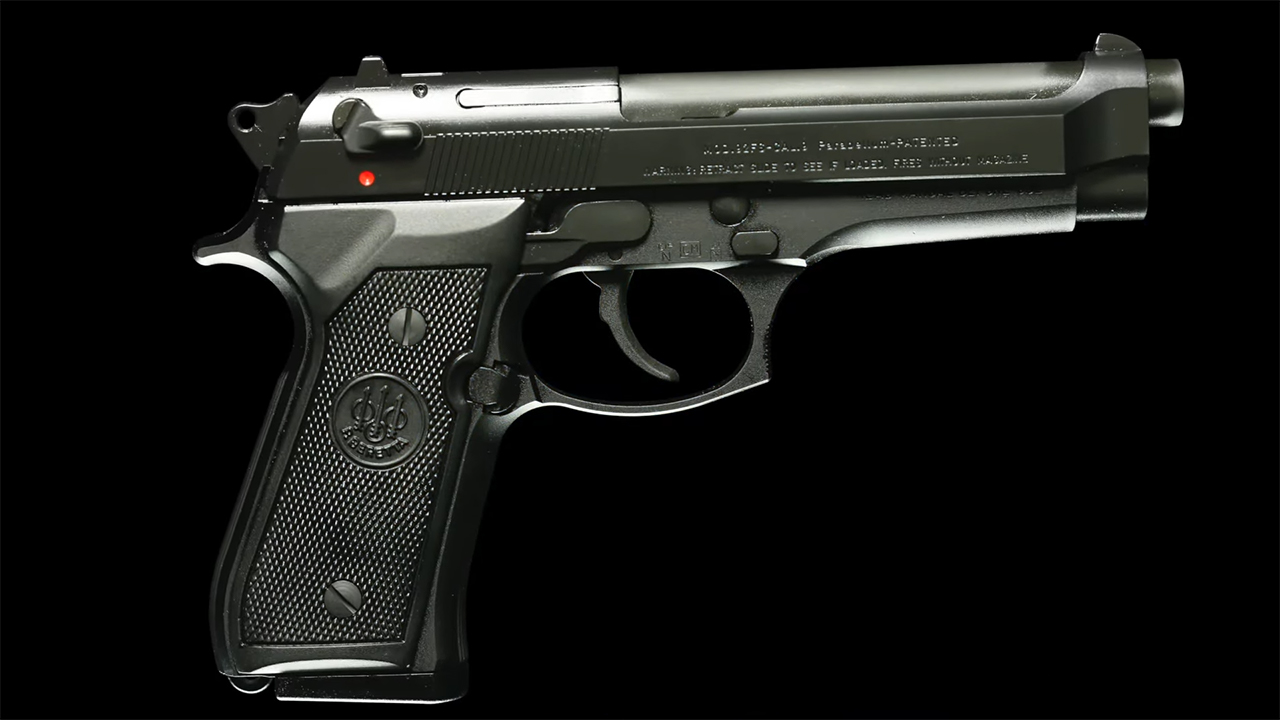
The Beretta 92FS often becomes a lifetime pistol after owners stop comparing it to smaller, lighter guns and start appreciating what it does well. It is big, smooth, soft-shooting, and built with real service-pistol history behind it. It may not be the best concealed-carry choice for most people, but it is one of the easiest full-size 9mms to enjoy.
The long sight radius, open-slide design, and metal-frame weight make it comfortable during long range sessions. The DA/SA trigger takes practice, but the pistol rewards that work. A 92FS is the kind of handgun that can stay useful as a range pistol, home-defense gun, training tool, or collection piece. Even if it stops being someone’s main pistol, it rarely stops being worth owning.
Ruger GP100
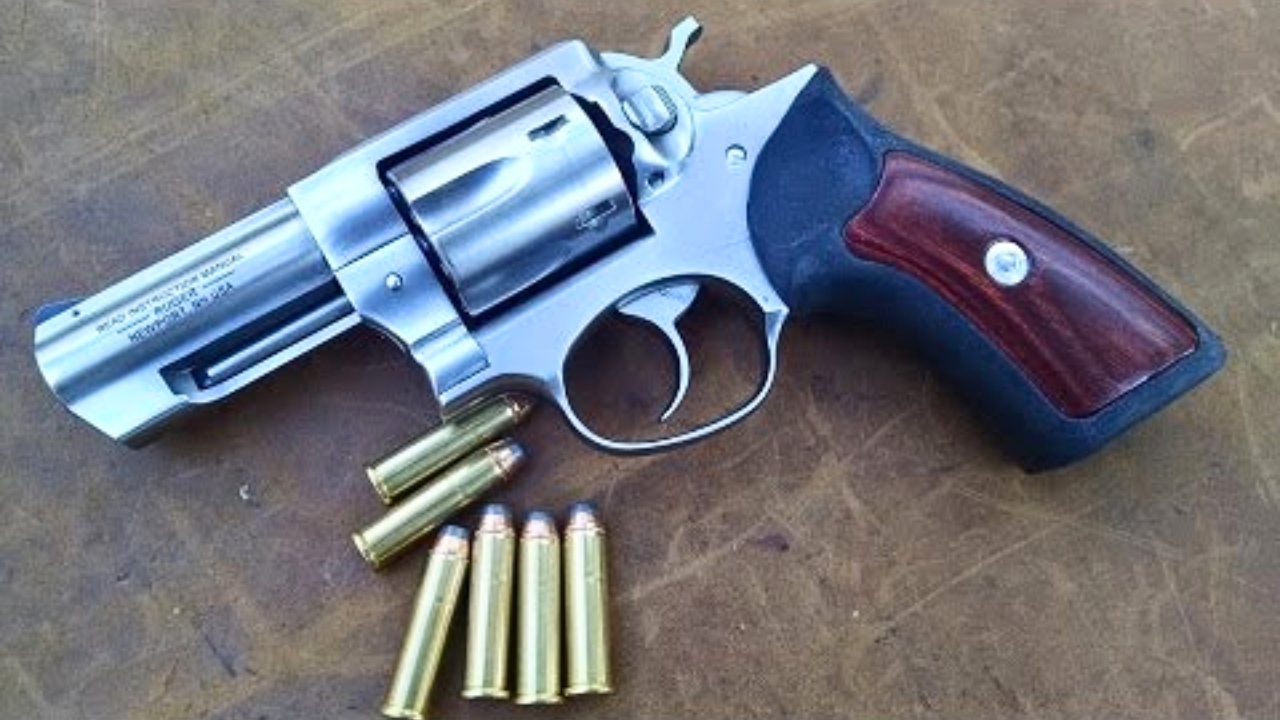
The Ruger GP100 became a lifetime revolver by being tough in all the right ways. It may not have the old-school polish of a classic Smith or Colt, but it has a reputation for strength that owners trust. If you want a .357 revolver you can shoot, carry, and use without worrying over every little mark, the GP100 makes sense.
It handles magnum loads with confidence, shoots .38 Special gently, and works well for range use, woods carry, and home-defense setups. The design feels rugged without being crude, and the aftermarket support is strong enough to tune one to taste. Some guns are kept because they’re beautiful. The GP100 gets kept because it feels like it will still be working when flashier revolvers are sitting untouched.
Browning Citori
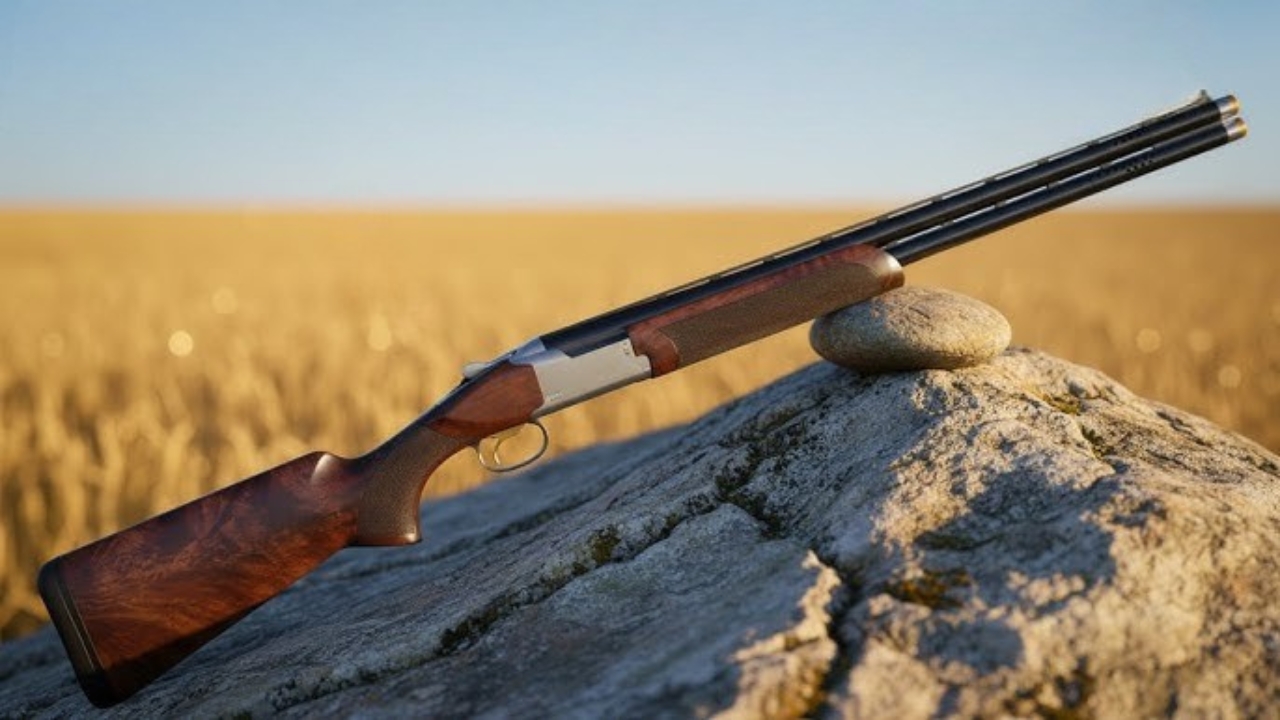
The Browning Citori is a shotgun that often turns into a lifetime piece because it gives owners durable over-under quality without stepping into truly unreachable custom-gun money. It’s not cheap, but it has long been one of the safer buys for someone serious about birds, clays, or a shotgun that can take real use.
A good Citori can stay with a shooter for decades. It locks up strong, swings well when properly fitted, and comes in enough versions to suit different styles of shooting. Cheap over-unders may look tempting, but hard use has a way of exposing weak spots. The Citori earns lifetime status because it can handle real round counts and still feel like a shotgun worth keeping.
Tikka T3x Lite
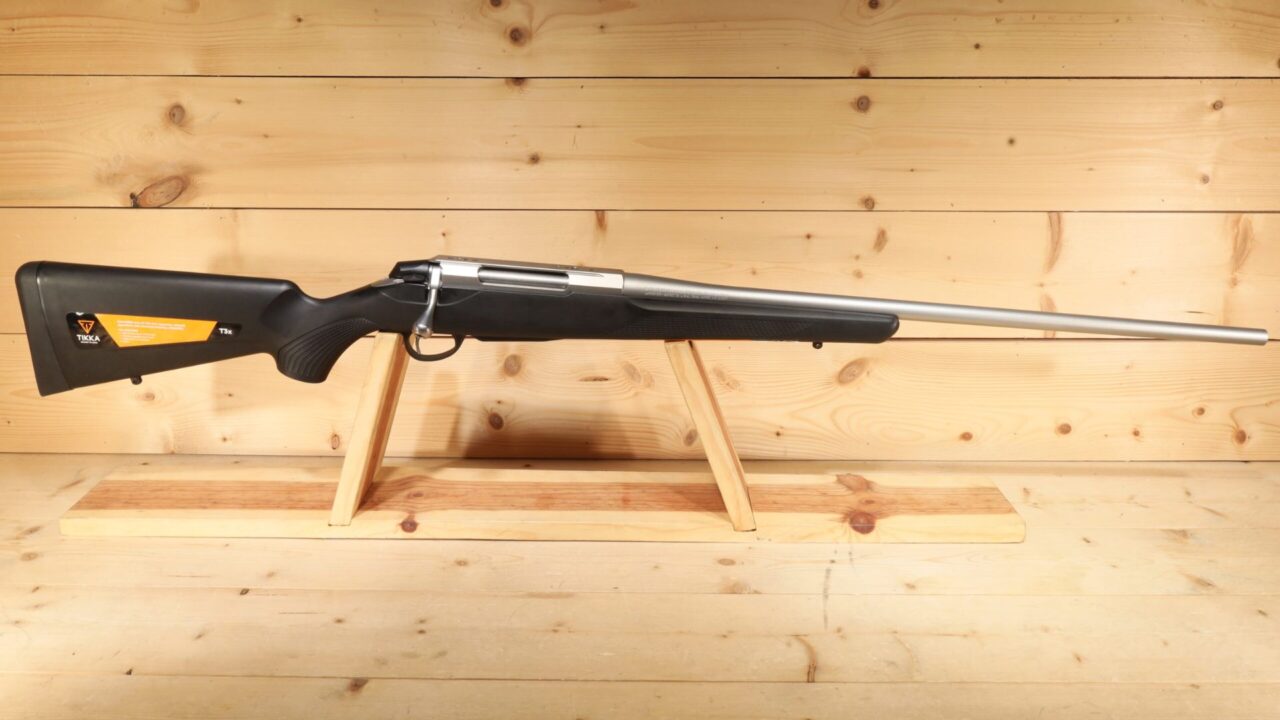
The Tikka T3x Lite doesn’t look like an heirloom rifle at first. It has a synthetic stock, clean modern lines, and very little decoration. But hunters who use one for a few seasons often realize it has the qualities that actually matter: smooth cycling, a good trigger, reliable accuracy, and easy carry weight.
That is how it becomes a lifetime rifle. It may not be the prettiest gun in the safe, but it tends to be the one that gets grabbed when the hunt matters. Many Tikkas shoot factory ammunition extremely well, which saves owners a lot of load-chasing frustration. A rifle that carries easily and keeps making clean hits is hard to trade away, even if it never looked fancy.
Colt Government Model 1911

The Colt Government Model 1911 has remained worth keeping because it offers a shooting experience that modern pistols don’t fully replace. It is heavy, lower-capacity, and more demanding than many striker-fired pistols. But a good one has a trigger, balance, and recoil impulse that keep shooters coming back.
For owners who understand the platform, a Colt Government Model becomes more than a defensive tool. It’s a range pistol, a piece of history, a skill-builder, and often a family gun. It teaches grip, trigger control, safety habits, and deliberate shooting. Not every 1911 is perfect, and maintenance matters. But a good Colt is one of those pistols that feels more meaningful the longer it stays around.
Mossberg 500

The Mossberg 500 quietly becomes worth keeping because it covers so many practical jobs. It can hunt birds, handle turkey duty, serve as a deer gun with the right barrel, sit ready for home defense, or ride as a rough property shotgun. It’s not delicate, and that is exactly why people trust it.
The tang safety is easy to use, parts support is strong, and the platform has been around long enough for owners to know what they’re getting. A basic 500 may not feel polished, but it feels useful. That counts for a lot over the years. Even if an owner later buys nicer shotguns, the Mossberg often stays because it’s the one nobody is afraid to use hard.
Henry Golden Boy

The Henry Golden Boy becomes a lifetime gun for a different reason: people enjoy shooting it. It’s not the most tactical, modern, or practical rimfire in every possible category. It’s a smooth lever-action .22 with enough weight, shine, and classic feel to make a range day more enjoyable.
That kind of enjoyment matters. The Golden Boy is approachable for new shooters, satisfying for experienced ones, and useful for casual practice or small-game hunting where legal. It has a way of bringing people into shooting without intimidation. Some guns stay because they’re powerful or rare. The Golden Boy stays because owners keep finding reasons to take it out.
SIG Sauer P226
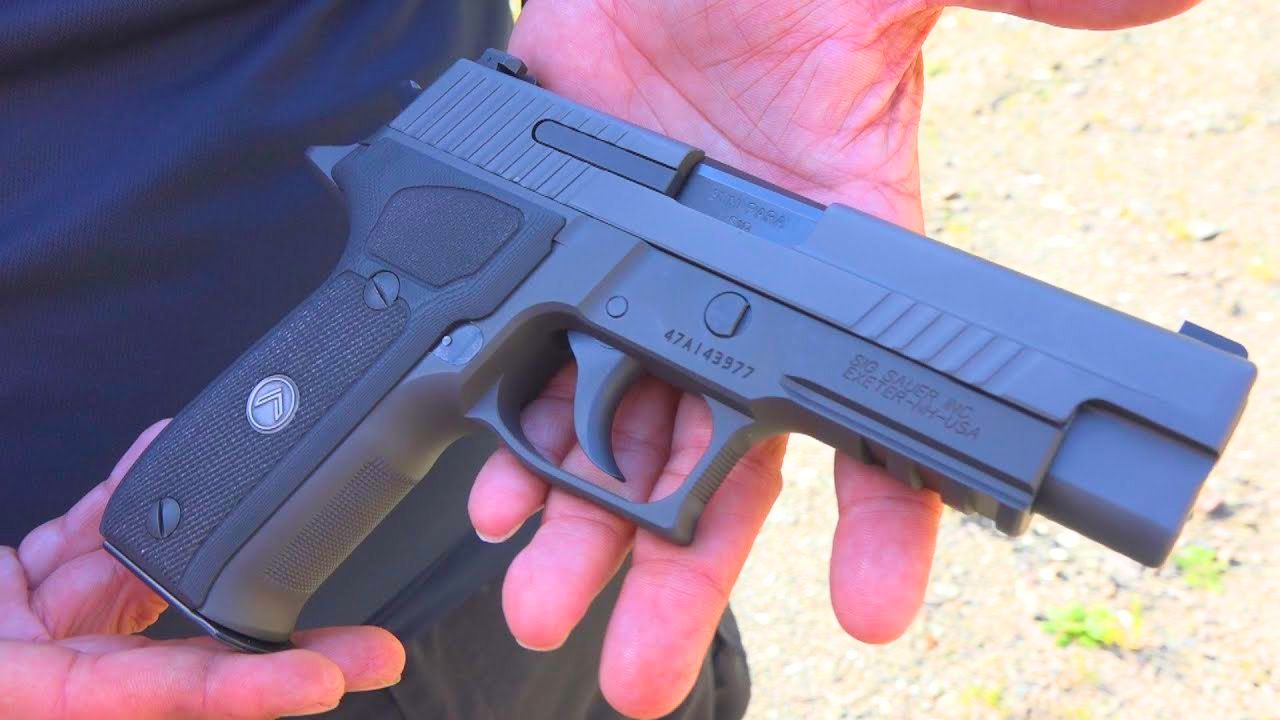
The SIG Sauer P226 has lifetime-gun written all over it for shooters who appreciate full-size service pistols. It’s heavier and more expensive than many polymer options, but that weight and build quality are part of why it ages so well. It feels serious every time you pick it up.
The P226 shoots smoothly, handles high round counts, and rewards training with its DA/SA trigger system. It can serve as a home-defense gun, range pistol, duty-style setup, or simply a high-quality 9mm that owners trust. Newer pistols may be lighter and easier to carry, but the P226 still feels planted and refined. Once someone owns a good one, selling it often feels like giving up a standard they’ll compare everything else against.
Ruger No. 1
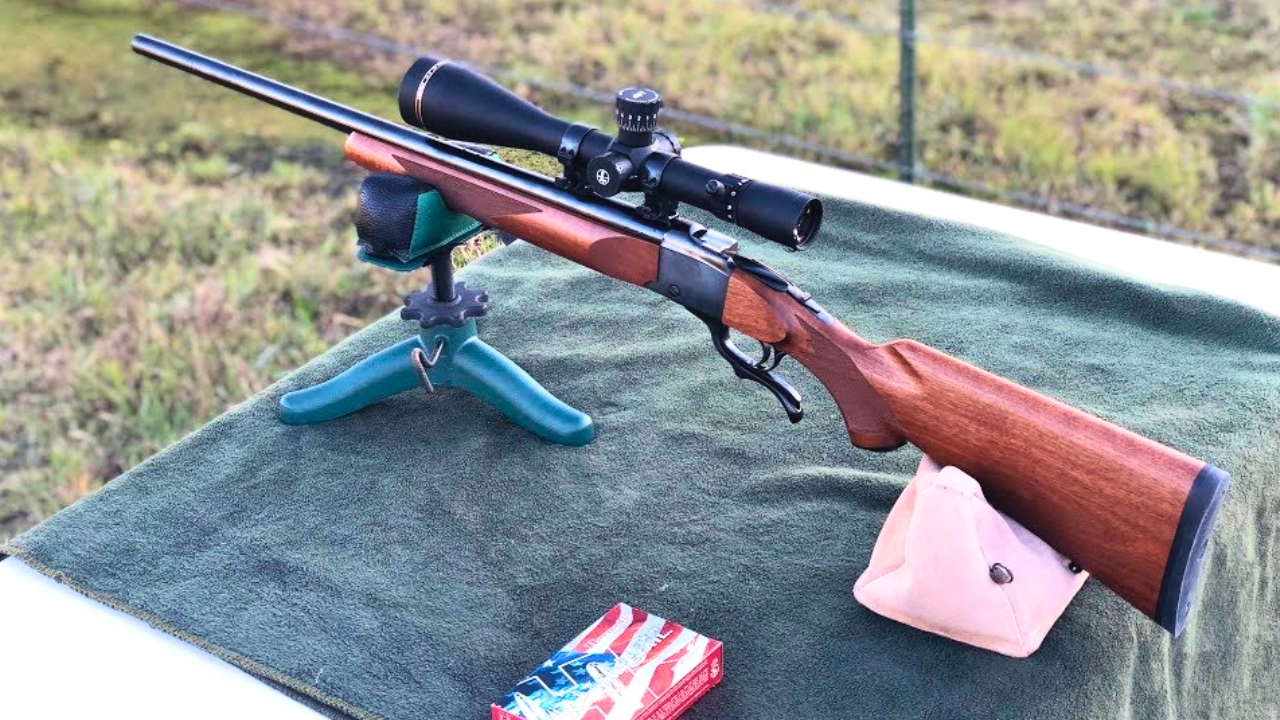
The Ruger No. 1 is not the most practical rifle for every hunter, but that’s part of why it becomes worth keeping. It’s a single-shot falling-block rifle with strength, elegance, and a slower pace built into the design. It asks the shooter to make one shot count, and plenty of hunters still respect that.
The No. 1 has been chambered in a huge variety of cartridges, from mild deer rounds to serious big-game options. The compact action allows a full-length barrel in a shorter overall rifle, and the design has a feel that repeaters don’t duplicate. It may not be the rifle you take on every hunt, but it is the kind of rifle you regret selling once you understand what makes it special.
Like The Avid Outdoorsman’s content? Subscribe to our newsletter so you never miss an article.
Here’s more from us: