Photo credit: The Avid Outdoorsman
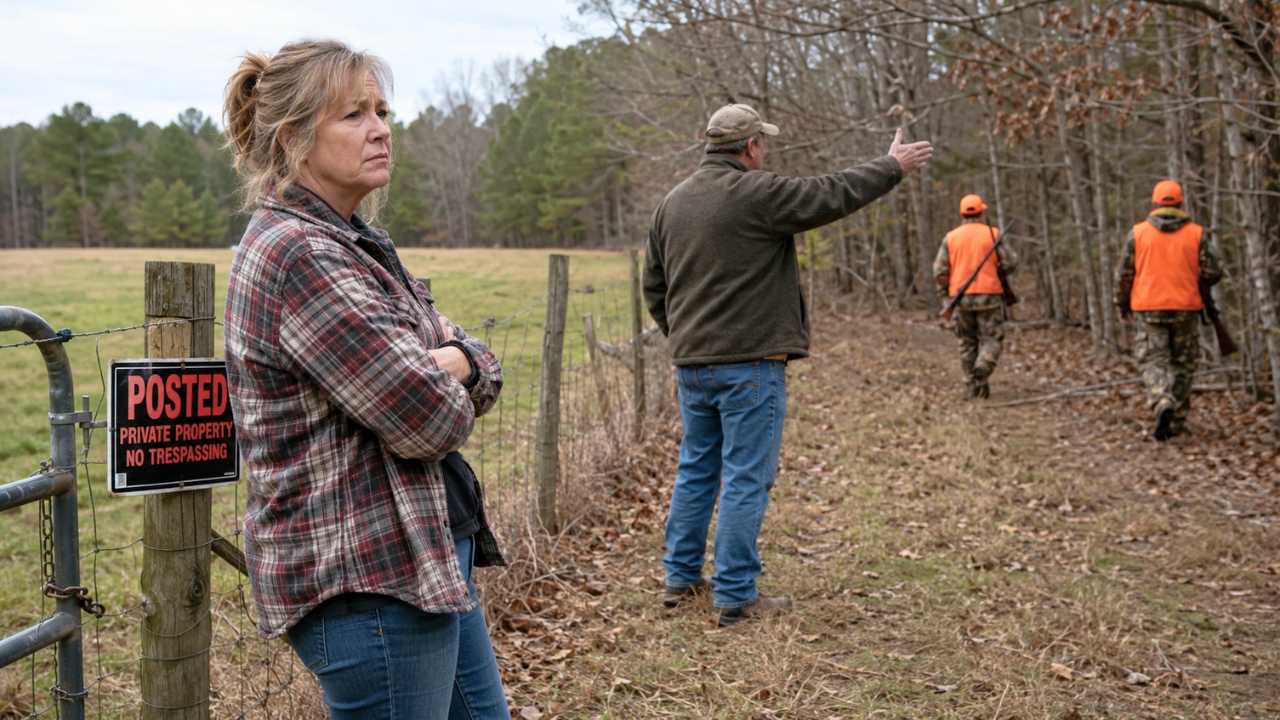
A North Carolina landowner said a neighbor was treating someone else’s property like her own, allegedly trespassing and allowing other people to hunt there without permission.
According to the Reddit post, the owner was dealing with a neighbor who seemed to believe she had authority over land that did not belong to her. The poster said the neighbor was not only entering the property herself, but was also allegedly giving other people permission to hunt on it.
That turned the situation from a normal boundary dispute into something much more serious.
The landowner explained the problem in a Reddit thread and asked what could be done about the neighbor’s trespassing and hunting activity: https://www.reddit.com/r/legaladvice/comments/18fbsmw/neighbor_trespassing_and_hunting_on_my_property_nc/
The neighbor was allegedly acting like the land was hers
Property disputes can get ugly fast when one person decides boundaries are optional.
In this case, the poster’s frustration seemed to come from the neighbor acting as if she had some kind of control over the land. It is one thing for a neighbor to misunderstand a property line or accidentally cross onto the wrong parcel. It is another thing to allegedly let other people hunt there.
That implies authority.
It suggests the neighbor may have been telling others they had permission, even though she did not own the land and apparently did not have the right to speak for the owner.
For the actual landowner, that creates a mess.
Now there may be people on the property who believe they are allowed to be there. They may not see themselves as trespassers because someone told them it was fine. But if that “someone” had no legal authority to grant access, the hunters are still on land where the owner never gave permission.
That is exactly the kind of situation that can lead to conflict in the woods.
Hunting makes the trespass much more dangerous
Ordinary trespassing is already enough to make a landowner angry.
But when the trespass involves hunting, the stakes climb quickly.
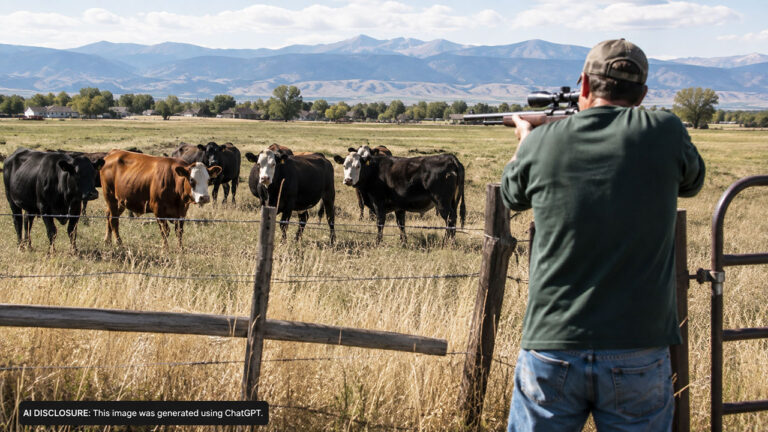
Hunters may be carrying rifles, shotguns, bows, or other gear. They may show up before daylight. They may move quietly through wooded areas. They may take shots near homes, livestock, fences, barns, roads, or other people on the property.
The owner may not know they are there until a shot is fired.
That is why this kind of dispute cannot be treated like a harmless neighbor annoyance. If someone is sending hunters onto land without the owner’s permission, that creates both a property-rights issue and a safety issue.
It can also create wildlife-law problems.
Depending on the state and the facts, hunting without landowner permission may be its own violation. If animals are taken from land where permission was never granted, a game warden may care very much about who said what and who actually had authority.
Commenters pointed toward documentation and the game warden
Commenters generally pushed the landowner toward practical enforcement steps rather than direct confrontation.
The first step was documentation. That means photos, dates, times, trail camera footage, names if known, vehicle descriptions, license plates, and records of any communication with the neighbor.
The second step was making the property boundaries clear. Posted signs, fencing where appropriate, and written notice can make it much harder for anyone to claim confusion later.
The third step was contacting the right authorities.
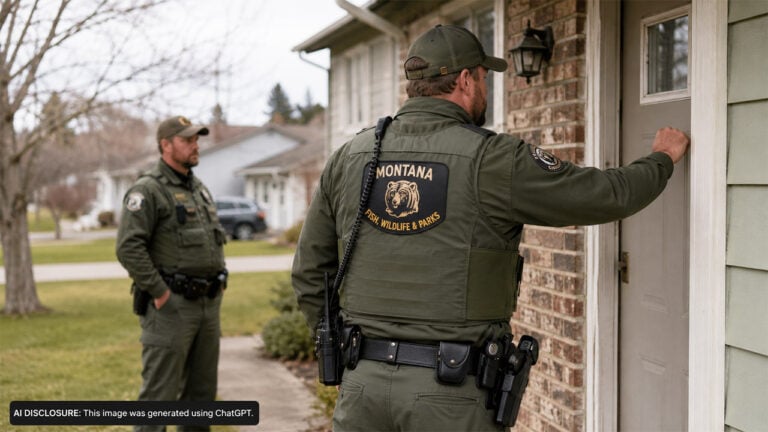
For a basic trespass issue, that may mean the sheriff. For hunting without permission, it may also mean the game warden or state wildlife agency. Commenters recognized that wildlife officers can be especially useful when the problem involves hunters, stands, harvested animals, or unauthorized access to hunting land.
Some also warned the poster not to get pulled into a personal feud with the neighbor if armed third parties were showing up. A landowner may be right on the law and still put himself in danger by confronting people in the field.
The hunters may not even know they are being dragged into a dispute
One of the messier parts of this story is that the hunters could be partly in the dark.
If the neighbor really told them they could hunt there, they might believe they had permission. That does not automatically make their presence legal, but it could affect how the situation unfolds.
They may be angry or embarrassed when confronted. They may insist someone gave them access. They may not understand that the person who gave permission had no right to do it.
That is why the landowner needs a clear record.
A written warning, posted land, and reports to authorities can help cut through the confusion. It also puts everyone on notice that permission must come from the actual owner, not a neighbor acting like a gatekeeper.
The real issue is control of the property
At its core, this story is about more than deer hunting.
It is about who gets to decide what happens on private land.
A neighbor cannot hand out hunting access to property she does not own. She cannot turn someone else’s land into a hunting spot because it is convenient, familiar, or close by. And she cannot create a safety problem for the owner by sending armed people onto land without permission.
For rural property owners, this is exactly the kind of situation that makes boundaries matter.
Signs matter. Cameras matter. Written records matter. Calling the right authority matters.
Because once someone else starts acting like your land is theirs, the problem is no longer just about a property line.
It is about stopping a pattern before it becomes a confrontation.
Like The Avid Outdoorsman’s content? Subscribe to our newsletter so you never miss an article.
Here’s more from us: