Photo credit: Honest Outlaw/Youtube
Some guns don’t start out as protected pieces. They get bought to shoot, hunt, carry, or keep around because they’re useful. At first, they’re treated like normal firearms. A few scratches don’t matter much, and nobody worries too hard about value or originality.
Then something changes. The gun gets harder to replace. Prices climb. Production stops. The owner realizes it fits a role nothing else does. Suddenly, it moves from the front of the safe to the spot where only the trusted guns go. These firearms quietly became the ones owners protect most.
Colt Python

The Colt Python is one of the easiest guns to understand in this category. Plenty of older Pythons were bought as working revolvers, not collector investments. They got shot, carried, and handled like serious .357 Magnums because that’s exactly what they were.
Now clean examples make owners much more careful. The Python’s smooth action, classic Colt finish, and strong collector demand mean condition matters a lot. A careless scratch, rough handling, or unnecessary wear feels more painful than it would on a normal range revolver. Owners may still shoot them, but they usually do it carefully. The Python became protected because replacing the same gun in the same condition can cost more than many people want to admit.
Winchester Model 9422

The Winchester Model 9422 may be a .22, but owners who have a nice one know it’s not just another rimfire. It’s smooth, well-made, and far more satisfying than the average plinker. For years, it was the kind of rifle people took to the range or woods without thinking too hard about future value.
That changed once clean examples became harder to find. The 9422 still deserves to be used, but owners tend to watch it more closely now. A dinged stock or damaged finish hurts when the rifle is no longer sitting in every used rack. It has the kind of build quality that makes people want to preserve it, especially if it has family history. That’s how a fun little rimfire becomes one of the safest pieces in the safe.
Smith & Wesson Model 19
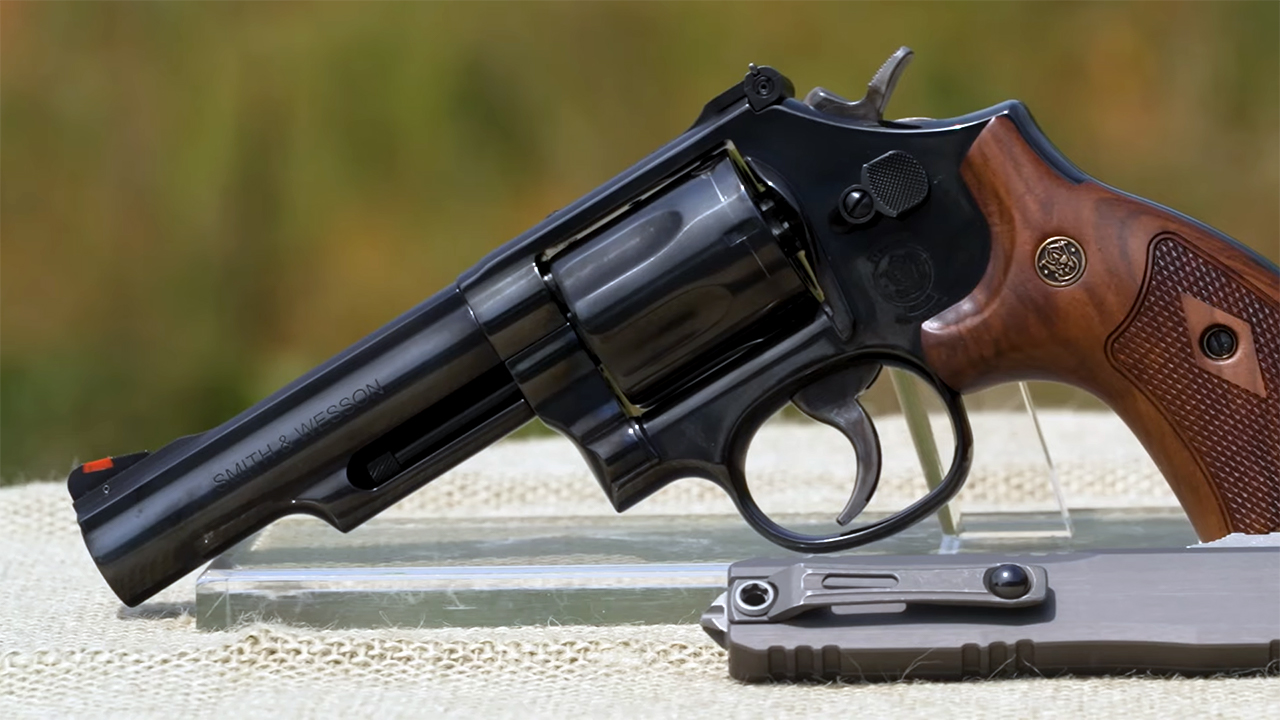
The Smith & Wesson Model 19 quietly became protected because it hits a revolver balance that many shooters still love. A K-frame .357 Magnum is lighter and handier than larger magnums, but more shootable than tiny defensive revolvers. That middle ground is why people get attached to them.
Owners also know the Model 19 has limits. It’s not the revolver most people want to feed endless hot magnum loads, especially if the gun is clean and original. Many owners now treat theirs with more care, shooting mostly .38 Special or moderate .357 Magnum loads. It can still be used and enjoyed, but a nice Model 19 is no longer a casual beater. It’s too useful, too classic, and too hard to replace cheaply.
Marlin 1894C
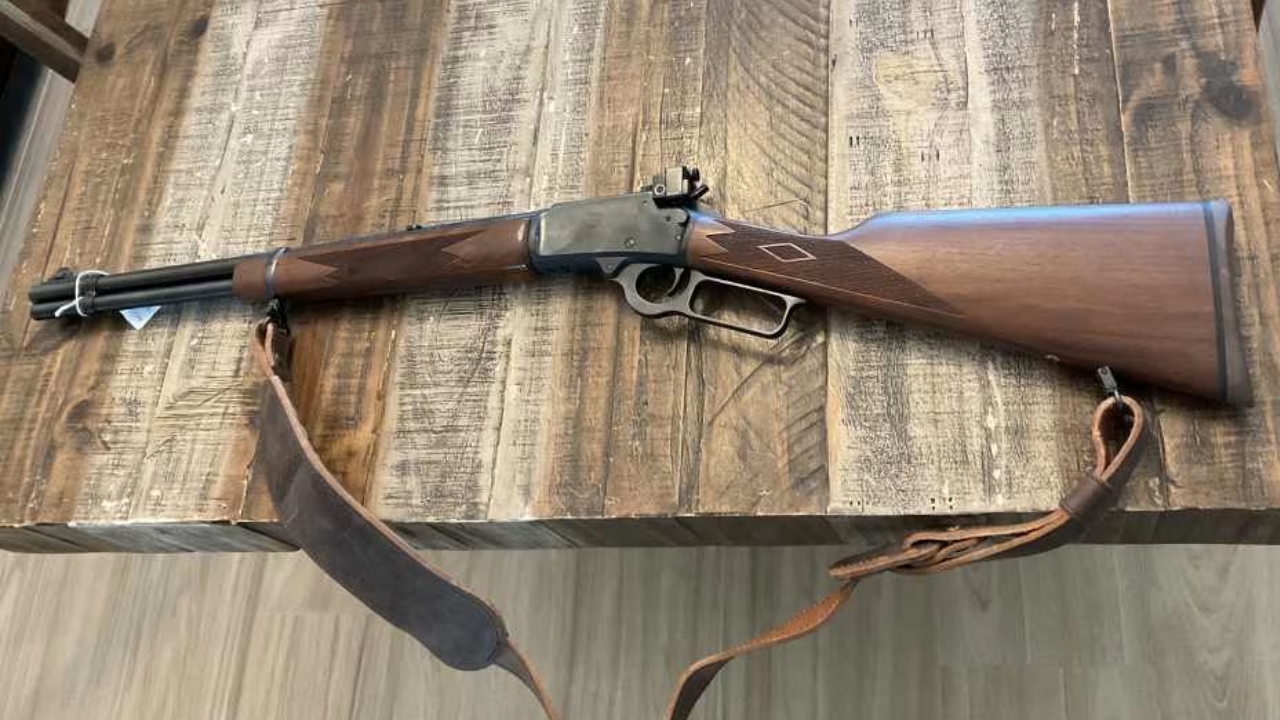
The Marlin 1894C became protected because a smooth .357 Magnum lever-action carbine is harder to replace than people expected. It used to feel like a handy, fun rifle for range use, rural property, and thick-cover work where legal. Plenty of owners treated them like ordinary working carbines.
Now clean older examples get handled with a little more caution. The 1894C can run .38 Special for easy practice and .357 Magnum for field use, which gives it a lot of flexibility. It’s light, handy, and practical in a way that keeps getting more appealing. Owners who have one that feeds smoothly and shoots well usually don’t want to risk unnecessary damage. A good .357 lever gun has become too valuable to treat carelessly.
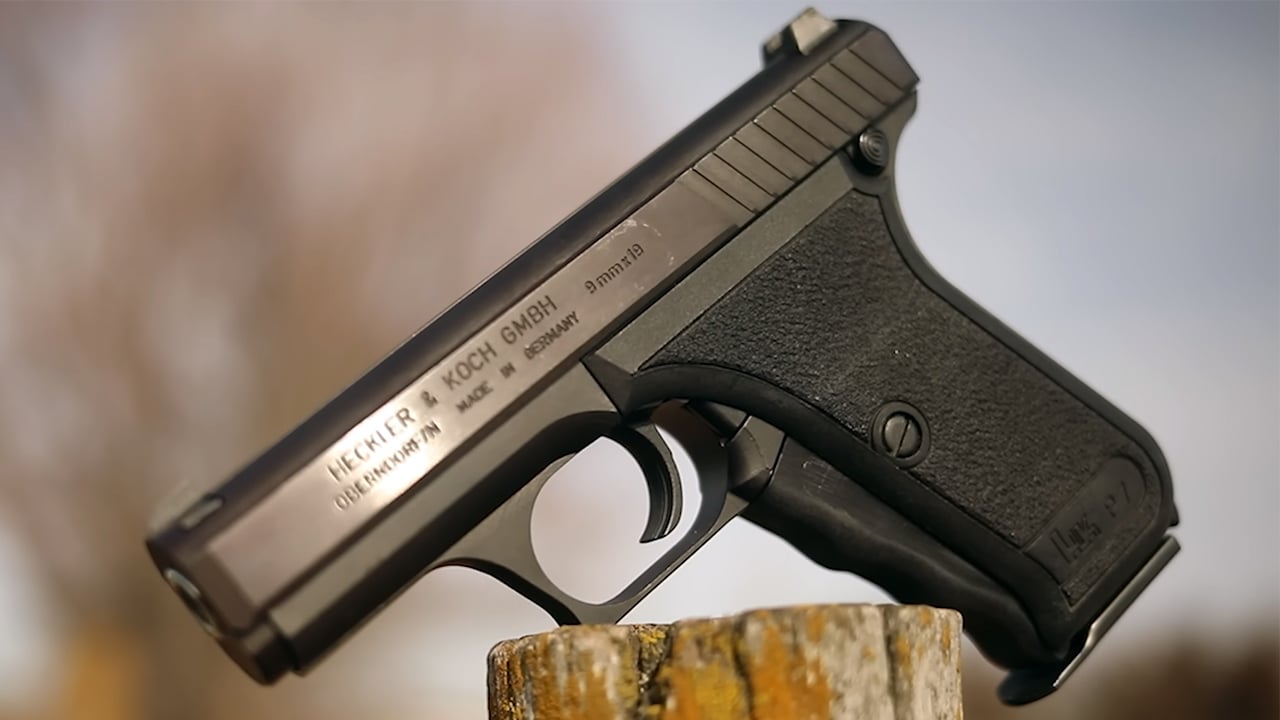
HK P7
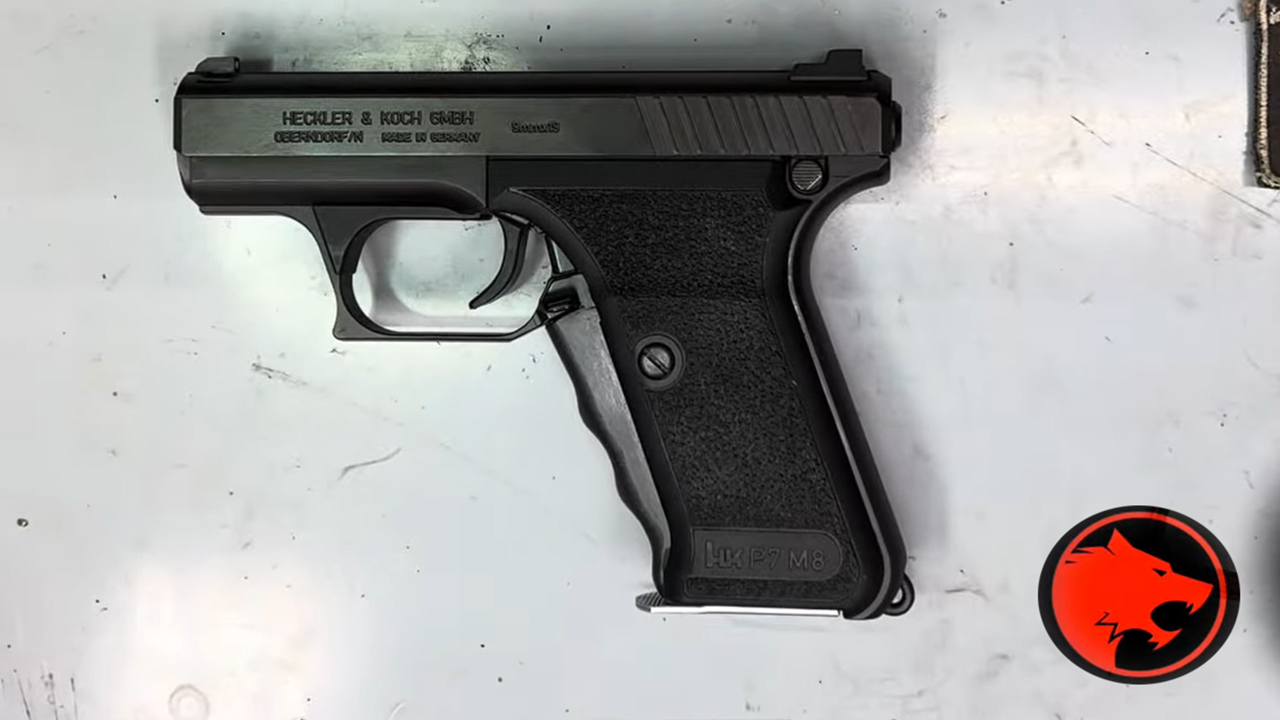
The HK P7 is one of those pistols owners tend to protect almost by instinct now. Its squeeze-cocker system, fixed barrel, slim frame, and low bore axis make it unlike nearly anything else. Even people who don’t know handguns well can tell it’s different once they handle it.
That difference has become expensive. P7 prices climbed, parts are not casual, and clean examples with original boxes or accessories draw serious interest. The pistol can still be shot, but owners usually avoid handing it around like a normal range gun. It also has quirks, including heat buildup during longer strings and a manual of arms that needs explanation. The P7 became protected because weird, well-made, discontinued guns do not stay cheap forever.
Browning Hi-Power
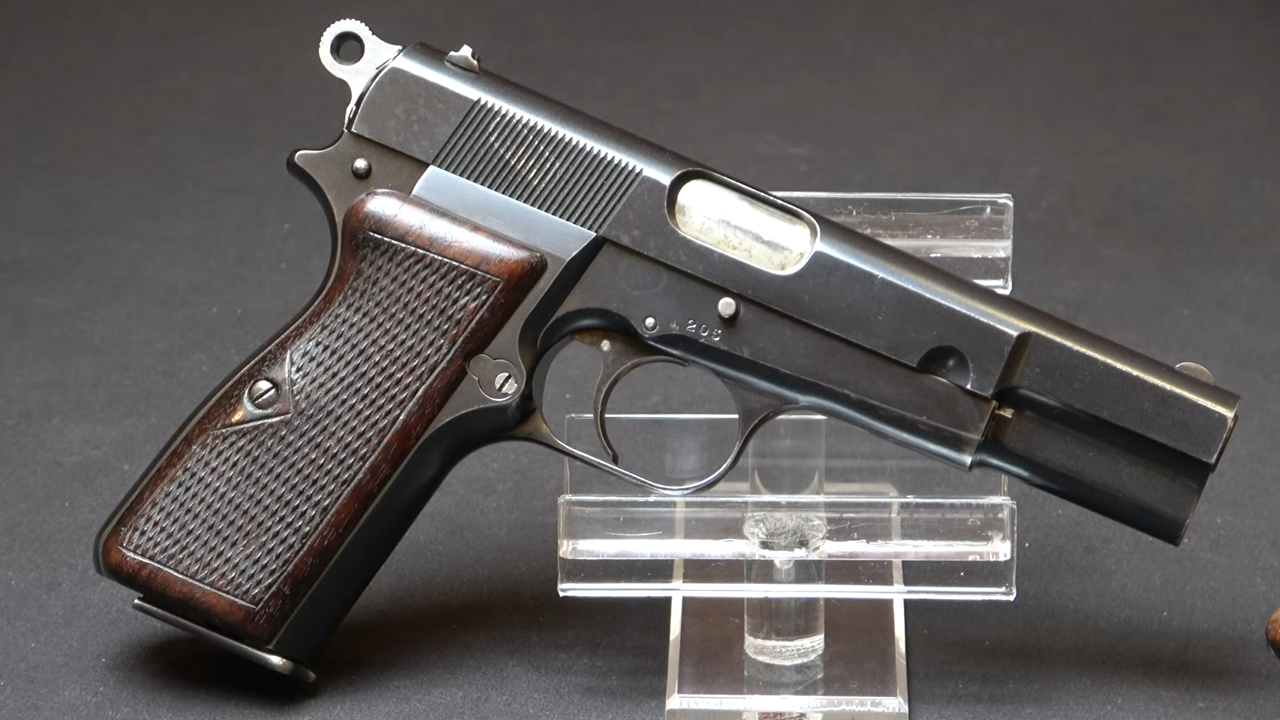
The Browning Hi-Power has become one of those pistols owners keep closer than they used to. It was always respected, but many were once treated as shooters first. They got carried, modified, refinished, and used because they were practical 9mm pistols with excellent feel.
Now clean Browning-marked examples carry more weight. The Hi-Power’s slim double-stack grip, classic balance, and long history make it desirable even though newer pistols beat it on features. Owners are more cautious about unnecessary modifications or rough holster use, especially with original pistols in good condition. A Hi-Power can still be a wonderful range gun, but it has become too appreciated to treat like just another old 9mm.
Ruger No. 1
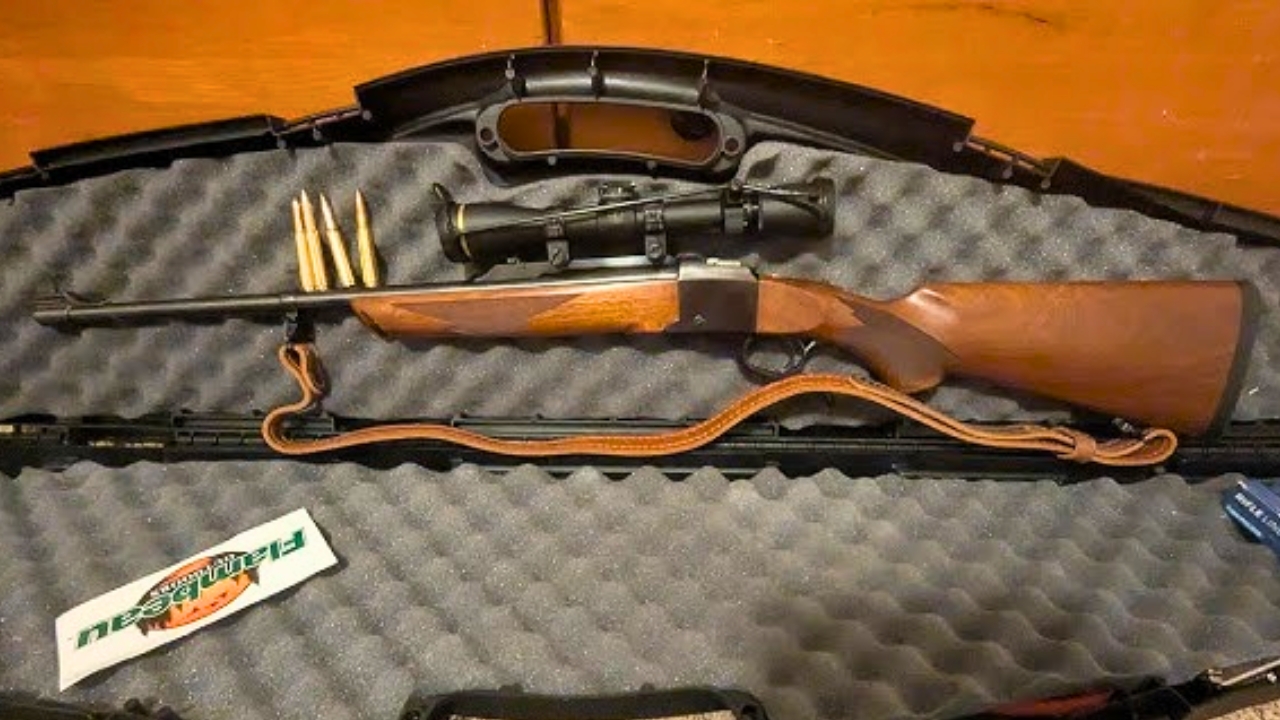
The Ruger No. 1 often becomes protected because each one feels a little more personal than a normal bolt-action. A single-shot falling-block rifle already attracts a specific kind of owner, and chambering, wood, configuration, and condition can make one rifle feel especially hard to replace.
It was built to hunt, and many owners still use theirs. But they may hesitate before taking a nice No. 1 into rough weather or brush. The rifle has handsome lines, strong construction, and a slower, more deliberate shooting style that makes it feel special. Certain chamberings became more desirable as availability changed, which only made owners more careful. It’s not fragile. It’s simply too distinctive to treat like a common utility rifle.
Colt Woodsman

The Colt Woodsman is a .22 pistol that quietly became far more protected than most rimfires. It has classic Colt quality, excellent balance, and a refined shooting feel that makes cheaper rimfire pistols seem rough. For a long time, though, many owners simply used them as nice plinkers.
Now condition matters much more. Correct magazines, original finish, boxes, paperwork, and specific variations can all affect interest. A Woodsman is still a joy to shoot, but owners with clean examples may choose a Ruger Mark IV or Browning Buck Mark for rougher range days. It’s not because the Woodsman can’t handle shooting. It’s because a great old Colt rimfire is no longer something most owners want to risk casually.
Savage Model 99

The Savage Model 99 is the kind of rifle that quietly moves into protected status once an owner understands what it is. It isn’t just another old deer rifle. It offers lever-action handling with cartridge capability that traditional tube-fed rifles couldn’t match, especially in rotary-magazine versions.
Good examples are not always easy to find, and condition matters. The action is more complex than a simple lever gun, repairs can be more involved, and certain chamberings draw extra interest. Owners who have a clean, well-functioning 99 tend to guard it carefully. It can still hunt, and many still do. But it usually doesn’t get treated like a disposable brush gun anymore. A good 99 has become too special for that.
Smith & Wesson 3913

The Smith & Wesson 3913 became protected because it represents a type of carry pistol the market mostly left behind. It’s slim, metal-framed, flat-carrying, and more refined than many small modern pistols. It doesn’t win capacity contests, but it carries and shoots in a way owners remember.
That makes clean examples more valuable to the people who still have them. Parts and magazines are not as simple as current-production options, and the alloy frame is not something owners want scuffed up carelessly. Some still carry their 3913s, but many protect them more than they did years ago. The pistol became less ordinary once shooters realized newer didn’t always feel better.
Marlin 39A

The Marlin 39A is a rimfire rifle that often becomes protected because it carries both quality and memory. It has walnut, steel, takedown construction, and smooth lever-action handling. It feels like a real rifle in a way many inexpensive .22s do not.
That makes owners careful. A 39A may have taught kids to shoot, hunted squirrels for decades, or simply been the rifle everyone enjoyed most. Clean examples are more desirable now, and replacing one in the same condition is not always easy. It still deserves to be shot, but it usually doesn’t get loaned out or bounced around like a cheap plinker. Some guns become protected because of value. The 39A often adds sentiment on top of that.
Beretta 390
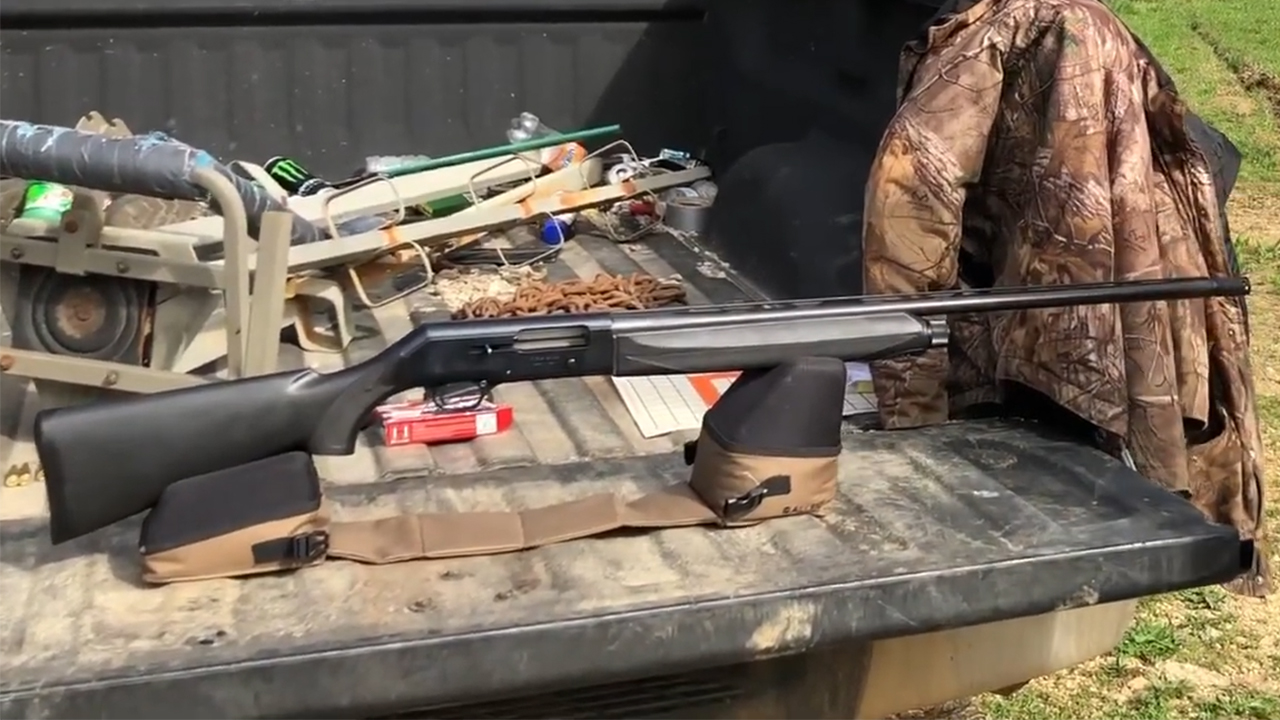
The Beretta 390 became protected because a shotgun that fits well is personal. It was once a working semi-auto used for doves, clays, upland birds, and general field use. It shot softly, balanced well, and earned trust without needing much attention.
Now many owners realize newer shotguns don’t always feel better. A clean 390 that cycles reliably and points naturally is not something they want to hand over casually or drag through rough conditions without thought. Used semi-autos can wear, and parts are not the same as buying current-production everything. Owners may still use them, but they tend to protect the good ones. A shotgun that feels right is too hard to replace.
Winchester Model 70 Classic Stainless
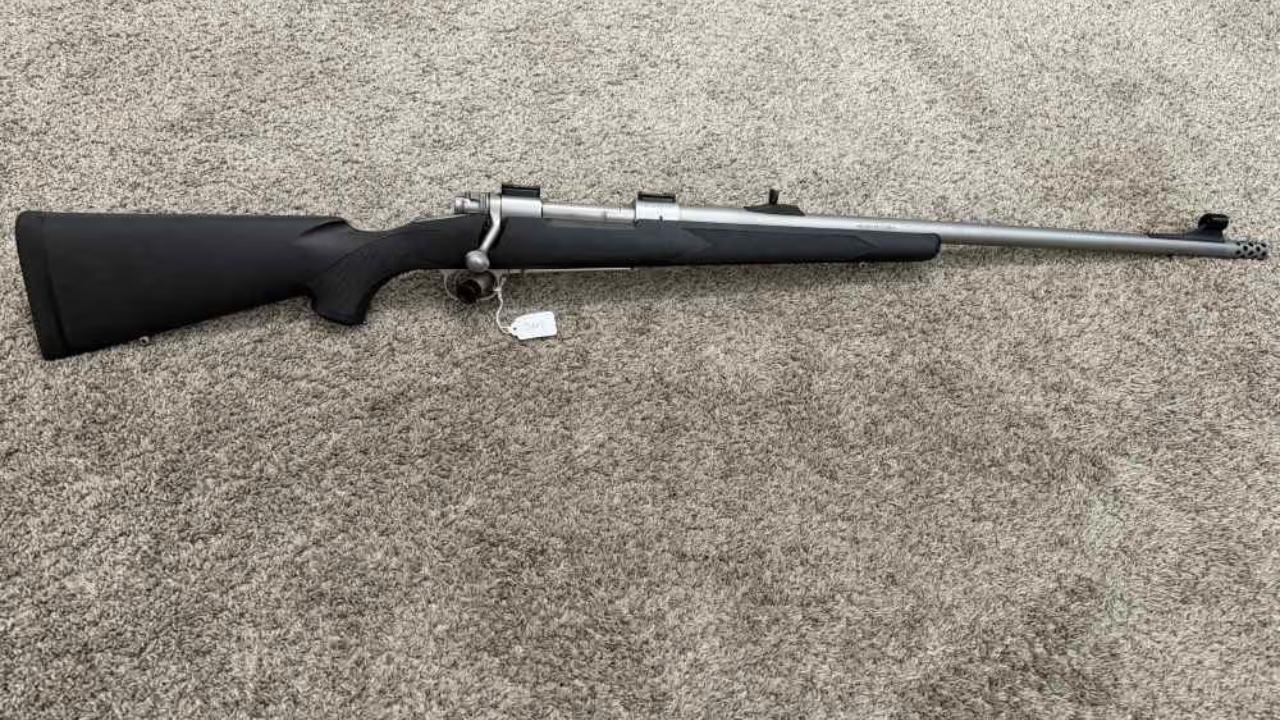
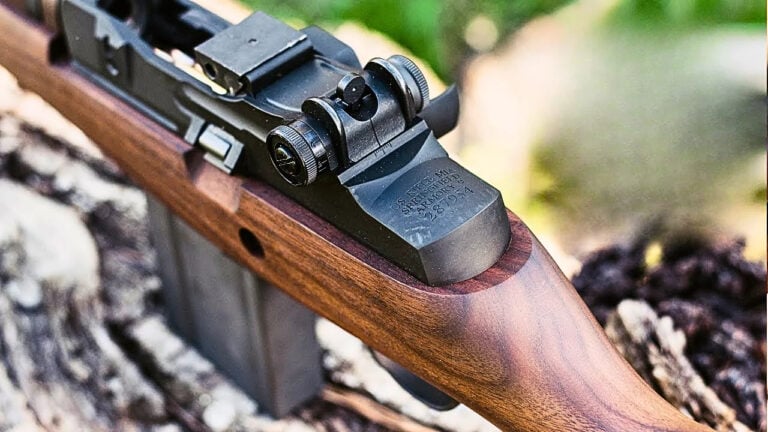
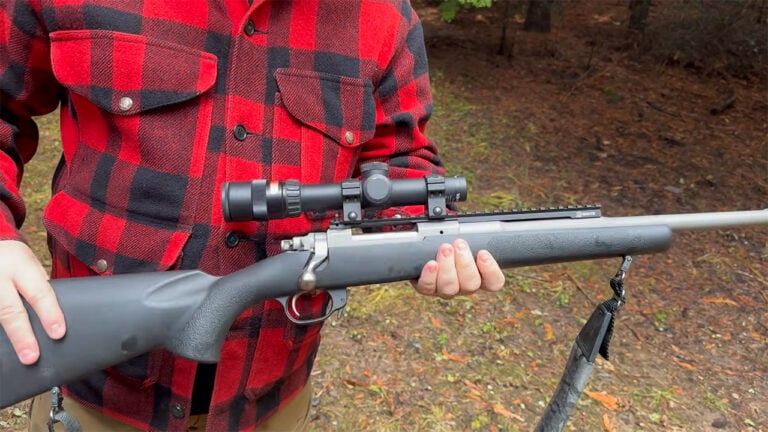
The Winchester Model 70 Classic Stainless was built for real hunting, which makes its protected status a little ironic. Stainless construction, controlled-round feed, and a synthetic stock all point toward rough-weather usefulness. This rifle was not made to hide in a safe forever.
Still, controlled-round-feed Classic models became more appreciated over time. A clean Classic Stainless in a good chambering is not something hunters want to trade or abuse carelessly. The three-position safety, strong extractor, and serious field feel make it more desirable than many plain synthetic rifles. Owners may still hunt with them, but they usually understand they’re carrying something harder to replace than a basic rack gun.
SIG Sauer P228

The SIG Sauer P228 became protected because it has a compact service-pistol feel that modern guns don’t quite duplicate. It’s smaller than a P226, steadier than many lightweight carry pistols, and built with the classic SIG alloy-frame feel that plenty of shooters still love.
Clean P228s are not casual finds anymore, especially with good magazines and original condition. Modern pistols may be lighter, higher-capacity, or easier to mount optics on, but they rarely feel exactly like the P228. Owners who have one that runs well often protect it from rough handling, careless loaning, or unnecessary modifications. It’s not just another compact 9mm. It’s one of those pistols people miss badly once it’s gone.
Browning Superposed
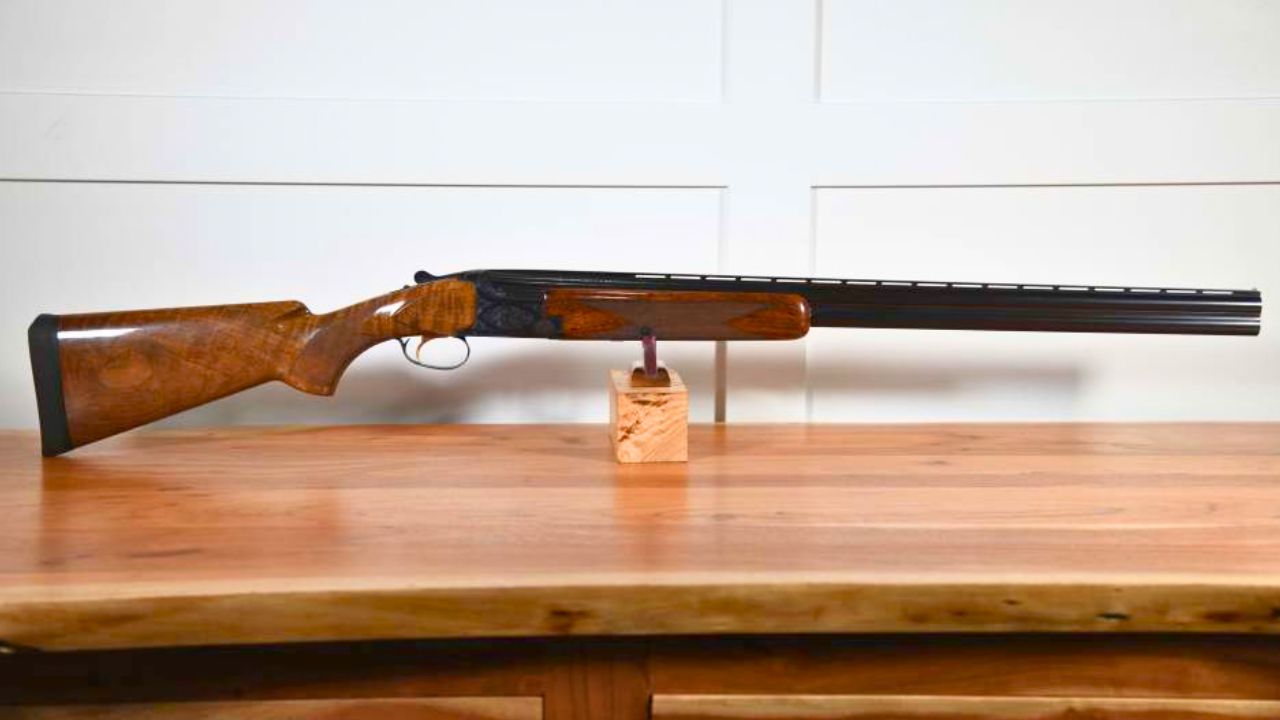
The Browning Superposed is one of those shotguns that naturally becomes protected. It has history, craftsmanship, and a level of class that makes owners careful even if they still shoot it. This is not the gun most people want sliding around in someone else’s truck or getting leaned against a muddy fence post.
A good Superposed can still be used for clays or birds, but condition, fit, and originality matter. The stock, finish, and mechanical condition all deserve respect. Owners usually understand that replacing the same shotgun in the same shape could be difficult and expensive. It’s not protected because it’s useless. It’s protected because it has become too meaningful and too valuable to treat like an ordinary field gun.
Like The Avid Outdoorsman’s content? Subscribe to our newsletter so you never miss an article.
Here’s more from us: