Photo credit: Arkansaw northwoods/Youtube
Upgrades can be fun, but they can also turn into a habit that never actually fixes the shooter. New sights, new triggers, new grips, new barrels, new coatings, new magwells, new optics, new springs — and somehow the gun still doesn’t get shot any better.
Some handguns make owners slow down and rethink that whole cycle. They feel complete enough to shoot, carry, train with, or trust without needing a cart full of parts right away. These pistols remind shooters that the point is not to build forever. The point is to get good with the gun.
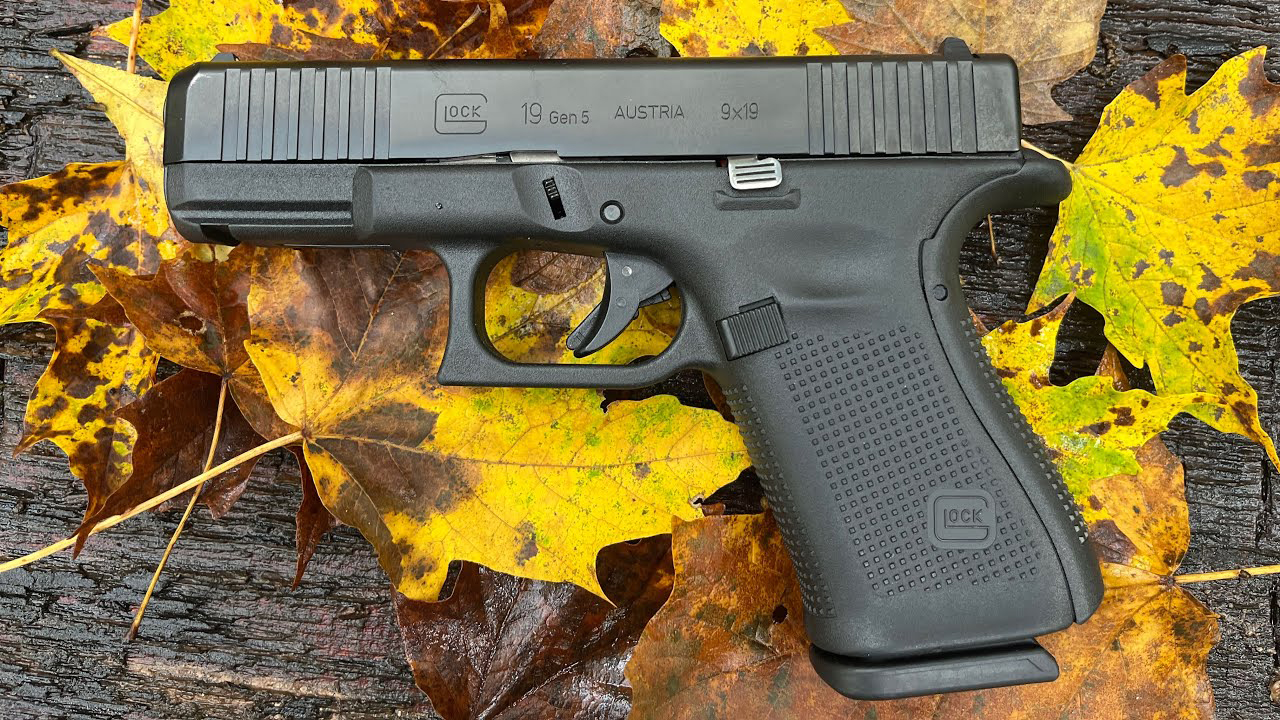
Glock 19 Gen 5
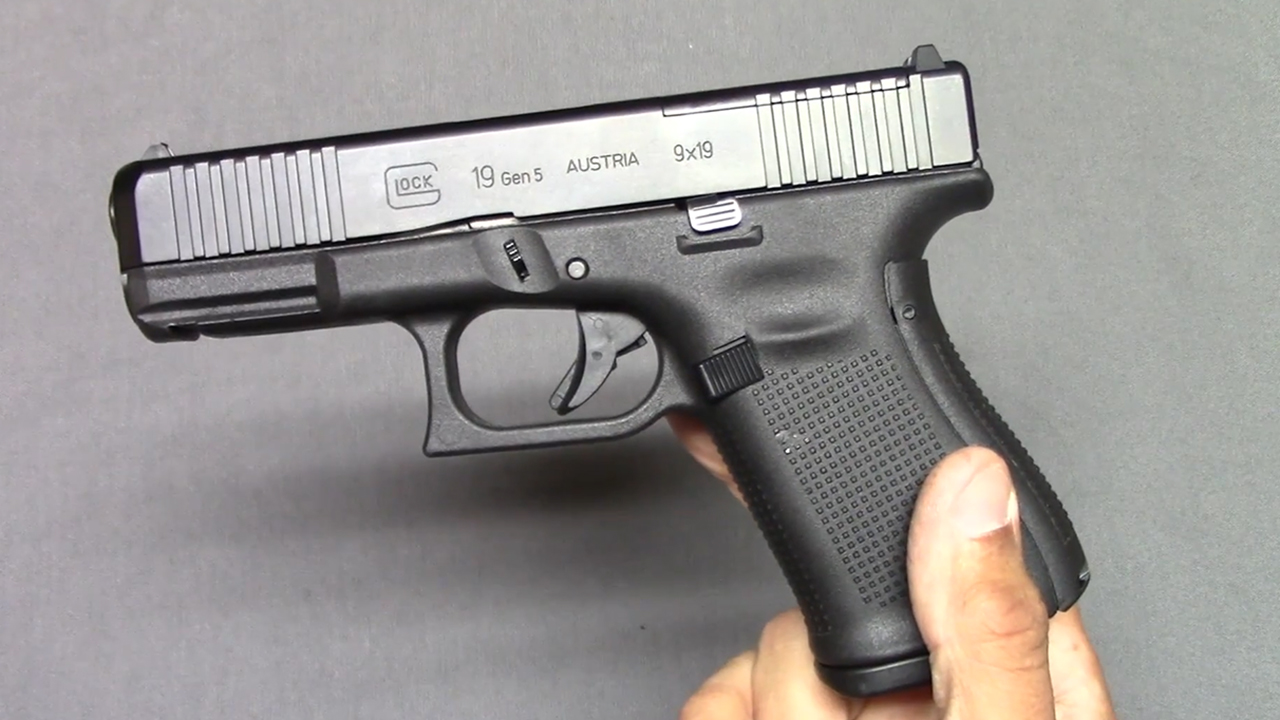
The Glock 19 Gen 5 is one of the easiest pistols to over-upgrade, mostly because the aftermarket is endless. Triggers, barrels, slides, stippling, magwells, sights, and every small part imaginable are available. That can make owners feel like the pistol isn’t finished until they change half of it.
The funny part is that a stock Gen 5 already works very well for most people. It has solid reliability, broad parts support, improved ergonomics over earlier generations, and enough accuracy for serious use. Better sights are a reasonable upgrade, but the core pistol does not need to become a project. A lot of shooters would be better off buying ammo, magazines, and range time. The G19 proves a plain, proven gun can do more than a heavily modified one the owner barely trains with.
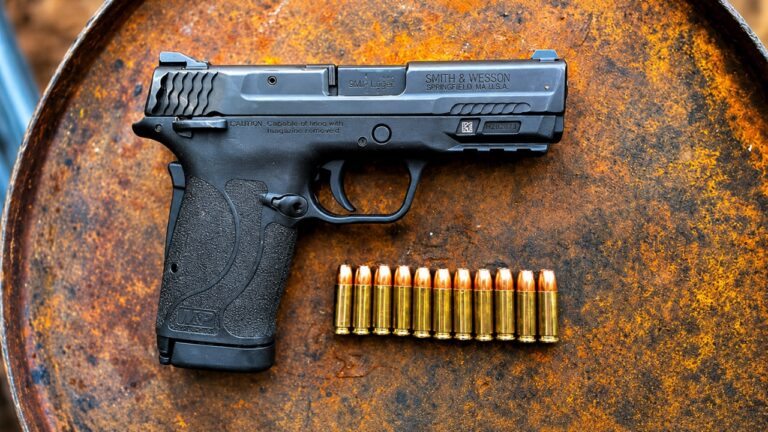
Smith & Wesson M&P9 2.0

The M&P9 2.0 makes owners question upgrade culture because it fixed many of the complaints people had about the original M&P. The grip texture is stronger, the trigger is better, and the frame feels more controlled during recoil. It comes out of the box as a serious duty-size or compact pistol depending on version.
That doesn’t mean nobody should upgrade one. Sights, optics, or trigger preferences are personal. But the M&P 2.0 doesn’t feel like a gun that needs immediate rescuing. It already has a practical grip, good reliability reputation, and enough support for holsters and magazines. Once owners spend real time shooting it, the urge to change everything can fade. The pistol works best when the owner learns it instead of constantly rebuilding it.
Walther PDP Compact
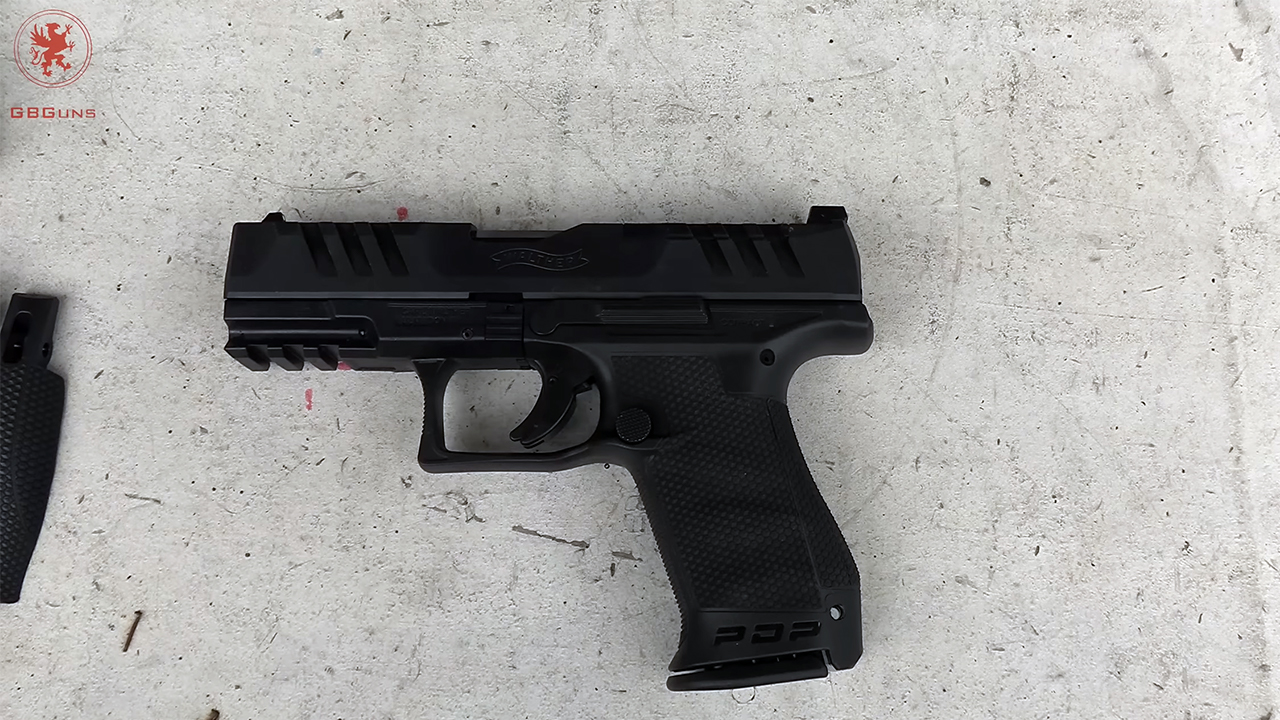
The Walther PDP Compact is the kind of pistol that makes upgrade culture feel less urgent because the factory trigger is already one of its strongest features. Plenty of pistols get trigger kits because owners are trying to make them feel like what the PDP already offers. That matters.
The grip texture is also aggressive enough for real control, and the optics-ready system makes it modern without requiring slide work. Some shooters may tune details to preference, but the pistol doesn’t feel underbuilt. It gives owners a strong starting point for carry, range use, and training. Instead of chasing upgrades, many PDP owners can focus on draw work, recoil control, and learning their optic. That’s where the real improvement usually happens.
Beretta 92X
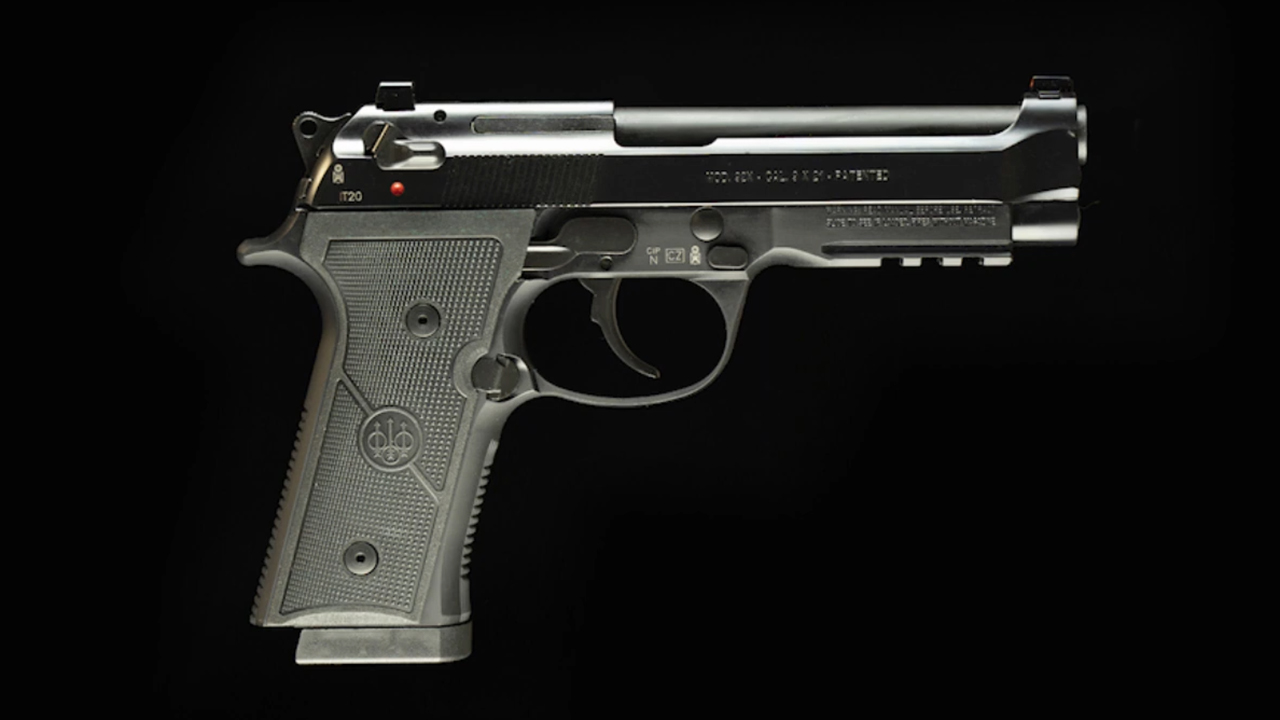
The Beretta 92X makes owners question upgrade culture because it takes a proven platform and updates it in useful ways without losing the original strengths. The Vertec-style grip helps more hands fit the pistol, the sights are better than older standard 92 models, and the gun still has that soft-shooting Beretta feel.
A person can absolutely tune a 92. Lighter hammer springs, trigger jobs, and Langdon parts are popular for a reason. But the 92X already feels like a very usable pistol in factory form. It’s large, smooth, and accurate enough for serious training. Shooters who spend time learning the DA/SA trigger often realize they don’t need to change everything. They need reps. A good Beretta rewards skill more than shopping.
CZ P-10 C

The CZ P-10 C arrived in a crowded striker-fired world and still made people notice because it shot well right away. The trigger is good, the grip angle works for many shooters, and the texture gives enough control that the pistol doesn’t feel like it needs a full grip job immediately.
That makes it a smart antidote to upgrade culture. Many compact pistols get modified because the factory setup feels unfinished. The P-10 C feels more complete than that. Owners may add better sights or an optic-ready slide depending on model, but the base pistol is strong. It points naturally, tracks well, and gives shooters enough confidence to train without constantly hunting for replacement parts. It’s a reminder that a pistol can be affordable and still feel sorted.
SIG Sauer P226
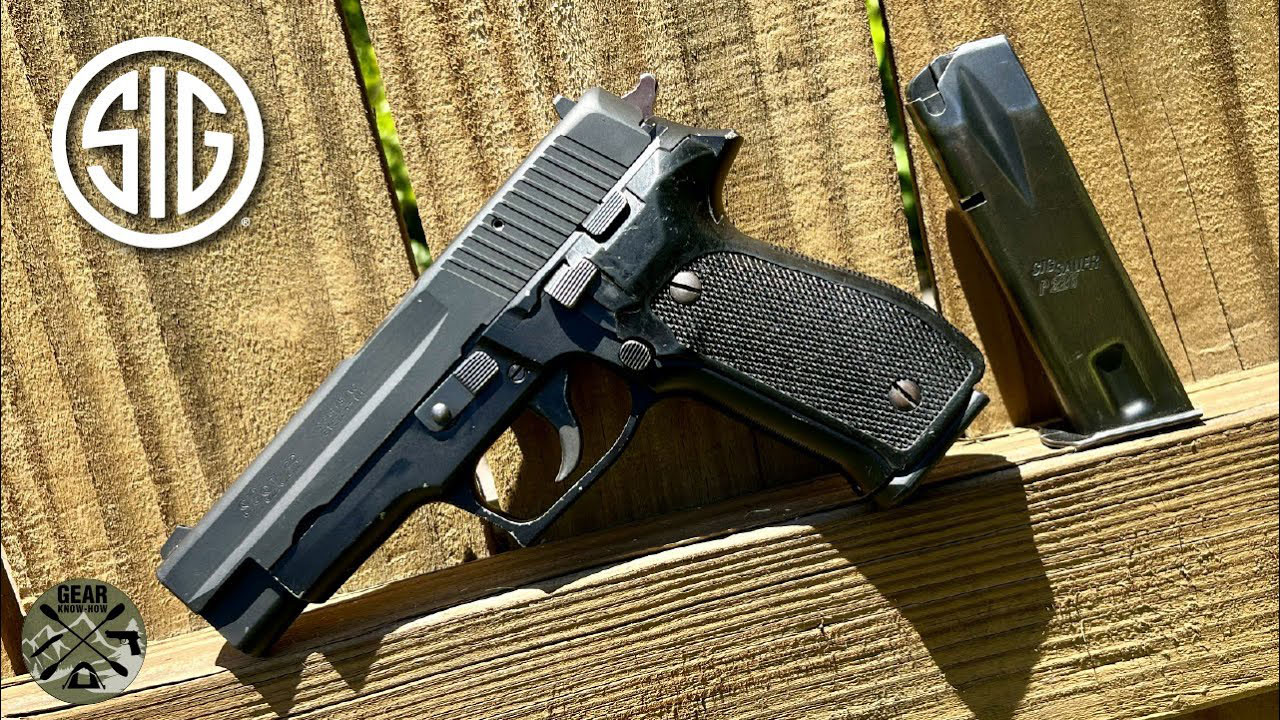
The SIG P226 makes upgrade culture look a little unnecessary because the platform already has decades of serious use behind it. It’s heavy by modern standards, and the DA/SA trigger takes practice, but the pistol’s balance, reliability reputation, and smooth shooting feel are exactly why people still respect it.
There are plenty of upgrades available, especially in Legion and custom forms. But a standard P226 is already a very capable handgun. The metal frame controls recoil, the grip feels stable, and the gun rewards good trigger work. Shooters who stop trying to make every pistol feel like a striker-fired race gun often appreciate what the P226 offers. Sometimes the upgrade is not a new part. It is learning the system well enough to run it properly.
Ruger Mark IV Target

The Ruger Mark IV Target makes owners question upgrade culture because it is already excellent at what it was built to do. It is a .22 pistol for accurate shooting, cheap practice, and fundamentals. The trigger, balance, and accuracy potential are strong enough that many owners can simply shoot it and improve.
That’s not to say the Mark IV world lacks upgrades. There are grips, triggers, rails, barrels, and suppressor-ready versions. But the Target model does not require much to become useful. The easy takedown system also solved one of the biggest complaints with older Ruger Mark pistols. A good rimfire pistol should encourage practice, not become an endless parts project. The Mark IV Target does that right out of the box.
HK VP9

The HK VP9 makes upgrade culture feel less convincing because fit is already built into the design. The interchangeable backstraps and side panels let shooters tune the grip in a way many pistols don’t. That means owners can often solve comfort and control issues without sending the frame off for permanent work.
The trigger is good, the pistol is reliable, and the overall feel is polished. Some shooters may still change sights or add an optic-ready version, but the VP9 doesn’t feel like it needs major correction. It already gives the shooter a comfortable grip and predictable shooting experience. When a gun fits this well from the start, the owner has less excuse to keep blaming equipment. The next step is usually practice.
Springfield Armory Echelon
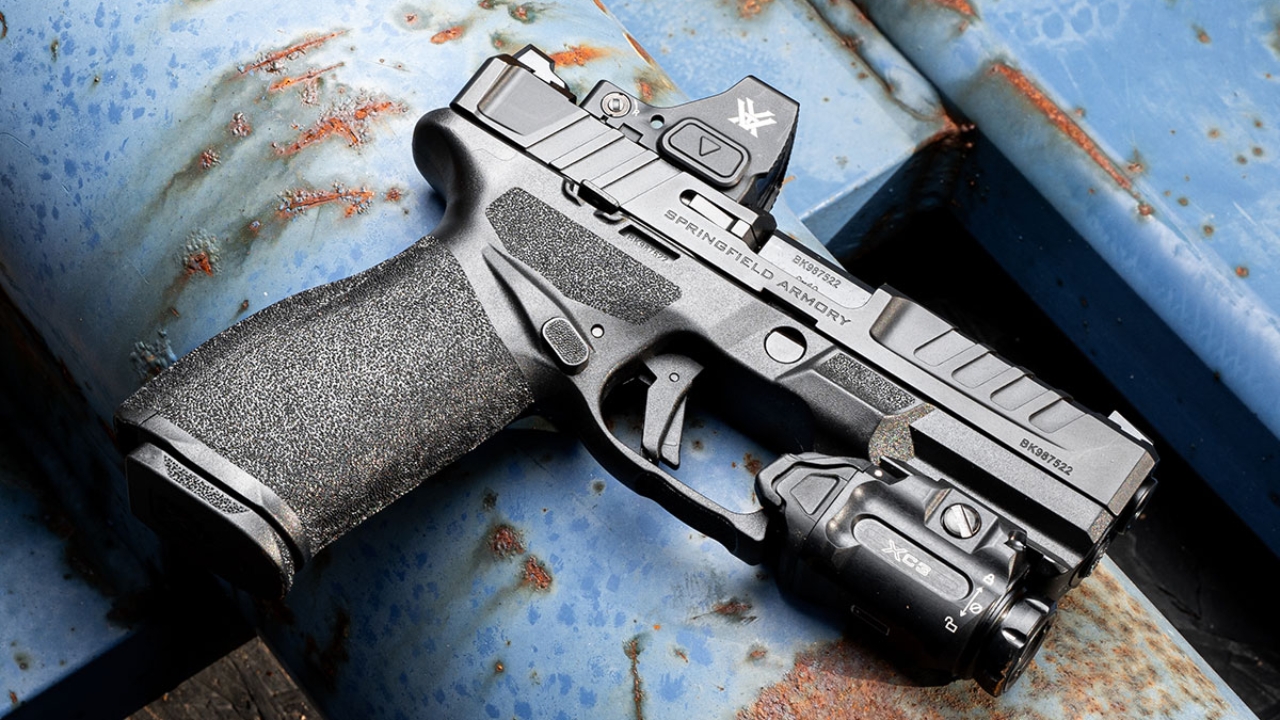
The Springfield Echelon is a modern pistol that makes upgrade culture feel less frantic because the factory setup already covers a lot of ground. The optics-mounting system is strong, the grip module system gives room for fit changes, and the trigger is usable for serious work. It feels like Springfield thought through the common upgrades before buyers had to.
That matters because many shooters buy a pistol and immediately start planning how to make it modern. The Echelon already feels current. It has a good grip, useful texture, and a full-size frame that handles recoil well. It’s not small, but it is easy to shoot with confidence. Owners can still personalize it, of course, but they don’t need to rebuild it before training. That’s the part upgrade culture often gets backward.
Colt Competition 1911
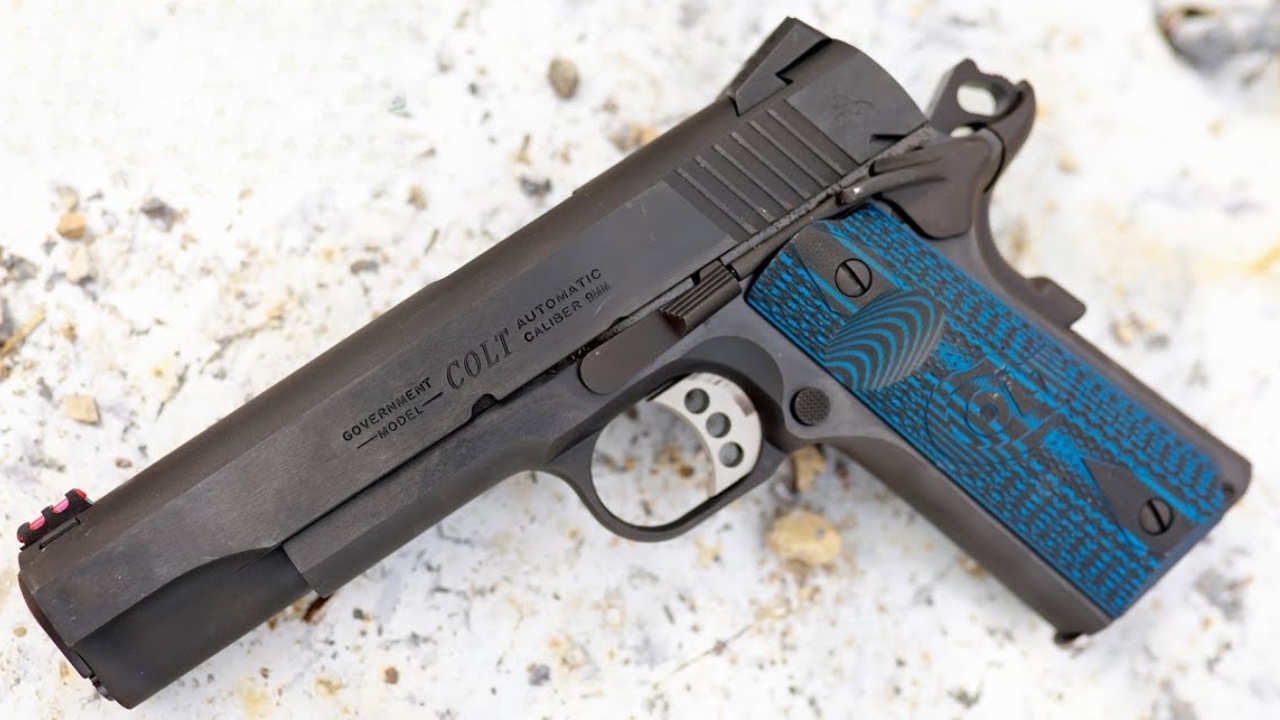
The Colt Competition 1911 makes owners question upgrade culture because it gives shooters a practical 1911 setup without jumping straight into custom-gun money. It has better sights, a clean trigger, and a range-focused feel that makes it more usable than a bare-bones GI-style pistol.
The 1911 world can drain a wallet fast. Triggers, safeties, barrels, bushings, sights, magwells, checkering, and refinishing can turn a pistol into a never-ending project. The Colt Competition gives many shooters enough to enjoy the platform without immediately chasing a build sheet. Good magazines and reliability testing still matter, but the pistol itself feels ready for serious range use. It reminds owners that a 1911 can be improved without becoming an obsession.
Canik Mete SFT

The Canik Mete SFT makes upgrade culture feel a little silly because it offers a strong trigger, good ergonomics, useful sights, and a complete accessory package at a price that embarrasses some competitors. It’s not a prestige pistol, but it shoots well enough that the rollmark argument gets tired fast.
Owners may still add optics or tune details, but the Mete SFT does not feel like a budget gun begging to be fixed. The trigger is one of the biggest reasons. A lot of shooters upgrade triggers first because a bad trigger holds them back or annoys them. Canik gives them a very usable one from the start. That lets owners focus on getting better instead of trying to buy better performance piece by piece.
Smith & Wesson Model 686

The Smith & Wesson Model 686 pushes back against upgrade culture by being simple, strong, and complete. A good .357 revolver doesn’t need much. It needs a smooth trigger, good sights, solid lockup, and enough weight to handle the cartridge. The 686 delivers that in a way that has kept it popular for decades.
Yes, revolver shooters can change grips, tune actions, and swap sights. But the base gun already does the main job very well. It shoots .38 Special comfortably, handles .357 Magnum confidently, and works for range use, woods carry, home defense, and general training. There is something refreshing about a handgun that doesn’t invite endless tinkering. Load it, shoot it, clean it, repeat.
FN 509 Tactical
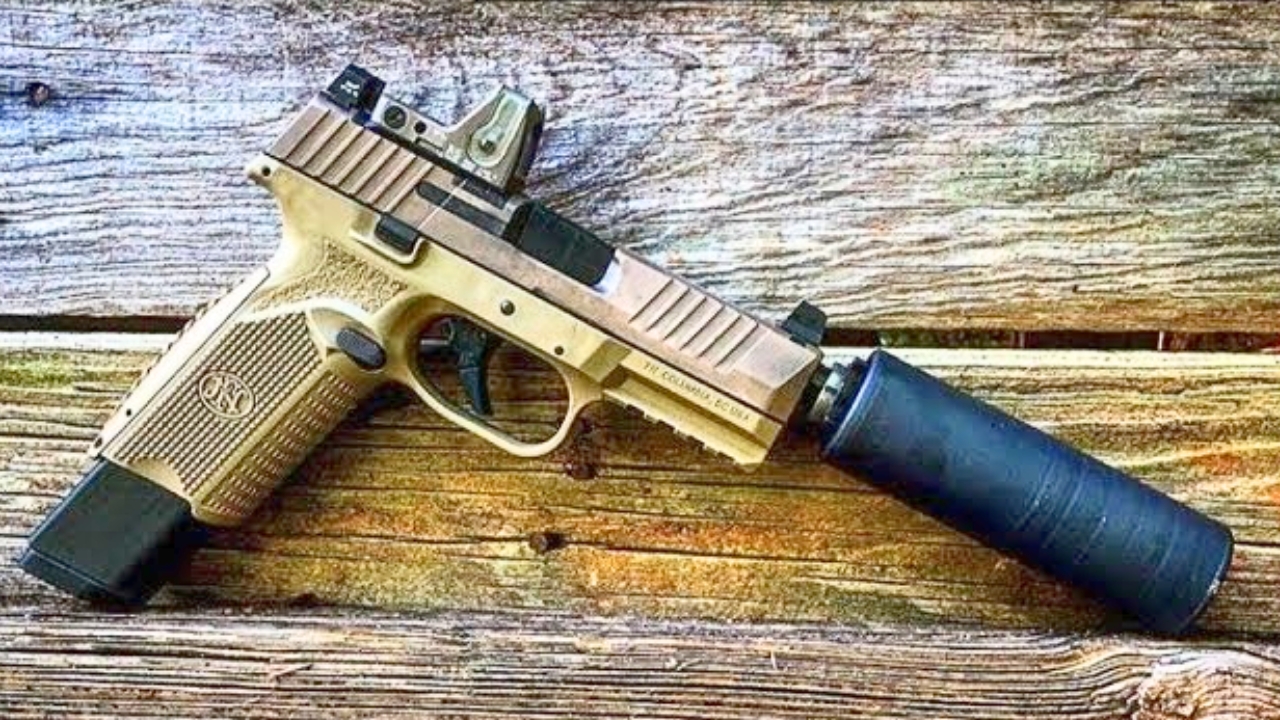
The FN 509 Tactical makes upgrade culture less necessary because it comes from the factory with the things many owners would add anyway. Threaded barrel, tall sights, optics-ready system, extended magazines, and a serious duty-style build are already there. It feels like a complete modern pistol package.
That doesn’t make it perfect. Some shooters prefer a different trigger, and the pistol is not cheap. But as a platform for optics, suppressor use where legal, home defense, and range work, it arrives ready. A lot of pistols become expensive because owners buy the base model, then spend more trying to turn it into this kind of setup. The 509 Tactical shows the value of buying the configuration you actually want from the start.
Browning Buck Mark
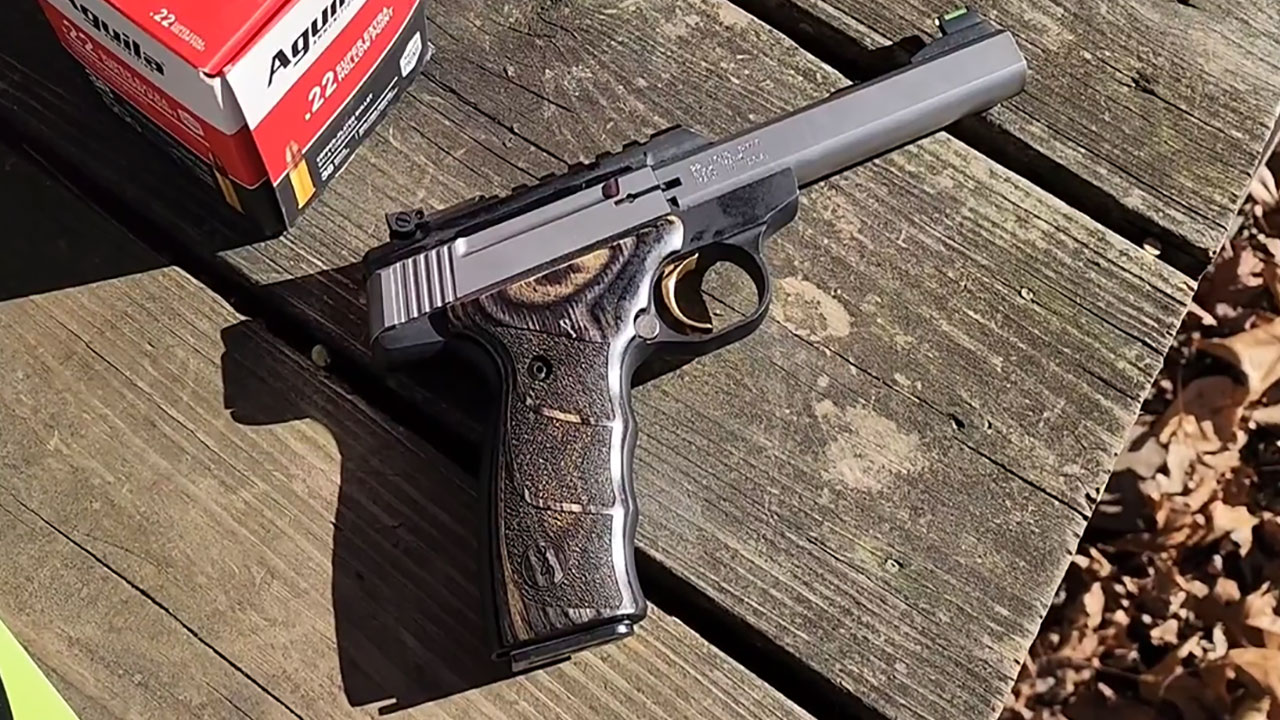
The Browning Buck Mark makes owners question upgrade culture because it reminds them that a good trigger and natural grip can matter more than a pile of accessories. It’s a .22 pistol that shoots well, feels good, and gives owners cheap, useful practice without a lot of drama.
There are upgrades available, but the Buck Mark doesn’t depend on them to be enjoyable. It is accurate enough for serious plinking and practice, comfortable enough for long sessions, and approachable for new shooters. Some modern rimfires look more tactical or come pre-cut for everything. The Buck Mark keeps making the simpler argument: if a pistol is pleasant and accurate, owners will shoot it more. That is the upgrade that actually matters.
Glock 34 Gen 5 MOS

The Glock 34 Gen 5 MOS is easy to modify, but it also makes owners question how much of that is really needed. The longer slide, optic-ready cut, reliable magazines, and broad support already make it a strong competition, range, or home-defense pistol. It doesn’t have to be turned into a race gun to be useful.
Shooters can change triggers, connectors, sights, barrels, and grip texture forever if they want. But the stock pistol already gives them the longer sight radius, soft recoil behavior, and dependable platform that made the G34 popular. A better shooter with a mostly stock Glock 34 will usually beat a less disciplined shooter with a heavily modified one. That is the lesson upgrade culture never likes to hear.
Like The Avid Outdoorsman’s content? Subscribe to our newsletter so you never miss an article.
Here’s more from us: