Photo credit: The Avid Outdoorsman
A tenant said an unannounced maintenance entry turned into a frightening moment inside his apartment.
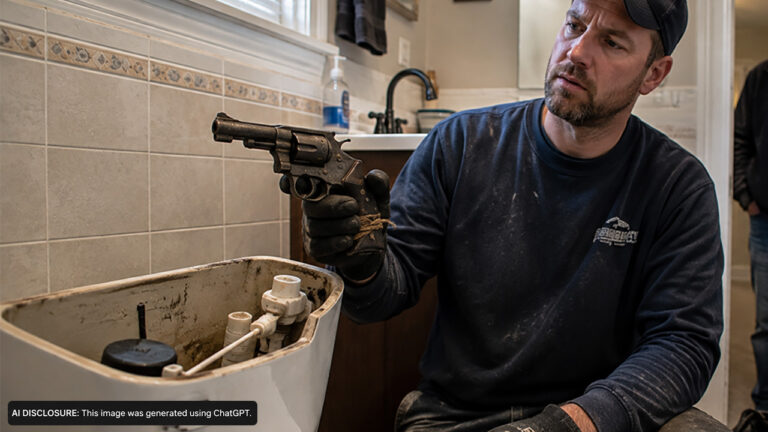
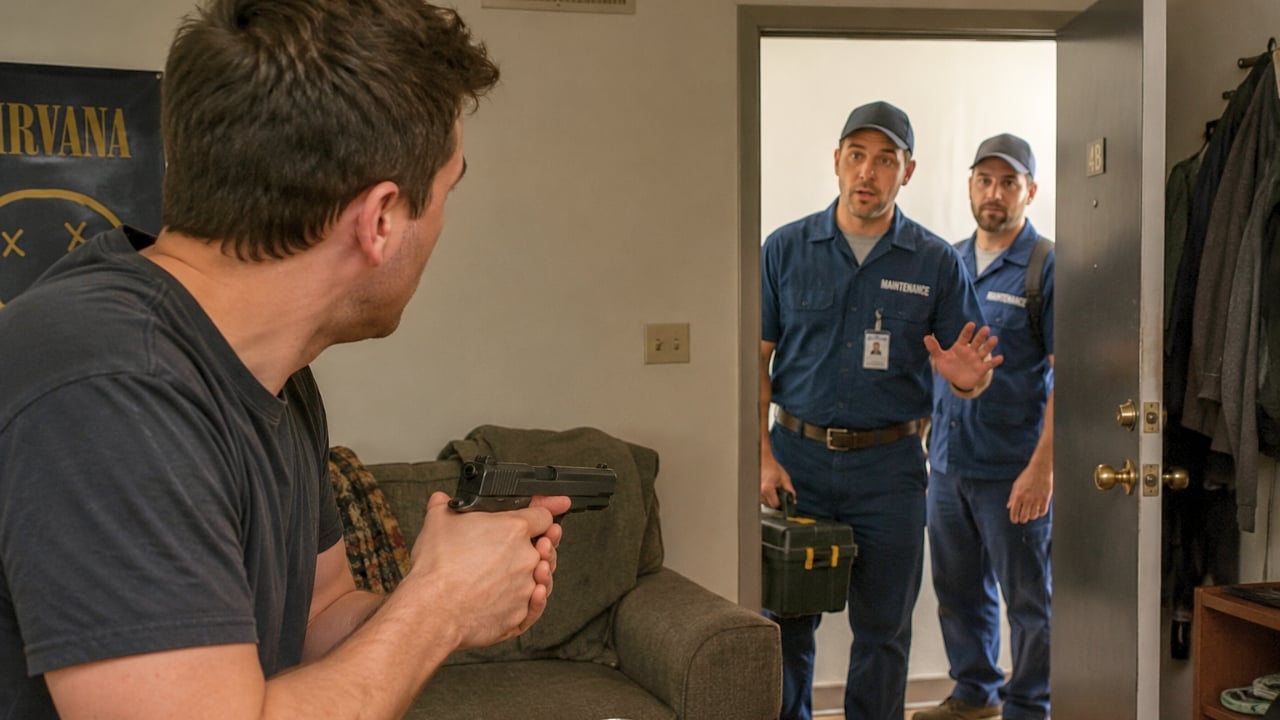
According to the Reddit post, the man was home when someone entered the apartment without warning. He did not know it was maintenance at first. From his perspective, someone was inside his home, and he reacted like a person who thought he might be dealing with an intruder.
The tenant said he grabbed his firearm before realizing the person was there for maintenance.
He explained the situation in a Reddit thread and asked what rights he had after maintenance allegedly entered without proper notice: https://www.reddit.com/r/legaladvice/comments/pg0iao/maintenance_came_in_unannounced_and_i_pulled_a/
The problem started with the entry
The tenant’s main issue was not that maintenance existed or that repairs needed to happen.
It was that someone entered without notice while he was home. In an apartment, that is the kind of thing that can go wrong fast. A resident may be sleeping, showering, changing clothes, or simply not expecting another person to walk through the door.
In this case, the tenant said the surprise entry caused him to grab a gun.
That detail changed the whole tone of the story. What might have been a lease dispute or bad property management decision became a near-miss where someone could have mistaken maintenance for a burglar.
The tenant thought someone was breaking in
A person inside their own home is usually not expecting strangers to walk in.
That was the tenant’s point. If you hear or see someone entering without warning, you may not immediately think, “That must be the maintenance guy.” You may think someone is breaking into the apartment.
The poster said he armed himself because he did not know who was coming in. Once he realized it was maintenance, the situation did not become violent, but the fear had already happened.
That is what made the thread stand out. It showed how quickly a landlord’s poor notice practice can create danger for everyone involved.
The maintenance worker may have had no bad intent. But surprise entries can put both the worker and the tenant in a terrible position.
Commenters focused on notice rules
A lot of commenters asked about the lease and local law.
Apartment entry rules vary by state and lease terms, but many places require landlords to give reasonable notice before entering unless there is an emergency. A water leak, fire, gas smell, or urgent safety issue may be different from routine maintenance.
The tenant’s situation depended on whether there had been an emergency, whether notice had been sent, and what the lease allowed.
Commenters told him to check the lease first. If the lease required notice and none was given, he had a stronger complaint. If management claimed emergency access, he needed to know what the emergency was.
The firearm made everyone nervous
The thread also had a gun-safety angle.
Some commenters understood why the tenant reacted the way he did. Others warned that grabbing a firearm during a confusing apartment entry can create a huge risk, especially if the person entering is a worker, neighbor, or someone with a key.
The tenant did not say he fired or threatened the worker. Still, the situation was close enough to make people think about how easily it could have gone badly.
That was the bigger lesson. Landlords and maintenance staff should not casually enter occupied apartments without warning, because they have no idea how a resident may react.
A tenant who believes someone is breaking in may respond before the misunderstanding gets cleared up.
The tenant needed to document everything
Commenters told the poster to put the complaint in writing.
That meant emailing or otherwise contacting management with a clear description of what happened, including the date, time, who entered, whether notice was provided, and why the tenant believed the entry was improper.
A written complaint matters because verbal conversations disappear. If it happens again, the tenant can show that management was already warned.
The tenant could also ask management to confirm the property’s entry policy and explain when maintenance is allowed to enter without notice.
That creates a paper trail and forces the landlord to be clear.
A door security device came up as a practical fix
Some commenters suggested simple physical precautions for when the tenant was home.
A door chain, swing bar, security latch, or other interior device can prevent someone with a key from walking straight in while the tenant is inside. It does not solve the legal question, but it gives the resident more control.
That kind of device may be subject to lease rules, so the tenant would need to be careful. But the general idea made sense: if management has keys and notice problems keep happening, the tenant may want a way to stop surprise entries while he is home.
It is not about blocking lawful emergency access forever. It is about preventing someone from silently walking in during normal living hours.
The tenant had to stay calm with management
One mistake would be turning the complaint into a threat.
The tenant had a legitimate concern if maintenance entered without notice. But mentioning a gun in the wrong way could make management see him as the problem instead of the unannounced entry.
Commenters generally pushed him toward a calm, written complaint focused on notice, privacy, safety, and lease compliance.
That is the smarter way to frame it. The issue is not “I have a gun, so do not come in.” The issue is “unauthorized or unannounced entry creates a dangerous situation for residents and workers.”
That keeps the focus where it belongs.
Maintenance workers are at risk too
One overlooked part of these stories is the maintenance worker.
Workers may simply be following a work order. They may believe management already gave notice. They may not know whether a unit is occupied at the moment they unlock the door.
That does not mean the entry was okay. It means the property manager’s system matters.
If management sends workers into apartments without clear notice or confirmation, those workers can end up walking into a situation they never expected. A startled tenant, a dog, a sleeping resident, or a person who thinks a break-in is happening can all turn a routine repair into a dangerous encounter.
The story was really about preventable risk
The tenant’s post was not just a complaint about privacy.
It was a warning about how badly unannounced entry can go. In a home, seconds matter. If someone hears a door open and believes an intruder is inside, the person may react before there is time for a calm explanation.
That is why notice rules exist.
For tenants, the practical move is to document the incident, check the lease, ask management to explain the entry, and keep future complaints in writing. For landlords, the lesson is even simpler: do not send people into occupied units without proper notice unless there is a real emergency.
Because one surprise maintenance visit can become a situation nobody can take back.
Like The Avid Outdoorsman’s content? Subscribe to our newsletter so you never miss an article.
Here’s more from us: