Photo credit: All Outdoors/Youtube
A first range trip can lie to you. Sometimes a pistol feels awkward because the shooter is still learning the trigger. Sometimes it feels great because the new-gun excitement is doing half the work. Sometimes a gun runs fine for one box of ammo, then starts showing its real personality after a few hundred rounds.
Good handguns often take time to understand. Bad ones can take time to expose. The first session matters, but it isn’t the whole story. These pistols prove that real trust, or real disappointment, usually comes after more than one trip to the range.
SIG Sauer P229

The SIG Sauer P229 can feel a little heavy and old-school on the first range trip, especially for shooters used to striker-fired pistols. The DA/SA trigger takes some adjustment, and the first double-action pull can make newer shooters wonder why anyone still bothers with this system.
Give it time, though, and the P229 starts making more sense. The weight helps tame recoil, the grip feels steady, and the single-action follow-up shots reward a shooter who learns the trigger. In 9mm, it’s smooth and confidence-building. In .40 S&W or .357 SIG, that extra weight becomes even more useful. A first range trip may make it seem dated. A few serious sessions show why so many owners still trust it.
Walther PDP Compact
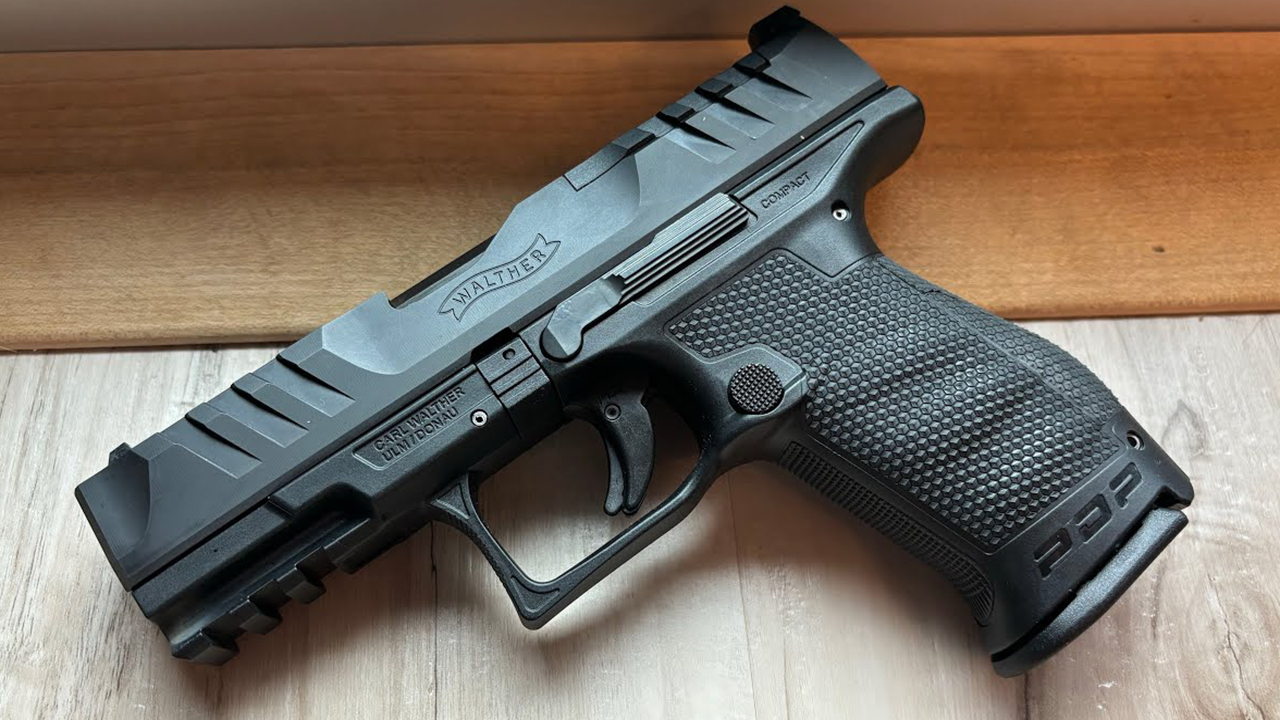
The Walther PDP Compact can impress shooters immediately with its trigger and grip texture, but the first range trip still doesn’t tell the whole story. Some people notice the taller slide or snappier feel compared with lower-bore-axis pistols and wonder if the praise is overblown.
After more time behind it, the PDP’s strengths become clearer. The trigger makes precision easier, the grip texture helps during faster strings, and the optics-ready setup gives it room to grow. It’s a pistol that rewards practice because the controls and trigger are easy to read. Some guns feel good for the first magazine and then fade. The PDP often gets better as the shooter learns how it tracks.
CZ P-01
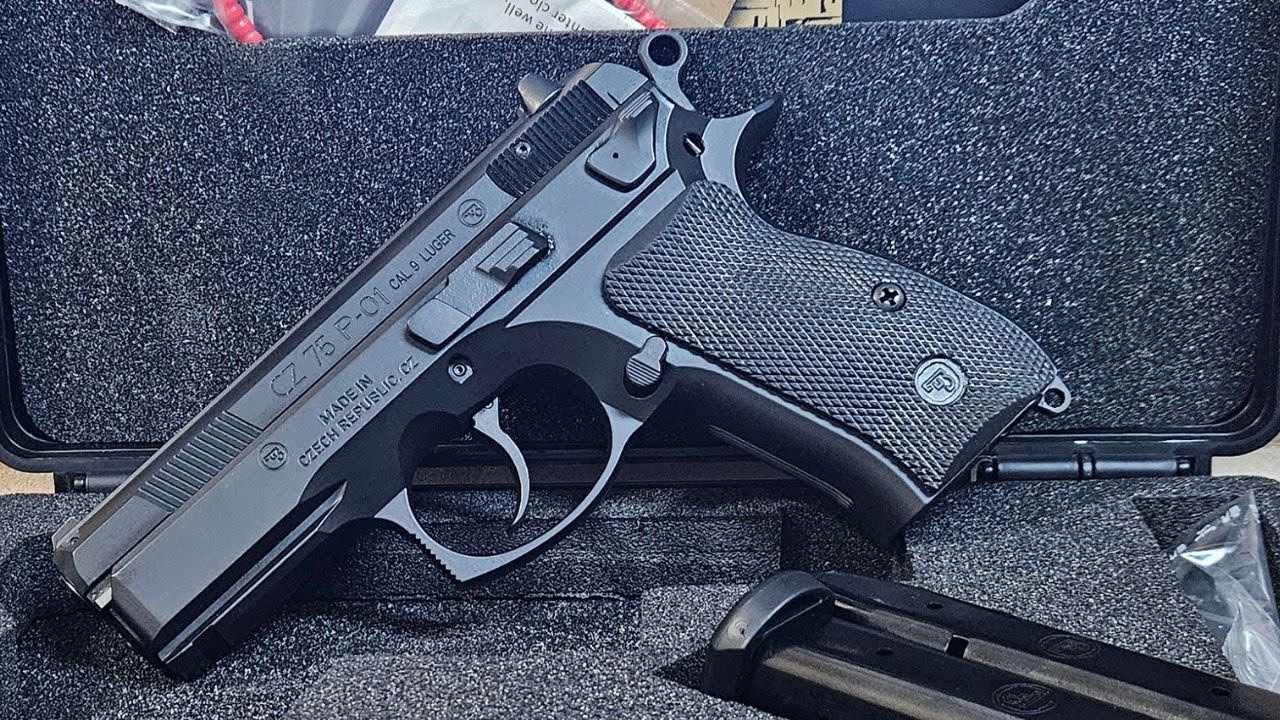
The CZ P-01 may not fully reveal itself during one quick session. It has a DA/SA trigger, a compact alloy frame, and a feel that’s different from today’s polymer carry pistols. A shooter who only runs one magazine may walk away thinking it’s heavier than necessary or slower to learn.
Spend more time with it, and the P-01 starts showing why it has such a loyal following. The grip shape is excellent, recoil is soft for its size, and the pistol points naturally. The double-action first shot takes practice, but the gun rewards that practice with real control. It’s not the kind of pistol that always wins a first-impression contest. It wins people over after they settle in.
Springfield Armory Hellcat Pro

The Hellcat Pro is a good example of a pistol that can change opinions after the first trip. Shooters used to larger guns may find it a little snappy at first, while those coming from smaller micro-compacts may immediately appreciate the added grip and slide length. Either way, one range trip doesn’t settle it.
After a few sessions, the Pro’s balance becomes easier to appreciate. It still carries slim, but it gives the shooter more to hold than the smallest carry pistols. That makes repeat practice more productive. It may not shoot as softly as a compact duty pistol, but it doesn’t ask the same concealment sacrifice either. The more you compare it to tiny carry guns, the more practical it starts to feel.
Ruger LCP Max
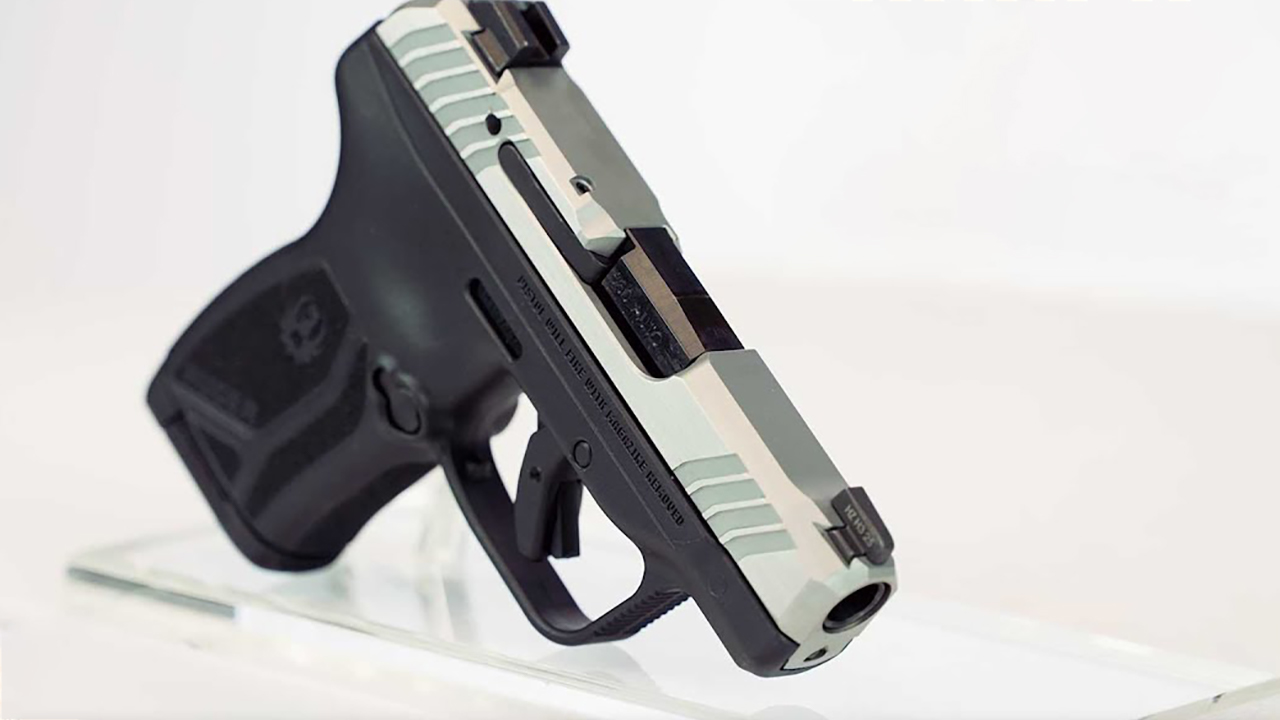
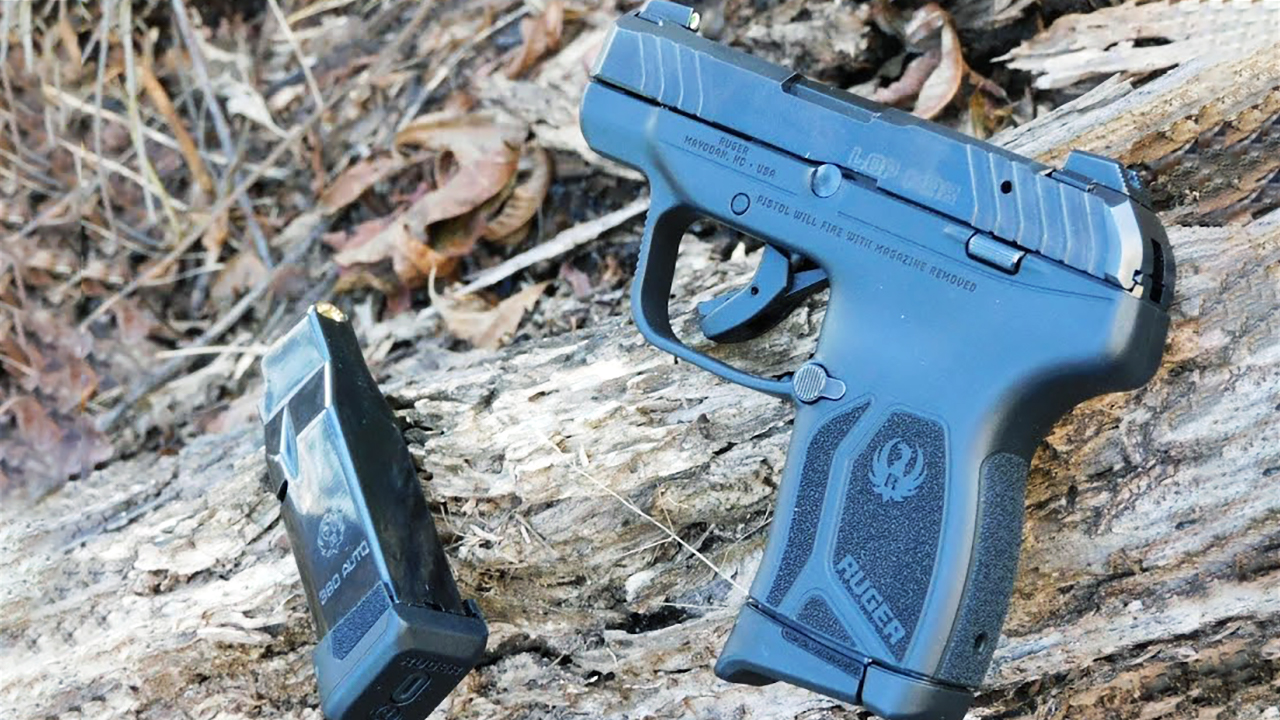
The Ruger LCP Max can be misunderstood fast if someone expects it to shoot like a compact 9mm. The first range trip may feel sharp, cramped, and unimpressive. That’s because pocket pistols are always a tradeoff, and the LCP Max is still a very small .380.
The longer story is about what it does inside its lane. It carries extremely easily, offers better sights and capacity than older pocket .380s, and gives deep-concealment carriers a more usable option than many pistols its size. It is not a fun range gun, and it never claimed to be. But after owners test it, carry it, and understand its role, many realize it does its narrow job well.
Beretta 80X Cheetah
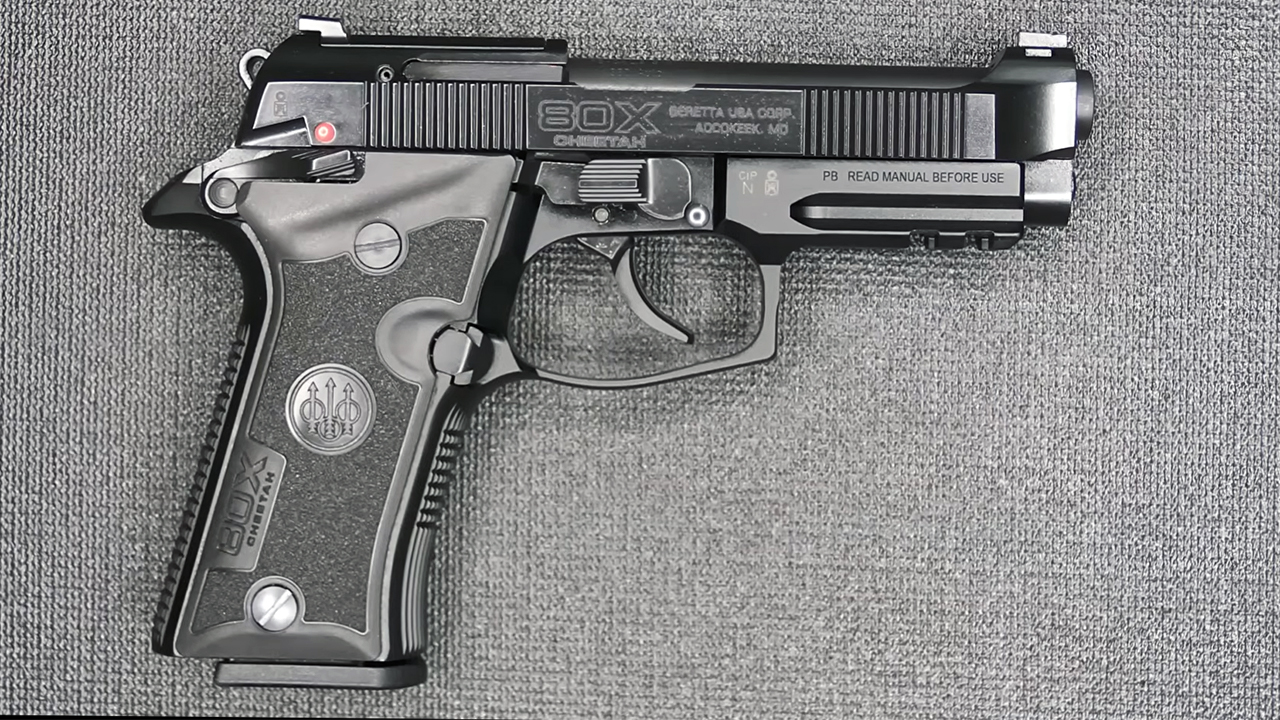
The Beretta 80X Cheetah can confuse people on the first range trip because it’s a .380 that isn’t tiny. Spec-sheet shoppers may wonder why a pistol this size doesn’t just chamber 9mm. That’s fair if pure defensive efficiency is the only goal.
Shoot it more, though, and the appeal becomes clearer. The 80X is comfortable, soft-shooting, and easier to run well than many smaller carry pistols. The controls are improved over older Cheetahs, and the pistol has a refined feel that makes range time enjoyable. It’s not the smallest or most powerful choice. It’s a pistol for shooters who value control, comfort, and confidence. That takes more than one range trip to appreciate.
HK P30
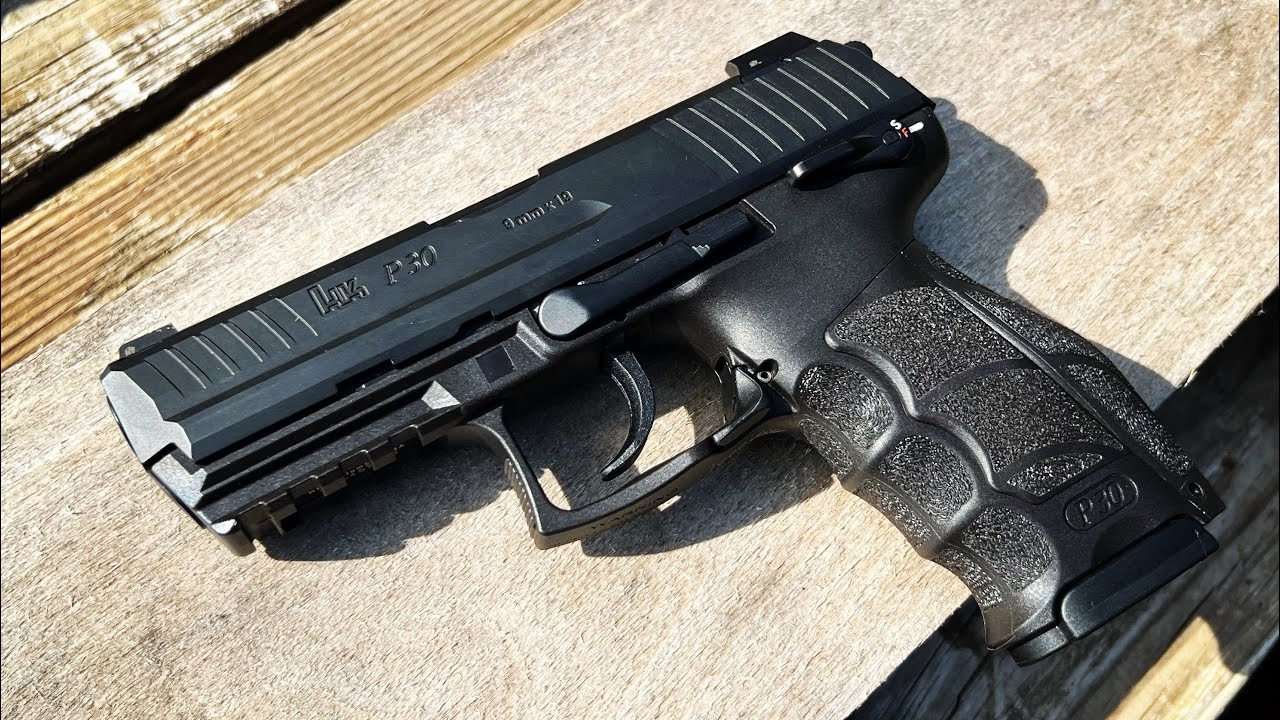
The HK P30 can feel strange at first if the shooter is expecting a light, crisp striker-fired trigger. Depending on the variant, the DA/SA or LEM system may take patience. The grip is excellent, but the trigger often gets judged quickly by people who haven’t spent enough time with it.
After more practice, the P30’s strengths show up. The grip panels and backstraps let it fit a wide range of hands, the recoil impulse is manageable, and the pistol has HK’s serious durability feel. It’s not built to win the best-trigger argument. It’s built to be carried, trained with, and trusted over time. A first trip may focus on the trigger. Later trips usually reveal the whole gun.
Smith & Wesson CS9
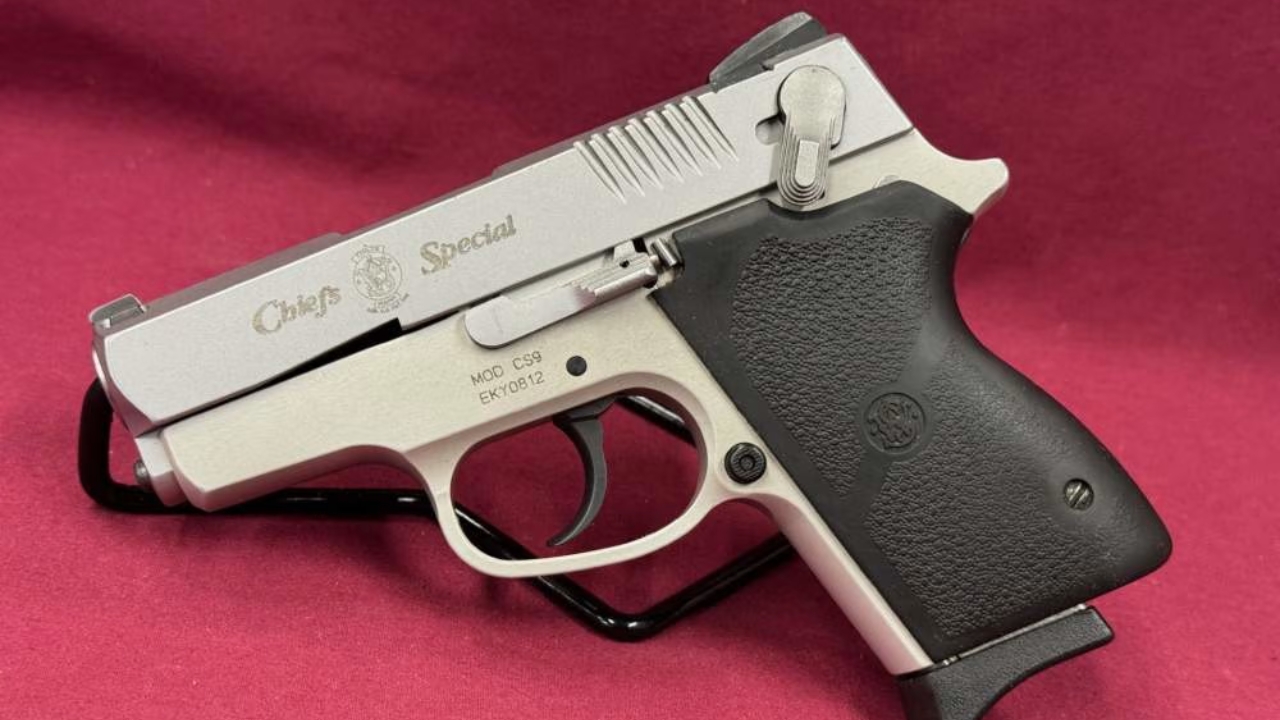
The Smith & Wesson CS9 is easy to underestimate during a short range session. It’s a compact, metal-frame, single-stack 9mm from an older carry era. Compared with today’s micro-compacts, it looks low-capacity and a little dated. The DA/SA trigger also takes some adjustment.
But after more shooting, the CS9 starts feeling smarter than the numbers suggest. It’s slim, sturdy, and more comfortable than many tiny modern pistols. The alloy frame gives it enough substance to control recoil without making it too heavy for carry. It won’t replace a modern high-capacity option for everyone, but it proves older carry pistols often need more than one session before you understand them.
Canik Mete SFT

The Canik Mete SFT can make a strong first impression because of its trigger and included features, but the bigger story comes after owners put more rounds through it. At first, some shooters may wonder if the value is too good to be true or if it’s mostly a feature-packed budget pistol.
The more it gets used, the more the Mete SFT earns respect. The trigger is good, the grip feels natural, and the pistol has enough size to shoot comfortably during longer sessions. It’s not as established as Glock or M&P, and some buyers still care about aftermarket depth. But as a shooter, it often proves itself over time. One range trip may impress. Several range trips make the value harder to dismiss.
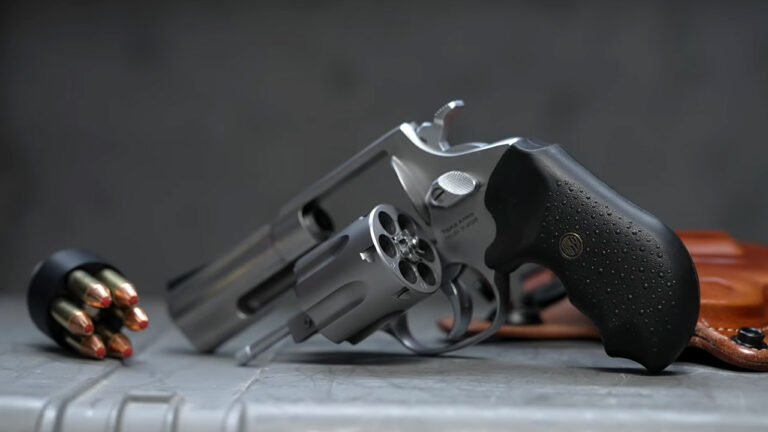
Colt Cobra
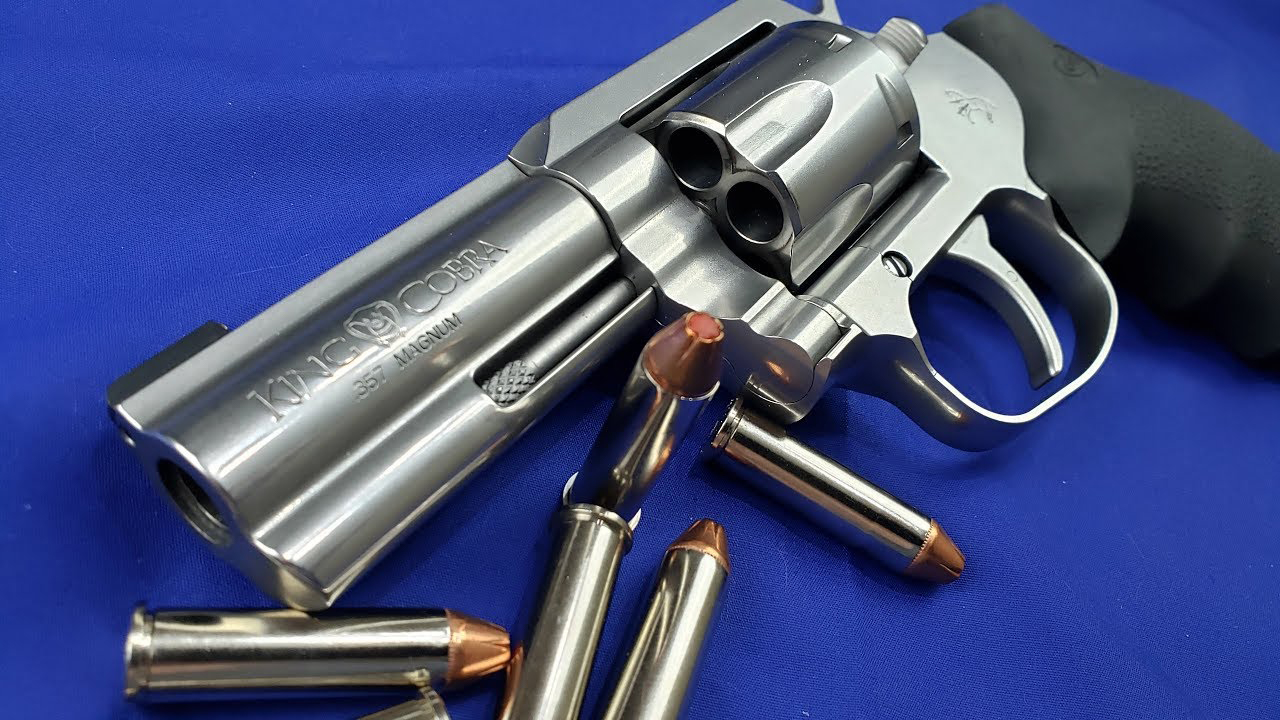
The modern Colt Cobra is a revolver that can feel underwhelming if someone judges it too quickly. A small .38 Special revolver with limited capacity and a higher price than many expect doesn’t automatically seem like a smart buy in a world full of compact 9mms.
But small revolvers are rarely understood in one range trip. The Cobra’s trigger, six-shot capacity, and manageable weight become more meaningful with practice. It carries easily, shoots better than many lighter snubs, and gives revolver fans a practical defensive option with Colt character. It’s not trying to beat a semi-auto on capacity. It’s trying to be a better small revolver than people first assume.
FN Reflex
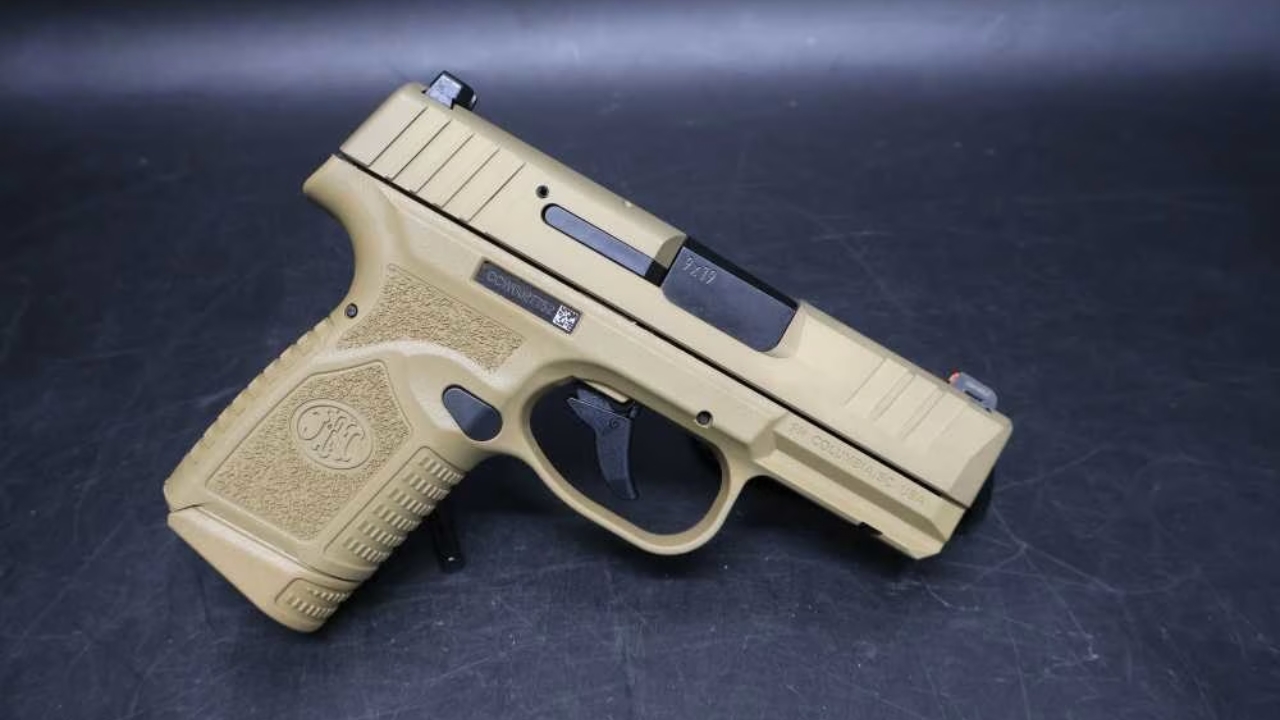
The FN Reflex is one of those newer carry pistols that needs more than a quick tryout. Its internal hammer-fired system gives it a different trigger feel than many striker-fired micro-compacts, and some shooters may need time to decide if they like it. First impressions can go either direction.
After more shooting, the Reflex shows its strengths more clearly. It’s slim, carries well, offers strong capacity for its size, and shoots flatter than some tiny pistols. Like any carry gun, it needs serious reliability testing with the owner’s chosen ammunition. But the design has enough going on that one box of ammo won’t tell the whole story. It’s the kind of pistol that deserves a few sessions before judgment.
Rock Island Armory MAPP MS
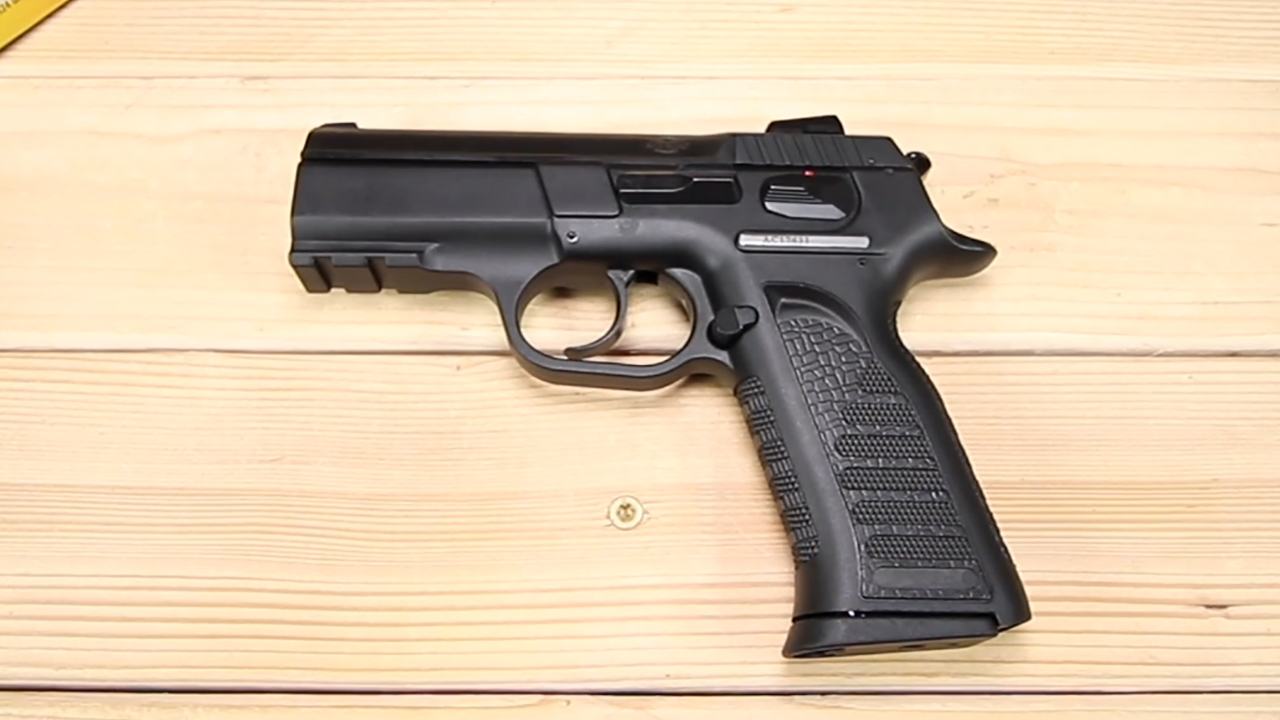
The Rock Island Armory MAPP MS doesn’t get much attention, and a first range trip may not change that dramatically. It’s a polymer-framed, Tanfoglio/CZ-inspired pistol that can look a little plain beside better-known options. Some shooters dismiss it before giving it real time.
Run it more, and the appeal starts to show. The grip shape has good roots, recoil is manageable, and the pistol can shoot better than its quiet reputation suggests. It isn’t as refined as higher-end CZ-pattern pistols, and support is more limited than mainstream brands. But for someone who gives it a fair chance, it can become a surprisingly useful shooter. One trip may not reveal that.
Ruger SR9c
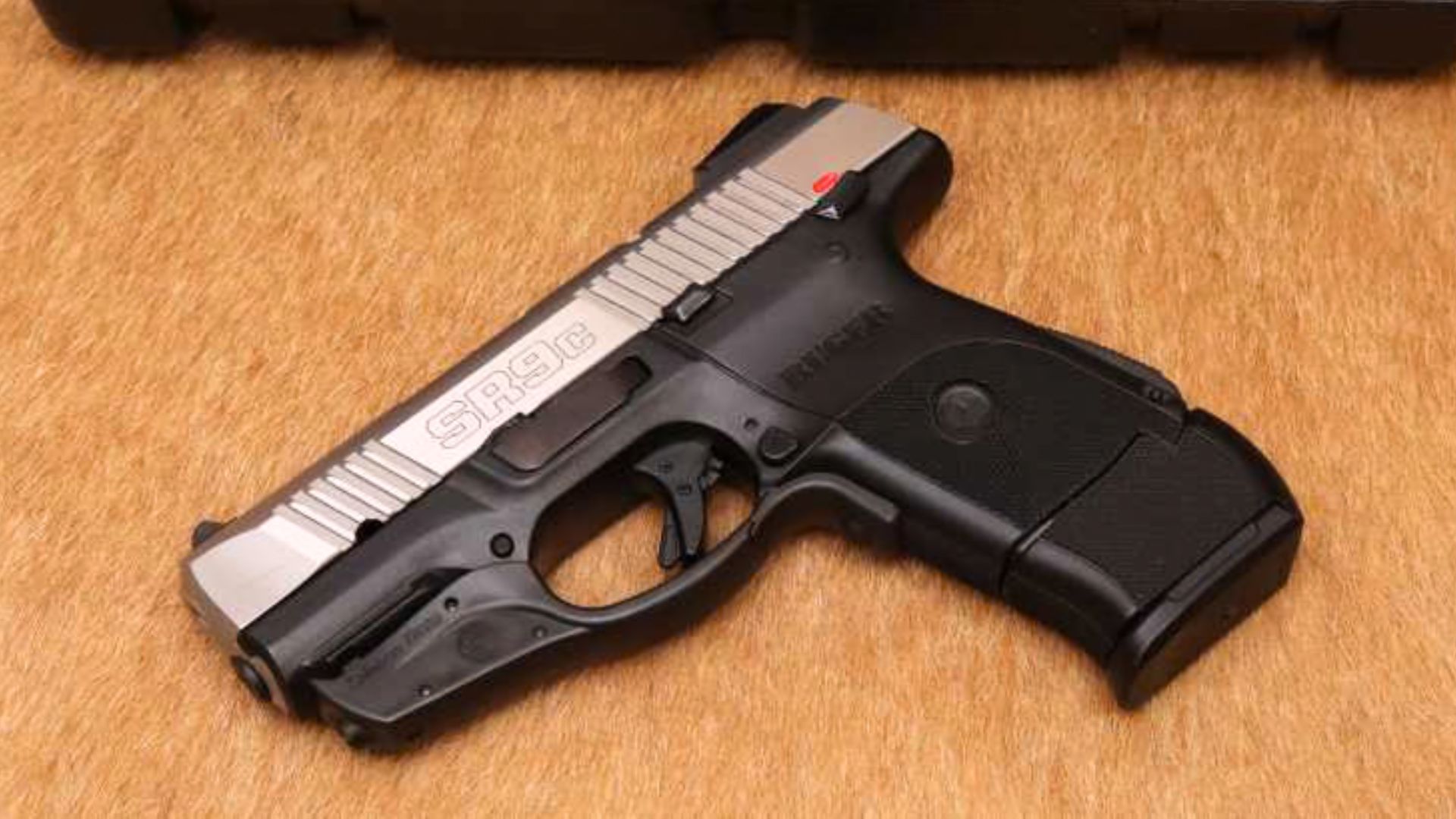
The Ruger SR9c is a pistol some shooters judged too quickly because of its slim grip, manual safety, and older striker-fired design. It arrived before the current wave of micro-compacts and optics-ready pistols, so it can feel dated now. A quick session might not make it stand out.
Over time, though, the SR9c proves why many owners liked it. It’s thin for a double-stack compact, carries reasonably well, and shoots comfortably once the grip and trigger are learned. Ruger also gave it practical magazine options, including extended magazines that make range sessions easier. It may not be the trendiest compact anymore, but it shows that older striker-fired pistols can still earn trust after steady use.
Kimber K6s

The Kimber K6s is a revolver that needs more than one range trip because small revolvers are difficult by nature. A first session with .357 Magnum loads might make someone think the gun is too sharp or too expensive for what it offers. That’s not the fairest test.
With sensible .38 Special or moderate magnum loads, the K6s starts making more sense. The trigger is smooth, the sights are more usable than many small revolvers, and the six-shot cylinder gives it an edge over five-shot snubs. It’s still a compact revolver, so it demands work. But the more owners train with it, the more they usually appreciate the details Kimber got right.
Steyr M9-A2 MF

The Steyr M9-A2 MF is a pistol that often takes time because it looks and feels different from the mainstream. The grip angle, trapezoid sights on some versions, low bore axis, and unusual styling can make the first range trip feel unfamiliar. Some shooters decide too fast that it’s just odd.
Give it time, and the design starts to make more sense. The pistol tracks flat, fits many hands well, and has a very controllable shooting feel. It doesn’t have the broad support of Glock, SIG, or Smith & Wesson, which matters. But as a pure shooter, it can surprise people who stick with it beyond first impressions. The Steyr proves that unfamiliar doesn’t always mean wrong.
Like The Avid Outdoorsman’s content? Subscribe to our newsletter so you never miss an article.
Here’s more from us: