
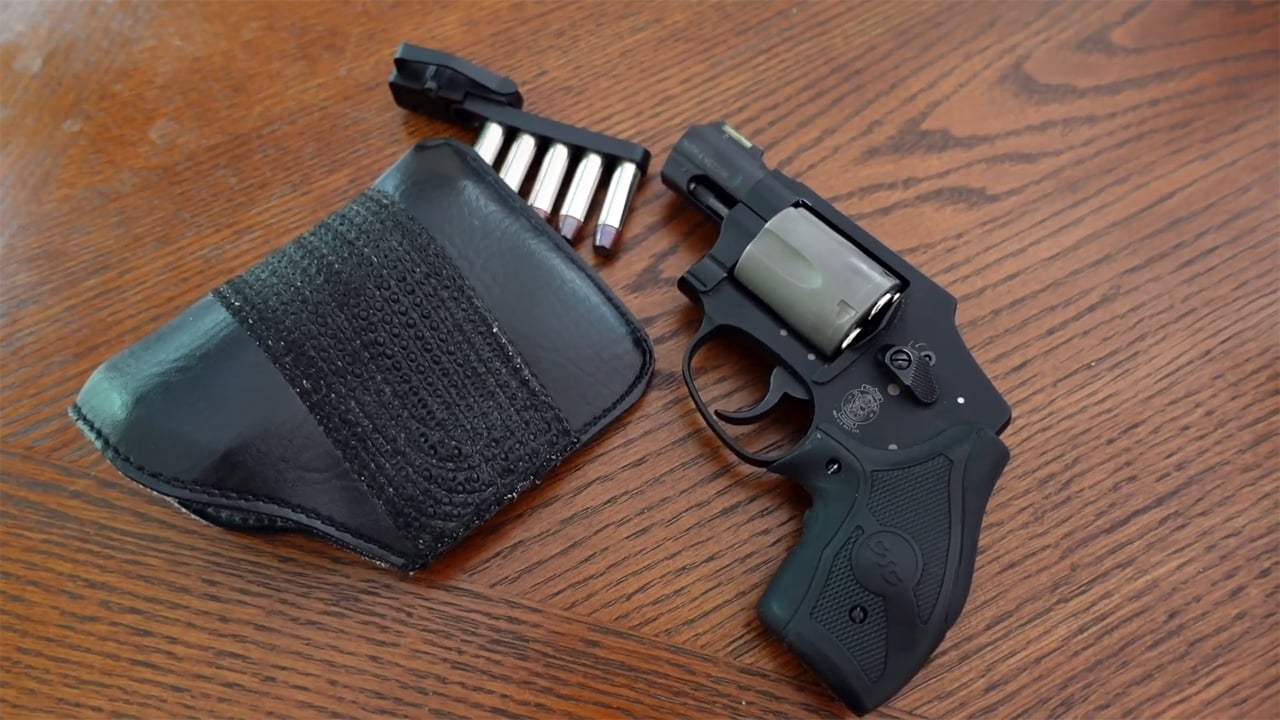
Photo credit: TheOl1911/Youtube
Recoil is not just about caliber. A big cartridge can feel manageable in the right gun, while a smaller cartridge can feel miserable in the wrong one. Weight, grip shape, bore height, slide speed, trigger reach, texture, and how the gun fits the shooter all matter.
That is why some pistols surprise people in the worst way.
They may be chambered in ordinary calibers. They may look small, convenient, and easy to carry. They may even be marketed as practical defensive guns. Then the first range trip happens, and the shooter realizes the gun kicks, snaps, twists, or bites far worse than expected. These are the pistols that can feel harsher than calibers twice their size.
Ruger LCP
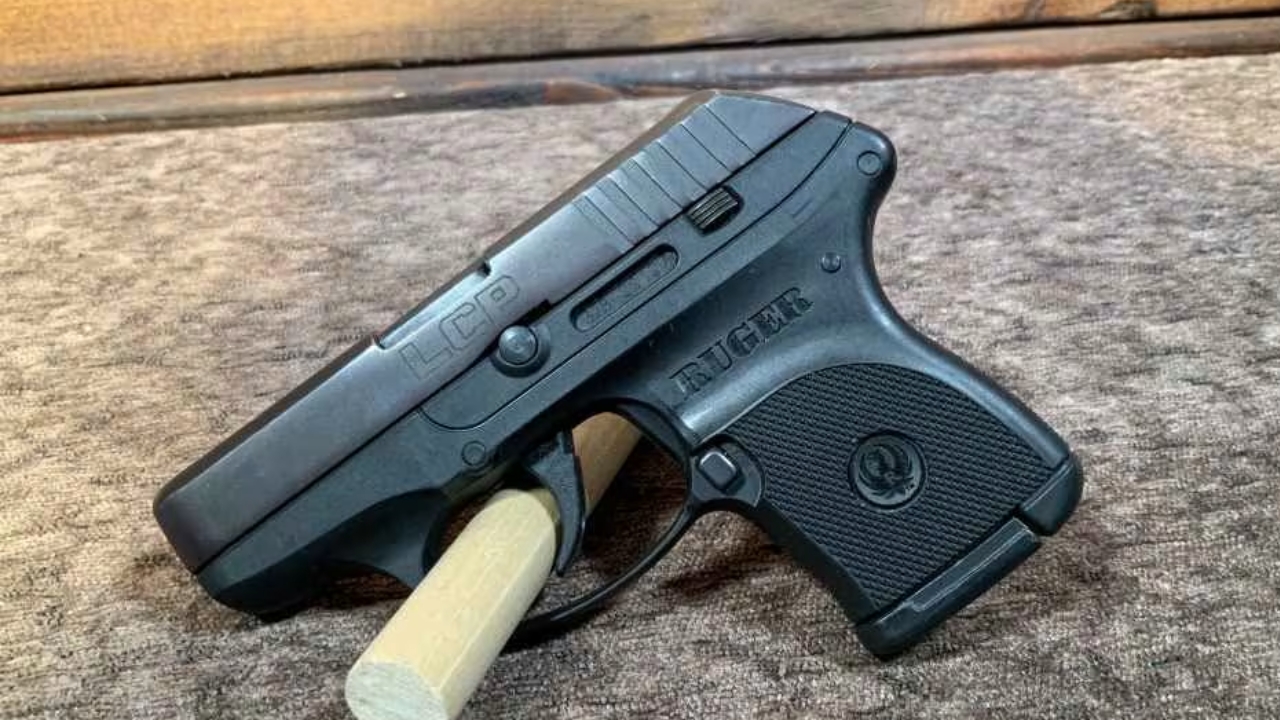
The Ruger LCP is chambered in .380 ACP, so new owners sometimes expect it to be soft and easy. After all, .380 is smaller than 9mm, and the pistol itself looks almost harmless. That assumption disappears quickly at the range.
The LCP is tiny and light, which means there is not much mass to absorb recoil. The grip gives the shooter very little to hold, and the sights are minimal on older versions. The result is a pistol that can feel snappier than some larger 9mm handguns. It is popular because it carries incredibly well, not because it is fun to shoot. Many owners respect it as a pocket gun, but nobody should confuse easy carry with easy recoil.
Smith & Wesson 340PD
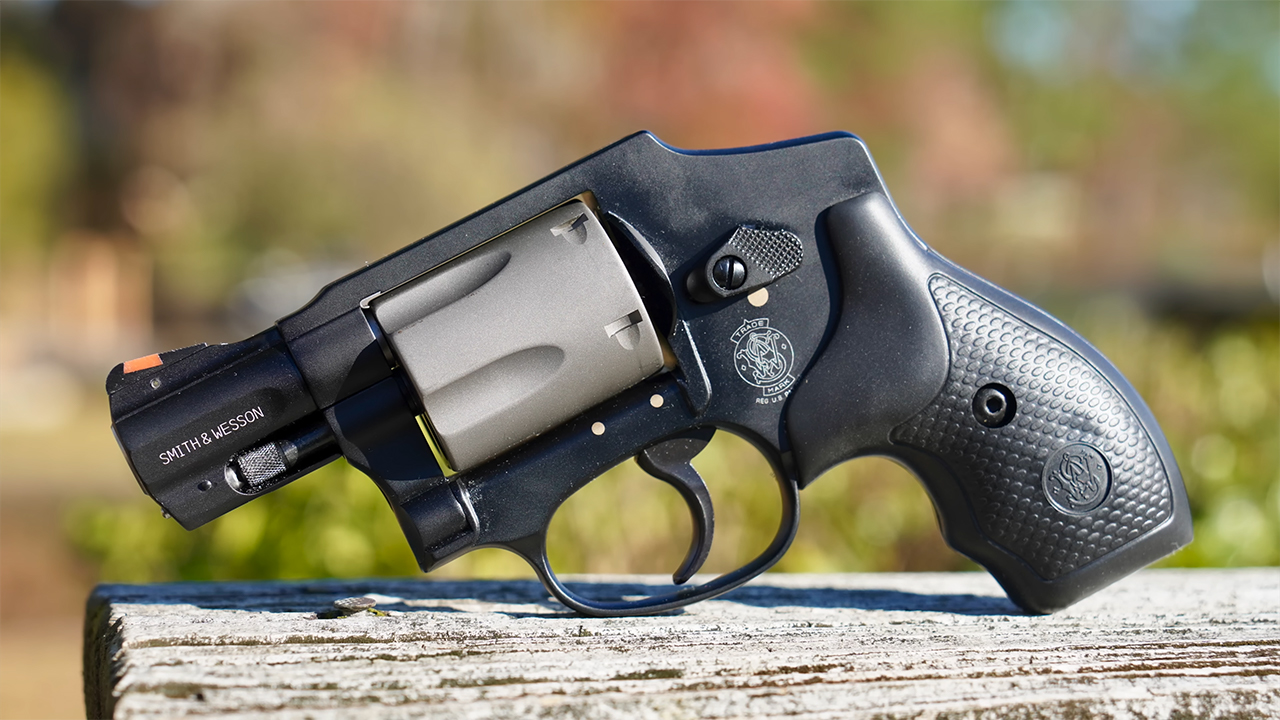
The Smith & Wesson 340PD is one of the clearest examples of a gun that sounds brilliant until full-power loads enter the cylinder. It is a lightweight J-frame revolver chambered in .357 Magnum, which makes it incredibly easy to carry and extremely unpleasant to shoot with magnums.
The recoil can feel sharp enough to make experienced shooters wince. The short grip, light frame, and heavy cartridge create a combination that punishes the hand fast. Many owners end up practicing mostly with .38 Special or .38 +P, which makes sense. But anyone buying it because they imagine casually running boxes of .357 Magnum through a featherweight snubnose is in for a rough lesson. The caliber is powerful, but the platform makes it feel even bigger.
KelTec PF9
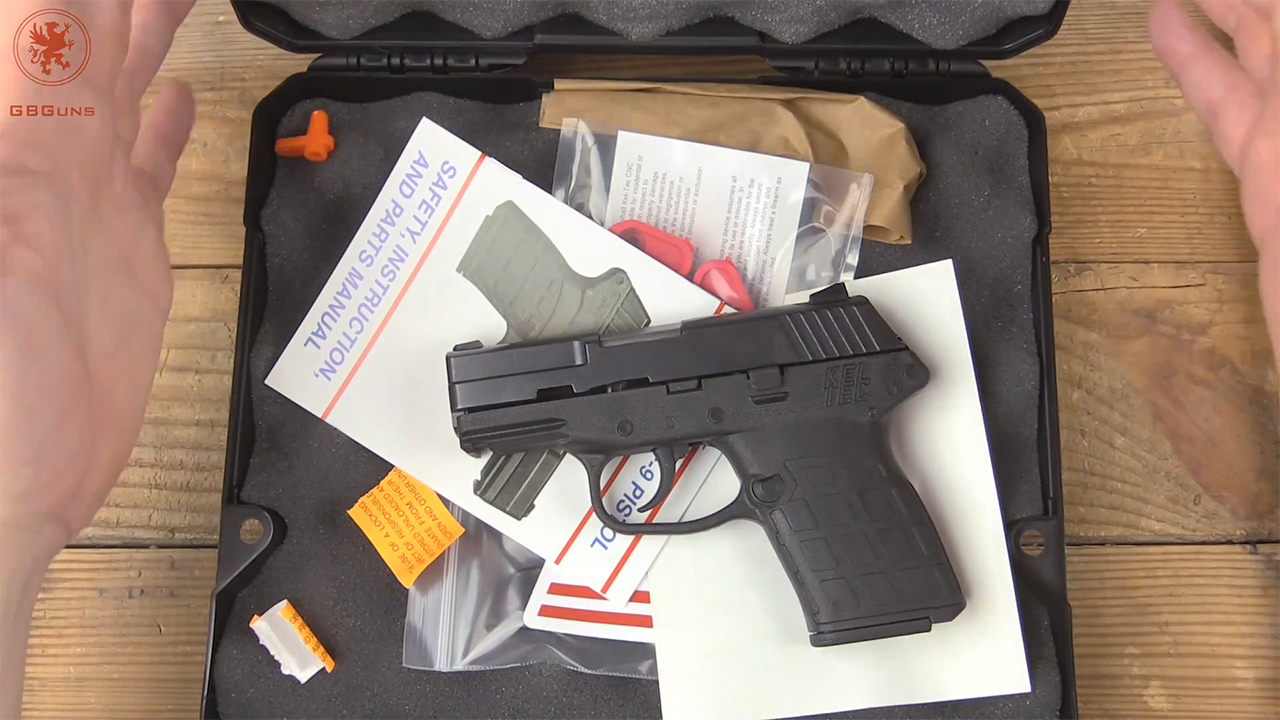
The KelTec PF9 attracted buyers because it was thin, light, affordable, and chambered in 9mm. On paper, that is a strong carry-gun recipe. It gives owners a very concealable pistol in a serious defensive caliber without a high price.
The range experience can be much less charming. The PF9 is so light and slim that recoil feels concentrated into the hand. The long trigger and small grip do not help the shooter control the pistol quickly. It is not kicking like a magnum revolver, but it can feel far harsher than many larger 9mm pistols. Some owners tolerate it because it carries well. Others shoot one magazine and immediately understand why heavier compact pistols still have a place.
Glock 29

The Glock 29 puts 10mm Auto into a compact package, and that alone tells the story. The pistol has real appeal for people who want a powerful semi-auto that can still be carried or packed in the woods. It is also a Glock, which gives buyers confidence in the platform.
But compact 10mm is still compact 10mm. Full-power loads can be snappy, loud, and harder to control than people expect. The short grip makes it more difficult to lock the gun down, especially for shooters with larger hands. Many owners add magazine extensions to make it more manageable, but that also changes the size advantage. The Glock 29 can be useful, but it feels much bigger in recoil than it looks in the hand.
SIG Sauer P938

The SIG P938 looks refined and manageable. It is small, metal-framed, and chambered in 9mm, with 1911-like styling that makes it seem more elegant than many plastic micro-compacts. That charm sells a lot of people.
Then they shoot it. The P938 has a short grip, short sight radius, and a snappy recoil impulse that can surprise buyers who expected the metal frame to tame everything. It is not uncontrollable, but it requires more attention than its classy appearance suggests. The small single-action carry format also demands consistent training. A pistol can look polished and still be sharp in the hand. The P938 proves that quickly.
Springfield Hellcat

The original Springfield Hellcat became popular because it offered impressive capacity in a tiny 9mm carry pistol. That was a big deal in the micro-compact race. Shooters wanted small size, lots of rounds, and modern features in one package.
The tradeoff is recoil character. The Hellcat is very small for what it carries, and many shooters find it snappy compared with larger compact pistols. The grip texture helps control, but it can also feel aggressive during longer range sessions. It is a capable carry gun, but not always a pleasant practice gun. The Hellcat Pro softened that issue for some people by adding more size. The original reminds owners that tiny 9mms often kick above their weight.
Smith & Wesson 329PD
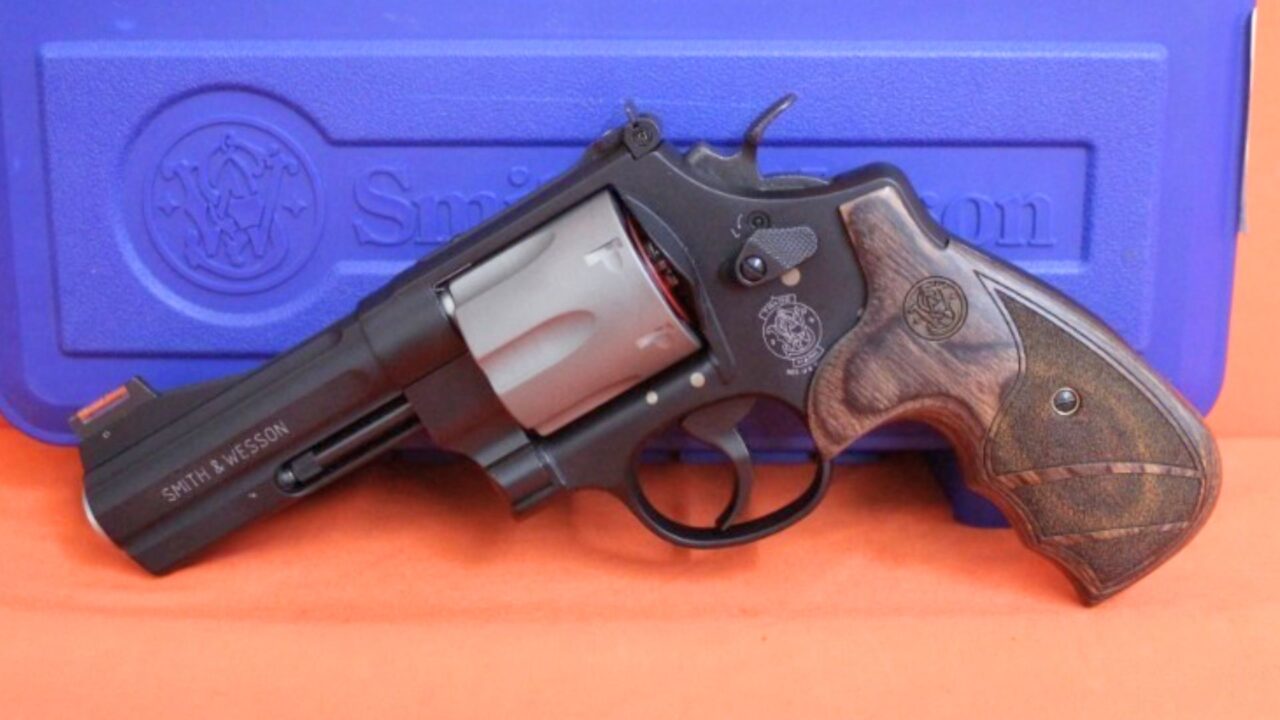
The Smith & Wesson 329PD is chambered in .44 Magnum, so nobody expects it to be gentle. The surprise is just how brutal it can feel because the revolver is so light. It was designed to be carried in the backcountry without dragging down the owner’s belt, and it succeeds at that part.
Shooting it is another story. Full-power .44 Magnum loads can be downright punishing. The recoil is fast, sharp, and memorable in a way that makes many owners limit practice or switch to milder .44 Special loads. A heavy steel .44 Magnum revolver can be enjoyable with the right loads. A featherweight .44 makes the same caliber feel much larger than it already is. It is a carry-a-lot, shoot-a-little revolver, and it does not hide that for long.
Ruger LC9

The Ruger LC9 was designed around slim carry, and for many people, it filled that role well. It was thin, light, and easy to conceal, especially compared with older compact pistols. But slim 9mm pistols often come with a recoil tax.
The LC9 can feel sharper than expected because the grip is narrow and the pistol does not have much weight to soak up recoil. Older trigger feel also made fast, accurate shooting harder for some owners. It may not be painful in the dramatic sense, but it can feel unpleasant enough that practice becomes less inviting. Many shooters discovered that a slightly larger pistol was much easier to run, even in the same caliber.
Taurus 856 Ultra-Lite

The Taurus 856 Ultra-Lite gives buyers six rounds of .38 Special in a lightweight compact revolver. That sounds like a practical improvement over the usual five-shot snubnose formula. More capacity in a carryable revolver is a real selling point.
But light revolvers can be surprisingly unpleasant even in .38 Special. With +P loads, recoil can feel sharp, especially for new shooters. The small grip, short sight radius, and double-action trigger add to the challenge. The steel-framed 856 is usually easier to shoot, but the Ultra-Lite version reminds owners that shaving weight comes at a cost. The caliber may be modest, but the platform can still make it feel rude.
Diamondback DB9

The Diamondback DB9 is extremely small for a 9mm pistol, which is exactly why people notice it. Pocket-sized 9mm power sounds great to anyone who wants maximum concealment without dropping to .380 ACP.
The recoil tells the other half of the story. There is very little gun to hold, very little weight to absorb movement, and very little forgiveness for poor grip. It can feel harsh compared with larger 9mm pistols and even some heavier handguns in stronger calibers. The DB9 is an example of how miniaturization changes everything. A cartridge that feels mild in a duty pistol can feel snappy and unpleasant in a pistol this small.
Kahr PM9

The Kahr PM9 has long been respected as a slim, compact 9mm carry pistol. It is well-made, easy to conceal, and built around a smooth double-action-style trigger that some shooters like a lot. It looks like a serious little carry gun because it is one.
Still, the PM9 can feel surprisingly snappy. Its small size, light weight, and narrow grip make recoil more noticeable than in larger pistols. The trigger system also rewards deliberate shooting more than sloppy speed. Some owners shoot it very well, but others find it less comfortable than expected for regular practice. The PM9 is a good reminder that quality does not cancel physics. A small 9mm is still a small 9mm.
Beretta Nano

The Beretta Nano was designed as a simple, snag-free micro 9mm. Its smooth sides and minimalist controls made it attractive for concealed carry. It looked like a practical, no-nonsense pistol from a trusted brand.
At the range, the Nano could feel blocky and snappy for its size. The grip shape did not suit everyone, and the small frame made recoil feel more abrupt than some buyers expected. It was not a huge pistol, but it did not necessarily shoot as softly as its clean design suggested. Some owners liked its simplicity. Others found that newer micro-compacts offered better balance between capacity, shootability, and comfort. The Nano carried better than it shot for many people.
Colt Defender

The Colt Defender is a compact 1911-style pistol that appeals to people who love the platform but want something easier to carry. It has Colt history, a short barrel, and a lightweight frame. In .45 ACP, it promises classic big-bore power in a small package.
The recoil can be sharp. A full-size steel 1911 makes .45 ACP feel smooth and rolling. A short, lightweight 1911 changes the experience. The grip is smaller, the slide cycles faster, and the muzzle rises more aggressively. Some owners love the Defender and shoot it well, but others quickly realize they prefer their .45 ACP in a larger frame. Shrinking a beloved design does not always preserve the pleasant shooting feel that made people love it.
North American Arms .22 Magnum Mini Revolvers
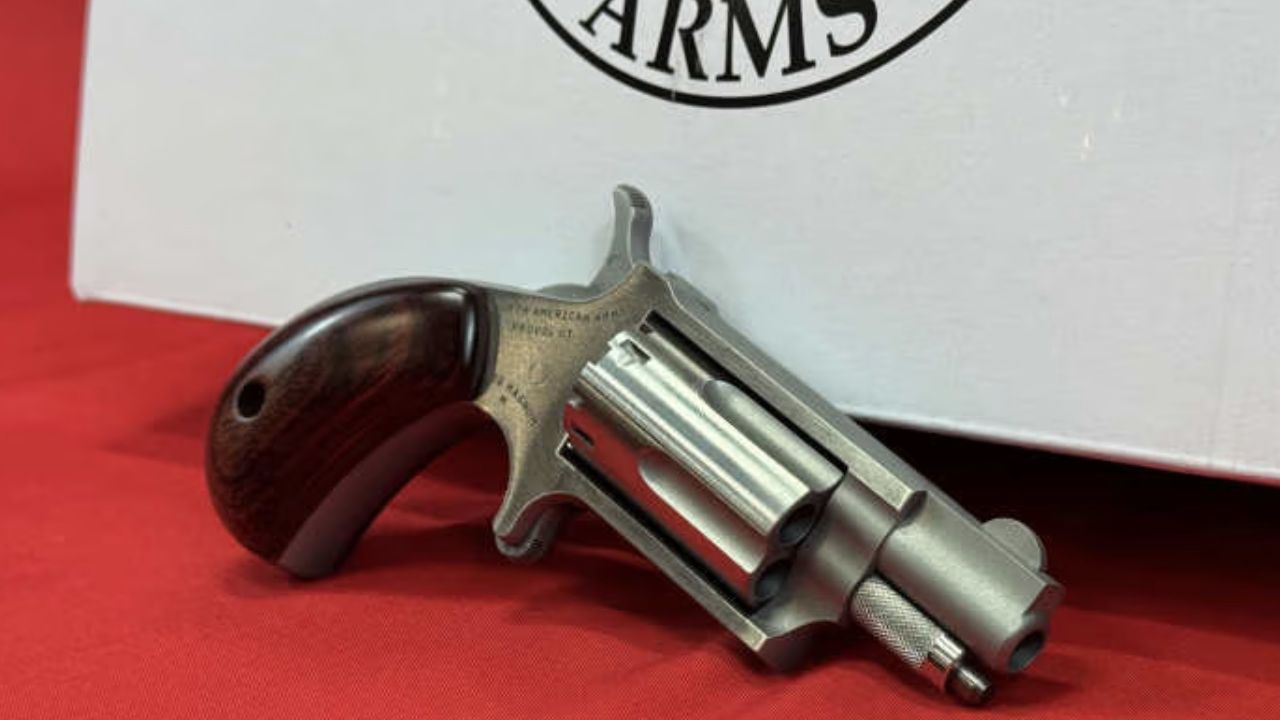
North American Arms mini revolvers are tiny, clever, and easy to carry. In .22 Magnum, they sound like a surprisingly potent little pocket option. Their size makes them appealing almost as a novelty, but they are real firearms and need to be treated seriously.
The recoil is not painful in the same way as a magnum centerfire handgun, but the shooting experience can still feel worse than expected. The grip is tiny, the muzzle blast can be sharp, and accurate shooting takes concentration. The gun moves in the hand because there is barely anything to hold. Many buyers expect a cute little revolver and discover a very demanding one. It is not the caliber that feels huge. It is the lack of grip and control.
Lightweight Commander-Size 1911s in 10mm
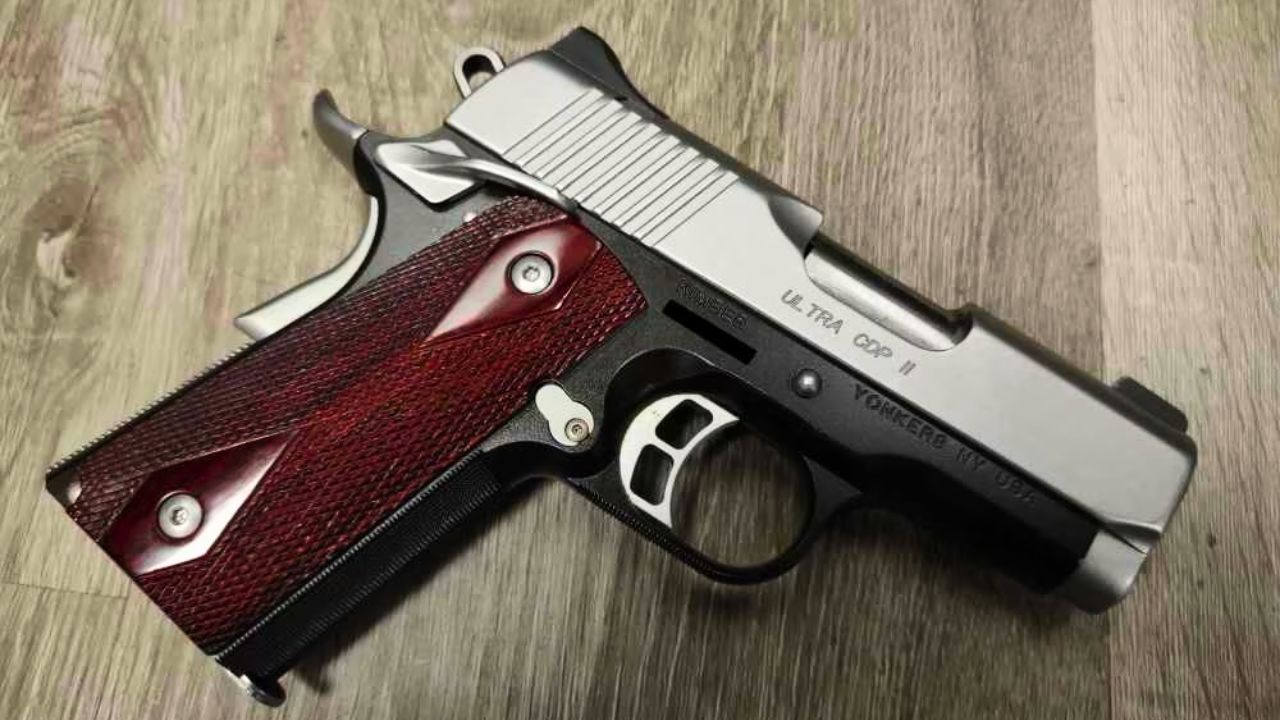
A Commander-size 1911 in 10mm sounds like a near-perfect woods or carry pistol for people who love the 1911 platform. It is slimmer than many double-stack 10mms, lighter than a full-size steel gun, and chambered in a powerful cartridge.
That combination can be a handful. Full-power 10mm already has snap, and a lighter 1911 gives the shooter less mass to help manage it. The single-stack grip may feel great in the hand, but it also concentrates recoil more than a larger double-stack frame. Some experienced shooters love these pistols, especially with carefully chosen loads. But buyers expecting a mild, elegant 1911 experience may be shocked. The gun may carry like a dream and shoot like a warning.
Like The Avid Outdoorsman’s content? Be sure to follow us.
Here’s more from us:


