Photo credit: The Avid Outdoorsman
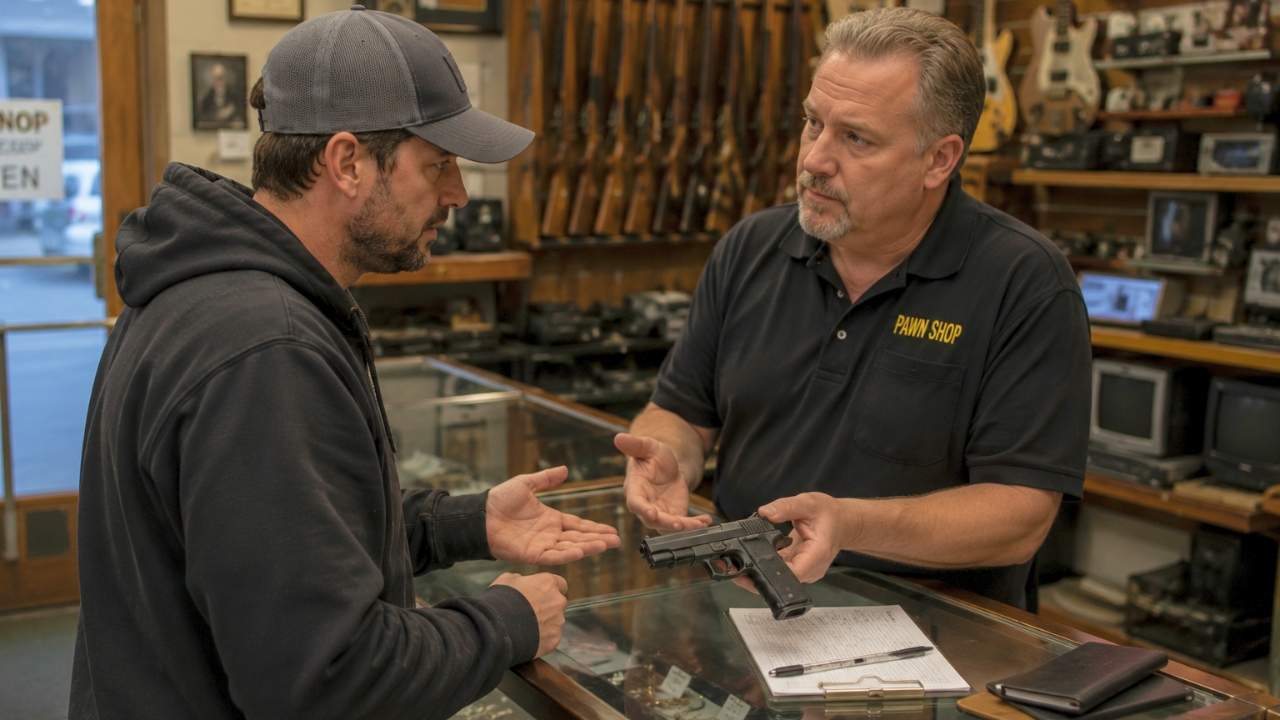
The man said he sold a gun to a pawn shop without knowing there was a problem with it. At the time, it seemed like an ordinary transaction. He had the firearm, the shop took it in, and money changed hands.
Then the situation changed.
According to the Reddit post, the gun turned out to be stolen, and the pawn shop wanted its money back. That put the seller in a difficult position. From his side, he said he did not know the gun was stolen when he sold it. But from the shop’s side, they had paid him for property they could no longer legally keep or sell.
The original Reddit post can be found here: https://www.reddit.com/r/legaladvice/comments/13w9ti8/sold_a_gun_to_a_pawn_shop_not_knowing_it_was/
A stolen firearm creates problems fast because it is not just a piece of merchandise. If police confirm the serial number matches a stolen gun report, the firearm may be seized or returned to the rightful owner. The pawn shop may lose the gun, and the seller may suddenly have to explain where he got it.
That was the real issue hanging over the post. The man was not only facing a demand for repayment. He also had to think about whether law enforcement might ask questions. If he bought the gun from someone else, inherited it, traded for it, or received it casually, the details could matter.
Not knowing a gun was stolen may help explain what happened, but it does not make the problem disappear. The shop may still pursue reimbursement. Police may still want a timeline. And the seller may need to point back to whoever gave or sold him the firearm in the first place.
The pawn shop’s demand also raised a practical question: does the seller have to pay them back immediately, or is that a civil dispute? The answer can depend on the paperwork, the state, the shop’s policies, and whether the seller made any statements guaranteeing he had legal title to the gun.
The story shows why private firearm history matters. A gun can pass through multiple hands before anyone realizes it was reported stolen. The person holding it last may not be the thief, but they are still the one who has to answer questions when the serial number comes back bad.
Commenters told the man to be careful about what he said and to preserve any proof of how he got the firearm. If he had a bill of sale, messages, receipt, trade record, or witness, that information could help show he did not knowingly traffic in stolen property.
Several people said the pawn shop may have a civil claim for the money, especially if the gun was seized or returned to the rightful owner. The shop paid for something it could not legally keep, and it may try to recover the loss from the person who sold it.
Others focused on the criminal side. Commenters warned that selling a stolen firearm, even unknowingly, is serious enough that he should not casually explain himself to police without understanding his position. If officers contacted him, some said he should speak with a lawyer first.
A few people also pointed out that he may have his own claim against whoever sold or gave him the gun. If he paid someone for it and later learned it was stolen, the loss may trace back further than the pawn shop transaction.
The post ended with the seller caught between two problems. The pawn shop wanted money back. The gun’s history raised legal questions. And the man’s best chance of staying out of deeper trouble depended on proving he had not known the firearm was stolen when he passed it along.
Like The Avid Outdoorsman’s content? Subscribe to our newsletter so you never miss an article.
Here’s more from us: