Photo credit: TFB TV/YouTube
A lot of handgun “reliability problems” aren’t really reliability problems. They’re tolerance problems you created. The moment you start stacking light springs, bargain connectors, home-polished parts, or comps without doing real testing, you turn a proven duty pistol into a timing experiment. It might feel great for a couple range trips, then it starts choking when the gun is dry, dirty, or fed something it doesn’t like.
The handguns below have a different personality. They’re the ones that keep running when you leave the internals alone, feed them decent magazines, and stick to parts that match the gun’s original engineering. Add sights you can see, maybe a light, and a grip setup that helps you hold on. Then stop. If you want a pistol that lasts, the smartest “upgrade” is often restraint.
SIG Sauer P365

The P365 is proof that a small pistol can still be a workhorse if you don’t turn it into a project. Stock, it’s engineered to run with a compact recoil system, short slide travel, and tight packaging that demands the right spring weights. When you leave it alone and keep it reasonably clean, it tends to stay boringly consistent.
Most “P365 problems” show up after people start chasing shortcuts. Oversized comps, questionable recoil springs, and bargain triggers can push a small gun outside its happy zone fast. Keep the internal geometry factory, use quality magazines, and verify your carry load. Replace wear parts on a sane schedule instead of guessing. If you treat the P365 like a serious carry tool instead of a build platform, it keeps running like one.
Beretta PX4 Storm

The PX4 Storm has always been better than its popularity. The rotating barrel system helps manage recoil and keeps the gun smooth under fast shooting, and the design is known for staying reliable when it’s dirty. Stock, it feeds and extracts with real consistency, and it doesn’t demand a bunch of aftermarket fixes to become shootable.
Problems start when you chase “feel” over function. Random trigger kits, mystery springs, and cheap magazines can turn a steady pistol into a picky one. Keep the core system factory, keep it lubricated, and don’t ignore recoil springs as round count climbs. The PX4’s value is that it already runs well as-issued. Set it up with sights you like and a light if you need it, then let it do what it does.
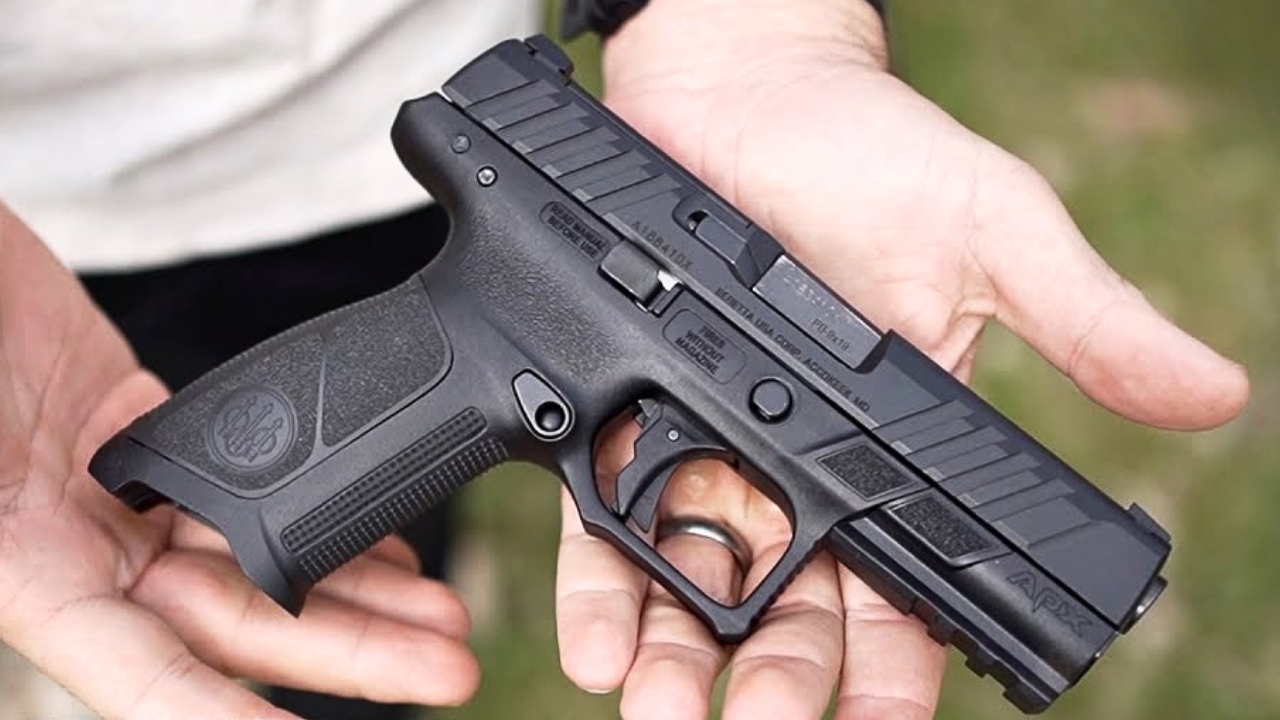
Beretta APX A1

The APX A1 is a striker pistol that tends to run best when you treat it like a duty gun, not a hobby. Stock, it’s built around reliable ignition and consistent cycling, and it doesn’t need you to “improve” it with a pile of small parts. Keep it clean enough, keep it lubed, and it will keep chewing through practice ammo without getting sensitive.
The trouble usually comes after people start chasing a different trigger feel or swapping parts without understanding the system. That can create light strikes, inconsistent reset, or odd malfunctions that are hard to diagnose. Leave the internals factory, stick with quality magazines, and focus on the stuff that actually helps—good sights and a solid holster. The APX A1 holds up when you stop trying to make it something else.
CZ P-10 C

The P-10 C is one of those pistols that shoots well enough out of the box that you don’t need to chase upgrades. The trigger is already usable, the gun tracks flat, and the design tends to run reliably with a wide range of ammo when left in factory configuration. It’s the kind of pistol you can train hard with and not feel like you’re constantly tuning it.
Reliability issues usually show up after someone tries to “get cute” with springs, aftermarket strikers, or ultra-light trigger setups. That’s when you can invite light strikes or weird cycling problems. Keep the guts stock, run good magazines, and replace wear parts when they’re truly worn. If you want to change something, change sights or grip texture. The P-10 C runs a long time when you don’t treat it like a science fair.
CZ 97B

The CZ 97B is a big, steady .45 that tends to keep working when you keep it close to factory. The weight and full-size format make it easy to shoot well, and the design is proven enough that it doesn’t need constant tinkering to stay reliable. Treat it like a service pistol—clean, lubricate, and shoot—and it will keep showing up.
Where people get into trouble is trying to “modernize” it with random parts or pushing questionable magazines. The 97B likes good mags and proper spring rates, and it’s not the kind of gun that benefits from bargain-bin modifications. Leave the internals alone, keep the recoil spring healthy, and let the gun’s natural stability do the work. It’s a pistol that ages well when you stop chasing magic fixes.
HK VP9

The VP9 has a reputation for being easy to shoot well and hard to “break” in normal use. Stock, it’s engineered with reliability as the baseline, and it tends to keep running even when your maintenance is more practical than obsessive. The ergonomics also reduce the urge to mess with the gun, because it already fits a lot of hands well.
Most VP9 problems come from outside the gun—cheap magazines, bad ammo, or owners swapping parts to chase a different trigger feel. The VP9 doesn’t need that. Keep it stock inside, keep it lubricated, and replace recoil springs when round count demands it. If you want changes, stick to sights and a light. The VP9 is at its best when you leave the system intact and spend your energy on training.
HK45

The HK45 was built with durability in mind, and it shows over time. Stock, it tends to run with the kind of consistency you expect from a serious .45, and it holds up through hard use without feeling fragile. It’s also forgiving to shoot, which keeps people practicing instead of chasing equipment solutions.
The reliability trap is trying to “upgrade” it into something else. Messing with springs, swapping random parts, or running questionable magazines can turn a dependable pistol into a finicky one. Keep the core system factory, use quality magazines, and maintain it like a working gun. Replace wear parts when they’re worn, not when a forum thread panics you. The HK45 is one of those pistols that rewards patience and punishes unnecessary tinkering.
FN 509

The FN 509 is a duty-focused pistol that generally runs best when you treat it like one. Stock, it’s built around consistent ignition and feeding, and it’s meant to handle volume. It’s not the kind of gun that needs a “reliability package” to do the basics. When you keep it factory, it tends to stay predictable across training and carry ammo.
Where people cause issues is chasing a radically different trigger feel with aftermarket parts, or cutting corners on magazines. That’s when you can invite light strikes or odd cycling problems. Keep the internals factory, keep the gun lubricated, and run proven mags. Sights, a light, and a holster are plenty. The 509 will keep running if you let FN’s engineering stay in charge.
FNX-45

The FNX-45 is a big .45 that’s built to live a hard life without constant attention. Stock, it tends to feed reliably, lock up consistently, and keep running even when it’s dirty. It’s also a pistol that handles recoil well for its size, which makes long practice sessions more realistic and less punishing.
The problems usually appear after owners start chasing add-ons that change timing, especially when they mix parts without testing. That’s how you end up with weird cycling behavior that never existed in the factory gun. Keep the core parts stock, use quality magazines, and replace springs when they’re genuinely worn. The FNX-45 is already a dependable working pistol. Treat it like one, and it will stay that way.
Springfield Armory Echelon

The Echelon is a newer pistol, but the basic lesson still applies: stock guns tend to be the most reliable version of themselves. In factory configuration, the Echelon is designed around duty-style cycling and consistent ignition, and it doesn’t require you to start swapping internals to make it shootable. Set it up, verify your carry load, and it will usually run clean.
The fastest way to create problems is to chase shortcuts—light springs, bargain triggers, or parts that weren’t validated with your ammo and magazines. That’s when you can invite stoppages that look “mysterious” until you put factory parts back in. Keep the internals factory, use good mags, and focus on sights and grip setup. The Echelon rewards being boring.
Glock 17

The Glock 17 has the same “don’t mess with a good thing” personality as the 19, with a little more slide length and a little more forgiveness in recoil impulse. Stock, it’s one of the easiest pistols to keep running across high round counts because the parts are proven and the system is tolerant of real-world conditions.
The problems usually start when you try to turn it into a competition trigger on the cheap, or you start mixing barrels, comps, and light springs without testing like your life depends on it. Keep the internals factory, run good mags, and focus your effort on sights and a grip texture you can live with. The 17 will reward you by staying predictable and dependable.
Ruger American Pistol

The Ruger American Pistol got overlooked, but it earned a reputation for being a tough, dependable gun when left stock. It’s built with duty use in mind, and it tends to keep running with minimal drama as long as you don’t starve it of lubrication or feed it junk magazines. It’s not a fashion gun, which is part of why it stays honest.
Where owners get into trouble is trying to “fix” things that aren’t broken. Trigger tinkering, random spring swaps, and off-brand mags can turn a reliable pistol into a finicky one. Keep it factory inside, keep magazines in good shape, and replace wear parts when they’re actually worn. If you want a pistol that keeps going, the Ruger American Pistol does better when you treat it like a tool and stop chasing trends.
Ruger Security-9

The Security-9 is a practical pistol that tends to run fine when you keep it in its factory lane. Stock, it’s designed around reliable function with common ammo, and it’s meant to be carried and trained with, not constantly rebuilt. Keep it reasonably clean, keep it lubricated, and it generally keeps cycling the way it should.
The reliability issues people report often come after they start swapping parts to chase a different trigger feel or they run questionable magazines. Small changes can create big timing problems in a budget-friendly design. Leave the internals alone, use quality mags, and focus on fundamentals. Replace recoil springs when round count demands it, not when you feel bored. The Security-9 runs longer when you stop treating it like a project.
Walther PDP

The PDP is a pistol that already shoots well enough that you don’t need to go hunting for fixes. Stock, it has good ergonomics and a solid trigger feel, and it tends to run reliably with a wide range of ammo when you keep the internal system intact. That’s the sweet spot: a gun that performs well without needing a pile of aftermarket parts.
Where people create problems is chasing “even better” with spring changes and internal swaps that weren’t built around your ammo and magazines. That’s how you invite light strikes or cycling hiccups that didn’t exist before. Keep it factory inside, run proven magazines, and maintain it like a working pistol. If you want upgrades, stick to sights and a light. The PDP lasts longer when you stop tinkering and start stacking reps.
Canik TP9 SF

Canik pistols get bought because they’re shootable out of the box, and that’s exactly why you should leave them alone inside. A stock TP9 SF tends to run reliably with common range ammo when you use good magazines and keep it lubricated. It’s not complicated, and it doesn’t need you to chase a parts pile to become effective.
Most issues show up after owners try to turn it into something else—spring swaps, bargain triggers, or questionable aftermarket components that change how the gun cycles. Keep the internal geometry factory, stick with proven mags, and don’t neglect recoil springs over time. The TP9 SF can be a long-haul pistol when you treat it like a working gun instead of a build platform.
IWI Masada

The Masada is one of those pistols that tends to run best when you respect the factory setup. Stock, it’s designed around dependable cycling and straightforward maintenance, and it generally handles regular training without becoming picky. It’s a practical gun that doesn’t demand constant attention, which is exactly what “runs forever” looks like in real life.
The problems usually come from outside influences—cheap magazines, weak ammo, or internal swaps meant to chase a different feel. That’s where you can invite failures that never existed in the base gun. Keep the internals factory, use quality mags, and maintain it with basic common sense. Put your effort into sights, holster, and practice. The Masada stays consistent when you stop changing the recipe.
Like The Avid Outdoorsman’s content? Subscribe to our newsletter so you never miss an article.
Here’s more from us: