
Today’s revolver market isn’t for the faint of heart. The days of stumbling onto a clean classic in a dusty case for “old gun” money are mostly gone, and collectors know it. What hasn’t changed is what drives demand: real quality, real history, and models that earned their reputations over decades of use. When a revolver has the right mix of workmanship, scarcity, and shootability, people keep buying—because waiting rarely makes it cheaper.
Collectors also aren’t only chasing rarity. They’re chasing correctness. Original finish, correct parts, and a gun that hasn’t been “improved” by someone with a Dremel matters more than almost anything. If you’re going to pay modern prices, you want a revolver that still looks and feels like what it’s supposed to be.
Colt Python (original production)

An original-production Colt Python is still the revolver that makes a collector stop mid-sentence and lean into the glass. People keep buying them because the demand never really cooled off, and clean examples keep getting harder to find as more get locked away in safes. When you handle a good one, you understand the pull—tight lockup, smooth action, and a finish that looks like it belongs on a higher-end firearm than most of what’s made today.
At current prices, condition is everything. A Python with honest wear can still sell fast, but the money follows the correct, clean guns that haven’t been refinished or tampered with. If you want a Colt that holds value and gets chased the minute it shows up, the Python is still sitting at the top of that list.
Colt Detective Special

The Colt Detective Special keeps getting bought because it’s a real-deal carry revolver with serious history and a size that still makes sense. It isn’t a novelty piece. It’s a practical classic that people can actually use, and collectors like that combination. When you find one that hasn’t been beat up, it feels like a time capsule from an era when a snubnose revolver was a working man’s tool.
Prices have climbed, but the good ones still move because clean examples aren’t common anymore. Many were carried hard, and plenty show holster wear, worn grips, and finish loss. That’s why a nice one brings money—original finish and correct parts are the draw. If you want a Colt that’s both collectible and still relevant, the Detective Special stays in demand.
Colt Official Police

The Colt Official Police is one of those revolvers that stayed “common” for a long time, right up until people realized clean ones weren’t actually common anymore. Collectors keep buying them because they represent a huge chapter of American law enforcement history, and they still have that old Colt feel—smooth, solid, and well-fitted when you find a good example.
At today’s prices, the appeal is that it’s still attainable compared to the flashier Colts, but it’s getting harder to find in correct, unaltered condition. Many were carried for years, then sold off, then bounced around. A clean Official Police with strong finish and a healthy bore is the one collectors don’t hesitate on. It’s a classic that still feels like a serious revolver when you open the cylinder and check the timing.
Colt Single Action Army

The Colt Single Action Army is never “cheap,” and that’s exactly why collectors keep buying it even now. It’s the cornerstone revolver. People chase them because there’s nothing else quite like a real Colt SAA in correct condition. The demand isn’t a trend—it’s a constant, and it only gets stronger as supply tightens and more examples disappear into collections.
The big separator is originality. A refinished SAA is a very different animal than one with honest, original finish and correct parts. Collectors are paying for correctness, and they’re paying for confidence in what they’re looking at. Even when prices make you wince, a clean SAA still feels like a safe place to put money because the market is deep and the history is permanent. If it’s right, it rarely sits long.
Smith & Wesson Model 27

The Smith & Wesson Model 27 is what you buy when you want a big-frame revolver that feels like it was built by people who took pride in every surface. Collectors keep buying them because the workmanship is obvious the moment you handle one. The fit, the finish, the way the action feels—it’s classic Smith & Wesson at a level that’s hard to replicate in modern production.
At current prices, a clean Model 27 still makes sense because demand stays strong and the nice ones aren’t getting easier to find. A lot of them were used, and plenty were carried, which means truly clean examples get scooped up fast. If you want a revolver that’s collectible but still shootable, the 27 hits that sweet spot. It’s a revolver you can admire and still trust at the range.
Smith & Wesson Model 29
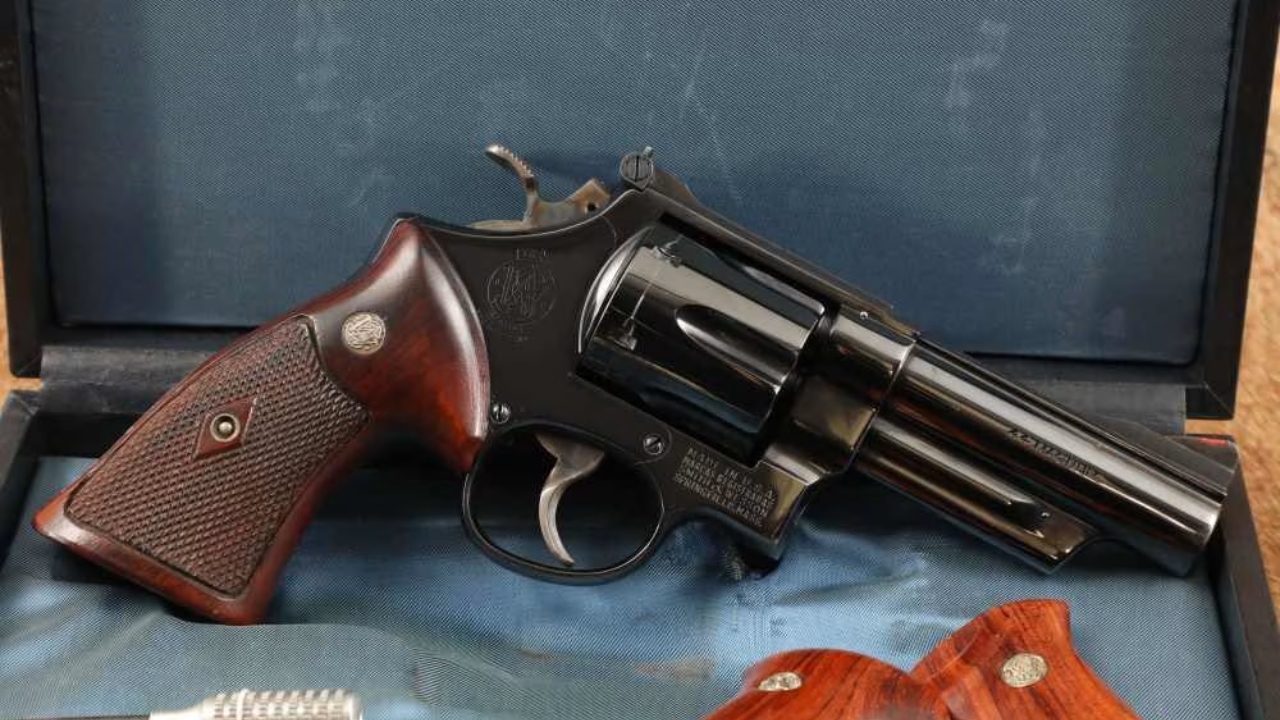
The Model 29 is one of those revolvers that people think they’re tired of hearing about—until a nice one shows up and they suddenly remember why it matters. Collectors keep buying them because it’s an icon, and the demand for icons doesn’t disappear. A clean Model 29 has a presence, and it represents an era when big-bore revolvers were built with real pride.
Today’s prices reflect that, especially for older examples in strong condition. The key is avoiding guns that have been heavily modified, over-polished, or beat up with hot loads. Collectors want correct markings, correct features for the era, and a revolver that still feels tight. A good Model 29 is more than a nostalgia piece—it’s a revolver that still shoots well and still gets snapped up when it’s clean.
Smith & Wesson Model 19

The Model 19 stays on collector radar because it represents the classic “carryable .357” idea better than most. It’s a K-frame that feels lively in the hand, points naturally, and still has that old Smith smoothness when you find one that hasn’t been abused. Collectors keep buying because it’s a revolver you can actually enjoy without feeling like you’re handling a fragile museum piece.
Prices have climbed because clean examples are disappearing. Many Model 19s were working guns, and plenty saw hard use. That means a clean one with good finish and a tight action draws buyers fast. It’s also a revolver with broad appeal—collectors want it, shooters want it, and people who grew up around them want one back. When demand comes from that many directions, the price doesn’t scare everyone off.
Smith & Wesson Model 66

The Model 66 is essentially the stainless answer to everything people love about the Model 19, and collectors keep buying them for the same reason: it’s practical, classic, and still a joy to shoot. Stainless guns also tend to survive a little better cosmetically, which means you can actually find clean examples that don’t look like they lived under a truck seat for twenty years.
At today’s prices, a nice Model 66 still moves because it’s a revolver you can own without babying too much. Collectors look for correct configuration, clean finish, and a revolver that hasn’t been “tuned” into something questionable. The 66 also sits in a sweet spot where it feels usable and collectible at the same time. When you see one that’s clean and tight, it’s easy to understand why people keep paying up.
Smith & Wesson Model 10

The Model 10 is proof that “common” doesn’t mean “easy to find clean.” Collectors keep buying them because it’s one of the most important American revolvers ever made, and because a clean, correct example still feels like a serious piece of work. It’s a revolver with deep law enforcement roots, and it has that classic K-frame handling that makes it easy to shoot well.
Prices have climbed mainly because people finally noticed how many were carried hard and worn out. A clean Model 10 with strong finish and a crisp action isn’t as common as people assume. Collectors also like that it’s approachable—still attainable compared to flashier models, but clearly getting scarcer in top condition. If you want a revolver that represents real history and still shoots like it should, the Model 10 keeps getting bought.
Ruger Security-Six

The Ruger Security-Six keeps getting bought because it’s one of those revolvers that feels like it could survive being used as a boat anchor. Collectors like it because it represents Ruger’s earlier double-action era, and shooters like it because it’s tough, practical, and still enjoyable at the range. That blend keeps the demand steady.
At today’s prices, clean Security-Sixes move because people have learned not to wait for bargains that may never show up again. Many were carried and used hard, so the nicer ones stand out fast. Collectors look for clean finish, good timing, and a revolver that hasn’t been neglected. It’s also a model that still makes sense if you want to actually shoot it. Paying real money hurts less when you know the gun will last and won’t require delicate handling.
Ruger GP100 (early examples)

The Ruger GP100 is already a classic in its own right, and collectors keep buying early examples because the model has become a benchmark for rugged double-action revolvers. It’s not a delicate collector piece—it’s a revolver people trust. That reputation creates demand that doesn’t disappear, even when prices climb.
Early GP100s in clean condition draw buyers because they’re easy to own. You’re not tiptoeing around them, and you’re not worried that a little range time is going to destroy value. Collectors still care about condition and originality, but the GP100 market is also driven by shooters who want a great example of a proven platform. When you see a clean one that hasn’t been abused, it’s the kind of revolver you can buy with confidence and enjoy without second-guessing the decision.
Ruger Blackhawk (three-screw)

The three-screw Ruger Blackhawk keeps getting bought because it represents a specific era of Ruger craftsmanship that collectors care about, and because it’s still a revolver you can actually use. The appeal is part history, part feel. A clean three-screw has a look and a mechanical character that later guns don’t replicate exactly, and collectors like owning that piece of Ruger’s story.
At modern prices, condition and correctness matter. Collectors pay attention to whether the gun is intact, unaltered, and still presents like a proper three-screw. The Blackhawk also has broad appeal because single-actions aren’t only about collecting—they’re about shooting and hunting too. That means demand isn’t limited to safe queens. When a clean three-screw shows up, it draws both collectors and shooters, and that’s why people keep paying up.
Ruger Redhawk

The Ruger Redhawk isn’t bought because it’s pretty. It’s bought because it’s a serious revolver that has earned a reputation for strength and durability. Collectors keep buying them because they represent a high point of Ruger’s big-bore double-action lineage, and because clean examples still have a loyal following among people who actually shoot heavy revolvers.
Prices have climbed, but the Redhawk remains attractive because it’s a revolver you can own without fear. It’s not fragile, it’s not finicky, and it’s not dependent on hype. Collectors still prefer clean finish and correct configuration, but the real draw is that it’s a proven workhorse. When you pay modern money, you want confidence that the revolver will stay tight and keep running. A Redhawk gives you that, which is why people still buy them.
Dan Wesson Model 15
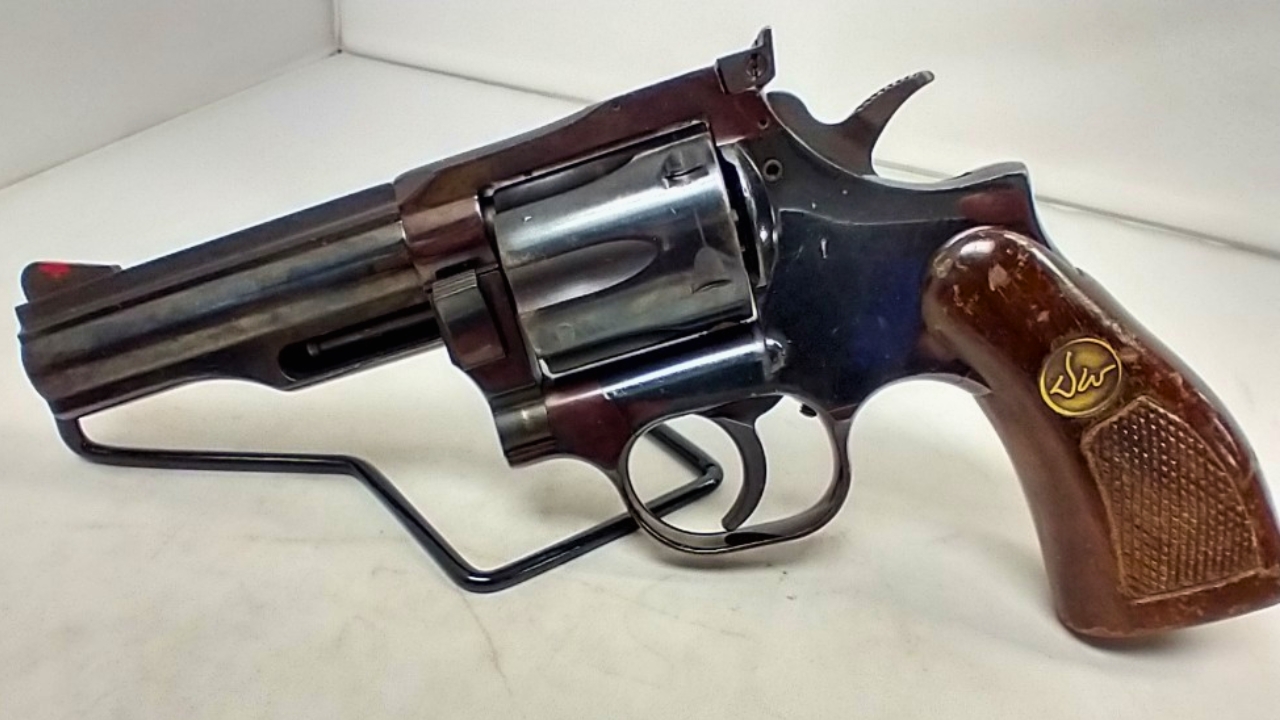
The Dan Wesson Model 15 keeps getting bought because collectors who know revolvers respect what it is: a serious .357 platform with a loyal following and a reputation for accuracy. It isn’t as common in shop cases as the big Smith & Wesson names, which adds to the “buy it when you see it” feeling when a clean one appears.
At today’s prices, the draw is that you’re often getting a lot of revolver for the money, especially in clean condition. Collectors care about completeness and originality, and they want examples that haven’t been beat up or pieced together. The Model 15 also appeals to shooters, which helps the market stay healthy. When a revolver has collector demand and shooter demand at the same time, it stays liquid. That’s why clean Dan Wessons keep selling.
Manurhin MR73

The Manurhin MR73 is one of those revolvers that serious collectors keep buying because the quality is difficult to argue with. It’s built to a standard that feels different the moment you cycle the action, and it carries a reputation tied to hard use and precision. That reputation keeps demand high, even when the price tag makes you swallow hard.
At current prices, the MR73 is a “buy once, cry once” revolver for people who care about mechanical excellence. Collectors want clean examples, correct markings, and revolvers that haven’t been abused. The MR73 also stays desirable because it’s not something you see every day in most shops. When one shows up in strong condition, collectors know there may not be another local chance for a long time. That scarcity, paired with real quality, is why people keep paying.
Colt Trooper (older production)
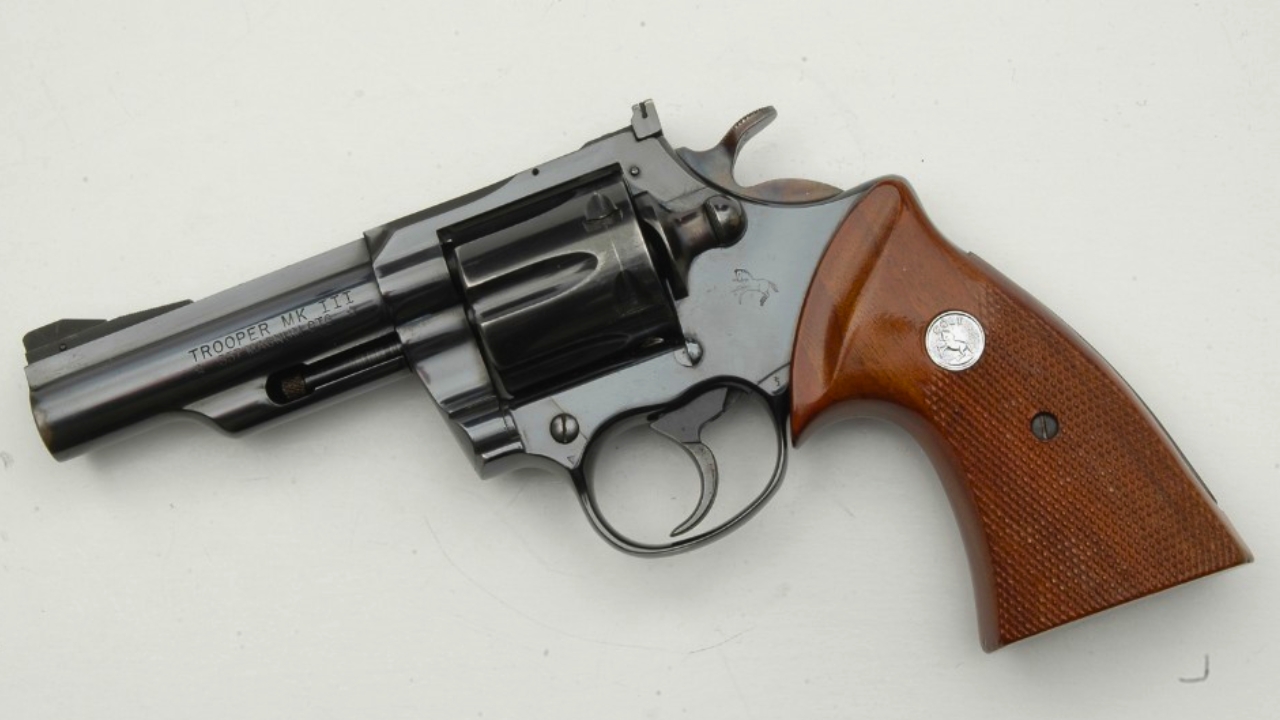
Older Colt Troopers keep getting bought because they’re a way into classic Colt double-action quality without Python money—at least in relative terms. Collectors like them because they still have that Colt feel, and because clean examples are getting harder to find as years of use and neglect take their toll.
At today’s prices, the Trooper makes sense to collectors who want an honest Colt that hasn’t been overhyped into the stratosphere. Condition still drives everything. Troopers were often working guns, so a clean one with good finish, correct parts, and tight lockup gets attention fast. It’s also a revolver you can still shoot and enjoy without feeling like you’re burning money every time you pull the trigger. That practical side keeps buyers interested, even when prices are higher than they used to be.
Like The Avid Outdoorsman’s content? Be sure to follow us.
Here’s more from us:


