Photo credit: Guns & Ammo/Youtube
Some rifles look like a smart purchase right up until the owner starts living with them. The price seems right, the specs sound good, the caliber makes sense, and the online photos look convincing. Then the rifle comes home and the little problems start stacking up.
Maybe the stock feels cheap. Maybe the trigger is rough. Maybe the rifle is too light to shoot comfortably or too heavy to carry happily. Maybe it groups fine once, then refuses to repeat it. Not every disappointing rifle is terrible, but some let owners down faster than expected.
Remington 770
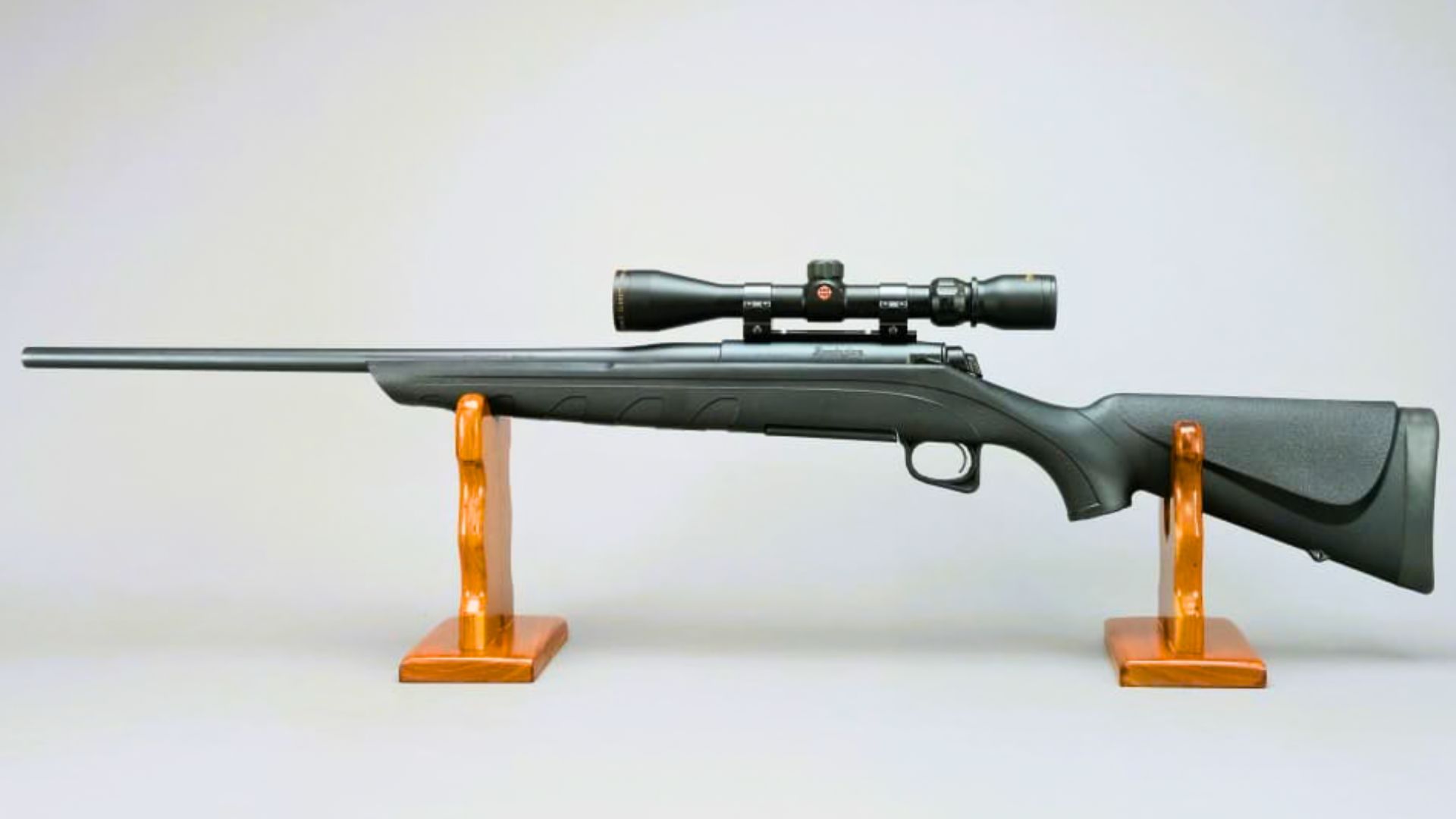
The Remington 770 has frustrated a lot of buyers because it carried the Remington name without delivering the feel many hunters expected from it. On the shelf, it looked like an affordable way to get into a scoped hunting rifle package. For someone wanting a budget deer rifle, that sounded appealing.
The disappointment usually came from the overall feel. The bolt could feel rough, the stock felt cheap, and the rifle lacked the confidence people associated with the better-known Remington 700. Some examples shot acceptably for basic hunting, but the whole package often felt like a cost-cutting exercise. A budget rifle can be plain and still earn trust. The 770 disappointed because too many owners felt like they had bought the name more than the quality.
Mossberg ATR
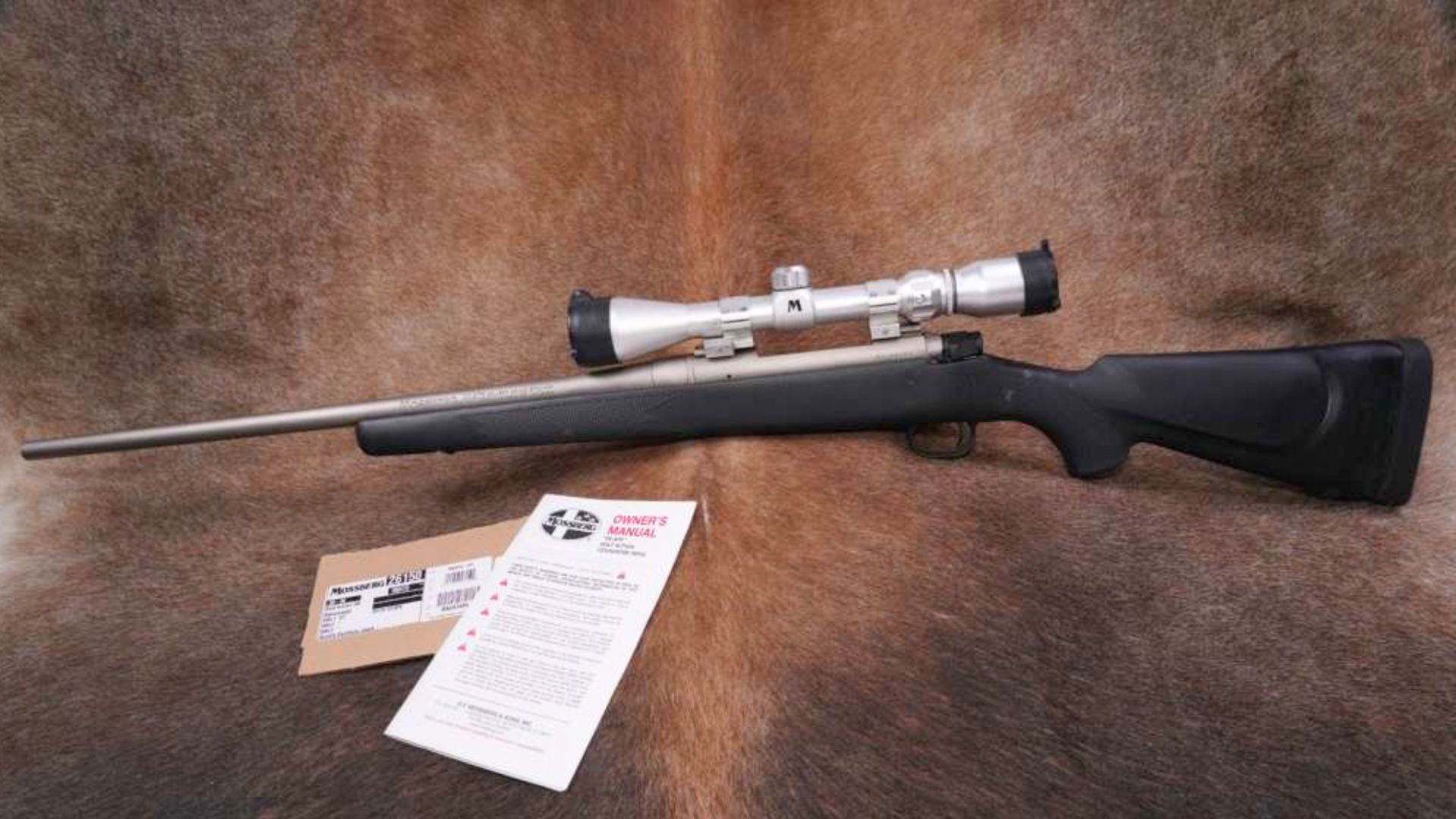
The Mossberg ATR looked like a sensible budget bolt-action rifle when it showed up. It gave hunters an affordable centerfire option from a company many already trusted for shotguns. At first, that seemed like a good formula: basic hunting rifle, reasonable price, familiar name.
But plenty of owners found the rifle less satisfying once they used it. The stock, fit, finish, and overall refinement felt rough compared with stronger budget rifles that came later. Some rifles shot fine, but the platform never built the kind of trust that makes hunters excited to keep one long term. The ATR wasn’t necessarily useless, but it often felt like a rifle people bought before better low-cost options became common.
Savage Axis
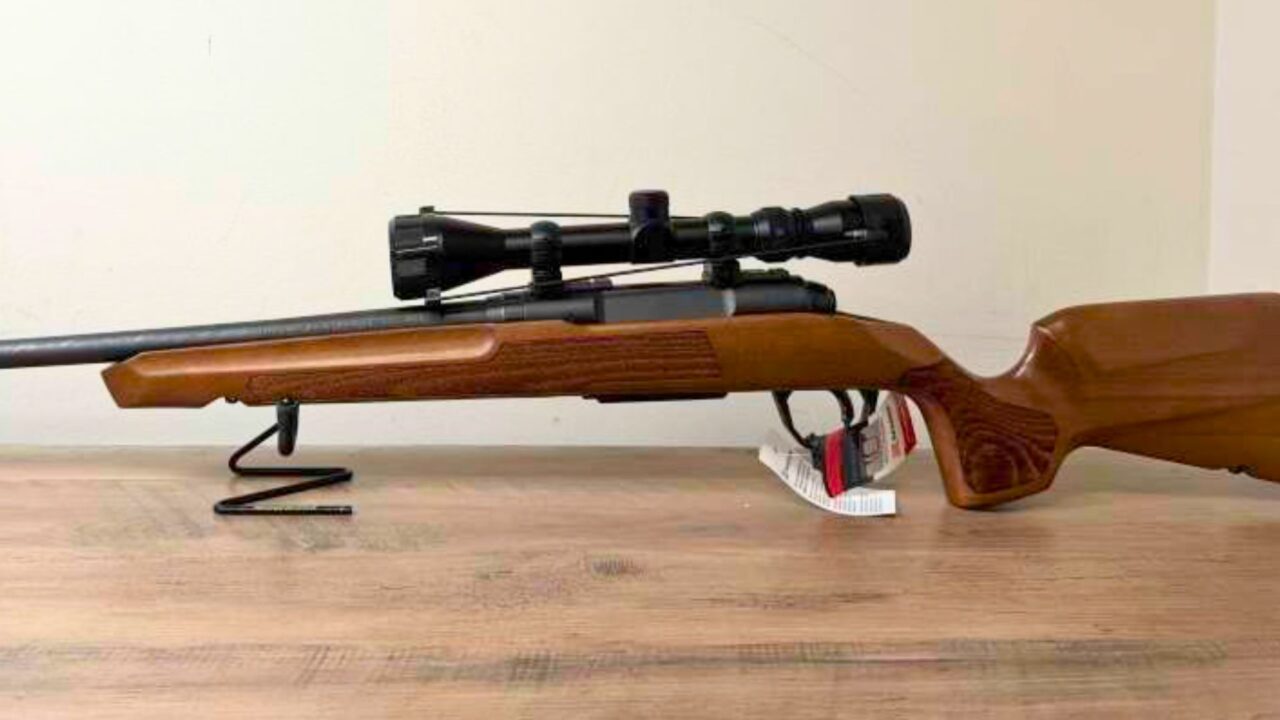
The original Savage Axis can disappoint quickly if the buyer expects the full Savage 110 experience at a bargain price. It was built to be affordable, and it looks and feels that way. The accuracy could surprise people, but the rest of the rifle often reminded owners where the savings came from.
The biggest letdown for many shooters was the basic stock and, on early versions, the lack of the AccuTrigger. A rifle can shoot well and still feel cheap every time it is handled. Later Axis II models improved the formula with the AccuTrigger, but the original Axis could leave owners wishing they had spent slightly more. It is not a bad concept. It just proved that low price can come with tradeoffs you notice immediately.
Remington 710

The Remington 710 had the same basic problem as the 770: it looked like an affordable Remington hunting package, but many owners expected more from the name. It was marketed as a budget rifle, often sold with a scope, and aimed at hunters who wanted a simple path into deer season.
The disappointment came from its rough action, inexpensive feel, and lack of long-term pride. It did not have the aftermarket support, smoothness, or reputation of the Model 700, yet casual buyers often saw “Remington” and hoped for more. Some 710s worked well enough in the field, but “well enough” is not always satisfying. A rifle that feels disappointing before it even gets sighted in can make a buyer wish they had saved for something better.
Rossi Wizard
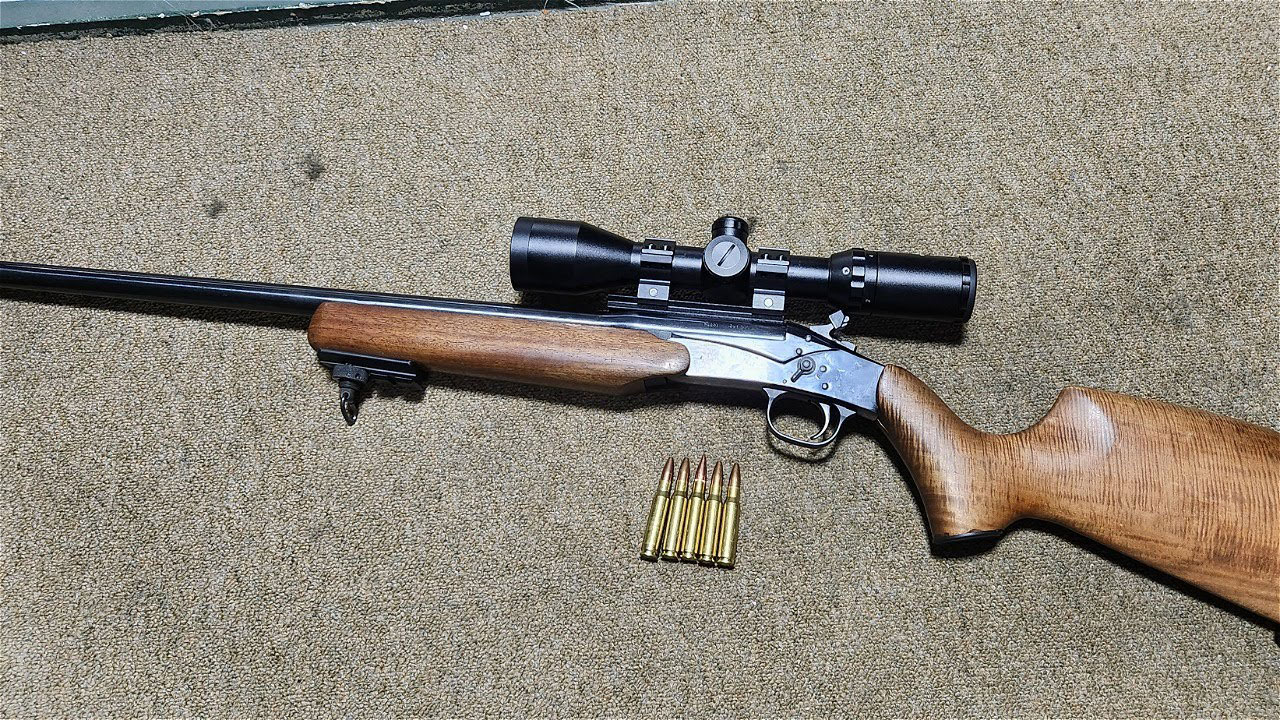
The Rossi Wizard sounded clever on paper. A single-shot rifle with interchangeable barrels gives the buyer flexibility, at least in theory. One receiver, multiple calibers, and a simple break-action design can seem like a practical way to cover several roles without buying several rifles.
In reality, switch-barrel systems only work if the execution inspires confidence. The Wizard often disappointed because fit, accuracy consistency, trigger feel, and overall quality did not always match the promise. A rifle that can become many things is only useful if it does each thing well enough. Many buyers would rather own one solid, dedicated rifle than a flexible system that feels rough. The Wizard looked versatile, but versatility without confidence gets old fast.
CVA Scout in Heavy Recoiling Calibers

The CVA Scout can be a good rifle in the right chambering, but some buyers get disappointed fast when they choose a heavy recoiling caliber in a light, simple break-action platform. A compact single-shot sounds handy, affordable, and rugged. That part is true.
The problem is recoil and shootability. A light rifle in a hard-kicking caliber can be unpleasant enough that the owner dreads practice. That makes sight-in sessions rough and field confidence weaker. The Scout itself is not the villain here; it often makes sense in moderate chamberings or straight-wall hunting rounds. But buyers who jump into something too stout can quickly realize that “light and powerful” sometimes means “not fun enough to shoot well.”
Ruger American Ranch in Hard-Kicking Straight-Wall Loads
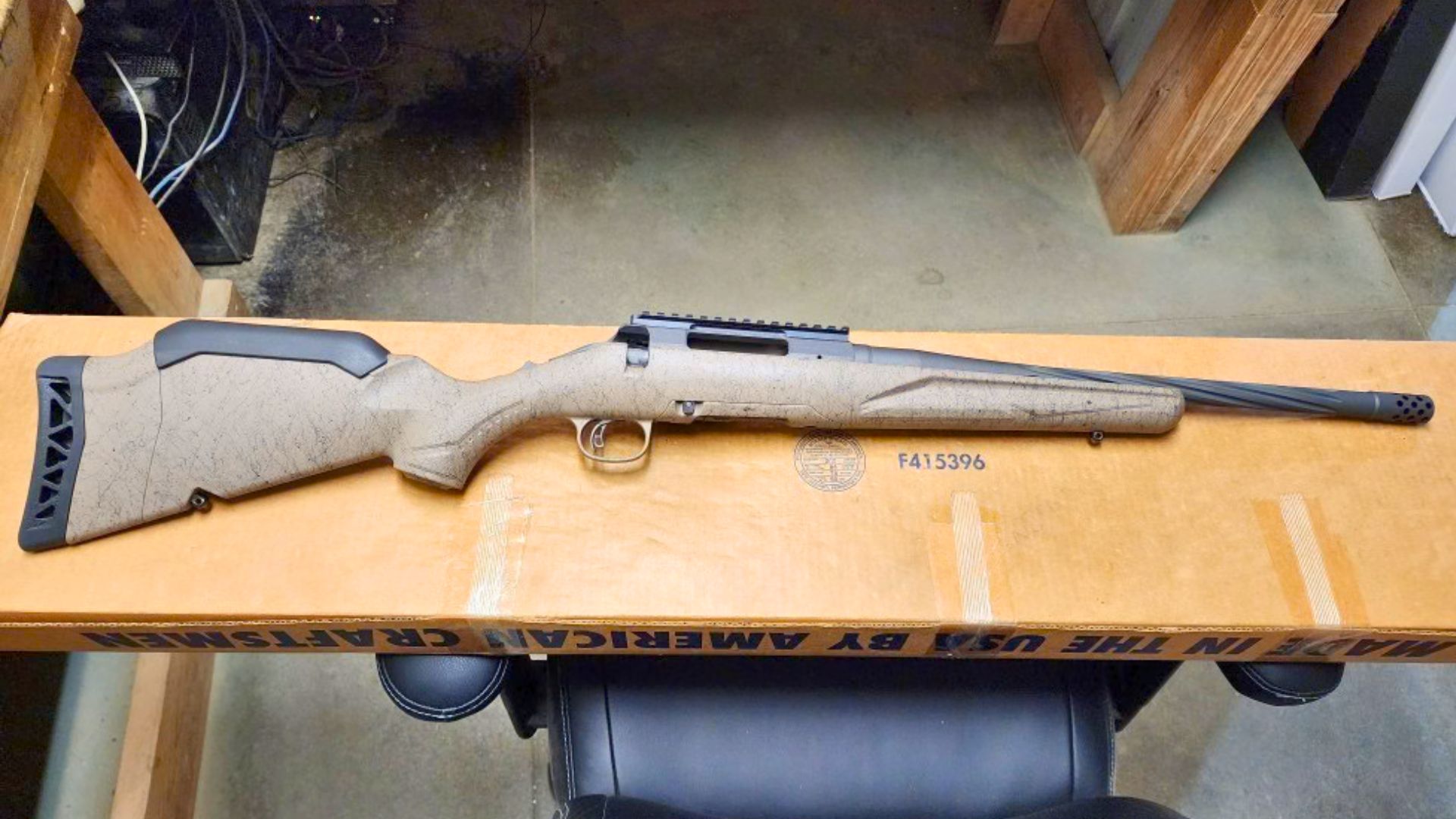
The Ruger American Ranch is a useful rifle, but certain chamberings can disappoint buyers who underestimate recoil in a light, compact package. Cartridges like .450 Bushmaster can be very effective where legal, but they can also kick harder than new owners expect when fired from a lightweight rifle.
The rifle is handy, affordable, and practical, which is why people like it. But short, light rifles chambered for thumping straight-wall cartridges are not always pleasant range companions. Owners may love the concept for deer season and dislike the sight-in process. That doesn’t make the rifle bad. It means buyers need to be honest about recoil tolerance. A gun can be effective and still disappoint if nobody wants to practice with it.
KelTec SU-16
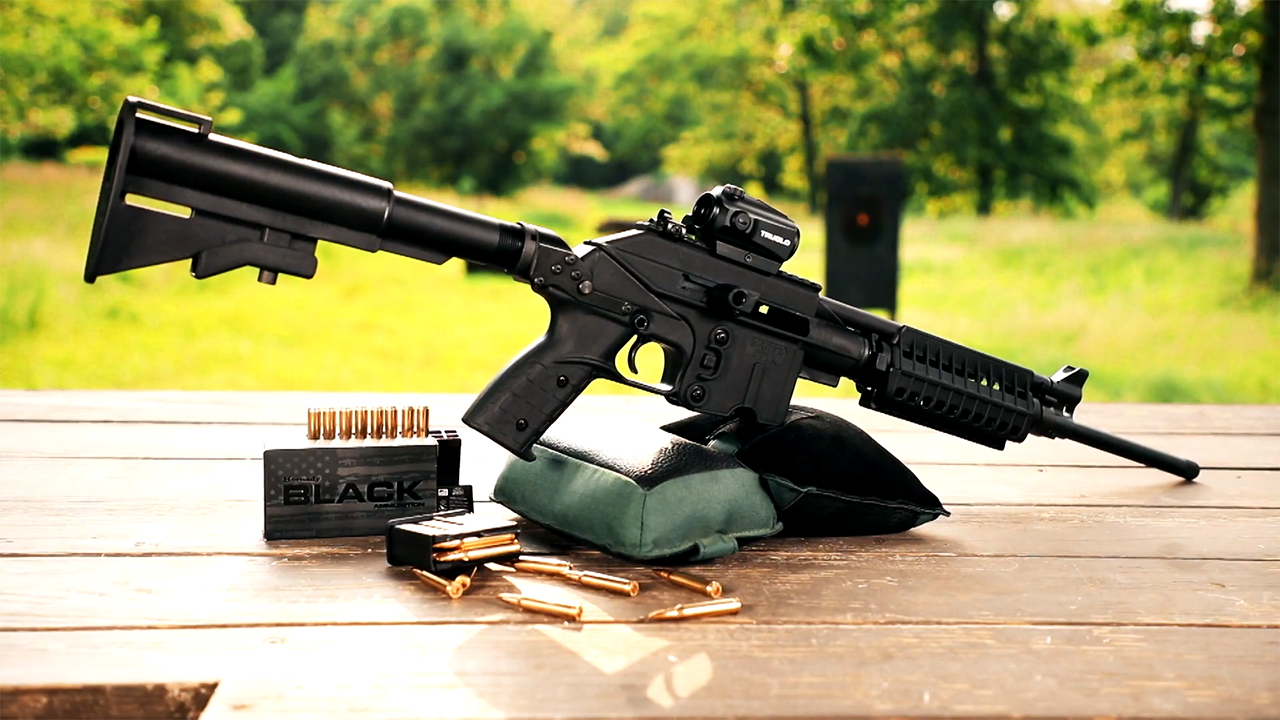
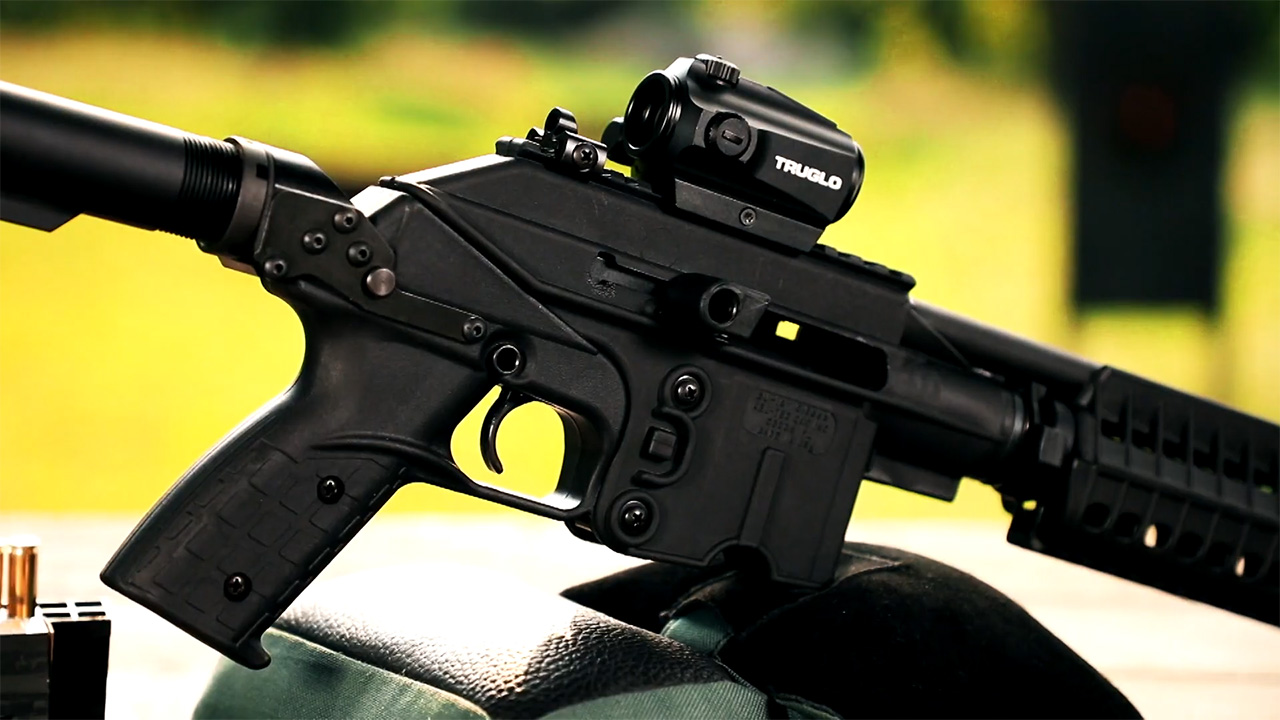
The KelTec SU-16 has always had an interesting idea behind it. A lightweight, folding-friendly .223 rifle that takes AR magazines sounds useful for storage, travel, and general utility. On paper, it looks like a smart alternative to a traditional AR-15.
The disappointment often comes from feel and expectations. The SU-16 is very light, but that can make it feel less solid than buyers hope. The polymer-heavy build, unusual design, and heat or durability concerns under heavier use can make it feel more like a niche utility rifle than a do-everything carbine. Some owners appreciate it for what it is. Others quickly realize they would rather have a basic AR-15 with better support, sturdier feel, and broader upgrade options.
Winchester Wildcat
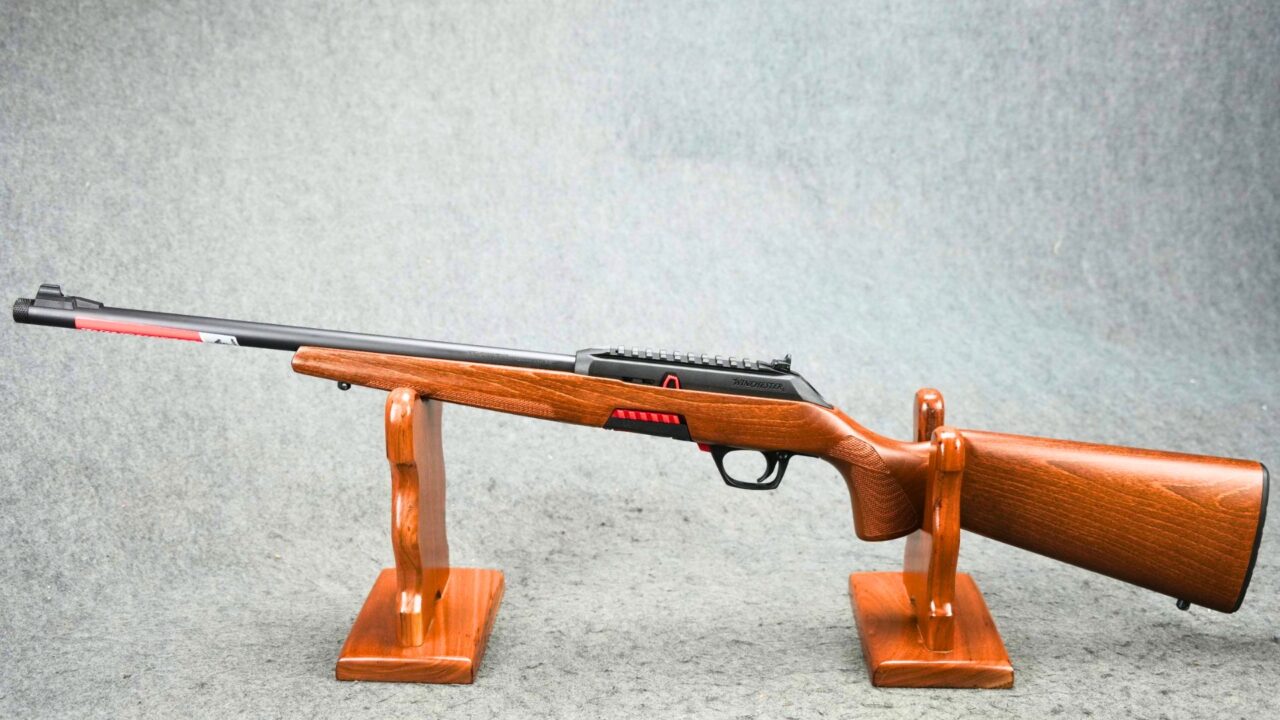
The Winchester Wildcat can disappoint buyers who expect it to feel like a modern upgrade to every basic semi-auto .22. It has clever features, including easy takedown and controls that feel more current than older rimfires. At first glance, it looks like a smart little plinker.
The issue is that many shooters compare every semi-auto .22 to the Ruger 10/22, and that is a hard fight to win. The Wildcat is light and handy, but it doesn’t have the same massive aftermarket, long-term familiarity, or proven ownership culture. Some people like it, especially for easy cleaning. Others get it home and wonder why they didn’t just buy the rimfire with endless parts, magazines, and support. Clever features don’t always beat a trusted standard.
Chiappa Little Badger
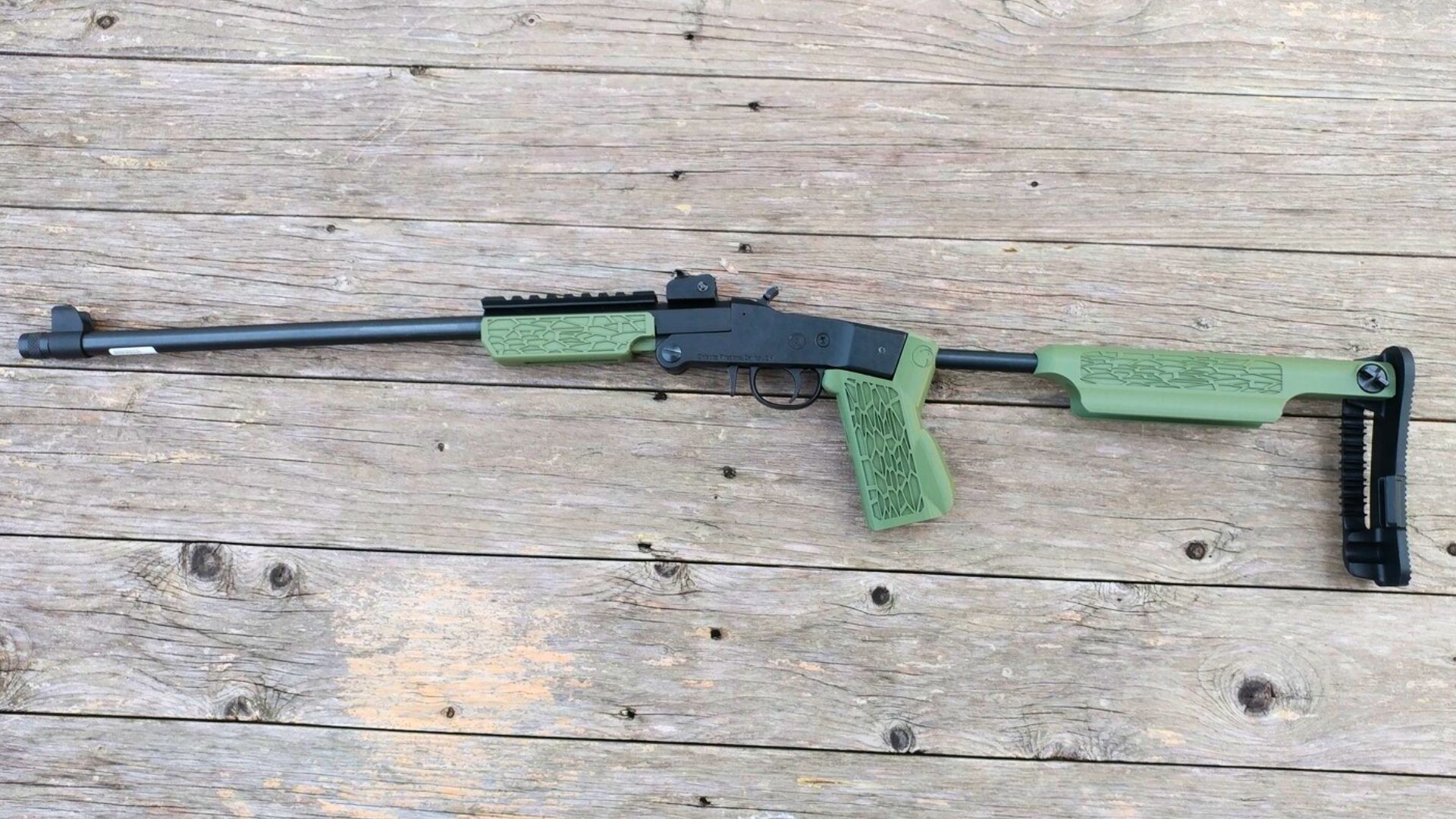
The Chiappa Little Badger is one of those rifles that can disappoint because it looks cooler in concept than it feels in regular use. A lightweight, folding, minimalist survival rifle sounds like a brilliant thing to keep around. It is compact, unusual, and inexpensive enough to tempt people who like utility guns.
Then the owner starts actually shooting it. The skeletonized feel, basic sights, limited comfort, and single-shot operation can make it less enjoyable than expected. It is not trying to be a full-featured rifle, and that should be understood. But many buyers discover they would rather carry a more comfortable .22 that shoots better and feels less like an emergency tool. The Little Badger is interesting. Interesting does not always mean satisfying.
Henry AR-7 Survival Rifle
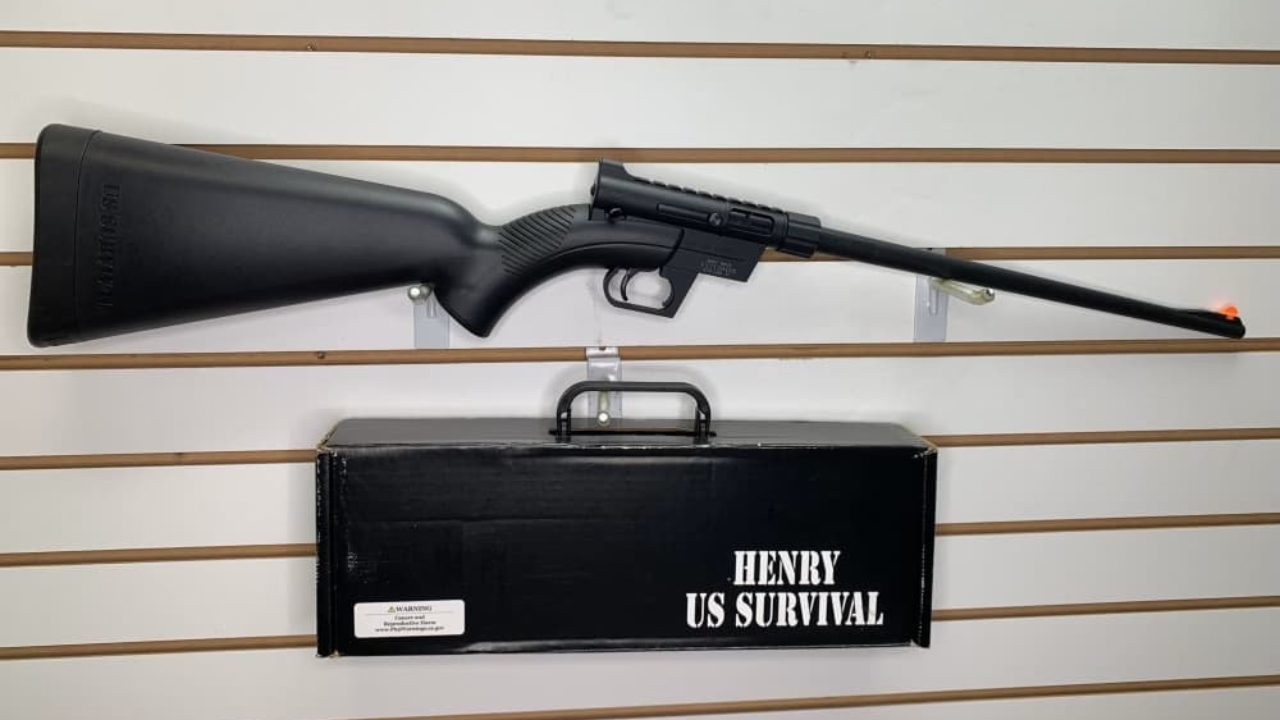
The Henry AR-7 Survival Rifle has a famous concept: a lightweight .22 that stores inside its own stock and floats. That sounds incredibly useful, especially for campers, boaters, and people who like compact emergency gear. The idea sells itself.
The experience can be more mixed. The AR-7 is not as comfortable, refined, or accurate-feeling as a normal .22 rifle. Its stock shape, sights, and overall handling remind owners that the storage feature is the main point. Some people love it exactly for that niche. Others expect a general-purpose rimfire and end up disappointed quickly. A survival rifle can be clever and still not be the one someone wants to shoot on a normal Saturday.
Century Arms C308
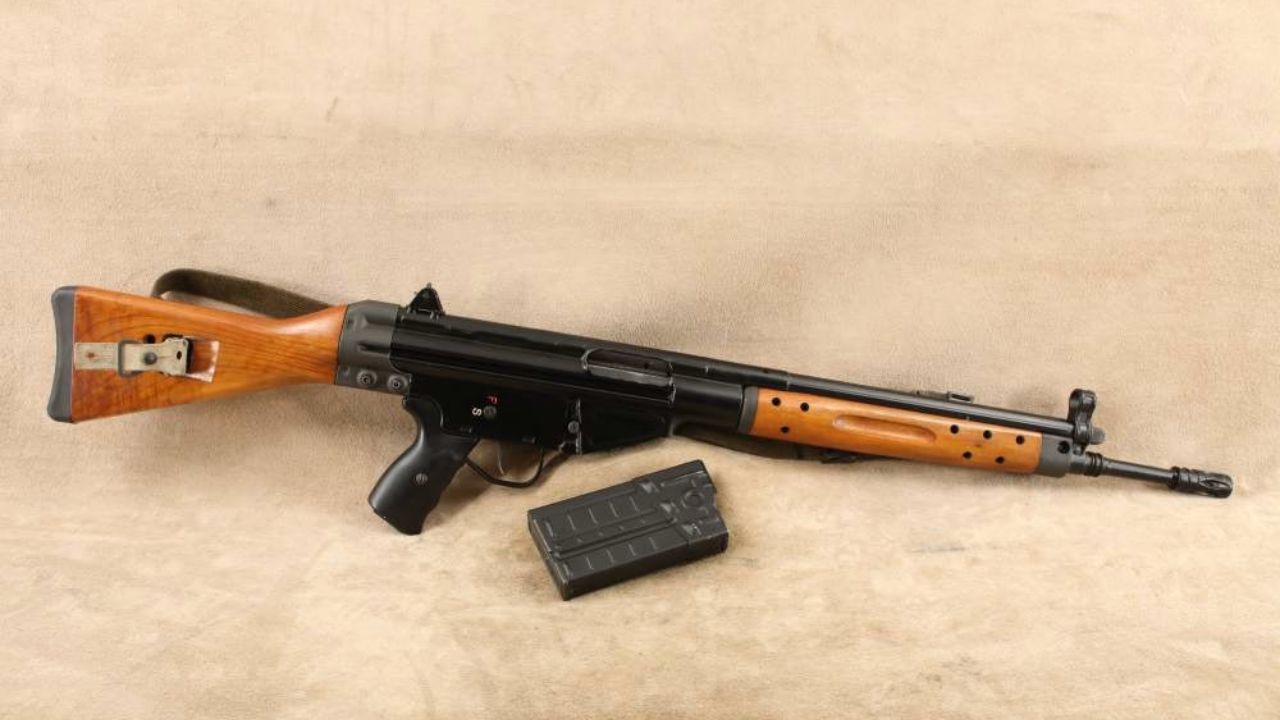
The Century Arms C308 attracted buyers because it offered a .308 battle-rifle style at a price below many alternatives. Roller-delayed rifles have a cool factor, and the idea of getting into that world affordably was tempting. The first impression could be strong.
The disappointment often came from roughness, weight, recoil impulse, and mixed confidence in build quality depending on the individual rifle. These rifles can be loud, heavy, and hard on brass, which surprises people used to softer-shooting modern rifles. Some owners enjoy them as range pieces, but others quickly realize that cool factor does not always translate into a rifle they want to shoot often. A bargain battle rifle can lose its charm when the practical downsides show up.
DPMS Oracle

The DPMS Oracle was a common entry-level AR-15 that pulled in buyers with price and availability. For someone buying a first AR, it seemed like a simple way to get into the platform without spending much money. That made it appealing, especially during times when buyers just wanted whatever was available.
The disappointment came when owners compared it to better-built ARs. The basic furniture, lack of refinement, and entry-level parts could make it feel like a rifle someone would upgrade immediately. That doesn’t mean every Oracle failed at the range. Many worked fine for casual shooting. But when a rifle feels like a list of future replacements right out of the box, the original savings start looking less impressive. Some buyers would have been happier saving for a better setup from the start.
Remington 783

The Remington 783 is not the disaster some critics make it out to be, but it can disappoint buyers who expect old Remington magic at a budget price. It was built as an affordable hunting rifle, and in some cases it shoots well enough for that job. The trouble is emotional expectation.
The 783 doesn’t feel like a Model 700, and buyers who wanted that experience for less money may feel let down. The stock, finish, and overall handling are practical but not inspiring. It competes in a crowded budget-rifle field where rifles like the Ruger American, Savage Axis II, and others often feel more compelling to buyers. The 783 can work, but “works” may not be enough when the owner hoped for pride of ownership too.
Lightweight Magnum Mountain Rifles
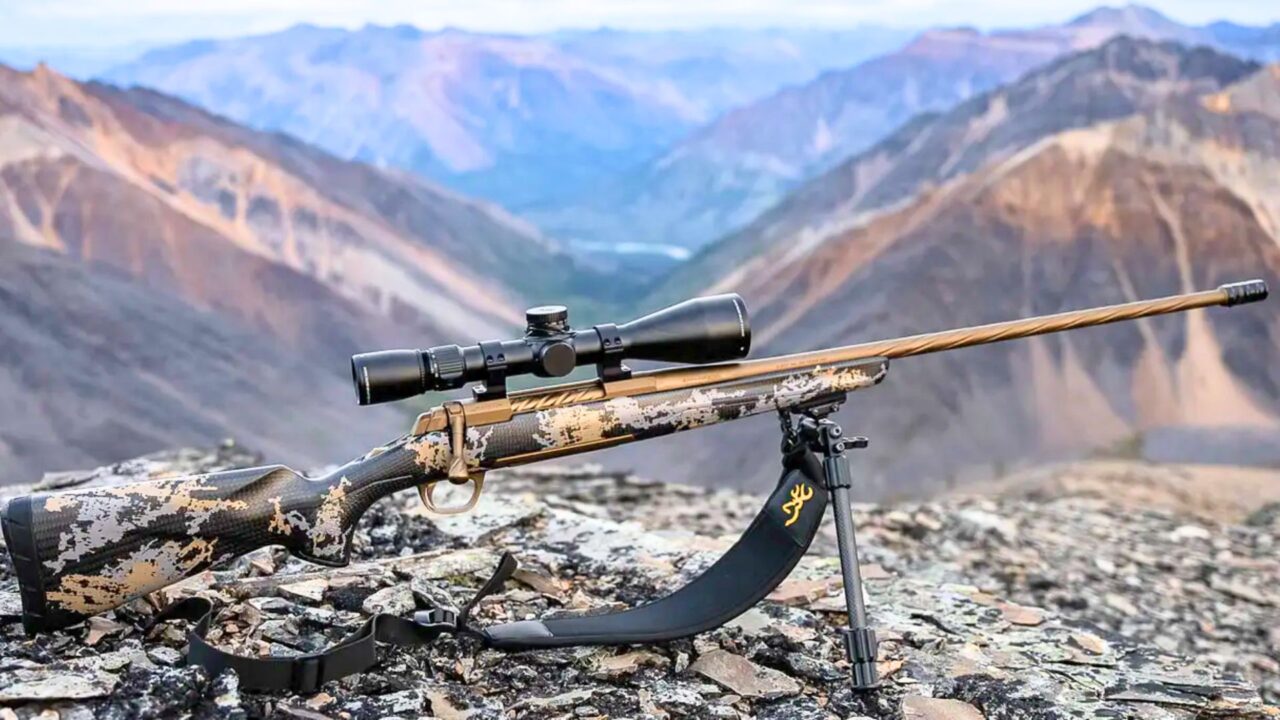
Lightweight magnum mountain rifles can disappoint faster than almost anything because the idea is so seductive. A rifle that is easy to carry and chambered for a powerful flat-shooting cartridge sounds perfect for serious hunting. On paper, it looks like getting everything at once.
At the bench, reality gets loud. A very light rifle in a hard-kicking magnum can be punishing, difficult to shoot well, and unpleasant enough that the owner avoids practice. The rifle may be excellent in expert hands, and the weight savings may matter in steep country. But for many hunters, the recoil tradeoff is bigger than expected. A rifle that is easy to carry but hard to shoot can disappoint before it ever reaches the mountain.
Like The Avid Outdoorsman’s content? Subscribe to our newsletter so you never miss an article.
Here’s more from us: