Photo credit: The Avid Outdoorsman
Fence lines have a way of turning grown men into surveyors, lawyers, and sometimes hotheads. One minute you’re trying to keep cattle where they belong and protect a food plot you’ve babied all summer, and the next you’re staring at a neighbor who swears the line is ten feet the other direction.
In this case, a simmering property dispute finally boiled over in the worst possible way: a gunshot. Nobody got hit, but the sound carried across a quiet rural stretch, and within minutes it pulled law enforcement into a situation that was already messy. By the end of the night, one person was in cuffs—and it wasn’t the person who fired the round.
The fence line fight had been building for weeks
The disagreement started like these things usually do: a fence that didn’t match somebody’s memory. One homeowner had recently cleared brush along the line and set new T-posts, claiming the old fence had wandered over time. The other side insisted the “new” posts were inside their side of the property.
It wasn’t just about pride. One side used the back acreage for deer hunting and didn’t want a neighbor moving the line closer to a well-used stand location and a trail that led to a small creek. The other side said the “hunting trail” was really a shortcut that had become an excuse for trespass.
After a couple tense conversations, the back-and-forth moved to texts, then to yelling over the fence. That’s when it stopped being a civil disagreement and started becoming a safety issue.
A warning shot turned a property argument into a gun call
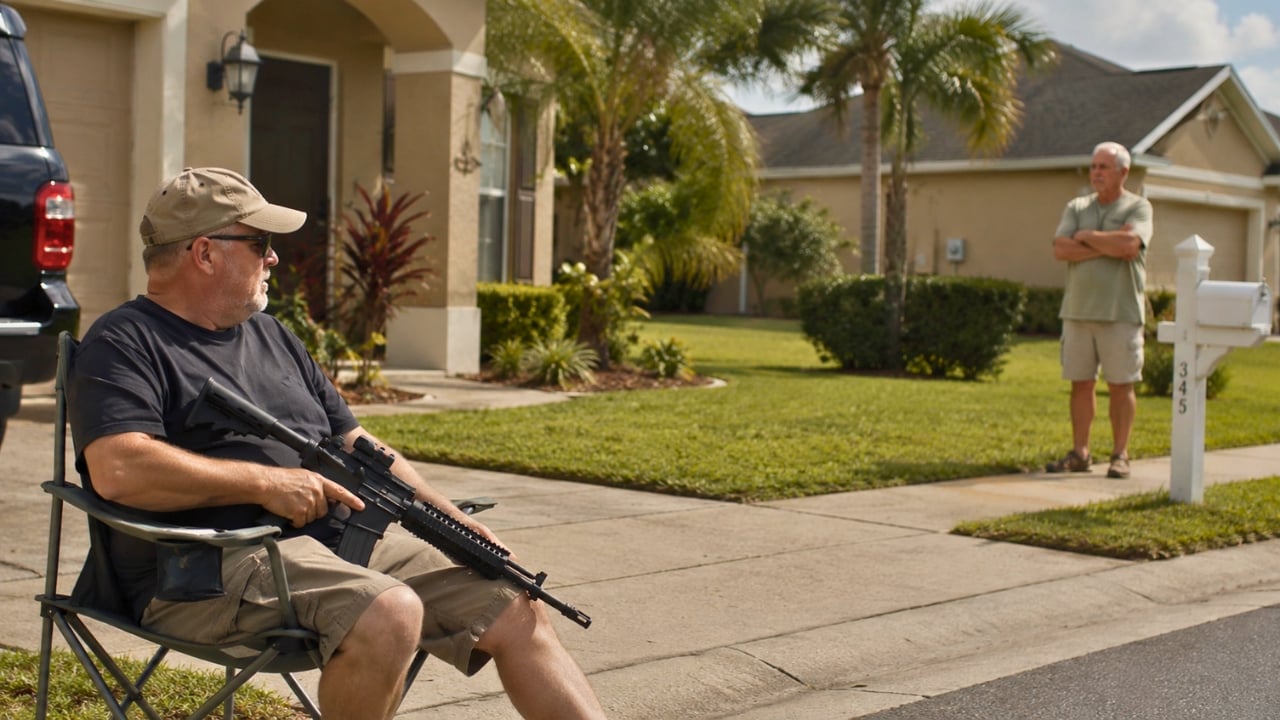
On the day everything went sideways, the two neighbors met again at the fence—one on each side, close enough to hear every word. One of them was there to pull posts and reset wire. The other showed up angry and carried a handgun on his hip, which is common in the country but changes the temperature of any conversation.
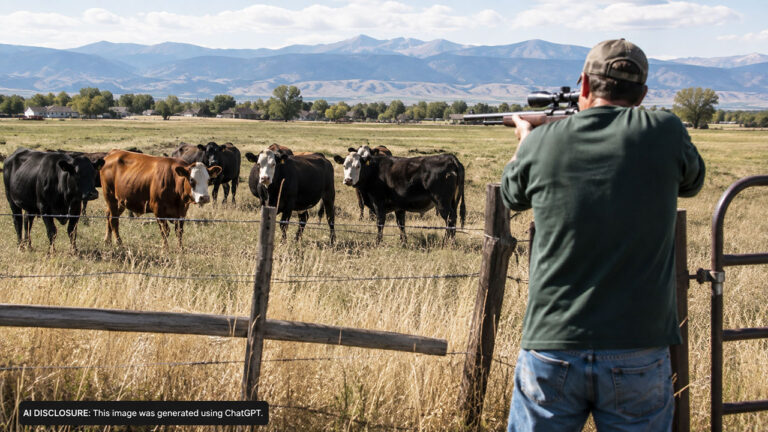
The story that made it into the 911 call was that the armed neighbor fired a “warning shot” into the air to make the other person back away. The other side said it wasn’t into the air at all, but over the fence line in their direction. Either way, it was a round sent off during an argument, with no clear backstop, and that’s how you go from “fence dispute” to “possible aggravated assault” in about three seconds.
In rural areas, a gunshot doesn’t just bring deputies. It brings attention from every direction—other neighbors, family members, and sometimes folks who have been quietly picking sides for months.
Conflicting stories and a fast response led to the wrong arrest
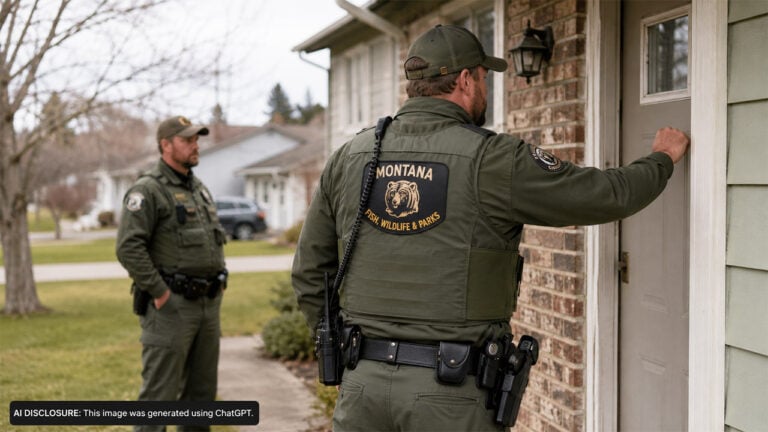
When officers arrived, they got two versions of the same moment. One neighbor said he was threatened and a round went past him. The other said he felt cornered on his own property and fired into a safe direction strictly to end the confrontation.
Then a complication: the person who fired was calm and had a clean story, while the other person was worked up and talking fast. That shouldn’t decide anything, but it happens. In the heat of a call, the person who seems more “reasonable” can look more credible, even when the facts aren’t settled.
To make it worse, both sides had supporters nearby. One had a family member who rushed over and started explaining things to officers before anyone had actually pinned down where everyone was standing. The other had a neighbor across the way who claimed he “heard it all” but didn’t actually see the shot.
Somewhere in that mess, police locked onto the wrong conclusion. Instead of taking the shooter into custody, they arrested the other party—reportedly for making threats or being the “aggressor,” depending on which statement you read. Later, once details started getting checked—where the shell casing was, where the muzzle could have been pointed, and who actually admitted to firing—the whole thing started to look backwards.
The physical evidence matters more than the loudest voice
Out in the real world, the truth of a gun call is usually sitting right there in the dirt. A casing location, a fresh divot, a fence staple knocked loose, a bullet mark in a tree—those things don’t care who was more convincing during a heated interview.
This is where warning shots are such a bad idea, even when someone thinks they’re being “safe.” A warning shot is still a shot, and gravity is undefeated. If it went up, it came down somewhere. If it went “into the ground,” that ground better be your own and better be a backstop that won’t skip a round into the neighbor’s pasture, house, or road.
And from a legal standpoint, a warning shot often gets treated like the use of force without the clear justification that self-defense typically requires. Many jurisdictions don’t look kindly on it. You may feel like you avoided shooting someone, but you still introduced deadly force into an argument. That’s a hard sell when the conflict started over wire and posts.
Once the dust settled, the wrong-person arrest became the second controversy. It’s one thing to make a tough call with limited information. It’s another when the shooter is known early, yet someone else takes the ride because the scene was chaotic and the statements were messy.
Folks focused on cameras, surveys, and “don’t talk yourself into trouble”
When outdoorsmen and rural landowners talk about these incidents, the advice gets blunt fast. The first thing that comes up is documentation: trail cameras on property corners, a clear survey, marked pins, and photos of existing fence conditions before anyone touches anything.
The second thing is communication—meaning fewer words, not more. On a gun call, people love to explain. They fill the air with “what ifs,” old history, and their side of the feud since 2019. That’s how you accidentally talk yourself into a charge that has nothing to do with the shot.
Another point that kept coming up was separation. If you feel yourself getting angry, back away. Go to the house. Call the sheriff’s office. Call a neutral third party. Once you’re at the fence line trading insults, you’re one bad decision away from a permanent problem.
Some folks also zeroed in on the idea that “it’s my land, I can do what I want.” That mindset is how warning shots happen. You can absolutely defend yourself, but you can’t use gunfire to win a boundary argument or to force compliance with your version of the property line.
What a smarter play could’ve looked like
There were off-ramps all along the way. The cleanest one would’ve been a survey and a temporary stand-down on fence work until both sides agreed where the line actually was. It’s not cheap, but it’s cheaper than bond money, lawyers, and a neighbor feud that ruins every fall season.
If one party truly believed the other was trespassing or moving a fence illegally, the right move is to document it and involve authorities before it turns into a face-to-face showdown. A couple photos of posts, a measurement from a known marker, and a calm call to the local office beats a confrontation every time.
And once a firearm enters the conversation, everything changes. If you’re carrying, your job is to keep it holstered and keep distance, not to “make a point.” If you think you’re in danger, you leave and call for help. If you can’t leave, you better be able to articulate why you couldn’t. A shot fired “to scare someone” is the kind of sentence that looks bad in any report.
Out in the country, we all want to handle things ourselves. But boundary disputes and gunfire don’t mix, and the aftermath proves it—especially when the first arrest doesn’t match what actually happened. The best way to avoid being the wrong person in handcuffs is to keep a cool head, get the line surveyed, document everything, and never turn a fence argument into a shooting situation.