Photo credit: Brownells, Inc./Youtube
Some rifles don’t earn much respect at the counter. They look plain, feel ordinary, or sit under bigger-name rifles with more history behind them. Then hunters start dragging them through real seasons, bad weather, rough rides, and long days, and the opinion starts changing.
Hard use has a way of sorting rifles out. The ones that keep zero, feed cleanly, shoot straight, and survive field abuse start earning a different kind of respect. These rifles didn’t need perfect lighting or fancy sales copy. They got more respected after hunters used them hard.
Howa 1500
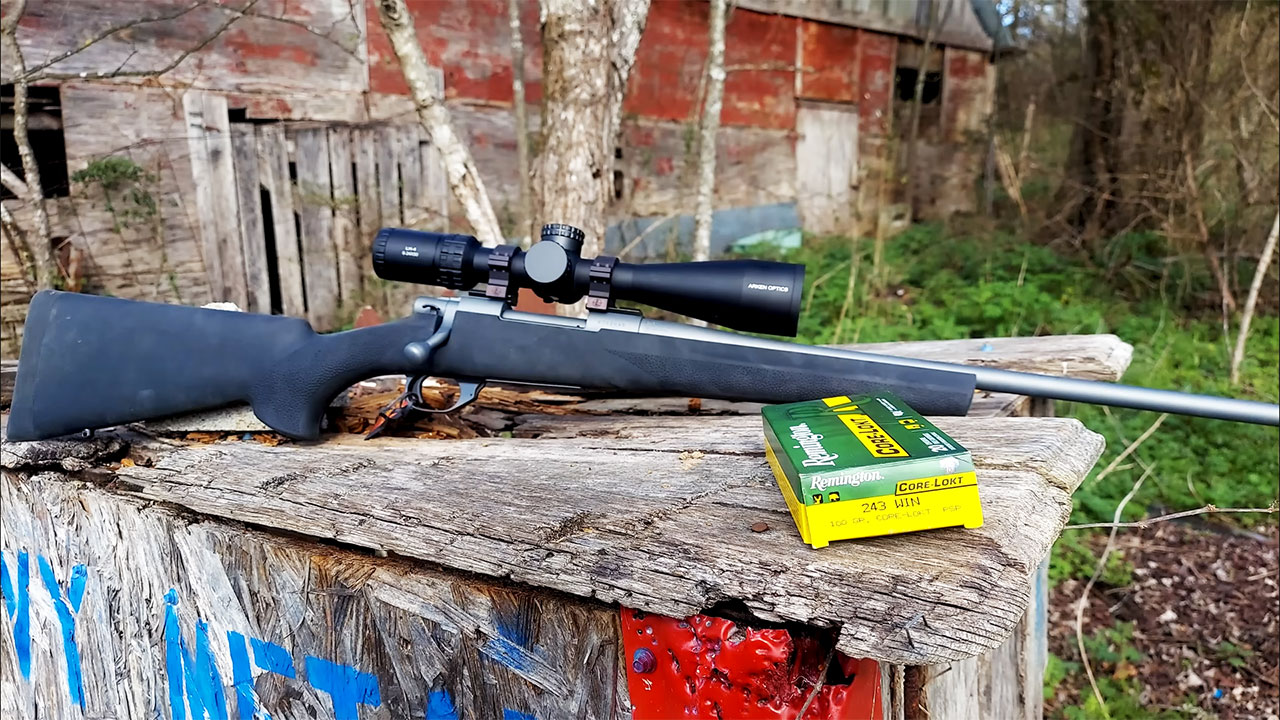
The Howa 1500 earned respect because hunters started realizing it was more than a budget-friendly alternative to the usual American names. It has a strong action, solid feel, and a reputation for accuracy that becomes harder to ignore once you’ve carried one through a few seasons.
What stands out under hard use is the rifle’s sturdiness. It doesn’t feel flimsy, and it doesn’t act like it was built only to hit a price point. The bolt, receiver, and barrel all give the impression of a rifle made for actual field work. A lot of hunters bought a Howa because the price made sense. They kept it because it shot well, handled weather, and proved it didn’t need a famous rollmark to be trusted.
Ruger American Predator

The Ruger American Predator looked plain enough that some hunters wrote it off early. The stock isn’t fancy, the finish is practical, and the rifle doesn’t have the old-school look that makes people sentimental. But hard use is where the Predator started gaining respect.
It’s accurate, affordable, threaded, and available in chamberings that make sense for deer, coyotes, hogs, and general field use. Hunters who actually put them to work found that the rifle shot better than expected and didn’t need much pampering. It may not feel like a premium rifle, but it does what a hunting rifle is supposed to do. After a few successful seasons, plain starts looking pretty smart.
Tikka T3x Lite Stainless

The Tikka T3x Lite Stainless already had fans, but hunters who used it hard made its reputation stronger. It carries easily, runs smoothly, and usually shoots factory ammunition well enough to make load chasing unnecessary. That combination gets appreciated more after long walks and rough weather.
The stainless version adds confidence when rain, snow, and damp mornings are part of the season. The synthetic stock may not feel romantic, but it handles abuse better than a pretty wood stock ever will. The bolt stays slick, the trigger stays clean, and the rifle keeps doing its job. Hard use doesn’t make the Tikka feel cheaper. It makes it feel more sensible.
Savage 110 Storm

The Savage 110 Storm is one of those rifles hunters respect more after the weather turns bad. Stainless steel, synthetic stock, AccuTrigger, and Savage’s accuracy reputation give it the kind of practical foundation that matters when conditions get ugly.
It’s not the rifle people buy to show off. It’s the rifle people buy because they want something that shoots well and doesn’t panic in the rain. The AccuFit stock system also helps hunters get a better fit, especially when heavy clothing changes how a rifle comes to the shoulder. After a few seasons of mud, cold, and wet stands, the Storm feels less like a plain rifle and more like a dependable tool.
Weatherby Vanguard Series 2
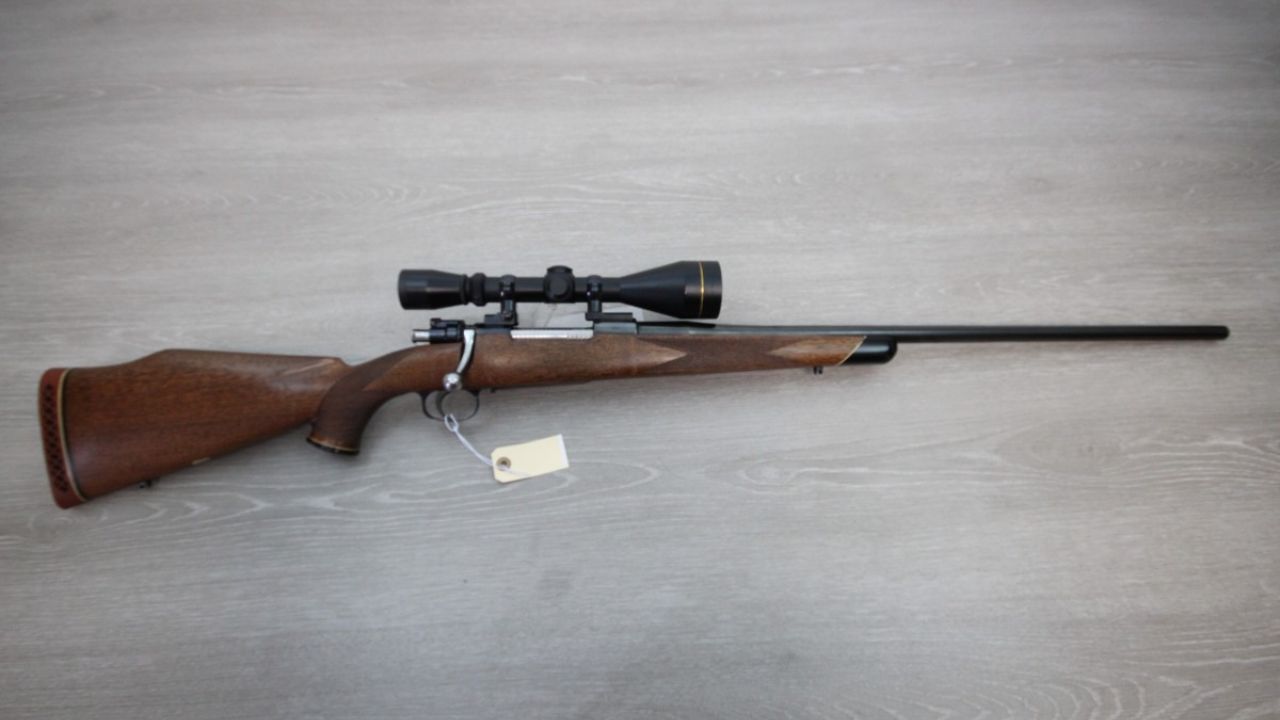
The Weatherby Vanguard Series 2 got more respected because it kept proving that the practical Weatherby was not a lesser rifle. Built on the Howa action, it has the strength and accuracy hunters need without Mark V pricing. That makes it easy to dismiss at first and hard to ignore later.
Hunters who use them hard tend to appreciate the weight and solid feel. It may not be the easiest rifle to carry up steep country all day, but it settles well and handles recoil with confidence. The Series 2 trigger improved the platform, and many rifles shoot very well with factory ammo. After field use, the Vanguard often feels like the smart buy instead of the budget compromise.
Bergara B-14 Ridge
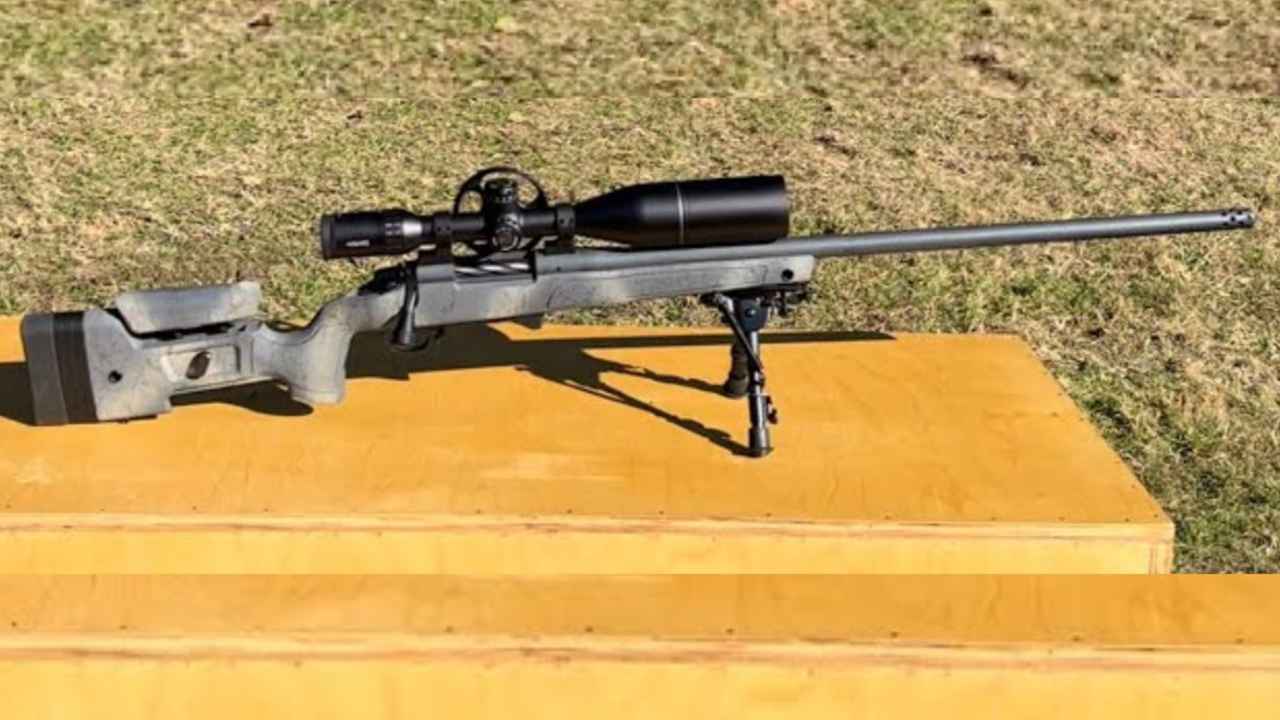
The Bergara B-14 Ridge earned more respect once hunters realized it wasn’t all barrel reputation and marketing. It has enough weight to shoot steadily, a practical synthetic stock, and a field-ready setup that works well from blinds, packs, shooting sticks, and longer-range hunting positions.
Hard use shows why the Ridge makes sense. It’s not trying to be an ultralight mountain rifle. It’s built for hunters who want accuracy and stability in a rifle they can still carry for normal hunts. The threaded barrel adds flexibility, and the Remington 700-style footprint gives owners plenty of support. After enough range time and hunting days, the Ridge starts feeling like one of the better factory rifle buys in its lane.
Mossberg Patriot Predator
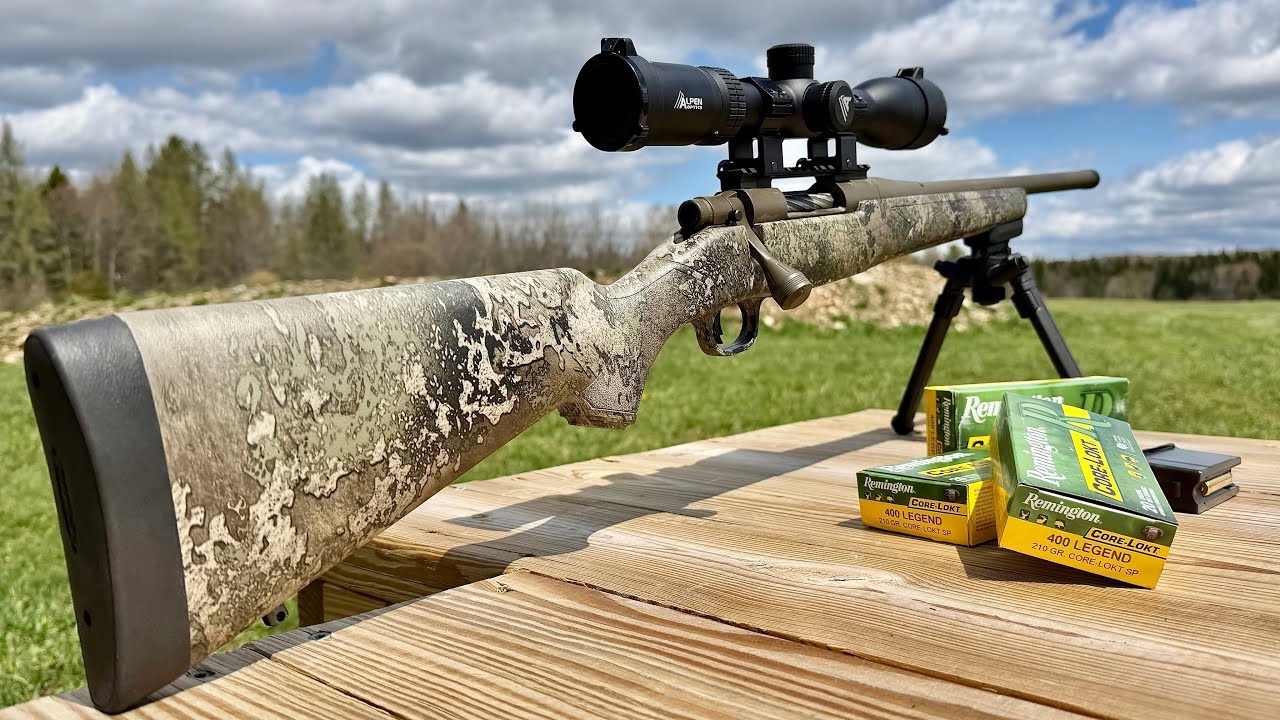
The Mossberg Patriot Predator had to overcome the fact that many hunters still think of Mossberg as a shotgun company first. But the Predator models earned respect by giving hunters useful features at a reasonable price: threaded barrels, practical chamberings, workable triggers, and enough accuracy for real field use.
Hunters who used them hard found that the rifle could handle coyotes, deer, hogs, and general property work without pretending to be fancy. It doesn’t have the slickest action or most refined stock, but it keeps proving useful. A rifle like this earns respect when it rides in the truck, gets carried through brush, gets scratched up, and still keeps putting bullets where they belong.
Winchester XPR
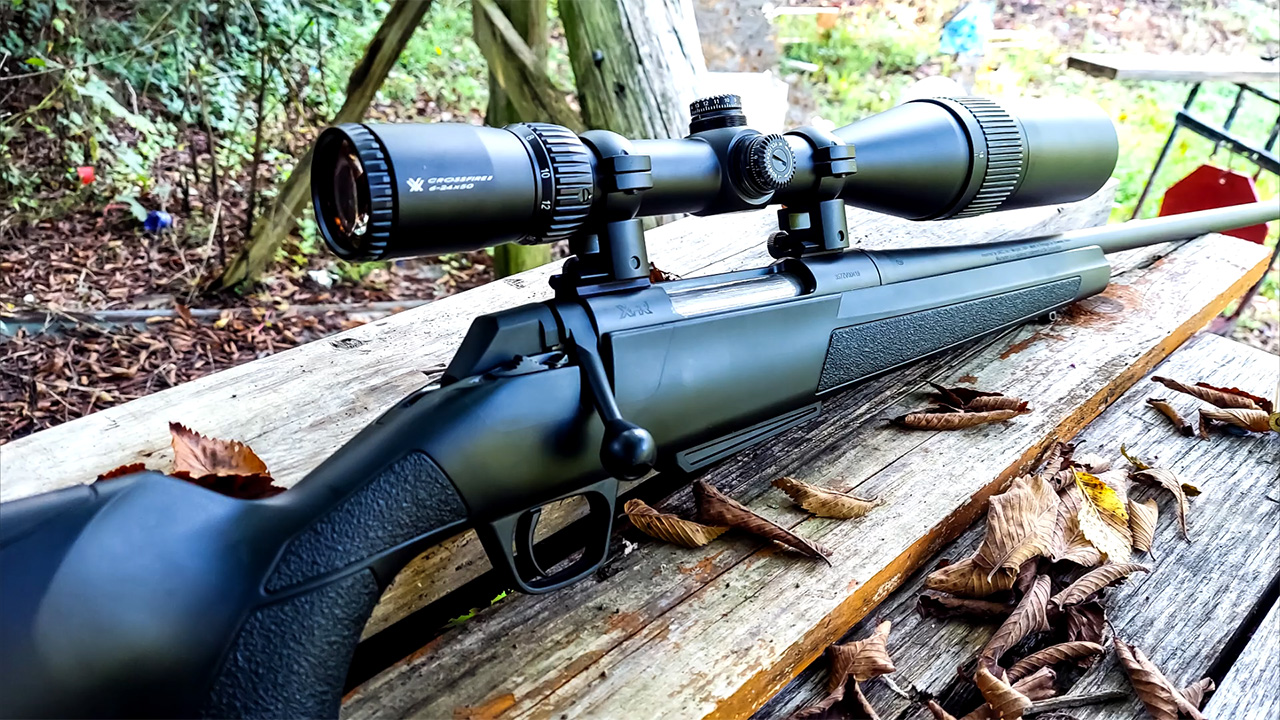
The Winchester XPR had a tough job from the start because it lives under the shadow of the Model 70. Some hunters dismissed it because it wasn’t the classic Winchester bolt gun they respected. Then people started actually hunting with it.
The XPR proved itself by being accurate, weather-ready in many versions, and affordable without feeling completely throwaway. The trigger is usable, the action is simple, and the rifle comes in enough hunting configurations to make sense for deer, elk, and general big-game use. It may not carry Model 70 romance, but hard use has helped hunters see it for what it is: a practical rifle that does the work.
CVA Cascade
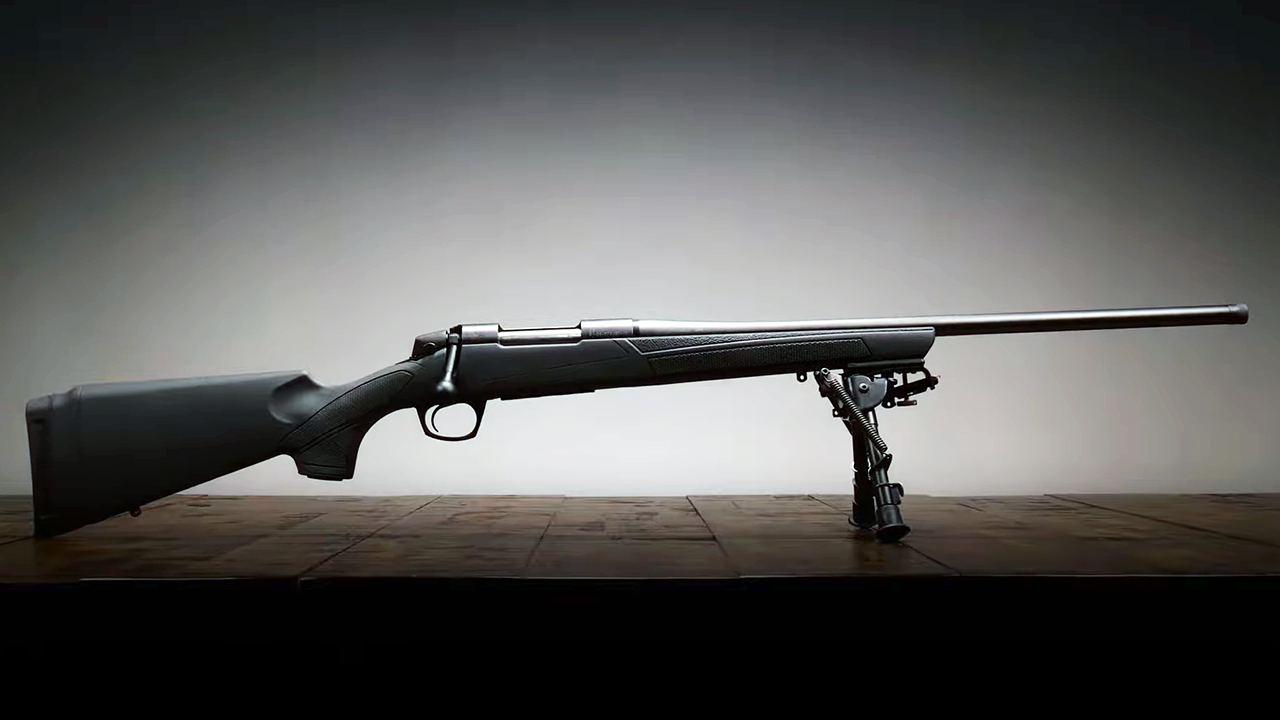
The CVA Cascade earned respect because it surprised people. CVA had a muzzleloader reputation, so plenty of hunters didn’t expect much when the company stepped into centerfire bolt-actions. The Cascade changed that conversation once hunters started using it.
The rifle offers a threaded barrel, decent trigger, practical stock design, and accuracy that often beats expectations for the price. It feels like CVA paid attention to what regular hunters wanted rather than just building another bargain rifle. After hard use, the Cascade’s value becomes clearer. It’s not a status rifle, but it handles real hunting needs well enough that more hunters started taking it seriously.
Ruger M77 Hawkeye All-Weather

The Ruger M77 Hawkeye All-Weather has always had the bones of a hard-use rifle, but hunters respect it more after they’ve carried it through rough conditions. Stainless construction, synthetic stock, controlled-round feed, and Ruger’s rugged feel all make it confidence-building in bad weather.
It isn’t the lightest rifle, and some hunters prefer slicker actions. But when the season turns wet, cold, or rough, the Hawkeye starts showing why it exists. It feeds with authority, handles field abuse, and doesn’t feel fragile. This is the kind of rifle that may not impress everyone at first, but earns respect the longer it gets used.
Kimber Hunter

The Kimber Hunter got more respected after hunters realized it gave them a lightweight controlled-round-feed rifle without climbing into the price of Kimber’s nicer models. It’s not a glossy heirloom rifle, but it was built around actual carry weight and field usefulness.
Hard use shows what the Hunter does well. It’s trim, easy to carry, and weather-resistant enough that hunters don’t have to baby it. Like most lightweight rifles, it demands good shooting form and can be less forgiving than a heavier gun. But for hunters who walk a lot, that tradeoff makes sense. After a few long days where heavier rifles would’ve worn them down, the Kimber Hunter starts earning quiet respect.
Mauser M18
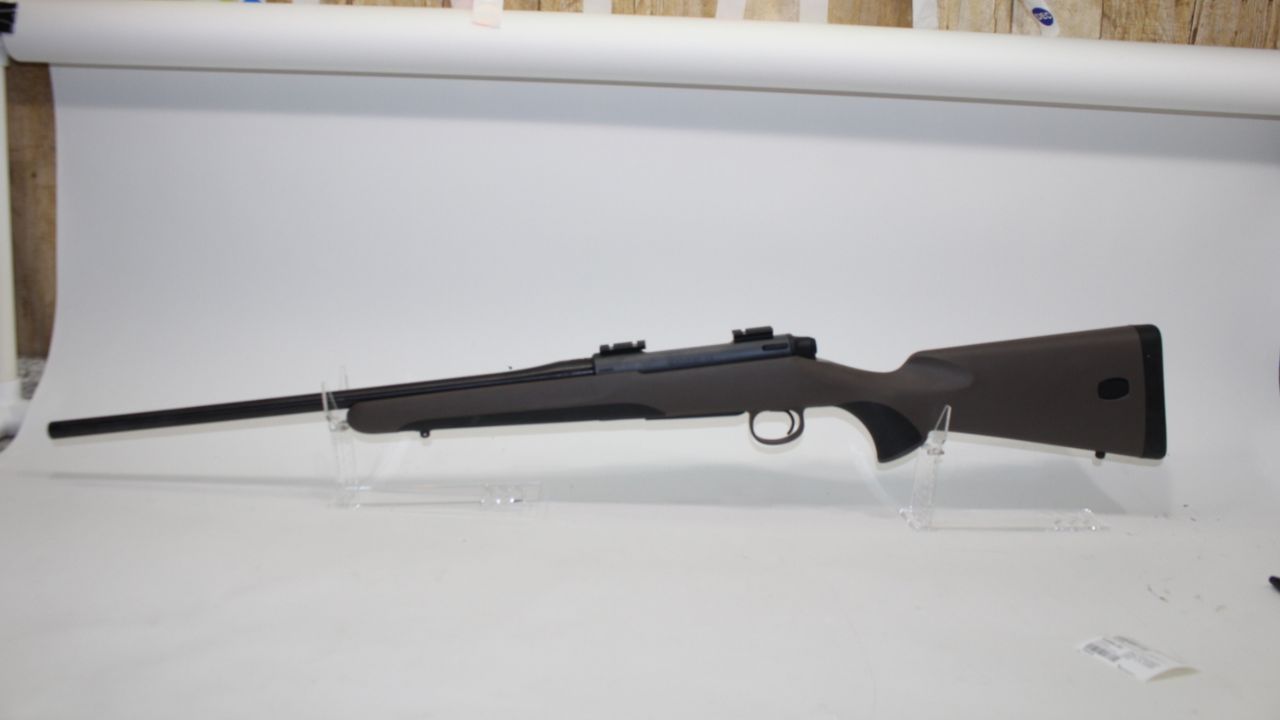
The Mauser M18 earned respect by being practical instead of leaning entirely on old Mauser nostalgia. It’s not a classic Mauser 98, and it doesn’t pretend to be. It’s a modern hunting rifle with a good trigger, useful stock design, and accuracy that has made plenty of hunters take it seriously.
Hard use helps the M18 make its case. The rifle feels more substantial than some cheaper options, but it stays approachable in price. It handles regular field conditions well and doesn’t feel like a fragile showpiece. Hunters who bought one expecting a simple working rifle often found that it delivered exactly that. Sometimes respect comes from a gun doing its job without making itself complicated.
Browning X-Bolt Hell’s Canyon Speed
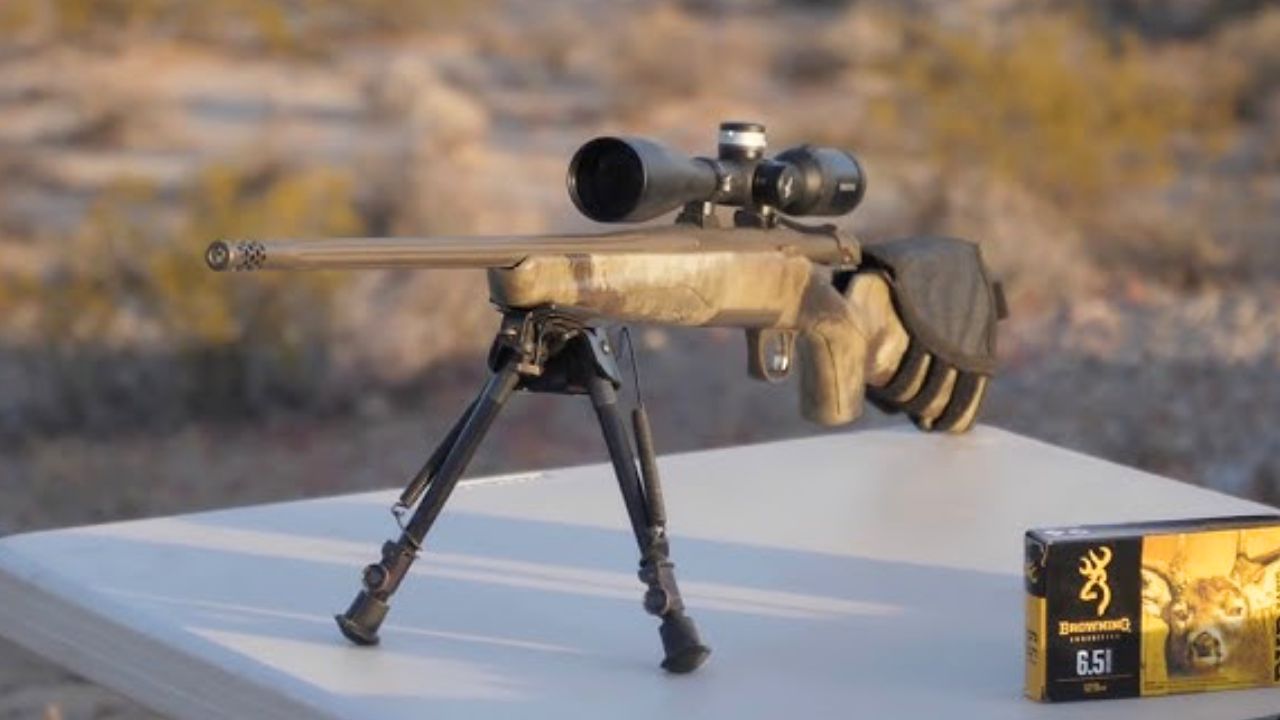
The Browning X-Bolt Hell’s Canyon Speed got more respected after hunters put its weather-ready features to work. Cerakote finish, lightweight stock, fluted barrel, smooth action, and a good trigger all sound nice online, but the rifle has to prove those features in real country.
For many hunters, it did. It carries well, resists rough weather, and shoots confidently enough for open country and mixed terrain. It doesn’t feel like Browning added features just for the catalog. The package actually works together. After hard seasons where the rifle gets wet, bumped, and carried through rough ground, the Hell’s Canyon Speed starts looking like a modern hunting rifle done right.
Savage Axis II
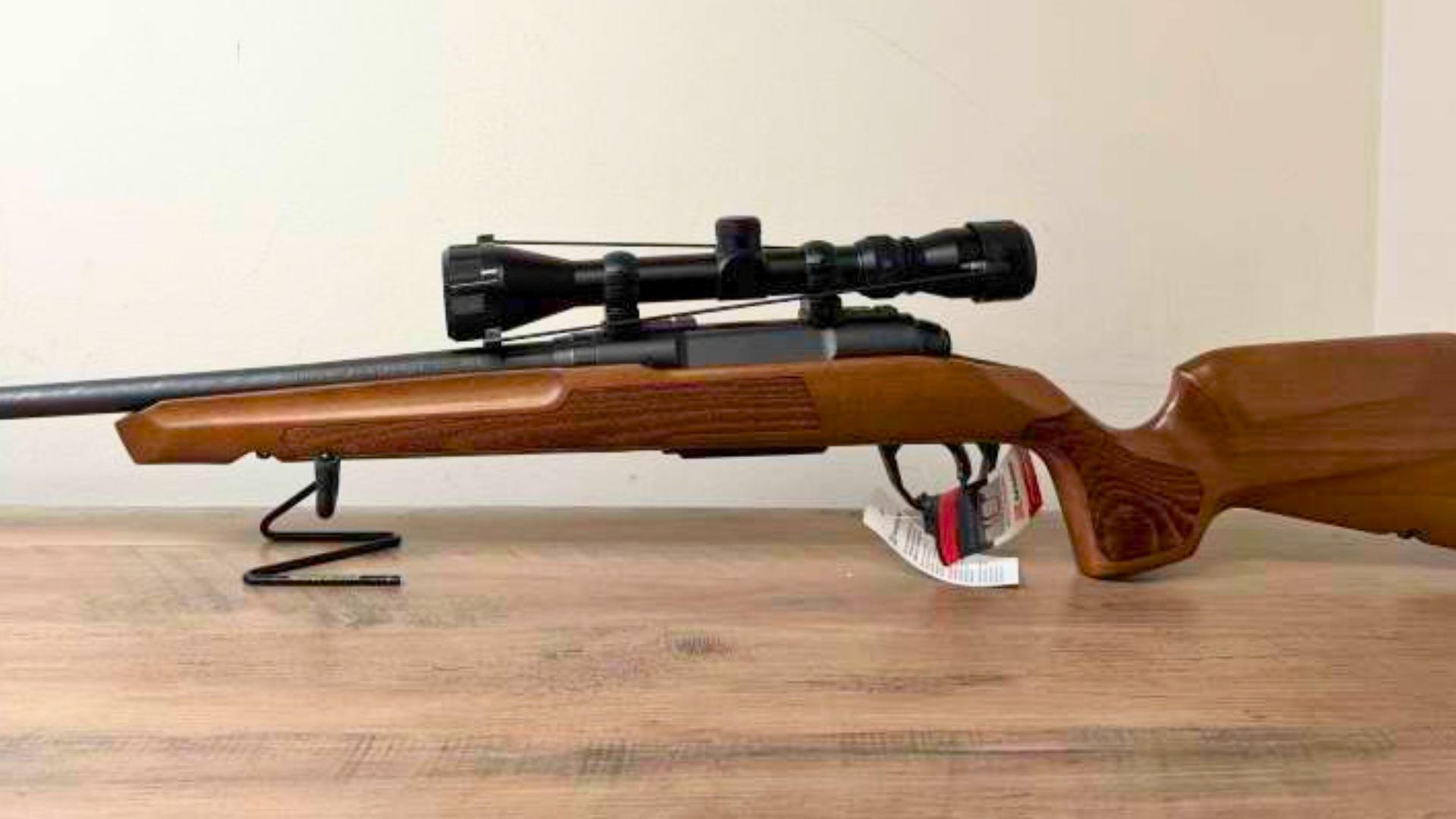
The Savage Axis II gained respect the hard way because a lot of hunters expected very little from it. The original Axis was about affordability first, and the rifle still looks plain. But adding the AccuTrigger made the Axis II a much easier rifle to shoot well.
Hard use revealed the simple truth: many of them shoot. The stock may feel budget, and the finish won’t impress anyone who loves polished walnut, but accuracy covers a lot of sins in a hunting rifle. Plenty of hunters bought one as a starter rifle, loaner, or backup and found themselves trusting it more than expected. A cheap rifle that keeps filling tags earns respect whether it looks fancy or not.
Henry Long Ranger
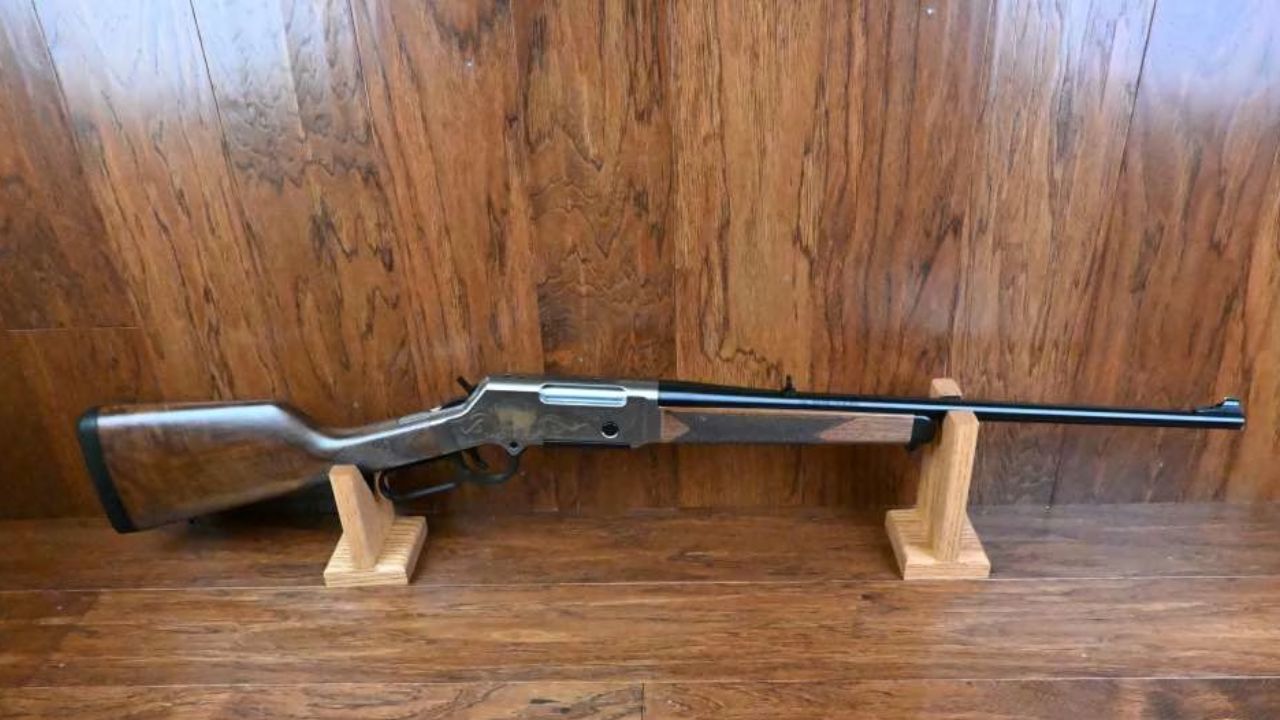
The Henry Long Ranger got more respected once hunters stopped judging it only as a novelty and started using it as a serious lever-action hunting rifle. It offers lever-gun handling with a geared action and detachable magazine, allowing pointed-bullet cartridges like .243 Winchester, .308 Winchester, and 6.5 Creedmoor.
That setup makes sense in real deer country. It gives hunters fast handling without limiting them to traditional tube-fed lever-gun ballistics. The Long Ranger isn’t trying to replace every bolt-action, but it fills a useful lane for people who like lever guns and want more reach. After real field use, it starts feeling less like a clever idea and more like a rifle with a real purpose.
Like The Avid Outdoorsman’s content? Subscribe to our newsletter so you never miss an article.
Here’s more from us: