

Photo credit: Acton Crawford/Unsplash.com
Drought doesn’t just “make deer thirsty.” It rewires their whole daily map. When natural water dries up and native browse loses moisture, deer stop spreading out and start funneling into the few places that still offer water and green groceries. That can mean irrigated pivots, alfalfa edges, creek bottoms that didn’t quit flowing, stock tanks, and—more and more—suburban landscaping. Research tracking mule deer shows that when the water content of plants drops low enough, deer will abandon natural habitat and shift toward irrigated croplands and greener developed areas.
And right now, drought has been bouncing around the map hard—expanding in the Southern Plains and showing up in the Southeast and parts of the Midwest at different points through 2025. In these 15 states, that reality is changing deer movement in ways hunters are feeling season to season.
Arizona

Arizona is where drought-driven movement gets obvious because the whole state runs on limited water. When springs, seeps, and stock tanks go dry, deer don’t “hang tight” and suffer—they relocate to whatever stays green. That’s often irrigated agriculture, riparian corridors, and suburban edges that hold ornamental plants and reliable water. The result is deer patterns that look totally different from a normal year: less predictable bedding in traditional country, more nighttime movement, and sudden concentrations around the few remaining resources.
You also see more long-range shifting, especially after isolated rain events. Arizona’s groundwater and surface water pressures aren’t theoretical right now, and that stress affects everything that lives on the landscape. If you hunt Arizona, drought doesn’t just make things “tough.” It changes where deer live, not just where they drink.
New Mexico

New Mexico is one of the clearest examples of drought changing deer distribution because deer here will flat-out move to chase moisture. The state’s own hunting forecast notes that in arid regions, deer may travel up to 30 miles to take advantage of sporadic precipitation events, which makes it look like populations vanished when they’ve really just shifted.
That’s huge for hunters because it breaks the idea of “my unit, my spots.” In dry years, the best feed can pop up in weird places after localized storms, and deer will follow it. Water sources become magnets, but the best ones can change quickly. If you don’t stay current on where the green-up actually happened, you can spend a whole season hunting empty country that held deer last year.
Nevada

Nevada deer live on the edge even in good years, so drought hits movement patterns fast. When guzzlers, springs, and small water pockets fade, deer don’t have many backup options. That pushes them into two predictable places: higher elevation pockets that held moisture longer, or human-influenced green zones like irrigated fields, alfalfa, and valley edges.
This is also where you see more “in-between” movement—deer traveling farther between bedding and feed because the normal browse is dried out and low quality. Mule Deer Foundation has pointed to drought as one of the major factors keeping some Southwest mule deer populations below historical levels, and Nevada stays in that conversation regularly. For hunters, it means glassing and scouting matter more than loyalty to last year’s basin.
Utah

Utah has some of the best evidence on paper for how drought changes mule deer movement. Tracking work highlighted by Utah State University found that when the water content in plants dropped to a low threshold during drought, mule deer shifted away from natural habitat toward irrigated croplands and urban landscaping—basically wherever the groceries stayed greener.
That matches what hunters see in dry years: deer showing up in hay fields at night, hanging near subdivisions, or stacking into riparian strips that still hold browse. It also means deer can become harder to hunt on public ground because they’re spending more time in places you can’t access. In Utah, drought doesn’t just reduce quality—it changes where deer spend their time and how huntable they are.
Colorado

Colorado deer deal with drought differently depending on elevation, but the pattern is the same: when lower country browns out, deer shift higher or move toward irrigated ag and riparian cover. In dry years, that can concentrate deer in fewer pockets and make migration timing weird—some deer hang longer in summer country if lower elevations stay dry, or they drop earlier if high country feed burns up.
Colorado’s big herds and big landscapes make these shifts feel dramatic. A basin that held deer all September can turn empty if the only reliable water dries up. That change also affects pressure—hunters crowd the same limited water and feed. Drought-driven habitat stress is a major theme across western big game management right now. If you’re hunting Colorado, you’re hunting water and green feed as much as terrain.
Wyoming
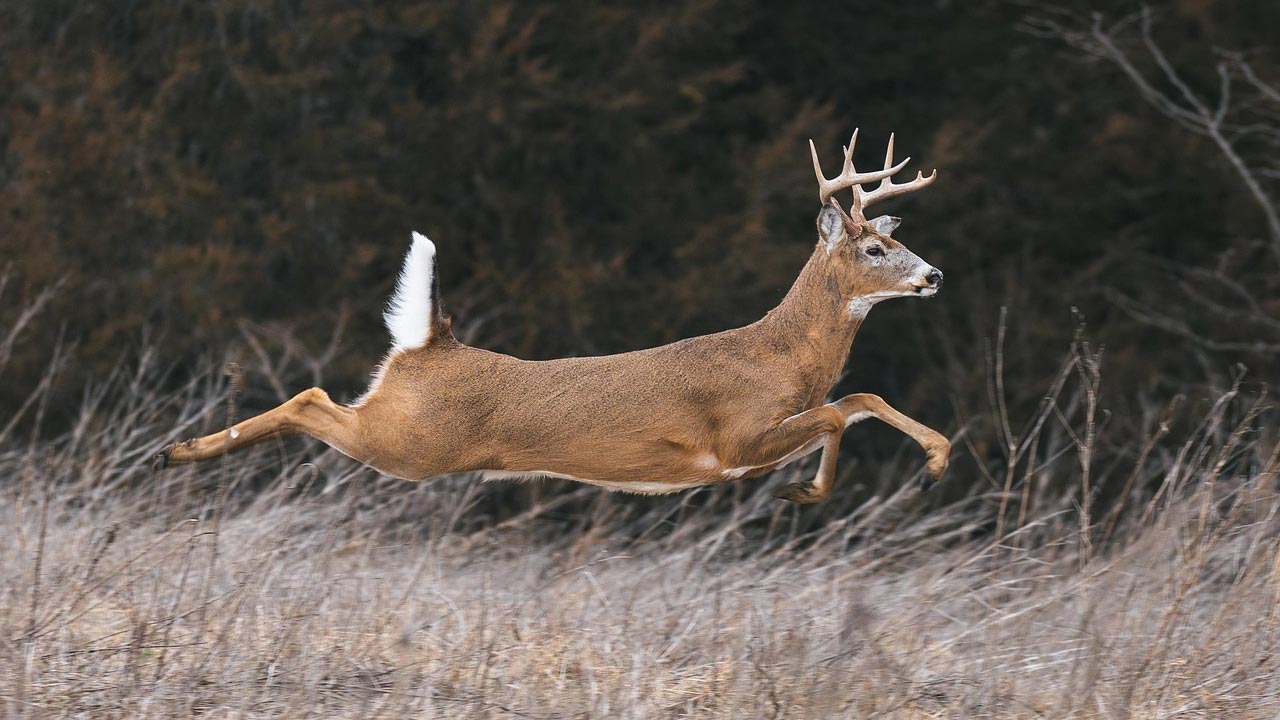
Wyoming is one of the states where drought changes movement because so much mule deer country is open, arid, and dependent on scattered water. When springs slow down and creeks drop, deer tighten up around riparian corridors, irrigated ground, and the few seeps that stay active. That can make deer easier to locate and harder to hunt at the same time—because everyone else sees the same concentration.
Drought also changes how far deer will travel for the basics. Instead of feeding broadly across sage and shrub, they’ll make longer, more committed moves between bedding and the few feed sources that aren’t crispy. Across the region, drought is a repeated driver of habitat stress that keeps some herds below what they used to be. In Wyoming, the map can look the same, but the usable habitat shrinks fast.
Montana

Montana’s drought story is often about timing. When summer dries out early, deer shift toward irrigated valleys, creek bottoms, and shaded timber where browse holds moisture longer. That creates a classic pattern: fewer deer scattered on the “pretty” hillsides, more deer tucked tight to water and green edges—often on private land.
It also changes hunting pressure. Public ground that normally holds deer can go quiet, while access points near water get hammered. Drought can also influence fawn recruitment and overall herd health, which affects how many deer are moving and how far they’re willing to travel. With drought patterns repeatedly affecting big chunks of the West and Northern Plains, states like Montana see movement shifts that feel bigger than a single dry month.
Idaho

Idaho has enough elevation change to give deer options, but drought still changes movement in a big way. In dry years, deer often shift higher earlier to stay with greener forage, then drop and concentrate around irrigated ag edges or riparian strips once high country dries out. If you’ve ever watched mule deer stack into a creek bottom that still has willows while everything else looks dead, you’ve seen the drought effect in real time.
This also changes daily movement. Deer may travel farther between feed and water, and they often turn more nocturnal as pressure increases near the few productive areas. The “irrigated crop and landscaping” shift documented in mule deer research is exactly the kind of movement Idaho hunters notice near farm country and town edges during dry stretches.
Texas

Texas is a whitetail state, but drought changes movement here hard because water and nutrition swing so much from region to region. TPWD has described how severe drought in parts of the state has lowered populations in key ecoregions, which is the big-picture version of what hunters see up close: deer tightening around dependable water, feeders, and the few remaining green groceries.
In dry years, travel routes become more predictable—because there are fewer reasons to wander. Deer will hammer stock tanks, creek pockets that still hold water, and irrigated fields where available. That can improve encounter rates in the right spots, but it also concentrates pressure and disease risk. The bigger takeaway is simple: in Texas drought years, deer movement becomes less about “cover” and more about survival logistics.
Oklahoma

Oklahoma sits right in the drought conversation because the Southern Plains have been dealing with recurring drought conditions over the last several years, and that kind of long-run dryness changes how wildlife uses the landscape. When water sources shrink, deer movement compresses toward river corridors, ponds that didn’t dry up, and agricultural edges that stay greener.
Hunters feel this most in patterns that used to be spread out across draws and timber fingers. In a dry fall, deer may abandon some of those “normal” travel routes and simply run a tighter loop between water and feed. That can make certain stands go dead and others suddenly come alive. If you’re hunting Oklahoma during drought, you’re hunting what still has moisture—because that’s what deer are hunting too.
Kansas

Kansas whitetails are tough, but drought changes their movement because the state’s landscape is so tied to agriculture and limited water corridors. When creeks drop and small ponds turn to mud, deer concentrate along river bottoms, shelterbelts, and irrigated crop systems. That creates more daylight movement in some pockets and less in others, depending on where the remaining water and cover overlap.
Drought in the Southern Plains region has been a major theme in recent years, and that kind of persistent dryness doesn’t just shift patterns for a weekend—it alters where deer spend their time across entire months. The practical effect is that Kansas can feel “overhunted” in drought years because deer and hunters both pile into the same limited habitat.
Nebraska
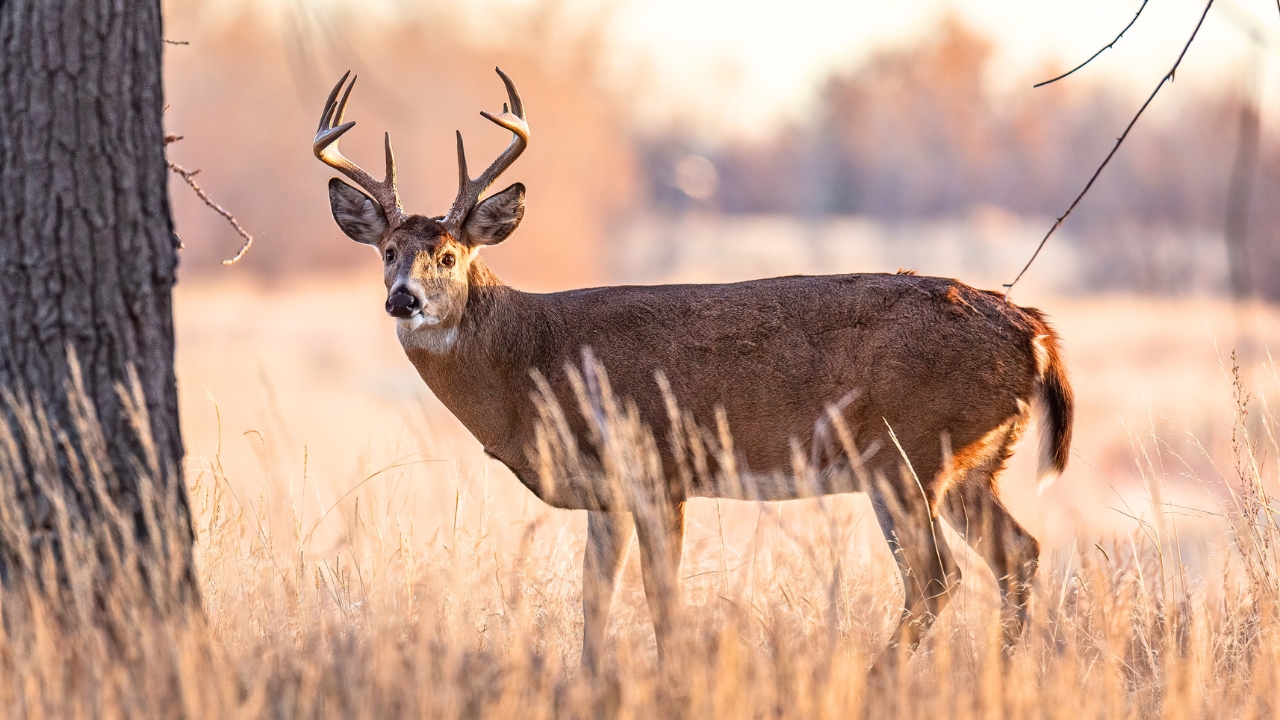
Nebraska is a classic drought-movement state because so much deer activity hinges on riparian corridors, crop edges, and water availability. In dry stretches, deer will lean harder on irrigated pivots and river systems, and they’ll use cover differently—bedding closer to water to reduce travel distance and risk.
That can create a weird hunting situation where deer numbers look higher than normal in a small area, but the overall landscape feels empty. It also increases pressure fast because access funnels people to the same places deer are using. With drought conditions showing up in the Midwest at points through 2025, states like Nebraska feel those shifts quickly. In a dry year, you win by finding what stayed green, not what looked good on aerials last year.
South Dakota

South Dakota’s deer movement gets hit hard by drought because water and cover can be scarce across big stretches of open country. In dry conditions, deer tighten around creek bottoms, stock dams, and irrigated ag edges—especially in areas where natural browse has dried out early. That creates better glassing in some ways because deer are more concentrated, but it can also push movement to nights and increase competition between hunters.
South Dakota also sits in a region that’s repeatedly affected by drought swings across the Northern Plains in recent years, which can shift migration behavior and local distribution. In other words, deer don’t just move a little—they may relocate to entirely different pockets that still have moisture.
Iowa

Iowa isn’t desert country, but drought changes whitetail movement here in a way hunters notice fast: deer start keying harder on irrigated ag, creek bottoms, and the greenest cover available. When native browse dries and small water sources shrink, those riparian strips become highways and bedding sanctuaries. A bean field that stayed greener a week longer can become the main evening destination for a whole area.
Drought patterns have popped in and out of the Midwest recently, and when they show up, deer movement gets tighter and more predictable around the remaining resources. For hunters, the shift is usually less about “deer disappeared” and more about “deer consolidated,” which is a very different scouting problem.
Florida
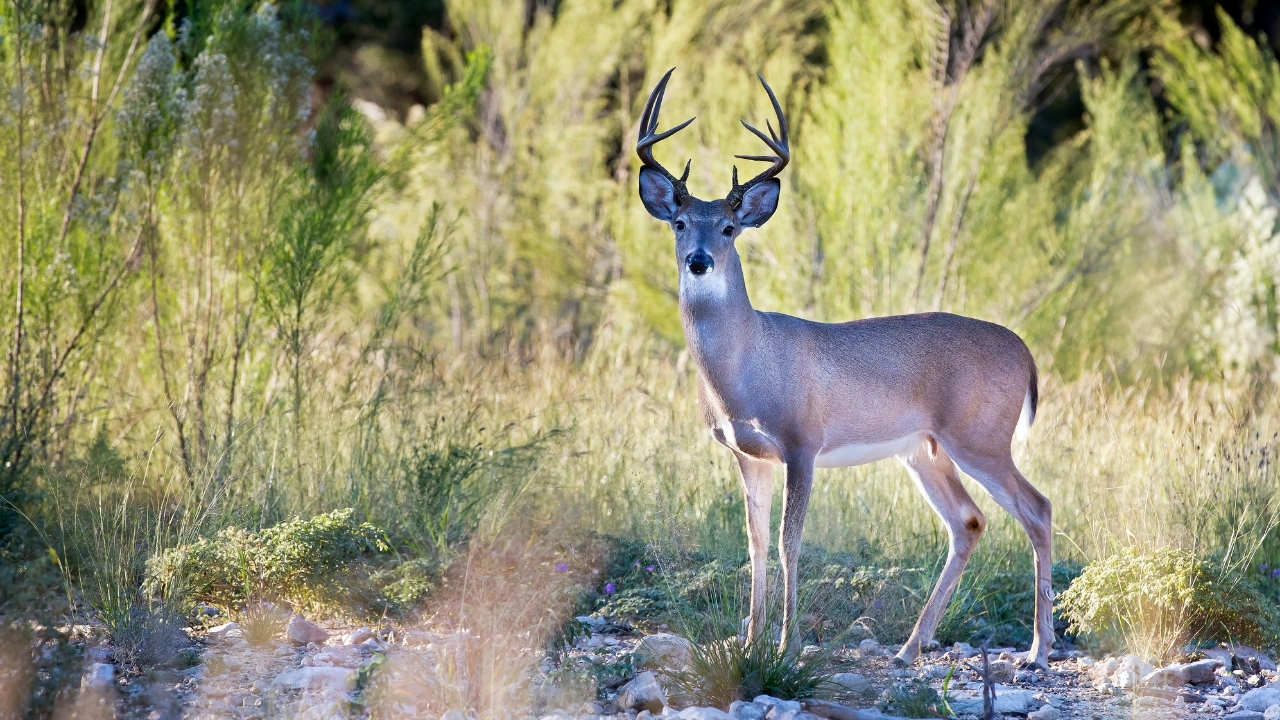
Florida is a wild one because drought there doesn’t look like cracked prairie—it shows up as stressed wetlands, lower water in swamps, and fewer reliable natural water pockets in certain regions. When that happens, deer movement shifts toward whatever holds moisture: canals, retention ponds, river edges, and suburban green spaces with irrigated landscaping.
And drought in Florida wasn’t just a footnote in 2025—D3–D4 conditions emerged there during parts of the year, which is severe enough to shift how wildlife uses habitat. In practical terms, Florida deer can become more visible around water, but they also become more nocturnal and more concentrated near human areas that still provide reliable moisture.
Georgia

Georgia is another state where drought changes movement in a “green corridor” way. In dry stretches, deer lean harder on creek bottoms, beaver ponds, river edges, and shaded timber that holds browse longer. In agricultural areas, irrigated crops and food plots can become magnets—especially when surrounding natural forage is dried down and low quality.
The bigger pattern is that drought reduces the amount of usable habitat, so movement gets more focused and predictable around what’s left. That can be good for hunters who adjust and brutal for hunters who keep sitting last year’s funnel that no longer connects to food and water. With drought expanding and shifting across the Southeast at points recently, states like Georgia are seeing those “pattern flips” more often.
Like The Avid Outdoorsman’s content? Subscribe to our newsletter so you never miss an article.
Here’s more from us:


