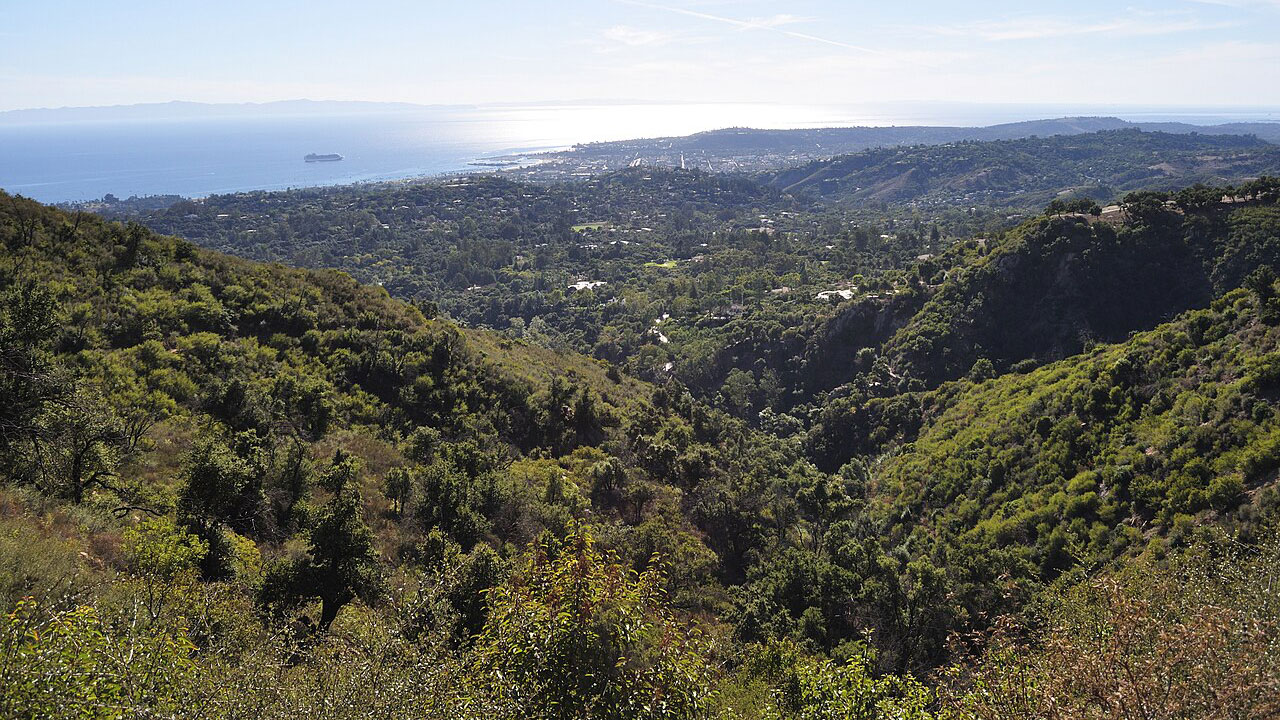
Photo credit: The Fun Chronicles, CC0/Wiki Commons
Every state has invaders chewing on habitat, but some are getting hammered harder and faster than the rest. Between invasive plants that fuel wildfires, mussels that flip entire lake food webs, and insects that wipe out whole tree species, these 15 states are dealing with damage you can see from the road, on the water, and in the woods. The picks here lean on recent rankings of “most invaded” states, plus federal and state data on where non-native species are hitting forests, rivers, and wetlands the hardest.
California
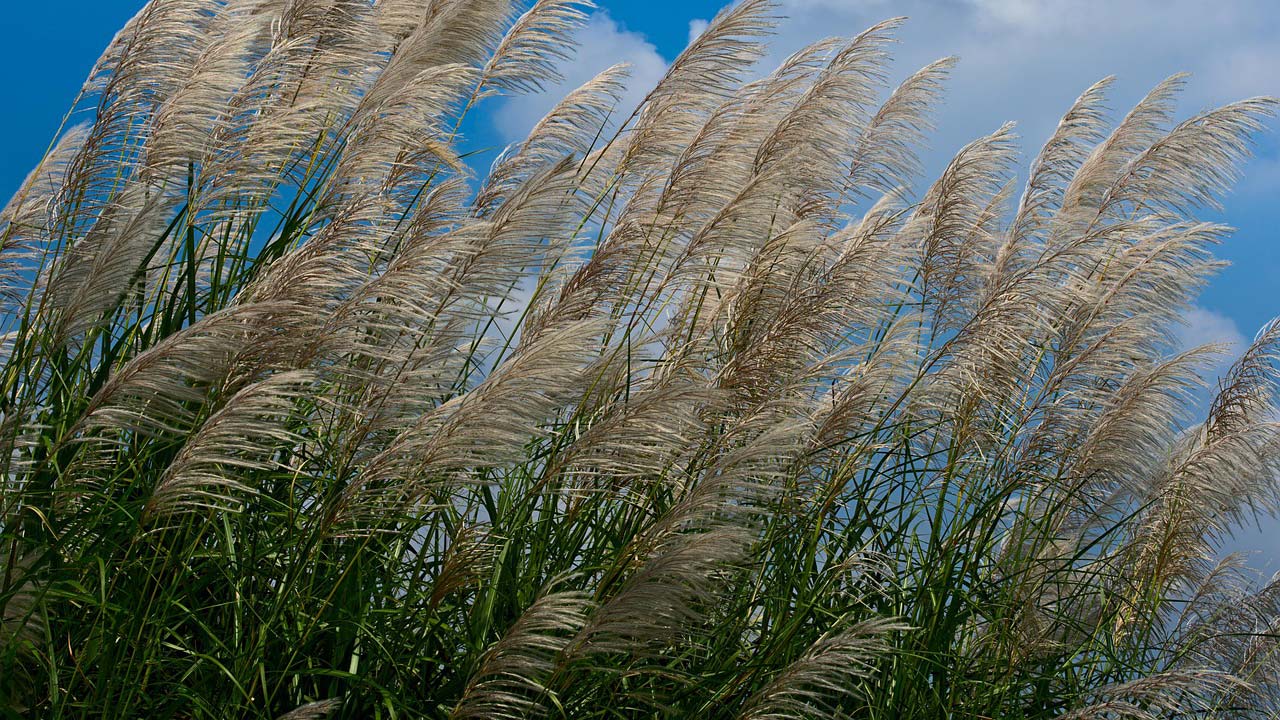
California ranks No. 1 in a 2024 analysis of invasive plant risk, with roughly 1,695 invasive or non-native plant species mapped in its wildlands – the most in the country. The feds also flag California, Florida, and Hawaii together as hosting around 2,000 non-native plants, half of all exotics nationwide.
On the ground, that shows up as cheatgrass and other invaders feeding hotter, faster wildfires, plus aquatic plants clogging reservoirs and rivers. For hunters and anglers, that means more burned cover, altered migration routes, and lakes where the plant community looks nothing like what it did even a couple decades ago.
Florida

Florida is in every “worst of” list for invasives: one major review calls Florida and Hawaii two of the worst invasive species problems in the U.S., and Florida alone has over 1,500 invasive or non-native plants mapped. Stack that on top of Burmese pythons in the Everglades and a parade of exotic reptiles, fish, and snails and you’ve got entire food webs getting reworked.
Native mammals in parts of the Everglades have crashed thanks to pythons, while invasive plants and animals chew up wetlands, ranchland, and coastal systems. The habitat might still look green from a distance, but a lot of the original species mix is getting shoved out.
Hawaii

Federal land managers point straight at Hawaii as one of the states with the worst invasive species problems, especially in forests and on islands where almost all extinctions are tied to invasives. Between feral pigs tearing up native understory, invasive grasses fueling fire in dry areas, and bugs and diseases hitting native trees and birds, the damage is both obvious and permanent in a lot of places.
Hawaii’s isolation means most of its native wildlife evolved with very few predators or competitors. Once invasives get loose, they aren’t just one more species in the mix—they can restructure entire ecosystems, from high forest to coastal wetlands, in a generation or two.
New York

New York ranks No. 2 in the 2024 “most at risk for invasive plants” list, with 50 invasive plants tracked by the federal database and 935 invasive/non-native plants mapped by the University of Georgia. It also sits squarely in the Great Lakes basin, where more than 180 aquatic non-native species have been established, about a third of them invasive.
Zebra and quagga mussels alone have dramatically changed lake habitats, filtering water, stripping food from the base of the food chain, and altering where plants and fish can thrive. If you fish or waterfowl hunt around the Great Lakes, you’re already living with the fallout – from clearer, but less productive, water to shifting fish communities.
Massachusetts

Massachusetts shows up at No. 3 in that same 2024 ranking, with over 800 invasive/non-native plants recorded and a long state list of prohibited species. Invasion pressure here is mostly about plants and forest pests, from knotweed and bittersweet along rivers to insects hitting hardwoods.
The big risk isn’t just ugly roadside tangles – it’s riparian habitat getting choked, shrub and mast layers changing, and native wildflowers going away. That knocks on everything from pollinators to nesting cover for game and non-game species. Hunters see it in the form of hedgerows that turn into monocultures and river bottoms that are more vine wall than understory.
Connecticut
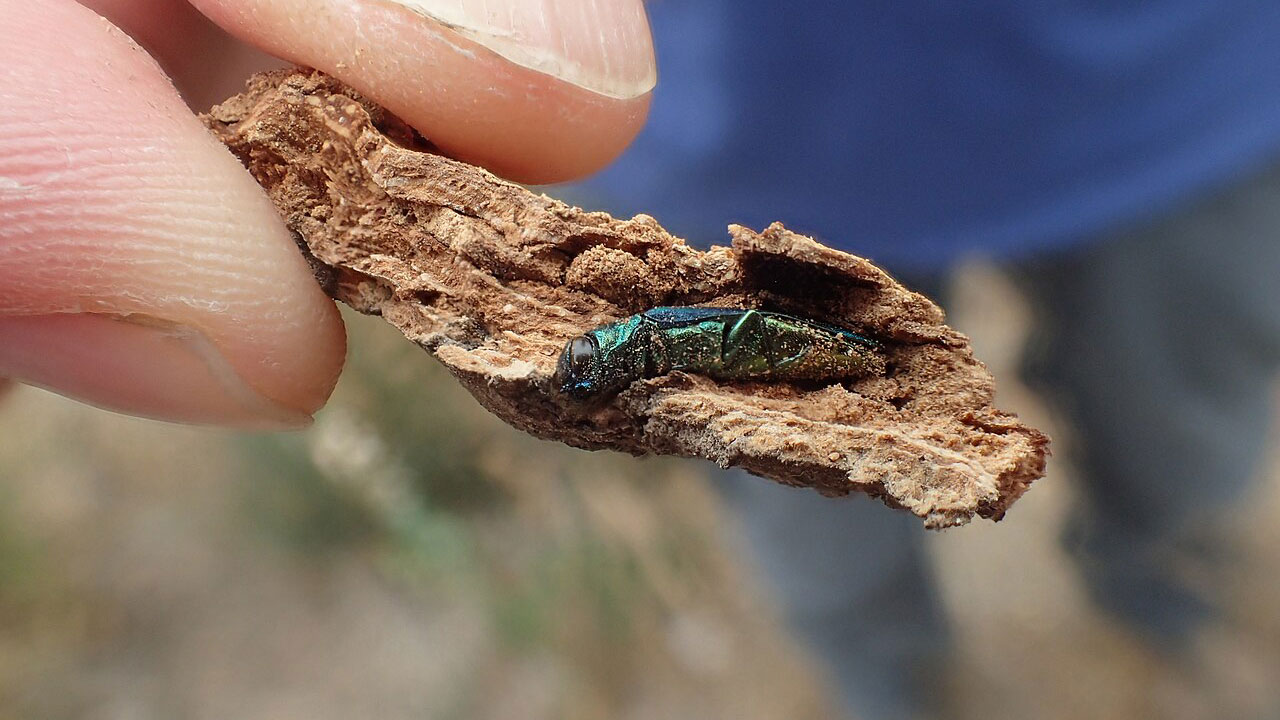
Connecticut sits 4th on the “most invaded” plant-risk list, with nearly 50 documented invasive plants and more than 700 invasive/non-native plants mapped. Add emerald ash borer and other tree-killers to that, and you’ve got forests shifting fast. EAB alone has killed tens of millions of ash trees across its range and is well-established in Connecticut.
When ash drops out of the canopy, sunlight and space open up for whatever can take it—often invasive shrubs and vines. That changes everything from stream shade and water temps to browse and hard-mast availability. The woods might stay green, but the species mix hunters and anglers depend on is different.
North Carolina

North Carolina lands 5th in invasive plant risk and tops the list for the sheer number of invasive plants flagged by the federal info center (53). It’s also now dealing with emerald ash borer, which has spread through much of the state and threatens floodplain forests that shade and stabilize trout water.
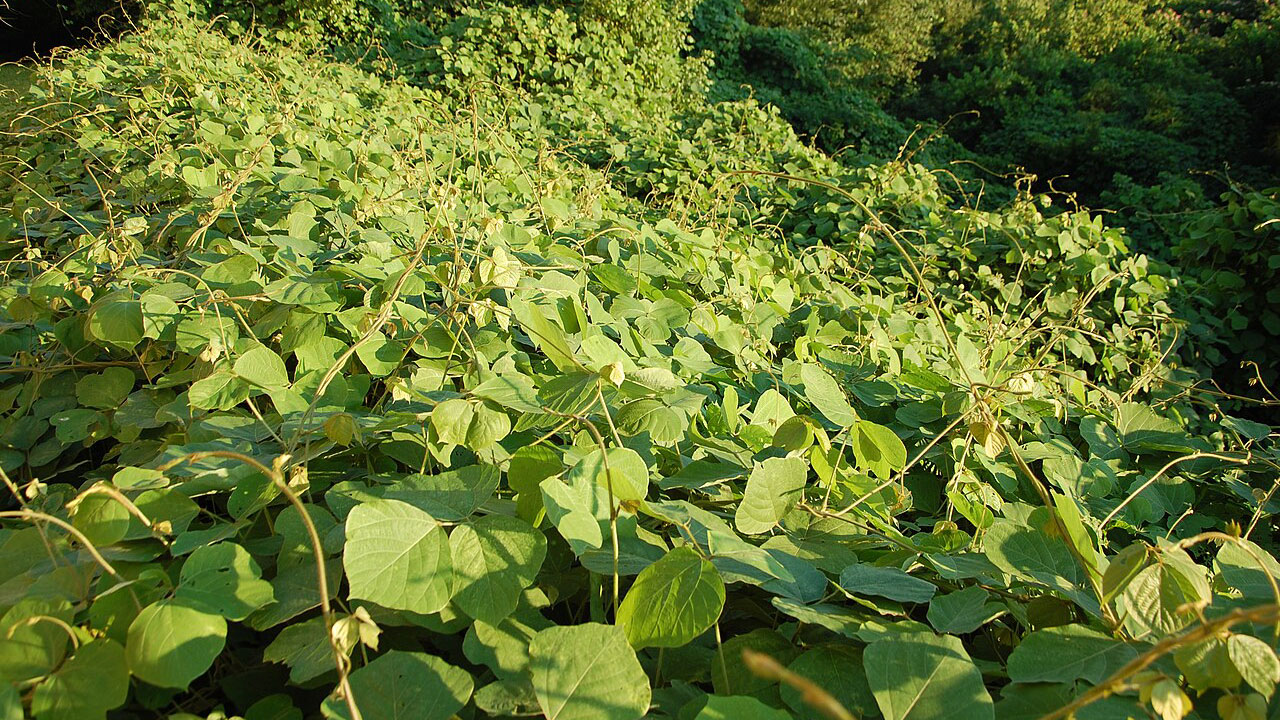
Between invasive plants along roadsides, kudzu swallowing edges, and forest pests knocking out key natives, a lot of habitat here is being re-written from the ground up. For sportsmen, that means some cover gets thicker and more tangled, but you lose the native diversity that kept everything from turkeys to songbirds and bugs working right.
Virginia

Virginia doesn’t crack the top five in overall invasion risk, but it’s close behind, with 52 invasive plants listed and plenty of forest pests riding along. It’s also in the core of the North American Coastal Plain, an area flagged as a global biodiversity hotspot that’s getting hit hard by invasives and habitat loss.
In practice, that means bottomlands and uplands both fighting English ivy, tree-of-heaven, privet, and more, plus insects and diseases taking bites out of oaks, ash, and hemlock. Deer hunters might see “good cover,” but long-term, the structure and food sources those invasives support aren’t the same as the native mix that built the game numbers in the first place.
Kentucky

Kentucky shows up in the invasive-plant risk write-up with 51 invasive plant species tallied by the national database and conditions that favor spread. Forest and rangeland reports also flag invasive shrubs, grasses, and tree pests as a growing problem across the lower Midwest and Appalachians.
Bush honeysuckle, multiflora rose, and others crowd out native understory plants, change light levels, and alter how deer and turkeys use the landscape. Add pests like emerald ash borer into hardwood stands and you’ve got whole hollows transitioning from diverse hardwood mixes to a few tough invasives filling the gaps.
Texas

Texas has one of the nastiest combinations of invasive animals and plants in the country—feral hogs, exotic fish, invasive grasses, and now zebra and quagga mussels moving through key waters. Those mussels are already hammering lakes and reservoirs across the West and Midwest, altering food webs and clogging infrastructure.
On land, hogs shred wetlands, crop fields, and riparian areas, while invasive grasses and brush reshape fire patterns and grazing. For hunters, that means more rooting damage, more muddy, degraded creek bottoms, and fisheries that don’t look anything like the ones they grew up with once the mussels and other invasives settle in.
Louisiana
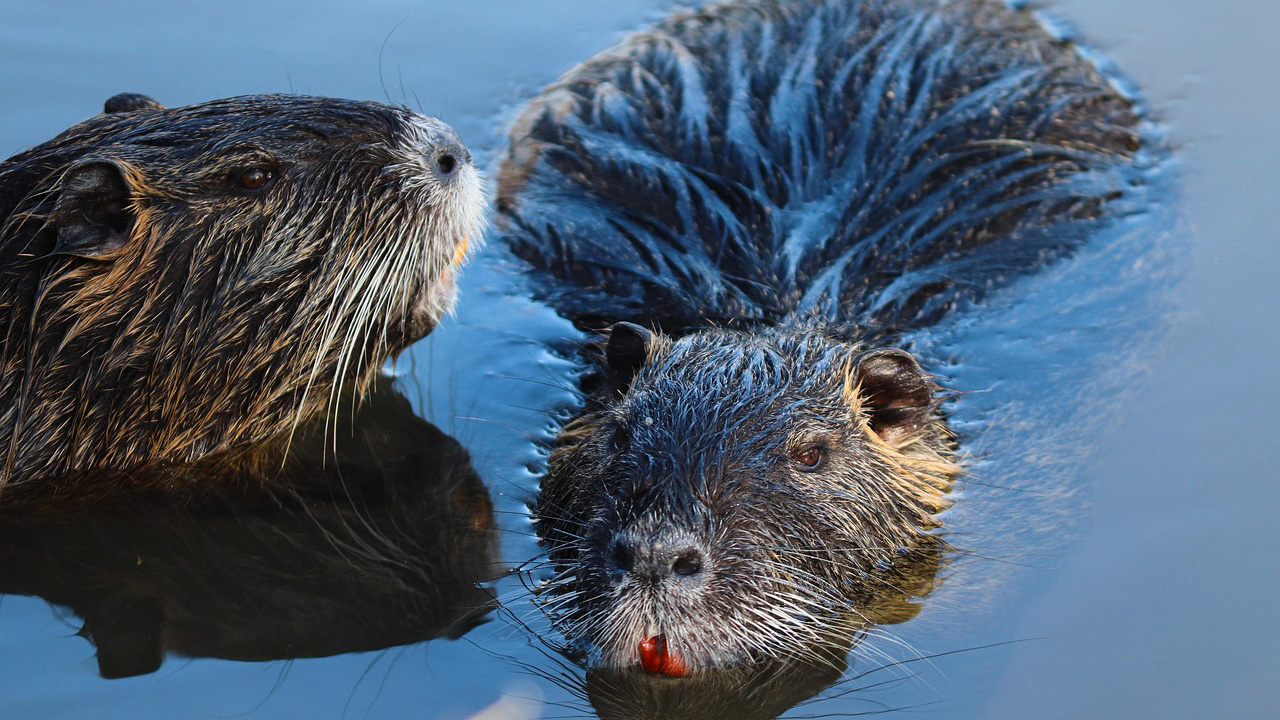
Louisiana’s marshes, rivers, and coastal wetlands are getting hit from all sides: aquatic plants like hydrilla and salvinia, invasive fish and snails, feral hogs, and nutria chewing through the base of the system. Federal invasive-species briefs point out that aquatic invasives clog waterways, damage infrastructure, and alter habitat across the Gulf Coast, with Louisiana front and center.
When you pile that on top of subsidence and sea-level rise, the invasive load makes marsh loss and habitat fragmentation worse. Waterfowl hunters see it as ponds turning into choked messes or open water, and coastal anglers deal with shifted salinity and vegetation that changes how fish use marsh edges and cuts.
Georgia
The Southeast is a poster child for invasive species chewing up a biodiversity hotspot, and Georgia sits near the middle of that mess. Conservation groups call out the North American Coastal Plain—covering big chunks of Georgia—as a global hotspot that’s already lost over 70% of its natural habitat, with invasives playing a big role in the decline.
From kudzu and privet on land to invasive aquatic plants in reservoirs, habitat structure is changing at every level. In the woods, understories flip from diverse native shrubs and forbs to wall-to-wall exotics. In the water, invasive plants choke coves and shorelines, shifting fish cover and making management a never-ending fight.
Alabama

Alabama shares the same coastal-plain problem—high native diversity, heavy invasion pressure, and not enough management money to keep up. Regional write-ups note that invasive plants and animals are degrading habitat, hurting native fish and wildlife, and complicating forestry and agriculture across the Southeast.
You see it in privet and kudzu swallowing creek bottoms, feral hogs ripping apart food plots and wet areas, and invasive aquatics plugging up small lakes and ponds. That doesn’t just annoy landowners; it knocks out native browse, seed sources, and cover types that everything from quail to deer depended on.
Michigan

Michigan is ground zero for two of the biggest habitat-wrecking invasives in North American history: Great Lakes invasives and emerald ash borer. The Great Lakes now hold more than 180 non-native aquatic species, with zebra and quagga mussels leading the list of troublemakers, drastically changing food webs and hurting fish populations.
On land, emerald ash borer was first detected here in 2002 and has gone on to kill tens of millions of ash trees across the continent. Those trees were a big piece of riparian and lowland habitat; losing them opens the door for invasive plants and shrubs to dominate, shifting everything from stream shade to mast production.
Oregon

Oregon has a long list of invasive plants and aquatic species, but the newest alarm bell is emerald ash borer. The beetle was first found in the state in 2022 and is now in multiple counties; forestry officials describe it as a pest that can’t be stopped, only slowed, and a major threat to ash trees that shade and stabilize rivers.
Those riparian ash stands matter for salmon, trout, and everything that uses cool, shaded streams. As EAB kills those trees, you get hotter water, more erosion, and another opening for invasive plants to move in. Add existing invasive grasses and aquatic weeds, and big pieces of Oregon’s “classic” habitat are already in transition.
Like The Avid Outdoorsman’s content? Subscribe to our newsletter so you never miss an article.
Here’s more from us: