Photo credit: sharkolot/Pixabay.com
Most people picture predators as lone hunters working a trail, stalking through cover, or waiting on the right moment by themselves. That does happen plenty, but it is not the whole story. In the real world, a surprising number of predators work in twos when it helps them corner prey, force movement, or cover more ground without wasting energy. Sometimes it is a mated pair. Sometimes it is siblings. Sometimes it is just two animals that know exactly how to pressure something from different angles. If you spend enough time outdoors, you start noticing that the “single predator” idea does not always line up with what actually happens.
That matters for hunters, ranchers, pet owners, and anybody who spends real time in predator country. A paired set of eyes catches more movement. Two animals can test wind from different positions. One can push while the other waits. That changes how quickly a hunt can unfold and how ugly it can get for whatever they are targeting. Here are 15 predators that hunt in pairs more often than a lot of people realize.
Coyotes

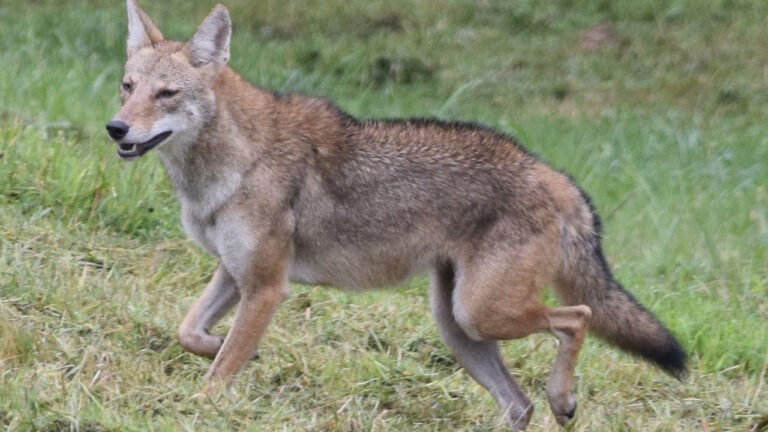
Coyotes are probably the biggest example of this, especially in places where they are pressured hard and have learned how to work smarter. A lot of people still think of a coyote as a solo opportunist slipping through a pasture line or crossing a sendero by itself, but that only tells part of the story. In late winter, spring, and while raising pups, coyotes often move and hunt as a bonded pair. One will circle downwind while the other hangs back or pushes forward to test a target’s reaction. That is not random movement. A lot of the time, it is coordinated enough to matter.
You see this around calves, fawns, barn cats, small dogs, and even on calling setups where one coyote shows itself and another stays wide. That second animal is often the one people never spot until it is leaving. A pair does not always mean a full-on pack-style takedown, but it absolutely means better odds for them. Two coyotes can cover escape routes, pressure prey into the open, and force mistakes fast. Anybody who has trapped, called, or watched enough coyotes knows that matched pairs are a whole lot more common than casual outdoorsmen tend to think.
Wolves
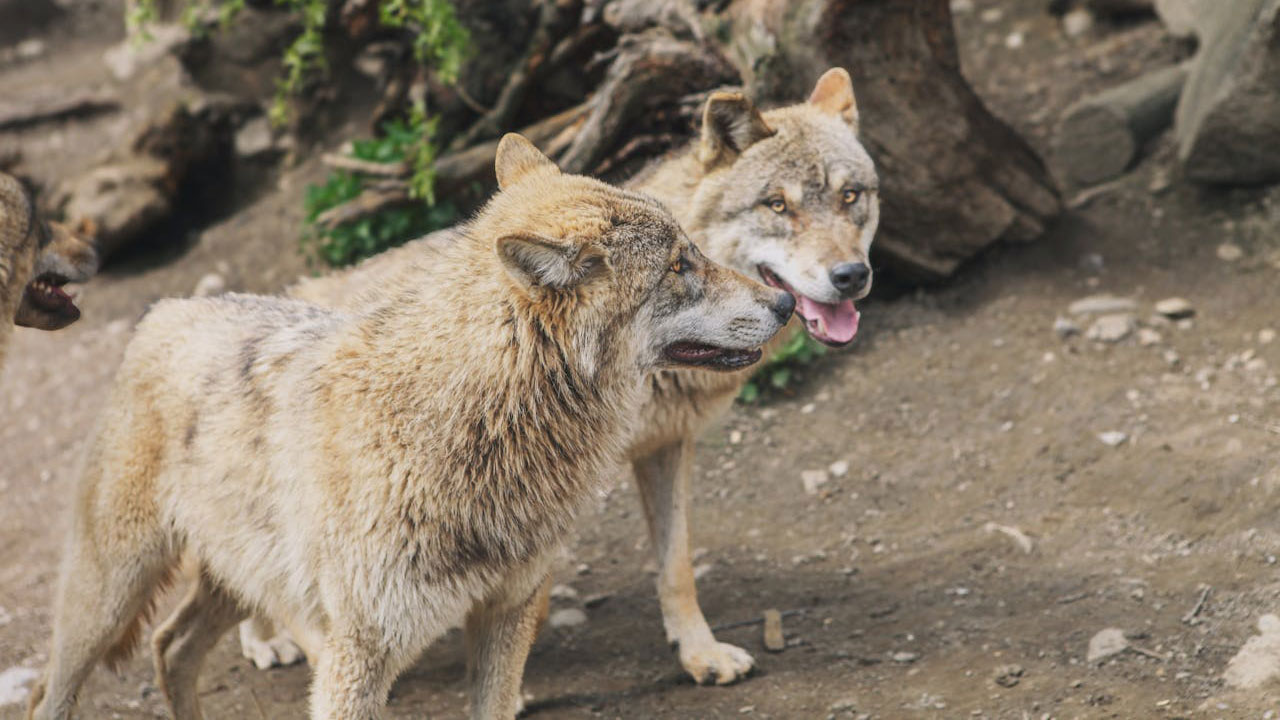
Wolves get talked about like full pack hunters, and that is true often enough, but a lot of their real work starts with smaller units inside that pack. Pairs are a major part of how they travel, probe, test, and close distance. A breeding pair in particular often works closely together even when the larger pack is nearby. They know each other’s movement, they read each other well, and they can pressure an animal without as much wasted motion as younger wolves still figuring things out. That is one reason wolf sign can look scattered one minute and suddenly focused the next.
In rough country, two wolves can do plenty of damage on their own, especially against weakened prey, young animals, or anything bogged down by snow, mud, or exhaustion. One can draw attention while the other cuts angle. One can test a response while the other waits for a panic turn. People hear “wolf pack” and picture a whole gang charging in, but the paired pressure is often what makes the first difference. Those smaller two-animal moves are part of why wolves stay so effective across so many conditions.
Mountain lions
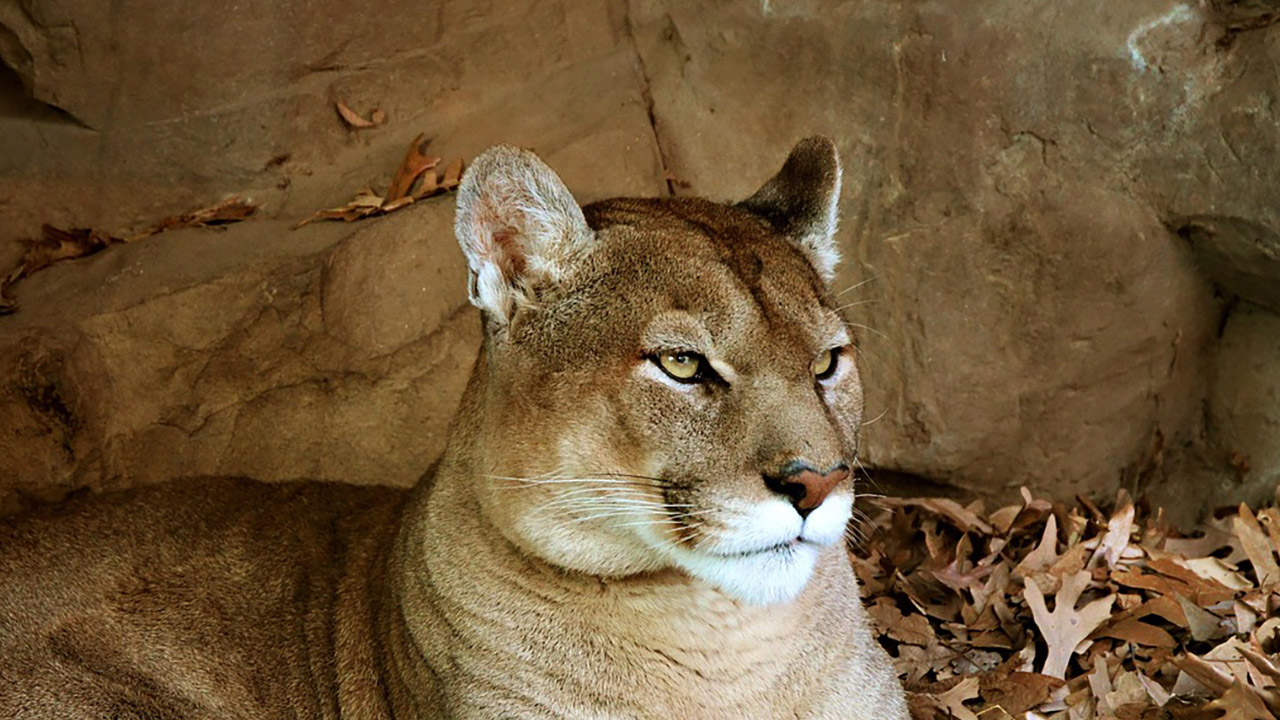
Mountain lions are built to hunt alone, and most of the time that is exactly what they do. Still, there are periods when paired movement shows up more than people expect. A female with a nearly grown juvenile can look an awful lot like a hunting pair, because for a while that is basically what you are dealing with. The young lion is learning how to stalk, where to position, when to freeze, and how close it can get before blowing the whole thing. The mother is not always handing over the hunt, but she is often leading a live field lesson that involves both cats working the same ground.
This matters because people who spot one lion sometimes assume that was the whole situation. It may not be. A second cat may be shadowing nearby cover, hanging above on a ledge, or coming in later to feed. That does not mean adult lions commonly form permanent hunting teams, because they do not, but it does mean that temporary pair behavior happens enough to matter. In areas with deer, sheep, goats, or pets, that kind of tag-team pressure can make them more dangerous than the average person expects.
Bobcats

Bobcats have a reputation for being solitary and ghostlike, which they earn honestly. Even so, there are stretches when a female bobcat and an older juvenile move together and effectively hunt the same small-game pockets. It is not the kind of clean teamwork people imagine with wolves or coyotes, but it still creates a paired predator problem. Two bobcats working brush edges, creek bottoms, or rabbit-heavy cover can clear out an area fast. One movement can flush while the other waits. A rabbit or quail that escapes the first cat may run straight into the second one.
This is one of those situations where the woods can fool you. Bobcats stay quiet, and they do not advertise themselves much, so people think they are dealing with a single cat because they only ever catch one glimpse. Trail cameras sometimes tell a different story. In the right season, especially when juveniles are learning, you can absolutely have two cats using the same ground with enough coordination to change what survives there. That paired pressure does not last forever, but while it does, it is a lot more effective than most folks realize.
African wild dogs

African wild dogs are famous pack hunters, but inside those packs, pairs often act as the sharp edge of the whole operation. Two dogs may break off to pressure, redirect, or isolate prey before the rest close in. Their style is fast, relentless, and built on communication, and even just two of them working together can create chaos in a hurry. They are not freelancing in the sloppy sense. They read body position and direction so well that a pair can feel like a much bigger threat than the number suggests.
That is part of what makes them so dangerous to prey species. One animal darts to force a turn, the other cuts off the angle, and suddenly the target is burning energy in the wrong direction. Even when the larger group gets credit, those pair-based maneuvers often start the chain reaction. A lot of predators can work with a partner now and then, but African wild dogs are one of the clearest examples of how devastating two synchronized hunters can be when speed and pressure are the whole plan.
Hyenas

Spotted hyenas are another predator people tend to lump into either “pack hunter” or “scavenger,” and both labels miss a lot. Hyenas absolutely hunt, and small groups or pairs often do the early work of isolating vulnerable prey. Two hyenas can harass, separate, and exhaust an animal without needing a whole clan right on top of it. They are strong, smart, and patient enough to keep pressure where it matters. That makes them a lot more serious as active hunters than people who only know the old movie version would expect.
A pair is especially effective against young antelope, injured animals, or anything already stressed by heat or distance. One hyena can stay at the hip while the other challenges from the front quarter or side. They wear things down mentally as much as physically. It is not always dramatic at first. A lot of the danger comes from how steady they are. Once two hyenas decide to keep working an animal, that target usually has a rough road ahead unless terrain or numbers swing hard in its favor.
Foxes

Foxes look too small and too neat for a lot of people to think of them as pair hunters, but they do work together more than they get credit for. During breeding season and when raising young, a mated pair often shares territory, feeding duties, and hunting areas. They are not always literally making the same pounce at the same second, but they do use the same ground strategically and can pressure prey from more than one side. On rodents, rabbits, and nesting birds, that adds up quickly.
In farm country and edge habitat, this is especially noticeable. One fox may move a hedgerow while the other cuts across a pasture seam or loops the opposite side of a brush pile. That kind of movement is easy to dismiss as coincidence until you watch it happen enough times. A pair of foxes does not bring the raw force of bigger predators, but in terms of efficiency, they can clean out vulnerable prey fast. Around poultry, game birds, or rabbit-heavy places, that matters a lot more than most people assume.
Dingoes
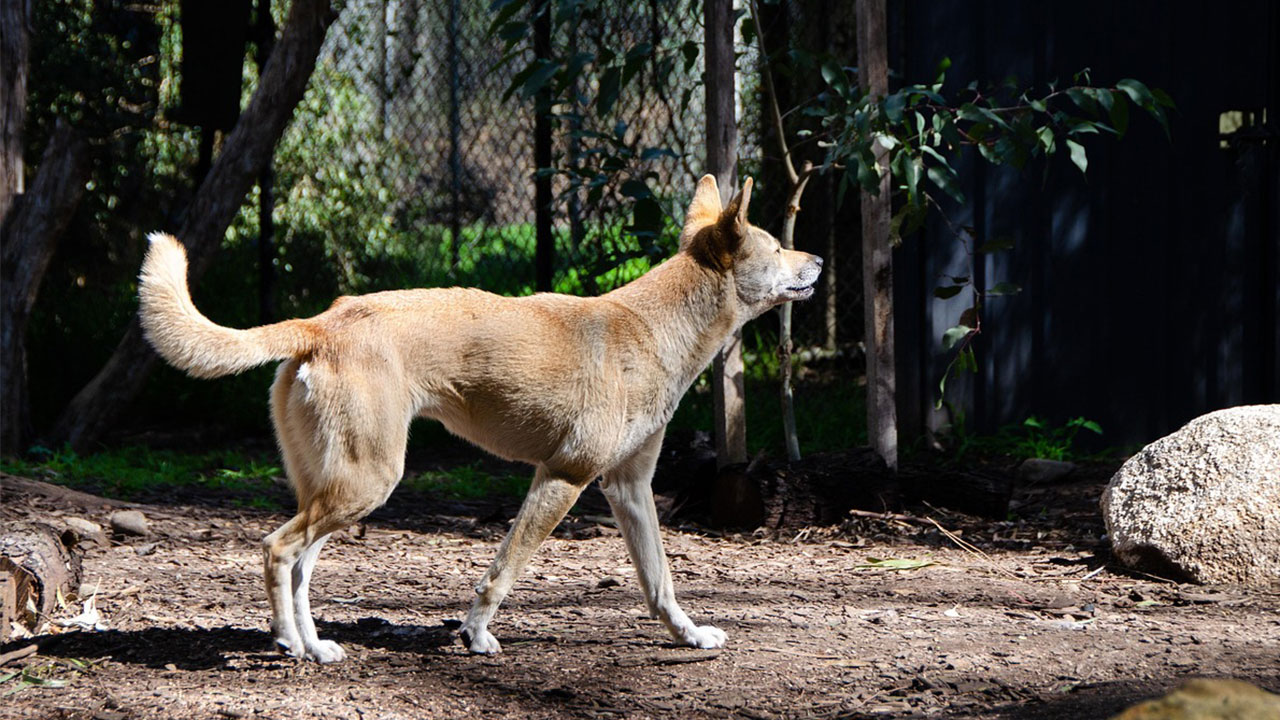
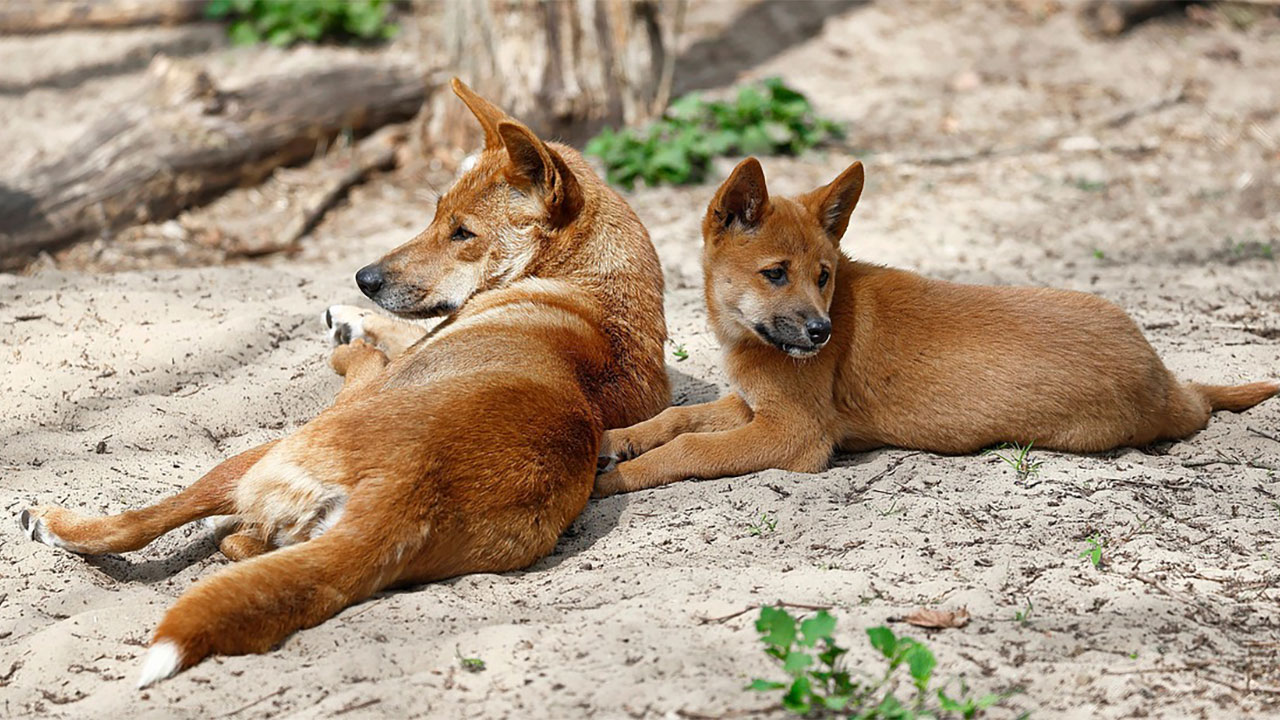
Dingoes are often described as lone hunters, and plenty of them are, but pairs are a real part of how they operate in many areas. A bonded pair can work rabbits, wallabies, and even larger prey by using distance and timing rather than brute strength. They are lean, mobile, and careful with energy, which makes two of them together especially effective. One can hold pressure while the other closes. One can stay visible while the other disappears into cover and reappears where it counts.
That is why people in dingo country pay attention when they see one but stay sharp for a second. Livestock losses and attacks on smaller animals often involve more than a single dog-shaped predator making a random pass. A pair can test fencing, push movement, and find weakness a lot faster than one can alone. They may not look imposing compared to bigger carnivores, but two dingoes with room to maneuver can turn a quiet piece of ground into a real problem in a hurry.
Jackals
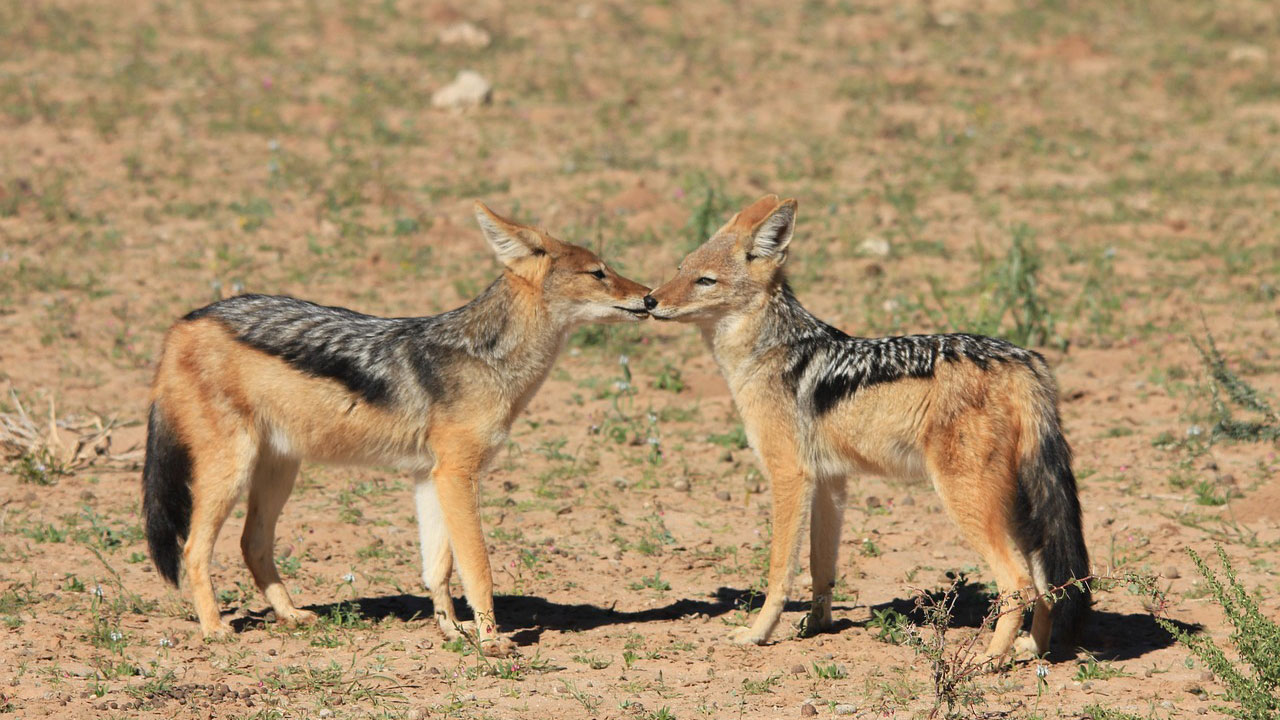
Jackals are one of the clearest examples of consistent pair hunting in the wild. In many species, the mated pair forms the core of day-to-day survival, and that includes hunting. They move together, defend territory together, and target prey together often enough that it is built into how they live. Small antelope, hares, birds, reptiles, and carrion all factor in, but when active hunting starts, that pair bond gives them a real edge. They know the routine, and they know each other.
That is what makes jackals more effective than their size suggests. A pair can split attention, watch different escape lines, and keep something moving until it makes a mistake. It is not always a dramatic chase. Sometimes it is just smart pressure in open ground. People who only think of jackals as scavengers miss how often they actively work together. For their size class, they are some of the best examples in the world of a predator that turns a two-animal team into a serious hunting advantage.
Feral dogs

Feral dogs get underestimated because people picture strays as scattered and half-surviving, but in a lot of places they become efficient predators fast. They do not need a huge pack to do damage either. A pair can be enough. Two dogs that have learned to run together can harass livestock, run down fawns, kill goats, and maul smaller pets with more coordination than most folks want to admit. They may not have the clean instincts of wolves, but repetition teaches them what works.
That is what makes them dangerous near homes, pasture edges, and rural neighborhoods. One dog drives panic while the other closes. One distracts while the other commits. Unlike a lone dog that might break off quickly, a pair often gets bolder because each animal feeds off the other’s behavior. That can turn a nuisance issue into a lethal one in a hurry. Plenty of pet owners have learned the hard way that two loose dogs running together are a whole different problem than one wandering mutt cutting across a field.
Orcas
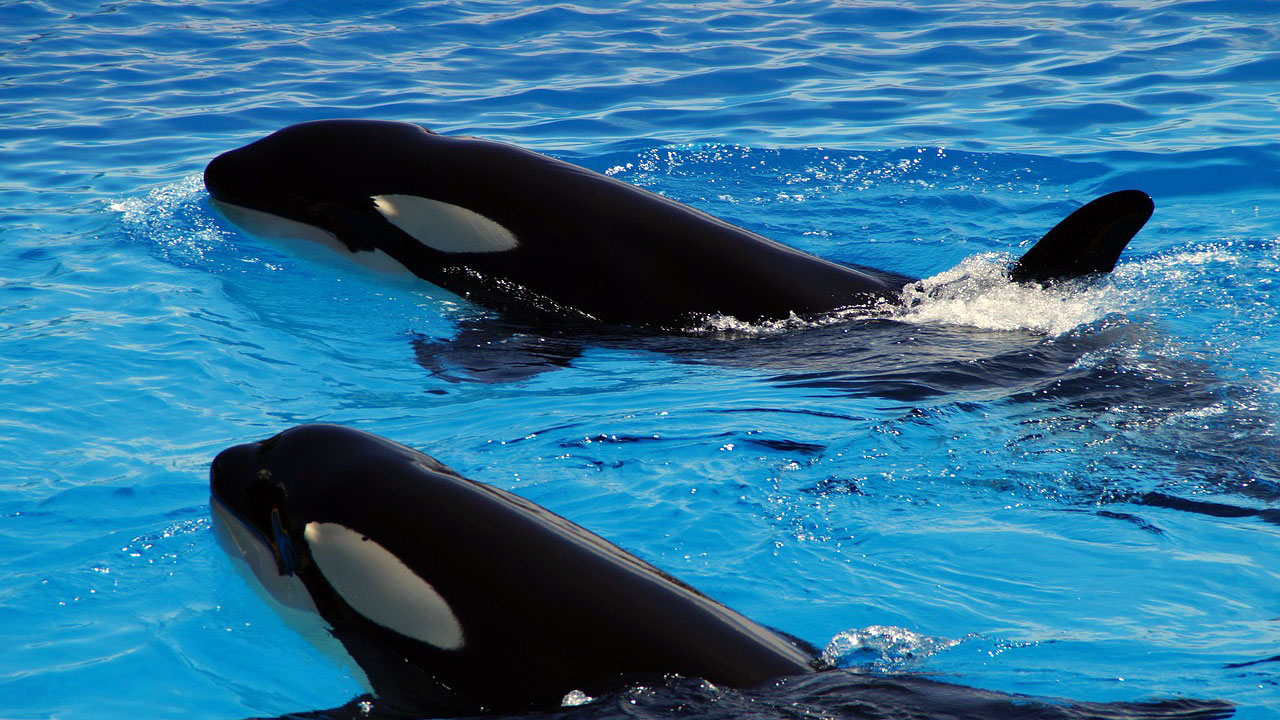
Orcas live and hunt in pods, but that does not mean every strike comes from the whole group piling in at once. Pairs often do the surgical work, especially when targeting seals, sea lions, or schooling fish. One may force movement while the other waits on the likely exit. In some populations, they even show learned techniques that clearly depend on timing between two animals. That could be wave-washing prey off ice, boxing fish, or cutting off escape along shorelines.
People hear “killer whale pod” and think the group itself is the tactic, but the smaller coordinated units inside that pod are a huge part of why orcas are so effective. A pair can apply pressure from two directions faster than most prey can process. In water, where mistakes get punished immediately, that kind of teamwork is brutal. They may operate within a larger social system, but the paired hunting behavior is real, repeatable, and one of the clearest examples of how two predators can outthink prey before the full force ever shows up.
Dolphins
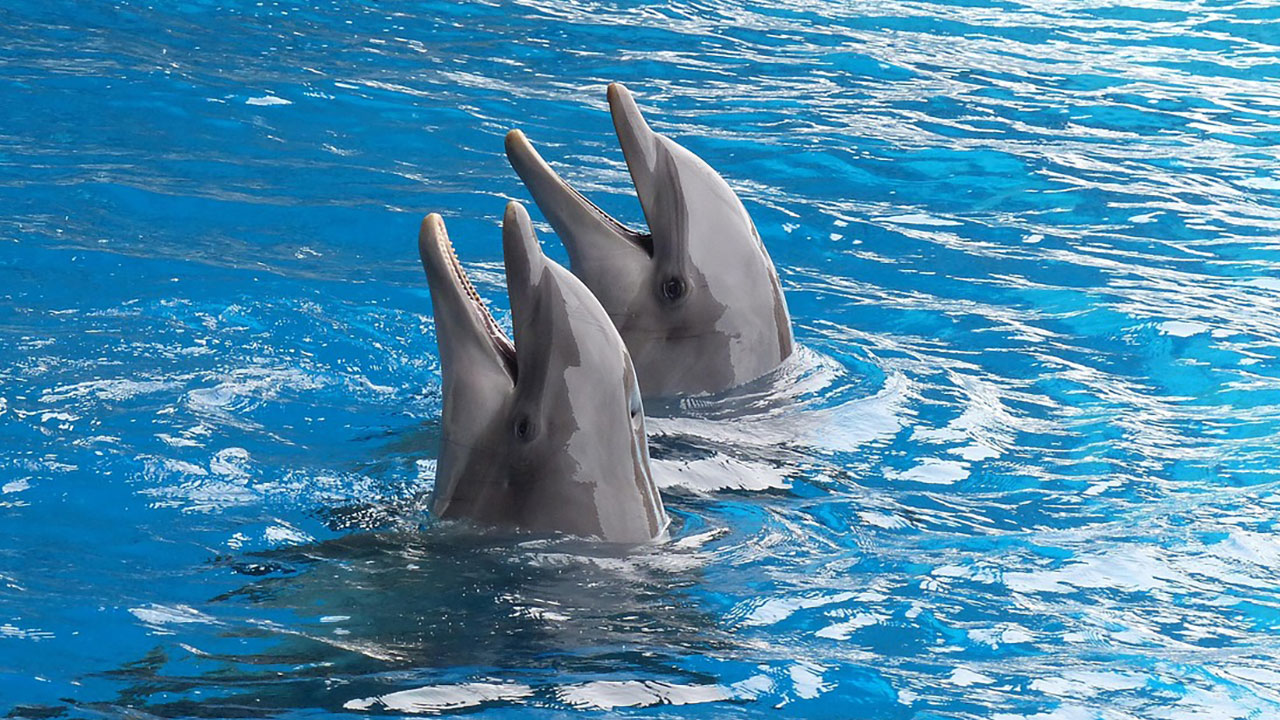
This one surprises people, but some dolphins are absolutely predators that coordinate in pairs or small teams to hunt fish. They are not just playful ocean mascots cruising around making friendly noises. They are smart, fast, and very good at trapping prey against the surface, shoreline, or each other’s pressure lines. Two dolphins can circle baitfish, tighten the space, and force a panicked school into exactly the wrong move. It is controlled, deliberate, and a lot more predatory than the average beachgoer tends to imagine.
That paired behavior matters because it shows how widespread two-animal coordination really is in nature. You do not need claws and fangs for the principle to work. One dolphin can push while the other blocks. One can strike while the other resets the school. In some regions, those tactics are taught and repeated across generations. So while dolphins are not the sort of predator most outdoorsmen think about first, they absolutely belong in the conversation when you are talking about animals that work in pairs more often than people realize.
Harris’s hawks
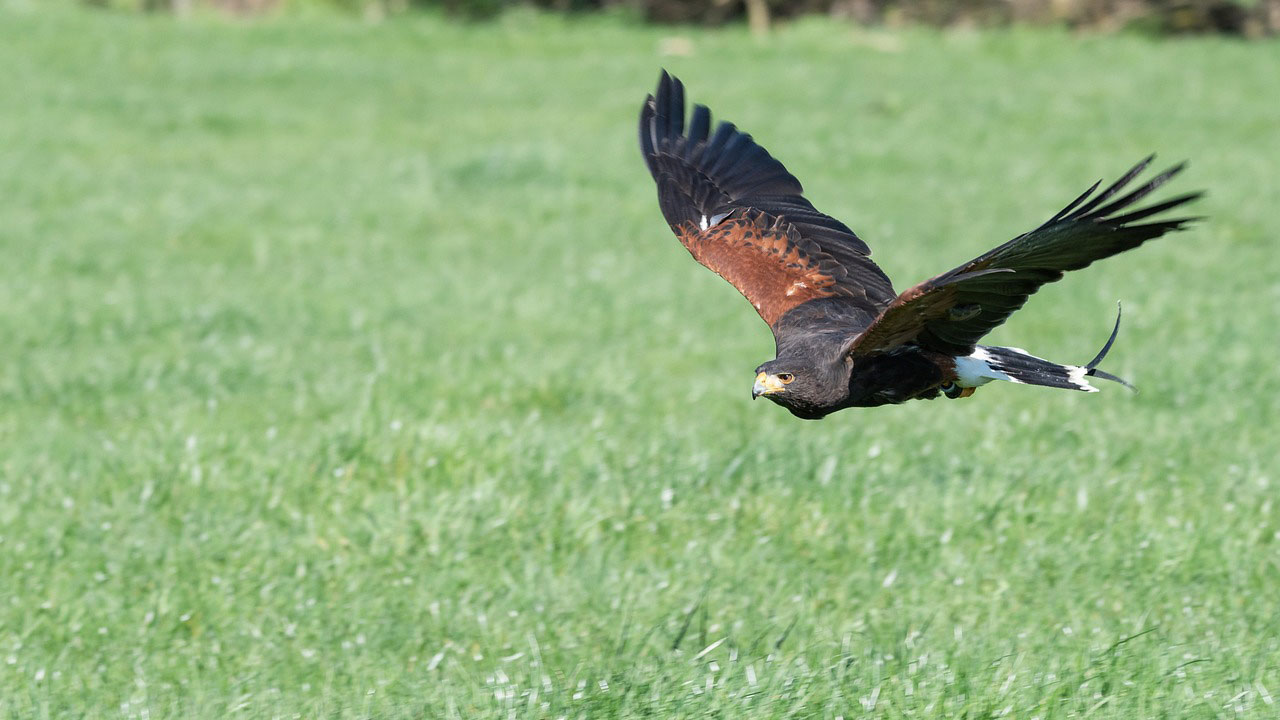
Most hawks hunt alone, which is why Harris’s hawks stand out so much. They are one of the few raptors known for cooperative hunting, and that often includes pairs or small family groups working together. In desert and scrub country, that can be a huge advantage. One bird may flush prey from cover while another waits ahead, or one may force movement into open ground where the second bird has a cleaner shot. Rabbits and other small animals do not get many second chances when that happens.
For bird hunters and outdoorsmen who spend time in the Southwest, Harris’s hawks are one of the best reminders that not every predator in the sky is working solo. They use teamwork in a way that looks almost mammalian once you see it happen. It is not random overlap. It is a hunting system. A paired setup lets them control terrain, cover, and reaction better than a single hawk could. That makes them one of the most interesting and underrated pair-hunting predators out there.
Crocodiles

Crocodiles are not social hunters in the same way wolves or dogs are, but paired ambushes and shared feeding pressure happen more than people think. In waterways where prey funnels into predictable crossings, two crocs holding different positions can create a nightmare for anything trying to drink, swim, or escape. One explosive strike is bad enough. A second animal cutting off the recovery route makes it worse in a hurry. That may not always be planned in the human sense, but functionally it gets the same result.
This is why water-edge behavior matters so much in crocodile country. People and animals alike tend to focus on the obvious threat straight ahead, but the second reptile sitting wider or deeper is often what seals the deal. Crocodiles are patient enough to let the trap build itself. When two are using the same feeding lane, the odds swing hard toward the predator. It is not the classic image of pair hunting, but in practical terms it absolutely deserves a spot on the list.
Komodo dragons
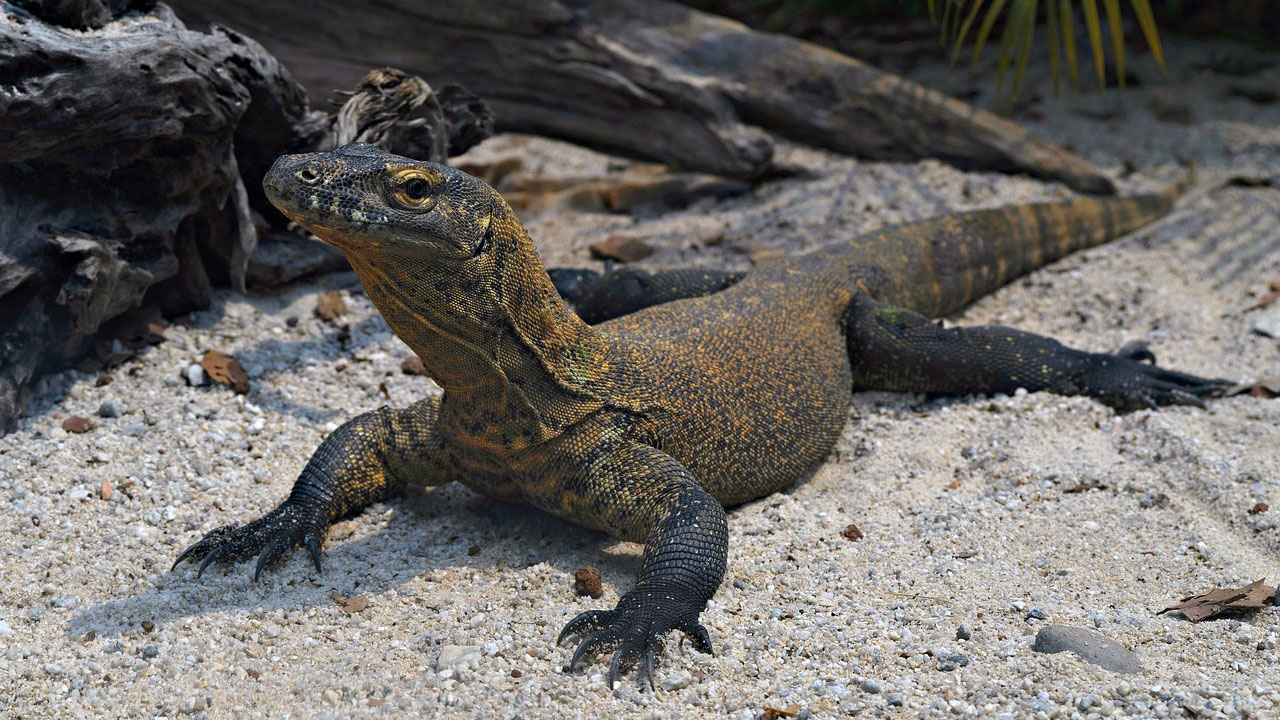
Komodo dragons are often described as solitary hunters, but feeding and attack behavior can involve more than one animal in ways that turn them into a serious multi-predator threat. One dragon may bite and track while another closes in later, drawn by blood, distress, or the same prey route. In some situations, especially around large carcasses or wounded animals, that can look a lot like a loose pair system even if it is not a bonded team. The result for the prey is the same. Escaping one does not mean escaping the problem.
That is part of what makes them so dangerous. They do not need clean mammal-style teamwork to create layered pressure. A wounded target that slows, turns wrong, or tries to hole up may run right into another dragon. So while they are not pair hunters in the strictest textbook sense, they absolutely fit the broader pattern of predators becoming more dangerous when more than one is working the same opportunity. For anything on the receiving end, the distinction does not matter much.
Like The Avid Outdoorsman’s content? Subscribe to our newsletter so you never miss an article.
Here’s more from us: