Photo credit: camselo/Pixabay.com
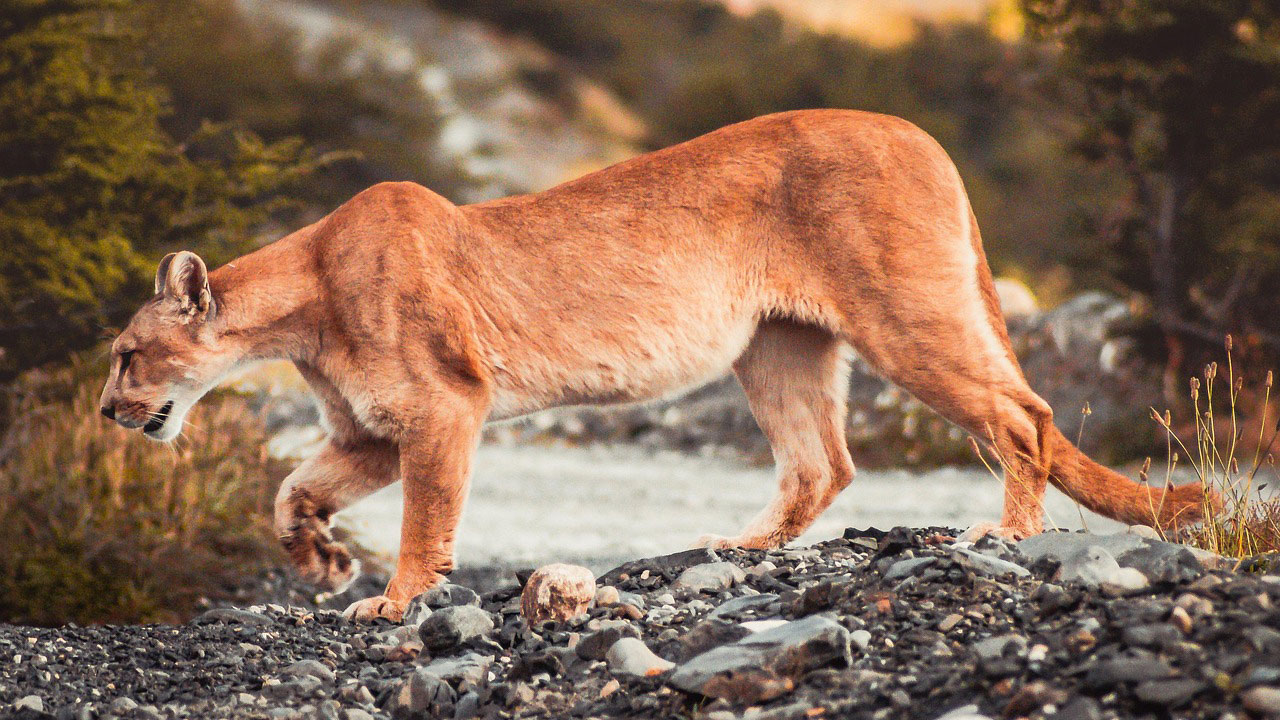
Cougars haven’t suddenly discovered a love for cul-de-sacs; we’ve pushed more houses into their travel routes, and they’re adapting. Over the last decade, confirmed sightings and trail-cam hits near smaller towns, ranchettes and exurbs have climbed in a bunch of states that either always had lions or thought they’d gotten rid of them. Biologists keep saying the same thing: more deer, more edge cover, more ring-doorbell cameras and more cats reclaiming old ground all add up to more reports. Here are 15 states where small-town folks are seeing cougars often enough that the “that can’t be real” reaction is starting to fade.
Colorado

Colorado has always been lion country, but Front Range growth has pushed subdivisions right up against wintering deer and elk. Colorado Parks and Wildlife has been working on new plans just for managing lions along the Front Range and warning that encounters near towns are becoming more common. Add in Boulder’s own notice that winter tends to drive more cats down into the foothill neighborhoods and greenbelts, and you get a state where seeing a lion on a doorbell cam in places like Evergreen, Boulder or Castle Rock isn’t shocking anymore. For hunters, that means being realistic about cats working the same drainages you glass from and the same town edges you drive through to reach trailheads.
Washington

Washington’s mix of timber, small ag towns and growing suburbs makes it prime cougar habitat, and the sightings reflect that. Wildlife officials say cougars are common across the state, including rural areas and places where subdivisions nibble into timber. Recent encounters range from trail incidents in national parks to lions crossing farm-country roads and showing up on cameras near schools. A string of documented attacks and close calls has kept the issue in the news, reminding people that “seeing one” is no longer a once-in-a-lifetime story in many communities. The common thread is food: deer and elk using clearcuts, pastures and creekbottoms right behind neighborhoods, with lions following the groceries like they always have.
California
California has a big, stable mountain lion population and a huge number of people living right in the transition zone between town and wild hills. The state’s own guidance notes that as communities expand into wildland areas, sightings and interactions have increased. You see it in everything from ring-cam videos out of foothill towns to a young collared lion wandering straight into San Francisco’s Pacific Heights, where it had to be tranquilized between apartment buildings. Smaller places on the edges of the Sierra, Coast Range and Southern California mountains see the same thing on a quieter scale: cats slipping along greenbelts, creek corridors and backyard deer trails while people are still getting used to having a big predator as a semi-regular neighbor.
Utah

Utah’s fast-growing towns along the Wasatch Front and in mountain valleys have a steady pattern now: deer drift into neighborhoods, and as seasons change, lions follow. Wildlife officers have had to track and tranquilize cougars right in neighborhoods near Utah State University, and doorbell cameras in places like Lehi and other foothill communities have caught lions padding across front lawns in the dark. These aren’t wilderness encounters; they’re small-town or small-city streets where houses lean right up against cuts, draws and oak brush. For hunters, it’s a reminder that the same cats shadowing mule deer in high basins will also work the lower benches where town lights are in plain view.
Kansas

Kansas spent a century assuming mountain lions were gone. Now the data says otherwise. Wildlife officials say confirmed sightings have “skyrocketed” in recent years, with more than 60 verifications in just the last couple of years and over a hundred since 2007. Many of those confirmations are in farm and ranch country, not wilderness. As deer numbers stay strong and cover grows around creeks and draws, young male lions are using that habitat to move and occasionally hang around. Trail cams and calving-pasture checks in rural communities are catching more of them in the act, turning cougars from coffee-shop legends into real animals neighbors compare photos of.
Nebraska

Nebraska sits right on the edge of long-established lion country, and the cats have been pushing back onto the prairie. Biologists and conservation groups point out that mountain lions have recolonized parts of the state, especially the Pine Ridge and other rugged pockets in the west, and are now returning to old prairie habitats in Nebraska, Kansas and Oklahoma. As deer thrive in shelterbelts, breaks and river corridors, lions follow those travel routes that also happen to cut past ranch yards and small towns. It’s not unusual anymore to hear about a cat crossing a gravel road near a school bus stop or showing up on cameras over calving areas within sight of town lights.
Missouri

Missouri still doesn’t have a confirmed resident breeding population, but verified cougars wandering through are no longer rare. The state has logged more than a hundred confirmed mountain lion reports since the 1990s, and recent years have seen multiple verified sightings in northern and western counties, many near farms, small towns and game-camera lines. These cats are likely dispersers from the Black Hills and western populations, but they’re choosing deer-rich corridors that often sit right behind rural subdivisions and crop-ground. For deer and predator hunters in Missouri, that means lion sign—tracks, cached carcasses, odd vocalizations—is no longer something you only hear about out West.
Oklahoma

Oklahoma is in the same boat as its prairie neighbors: cougars were functionally gone for decades, and now the cats are slipping back in. Regional reporting on Midwestern and Great Plains cougar movements shows confirmations in Oklahoma along with Nebraska, Kansas and the Dakotas as lions reclaim old ground. Much of that sign shows up on private ranches, small-town outskirts and rough country that blends mesquite, broken hills and creekbottoms. Landowners checking cattle, feeders or hog traps are often the first to get eyes or cameras on them. With deer, hogs and goats all on the ground, cougars don’t need to go far into town, but they’re close enough that school boards and sheriffs sometimes end up fielding “big cat” calls.
Michigan

Michigan is a textbook example of a state that thought lions were gone and now has to track them for real. The DNR recently reported a record 27 confirmed cougar sightings in a single year, marking the third year in a row of increasing numbers and even documenting cougar cubs in the Upper Peninsula. Most of those confirmations come off trail cameras on private land, logging country near small towns and the edges of rural communities where deer pile into cuts and fields. There’s still no clear evidence of a large, stable population, but for folks in the U.P., the odds that a “big cat” on a grainy camera is genuine have never been higher.
Wisconsin

Wisconsin’s wildlife folks have been confirming occasional cougar sightings for years now, usually lone males drifting in from the west. Regional summaries of Midwest cougar trends list Wisconsin alongside Iowa, Minnesota and others as places seeing periodic verified cats again after a long gap. Those cats don’t stay in wilderness pockets; they move through dairy country, timber edges and marshes right behind farms and small communities. Hunters checking cameras over bait piles or field edges are often the ones who catch them passing through at night. It’s still rare enough to be news, but not so rare that state biologists are surprised when another game-camera picture from farm country lands on their desk.
Iowa
Iowa doesn’t have a resident lion population, but it’s part of the same corridor that’s feeding young males into the Midwest. Studies of confirmed cougar reports list Iowa among the states where dispersers have been verified with tracks, carcasses and clear photos in recent decades. Those cats are moving along river corridors, CRP fields and timber fingers that cut right up to small towns, grain elevators and farmsteads. One neighbor might dismiss a sighting as a big bobcat; the next place down the road gets a clear picture on a trail cam set for deer or coyotes. It’s still a low-odds animal to see in person, but it’s real enough that rural sheriffs now at least entertain the possibility when they get a “big cat” call.
South Dakota

South Dakota has a well-established mountain lion population anchored in the Black Hills, and those cats have been radiating out onto the plains for years. State and regional coverage talks about the Black Hills population being a source for dispersers into neighboring states and onto prairie ground. Sightings near places like Rapid City and smaller communities on the fringe of the Hills are common enough that residents talk about them as part of normal life, not freak events. Lions follow deer down creek systems that run right behind subdivisions and small towns, which is why you see everything from neighborhood security footage to highway-crossing videos circulating every year.
Texas

Texas is so big and varied that it can quietly hide a lot of cougars, especially in the Hill Country, West Texas canyons and brush country. The same broader Midwest–Great Plains reporting that tallies cougar confirmations lists Texas among the states with verified animals east of the Rockies as lions reclaim territory. On the ground, that often shows up as cats working along creekbottoms, brushy draws and rough country on the edges of small ranch towns and exurban developments. Deer feeders, hog sign and 24/7 game cameras mean more cats are getting documented than ever before. In a state where hogs, deer and exotics all pile into the same habitats, nobody should be shocked to see big-cat prints in caliche a mile or two from city limits.
Oregon

Oregon holds a healthy cougar population across much of its forest and canyon country, and as in other Western states, people have pushed homes and hobby farms deeper into that habitat. Population estimates put thousands of lions on the landscape, with encounters still rare but trending upward as more folks live and recreate in the woods. Small towns in timber country, from coastal drainages to the east side, increasingly see the occasional lion track in fresh snow near neighborhoods or a cat on a camera set for blacktail deer. For hunters, the takeaway is simple: if you’re glassing clearcuts or oak slopes that back up to a small town, you’re in the same terrain the local cats use when they shadow deer.
Arizona

Arizona’s mixed terrain—Sonoran desert, scrub, and high-country pine—gives cougars room to roam, and a lot of that habitat abuts smaller mountain and desert towns. Rugged country above places like Prescott, Payson and assorted canyon towns holds deer and elk, and lions ride those herds right down into the fringe where houses, cabins and trail systems start. As more people hike, run trail cameras for javelina and deer and build out into the brush, reports of lions slipping through washes or across back roads near town keep coming. The encounters are still low in number compared with total outdoor users, but the trend mirrors what you see elsewhere: more eyes on the land, more edge habitat, and big cats quietly working the same ground on the outskirts of town.
Like The Avid Outdoorsman’s content? Subscribe to our newsletter so you never miss an article.
Here’s more from us: