Photo credit: Andrew Patrick Photo/Pixabay.com
Public-land whitetail hunting is still one of the best deals left in America. The problem is: everybody knows it. More hunters, more access competition, more social media intel, and more folks traveling to “famous” public ground means pressure stacks up fast. Some states have a lot of public acreage, but that can still hunt small when the best chunks get hammered. Other states don’t have much public at all, so the few good areas turn into crowded parking lots.
This list isn’t about “best deer states.” It’s about where public-land pressure is commonly getting intense—either because hunter numbers are high, public land is limited, or the public parcels that do exist concentrate hunters into the same spots. (And yeah, pressure changes by unit and region. You know that. This is the big-picture reality check.)
Pennsylvania

Pennsylvania and hunting pressure belong in the same sentence for a reason: huge hunter participation, lots of tradition, and plenty of public land that still gets leaned on hard. The Game Commission’s 2024–25 deer harvest estimate was about 476,880 deer, which tells you participation and effort are still real. In many WMUs, the issue isn’t “are there deer?” It’s “can you find a pocket that isn’t getting walked through every morning?” Pressure pushes deer nocturnal, shifts movement into nasty cover, and makes bedding areas smaller and tighter. The best public-land hunters in PA adapt by hunting overlooked access, ugly terrain, mid-week sits, and tight funnels nobody wants to crawl into. If you expect a relaxed “sit on the edge and watch deer all afternoon” public hunt, PA will humble you.
Michigan

Michigan has a lot of public land and a lot of deer hunters. That combo can be great—until you see how many people hunt the same easy-access areas year after year. Michigan is routinely mentioned among the states with massive public acreage for whitetails, which means it attracts both residents and nonresidents looking for room to roam. The pressure problem isn’t always “too many hunters everywhere.” It’s concentrated pressure: parking-lot parcels, close-to-town forests, and well-known pieces that get pounded opening weekend. If you’re willing to hike, use maps, and hunt transitions that others walk past, you can still do well. But if you only hunt the spots you can see from the trail, you’re going to feel the squeeze.
Wisconsin

Wisconsin is serious deer country, and that means serious deer hunting pressure. It’s one of the states with huge public-land opportunity for whitetails, but popularity creates its own problem: everyone has the same idea at the same time. In many areas, deer learn the rhythm of opening weekend like it’s a schedule, and they shift into thick cover and odd travel routes fast. Pressure also creates “micro hot spots” where a single ridge, swamp edge, or oak flat gets hunted by multiple groups in the same day. The hunters who consistently tag out on Wisconsin public aren’t doing magic. They’re doing timing, access strategy, and scouting when nobody else is out. You can still hunt Wisconsin public effectively, but you have to hunt smarter than the crowd, not just harder.
Minnesota
Minnesota has big public land footprints in places, and that’s a blessing, but it also means a lot of hunters have room to spread out—until you realize they still cluster around the easiest access and best-known ground. Minnesota is often grouped with the top public-land whitetail states by sheer acreage, which keeps it on the radar for public hunters. Pressure shows up as deer shifting quickly after opening weekend and hunter sign stacking up around classic pinch points. The guys who do well tend to hunt edges of pressure: deep transitions where the deer slide away from the main trail network, or overlooked parcels that are “too small” for most people to bother with. If you hunt Minnesota public like it’s private, you’ll be disappointed. If you hunt it like a chess match, you’ll have better seasons.
Ohio
Ohio has great whitetails, but public land is limited compared to how many people want to hunt. That creates crowding in the best public areas, especially around population centers. Pressure in Ohio can feel like a game of musical chairs—everybody trying to claim a spot, everybody watching the same pinch points, and deer learning fast where the danger sits. The other factor is that Ohio’s good reputation draws travelers, and that stacks even more pressure on the most famous public areas. If you’re an Ohio public-land hunter, you usually win by avoiding the “known” places and hunting less obvious sign: secondary trails, tiny overlooked funnels, and spots that aren’t fun to drag a deer out of. In Ohio, discomfort often buys you space.
Indiana

Indiana’s whitetail opportunity is solid, but public access can be tight and highly pressured, especially on the more popular properties. A lot of Indiana public ground is close enough to cities that it gets hunted hard after work, weekends, and any weather front. That doesn’t mean it’s worthless. It means deer behavior gets sharper and movement gets more cautious. You’ll see more nighttime travel, tighter bedding in ugly cover, and deer crossing in places that make no sense until you factor in pressure. Indiana public hunters who tag good bucks are often hunting low-impact: slipping in and out, hunting weather windows, and focusing on bedding-adjacent setups instead of camping on field edges. If you hunt Indiana public the same way you did ten years ago, you’ll feel like the deer vanished.
Illinois
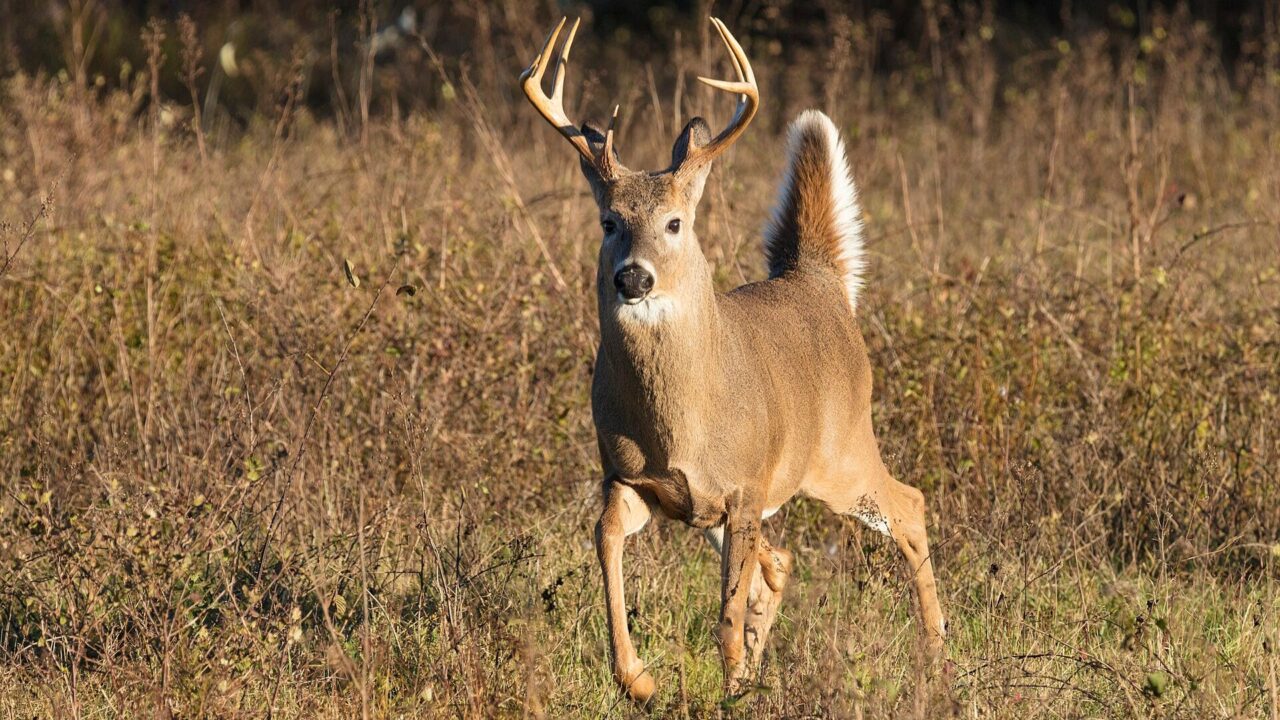
Illinois gets attention for big deer, but much of the truly productive ground is private. Public exists, but pressure is real where the habitat and access align. The common pattern is concentrated hunting on the better-known public parcels, with deer adjusting fast and mature bucks going into survival mode quickly. Another issue is that many public parcels are smaller, which magnifies pressure. A few hunters can change the whole property’s movement in a single weekend. Successful Illinois public hunters usually build plans around micro-access—how to get in without alerting deer, where other hunters enter, and where deer escape when pressure hits. It’s not always glamorous hunting, but it can be effective if you treat pressure like part of the map.
Missouri
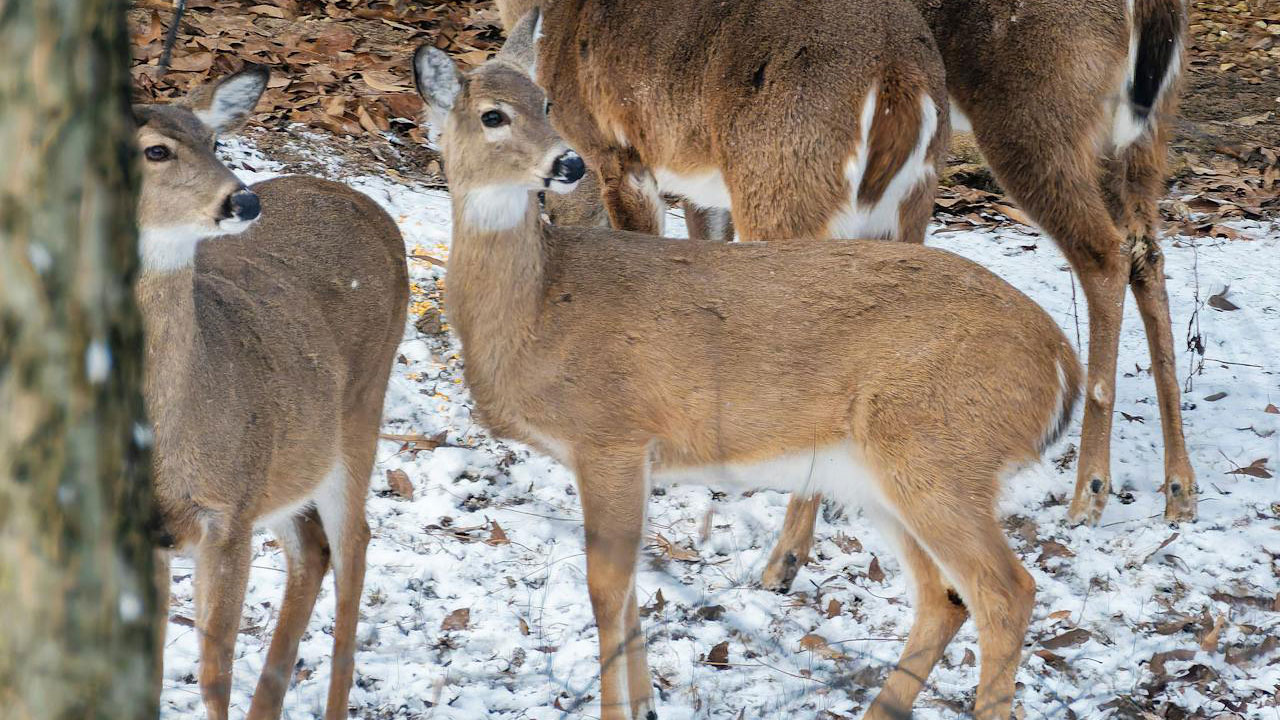
Missouri has a strong hunting culture, and public-land deer hunting is popular—especially in the areas that are easiest to reach and have consistent deer numbers. Pressure varies a lot by region, but the state absolutely has public properties that get hammered hard during peak weekends and peak rut windows. Deer respond by pushing into thicker cover, shifting to nocturnal feeding, and using terrain features that keep them hidden from the “main trail” hunter. Missouri public success usually comes from scouting escape routes and hunting where deer go because of pressure, not in spite of it. If you’re willing to hunt overlooked bedding cover and sit on downwind sides of thick stuff, you can still do very well here.
Kentucky

Kentucky has plenty of deer hunting participation and a lot of public interest in hunting overall (and elk hype doesn’t hurt). Public-land whitetail hunting in Kentucky can get crowded, especially on the more well-known WMAs and areas close to bigger towns. Pressure also spikes during gun season weekends, when everybody and their cousin has the same plan. The deer react fast. They’ll stack into nasty cover, travel down windier routes, and use terrain that keeps them out of sight. Kentucky public hunters who do well typically scout hunter sign as much as deer sign. Where are people parking? Which ridges get climbed? Where do guys set ladder stands year after year? Deer learn those patterns, and if you hunt where deer escape, you’re ahead of the game.
Tennessee

Tennessee public land can be feast or famine, depending on the property. Some places feel roomy. Some places feel like a competition. Pressure tends to spike around the easiest-access properties and during popular rut windows, and deer get cautious fast. Tennessee is also a state where a lot of hunters are competent and persistent, which makes “beating pressure” harder because the crowd isn’t clueless. The best public-land strategy here is to avoid predictable setups. Everybody wants the obvious ridge saddle or the obvious scrape line near a trail. Find the second-best sign in the nastiest cover nearby—often that’s where mature bucks slide when pressure hits. If you’re willing to hunt weird, Tennessee public can still produce.
North Carolina
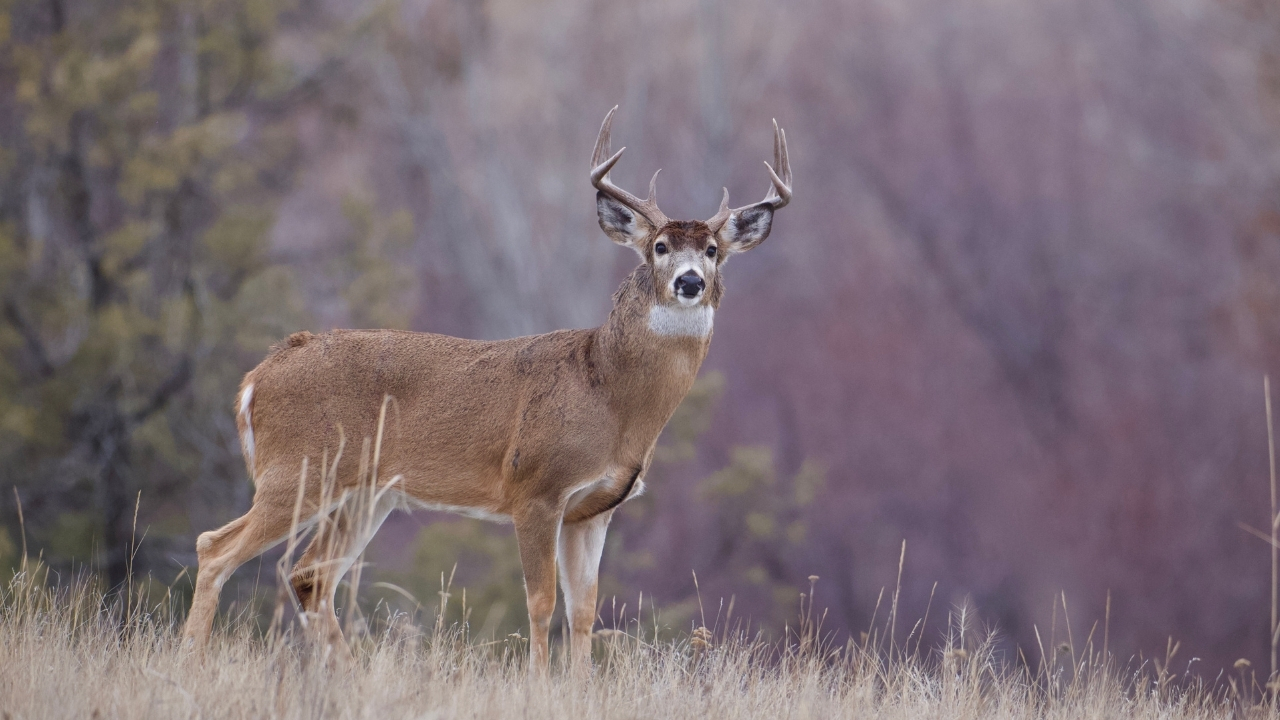
North Carolina has a mix of public-land types, and pressure tends to concentrate where access is easiest and deer density is solid. The other issue is that many hunters are working with smaller time windows—weekends, short trips—which means everybody shows up on the same schedule. That creates predictable pressure patterns deer learn quickly. North Carolina public hunters often win by hunting timing: mid-week, nasty weather, or early/late season windows when the crowds thin. Also, don’t ignore small public parcels. They can be pressure cookers, but they can also hold deer that learn to live around human patterns. If you hunt them carefully—low impact, smart wind, and quick sits—you can steal good opportunities from properties everyone else writes off.
Georgia
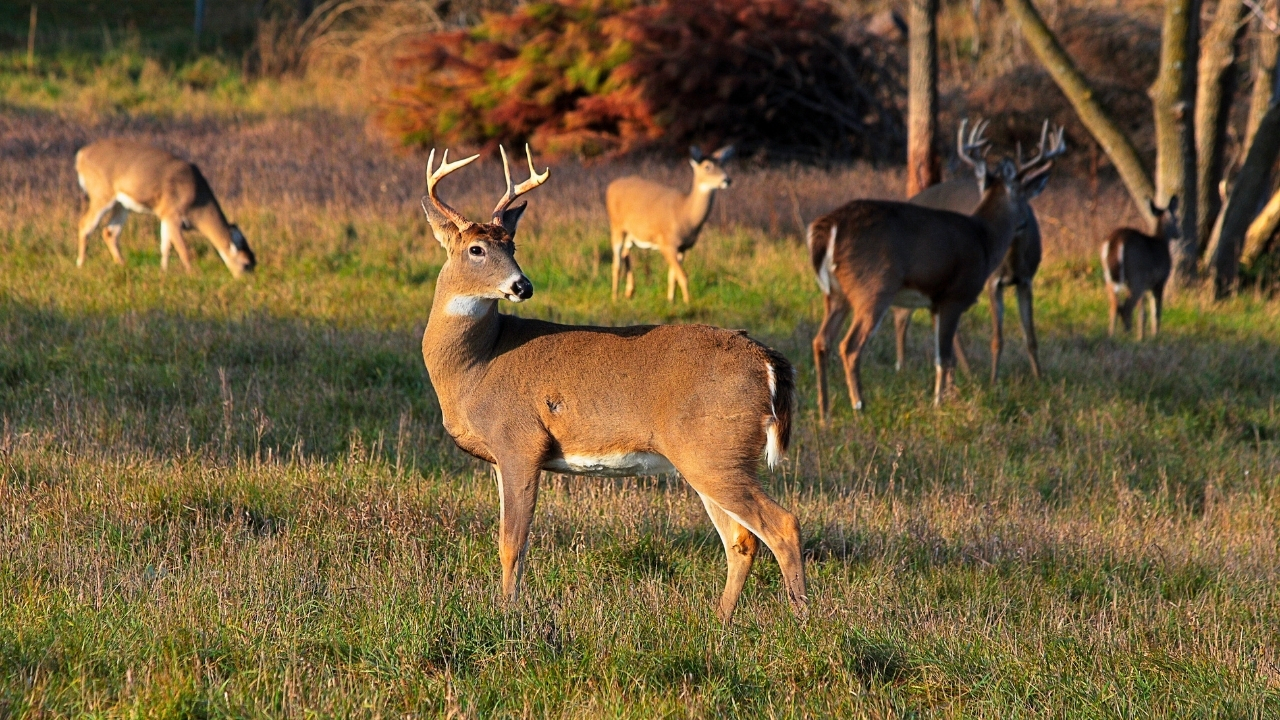
Georgia has strong hunting participation and a public-land system that can get hammered in the most popular WMAs. Pressure is often about access concentration: easy roads, easy parking, and familiar spots that get hunted repeatedly. Deer adjust by bedding closer to thick cover and moving less during daylight in the same “obvious” corridors. The hunters who consistently do well on Georgia public are often the ones hunting thick, unpleasant areas—swamps, briars, and ugly transitions—because that’s where deer hide when the woods get busy. Another advantage is hunting after the initial weekend wave. Many guys show up hard early, then fade. Deer patterns can stabilize again if you’re patient and you hunt those quieter windows.
Alabama
Alabama public-land pressure can be intense in the more popular areas, especially around gun season peaks and weekend windows. The deer density can be solid, but the human density can be too. Pressure shows up in deer behavior fast: shorter daylight movement, more bedding in thick cover, and fewer “easy” sightings on classic edges. Alabama public hunters who tag consistently are usually using scouting to avoid people, not just find deer. They’re also hunting overlooked access—boat-in spots, longer hikes, and places that require effort. In a lot of southern public-land hunting, effort buys you space. If you refuse to walk, you’re going to hunt around people.
New York
New York has a ton of deer hunters and plenty of public access in places, but pressure concentrates hard around urban-adjacent zones and well-known state lands. The public parcels close to population centers can feel like everybody’s backup plan, which means they get hammered on weekends and during peak rut sits. Deer adapt by moving in the thickest cover and using travel routes that avoid trails and obvious funnels. New York public success often comes from hunting small, overlooked areas and focusing on access strategy: how to get in without spooking deer and without bumping other hunters. You’re not always fighting deer. You’re fighting convenience.

Maine

Maine has large public land and big woods, and that can reduce pressure in some ways—but it also creates its own kind of pressure: hunters concentrating around the most accessible roads, cuts, and known travel corridors. Maine is often mentioned among the top public-land whitetail states by acreage. When pressure hits those easy-access areas, deer shift deeper and use thicker cover. The hunters who do best aren’t necessarily hunting “farther,” they’re hunting smarter: finding where deer move when the easy cuts get hunted. Maine public hunting can still feel old-school, but the popular zones are not immune to modern crowding. If you want quieter hunts, you usually need to be willing to work for it.
Like The Avid Outdoorsman’s content? Subscribe to our newsletter so you never miss an article.
Here’s more from us: