Photo credit: Aaron J Hill/Pexels.com
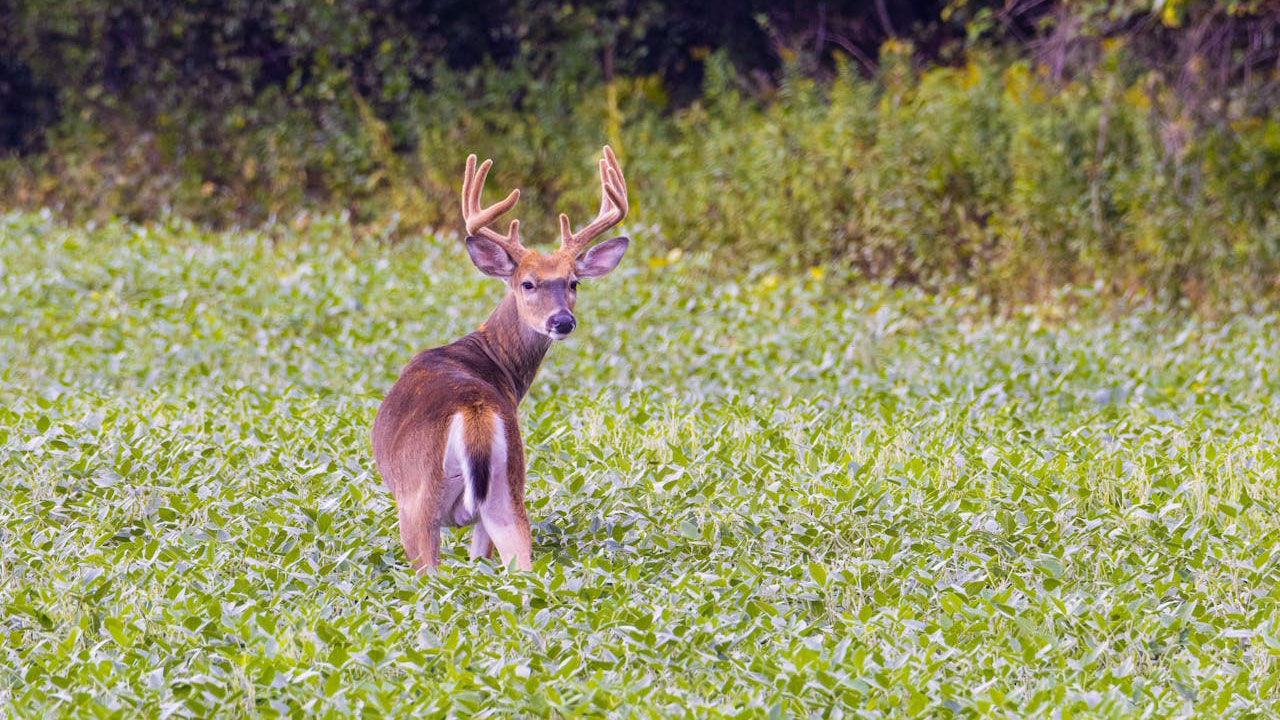
Public land has always had pressure. What’s changing is how fast it piles up and how educated the pressure has gotten. More hunters are using mapping apps, more people are willing to travel, and more “once-a-year” guys are now year-round public-land grinders. That doesn’t mean every acre is packed all season. It means the most obvious access points, popular parcels, and rut-timed weekends can feel like a circus—especially in states where hunter density is high, public land is limited, or nonresident demand keeps climbing.
Pennsylvania

Pennsylvania is the classic example of sheer volume. There’s plenty of public ground, but there are also a ton of deer hunters, and that math matters. Many of the same SGL lots fill before daylight on opening mornings, and you’ll see guys fanning out from every two-track and gated road like it’s a coordinated push. Add the fact that a lot of PA public is broken up into chunks, and the easier parcels get hammered first. The result is deer that get jumpy fast, shift to thicker cover, and start moving later in the morning or after legal light. If you hunt PA public and you’re not walking past the first ridge or hunting weird hours, you’re often sharing space with multiple people, whether you know it or not.
Michigan

Michigan has a ton of public land, but it’s also a state where hunting is baked into the culture. The pressure isn’t always constant everywhere—some big timber can still feel empty—but the accessible parcels near towns, two-tracks, and established trailhead lots can get worked hard. And Michigan pressure has a certain style: lots of guys willing to still-hunt, lots of camps that return to the same access points, and a ton of traffic during firearms season. Deer respond by using nastier cover, shifting bedding deeper, and getting more cautious around the easy funnels everyone can see on a map. If you’re hunting public in Michigan, you either embrace the grind and get mobile, or you accept you’re mostly hunting pressured deer that have already heard boots and doors slamming all week.
Wisconsin

Wisconsin pressure is real because deer hunting is basically a statewide tradition, and public parcels can see a pile-on effect fast. In many areas, there’s enough land that you can still find space—until you get into the well-known properties or the spots closest to population centers. Opening weekend, weekends in general, and the first good cold front can turn certain lots into a parking-lot lineup. Deer adapt quickly: they start using the thick stuff, moving less in daylight, and slipping through cover where human movement doesn’t reach as easily. The other issue is predictability—hunters know where deer “should be,” so those funnels and field edges get sat hard. If you want daylight movement, you often have to hunt where it’s uncomfortable: swamp edges, steep little cuts, thick tag alders, or ugly corners most guys don’t want to drag through.
Minnesota

Minnesota can feel wide-open until you hunt it. In the big woods, pressure isn’t always a “crowded ridge” problem—it can be a “quiet but constant” problem where deer are still getting bumped, still getting hunted, and still adjusting. Then you’ve got farmland-edge public that draws crowds because access is limited and deer numbers can be solid. When pressure hits, Minnesota deer do what pressured deer do everywhere: they slide into thick cover, they move less, and they use terrain and water edges to avoid people. The big shift for a lot of MN public hunters has been mobility and timing—hunting midweek, hunting weather windows, and hunting after the initial rush when deer settle back in. If you’re hunting the same easy spots in MN year after year, the deer are already ahead of you.
Maine

Maine has a lot of land, but pressure can concentrate around roads and easy entry points, especially in areas where the deer density is better or the terrain funnels people. If you can drive close, a lot of guys will. And in Maine, the biggest public-land challenge is that deer movement can be more subtle—so when pressure rises, deer don’t just “move to the next ridge.” They tuck into thick cover, they use cuts and edges differently, and they often go quiet. You’ll still find room in Maine, but if you’re hunting the most obvious access points, you’re hunting deer that have heard trucks, doors, and distant shots for days. The guys who consistently do well are the ones who treat Maine like a tracking and edge-game state: find fresh sign, adjust daily, and don’t assume yesterday’s plan still holds after opening weekend chaos.
New Jersey

New Jersey public-land pressure is brutal because the state has dense human population and a limited amount of huntable public ground in many areas. Even where there are good parcels, they can be small enough that a couple extra trucks changes everything. You get crowding not just from hunters, but also from dog walkers and general recreation, which keeps deer on edge even when it’s not peak season. The deer can still be thick—sometimes very thick—but they behave like deer that live close to people: they move in tight windows, they hold in nasty cover, and they often use suburban edges as a safety buffer. For NJ public hunters, the game becomes picking the right access, hunting off-hours, and leaning into overlooked cover—like tiny strips, ugly swampy corners, and areas where human traffic discourages other hunters.
Maryland

Maryland pressure is a mix of limited access and concentrated opportunity. In many regions, the best deer public land is near population corridors, and that creates a steady stream of hunters. Some areas have managed or controlled hunts, which tells you something: without hunter caps, pressure would wreck the quality fast. Maryland also has a lot of deer living in “in-between” spaces—woodlots, creek bottoms, and suburban edges—so when hunters hit the obvious public parcels, deer quickly start using thick cover and boundary lines. You can still hunt Maryland public successfully, but you have to treat it like a pressured chess match: access quietly, hunt funnels that other people don’t want to reach, and expect deer to move late or in short bursts rather than strolling out at first light like they do on a private farm with low pressure.
Virginia

Virginia has good deer numbers, but public pressure can get ugly on properties with a reputation, especially within a few hours of major metros. It’s not always “packed everywhere,” but certain WMAs and public tracts are hammered during the same predictable windows: opening weekend, weekends in general, and the first rutting week that lines up with good weather. Deer respond by using thick cover and terrain folds, and by shifting movement toward mid-day when the woods quiet down. Virginia also has a lot of mixed habitat—fields, timber, creek bottoms—so everyone wants to hunt the same pinch points. If you’re willing to hunt the stuff that looks like a pain (thick pines, briars, ugly little hollows), you often find the deer that are avoiding the easy setups.
North Carolina

NC public pressure is very real because the state has a lot of hunters and plenty of public land that’s close to population centers. Some game lands get hit so hard on weekends that deer basically treat the first few hundred yards from access like a danger zone. And NC is an edge-habitat state in many places, which means deer can live close to people and still stay hidden. Once pressure ramps up, they slide into thick cover, cutovers, swamp edges, and places where hunters don’t want to wade or fight briars. The best NC public hunters tend to adapt quickly: they hunt the wind aggressively, hunt weekdays when possible, and treat the season like a series of short windows instead of expecting a “classic opener” experience. If you’re hunting easy access in NC, assume the deer have already been bumped—because they probably have.
Georgia

Georgia public pressure looks like a crowd problem in some WMAs and a “smart deer” problem in others. The best-known properties, and the ones within easy drive of cities, can feel slammed when the dates line up. A lot of Georgia hunters rely on public access, so spots with good habitat and good deer numbers develop reputations quickly. When that happens, deer behavior shifts hard: they move less in daylight, they hold tight to thickets, and they start using creek bottoms and swampy cover as escape routes. The guys who consistently tag out on GA public are the ones who hunt places that don’t look great—because everyone else is sitting the obvious food edges. If you hunt the nastiest cover where you can’t see 30 yards, you’ll often find the deer that learned to survive the pressure.
Florida

Florida public-land pressure is a different animal because so many good hunts are tied to limited access, quota hunts, and specific date windows. That concentrates hunters when the opportunity opens, and on popular WMAs you’ll see that “everyone’s here” vibe immediately. Florida deer also don’t always behave like Midwest deer—heat, thick cover, swamp edges, and nighttime movement can dominate. Add heavy hunter presence and they get even more nocturnal and harder to pattern. A lot of Florida public success comes down to knowing when the woods quiet down—midweek, late season, or after the first burst of pressure—and being willing to hunt the ugly wet stuff that most guys avoid. If you’re only hunting the easy dry access trails, you’re basically competing with everybody.
Texas

Texas is mostly private, which makes public ground feel like gold—so it gets treated that way. When you’ve got limited public options and a lot of hunters, the best-known parcels get hit hard, especially early. You’ll often see pressure stack up at access points, then spread along roads and obvious trails. Texas public deer hunting can still be productive, but you have to approach it like a strategy game: scout for overlooked corners, hunt weekdays if you can, and be willing to go farther than the crowd. Another factor is that Texas public often includes mixed-use properties, and human activity isn’t only hunting—so deer are dealing with disturbance even outside peak season. Pressure creates deer that move fast, use thick cover, and rarely give you the kind of relaxed daylight movement you’d see on a lightly hunted ranch.
Colorado

Colorado public pressure is heavy because public land is a big part of the hunting culture there, and hunters travel hard for it. Even if your main focus is whitetails, the same public-land reality applies: access points get pounded, and animals start reacting quickly. In some areas, the pressure isn’t just local hunters—it’s out-of-staters chasing opportunity and using the same mapping tools to target the same basins, creek bottoms, and transition lines. Deer respond by shifting movement and bedding patterns, and by using terrain that discourages human travel. If you’re hunting CO public and you’re not putting in extra effort—extra elevation, extra distance, or hunting the odd little pockets nobody wants—you’re often hunting behind somebody else’s plan.
Montana

Montana has tons of country, but pressure still gets brutal where access and reputation overlap. That means popular river bottoms, easy trailheads, block-management favorites, and any place that’s well-known as “good deer ground.” Montana also attracts nonresident hunters who plan their whole year around a trip, and that creates seasonal spikes in pressure. In heavily hunted zones, deer shift quickly: they bed deeper, use rougher breaks, and stop moving in daylight on the obvious patterns. Montana can still give you solitude, but you have to earn it by walking, glassing smart, and hunting midweek or away from the postcard spots. If you’re parked where everyone else is parked, you’re hunting the deer that already got bumped at daylight.
California

California public-land deer pressure is brutally concentrated because access isn’t equal. Huge public parcels exist, but many are hard to reach or effectively landlocked by private boundaries, which funnels hunters into the parcels they can actually get to. When that happens, the pressure per huntable acre feels insane, especially in the first few weeks of a season window. Deer react by bedding in the nastiest cover and shifting movement into tight, low-risk windows. California also has a long season structure depending on zone, which creates waves of pressure and waves of deer adjustment. The hunters who consistently kill deer on CA public aren’t doing anything magical—they’re solving the access puzzle, hiking farther, and hunting terrain that the average guy won’t commit to when it’s hot, steep, and brushy.
Like The Avid Outdoorsman’s content? Subscribe to our newsletter so you never miss an article.
Here’s more from us: