Photo credit: KIm B Photography/Shutterstock.com
A lot of dangerous wildlife does not look dangerous at first. It looks slow, familiar, small, awkward, or even calm. That is exactly why people get into trouble. They mistake “not acting aggressive” for “safe to approach,” and they keep closing distance until the animal runs out of room, runs out of patience, or decides the fastest way out is straight through the threat. In the wild, cornered does not always mean physically trapped against a wall. It can mean pinned against water, boxed in on a trail, surprised at close range, blocked from offspring, or pressured by a person and dog coming from the wrong direction.
That is why so many animal attacks start with the same human mistake. Somebody assumes the animal will keep retreating. Then it does not. It plants, turns, lunges, kicks, bites, or charges because the space it needed is gone. The animals on this list are not constant attackers. Most of them would rather leave. But when they feel trapped, pressured, or suddenly out of options, they can turn serious much faster than their ordinary appearance suggests.
Deer
Deer look harmless to a lot of people because they are so familiar. They are in yards, on roadsides, near parks, along hiking trails, and sometimes standing quietly enough that people forget they are wild animals built to explode with force when frightened. Most of the time, a deer wants distance and will take it. The problem starts when that route disappears. A deer that feels cornered in fencing, thick brush, a backyard, or a narrow trail gap can lash out with sharp hooves and surprising speed.
This gets especially risky when people try to “help” an injured deer, approach one tangled in landscaping, or move too close to a doe with a fawn hidden nearby. Bucks during the rut can also become far more unpredictable than their everyday appearance suggests. They may look like nervous prey animals, but a cornered deer can slash, stomp, and strike hard enough to cause real injury. Familiar does not mean safe.
Moose
Moose are an easy animal to underestimate if you have never been close to one in the wild. From a distance, they often look almost slow and awkward, like oversized woodland cattle. That illusion disappears the second they decide they have had enough. A moose that feels boxed in on a trail, pressured by a person with a dog, or threatened near a calf can go from stillness to violence in a heartbeat.
People often make the mistake of assuming the animal will step off and let them pass. That is not always how it goes. If a moose thinks you are cutting off its escape path or crowding its young, it may charge, stomp, and keep coming long after the first hit. They do not need to snarl or posture like a predator to be dangerous. Their size is the danger, and when they feel trapped, they use it.
Elk
Elk often look calm enough to fool people, especially in parks and popular outdoor areas where they are used to seeing humans at a distance. That calm appearance leads some people to believe they can edge closer for a photo or move past the animal in tighter quarters than they should. The problem is that an elk does not need to look angry for the situation to be bad. If it feels crowded, cut off, or pressured during the rut or near calves, it can come unglued fast.
A big bull elk does not need much room to become a serious problem. Even cows can be extremely defensive if they think a person is too close to a calf. These are not animals built to bluff for long once they decide they need to clear space. They can spin, kick, and charge with more speed than most people are prepared for. Their ordinary grazing behavior hides a lot of power.
Bison
Bison may be the perfect example of an animal that looks calm until people make it feel trapped. They spend so much time standing, grazing, or lying around that people start treating them like oversized livestock. That is a terrible mistake. A bison does not need to “look mad” to become dangerous. If it thinks people are surrounding it, blocking its line of movement, or crowding too close, the response can be immediate and violent.
The danger gets worse because people misread stillness as tolerance. A bison standing quietly may already be deciding whether to move or whether to drive straight through what it sees as pressure. Once the animal feels like its space is gone, the speed and force are enough to throw, gore, or trample a person before they understand how badly they misread the moment.
Wild hogs
Wild hogs often look more clumsy than dangerous, especially when seen feeding or crossing at a distance. That is one reason people underestimate them. They do not carry the same visual warning as a bear or a big cat, so some hikers and landowners assume they will always bolt if surprised. Often they do. But a hog that feels cornered in brush, trapped against a fence, or pinned with piglets nearby can become a very different animal.
At that point, the problem is not theatrics. It is speed, low-center power, and tusks. A pressured hog can burst out with almost no warning, and because it stays low and comes hard, people often react too slowly. They are especially dangerous in thick cover where visibility is poor and escape routes are narrow. Harmless-looking hogs stop looking harmless the second they feel like they have nowhere to go.
Swans and geese
People laugh off swans and geese until they get too close during nesting season. These birds look ornamental, familiar, and almost domestic in a lot of settings. That is why people keep underestimating them. But nesting birds are a completely different story. If they believe you are crowding the nest, approaching goslings, or backing them into the waterline or shoreline cover, they can become surprisingly aggressive.
The danger is not usually from the bite alone. It is from the sudden rush, wing strikes, loss of balance, and panic that follows when someone is not expecting a bird to come hard at face level. Near docks, pond edges, and narrow paths, a territorial swan or goose can make a person stumble into a much worse accident than they were prepared for. They may look silly in ordinary moments, but cornered birds can get serious fast.
Porcupines
Porcupines are another animal people misread because they move slowly and usually seem more interested in minding their own business than causing trouble. That calm, awkward look makes them seem safe to approach, especially for curious hikers, photographers, and dog owners. But a porcupine that feels pinned against a rock, tree, or trail edge can turn into a painful mistake very quickly.
The issue is not that porcupines go looking for conflict. It is that they rely on very short-range defense when conflict comes to them. If they cannot move off cleanly, they may wheel, brace, and drive the quills into whatever is crowding them. Dogs are especially vulnerable because they rush in nose first. A porcupine may look almost comical until the person or pet gets close enough to remove all other options.
Turtles, especially snapping turtles
A turtle looks about as harmless as an animal can look. That is exactly why people keep picking them up, grabbing them the wrong way, or trying to move them without understanding what they are handling. Most turtles want out, not a fight. But a snapping turtle, especially one trapped near a road, pinned on shore, or handled clumsily, can deliver a bite that changes the whole mood instantly.
This is one of the clearest examples of harmless-looking wildlife becoming dangerous because someone forces close contact. A large snapping turtle that feels trapped is not going to “calm down” because a person means well. It is going to use the one tool it trusts. Their appearance fools people into treating them like slow, manageable animals, when in reality they can react with far more reach and force than expected.
Raccoons
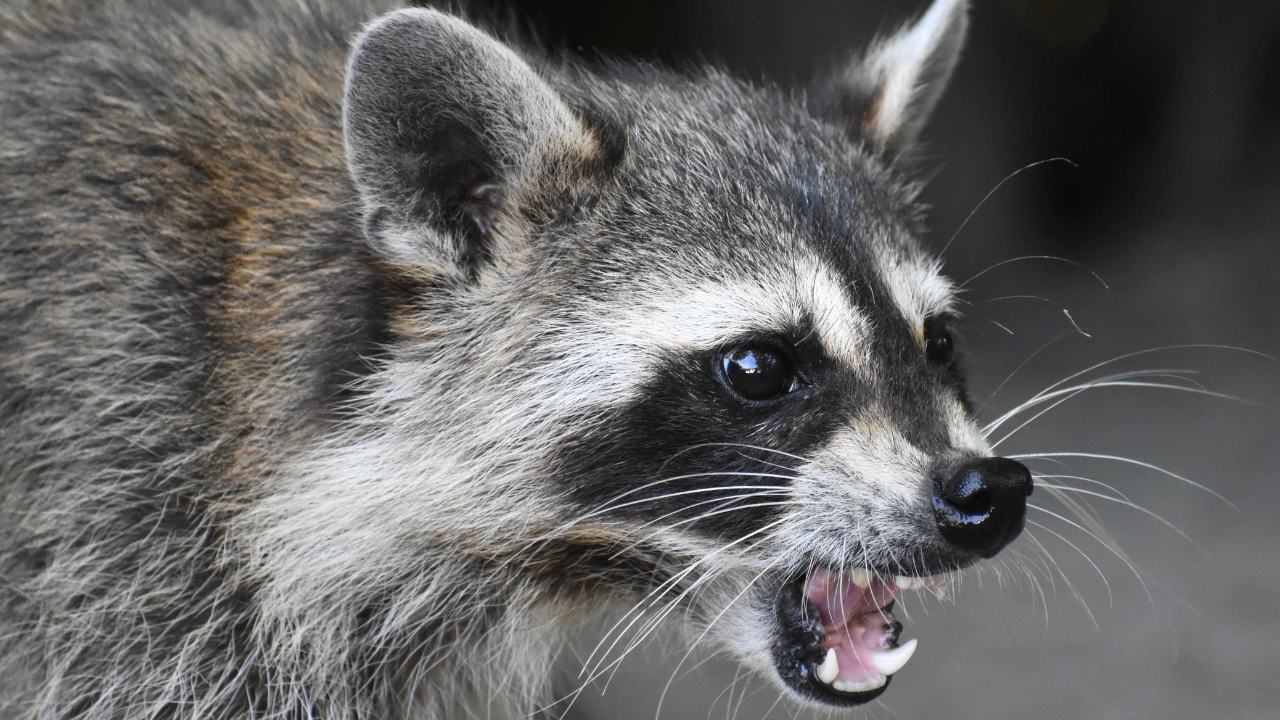
Raccoons get underestimated because they are common, clever-looking, and often strangely bold around people. That familiarity creates bad habits fast. People approach them near trash, sheds, campsites, and porches assuming they will simply run off. A lot of the time they do. But a raccoon that is injured, trapped in a corner, cornered in a building, or protecting young can switch from curious nuisance to full defensive problem in seconds.
They are small enough that people think they can handle the situation themselves. That is where bites happen. A cornered raccoon can lunge, claw, and bite fast, and close quarters make everything worse. Their size tricks people into thinking they are manageable. Their teeth and attitude say otherwise once the escape route disappears.
Opossums
Opossums look awkward, slow, and almost pitiful, which is why people sometimes crowd them far too much. Most of the time an opossum wants nothing to do with a person and will try to shuffle off, freeze, or bluff. But bluffing is not the same thing as harmlessness. An opossum that feels pressed against a wall, fenced in, cornered by a dog, or trapped in a garage can bare teeth and lash out harder than people expect.
The main danger is not that opossums are naturally aggressive. It is that people mistake weakness for safety. When the animal realizes its options are gone, it will defend itself with the tools it has. Even smaller wildlife can become a problem when humans assume size alone makes the encounter safe to manage up close.
Seals and sea lions
People regularly make this mistake with marine wildlife too. A seal or sea lion hauled out on a beach can look lazy, sleepy, and almost harmless from a distance. Then someone gets too close trying for a photo, blocks the path back to the water, or lets a dog rush in, and the animal suddenly has a reason to fight for space. At that point, even an animal that looked half asleep can bite hard and move much faster than expected.
This is a perfect example of cornering without realizing it. The person thinks they are only getting a little closer. The animal experiences it as losing its route of escape. A big sea lion in particular can do serious damage once it feels pressed. The harmless look is an illusion created by rest, not by lack of power.
The pattern is almost always the same
The reason these animals cause so much trouble is not that they are secretly aggressive all the time. It is that people keep forcing a choice the animal did not want to make. The animal wanted room. The person kept stepping closer, passed too tightly, blocked a trail, sent a dog ahead, reached out, or tried to help when leaving it alone would have been smarter. That is usually the moment when “harmless” turns into “hospital.”
The safest habit is not learning which animals are cuddly and which are dangerous. It is learning not to crowd any wild animal that has nowhere easy to go. If it is changing posture, watching you hard, turning away without leaving, standing its ground, or staying tight to young, you are already in the part of the encounter where bad decisions start. Backing off early solves most of these problems long before the animal feels forced to solve them itself.
Like The Avid Outdoorsman’s content? Subscribe to our newsletter so you never miss an article.
Here’s more from us: