Photo credit: Erik_Karits/Pixabay.com
Big animals get all the attention, but a lot of hunters learn the hard way that “small” is often what actually wrecks a trip. The stuff that bites when you’re reaching under a log, the stuff you never see until you’re already itchy, swollen, or limping, and the stuff that turns into a medical problem because you brushed it off at first. Most of these aren’t rare, either. They’re common, they live where we hunt and camp, and they’re perfectly set up to catch you when you’re tired, distracted, or moving too fast.
Ticks

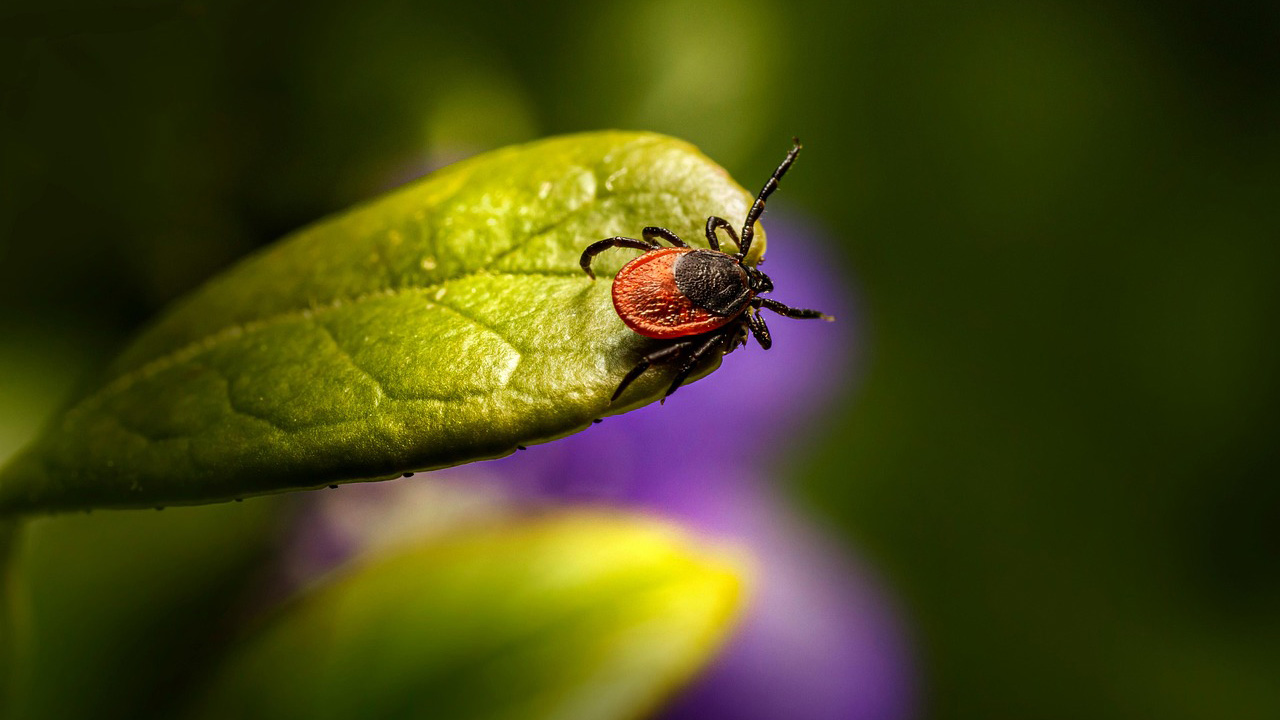
Ticks don’t feel like a threat until they are. You can walk out of the woods feeling fine and still end up dealing with a nasty infection, a fever that knocks you flat, or longer-term issues depending on what’s common in your area. Hunters get tagged because we’re in brush, tall grass, creek bottoms, and edge habitat—the exact places ticks stack up.
The bigger problem is how easy it is to miss them. You might feel one on your leg, but not the one behind your knee or under a waistband. The “damage” isn’t always the bite itself—it’s what comes with it, plus the irritation and secondary infection risk if you scratch it raw for a week.
Mosquitoes

Mosquitoes can ruin a hunt just from the constant pressure, but they’re also more than “annoying.” In some regions and seasons, mosquitoes are tied to real disease risk, and hunters tend to be out during prime mosquito hours—dawn and dusk—when the wind dies and the swamp comes alive. They also hammer you when you’re sitting still, which is exactly what hunting is.
The other damage is practical. You lose focus. You rush shots. You abandon a spot early. You slap your face and make noise at the worst time. And if you’re dealing with lots of bites, the swelling and itching can keep you from sleeping, which turns tomorrow into a low-IQ day in the woods.
Chiggers
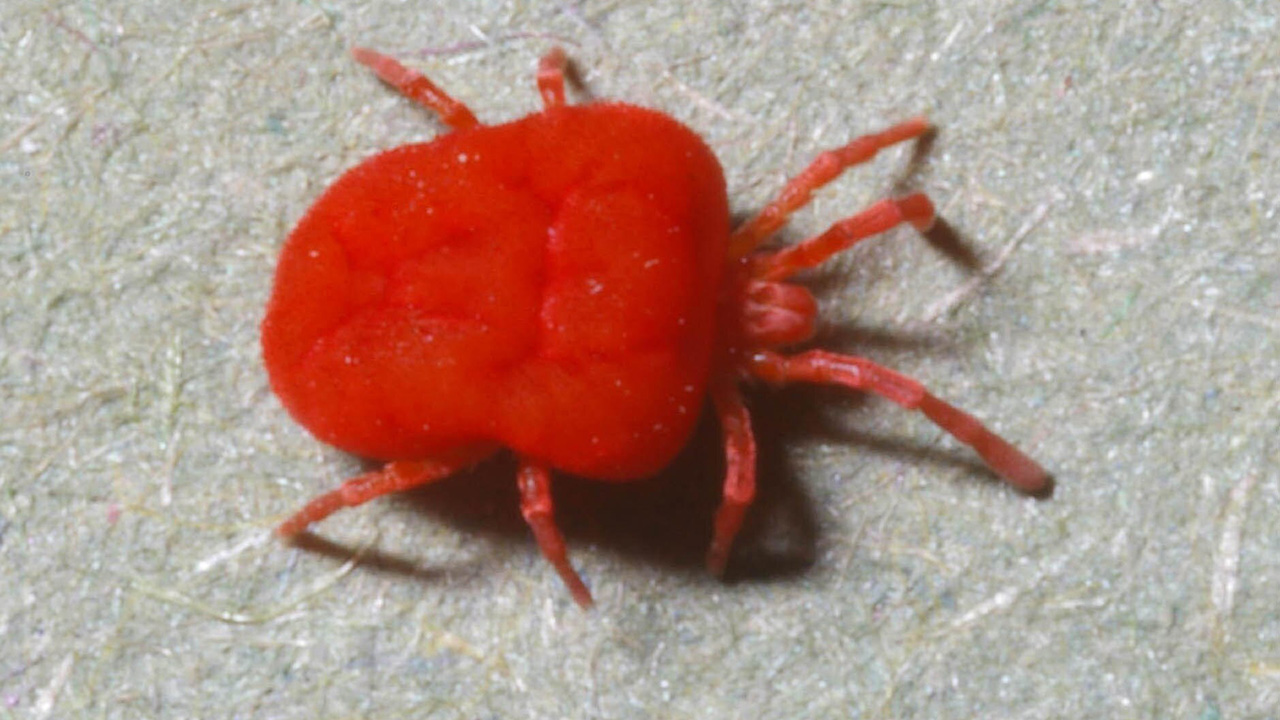
Chiggers are the kind of misery you can’t “tough out.” You don’t always notice them while you’re out there, then later you’re paying for it in the most uncomfortable places—sock lines, waistbands, behind knees, anywhere tight clothing presses. Hunters get hit when they sit in grass, kneel in weeds, or slip through overgrown edges.
The serious damage here is how bad the reaction can get when you scratch without thinking. It’s easy to turn a chigger bite into raw skin and infection, especially if you’re camping and not staying clean. It can also wreck your sleep for multiple nights, which is a fast way to turn a good weekend into a miserable one.
Fire ants

Fire ants don’t look like much until you step in the wrong spot. Then it’s a full-on emergency dance while you try to get them off your legs and out of your boots. Hunters get hit because we’re walking in fields, along fence lines, around brush piles, and sitting on the ground without always noticing what we sat down on.
The damage isn’t just the stings. It’s the way they stack them up—dozens at a time—plus the swelling and the blistering that comes afterward. For some people it’s worse: a serious allergic reaction that goes beyond “this hurts.” Either way, a fire ant mound can end a hunt fast and leave you limping and miserable for days.
Yellowjackets

Yellowjackets are meaner than most people expect because they defend like they’re guarding a bank vault. You bump a ground nest, and it’s instant chaos—stings piling up while you’re trying to run through brush, over deadfall, with a pack and a gun and maybe a dog. That’s how injuries happen even before the stings do their part.
The serious side is that multiple stings can hammer you hard, and allergic reactions are no joke. Even without allergies, getting lit up can cause swelling that makes it hard to see, grip, or walk normally. Hunters remember yellowjackets because you don’t get much warning, and you can’t “out-tough” a swarm.
Black widow spider

Black widows don’t chase you, but hunters meet them the same way we meet a lot of problems—by sticking a hand where we shouldn’t. Under a seat, inside an old blind, in a pile of gear, under a log near camp. They like dark, tucked-away spots, and hunting gear creates plenty of those.
A bite can be a real problem, not just a “bug bite.” Pain and cramps can come on hard, and it’s not something you want to deal with miles from a truck. The best lesson hunters learn is simple: shake out gloves, check blind corners, and don’t grab blindly under boards, rocks, or old junk around camp.
Brown recluse spider

Brown recluses are famous because when a bite goes bad, it can go really bad. Hunters run into them around cabins, barns, old sheds, and stored gear—places where a spider can hide undisturbed. They’re not out there in every patch of woods, but they’re common enough in certain regions that hunters should respect them.
The “serious damage” here is tissue injury and infection risk, especially if you ignore it early. A lot of people brush off the bite, then get surprised when it doesn’t heal like a normal sting. You don’t want to play tough with something that can turn into a lingering wound problem.
Scorpions

In the right parts of the country, scorpions are part of life, and hunters find them in boots, bedding, wood piles, and under rocks. The reason they make this list is that they’re easy to miss and easy to provoke by accident. One lazy moment—sliding into a sleeping bag, putting on a boot in the dark—can turn into a painful surprise.
Most scorpion stings are more pain than danger, but it can still be a serious problem depending on species, sensitivity, and where you are. Even a “mild” sting can mess with your hand strength, your grip, and your ability to keep hunting comfortably. That matters when you’re far from help and trying to stay functional.
Centipedes

Centipedes look like nightmare fuel and they can back it up. Hunters and campers find them under logs, rocks, and damp debris, and if you pick up the wrong thing bare-handed, you can get tagged fast. They bite with venom, and while it’s usually not life-threatening, it can be nasty, painful, and swell up quickly.
The other problem is infection risk. Any bite that breaks skin, especially in dirty camp conditions, can get ugly if you ignore it. Centipedes belong on this list because they’re quick, they hide well, and they tend to show up in the same damp places you’re stepping into to set a stand, gather wood, or filter water.
Coral snake

Coral snakes aren’t big, and that’s part of the danger—people don’t take them seriously until it’s too late. They’re often confused with harmless look-alikes, and hunters tend to step over logs and brush without seeing what’s tucked tight to the ground. In areas where coral snakes live, the risk is real even if encounters aren’t daily.
The serious part is the venom. You don’t want to “wait and see” with a bite from a venomous snake, especially one that can cause big problems even if the bite doesn’t look dramatic. This is one of those animals where small size tricks people into casual behavior, and hunters pay for it.
Pygmy rattlesnake

Pygmy rattlesnakes are small, hard to spot, and still fully capable of ruining your day. They tend to blend in with leaf litter and low cover, and their rattle can be subtle compared to bigger rattlers. Hunters get surprised when they’re stepping off trails, reaching into brush, or moving through palmetto and ground cover that hides everything.
The “damage” comes from how easily you can get inside strike range without knowing it. You don’t need to be messing with it—just walking wrong can be enough. And because they’re smaller, people underestimate them, then get a hard reminder that venom doesn’t care about the snake’s size.
Copperhead

Copperheads are one of the most common “I never saw it” snake bites in a lot of places. They sit tight, blend perfectly into leaf litter, and don’t always give you the obvious warning people imagine. Hunters step near them while trailing blood, slipping into a stand, or moving quietly along creek bottoms where copperheads love to hang out.
Even if a copperhead bite isn’t usually the worst venom scenario out there, it can still be serious—pain, swelling, and the potential for complications if you’re far from help. The real danger is complacency. Copperheads make hunters respect where they put their hands and feet, especially in the half-light when everything looks like a stick.
Deer mice

Deer mice look harmless, but they can bring problems you don’t want—especially around cabins, barns, blinds, and stored gear. Hunters run into them when cleaning out a shed, sweeping an old camp, or opening a tote that sat all summer. The danger isn’t that the mouse will “attack.” It’s what can be in droppings and urine in enclosed spaces.
The serious damage is respiratory illness risk if you stir up contaminated dust in a tight area. That’s why this belongs on a hunter list: we’re constantly in outbuildings and old camps that aren’t cleaned weekly like a house. “Small animal” doesn’t mean “small consequences” when the risk is in what it leaves behind.
Rabid bat

Bats don’t scare hunters until they act wrong. A bat on the ground, a bat out in daylight, or a bat that can’t fly right is a red flag, and the risk is simple: bites can be tiny and easy to miss. Hunters find bats in cabins, blinds, and sometimes tangled in netting or gear, especially in warm months.
The serious part is disease risk. You don’t need a dramatic bite to have a serious exposure, and a lot of people underestimate how small the bite marks can be. The rule is basic: don’t handle bats bare-handed, don’t let dogs mess with them, and treat “acting wrong” as a sign to stay cautious.
Catfish
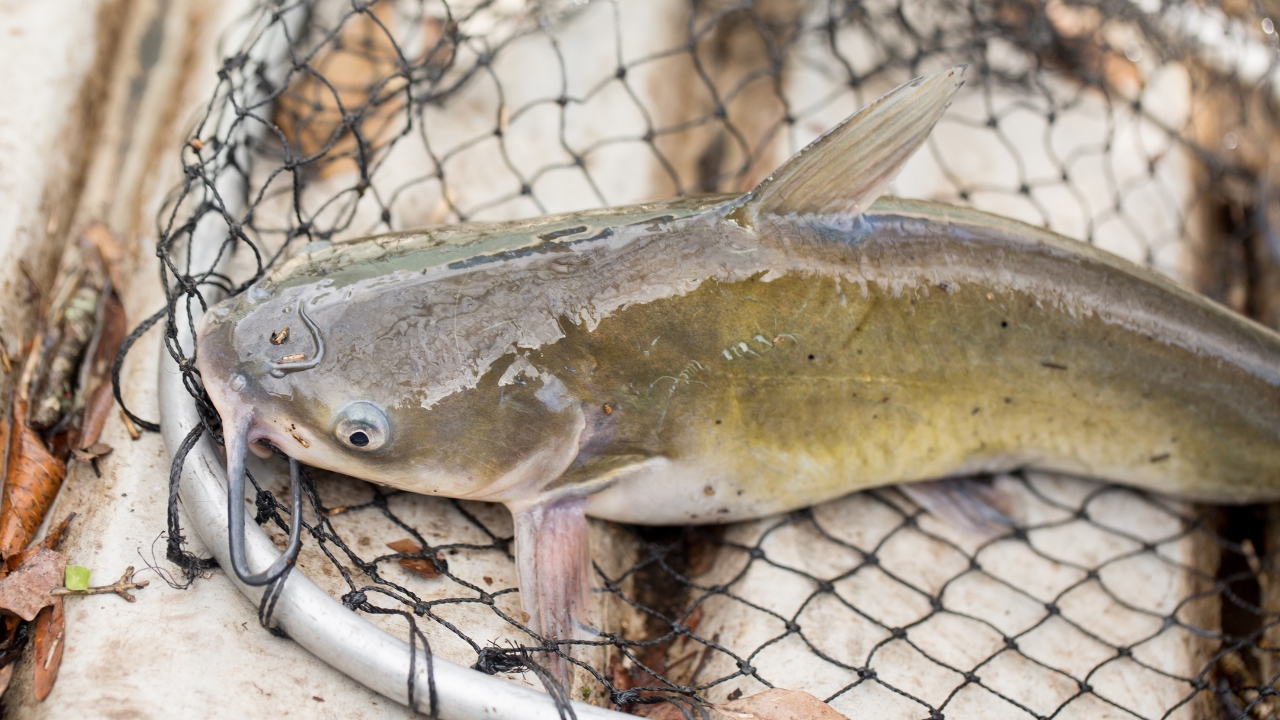
Catfish are a sneaky injury machine because they don’t look dangerous until a spine finds your hand. Bank fishing before a hunt, noodling, pulling one out of a cooler—doesn’t matter. If you grab wrong, you can get punctured fast, and those punctures can hurt like crazy and swell up bad.
The “serious damage” angle is infection risk and how disabling it can be. A hand injury that throbs, swells, and won’t close right can ruin shooting, grip strength, and basic camp chores. Catfish belong on this list because a lot of hunters also fish, and a “little spine poke” is one of the most common dumb injuries that turns into a bigger problem.
Like The Avid Outdoorsman’s content? Subscribe to our newsletter so you never miss an article.
Here’s more from us: