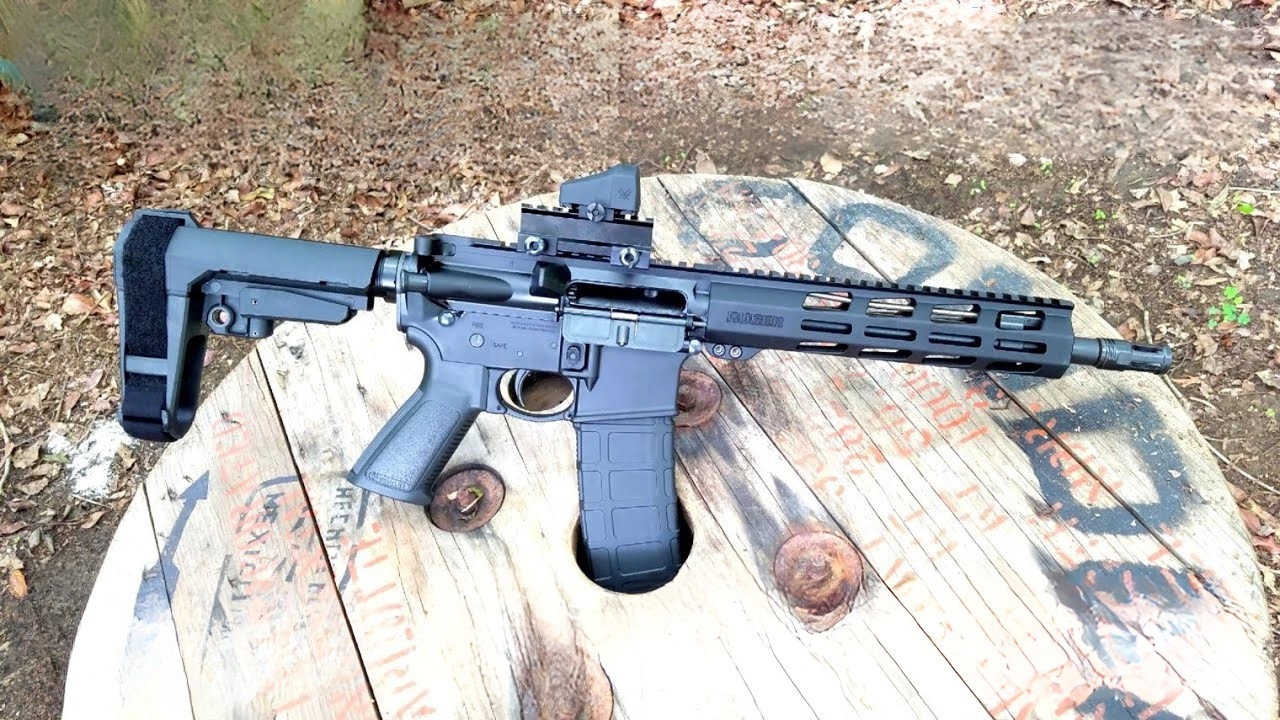
Photo credit: Carolina Gun Guy/YouTube
A firearm can look like a smart buy right up until the first real range trip starts peeling the shine off. Sometimes the gun is overbuilt in the wrong places. Sometimes the trigger ruins everything. Sometimes it works, but it makes you wonder why you paid more for a gun that shoots worse than the cheaper one you already had.
That is the kind of purchase that sticks with you. Not because the gun is always junk, but because it teaches you fast that reputation, looks, and price do not always line up with how a firearm behaves when you actually send rounds downrange.
SIG Sauer P238

The SIG P238 looks like a tiny premium carry pistol, and that is exactly why it sells. It has real metal-gun charm, nice lines, and enough SIG polish to make cheaper pocket pistols look rough beside it. At the counter, it feels like the grown-up version of a little .380.
Then you shoot it and remember how small .380 pistols can still be picky, cramped, and expensive to feed compared with a basic 9mm carry gun. Some shooters love the P238, but others leave the range wondering why they paid that much for a pistol that is harder to run well than a cheaper Shield EZ or LCP Max.
Rock Island Armory VR80

The Rock Island VR80 grabs attention because it looks like a box-fed AR-style shotgun with a lot of attitude. It makes you think you are getting something faster, meaner, and more useful than a plain pump or semi-auto field gun. On looks alone, it feels like a fun buy.
The first range trip can humble that idea. Magazine-fed shotguns can be picky about shells, break-in, and how they are held. If it chokes on cheap target loads or feels bulky when you actually shoulder it, the excitement drops fast. A boring Mossberg 500 suddenly starts looking smart again.
Diamondback DB9
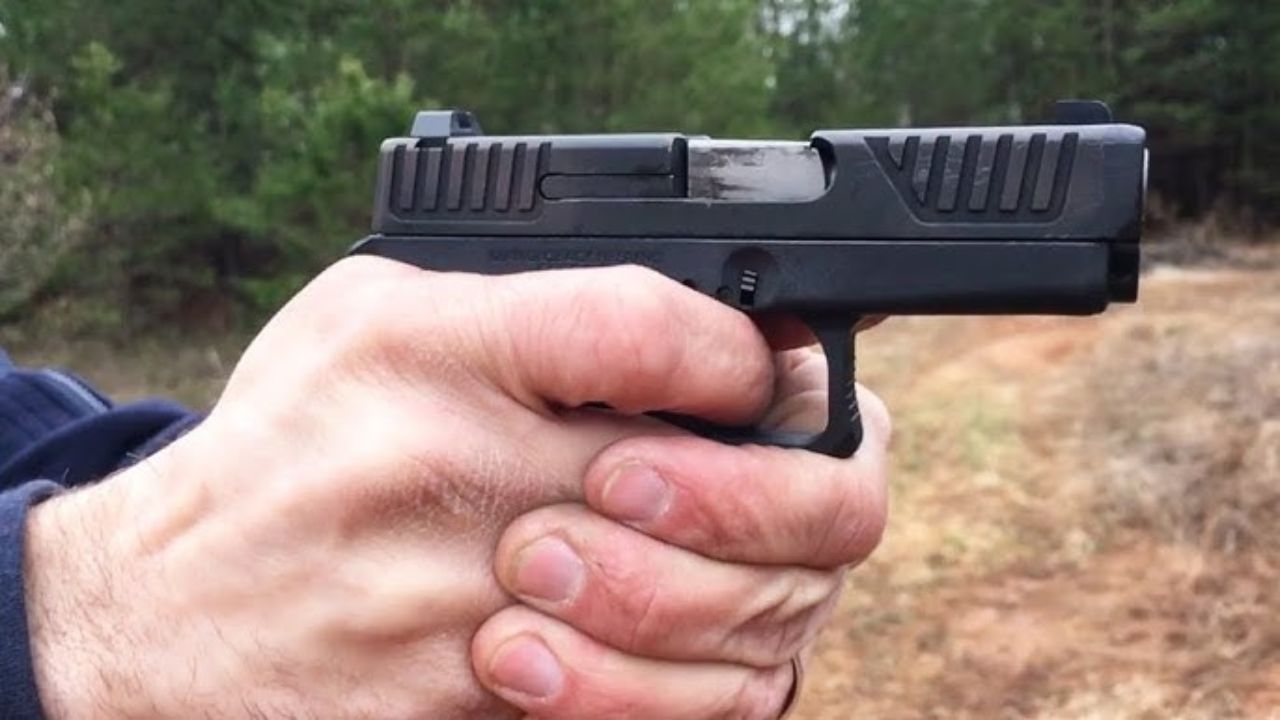
The Diamondback DB9 appeals to people who want the smallest possible 9mm in the pocket. It is thin, light, and easy to hide, which makes it tempting if you are tired of carrying something heavier. On paper, it solves a real problem.
At the range, that tiny size becomes the problem. The recoil is sharp, the grip gives you very little to work with, and fast follow-up shots can feel ugly. It is not built to be fun, but a lot of shooters underestimate how much that matters. A slightly bigger, cheaper pistol often shoots better and builds more confidence.
Beretta Nano
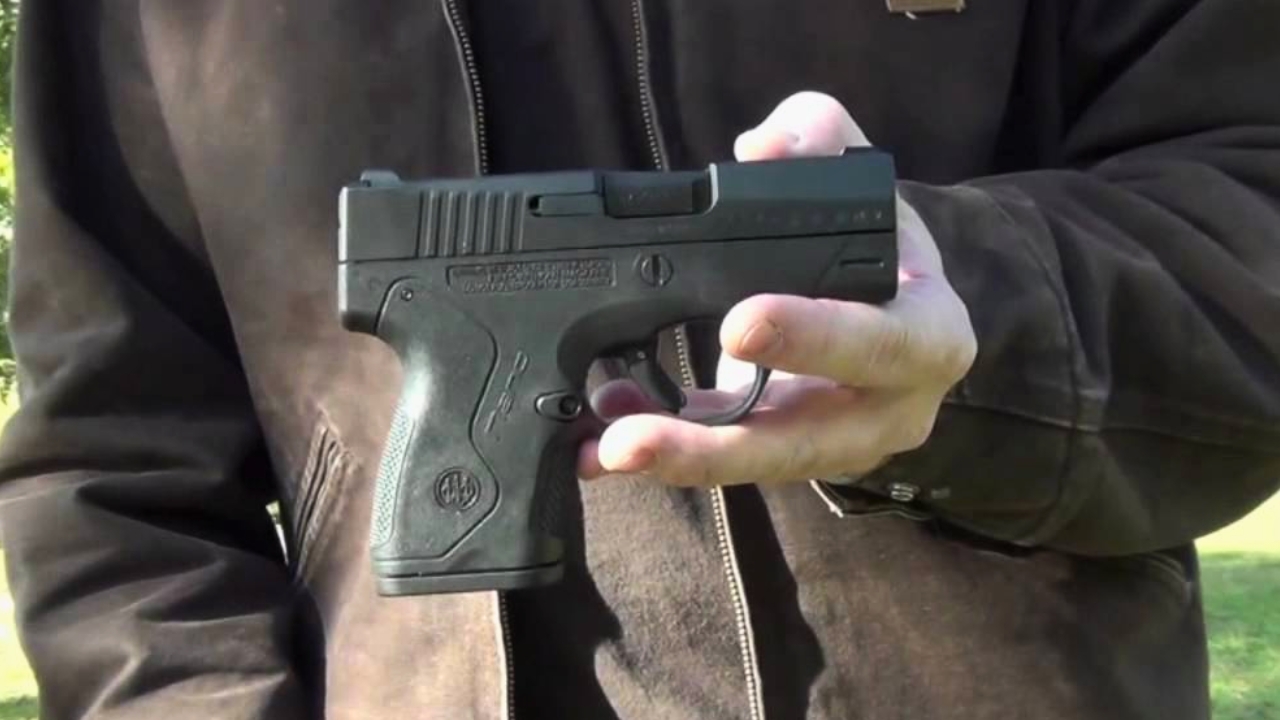
The Beretta Nano looked like a serious little carry pistol when slim 9mms were taking over. It had the Beretta name, a clean snag-free shape, and a simple design that seemed like it should be easy to trust. Plenty of buyers wanted it to be the smart concealed-carry answer.
Then range time exposed the tradeoffs. The trigger was not loved by everyone, the grip felt odd to some hands, and the pistol could feel more awkward than expected during real drills. It worked for some shooters, but others quickly missed cheaper carry guns that pointed better and shot easier.
Remington RP9
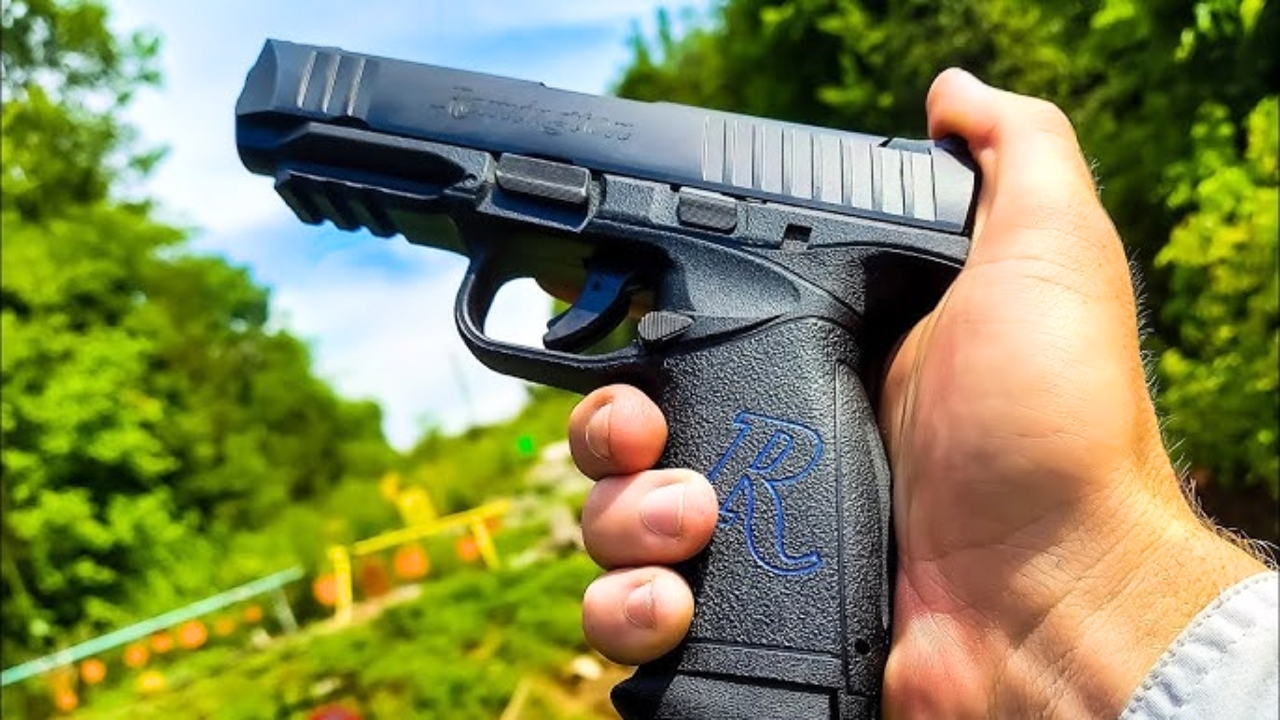
The Remington RP9 looked like Remington was trying to come back strong in the duty-pistol world. It had good capacity, aggressive styling, and a price that seemed reasonable for a full-size 9mm. A lot of shooters wanted to believe it was a sleeper.
The first range trip often made that hard. The grip size, trigger feel, and overall handling did not win many people over. It was not just competing with expensive pistols, either. It had to beat basic Glocks, M&Ps, Rugers, and Caniks that already worked well. For many buyers, it did not.
ATI Omni Hybrid AR-15

The ATI Omni Hybrid tempts buyers because it gets you into an AR-style rifle for low money. The polymer-heavy construction keeps the price down, and for someone buying their first AR, it can look like a shortcut into the platform without spending much.
Then the range trip starts raising questions. Even if the rifle runs, the feel, flex, and long-term durability concerns can make shooters wonder why they did not save a little longer. ARs are common enough now that better entry-level rifles are not hard to find. Cheap feels less clever when confidence is missing.
KelTec SUB2000

The KelTec SUB2000 has one of the best sales pitches around: a folding pistol-caliber carbine that takes common handgun magazines. It is light, compact, and practical in a way that makes people want to like it before they ever shoot it.
Then the cheek weld, sights, charging handle, and recoil feel start becoming real. It can work, and plenty of people like them, but the shooting experience is not always pleasant. After a few magazines, some owners start missing a cheaper, simpler pistol or a more comfortable carbine. Clever design does not always mean enjoyable range time.
Ruger AR-556 Pistol
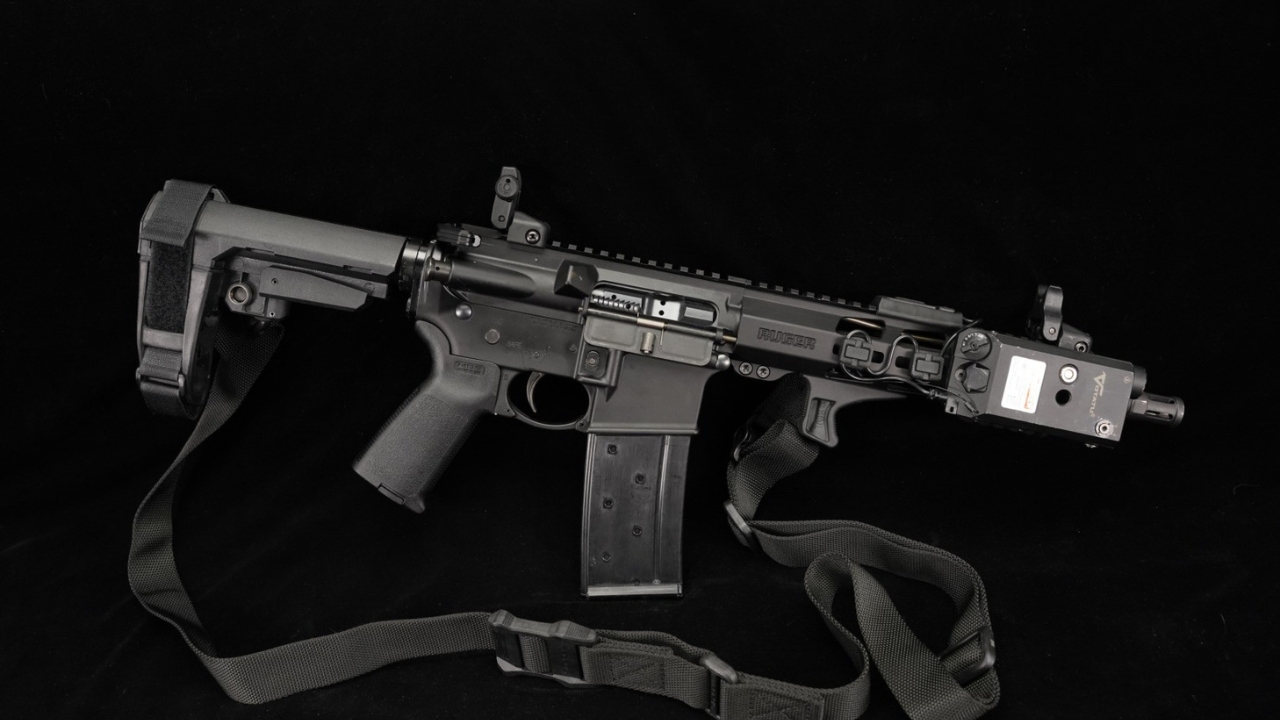
The Ruger AR-556 pistol looks like an affordable way into the short AR world. It is compact, loud, and fun-looking, which makes it easy to buy on impulse. The Ruger name also gives people confidence that they are not taking a wild gamble.
Once you shoot it, the lesson is noise, blast, and usefulness. Short 5.56 guns can be obnoxious, especially with basic muzzle devices. They look handy, but the concussion gets old fast at an indoor range or under a covered bench. Some shooters realize they would rather have a normal 16-inch AR or a cheaper pistol-caliber carbine.
Smith & Wesson Governor
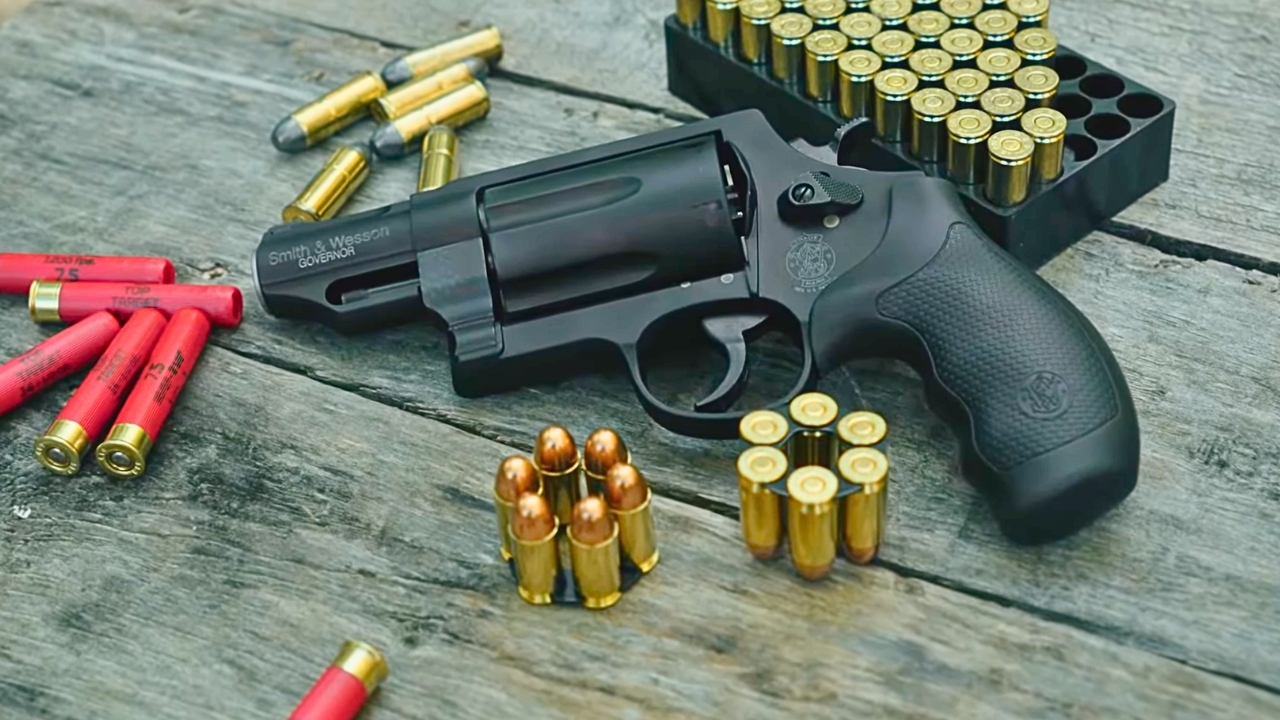
The Smith & Wesson Governor looks like the answer to every campfire defense argument. It can fire .410, .45 Colt, and .45 ACP with moon clips, which sounds useful and flexible. At the counter, that kind of versatility feels like value.
At the range, reality gets less exciting. The revolver is bulky, patterns with .410 can be underwhelming, and accuracy with different loads depends heavily on what you feed it. It can be fun, but it is not magic. A cheaper dedicated revolver or pistol often does one job better than the Governor does three.
Chiappa Rhino
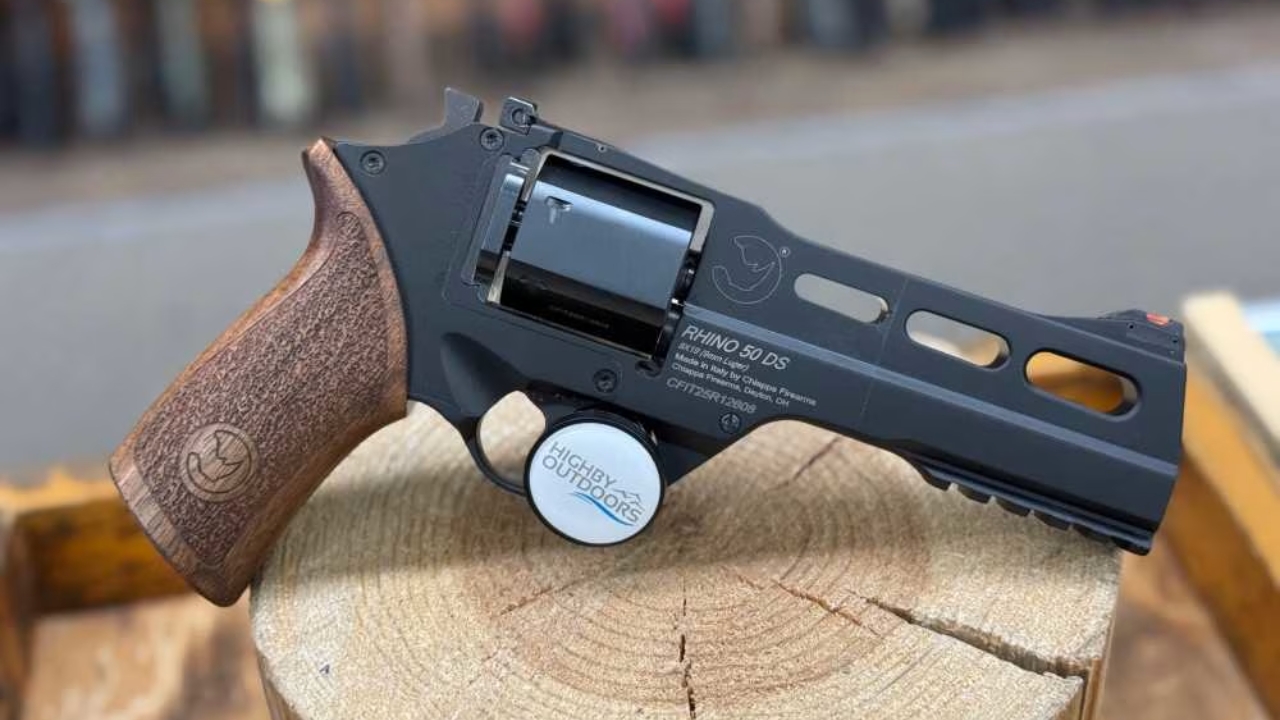
The Chiappa Rhino is one of those guns people buy because it is genuinely different. The low bore axis, unusual shape, and sci-fi look make it feel like the future of revolvers. It also costs enough that you expect the first range trip to feel special.
For some shooters, it does. For others, the controls, grip angle, trigger feel, and odd manual of arms make it less natural than a plain Smith or Ruger wheelgun. The recoil impulse is interesting, but interesting does not always mean better. When a cheaper GP100 feels easier to run, the Rhino becomes a lesson.
Browning Buck Mark With Heavy Target Barrel
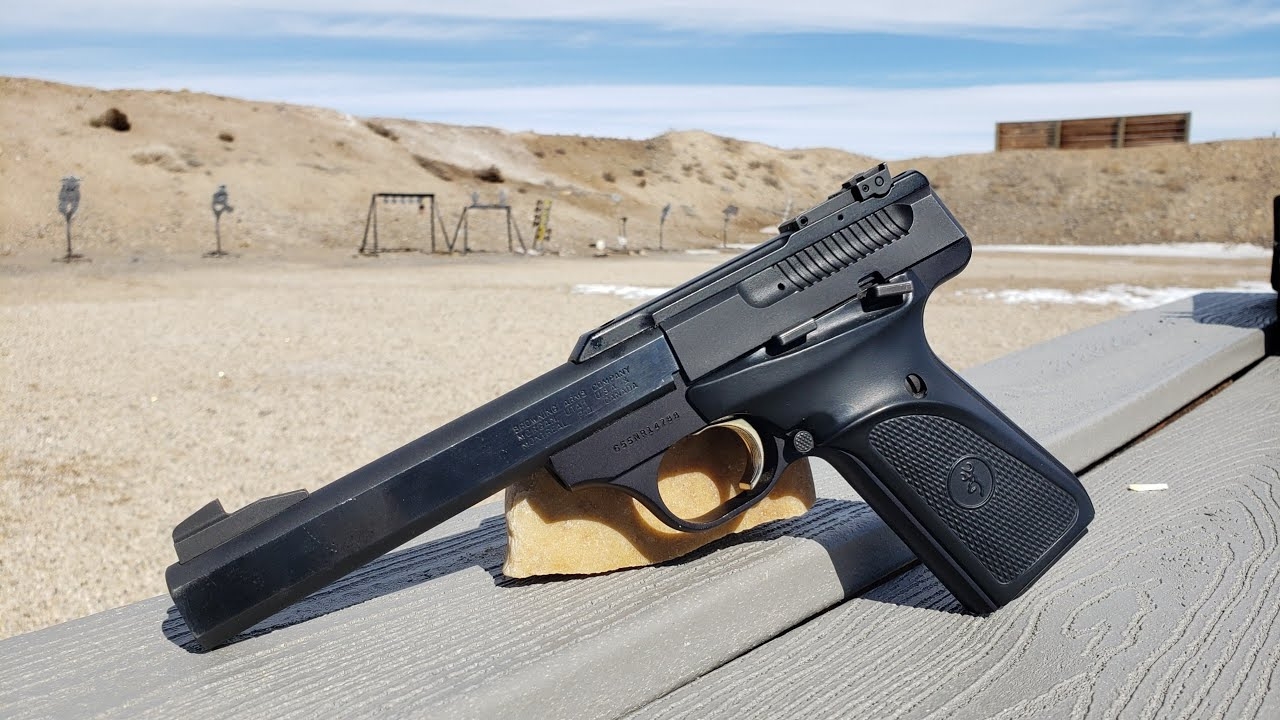
A heavy-barreled Buck Mark can look like the perfect rimfire range pistol. It has the Browning name, solid accuracy potential, and enough weight up front to make slow fire feel steady. If you want a serious .22 pistol, it makes sense in the case.
Then some shooters realize they bought more pistol than they enjoy carrying around the range. The heavy barrel feels great from a bench, but it can get old during casual shooting or new-shooter practice. A cheaper, lighter Ruger Wrangler or basic Mark IV-style pistol may see more use because it is simply easier to enjoy.
Charter Arms Pitbull

The Charter Arms Pitbull sounds useful because it chambers semi-auto pistol cartridges in a revolver without needing moon clips. That is a clever idea, especially if you already stock 9mm or .40 S&W and want a simple wheelgun.
The range trip can show the downside. Extraction can feel different, the trigger may not impress, and the overall finish does not always match what buyers expect once the price climbs. The concept is neat, but neat only carries it so far. Some shooters leave wishing they had bought a basic .38 Special revolver instead.
Henry AR-7 Survival Rifle
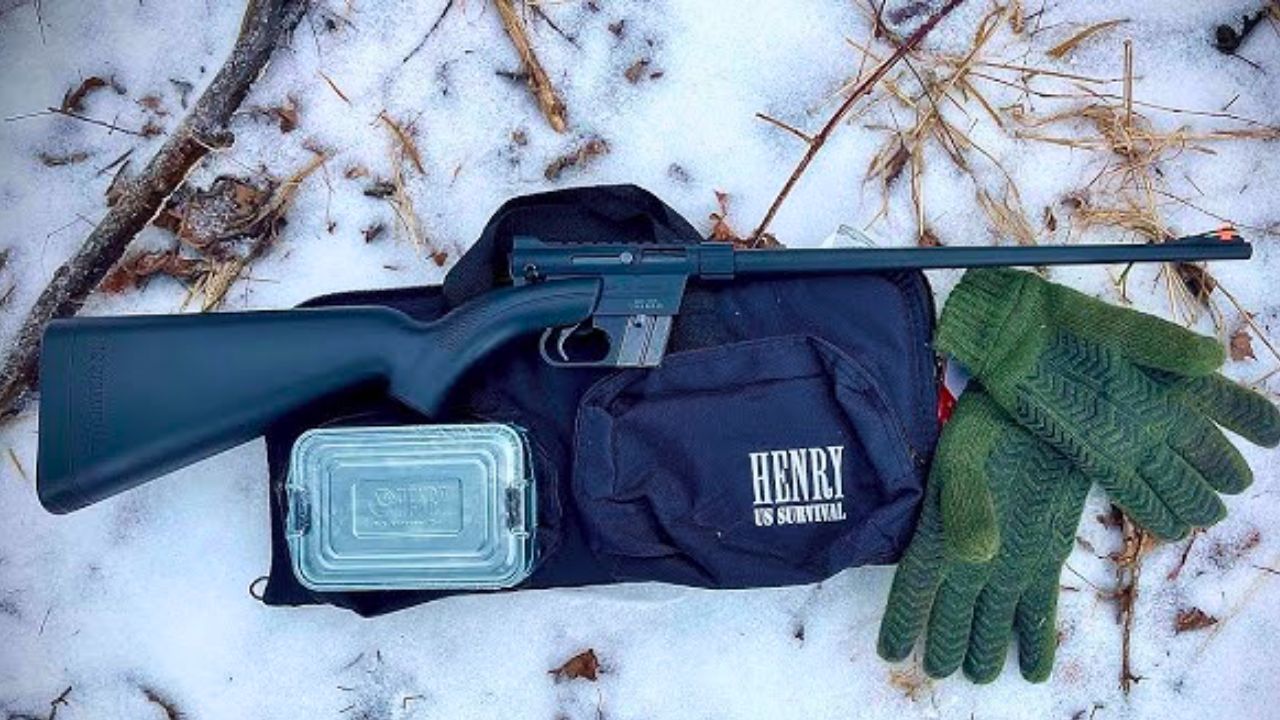
The Henry AR-7 is easy to want because the survival-rifle idea is strong. A lightweight .22 that breaks down and stores inside its own stock sounds perfect for a truck, boat, pack, or camp kit. It sells a lot of people before they ever shoot it.
On the range, it can feel more like a compromise than a rifle. The stock shape, sights, trigger, and overall handling are not as comfortable as a normal .22. It can do its job, but some buyers quickly realize a cheaper Ruger 10/22 or Marlin Model 60 is far more enjoyable to actually shoot.
Auto-Ordnance 1911A1
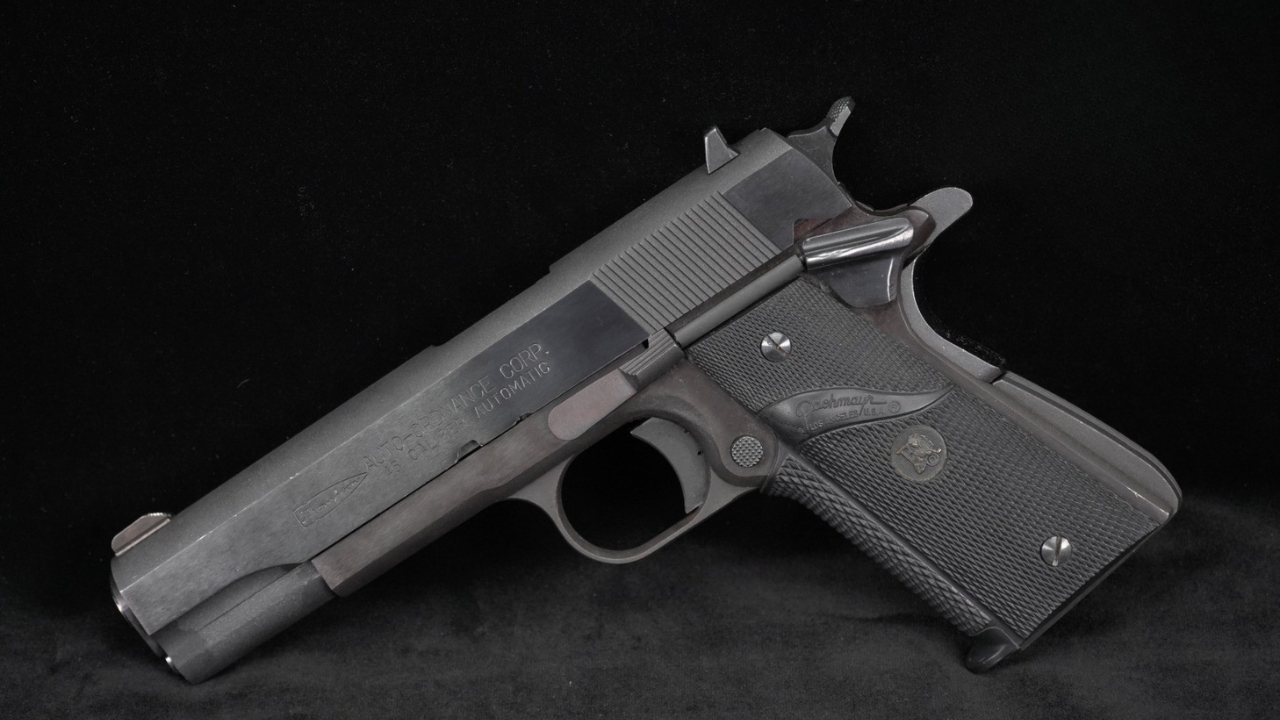
The Auto-Ordnance 1911A1 attracts buyers who want old-school GI looks without paying collector money. It has the right outline, basic sights, and classic feel. If you want a traditional 1911 experience, it looks like a decent way in.
Then you shoot it next to a smoother modern 1911 or even a cheaper striker-fired 9mm. The small sights, basic controls, and old-style grip safety can feel dated fast. It may scratch the history itch, but it does not always shoot like a smart modern purchase. Some buyers learn they wanted the idea more than the gun.
Century Arms C308
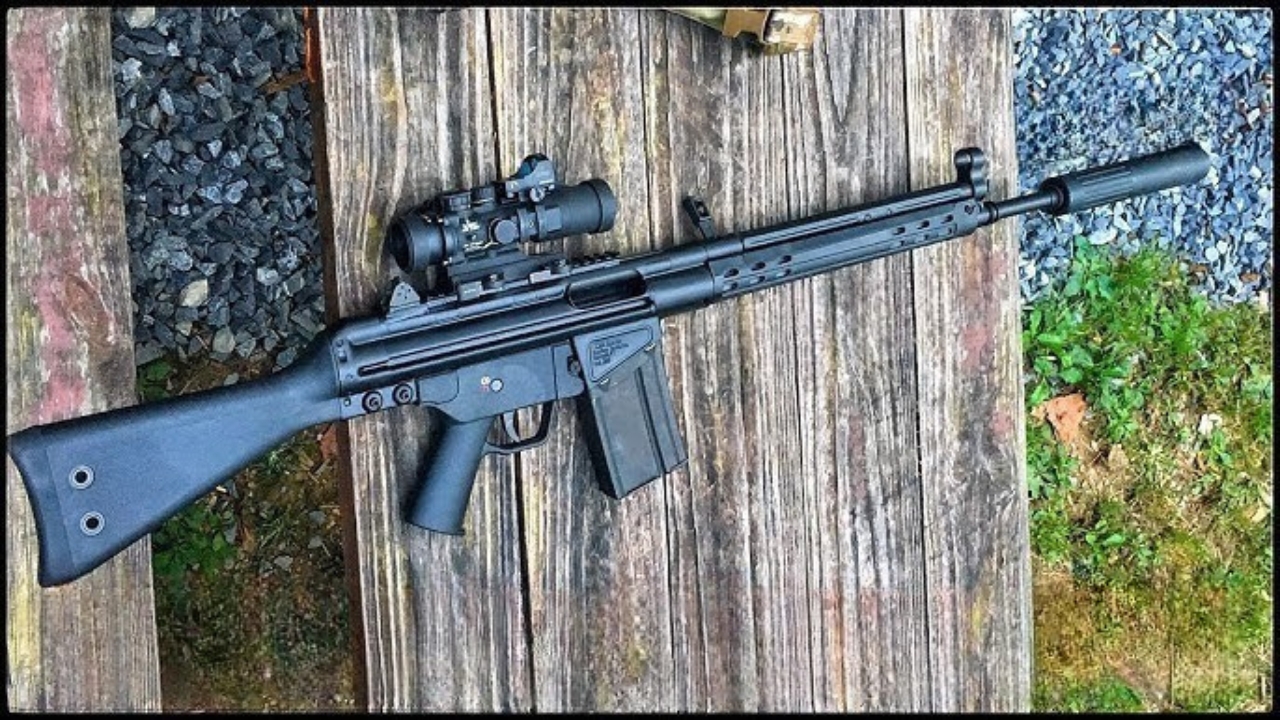
The Century C308 pulled in buyers who wanted that HK-style roller-delayed rifle look without paying real HK money. It looked mean, took .308, and felt like a lot of rifle for the price. For people who wanted something different from another AR-10, it was tempting.
The range trip could turn expensive quickly. Recoil, weight, ergonomics, trigger feel, and parts concerns made some owners realize the cool factor had hidden a lot of compromises. It could be fun, but it was not always pleasant or practical. A cheaper bolt gun or better-supported semi-auto often made more sense after the novelty wore off.
Like The Avid Outdoorsman’s content? Subscribe to our newsletter so you never miss an article.
Here’s more from us: