Photo credit: Parma Armory/GunBroker
The Smith & Wesson Model 686 is one of those revolvers that gets talked about like its whole story fits in one sentence: stainless .357 Magnum, L-frame, built like a tank, great trigger, end of discussion. But the 686 is more interesting than that. It was part of Smith & Wesson’s answer to a real durability problem with heavy .357 Magnum use in the older K-frame guns, it arrived right as American law enforcement was standing at the edge of the auto-pistol era, and it kept evolving long after people assume the revolver market had already frozen in place. Smith & Wesson’s L-frame line was introduced around 1980-1981, and the 686 specifically became the stainless adjustable-sight flagship of that family.
That is why the 686 matters. It was not just a nicer stainless revolver. It was a purpose-built .357 that landed in the exact window when many shooters still wanted magnum durability but also wanted something handier than a full N-frame. Here are 15 things most shooters do not know, or do not think about enough, when they talk about the Model 686.
1. The 686 exists because the K-frame .357 had limits

A lot of people think the 686 was just Smith & Wesson making a heavier stainless .357 because it looked good in the catalog. That is not really the story. The L-frame was developed to address the weaknesses that showed up when K-frame magnums were fed a steady diet of full-power .357 Magnum ammunition. RevolverGuy’s L-frame history and related 686 coverage point directly to the thicker top strap and heavier forcing-cone area as answers to that problem.
That matters because the 686 was a solution gun. It was designed to keep the hand-friendly general grip size of the K-frame while beefing up the places magnum use punished most. That is why shooters who actually run a lot of .357 through their revolvers still talk about the L-frame with so much respect.
2. It is the stainless version of the Model 586

Some casual shooters know the 686 so well they forget it had a blued twin. The Model 686 is the stainless counterpart to the Model 586. The 586 and 686 were the adjustable-sight L-frames, while the 581 and 681 were the fixed-sight versions.
That is useful because it helps sort the whole L-frame family out in one shot. If you know 586 means blue and 686 means stainless, and that the 81/81 pair are fixed-sight variants, the whole early lineup makes a lot more sense.
3. The L-frame was built to sit between the K-frame and N-frame

The 686 is often described as a “medium-large” revolver, which sounds vague until you understand why. The L-frame was meant to bridge a gap: bigger and stronger than the K-frame, but not as large and heavy in the hand as the N-frame. Shooting Illustrated’s L-frame feature makes that role pretty clear, and RevolverGuy says the grip size stayed essentially K-frame-sized even while other dimensions grew.
That is one of the smartest things about the 686. It is not trying to be tiny, and it is not trying to be an N-frame bruiser. It is trying to give the shooter a revolver that can digest serious magnum use without feeling like a hunting gun first and a belt gun second.
4. The gun was introduced right as the revolver era was ending

The timing on the 686 is one of the most interesting parts of its story. Wiley Clapp’s American Rifleman piece says the L-frame came along in the early ’80s right as revolvers were still king in law enforcement, but the early high-capacity 9 mms were already catching eyes.
That means the 686 arrived almost exactly at the moment when the big-service-revolver story was about to crest and fade. It was a near-perfect fighting revolver for the traditional duty-gun era, but it showed up just as departments were starting to look hard at semi-autos. That timing is part of why it has such a “last great service revolver” feel.
5. The no-dash 686 is the original model, and dash numbers really matter
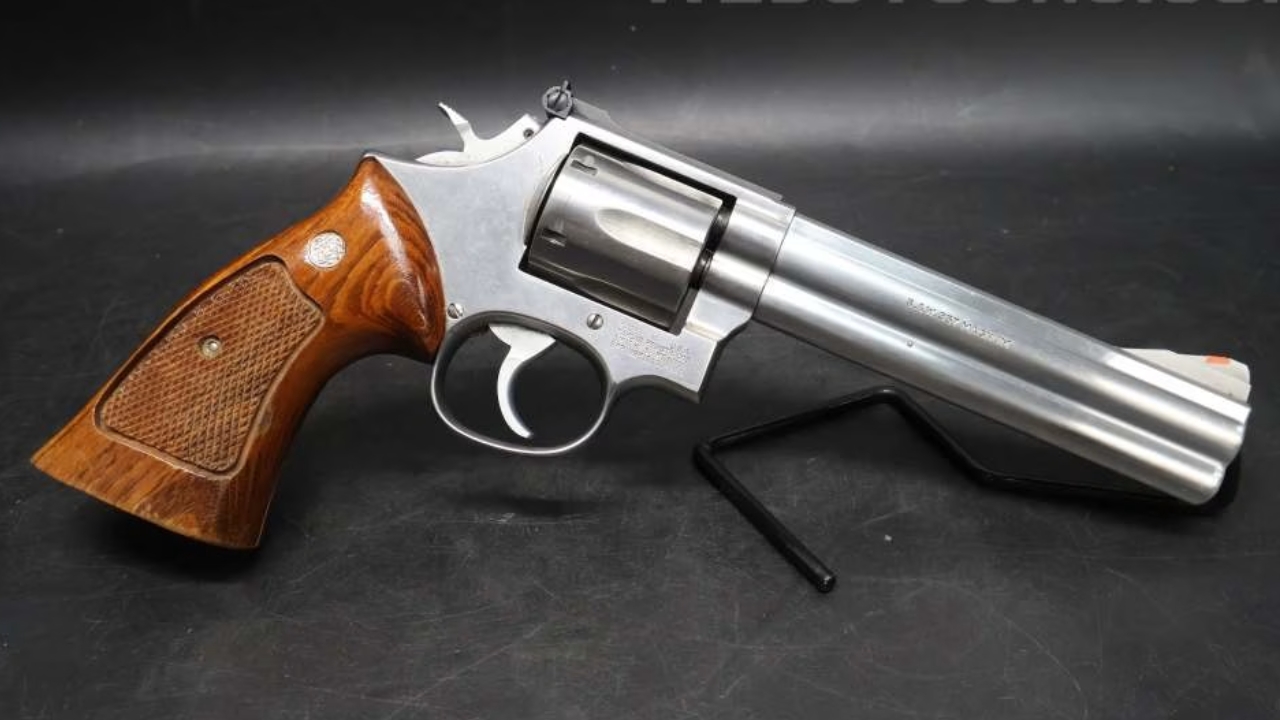
A lot of shooters hear “686-3” or “686-6” and think it is collector trivia. It is not just trivia. The dash system tracks engineering changes over time, and even the broad production summaries show meaningful revisions from one dash version to another. The original 686 is the “no-dash” gun, followed by 686-1, 686-2, and onward.
That matters because different dash variants line up with changes in parts, lockwork, yoke retention, internal lock status, and other details that owners and collectors care about. On a revolver with this kind of following, the dash number is part of the gun’s identity.
6. Early 686s had a recall-style factory modification issue
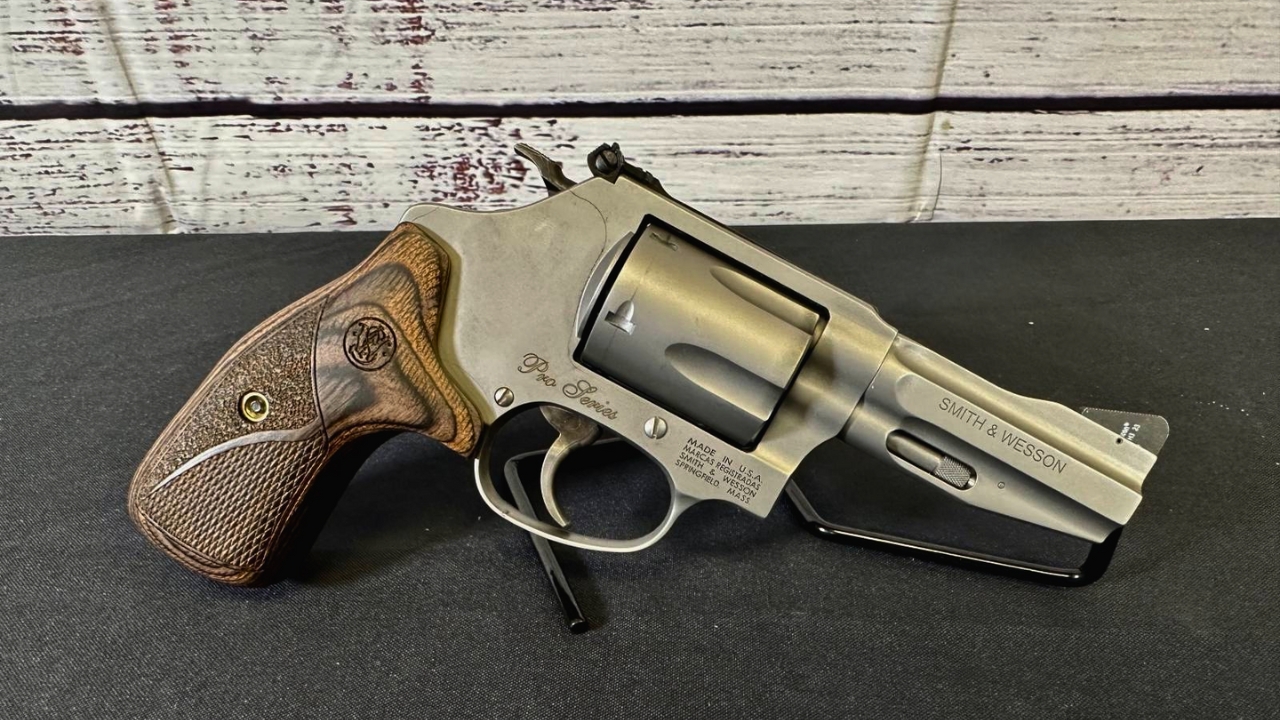
This is one of the most useful little-known 686 facts. Early L-frame revolvers had an issue where some ammunition could cause cylinder binding, and Smith & Wesson issued a no-charge modification. Reworked revolvers were stamped with an “M” marking, which is why collectors and buyers still look for “M” stamps on certain early 586 and 686 guns.
That is a big detail if you are shopping older 686s. It does not mean the guns are bad. It means early production history includes a very specific factory fix that still matters in how people evaluate them.
7. The 686 was a six-shooter first, and the seven-shot version came much later

People now see “686 Plus” everywhere and can forget that the 686 spent a long time as a traditional six-shot .357. Guns Magazine’s 686 history says Smith & Wesson introduced the seven-shot cylinder in 1996, and more recent Shooting Times coverage shows how central the seven-shot “Plus” has become in the current lineup.
That is a pretty major evolution when you think about it. A revolver line famous for traditional magnum durability eventually gained an extra round without losing the basic character that made it successful. That helped keep the 686 relevant in a period when revolvers needed every practical advantage they could get.
8. The fixed-sight L-frames existed too, but the adjustable-sight guns stole the spotlight

The 686 gets most of the attention because it has adjustable sights and became the face of the stainless L-frame family. But the fixed-sight 681 was right there beside it in stainless form, while the 581 was the blued fixed-sight counterpart.
That is worth remembering because it shows Smith & Wesson was serious about the L-frame concept from the beginning. They were not just making one premium target-ish revolver. They were building a full-service family that could serve duty, trail, and general-purpose roles.
9. The 686 kept the K-frame grip size, which is a big reason it feels so good

One of the smartest parts of the L-frame design was keeping the grip dimensions close to the K-frame while strengthening the rest of the revolver. RevolverGuy’s L-frame story calls this out directly, and it is one of the reasons so many shooters find the 686 easier to live with than they expect from a magnum revolver.
That matters because a revolver can be strong and still feel clumsy. The 686 avoided that trap better than a lot of big magnums. It carries enough weight to calm .357 recoil, but the grip frame still feels familiar and manageable to a lot of hands.
10. The 686 became a favorite duty revolver partly because it made magnum practice more practical

When the 686 appeared, it offered agencies and individual officers a .357 Magnum revolver that could also train cheaply with .38 Special and handle recoil more comfortably than lighter guns. Guns Magazine’s 686 history notes exactly that mix of duty use and training practicality.
That is easy to miss now because the revolver-versus-auto conversation swallowed everything. But in its own era, the 686 made a lot of sense for duty users who wanted real magnum strength and manageable training routines without stepping up to an N-frame.
11. The internal lock did not appear until much later

A lot of revolver buyers today instinctively ask “pre-lock or lock?” because the internal lock is such a dividing line in modern Smith & Wesson buying culture. The 686 did not start with that feature. Production summaries show the internal lock showing up on later versions, with the 686-6 era commonly associated with that change.
That is a useful checkpoint for buyers and collectors because it is one of the biggest modern dividing lines in how people shop 686s. Some do not care. Some care a lot. Either way, it is a later addition, not part of the original gun’s identity.
12. The 686 became a platform, not just a model
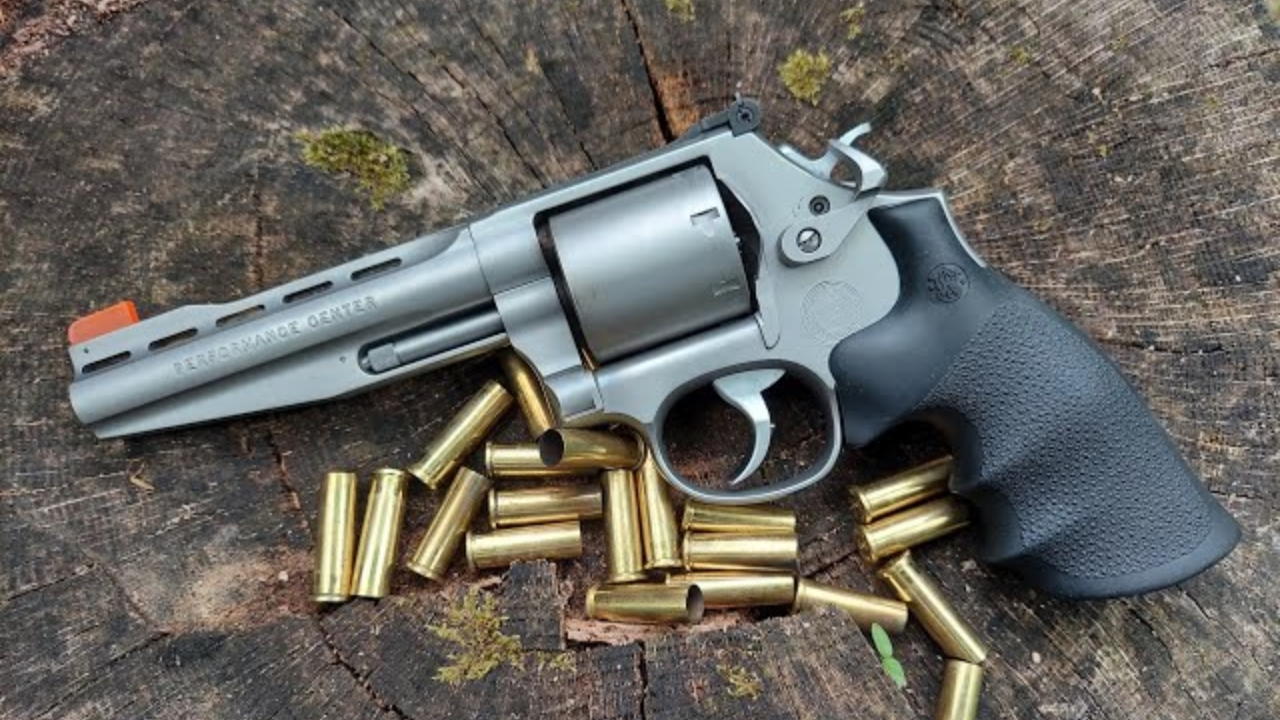
A lot of shooters think of the 686 as one stainless .357 with maybe a couple barrel lengths. But over time the line spread into 686 Plus, Performance Center variants, limited runs, PowerPort versions, and more. Shooting Illustrated and American Rifleman both covered Performance Center 686 models with tuned actions, unfluted cylinders, and competition-ready features.
That broader family is one reason the gun survived so well. The 686 was not left behind as a static old-service-revolver concept. Smith & Wesson kept stretching it into carry, competition, trail, and premium-market lanes.
13. Seven-shot 686s changed what a “service-sized” revolver could be

By the time the seven-shot 686 Plus became established, it had quietly shifted an old assumption. A medium-large .357 did not have to be six rounds anymore. Shooting Times’ 2024 review of the 686 Plus 3-5-7 series highlights how normal the seven-shot cylinder now feels in this line.
That may not sound huge in the age of semi-autos, but for revolver development it mattered. The 686 did not just survive into the modern era. It helped redefine what a modern double-action revolver could reasonably offer.
14. The 686 is stainless, but that was more than a cosmetic choice
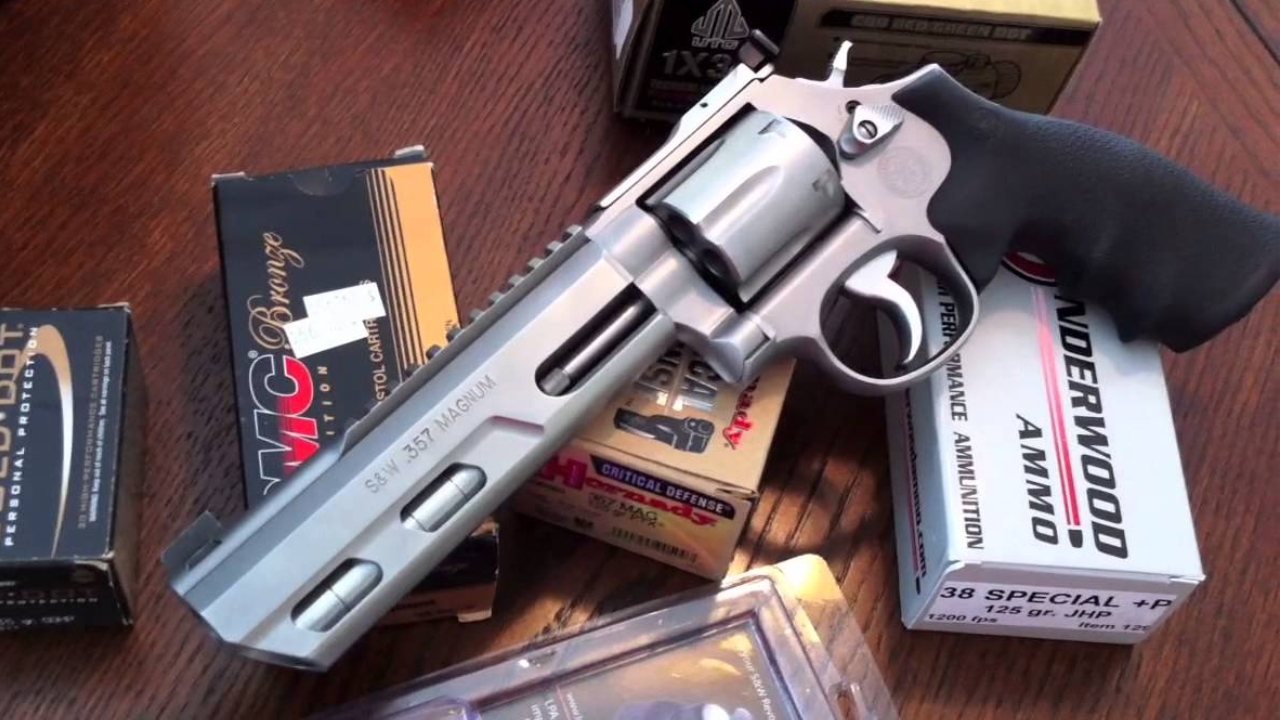
People often treat the stainless finish like it is only about appearance. On the 686, stainless was part of the working identity. The gun was the stainless counterpart to the 586, and it appealed strongly to shooters and officers who wanted weather resistance and lower finish fuss in a hard-use .357. The early history of the L-frame shows that interest in the stainless 686 took off quickly.
That matters because the 686 was not just prettier than a blued revolver in some buyers’ eyes. It fit the practical mood of the late service-revolver era and later the outdoors/trail-gun market extremely well.
15. The biggest surprise is that the 686 may be the “sweet spot” revolver Smith & Wesson ever built
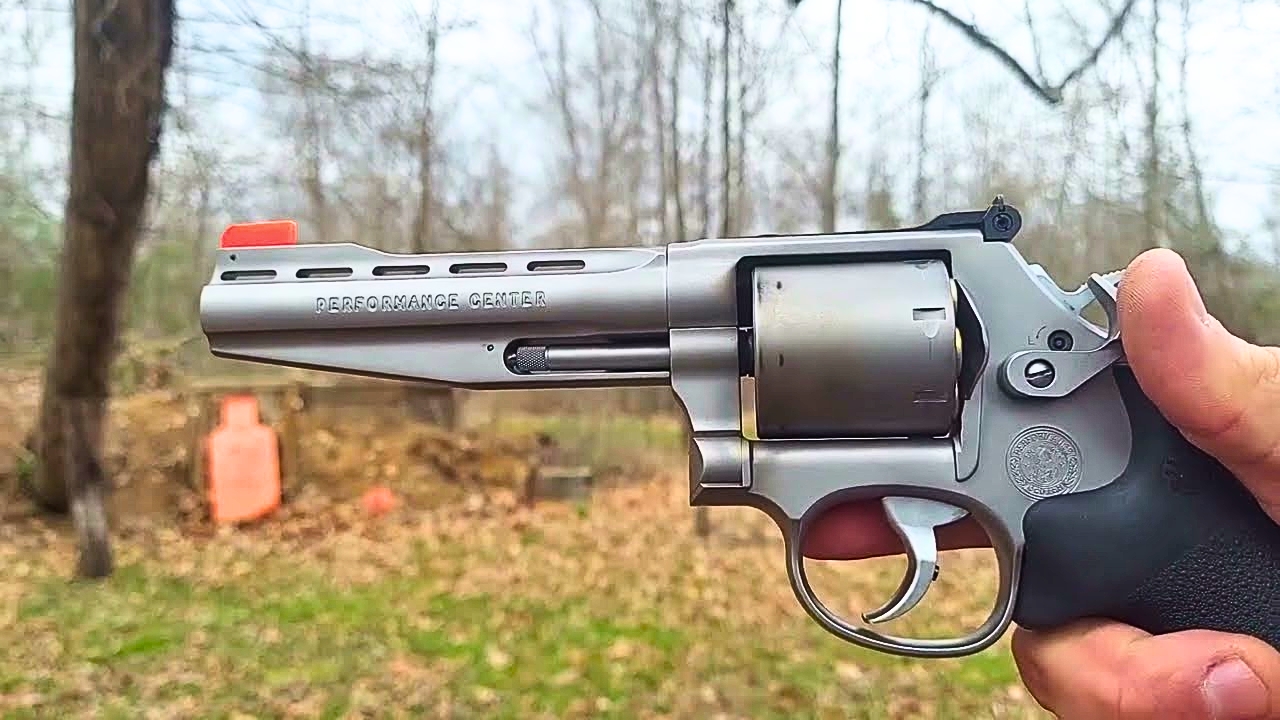
That is obviously a judgment call, but there is a reason so many serious revolver people land here. The 686 sits in a rare middle ground: stronger than the K-frame for magnum work, handier than the N-frame for many shooters, easier to live with than the truly giant revolvers, and still classic enough to satisfy traditionalists. RevolverGuy flat-out framed it as a near-perfect revolver, and the L-frame’s whole development story supports why.
That may be the least obvious truth about the gun. The 686 is not just “a good stainless .357.” It may be one of the clearest examples of Smith & Wesson finding the right balance at exactly the right time—and then being smart enough to keep that formula alive.
Like The Avid Outdoorsman’s content? Subscribe to our newsletter so you never miss an article.
Here’s more from us: