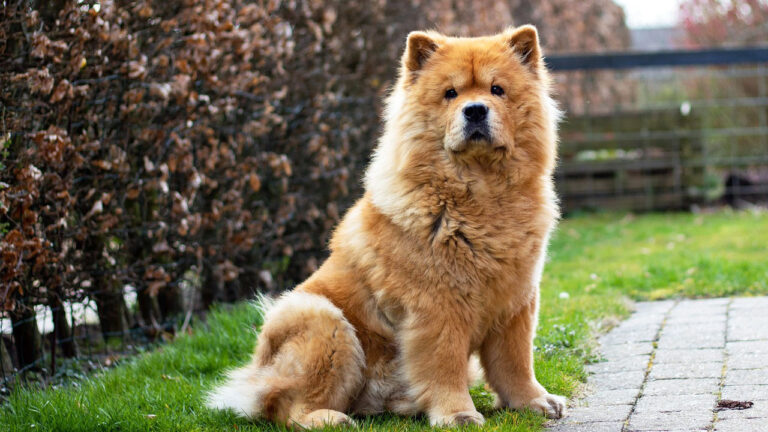
Photo credit: Leon Aschemann/Pexels.com
This isn’t just a “Yellowstone problem” anymore. Wolves keep expanding and dispersing into new drainages, new counties, and new grazing country—sometimes as established packs, sometimes as lone wolves that still create real headaches because one animal can travel a long way and test livestock. The other thing that makes this feel like it’s “spreading” is that a lot of today’s wolf country overlaps the exact places people run cows: big public allotments, timbered summer range, wide-open sage, and foothill edges with water and deer.
Below are 15 states where wolf presence is actively overlapping cattle operations—either through established packs and recurring depredations, or through dispersers showing up in ranch country.
Oregon

Oregon is ground zero for the modern “wolves + cattle country” clash because so much of the wolf footprint sits right on top of active grazing in the east. Reports going into late 2025 showed depredations trending above the recent annual average and ranchers pushing back on compensation and funding realities. The key detail isn’t just that wolves are present—it’s that they’re present where cattle are out on big landscapes, which makes nonstop protection almost impossible. If you hunt or recreate in eastern Oregon, this overlap is why you hear more “range riders,” fladry talk, carcass removal, and the whole nonlethal toolkit being used in places that didn’t have to think about wolves 20 years ago.
Washington

Washington has a similar story: wolves concentrated in certain regions, and most packs never get into documented livestock trouble—but the packs that do create intense, local conflict in grazing country. Washington’s own reporting has emphasized that most known packs aren’t tied to documented depredations in a given year, which tells you the problem is uneven and very location-specific. That unevenness is exactly what ranch families hate, because if you’re in the wrong drainage, you’re the one eating the cost in time, stress, and dead calves. Wolves in Washington also keep shifting territory lines, which means “new” cattle country can become wolf country faster than locals feel prepared for.
Idaho
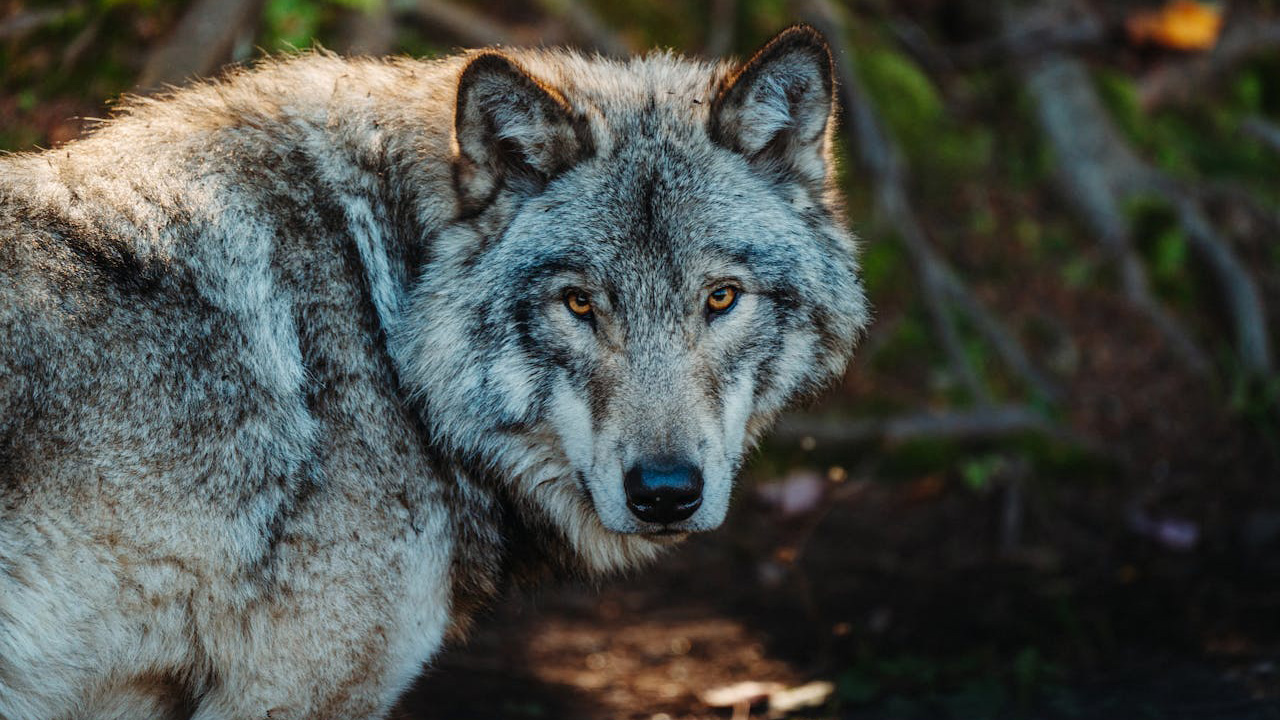
Idaho is one of the clearest examples of wolves living right inside cattle country because the state tracks both conflicts and compensation programs in a very public way. In late 2025 reporting, state officials said investigators had confirmed/probably/possibly wolf-caused losses that included cattle and sheep, and they framed it as a real but changing year-to-year number. The bigger picture is that Idaho’s wolves aren’t tucked away in one corner—they overlap huge stretches of grazing land and public allotments. That’s why you see ongoing funding programs specifically built around depredation documentation and payments, and why wolf management is such a hot-button topic among ranchers and hunters in the state.
Montana

Montana has long been part of the core Northern Rockies wolf footprint, and that overlap with cattle country is baked into the landscape. You’ve got wolves tied to elk and deer herds in big terrain, plus summer cattle out on massive allotments—so conflict is basically inevitable in certain places. National reporting and research has also been challenging the common assumption that simply killing more wolves always reduces livestock losses in a clean, predictable way, which keeps the management argument raging. What ranchers feel on the ground is simpler: wolves show up where cows are, and you either spend money/time trying to deter them or you deal with losses and paperwork.
Wyoming

Wyoming is a classic “wolf line in the sand” state—wolves are protected in some areas and essentially treated as predators in others, and dispersing animals cross those boundaries constantly. One of the clearest real-world examples is when a collared wolf from Colorado crossed into Wyoming and was killed after it was suspected in sheep depredations, showing how quickly a wolf can move from “protected” status to “dead wolf” depending on where it steps. That matters for cattle country because wolves don’t care about jurisdiction lines. They follow prey and opportunity. For ranchers, it means policies can change the outcome, but they don’t stop the overlap itself.
Colorado

Colorado is the new pressure cooker because the state is actively rebuilding a wolf population through reintroduction, and that population is learning the landscape in real time—including where cattle are. Colorado Parks & Wildlife’s program outlines multi-year releases and the reality that releases and management are ongoing, not a one-and-done event. Meanwhile, reporting has highlighted confirmed depredations and the growing tension between rural producers and the politics of restoration. The “pushing into cattle country” part here is literal: wolves are establishing territories in places that include grazing, and every new litter or dispersing pair raises the odds of overlap expanding into new counties.
California
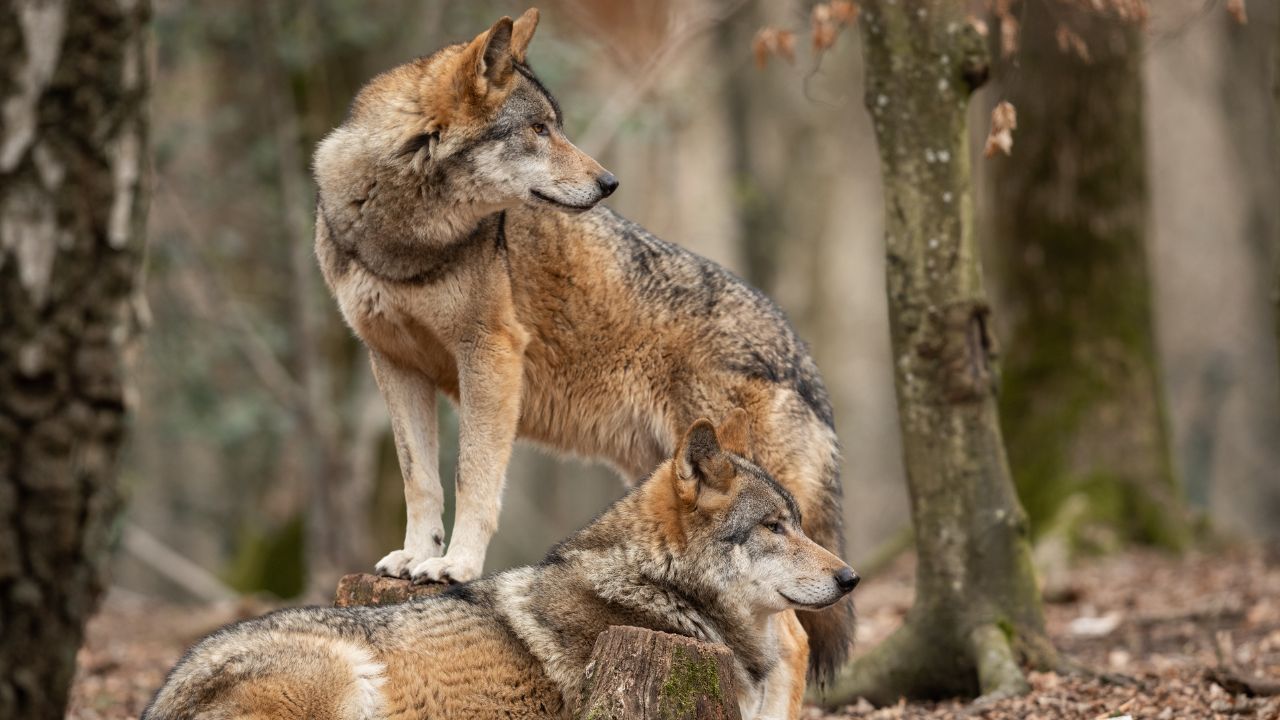
California’s wolf comeback has collided hard with ranch country in the north and northeast, and in 2025 the state took the rare step of lethally removing wolves after what officials described as unprecedented livestock losses in a specific region. The headline lesson is that even in a state with strong protections, conflict can hit a level where wildlife managers feel forced into drastic decisions. Packs are also being confirmed in new areas over time, which adds to the sense of “spread.” For cattle producers, it’s not abstract: it’s calves on the ground, fences and riders stretched thin, and wolves that learn cattle are an easy pattern if deterrence fails.
Arizona

Arizona is wolf country in a different way because of Mexican gray wolves, and the overlap with ranching is one of the most contested parts of that recovery story. The reality is that these wolves live in landscapes that absolutely include cattle operations, and the debate always circles back to what producers can legally do, how fast agencies respond, and whether compensation matches real losses and stress. Even when conflicts are localized, they shape how ranchers use allotments and how closely they can monitor calves. If you hunt or hike in eastern Arizona’s rough country, this is why wolf presence stays a constant conversation: it’s not “if” they overlap cattle, it’s how often and what tools are allowed when they do.
New Mexico

New Mexico is the other half of that Mexican wolf overlap, and it’s one of the clearest examples of wolves “pushing into cattle country” because cattle country is basically the stage where the recovery plays out. Ranchers here aren’t guessing—wolves and cows share the same big, remote ground, and response time and documentation become everything. The tension usually spikes around calving windows and during times of year when cattle are spread thin. Whether you’re pro-wolf or not, the practical truth is the same: wolves dispersing and establishing territory in New Mexico are doing it in working ranch landscapes, not in some sealed-off wildlife bubble.
Minnesota

Minnesota is the anchor state for Great Lakes wolves, and recent reporting has shown wolf-related complaints and verified incidents involving livestock and pets across multiple counties in 2025. This is cattle country overlap in a different style than the West—more mixed farms, smaller pasture setups, and a lot of edge habitat where wolves can work cover. When wolves expand or concentrate in certain areas, local producers feel it hard even if statewide numbers look “manageable.” Minnesota’s compensation program and record-ish payout talk is part of why producers keep such close attention to what’s verified, what counts, and what gets paid.
Wisconsin

Wisconsin’s wolf population has been steady enough that the state maintains a full wolf management plan and constant monitoring, and livestock conflict remains a recurring friction point in certain regions. The “pushing into cattle country” feel in Wisconsin often shows up as wolves expanding into or reusing territories that overlap pasture operations and hobby farms, not just massive western-style ranches. And because wolves are a cultural lightning rod here, every verified depredation, every court fight about management, and every policy shift gets amplified. The practical takeaway is simple: if you run cattle near big blocks of cover and prey, you’re in wolf chess territory whether you want to be or not.
Michigan

Michigan fits the Great Lakes pattern: wolves established primarily in the Upper Peninsula, with overlap into livestock and farm country that varies by local conditions. Federal and agency summaries have long described how Great Lakes wolves expanded their range across the region under ESA protections, which is a major reason producers in multiple states now deal with the same predator questions. Michigan’s cattle conflict tends to be more localized than the Northern Rockies, but it’s still real—especially for operations near thick cover, deer movement corridors, and remote pasture edges where monitoring is harder. It’s not constant for everyone, but when it hits a farm, it’s immediate and personal.
Utah

Utah is a “new overlap” state in the sense that it doesn’t have established packs everywhere, but it has confirmed dispersing wolves over years—and documented depredation incidents on cattle and sheep. That matters because dispersers are how wolf range expands. One wolf in the wrong place can create the first real conflict a community has dealt with in decades. Utah’s wildlife agency has been blunt that wolves have been confirmed multiple times and that depredation has occurred, even if resident packs aren’t the norm. If you’re a rancher, “lone male wolf” still means you adjust how you run stock, because you don’t get to wait for the problem to become a pack before it costs you.
North Dakota

North Dakota isn’t an established “wolf pack” state like Minnesota, but it’s a great example of wolves showing up in new places through dispersal and drawing attention fast. In late 2025, reporting cited U.S. Fish and Wildlife Service statements about trail camera images that appeared to show gray wolves at a national wildlife refuge, following public sighting reports. That’s how expansion starts: intermittent sightings, then camera evidence, then the local question becomes “what happens if livestock gets hit?” North Dakota may not have widespread packs, but when wolves show up in farm and ranch country, the conversation shifts overnight.
Nevada

Nevada is another “edge of expansion” state. It’s not classic wolf country the way Idaho or Montana is, but in early February 2026, Nevada wildlife officials said a GPS-collared wolf detected near the Truckee area had crossed into Nevada. One traveling wolf doesn’t equal statewide wolf presence—no exaggeration there—but it absolutely shows how close wolf activity is to Nevada’s ranch landscapes along the border regions. Dispersers are the bridge between “not here” and “now we have to plan for it.” If cattle are running in that kind of country, even a brief wolf visit can trigger real changes in how producers think about calving, carcass removal, and monitoring.
Like The Avid Outdoorsman’s content? Subscribe to our newsletter so you never miss an article.
Here’s more from us: