Photo credit: yesman111/Pixabay.com
Rivers feel safer than the deep woods to a lot of people. You can see the water, hear what’s around you, and most anglers are focused on fish instead of scanning for predators. But rivers pull in all kinds of wildlife. Water means fish, birds, small mammals, and easy travel routes, which means predators show up too. Some live in the water. Others patrol the banks. A few simply follow the same river corridors people use to move through the landscape.
The tricky part is that many of these animals are easy to overlook while fishing. Anglers are watching their line, stepping through brush, or standing knee-deep in the water while something nearby is watching them instead. Most encounters never turn into anything serious, but there are predators that anglers routinely miss until they are suddenly much closer than expected. These are some of the river predators people often fail to notice until the situation gets uncomfortable.
Alligators

In the South, alligators are easily the most obvious river predator that still manages to surprise people. Anglers get used to seeing them floating or lying on banks, which makes them feel predictable. The problem is that a gator sitting quietly in the water can move without much splash at all. Someone casting along the shoreline may not notice the animal drifting closer until it surfaces only a few yards away.
Fishing also creates situations that attract gators. Stringers of fish, splashing hooked fish, and discarded bait all grab their attention. A gator that has learned anglers equal easy meals may approach slowly while someone is focused on their rod. Most of the time the animal is only looking for food, but the surprise factor alone is enough to create a dangerous moment when an angler suddenly realizes how close the reptile actually is.
Cottonmouths

Cottonmouths thrive along rivers, backwaters, and swampy edges, which means anglers end up sharing the same ground with them regularly. The reason people don’t notice them is simple: they blend in extremely well. A cottonmouth resting on a muddy bank or wrapped around driftwood can look exactly like part of the shoreline until it moves. Someone stepping out of a boat or climbing up the bank may realize the snake is there only after getting within striking distance.
Fishing gear and tackle boxes also cause distractions that make this worse. Anglers step around rocks, logs, and brush while watching their footing and equipment, not scanning every inch of ground for snakes. Cottonmouths don’t usually go looking for trouble, but they will hold their ground when surprised. That combination of camouflage and close quarters is why so many anglers end up noticing them only at the last second.
River otters
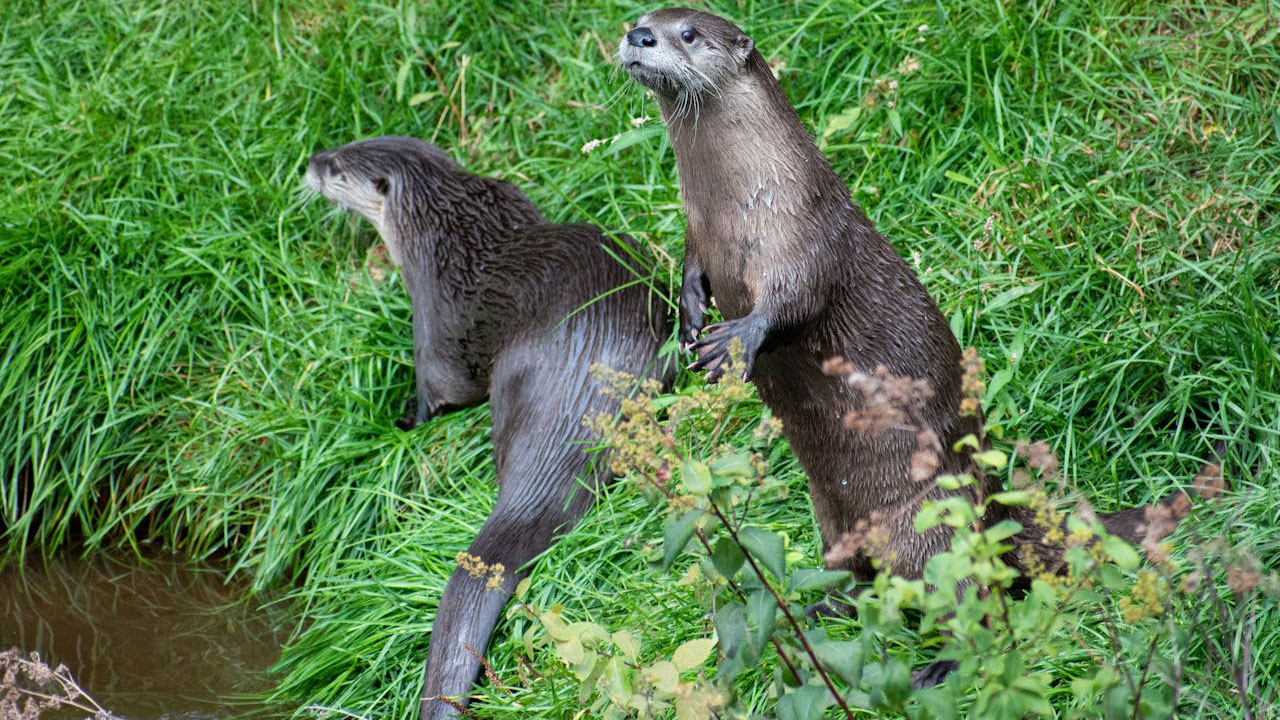
River otters are not normally dangerous to people, but they absolutely qualify as predators anglers overlook all the time. Otters move quietly along riverbanks and through the water, often appearing suddenly where someone has been fishing for hours. They’re incredibly curious animals and will sometimes swim close to investigate splashing fish or bait.
The bigger issue is that otters are fast and territorial when they feel cornered. Most anglers are surprised to learn that otters can become aggressive if someone unknowingly approaches their den or young. Because people usually view them as playful animals, they often underestimate how protective they can be. Seeing one pop up beside you while wading a river can be startling enough on its own.
Snapping turtles
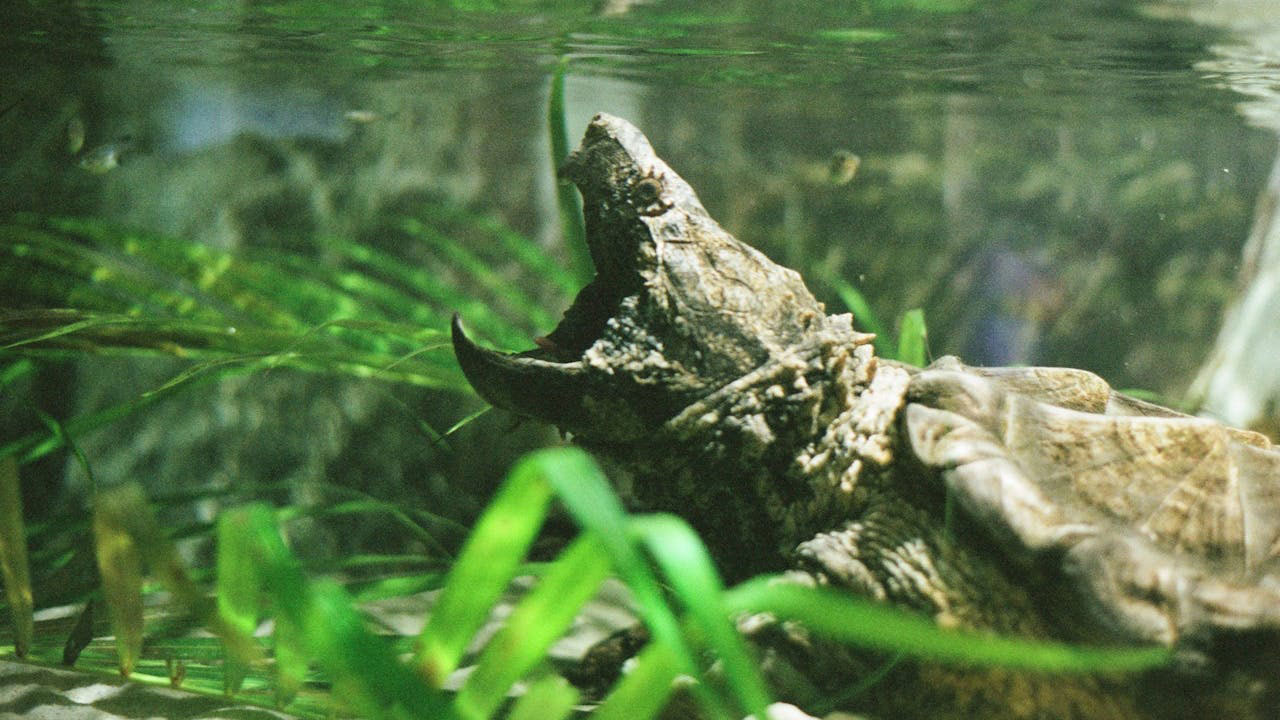
Big snapping turtles spend most of their time out of sight on the river bottom, which makes them easy to forget about. Anglers wading in shallow water often have no idea one is nearby until it surfaces suddenly or snaps at bait being pulled through the water. Snappers aren’t typically interested in people, but they’re opportunistic predators that will investigate movement or food.
Where problems happen is when someone tries to grab one or move it off a bank. Anglers occasionally find snapping turtles tangled in fishing line or sitting near bait buckets. The instinct is to handle the situation quickly, but that’s exactly when bites happen. A large snapping turtle has a powerful jaw and extremely fast strike when it feels threatened.
Large catfish
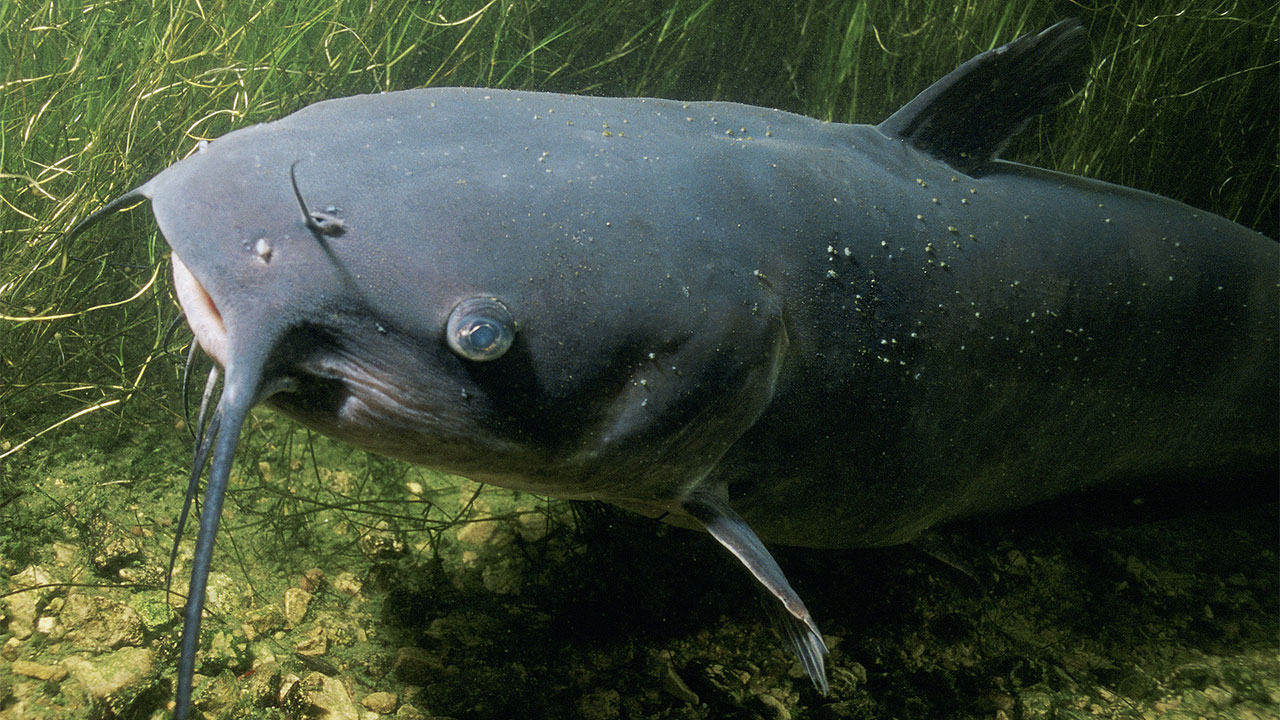
Catfish don’t usually make predator lists because they’re the fish anglers are actually targeting. But very large catfish—especially flatheads and blues—are powerful river predators that can surprise someone wading or swimming. In murky water, a massive catfish bumping into a person’s leg can feel a lot more dramatic than expected.
The real risk comes when anglers try to hand-grab or handle big catfish carelessly. A thrashing fish with sharp spines can cause serious injuries, and catfish are strong enough to pull someone off balance in moving water. Most anglers learn quickly that respecting the size and power of these fish is part of staying safe on the river.
Water moccasins near boat ramps
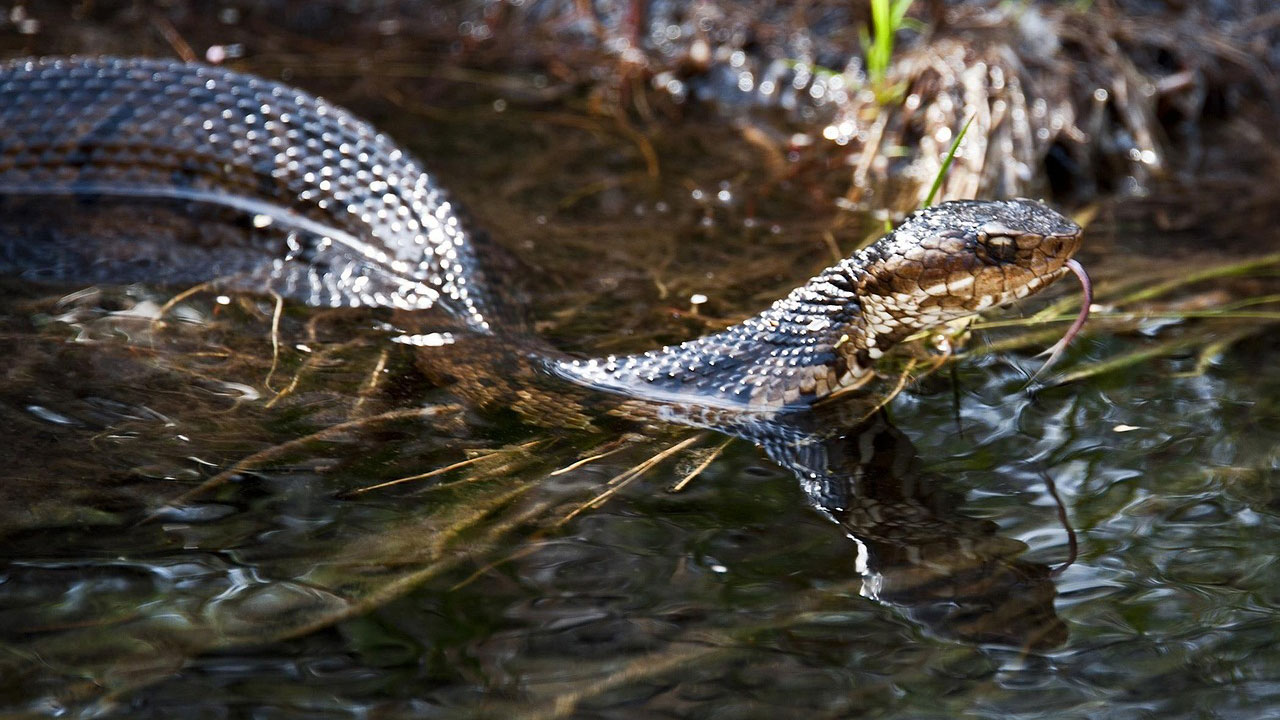
Boat ramps are hotspots for water moccasins because they attract fish scraps, frogs, and rodents. Unfortunately, anglers are often distracted while launching or loading boats. They’re focused on trailers, ropes, and gear rather than watching the shoreline carefully.
That distraction is exactly why moccasins around ramps surprise people. A snake sitting along the edge of the concrete or tucked under nearby brush may not be obvious until someone steps almost on top of it. The snake isn’t hunting people—it’s just using the same convenient access point to the water that anglers use.
Bald eagles
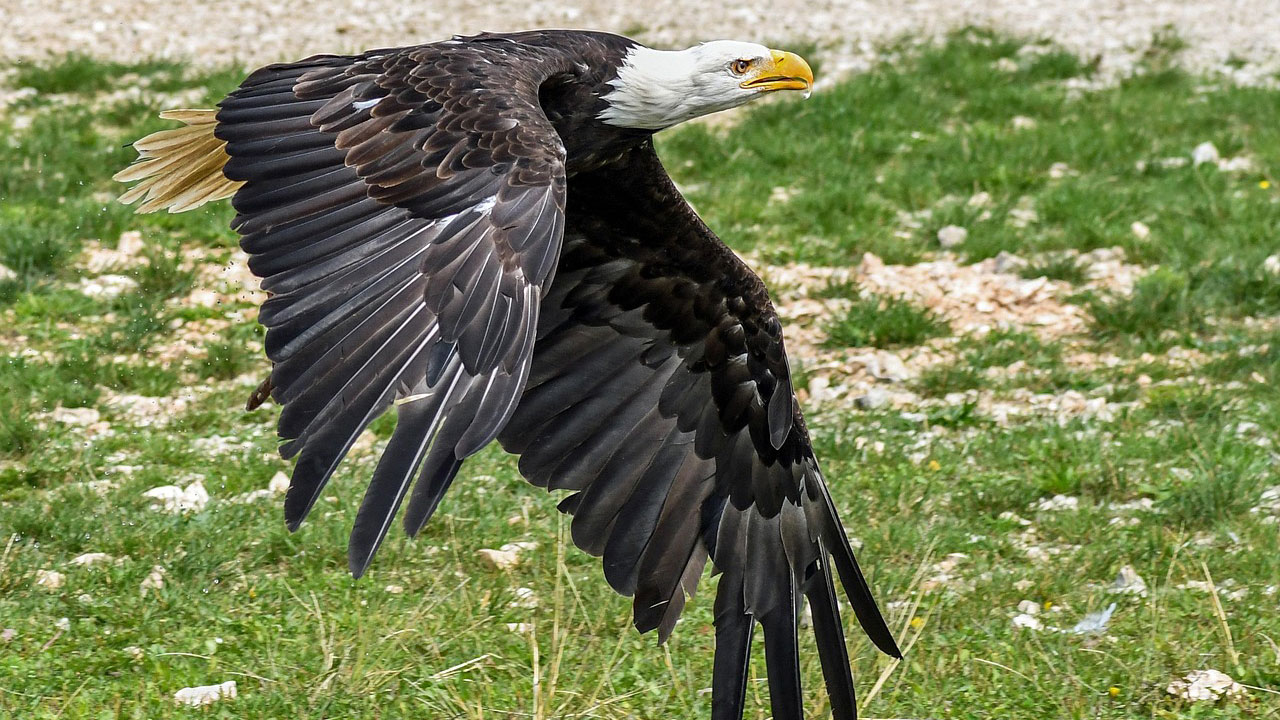
Bald eagles are incredible fish hunters, and rivers with strong fish populations often attract them. Anglers sometimes forget that these birds will swoop down fast when they spot a struggling fish near the surface. A hooked fish thrashing in shallow water can trigger that instinct immediately.
Most of the time the eagle simply grabs the fish and leaves, but the sudden rush of wings close to someone’s head can be shocking. The bird isn’t attacking the person, but anglers sometimes find themselves startled by how close these large raptors will get while trying to snatch an easy meal.
Coyotes along riverbanks
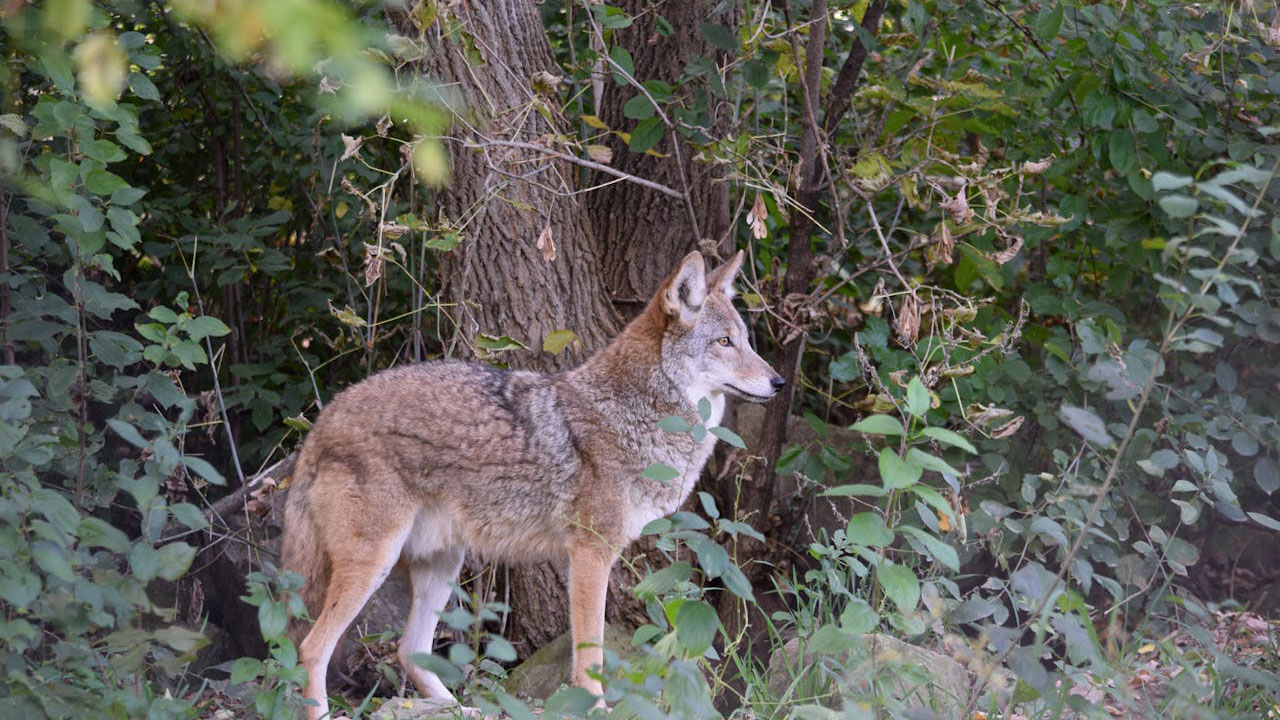
Coyotes use rivers as travel corridors because water attracts prey and thick vegetation provides cover. Anglers walking quiet stretches of riverbank at dawn or dusk sometimes notice a coyote watching from the brush after they’ve already been fishing for a while.
Most coyotes avoid direct contact with people, but they will often observe from a distance longer than expected. In areas where anglers clean fish or leave scraps behind, coyotes sometimes become more comfortable approaching those spots. That combination of curiosity and food sources is why anglers occasionally realize they’ve been watched for longer than they thought.
Bull sharks in coastal rivers

In coastal regions, bull sharks occasionally move far upstream into freshwater rivers. This surprises anglers because sharks are normally associated with the ocean. Bull sharks are unique in their ability to tolerate freshwater, and they’ve been documented many miles inland in some river systems.
Encounters are extremely rare, but the possibility is real in certain parts of the world. Anglers focused on casting or wading may never imagine a shark could be in the same water. That’s why reports of bull sharks in rivers always catch people off guard.
Large gar
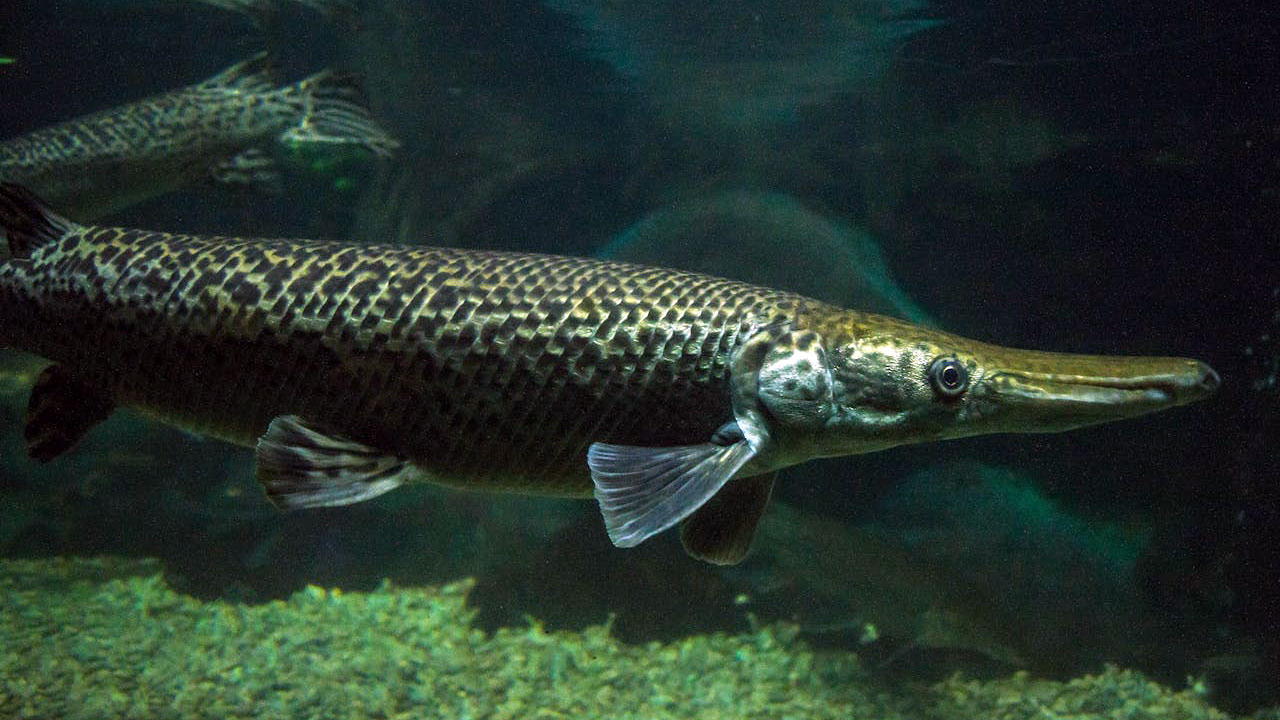
Gar are ancient-looking fish with long jaws full of sharp teeth, and they’re built for ambush. Anglers sometimes see them rolling near the surface but underestimate their size and speed. A big gar thrashing near a hooked fish or near a wader’s legs can create a sudden, chaotic moment.
The danger isn’t that gar hunt people—it’s that they react violently when hooked or cornered. Their teeth and powerful bodies can cause injuries if someone tries to handle them carelessly. Many anglers learn quickly that gar deserve the same respect as any other large predator in the river.
Beavers
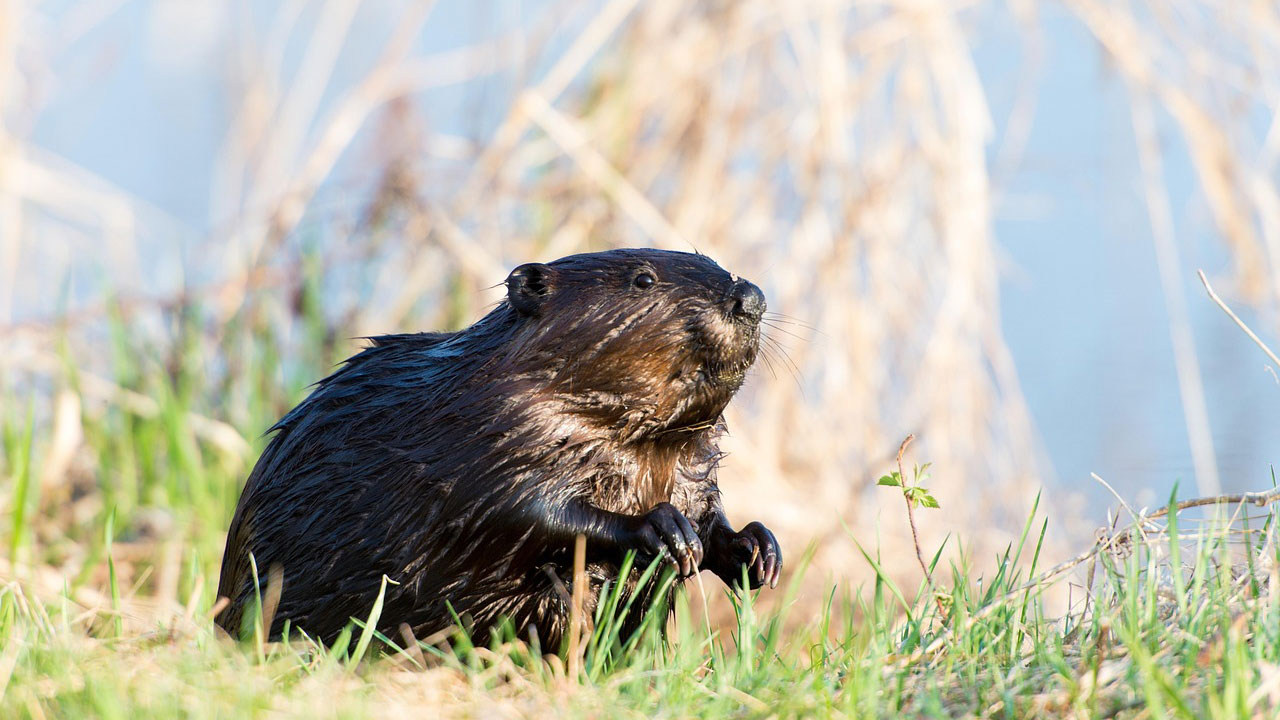
Beavers are not predators in the classic sense, but they can still create ugly situations for anglers who do not realize how territorial they can be. A beaver cruising low in the water at dusk can look harmless enough until it slaps the surface hard right beside you or charges closer than expected. That tail slap is not just noise. It is a warning, and in tight quarters it can scare somebody badly enough to make them stumble, fall, or react in a way that gets them hurt.
The bigger problem is that anglers often wade or fish near beaver lodges and feeding areas without noticing the signs first. A beaver that feels pressured may swim directly at the disturbance to drive it off. It is not trying to eat anybody, but a strong animal with big teeth in moving water is still a problem. A lot of people do not take beavers seriously until one explodes out of the dark water ten yards away and reminds them that riverbank wildlife does not have to be carnivorous to be dangerous.
Muskrats
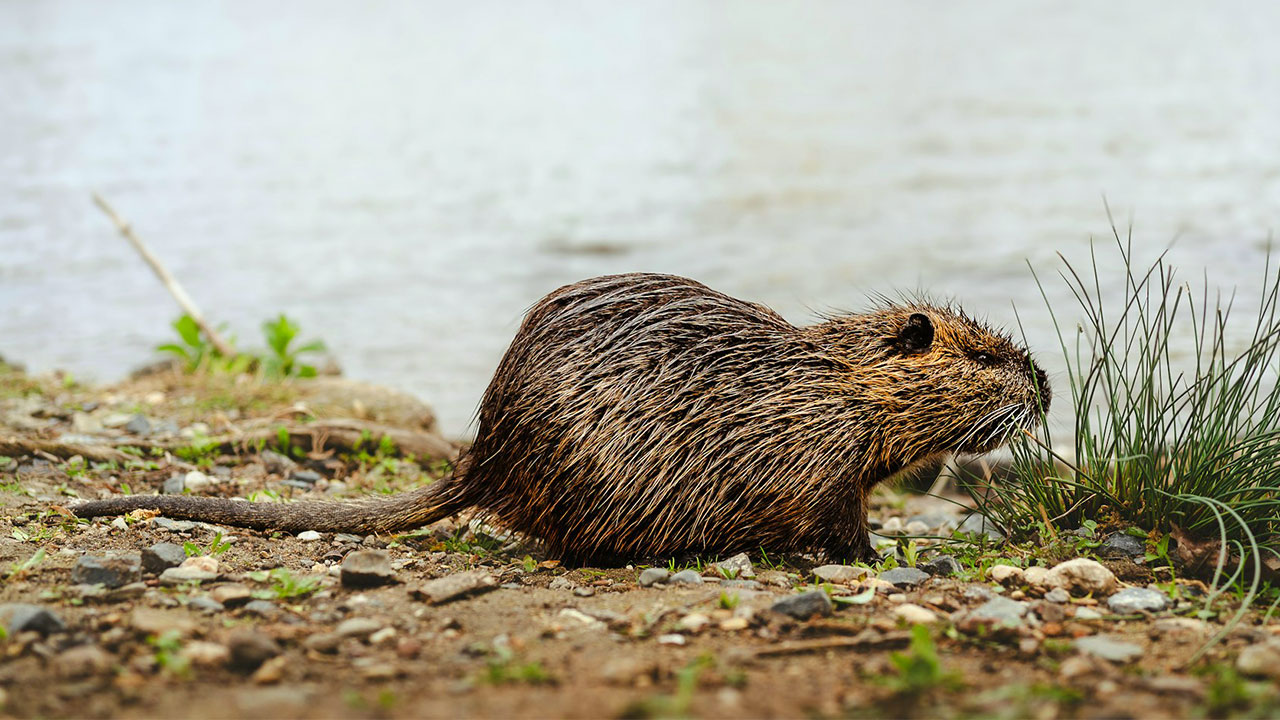
Muskrats are another river animal people tend to underestimate because of their size. They look small, busy, and easy to ignore, but they can become aggressive when cornered or when somebody gets too close to a den. Anglers walking muddy banks, cutting through reeds, or stepping around root tangles sometimes find themselves right on top of one before they even realize it was there. In that kind of close range, a muskrat can lunge, bite, and make a mess of a hand or ankle before someone understands what just happened.
They also show up in exactly the kind of cover anglers like to fish around. Undercut banks, cattail edges, logjams, and slow side channels are muskrat country, and those same places hold fish. That means the overlap happens naturally. Most muskrats would rather avoid people, but if one feels boxed in between water, brush, and your boots, it can react fast. People think of them as harmless little marsh critters until one turns sideways, shows teeth, and comes out of the weeds harder than expected.
Mink
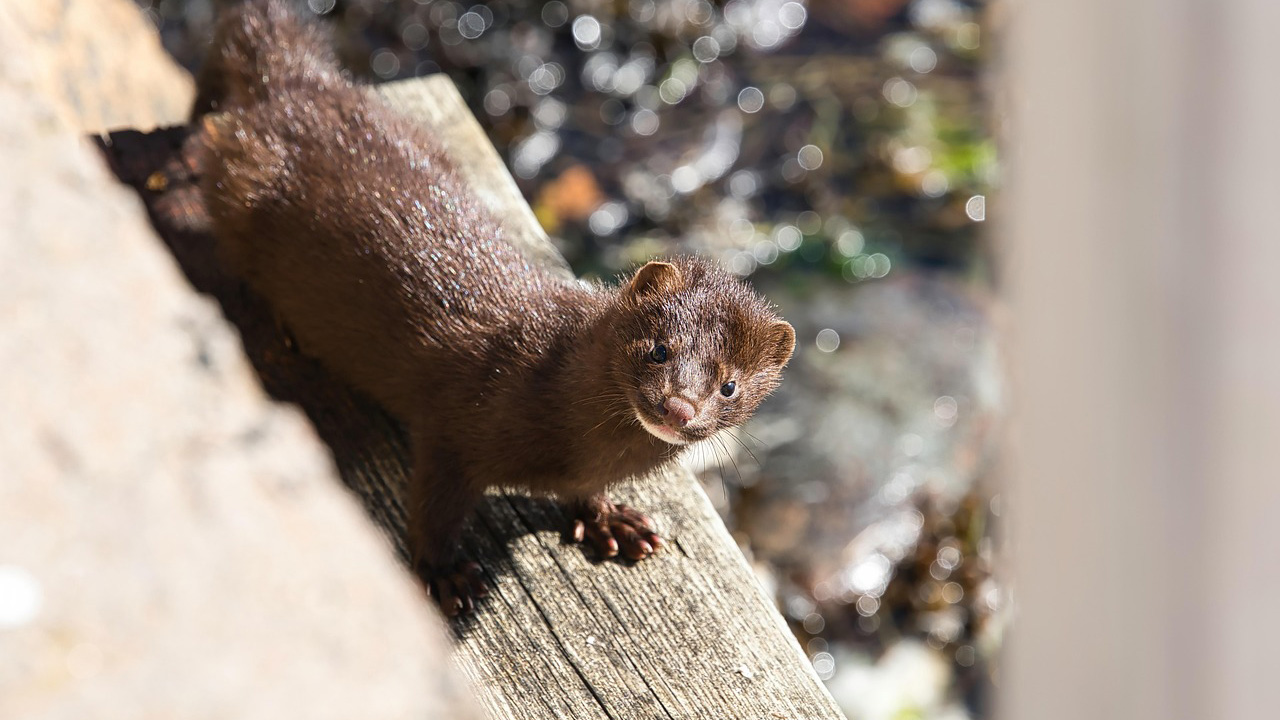
Mink are one of those predators many anglers never notice at all until one suddenly darts across the rocks or appears near a stringer of fish. They are small, fast, and incredibly bold for their size. A mink working a river edge is hunting fish, frogs, crayfish, and anything else it can grab, and it has no problem nosing around areas where humans have already made an easy mess. If you are cleaning fish, leaving bait open, or keeping a catch close to shore, a mink may show up a lot quicker than you would think.
What makes mink worth adding here is how fearless they can seem in close quarters. They are not looking to fight a person, but they are intense little predators that do not always spook the way people expect. If one is cornered near rocks, under a dock, or around bank cover, it can bite hard and fast. A lot of anglers mistake them for something halfway between a weasel and a nuisance animal, but on a riverbank, a mink is a sharp-toothed predator that lives off speed, aggression, and nerve.
Herons
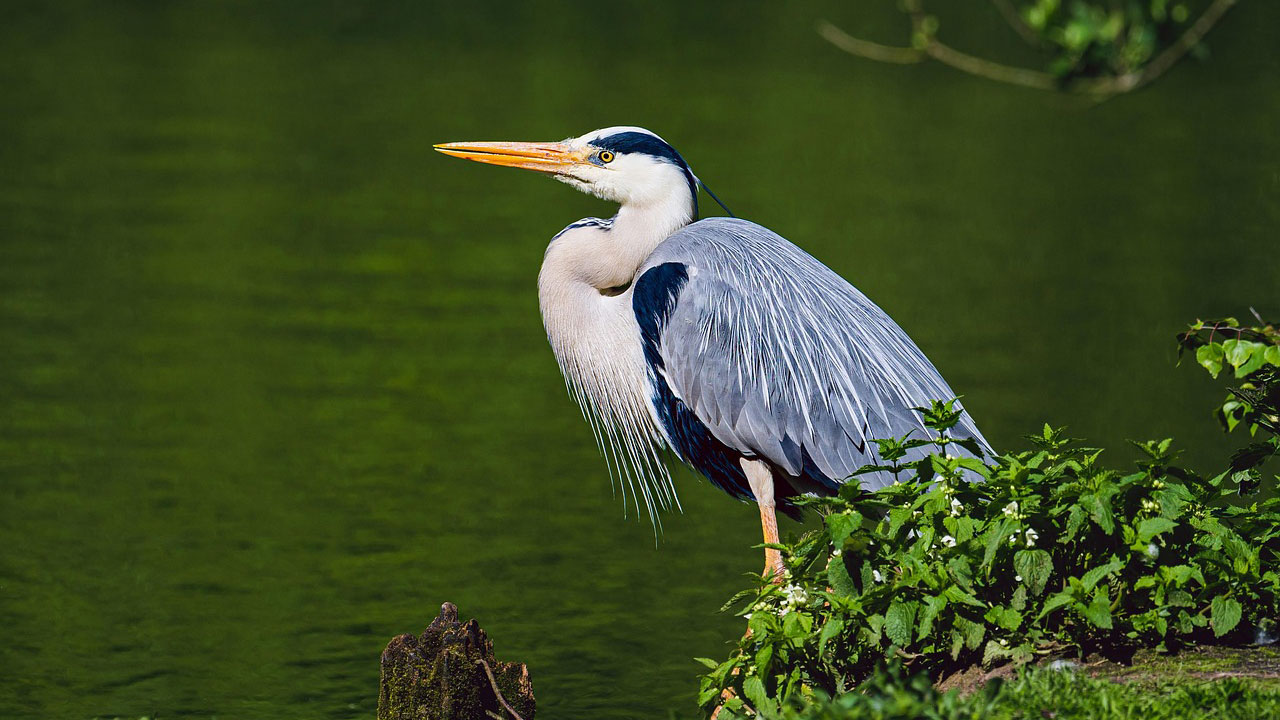
Great blue herons and other large wading birds do not usually get thought of as dangerous, but they can become a serious problem if an angler gets too close without realizing how little room the bird has. Herons hunt the same banks, shallows, and side channels anglers love, and they often stand so still they blend right into the scene until somebody nearly steps on them. When they finally react, that takeoff can be explosive, and if the bird feels trapped, it can jab with that bill in a way that is no joke.
The risk here is not that herons are hunting people. It is that anglers tend to treat them like harmless scenery until they are suddenly within stabbing range of a frightened bird built around a spear. A heron defending space near a nest or trying to escape from thick bank cover can lunge first and clear out later. If you are easing through reeds or around a shaded bend and a big bird erupts almost at your feet, you find out real fast that not every river threat has teeth.
Water monitors and caimans
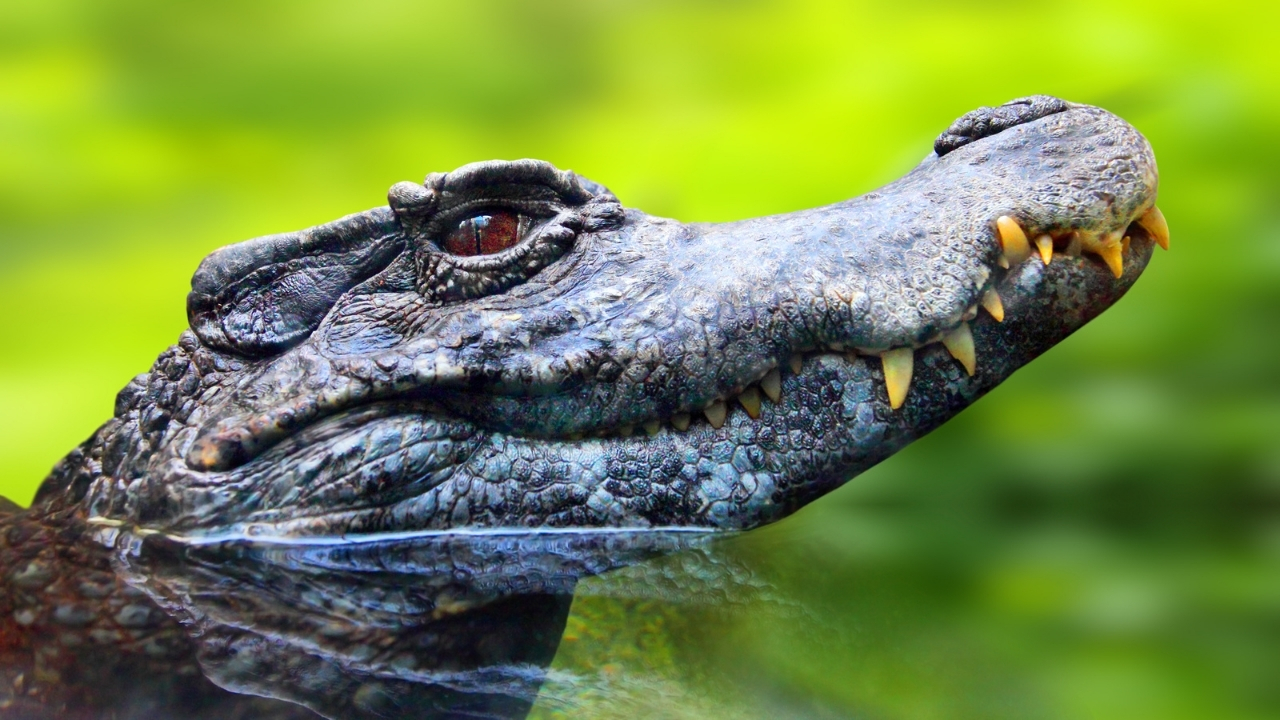
Depending on where a person is fishing, rivers can hold predators that do not exist in the average angler’s mental picture at all. In some parts of the world, that means water monitors cruising the bank or caimans lying low in the shallows. Both can stay still long enough to go unnoticed, and both are perfectly built to surprise somebody who is watching a float instead of scanning the bank. Anglers tend to settle into routines, and unfamiliar predators take advantage of that fast.
What makes these animals so easy to miss is that they fit the riverbank better than the people do. A caiman looks like another shadow in the water until it moves. A monitor can hug root lines and muddy edges so tightly that it disappears until it suddenly scrambles or turns toward the disturbance. Most anglers do not think “large reptile” when they think river hazard unless they already live around them. That is exactly why they get noticed late. By the time someone realizes what they are looking at, the distance is already much shorter than it should be.
Like The Avid Outdoorsman’s content? Subscribe to our newsletter so you never miss an article.
Here’s more from us: