Photo credit: Pixel Shot/Shutterstock.com
Some dogs love the whole family. Other dogs walk in, scan the room, and basically choose a favorite like it’s a job interview. You’ll see it fast. They follow one person more than the others, settle closest to them, look to them first for direction, and act a little extra offended when someone else tries to steal the attention. That “picked my person” thing isn’t always about who feeds them, either. Sometimes it’s who’s calmest. Sometimes it’s who talks to them the most. Sometimes it’s who moves slower, sits more, or feels safest. A lot of it comes down to breed wiring, early socialization, and the dog’s personality.
Having a one-person dog can be the best thing ever if you like that bond. It can also create issues if the dog becomes possessive, anxious, or uninterested in everyone else. The goal is a dog that chooses you but still feels safe with the whole household. That means encouraging gentle interaction with other family members, rewarding calm independence, and not accidentally reinforcing clinginess. These breeds are known for bonding fast, picking a favorite, and staying loyal once they decide you’re the one.
German Shepherd
German Shepherds are famous for loyalty, and a lot of that loyalty is focused. They tend to attach strongly to the person they see as their main handler. It’s not just affection. It’s a working-dog style bond where they watch you, read you, and prefer to be near you because that feels like purpose. Once a Shepherd decides you’re their person, you’ll notice it in the way they track you around the house and look to you first, even when other people are talking.
Because Shepherds can be protective, it’s important to raise that bond the right way. You want confidence and calm, not suspicion or guarding. When the dog is properly socialized and trained, that “their person” bond becomes a huge positive. When they’re not, it can turn into a dog that doesn’t trust anyone else. These dogs do best when they have structure, training, and clear leadership, because they’re not a breed that thrives on chaos.
Doberman Pinscher
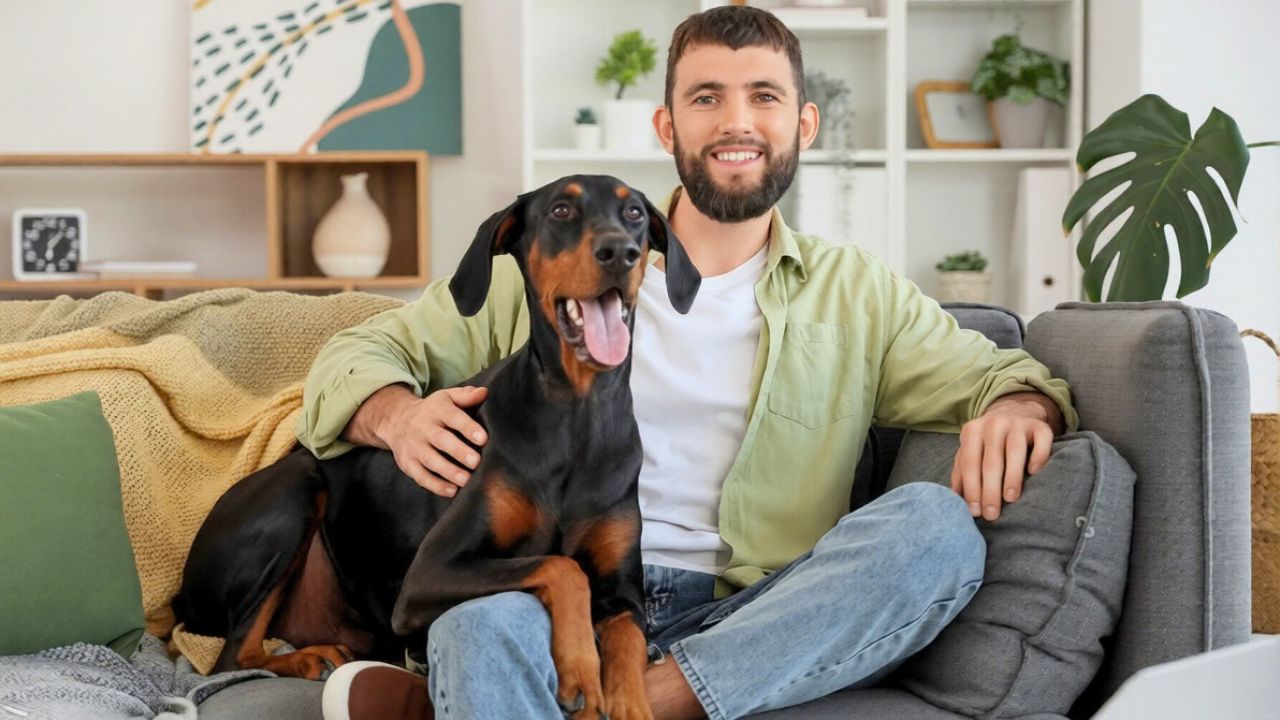
Dobermans are intensely people-focused, and they often pick a favorite fast. They tend to bond closely with one person and become very tuned into that person’s mood and routines. A Doberman isn’t the kind of dog that just exists in the background. They want to be involved, and they often become a constant companion for the person they choose. When you’ve got a Doberman’s loyalty, you feel it, because they’re present and attentive.
They also need training and consistency, because that closeness can turn into pushy behavior if you don’t set boundaries early. Dobermans can be amazing family dogs, but they still often attach strongest to one person. If you want a dog that treats you like the center of their world, a well-raised Doberman fits that profile better than almost anything.
Chihuahua
Chihuahuas are small, but the bond they form can be intense. A lot of them pick one person and stick to them like glue. They want to sit on that person, sleep near that person, and follow that person room to room. This is especially true if the Chihuahua feels safe and protected with one person more than the others. Their size makes them naturally cautious sometimes, so when they find a human they trust, they tend to lock in.
The downside is they can become overprotective if they’re not socialized. That’s when you get the classic “tiny dog with a big attitude” stereotype. The good news is a Chihuahua that’s confidently socialized usually becomes a loyal little shadow without the drama. The key is helping them feel safe with multiple people, not just their chosen favorite.
Akita
Akitas are known for deep loyalty and strong bonds, but they’re not typically social butterflies. Many Akitas pick their person quickly and become very devoted, while staying more reserved with others. They often have a calm, quiet way of showing attachment, but it’s powerful. An Akita may not constantly demand attention, but they’ll stay close, watch you, and act like your presence is their anchor.
Because they can be independent and protective, they’re not a casual breed. Early socialization, clear boundaries, and steady training matter a lot. An Akita that’s raised well can be an incredibly loyal companion. An Akita that’s poorly socialized can become too wary of strangers and too intense in the home. When done right, though, this is one of the strongest “picked my person” breeds out there.
Australian Shepherd
Aussies bond hard, and they often choose the person who trains them, plays with them, or gives them the most structure. They’re smart and attentive, and they tend to latch onto the person they see as their main teammate. You’ll notice it in how they watch you, follow you, and respond faster to your cues than anyone else’s. They can still love the whole family, but many Aussies have a clear favorite.
The thing to watch is that Aussies can become overly attached if they don’t learn how to settle on their own. Their intelligence makes them great to train, but it also means they learn routines fast, including “I follow you everywhere.” If you teach them a calm place command and normal alone time early, you get that loyal bond without the anxious attachment.
Border Collie
Border Collies often pick their person because they’re wired to work closely with a handler. They bond through communication and activity, so the person who engages with them the most usually becomes the favorite. When a Border Collie chooses you, it’s not just cuddles. It’s focus. They’ll watch you for cues, anticipate your next move, and stick close because that’s how they’re built to operate.
This can be awesome if you like training and interaction. It can also turn into obsessive attachment if you accidentally reward constant attention-seeking. Border Collies need an off switch and a balanced routine. When you manage that, they’re one of the most loyal, bonded dogs you can have. They’re not casual companions. They’re partners, and they act like it.
Great Pyrenees
Great Pyrenees are often loyal to the whole household, but they still frequently choose a person they trust most. Their style is different from the herding and working breeds because they’re independent guardians. They won’t always “obey” the way people expect, but they’ll often attach strongly to whoever they see as their main anchor in the home. You’ll notice it in who they follow, who they check in with, and who they choose to settle near.
Because they’re guardians, they can be protective by nature. That doesn’t mean aggressive, but it does mean they take their job seriously. A Pyr that bonds to you often acts like it’s their responsibility to keep you safe, especially at night or when something unfamiliar happens. With good socialization and calm leadership, that bond becomes steady and comforting instead of overly suspicious.
Dachshund
Dachshunds are funny little dogs, but they’re also known for picking a person and sticking with them. They’re affectionate, stubborn, and often very attached to their favorite human. A lot of Dachshunds are happiest when they’re curled up against one person, and they’ll follow that person through the house like a tiny escort. Their loyalty can be intense, and they’re not always interested in spreading that affection equally.
Because they can be protective and vocal, it helps to socialize them early and set rules around attention. You want “loyal and affectionate,” not “possessive and bossy.” When you train them well, they’re a great example of a small dog with a big bond. They tend to love hard and commit fast.
Cane Corso
Cane Corsos often bond strongly with one person because they’re serious dogs that thrive on clear leadership. They’re not typically the kind of breed that treats everyone like a best friend. They’re loyal, protective, and often focused. When a Corso chooses you as their person, you’ll see it in their attention, their responsiveness, and how they position themselves near you. They tend to respect confidence and consistency, and they attach to the person who provides it.
This is not a beginner breed. Their strength and protective instincts mean training and socialization aren’t optional. But in the right home, with the right handling, they’re one of the most devoted “one-person” dogs out there. They don’t just like you. They commit to you, and they take that bond seriously.
Like The Avid Outdoorsman’s content? Subscribe to our newsletter so you never miss an article.
Here’s more from us: