Photo credit: Tom Fisk/Pexels.com
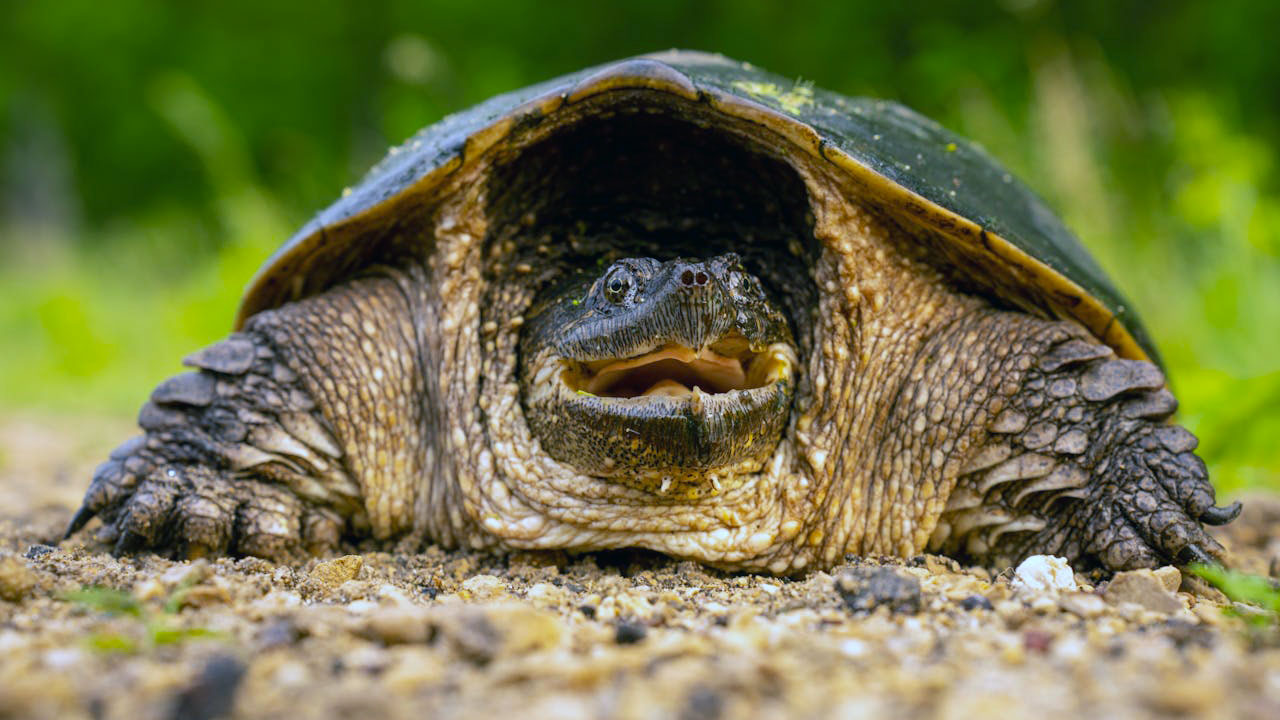
Snapping turtles get treated like some prehistoric bully that exists only to bite people. The truth is they’re tougher, weirder, and more important to their ecosystems than most folks realize. They also get into trouble with people constantly because they show up in the exact places we fish, swim, and let dogs run. Here are 15 facts that usually surprise people.
They spend most of their lives not being “aggressive” at all
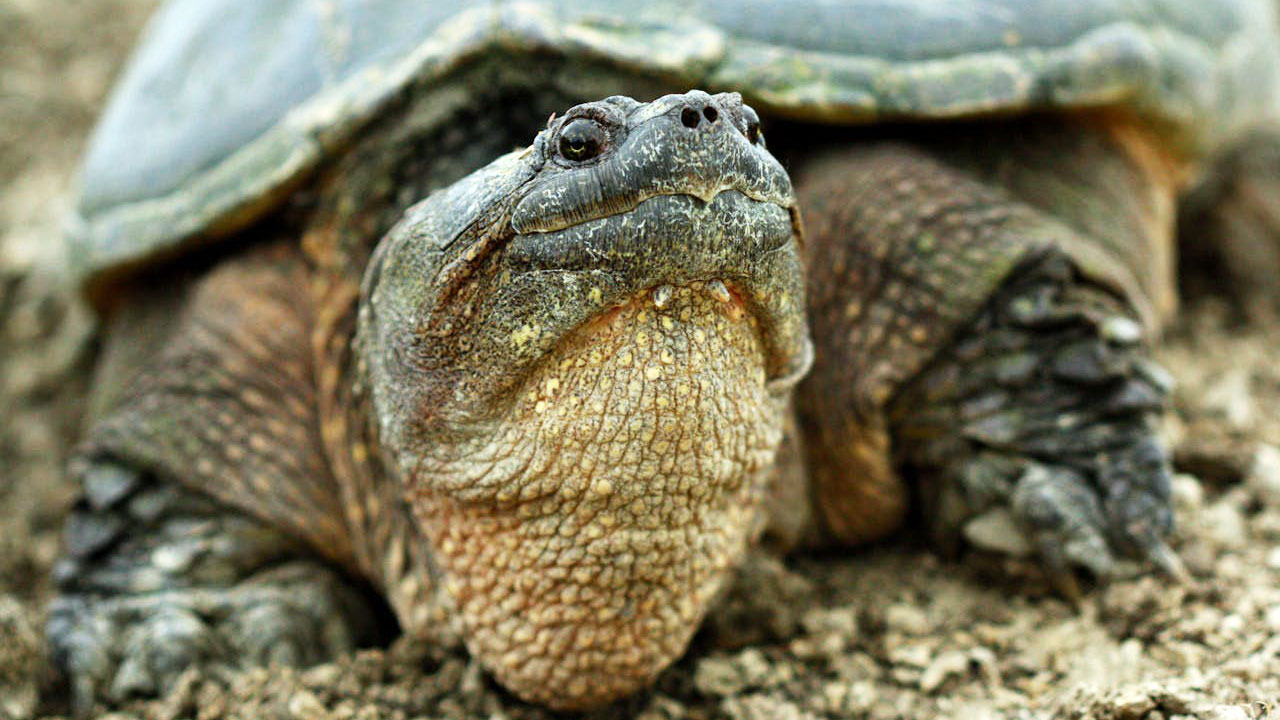
Snappers have a nasty reputation on land because they’ll stand their ground and bite if pushed. But in the water, they’re usually calm and more likely to slip away than fight. The “aggression” people see is mostly a defensive reaction when the turtle is out of its element and can’t flee easily.
That’s why the same turtle that looks like a monster in your yard can be completely uninterested in you once it’s back in water. On land, they feel exposed. In water, they feel in control.
They can live a long time
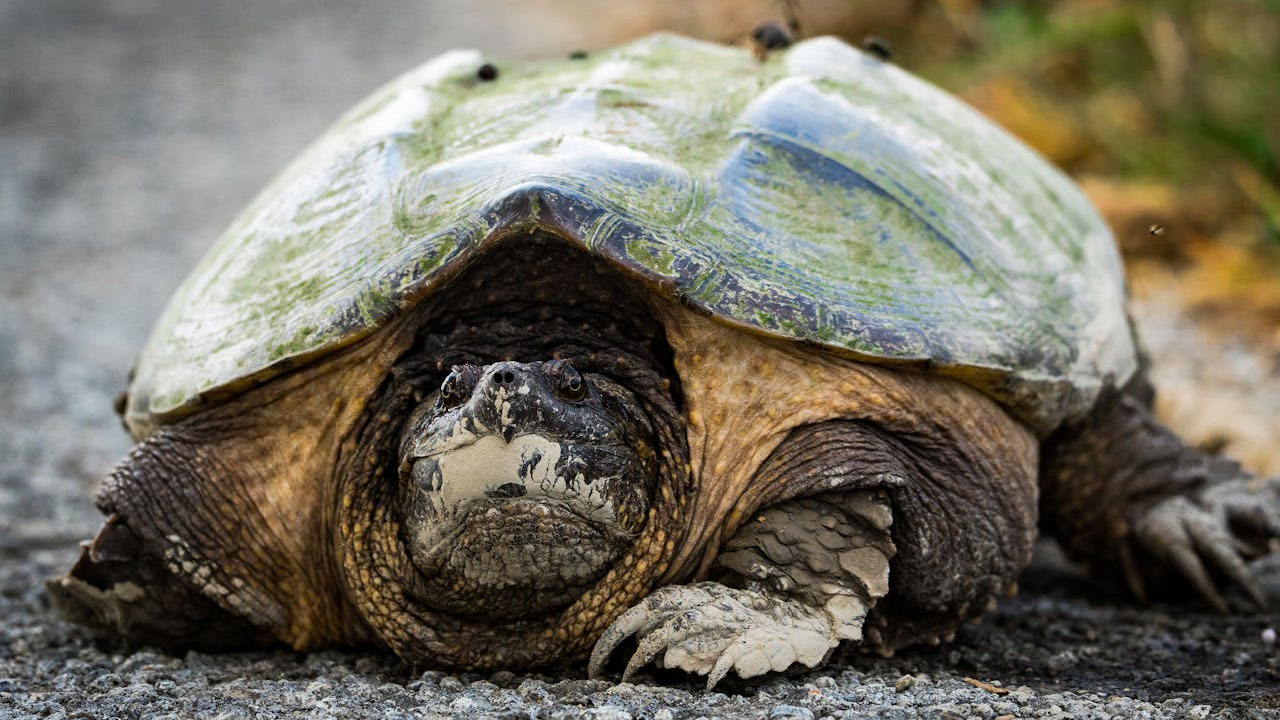
A lot of snapping turtles make it decades if they avoid roads, traps, and human conflict. They’re slow-growing and built to survive. That’s part of why they can hang around the same ponds and creeks for years without most people ever noticing.
The flip side is that when adults get killed—especially breeding females—those populations can take a long time to bounce back. A big snapper isn’t “replaceable next year.” It’s often a long-term survivor.
Their bite is serious, but it’s not a “chase you” situation
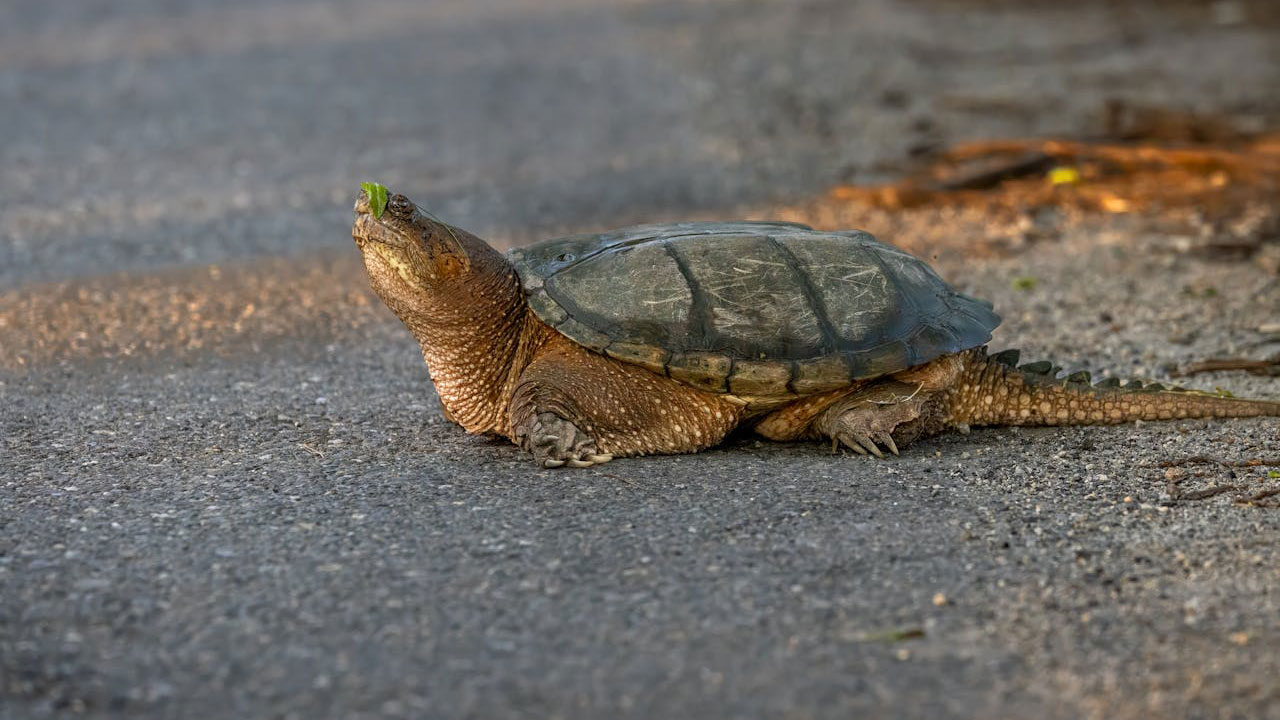
Yes, they can bite hard. No, they’re not hunting people. The most common bad bites happen when someone tries to pick one up wrong, messes with it, or lets a dog harass it. A snapper’s defense is a quick strike and a powerful jaw, not a long fight.
If you give them space, most problems never happen. The danger usually starts with human curiosity: “I’ll just move it.” That’s when fingers get too close to the business end.
They don’t just eat fish
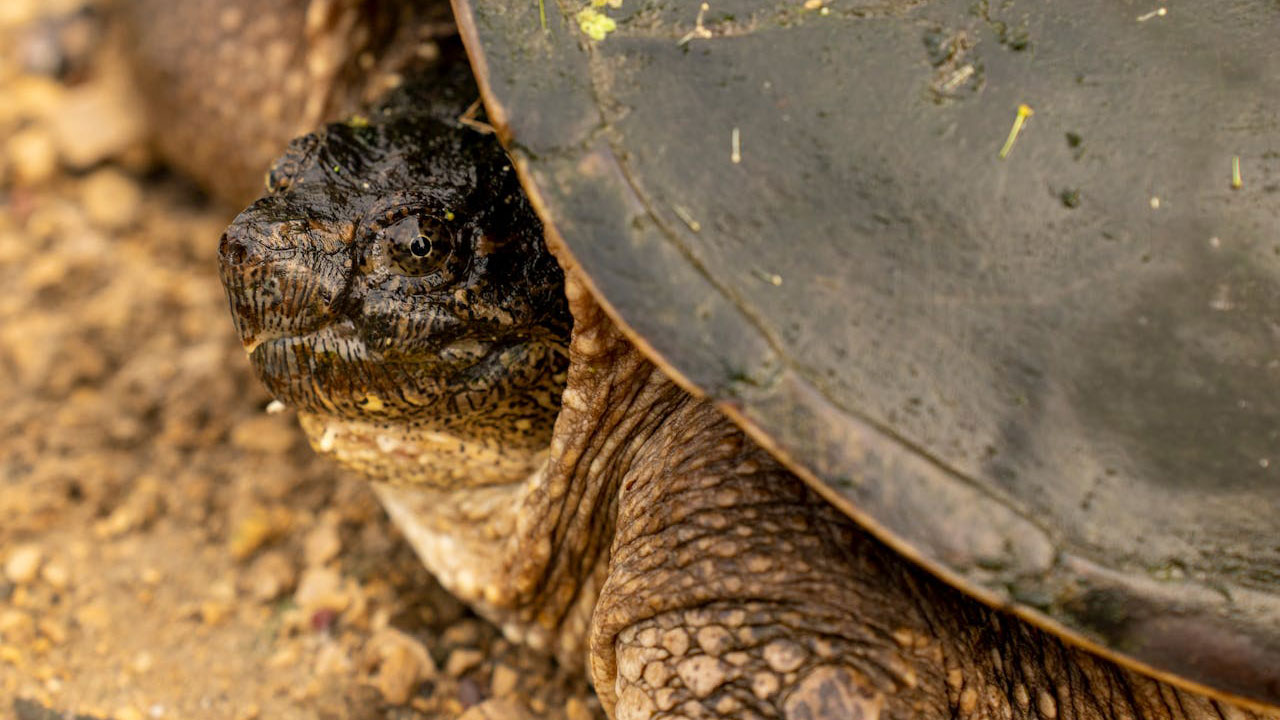
People assume snapping turtles are fish-eaters. They’ll eat fish, sure—but they’re opportunists. They’ll take frogs, crawfish, insects, dead stuff, plants, baby ducks, and pretty much anything they can catch or scavenge. In a lot of waters, a big chunk of their diet can be carrion.
That scavenger role matters. Snappers help clean up dead fish and other animals, which is part of keeping waterways from turning into a rotting mess—especially in warm months.
They’re ambush predators, not swimmers chasing things down
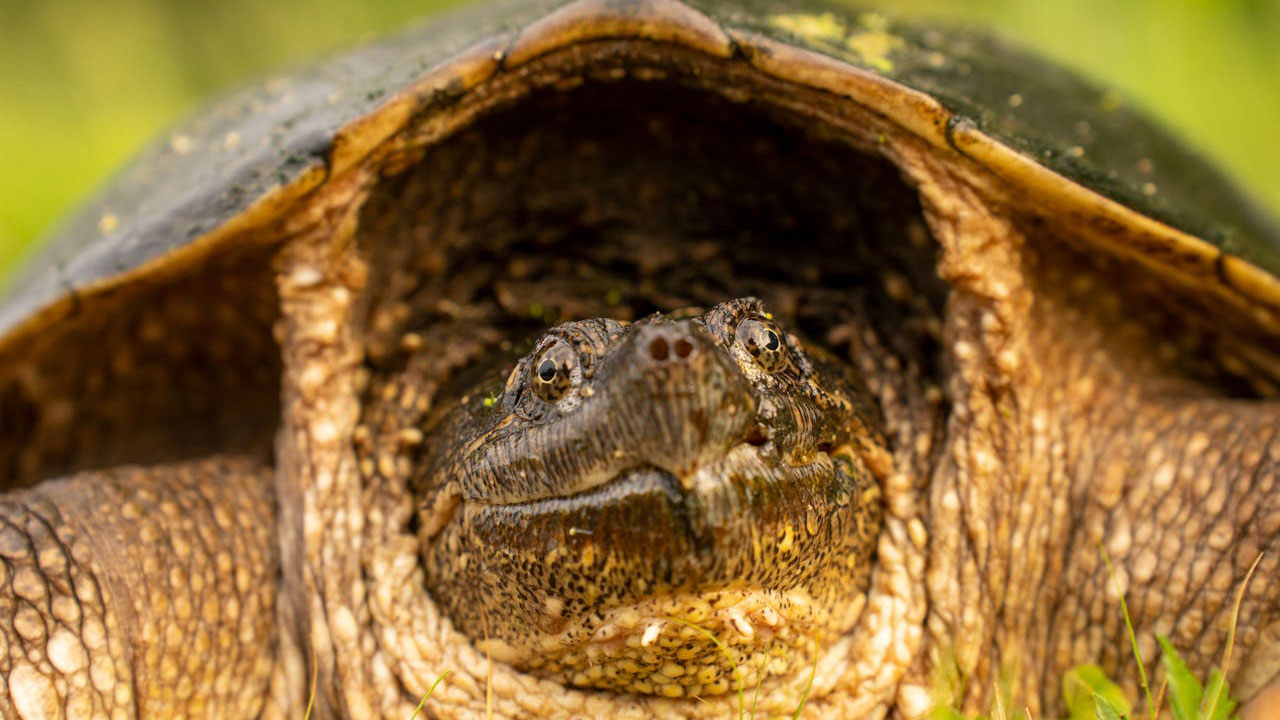
A snapper doesn’t need to chase much. They’ll sit still in mud or vegetation and wait for something to come close. Their camouflage is underrated—when they’re settled in, they can be hard to spot even in shallow water.
That’s why they catch stuff that seems “too fast.” They’re not out-swimming prey. They’re letting prey make the mistake of coming within striking distance.
They can’t pull fully into their shell like other turtles
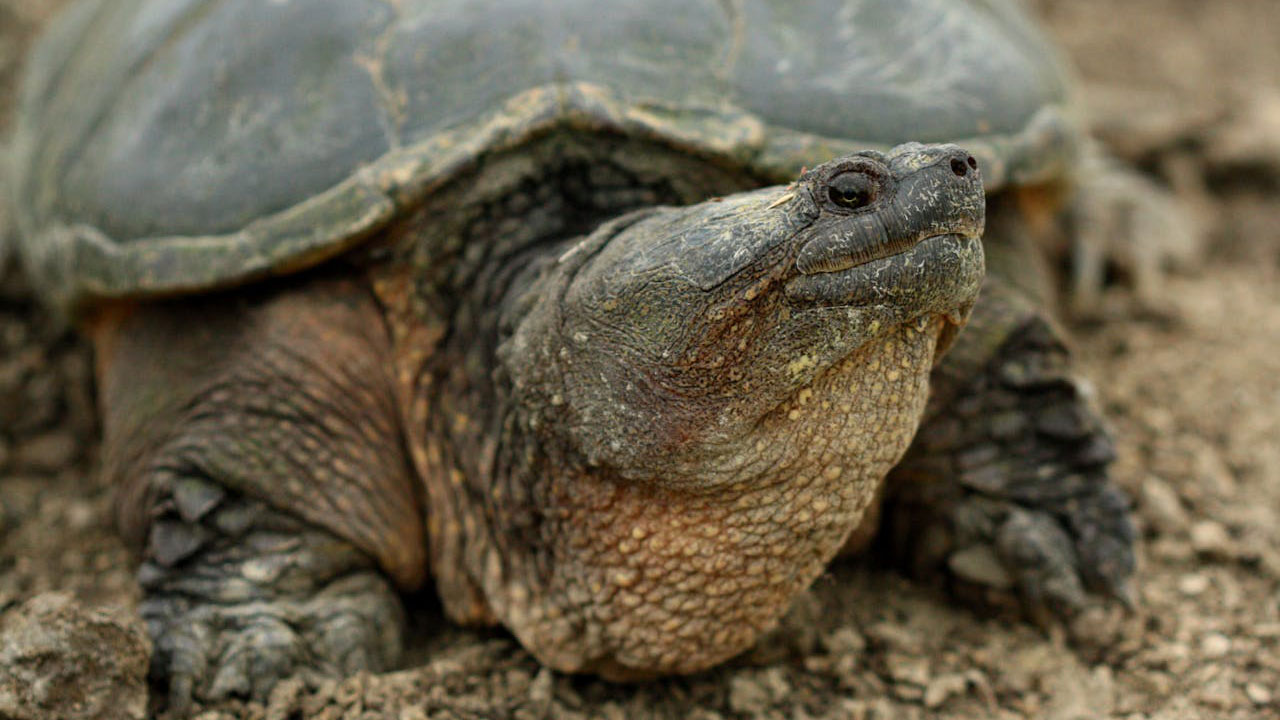
This surprises people because “turtle = hides in shell,” right? Snapping turtles don’t have that full “tuck in and disappear” ability like sliders or box turtles. Their shell design is more about mobility and survival in water than forming a perfect closed bunker.
So they defend themselves differently—long neck, quick strike, and attitude on land—because their shell isn’t built for the same kind of full-body lockdown.
They’re way more common than people think
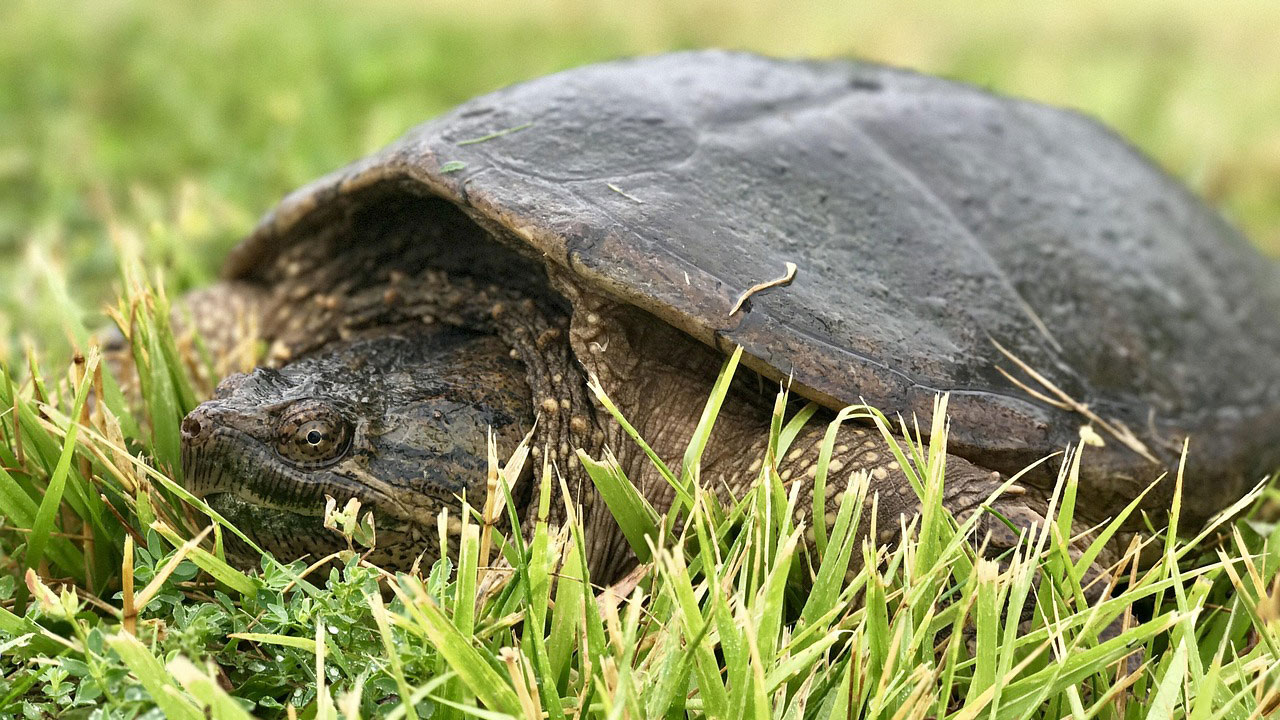
In a lot of areas, if you’ve got slow water, mud bottoms, and decent food, there’s probably a snapper around. You just don’t see them often because they spend most of their time underwater, still, and hidden.
People usually “discover” snappers during nesting season or when one crosses a road. Then it feels like an invasion. Most of the time it’s just one turtle doing normal turtle business.
Nesting season is when they end up in the worst places
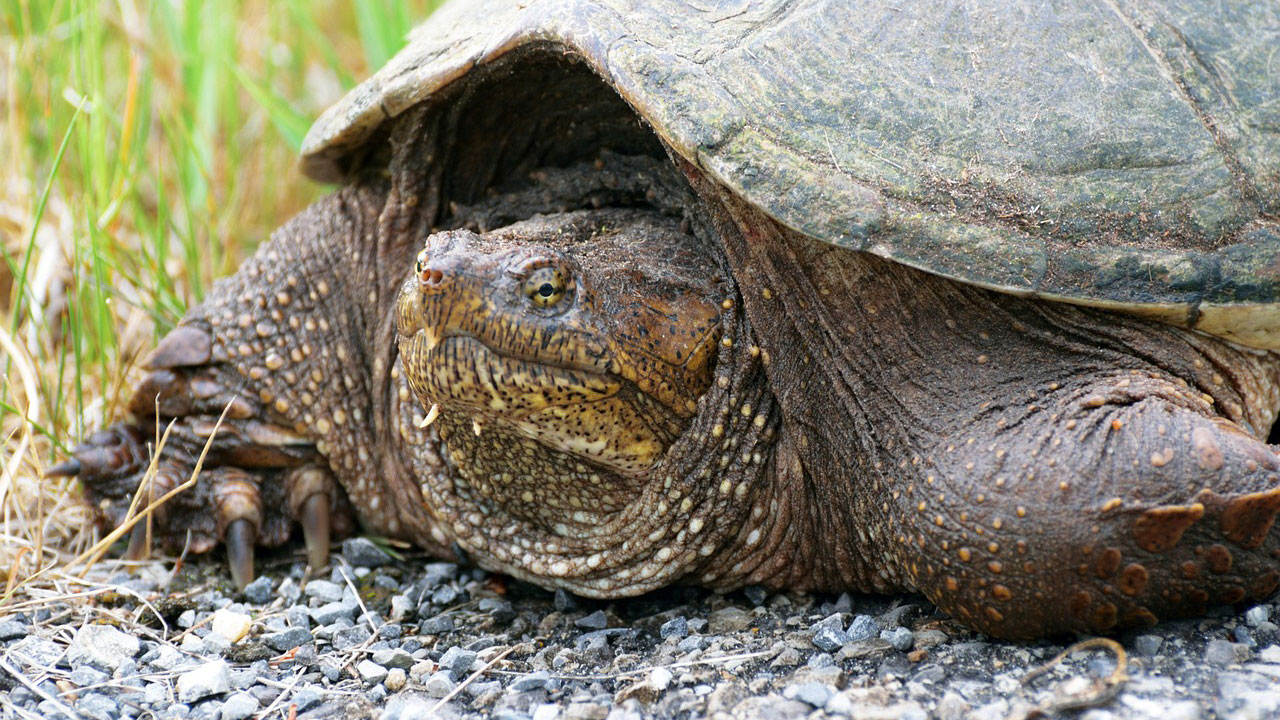
Female snappers travel over land to lay eggs, and that’s when they show up in yards, driveways, ditches, and roads. They’re looking for the right soil and sun exposure—often gravel shoulders, sandy areas, or loose dirt.
This is also when they get hit by cars most often. They’re slow, they blend in, and people don’t expect a turtle that big to be crossing the road like it owns the place.
Their eggs are basically a buffet for everything
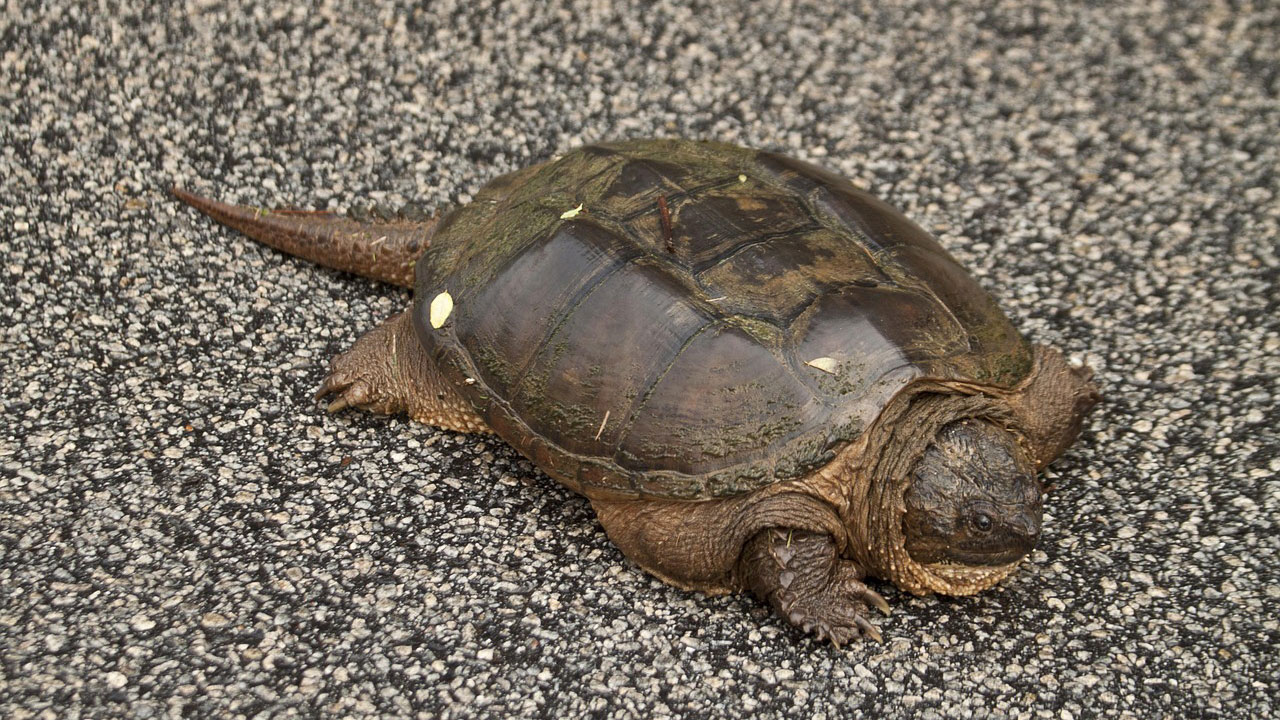
Raccoons, skunks, foxes, coyotes, crows—if it can smell a nest, it’ll dig it up. A lot of snapping turtle nests don’t make it, and that’s normal. The survival strategy is quantity: lay enough eggs that some make it through.
That’s why people can see a big nesting female and assume “wow, the pond will be full of turtles.” In reality, hatchlings have a rough road ahead.
Hatchlings are tiny and vulnerable
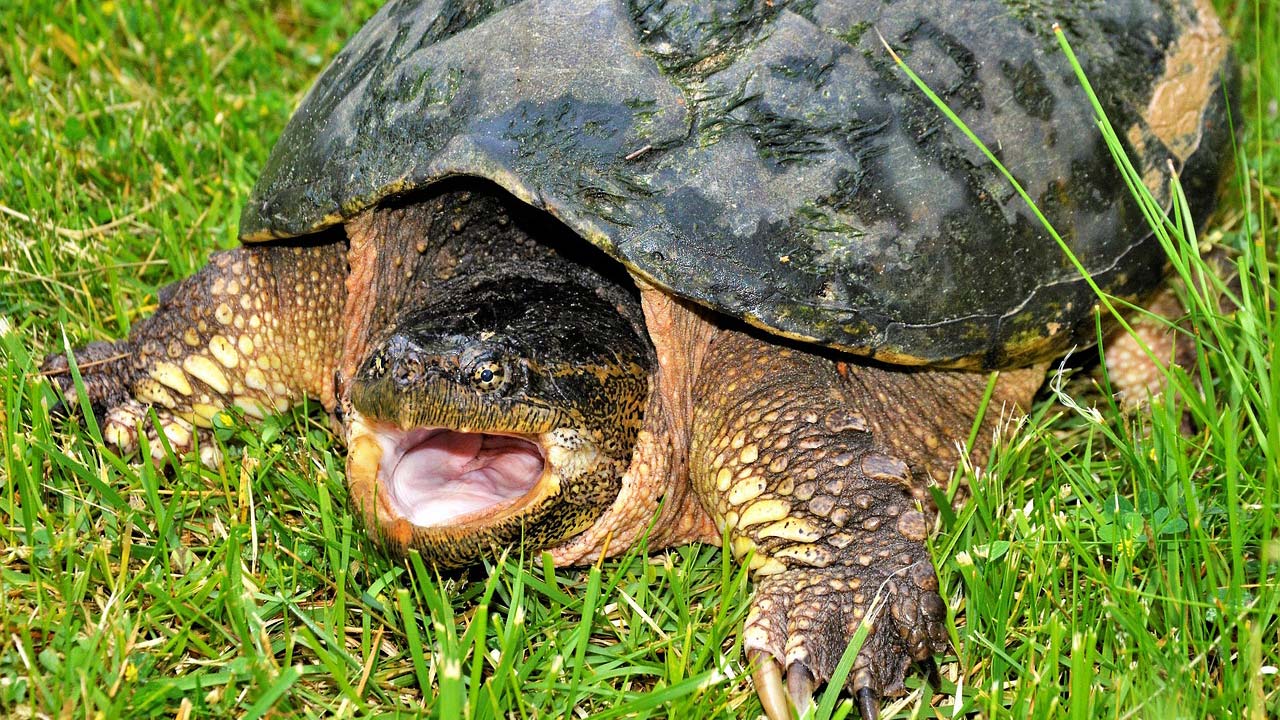
Most folks picture snapping turtles as mini-tanks from birth. Hatchlings are small, easy prey, and spend their early life trying not to get eaten by fish, birds, and bigger turtles. They look tough, but they’re still a snack-sized animal in a lot of waters.
That’s also why you might rarely see young snappers even if adults are common. Survivors are the exception, not the rule.
They can carry algae and look like a floating log

Older snappers can grow algae on their shells, and in murky water they can look like a stump or a rock. That’s not an accident—natural camouflage makes them better at ambush feeding and helps them avoid attention.
If you’ve ever seen a “log” move in a pond and it made your skin crawl, there’s a decent chance it was a snapper that’s been sitting there a long time.
They’re important to wetland health
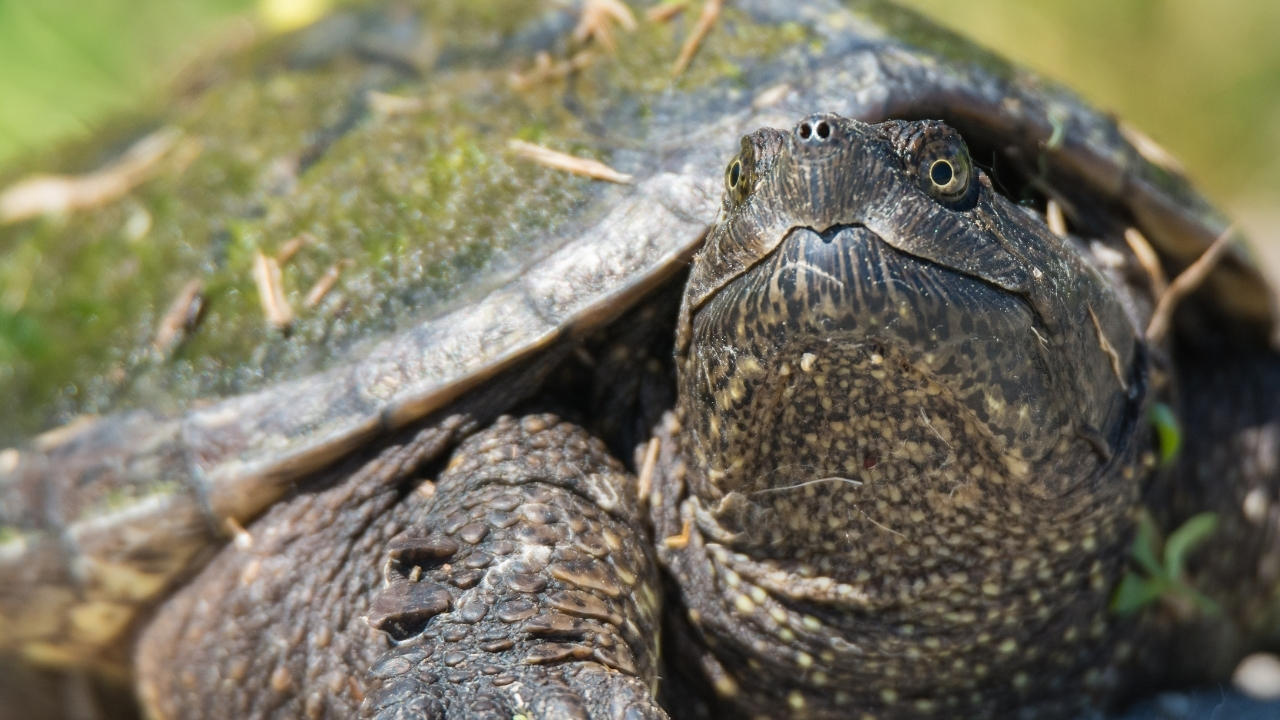
Snappers aren’t just “mean turtles.” They’re part of the system. They remove dead fish, keep some prey populations in check, and act as one more predator/scavenger that keeps things balanced. In wetlands, you don’t want only one type of eater—you want a mix.
When people remove every snapper they see “because they’re dangerous,” they’re usually removing a functioning part of the local ecology for no good reason.
They can show up in farm ponds and neighborhood ponds fast
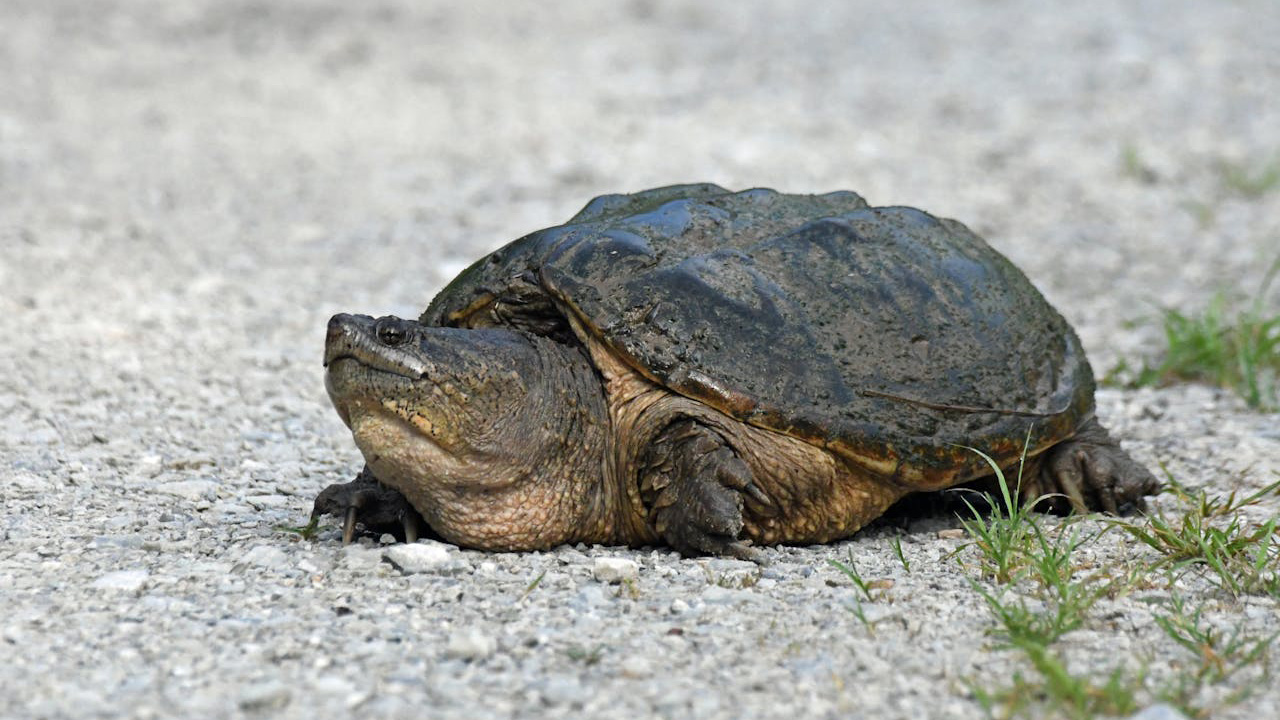
You don’t have to live next to a swamp to have snapping turtles. If there’s connected drainage, creek overflow, or even just seasonal wet travel routes, snappers can move into new water. Young turtles and dispersing adults can travel surprising distances over time.
That’s why a pond that “never had turtles” suddenly has one. It didn’t teleport. It followed water and opportunity like everything else does.
Moving one is trickier than most people assume
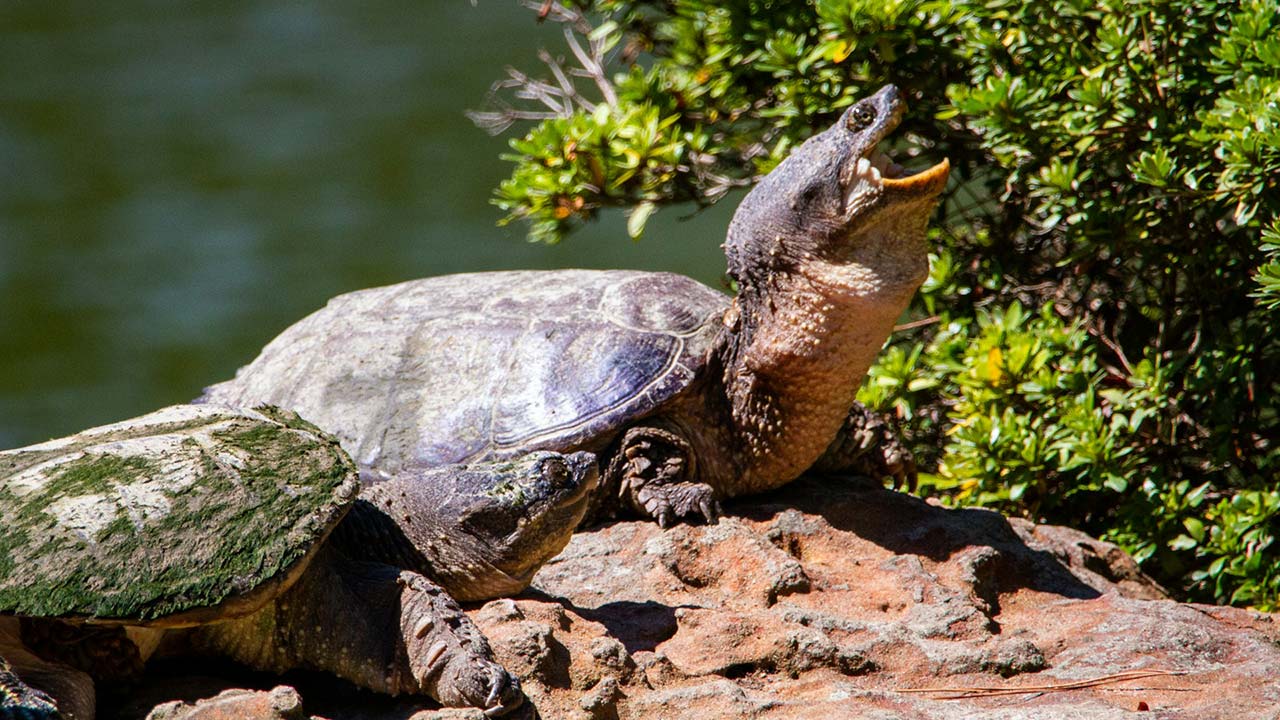
If you try to relocate a snapper, you can get hurt—and you can also create problems for the turtle. Many turtles try to return to their home range, crossing more roads and risking more conflict. In many places, moving wildlife is regulated too, so the “helpful” move can become a legal headache.
If a snapper is just crossing a road and not in immediate danger, the best move is often to leave it alone. If it needs help for safety, the safest “move” is usually short-distance in the direction it was already going—without putting your hands near its head.
Dogs are the biggest recipe for a bad encounter
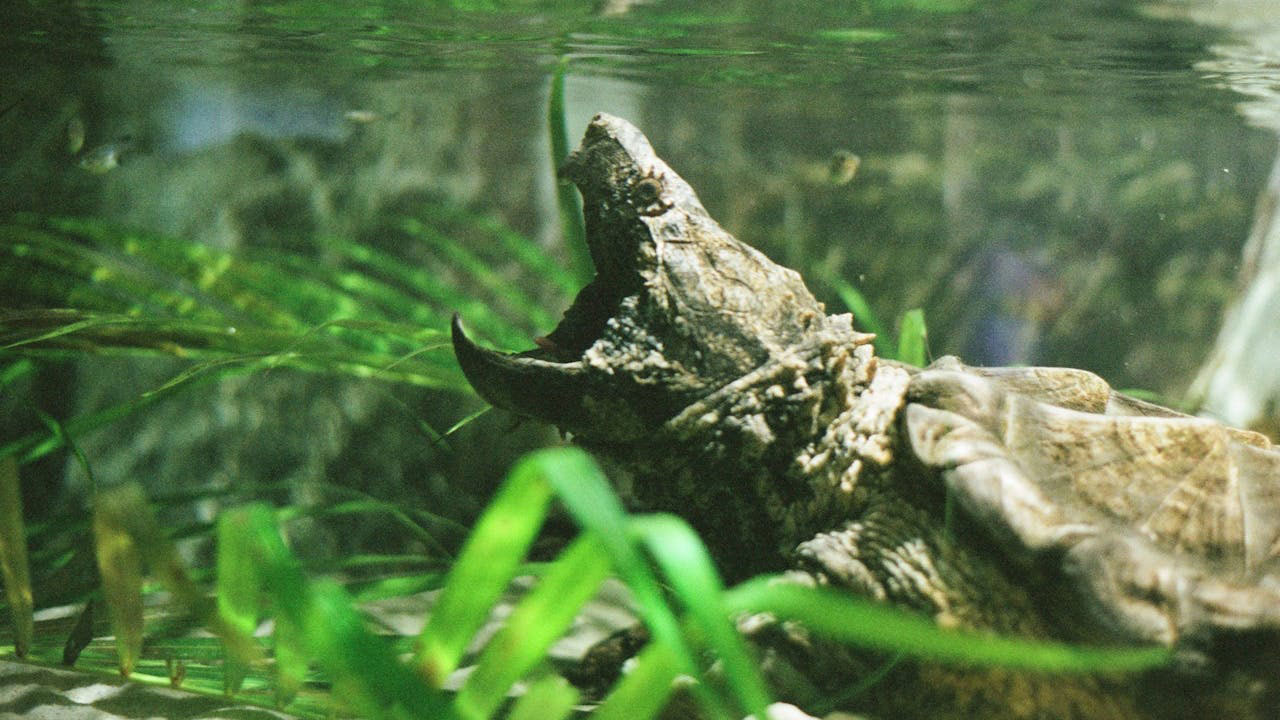
Most serious snapping turtle incidents involve a dog. Dogs rush, bite, grab, and get bitten back. Even if the turtle loses the fight, the dog can take a nasty mouth injury. Even if the dog wins, the turtle often dies later from trauma.
If you’re near ponds, ditches, or slow creeks in warm months, keep dogs from sticking their nose into every muddy edge. That one habit prevents most “snapper drama” people deal with.
Like The Avid Outdoorsman’s content? Subscribe to our newsletter so you never miss an article.
Here’s more from us: