Photo credit: Cheerfully_lost/Pixabay.com
Rattlesnakes don’t “invade” trails—most of the time, hikers are simply using the same terrain rattlers have always used: rocky edges, sunny slopes, brushy transitions, and water-adjacent corridors where prey is common. What’s changed is how many people are out there, how many popular trails are now basically year-round, and how often hikers are wearing earbuds, moving fast, or letting dogs run ahead on warm days. Rattlesnakes are cold-blooded, so they’re drawn to spots that help them regulate temperature, and a sun-warmed rock right beside a packed dirt loop is about as perfect as it gets. Most bites happen when people try to step over/around a snake at the last second, reach into a blind spot, or let a dog investigate first. If you hike in rattlesnake country, the “trick” is simple: look 6–10 feet ahead, slow down in rocky sections, step on top of logs/rocks before stepping over, and keep dogs close when the temps climb.
Texas
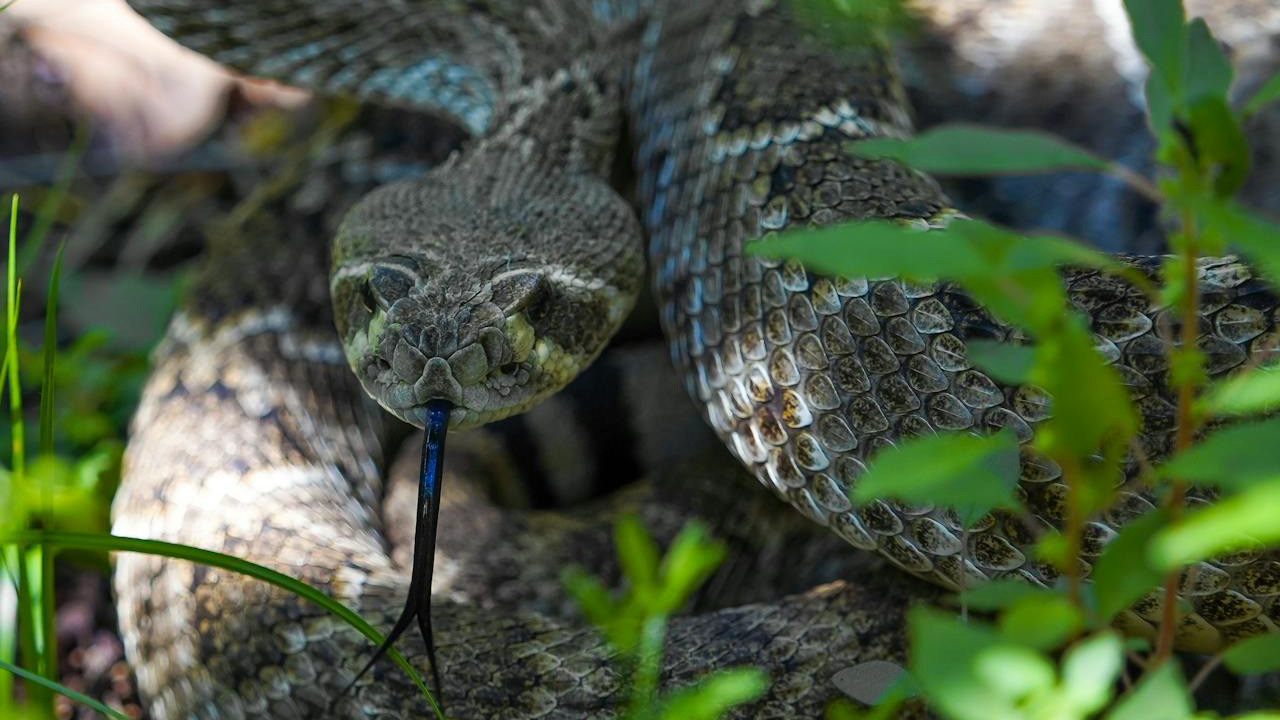
Texas has multiple rattlesnake species and an absolute ton of trail mileage that runs through classic rattler habitat—rocky outcrops, scrub transitions, and dry creek systems that cut through parks and greenbelts. The popular hiking loops that get people into trouble are often the ones that mix sun and shade, because snakes will slide from cover to basking spots and back again depending on temperature. In parts of Texas, you’ll also see rattlers closer to town than people expect because greenbelts and creek corridors connect wild cover right into neighborhoods, and hikers use those corridors daily. The biggest mistake on Texas trails is moving fast through rock piles or tall grass edges without scanning, then trying to hop around a snake at close range. Slow down in “rocky + brushy” sections, keep your feet on the center of the trail when possible, and don’t let dogs range ahead around bends where you can’t see the next few yards.
Arizona
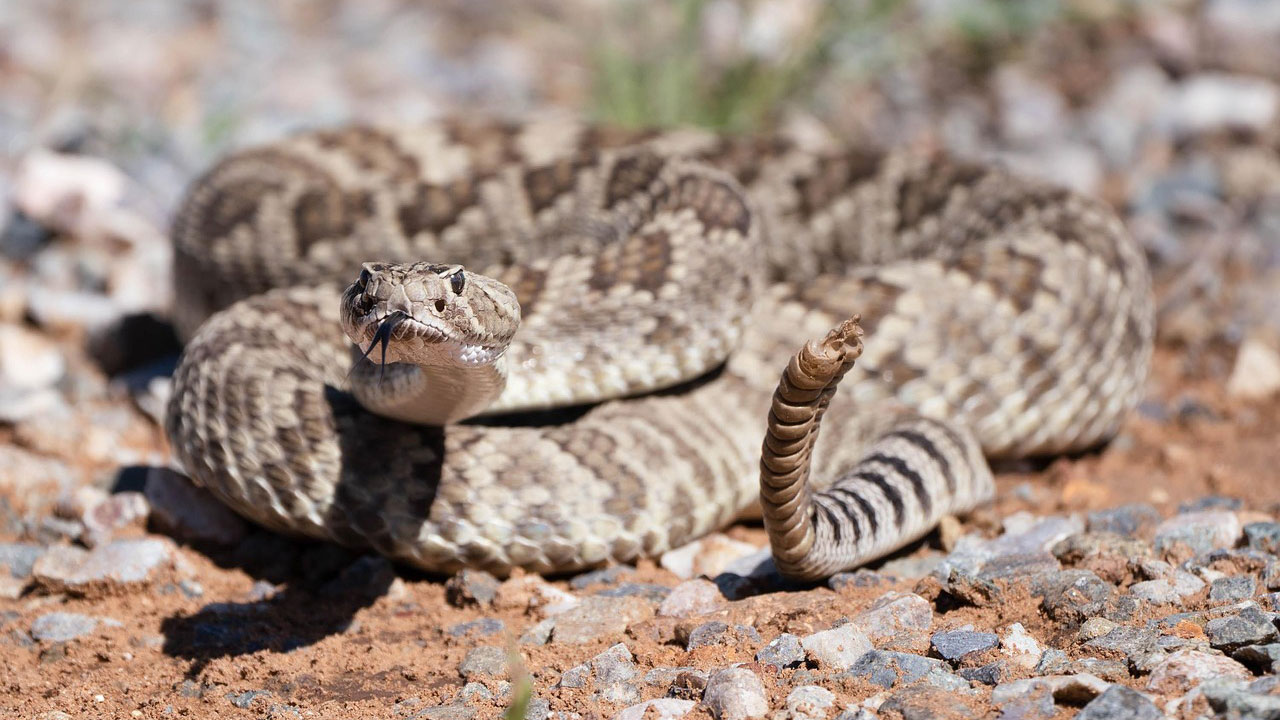
Arizona hiking is basically a master class in rattlesnake overlap: washes, desert foothills, rocky ledges, and sun-baked trail edges that warm up fast. Popular loops near towns and trailheads can still have snakes because rattlers don’t care how many hikers are out—they care about heat, cover, and prey. The pattern you’ll see in Arizona is snakes posted up near rocks that radiate warmth early, then shifting under shade when the sun gets intense, and those transitions often happen right across narrow trail corridors. Another factor is that hikers love early mornings and evenings, which can still be active snake windows when temps are comfortable. If you’re hiking Arizona loops, assume a snake could be just off-trail in a crevice or tucked under a bush, and treat tight rocky sections like “hands and feet only where you can see.” Don’t step over ledges blind, and don’t let kids scramble around rock stacks without watching where hands land.
New Mexico

New Mexico has a lot of the same high-probability rattlesnake terrain as Arizona, plus huge stretches of open country where trails thread through brush and broken rock. The “popular loop” problem usually shows up near small towns and trail systems that run along arroyos, ridges, and dry creek bottoms, because those are natural travel routes for wildlife and perfect hunting lanes for snakes. After cool nights, rattlers may be near trail edges where the sun hits first. After hotter days, they may be tucked into shade right beside the path. New Mexico hikers get surprised most often when they cut corners, step off the trail to pass someone, or walk the brush line instead of the center. A good habit is to give the trail edge extra respect—don’t drift into grass and low shrubs, and don’t step over logs without stepping onto them first and scanning the far side. If you see one, back up and go around wide, not tight.
California

California has rattlesnakes across a wide range of habitats, and popular hiking loops often run right through prime zones: chaparral edges, oak woodland, dry creek corridors, and rocky, sun-exposed slopes. In a lot of California trail systems, snakes get seen frequently simply because the trails are heavily used and the habitat is intact—more eyes on the ground means more sightings, not necessarily more snakes. The risky scenarios tend to be narrow singletrack with tall brush, switchbacks with rock retaining edges, and warm spring days when snakes are more likely to be out basking. Dog owners can get into trouble fast here because a curious dog will find a snake before you do, especially around bushes at the trail edge. Keep dogs close in snake season, avoid stepping off-trail into brush to “make room,” and don’t assume that a busy trail means you won’t see a rattler. Busy trails can mean the opposite—snakes learn where prey and shade are, and they’ll use the same terrain features every year.
Nevada

Nevada loops near desert hills and rocky basins put hikers right into rattlesnake country, especially where trails follow washes, skirt rock piles, or cut along sun-facing slopes. The reason Nevada can surprise people is the “it looks empty” effect—open ground and sparse vegetation make people drop their guard, then the snake is tucked into a perfect little shadow line near a rock or brush clump. On popular loops, you’ll often see rattlers near trail edges where the surface warms quickly, and on hot days they may shift into shade that sits right against the trail’s edge, making them easy to step near without noticing. Hikers get tagged when they try to jump around a snake in a hurry or when they move off-trail into brush to pass someone. Stay centered on the trail, watch the next few steps ahead, and treat rocky shade pockets like “slow down and scan” zones—especially near water sources or low spots where prey animals move.
Utah

Utah’s classic rattlesnake areas overlap heavily with popular hiking loops: red rock country, canyon edges, rocky benches, and scrubby transitions where trails snake between sun and shade. Rattlers will use warm rock surfaces to regulate body temperature, and those rocks often sit right next to the path because that’s where trail builders routed the loop around obstacles. Spring through early fall is when hikers tend to see the most snakes, but shoulder-season days can still produce sightings when temperatures line up. One of the most common Utah trail mistakes is stepping off the path onto rocks or into grass to take photos, rest, or let someone pass—those are exactly the spots a snake may be resting. Keep your rest breaks on open, visible surfaces, don’t put hands into cracks or under ledges, and teach kids to stop and point rather than stepping closer. If a snake is on the trail, give it time and distance to move off on its own.
Colorado

Colorado rattlesnakes tend to show up more in lower-elevation and front range-type habitats, and that’s where a lot of the most popular loops are, especially near foothills and open space systems outside towns. The combination of rocky trails, sunny slopes, and brushy edges creates great snake conditions, and people get surprised because they think of Colorado as “too cold” for snakes or assume higher altitudes are the only hiking game. On warm days, snakes may be out basking on trail edges, and on hotter afternoons they may be tucked into shade near rocks where hikers step without looking. A big bite risk scenario in Colorado is the fast-moving trail runner who comes around a bend and tries to hop over or around a snake at the last moment. Slow down in rocky switchbacks and blind corners, scan ahead in the warmest parts of the day, and keep dogs from nosing into grass and rock cracks. Your goal is not hero moves—it’s space and calm.
Oregon
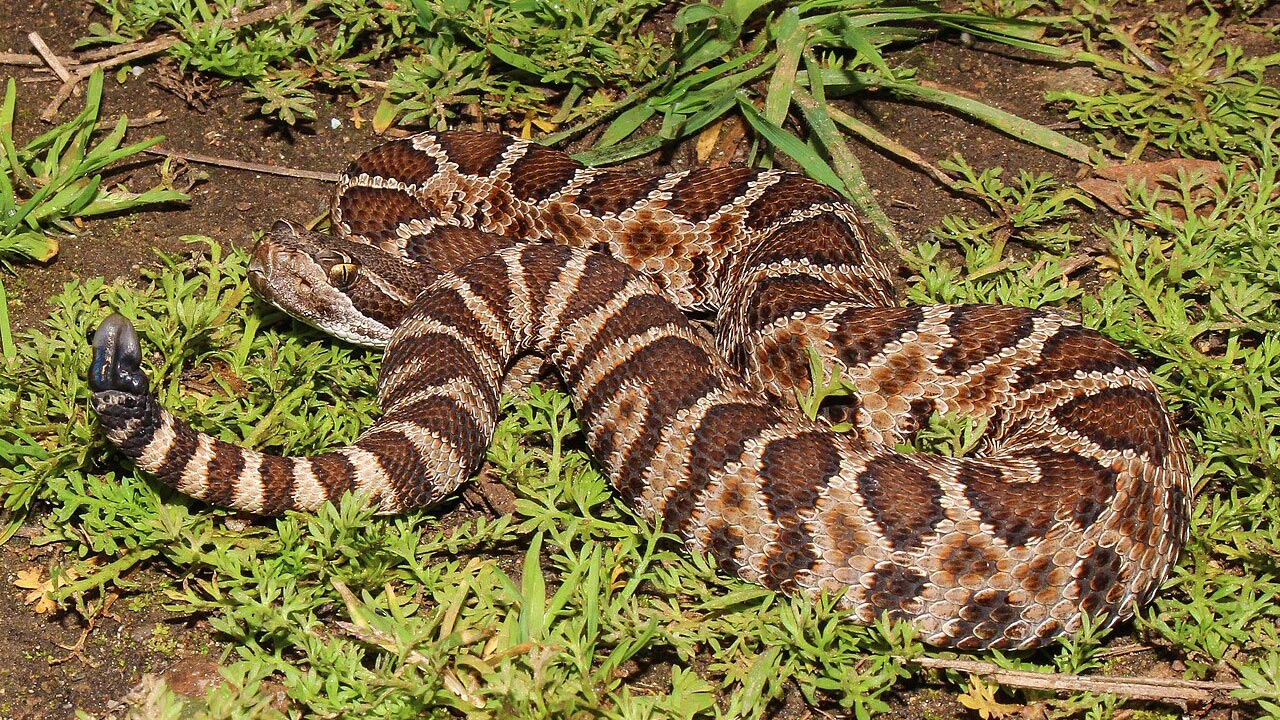
Oregon has rattlesnakes mainly in certain regions (especially east of the Cascades and parts of the Columbia River corridor), and the popular loops in those areas can put hikers into direct contact with snake habitat—dry slopes, rocky benches, and open shrub-steppe where snakes can hunt and bask effectively. The “popular hiking loop” effect shows up when trails run along basalt rocks, talus edges, or dry grass zones that hold heat, because snakes will use those surfaces like a heating pad. Hikers get caught off guard when they assume Oregon equals wet forests and forget the state has plenty of dry country too. The highest-risk behavior is stepping off trail into tall dry grass to take photos or let someone pass, because that’s where snakes can be nearly invisible. Stick to the trail center, slow down near rock piles, and don’t let kids run ahead through narrow brushy sections where you can’t see the ground clearly.
Washington

Washington’s rattlesnake areas are mostly in the drier parts of the state, and that’s exactly where a lot of scenic loops and river corridor hikes are—open slopes, rocky ridges, and sun-exposed terrain that warms quickly. On popular loops, you’ll see snakes near rock edges, along warm trail cuts, and sometimes near water where prey animals travel. The risky part is how a lot of Washington hikers transition from shaded forest trails to open dry slopes and don’t adjust their scanning habits—visibility and footing change fast. Another issue is dogs. Many popular loops allow dogs, and a dog that ranges ahead through grass can get tagged before you even see what happened. Keep dogs close, keep your eyes down in rocky spots, and treat warm spring days like prime snake conditions even if the morning started cool. If you encounter a rattler, don’t crowd it for photos—back up, give it room, and let it move off.
Idaho

Idaho has snake country in several regions, and popular loops in dry canyons, river breaks, and rocky foothills can put hikers in direct overlap with rattlesnakes—especially where trails follow warm slopes and cut through talus and brush. The “closer than you think” factor here is that trails near towns can still run through perfect habitat, so hikers assume they’re safe because they’re not deep in wilderness. Rattlers don’t need wilderness; they need cover, heat, and prey. In Idaho loops, the common surprise is a snake stretched across a narrow trail in the morning to warm up, or tucked beside a rock in the afternoon for shade. Hikers get bitten when they try to step around too close or when they step off trail into brush. Keep your feet on the open path, slow down in rocky areas, and don’t reach into cracks or under ledges when scrambling for photos or “a better view.”
Montana

Montana’s rattlesnake zones are most common in certain lower-elevation and river corridor habitats, and that’s exactly where many popular spring and early summer loops happen. Trails along breaks, coulees, and warm south-facing slopes can be prime, especially when the weather first turns nice and everyone rushes outside at once. The bite-risk setup in Montana often includes narrow trails with tall grass at the edges, rock piles, and a lot of people hiking with dogs. Dogs getting too curious is a common problem because a snake may be hidden in grass and a dog will nose right into it. The best habits here are simple: keep dogs leashed in snake areas, slow down near rocks and sun-warmed edges, and don’t step over logs or rocks without scanning the landing zone. If you’re hiking with kids, keep them close in narrow sections and teach them “stop and point” instead of “run up to see.”
Wyoming

Wyoming isn’t a state most people associate with rattlesnakes until they hike the right kind of terrain—warmer basins, rocky slopes, and lower-elevation edges where snakes can thrive. Popular loops near towns that sit against those zones can produce sightings that feel shocking simply because folks aren’t expecting it. The typical Wyoming scenario is a snake using a rock edge for warmth early or using shade pockets near rocks later in the day, both of which can sit right beside a trail corridor. The mistake hikers make is assuming they can “just step around” quickly, especially on narrow singletrack. Give the snake space, back up if you need to, and don’t try to hurry past it. If you’re scrambling on rocks, watch where hands go. And if you’re hiking in warm weather on a trail bordered by rock and brush, don’t let your eyes drift up to the view and forget the next few steps—most close calls happen when attention wanders.
Kansas

Kansas surprises people, but it has rattlesnake habitat in certain regions and enough warm, open terrain that popular trails and loops in prairie breaks, rocky outcrops, and dry edge country can absolutely produce encounters. When you combine warm weather, tall grass edges, and rocky patches that hold heat, you’ve got the main ingredients. On Kansas-style loops, the risk often comes from visibility issues—snakes blend into grasses and dirt edges, and hikers step off trail into grass to pass others or to step aside for bikes. That’s when someone gets too close without realizing it. If you’re on a multi-use loop, keep your feet on the packed surface and avoid the “one step off” move into tall grass. Step on top of rocks/logs before stepping over, scan ahead in sunny stretches, and keep dogs from ranging into the brush line. Encounters are manageable when you see the snake early; they become a problem when you don’t.
Oklahoma
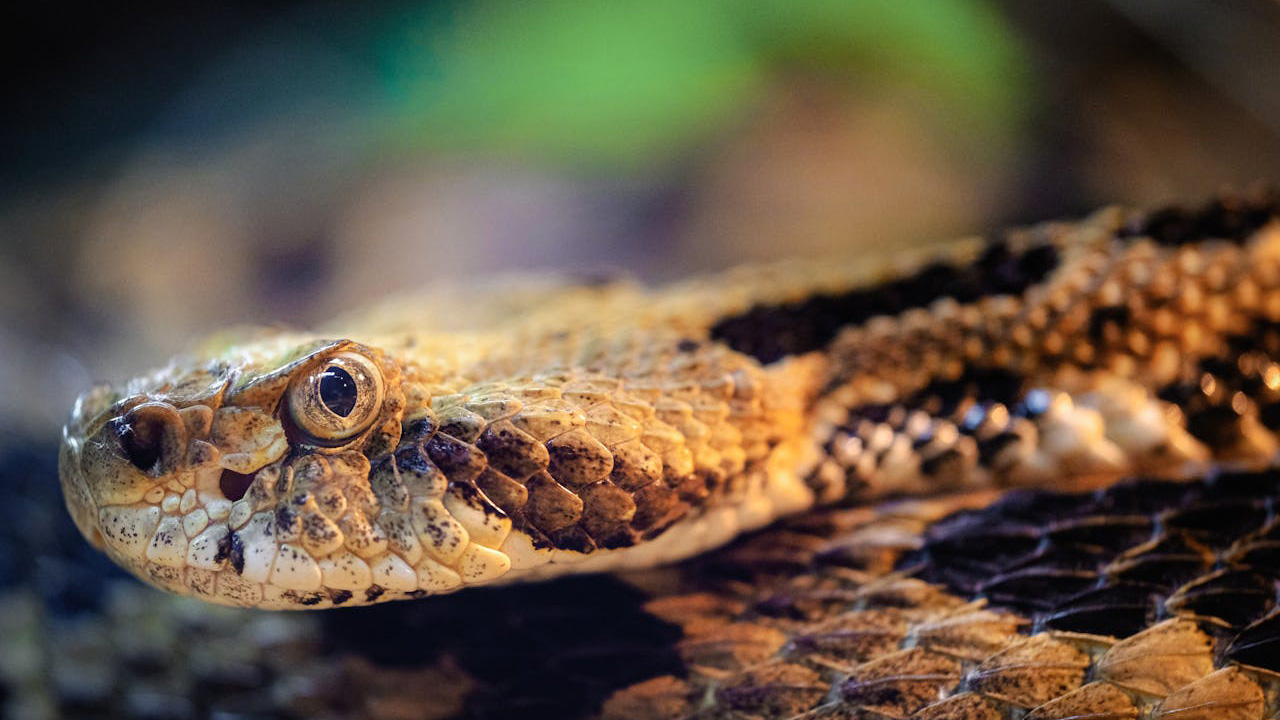
Oklahoma has multiple rattlesnakes and a lot of popular trail systems that run through mixed habitat—dry creek beds, rock piles, brush lines, and warm slopes that make perfect snake travel and basking zones. On popular loops, you’ll often see snakes near trail edges after cool nights or in shaded pockets during hot afternoons, which makes them easy to miss until you’re right on top of them. Oklahoma hikers run into trouble when they try to “jump past” a snake on narrow trail, or when they step into grass to let someone pass. The safe move is the boring move: stop, back up, give it space, and wait if you need to. Keep your eyes down in rocky stretches, don’t put hands into cracks or under ledges when climbing or resting, and keep dogs close around bends and tall grass edges. The goal is early detection—most bad outcomes start with a surprise at close range.
Florida

Florida isn’t known for rattlesnakes the same way the Southwest is, but it does have rattlesnake species and plenty of popular hiking loops that cut through sandy scrub, pine flatwoods, and edge habitat where snakes can be active—especially on warm days when the ground heats up and prey is moving. Florida loops can be tricky because vegetation often crowds trail edges, and snakes can be tucked into palmettos, grass clumps, or debris right beside the path. The biggest practical risk in Florida is hikers stepping off trail into brush for photos, kids exploring the edge, or dogs investigating palmetto clumps. Stay on the trail, keep dogs close, and be extra careful in warm weather after rain when wildlife activity can spike. If you see a snake, don’t crowd it. Back away, give it room to move, and avoid trying to “guide it off” with a stick—most bites come from people trying to handle the situation themselves.
Like The Avid Outdoorsman’s content? Be sure to follow us.
Here’s more from us: