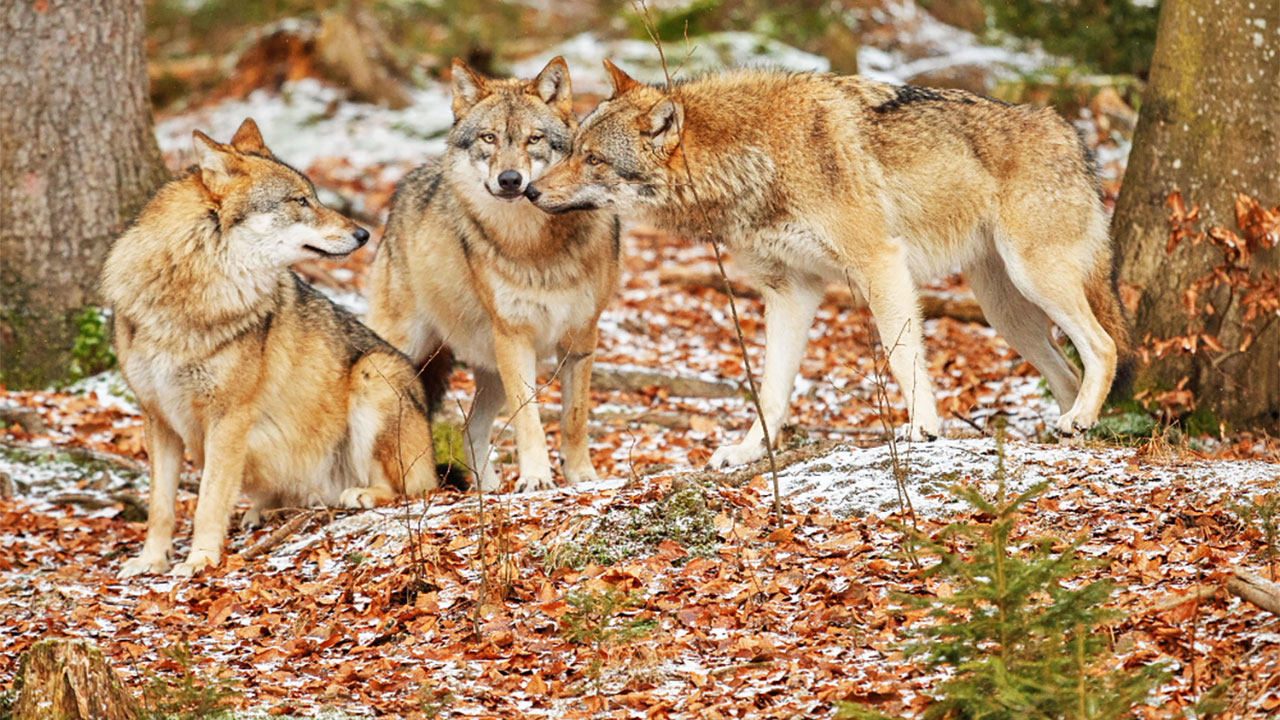
Photo credit: vladimircech/Freepik.com
A lot of people picture wolves like they’re stuck in a handful of “wolf states,” way out in the middle of nowhere. But what’s actually happening is more subtle: wolves disperse long distances, young animals peel off looking for territory, and you start getting confirmed tracks, trail-cam hits, or a collared wolf pinging somewhere that surprises locals. Some of these states have established packs and steady management. Others are “one wolf becomes two, two becomes a pack” territory. And in a few places, wolves are back because people put them back—Colorado being the big modern example. On the legal side, it’s also messy: federal protections and different population rules can change how wolves are managed depending on where you are.
California
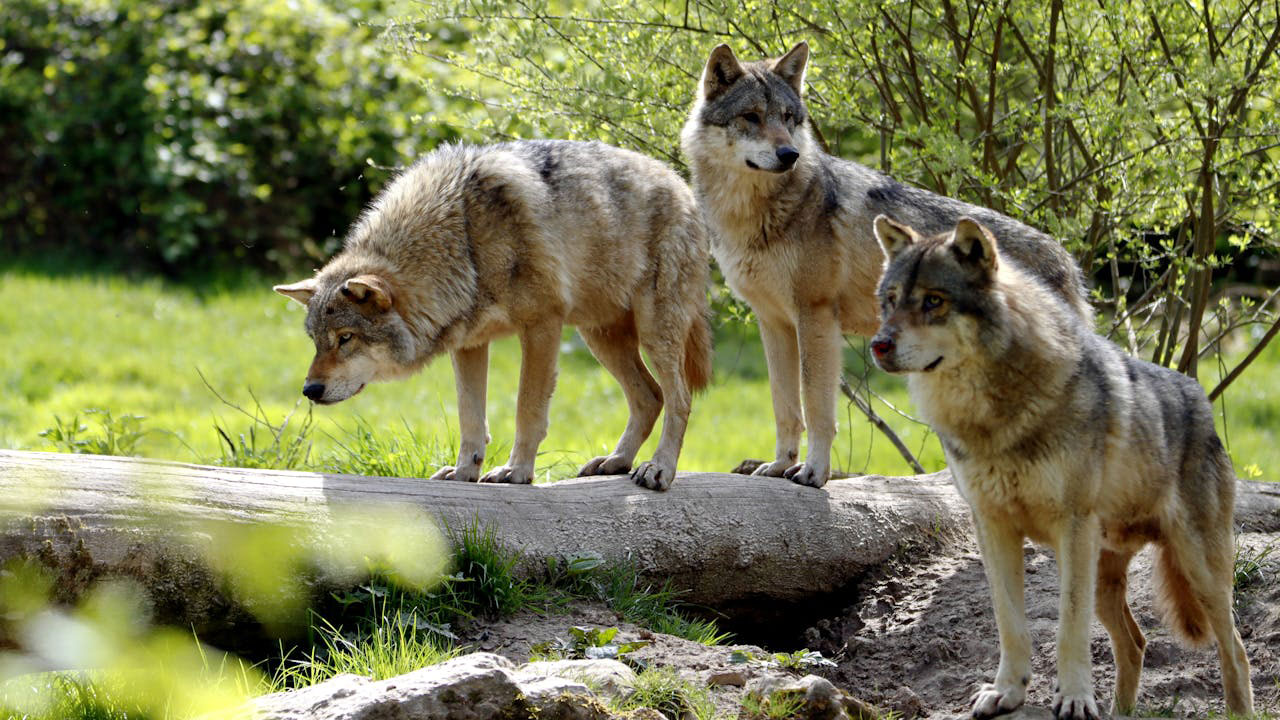
California is one of the clearest “new corners” stories right now because the state has gone from essentially zero modern wolves to multiple confirmed packs, and the footprint keeps changing as new areas get upgraded from repeated detections to pack status. CDFW has regularly reported new “Areas of Wolf Activity” becoming confirmed packs, including packs in Shasta, Tehama, and Lassen counties.
What makes California feel “quiet” is that wolves can be there without most people seeing them—until ranch country notices depredations or a GPS-collared animal pops up far from where anyone expected. The headline stuff gets loud, but the expansion itself is usually a slow drip: tracks, cameras, scat genetics, then eventually pups.
Colorado
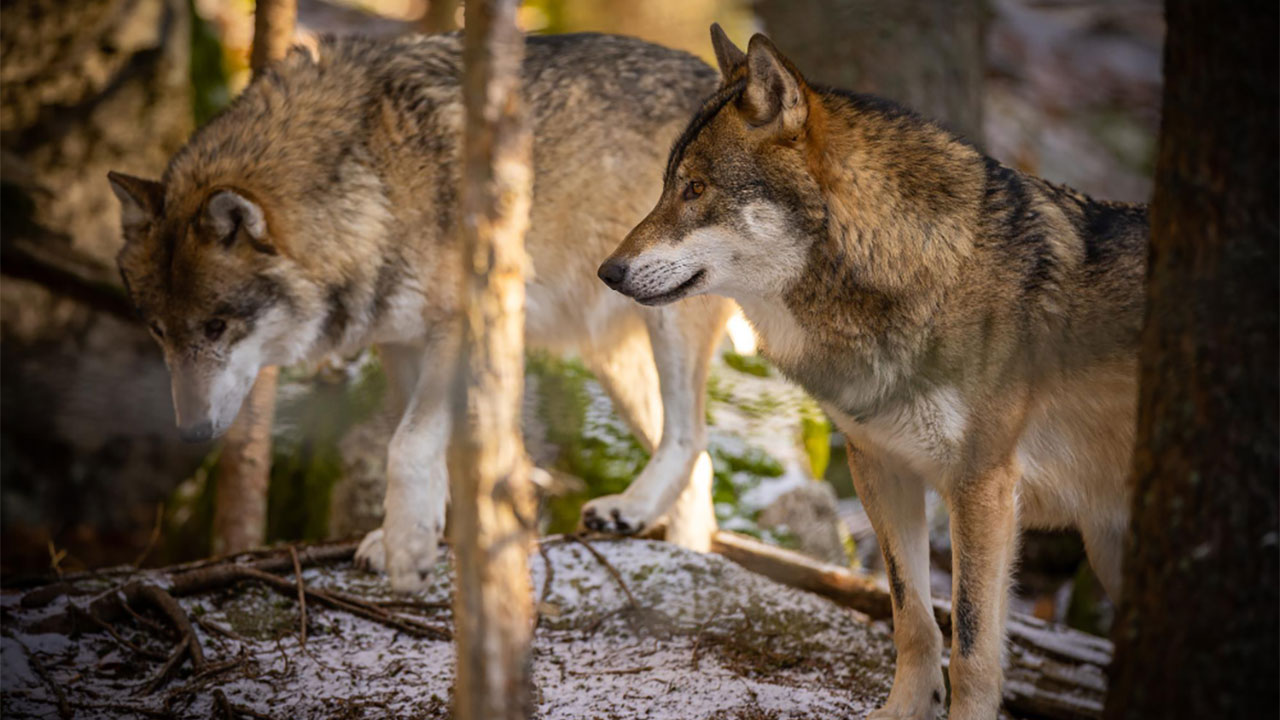
Colorado is the modern example of wolves reappearing on purpose, and it’s still early enough that every new movement feels like news. CPW began releasing wolves in December 2023 under the state’s restoration plan, and the program has continued to evolve with additional management and monitoring.
Once wolves are on the ground, the “new corners” part starts: young animals wander, some get pulled into conflict zones, and sightings pop up beyond the initial release areas. That’s when people in small towns start hearing about wolves again from neighbors instead of textbooks.
Oregon
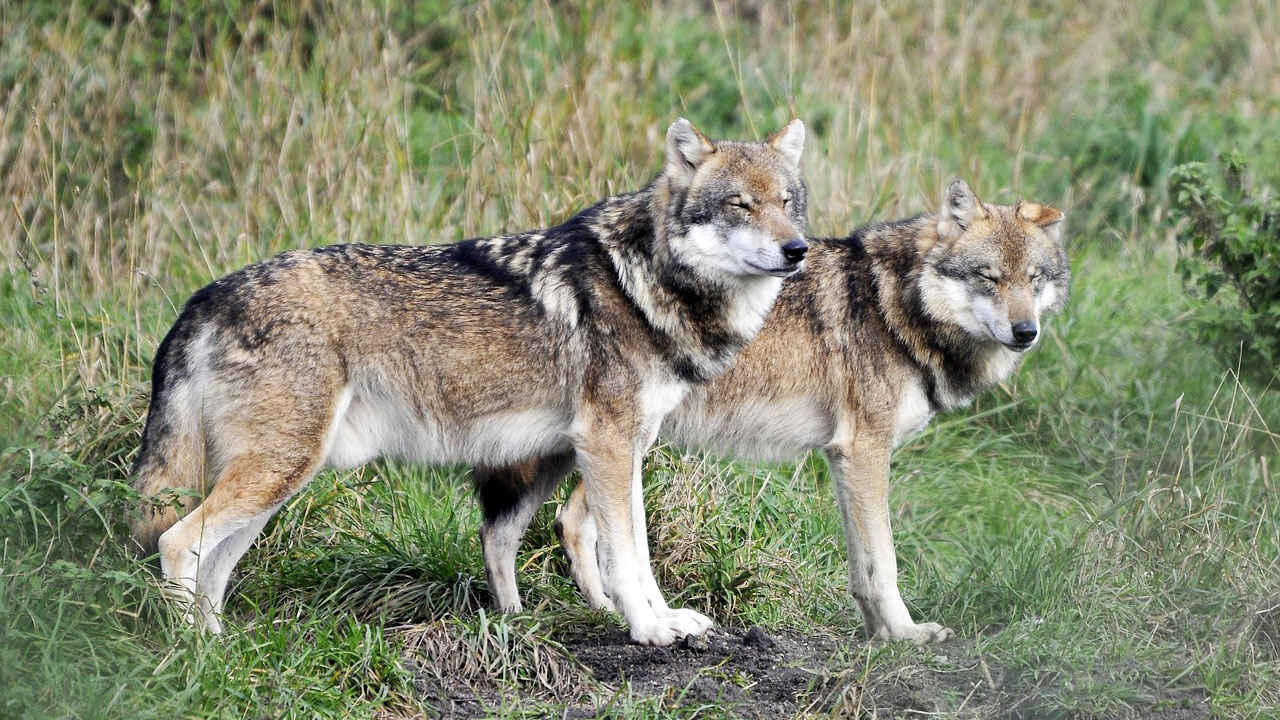
Oregon’s wolf story isn’t just “they’re here”—it’s that distribution keeps stretching, including more activity outside the old strongholds. ODFW’s annual reporting tracks pack counts, breeding pairs, and Areas of Known Wolf Activity, and recent reports show continued growth and spread.
If you hunt or run livestock in Oregon, this is where the “quietly reappearing” line hits home: wolves show up first as a couple of odd reports, then a few repeated detections, and before long you’ve got an official area on the map that didn’t exist a few seasons ago.
Washington
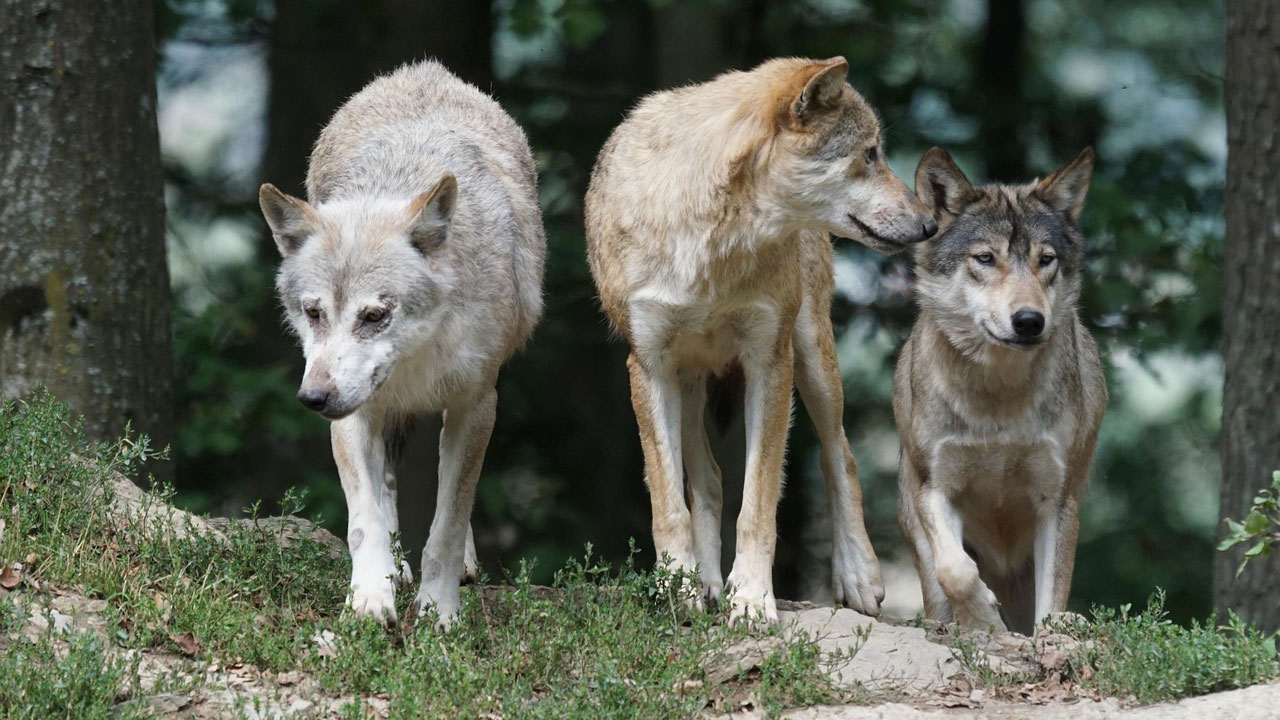
Washington is another state where wolves have established packs, but what feels “new” is how often wolves show up in places that used to be written off as “not wolf country.” WDFW tracks packs, minimum counts, and breeding pairs statewide, and those numbers come with regular updates on where packs are operating.
The practical reality is that even when overall numbers fluctuate, dispersers and edge packs are what create that “they’re closer than people think” feeling. A wolf doesn’t have to be living in someone’s backyard for a community to start seeing tracks on the edge of town or hearing verified reports nearby.
Nevada

Nevada is a straight-up “wait… Nevada?” state, and that’s why it belongs on this list. In early February 2026, reporting described a confirmed gray wolf crossing into Nevada—after a long stretch where the state hadn’t had a confirmed gray wolf presence like that in modern times.
What matters for “new corners” is that Nevada sits right in the path of dispersal from wolf country to the north and west. Once a lone wolf makes it in, it’s proof the door isn’t locked—especially if habitat and prey line up in northern Nevada. Researchers have also documented confirmed gray wolf detection in northwest Nevada via camera trapping, which is exactly the kind of quiet confirmation that starts these conversations.
Utah
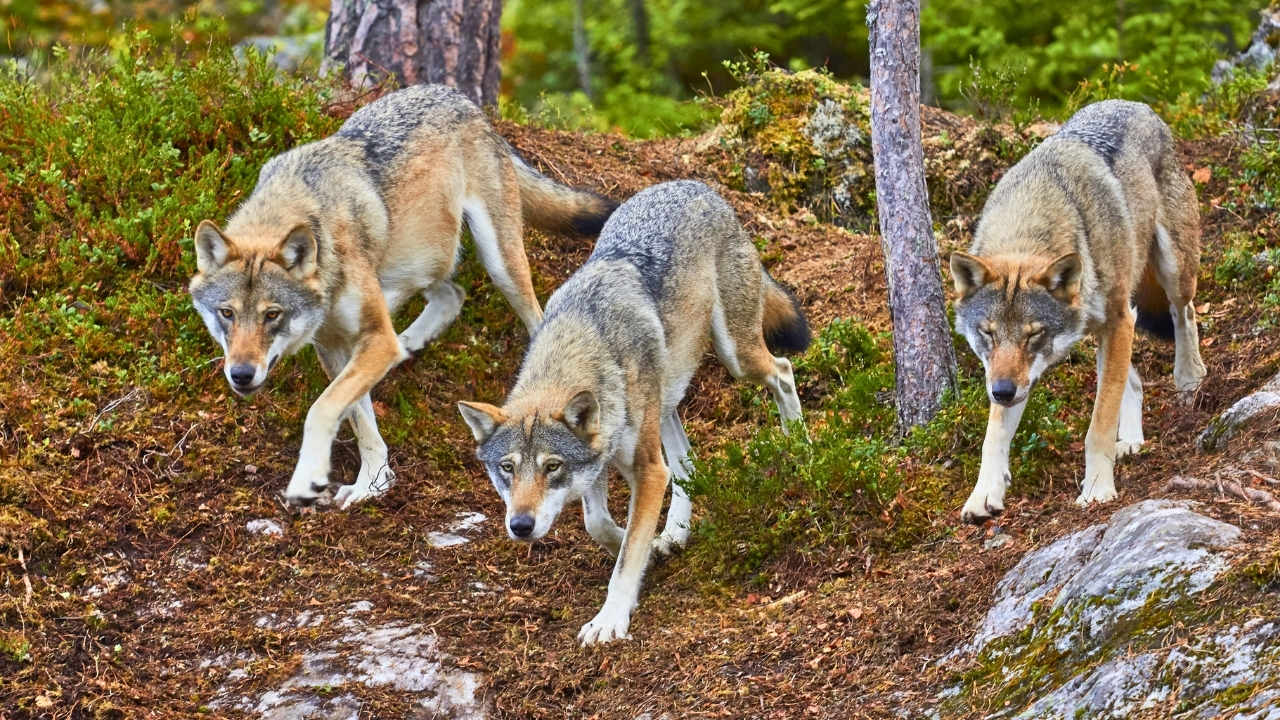
Utah is the definition of “quietly” when it comes to wolves: not tons of packs, but repeated confirmed dispersers over time. Utah DWR notes confirmed wolves have entered the state multiple times since 2004, and as of September 2025 they were aware of at least one lone male wolf present.
This is how wolves “reappear” before they truly “return.” You’ll get a collared animal or a confirmed depredation incident, and suddenly local ranchers and hunters are thinking about wolves again—often in areas that haven’t had that conversation in generations. Utah’s also a crossroads state: wolves can drift in from Idaho, Wyoming, and now Colorado depending on where pressure and prey are.
Idaho

Idaho is not quiet about having wolves—but it is a launching pad for wolves showing up elsewhere. Idaho Fish and Game has reported wolf numbers well above federal recovery goals, which means there’s a steady pool of animals that can disperse, especially young wolves looking for space.
For the “new corners” angle, Idaho matters because wolves that show up in neighboring states often trace back to established populations like Idaho’s. If you’re hearing about a lone wolf in Utah or movement into fringe areas, a lot of those stories start with the pressure and density in core states where wolves are firmly established.
Montana
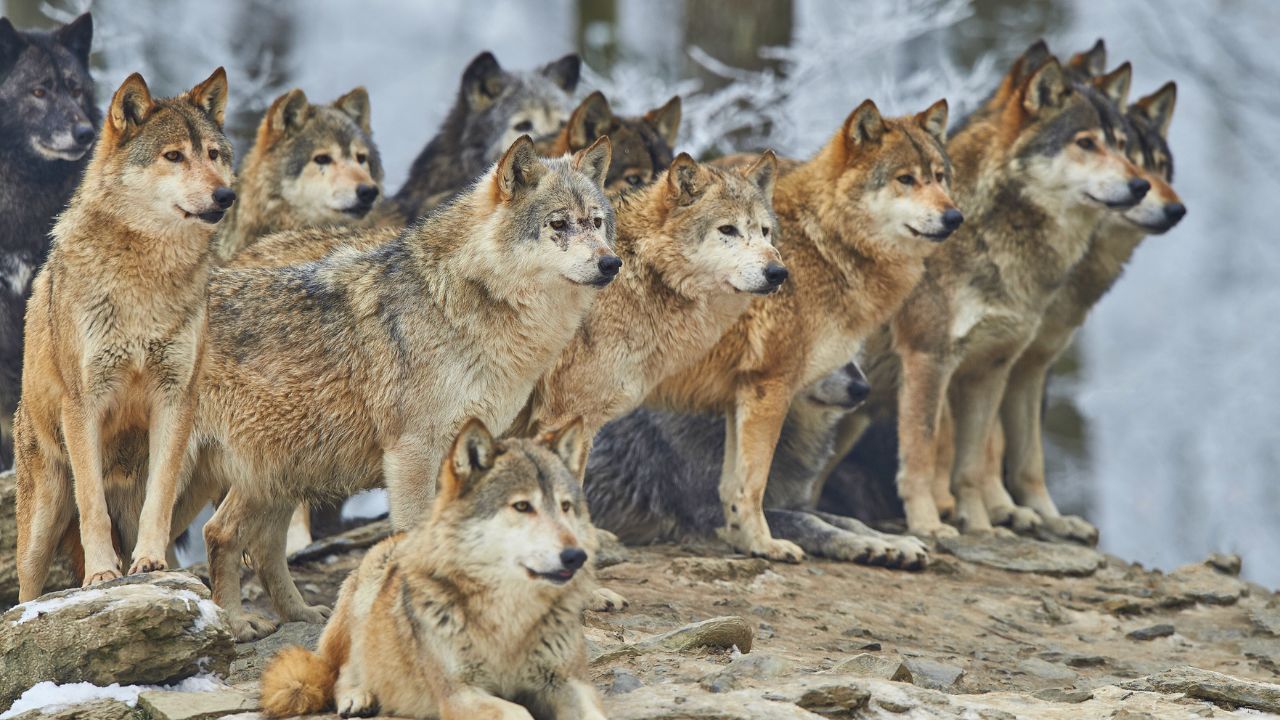
Montana is one of the core Northern Rockies wolf states—wolves are established, managed, and not surprising there. What’s surprising is where Montana wolves can end up when they disperse: edges of ag country, new drainages, and sometimes beyond state lines entirely. The U.S. Fish & Wildlife Service describes the Northern Rocky Mountains population context (including Montana) as recovered enough that it has been delisted under certain frameworks in recent years.
If you’re a hunter, this is where you’ll hear the “they’re back” talk from friends in areas that used to have occasional sightings and now have repeated sign. Montana is big country, and wolves can be present in places that feel empty until someone starts finding tracks on the same logging road all winter.
Wyoming
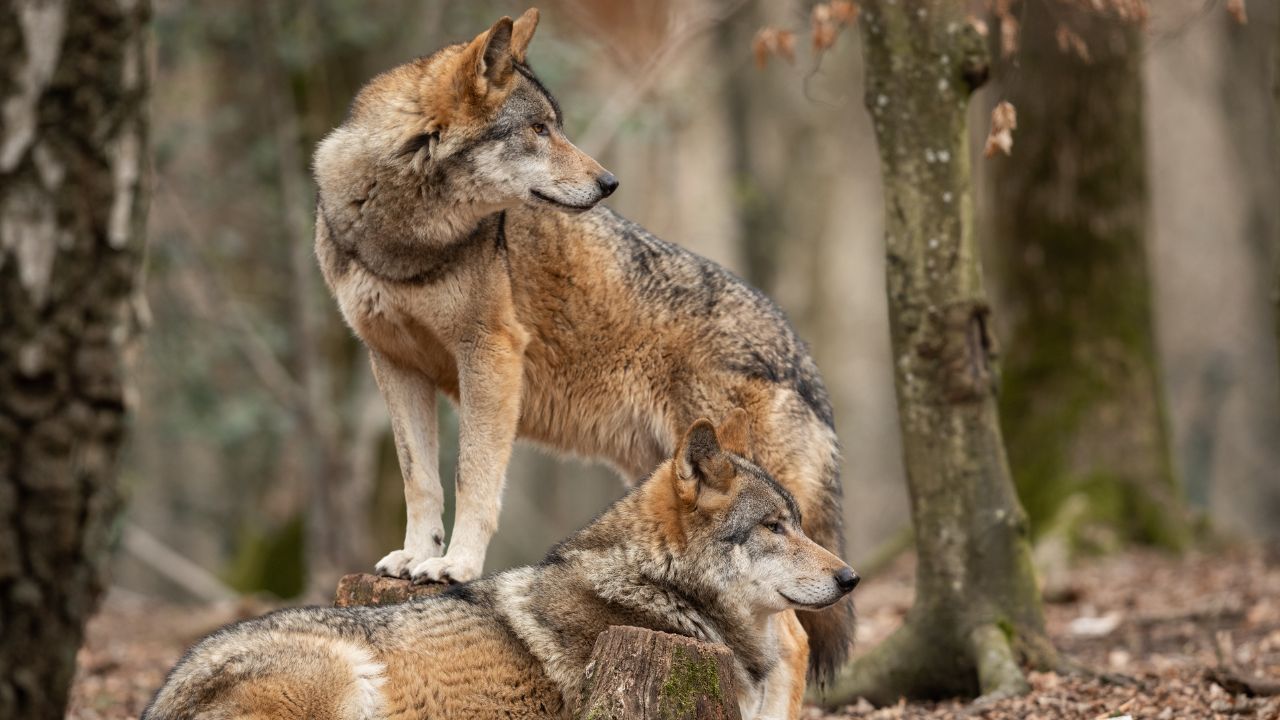
Wyoming is another Northern Rockies anchor state, and like Montana, it’s a major source area for dispersers. USFWS notes the Northern Rocky Mountain population context including Wyoming, with delisting history tied to recovery benchmarks.
The reason Wyoming belongs in a “new corners” list is the way wolves work the edges—especially where elk and deer winter ranges overlap with human activity. Even if a town isn’t “in wolf country,” wolves can use travel corridors, river bottoms, and timber fingers to move in ways that catch people off guard. And when that happens, the public reaction is usually louder than the actual wolf footprint—because the first confirmed sign tends to feel like a big event.
Minnesota
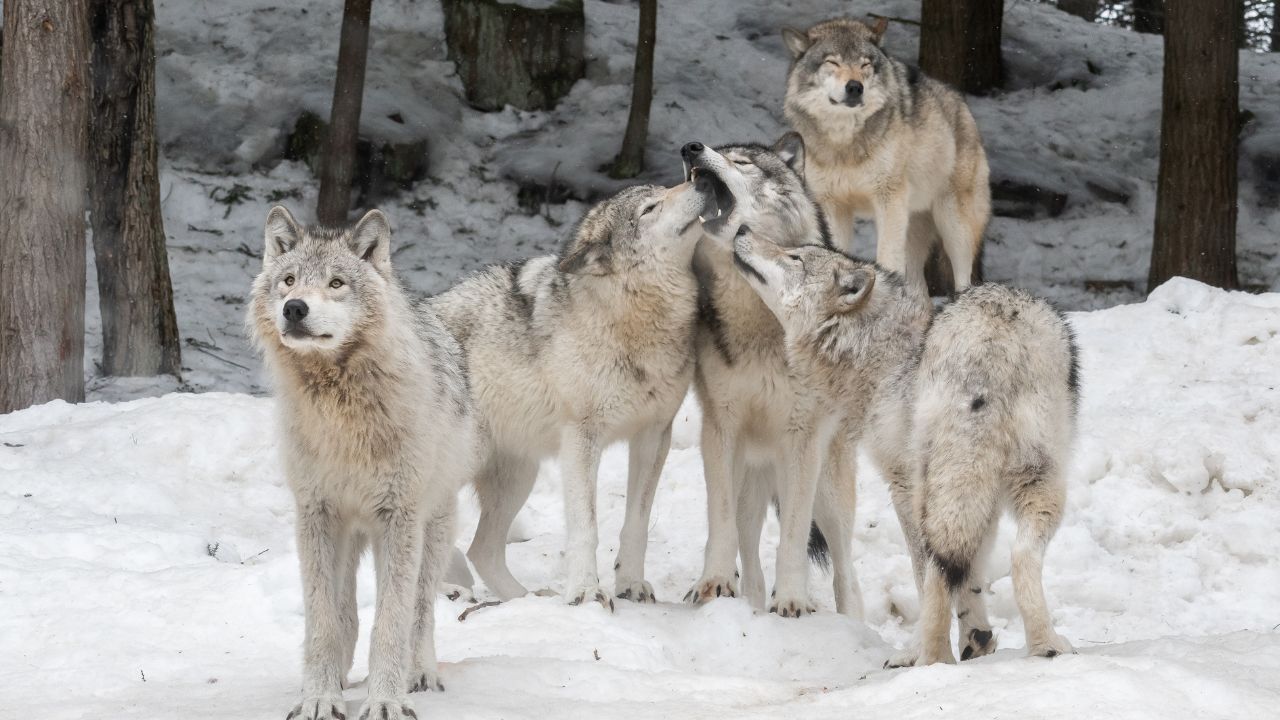
Minnesota is the Great Lakes stronghold—wolves never truly disappeared the way they did in many other states, and that core population is part of why wolves show up in places around it. USFWS specifically treats Minnesota differently in its status summaries, reflecting how central the state is to the region’s wolf picture.
For the “reappearing” angle, Minnesota matters because it’s the engine room for dispersal into nearby areas. When wolves pop up in fringe states or new pockets in the Upper Midwest, it’s often tied to movement out of established territory. That’s why you’ll sometimes hear about wolves on the edge of agricultural country or closer to smaller towns than folks expect—young wolves don’t read county lines.
Wisconsin

Wisconsin is one of the clearest “returned and held” states in the Great Lakes. Wolves have been established long enough that the story isn’t “are there wolves,” it’s “where are they now, and where are they expanding.” USFWS lists Wisconsin among the states where gray wolves are known to occur.
What feels new to a lot of Wisconsin communities is wolves showing up on the edges—closer to farm country, closer to small towns, and in places where people didn’t grow up hearing wolves at night. That shift isn’t magic; it’s what happens when a population holds steady and dispersers keep probing for open territory. It often starts with a single confirmed animal, then repeated sign, then the conversations get real.
Michigan

Michigan is a good example of wolves being “normal” in one region while still feeling like a new story elsewhere. Wolves are established in the Upper Peninsula, and USFWS lists Michigan as a state where gray wolves are known to occur.
The “new corners” part shows up when people start paying attention outside that core area—because even occasional movement or rumors can light up a community that hasn’t thought about wolves in decades. It’s not hard to see how that happens: big timber blocks, prey availability, and long dispersal distances create the possibility of confirmed sign well beyond where most folks assume wolves stay. Even when it doesn’t become a resident pack right away, the reappearance story starts with those early confirmations.
Arizona

Arizona is wolf country in a different way: Mexican gray wolves. Federal reporting for early 2025 notes an end-of-year 2024 minimum count of 286 Mexican wolves in the wild across Arizona and New Mexico, with the Arizona portion counted separately.
The “new corners” feel in Arizona often comes from wolves pushing into new zones within that recovery area or showing up in places where locals aren’t used to hearing about them. And because the population is closely monitored, management actions (captures, removals, conflict response) can also shape where wolves end up next. It’s not a hands-off wilderness story—it’s an active recovery program with real-world movement and real-world friction.
New Mexico

New Mexico is the other half of the Mexican wolf recovery map, and it’s a big part of why wolves are “reappearing” in the Southwest in the first place. That same federal quarterly reporting breaks out New Mexico’s portion of the minimum 2024 count and describes the continued growth trend.
In NM, “new corners” can mean wolves expanding into different mountain ranges, new allotments, or closer to communities that haven’t dealt with wolf questions for a long time. And because this population is managed differently than Northern Rockies wolves, the policy and enforcement side can change the public conversation fast—especially when depredation cases or removals make headlines.
North Dakota

North Dakota is a classic “edge state” story: not a widely accepted resident wolf state in the modern public imagination, but one where wolf-like canids and possible wolves show up often enough that people keep talking about it. North Dakota Game and Fish maintains guidance on gray wolves and encourages reporting sightings.
And it isn’t just rumor mill stuff. A U.S. Fish & Wildlife Service statement tied to J. Clark Salyer National Wildlife Refuge described trail camera images that appear to show gray wolves, along with continued monitoring and intermittent sighting follow-ups after reports starting in fall 2024.
That’s exactly how wolves “reappear” in new corners: not with a giant announcement, but with a handful of credible confirmations that keep stacking up.
Like The Avid Outdoorsman’s content? Subscribe to our newsletter so you never miss an article.
Here’s more from us: