Photo credit: Alabama Arsenal/Youtube
Walk through the gun aisle at a big box store and you’ll see the same pattern: a couple of real workhorses, a bunch of “good enough,” and a whole lot of parts-bin specials built to hit a price tag. They’ll sell you a scope-and-rifle combo with the rings already torqued by a guy who was stocking coolers last week. Then deer season hits, something shifts, something loosens, and the rifle “just won’t group.” Ask me how I know.
American-made guns aren’t automatically better, but there are a bunch that are built like somebody actually expects you to use them hard, in the cold, and far from a gun counter. These are the ones I keep seeing outperform the shiny big-box options where it matters: reliability, accuracy that stays put, triggers you can actually shoot well, and parts/magazines you can find without begging the internet.
1. Ruger American Rifle (Gen II or Standard)
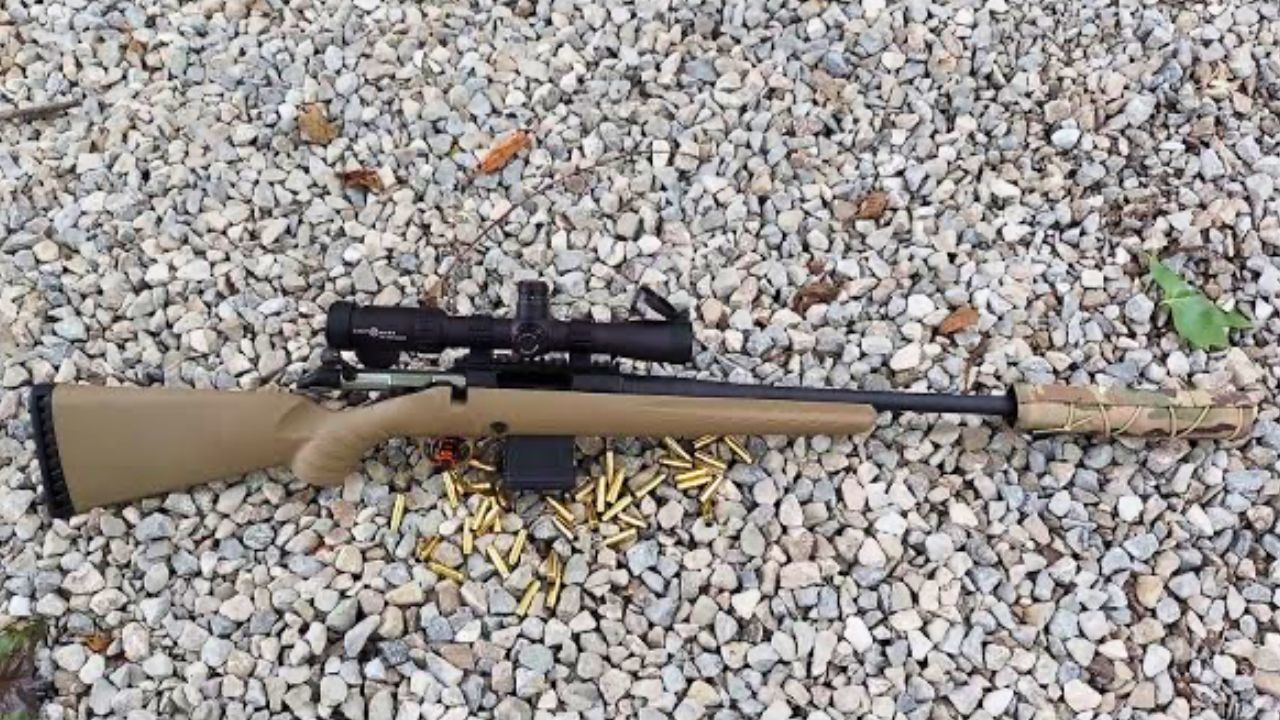
This is one of the most honest rifles on the market. It’s not fancy, and nobody is going to mistake it for a custom build, but it will shoot. The bedding and barrel tend to do their job, and the newer versions tightened up some of the “budget rifle” feel without jacking the price into the clouds.
Where it beats the typical big-box combo is consistency. You can zero it, hunt it, bump it around in the truck, and it usually comes back to zero if your mounts are solid. It’s also easy to live with—common chamberings, normal mags, and nothing weird that makes you regret owning it later.
2. Savage 110 (any of the plain-Jane hunting trims)
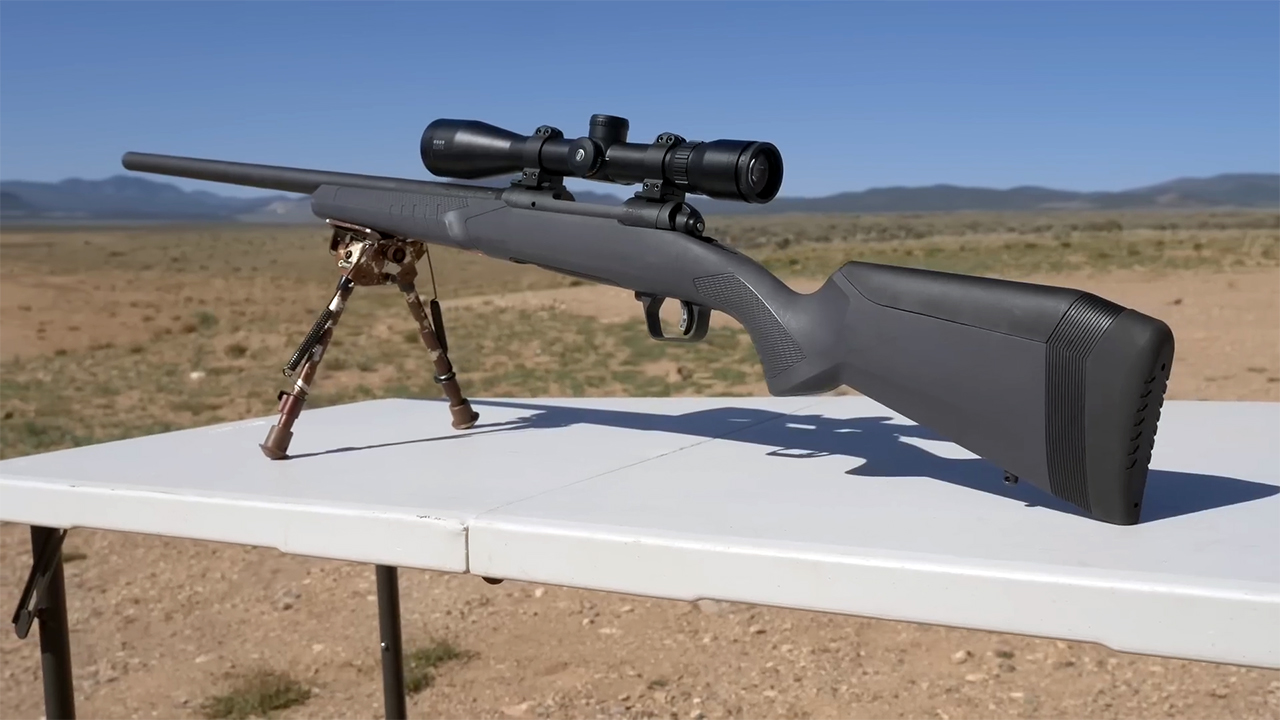
Savage has made a living building rifles that shoot better than they look. The 110 action isn’t glamorous, but it’s proven. And the AccuTrigger—love it or not—has helped a lot of hunters shoot tighter groups than they ever did with heavy, creepy triggers.
Big-box rifles often feel like they saved money in the places you feel every shot. The 110 tends to feel like a rifle that wants to be shot well, not just sold. If you’re the type who actually checks zero and shoots from field positions, you’ll notice.
3. Tikka T3x (assembled in Finland, but the U.S.-market “outperformer” angle is real)
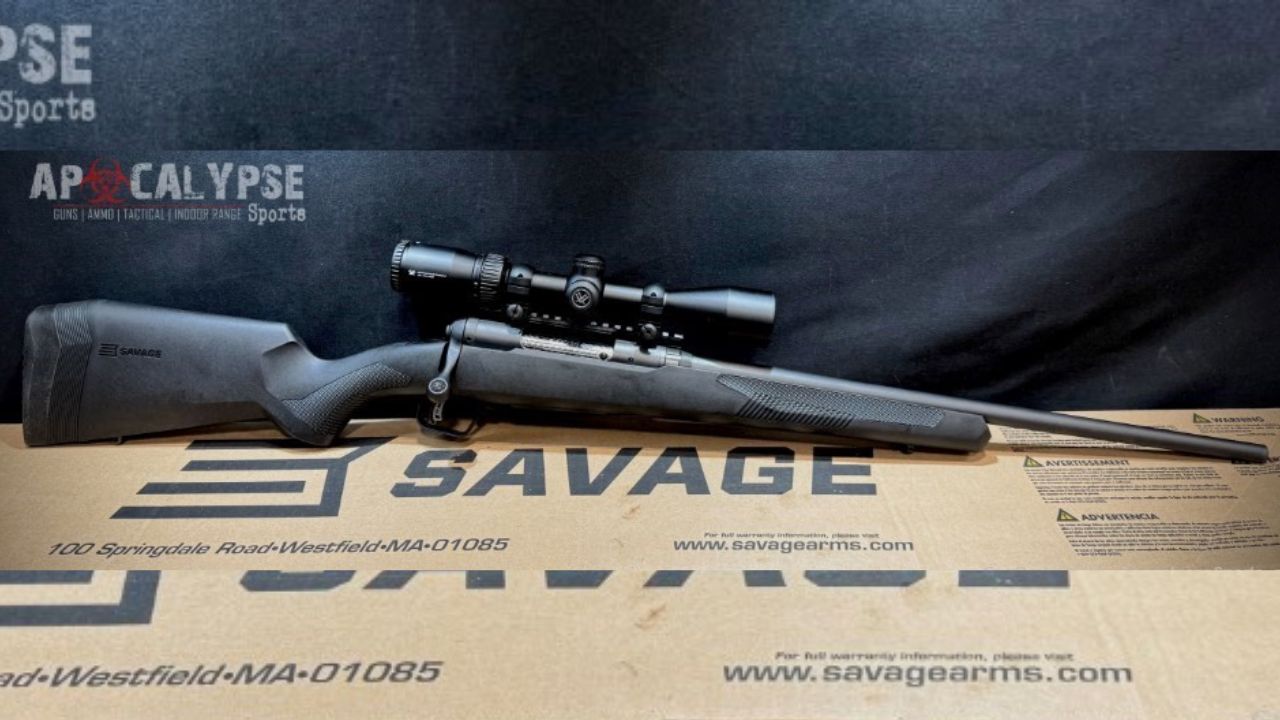
I’m breaking my own “American-made” theme right out of the gate with one exception because it’s the elephant in the room. The T3x is what a lot of big-box rifles wish they were when it comes to smooth bolts and out-of-the-box accuracy. Plenty of hunters buy three cheaper rifles trying to find “the good one” and end up here anyway.
Still, if you want the same “buy once, cry once” feel from a U.S. shop, the next few picks will scratch that itch.
4. Bergara B-14 Ridge (built in the U.S. for many configurations)

The B-14 Ridge is what I recommend to the guy who is tired of chasing groups and wants a rifle that shoots like it means it. The action is smooth, the barrels are consistently good, and the stock is set up for real hunting—not just posing in the garage.
Compared to a lot of big-box package rifles, the B-14 feels like it has fewer “mystery flyers.” You’ll still need decent ammo and solid mounts, but it doesn’t fight you.
5. Ruger Hawkeye (M77 Hawkeye)
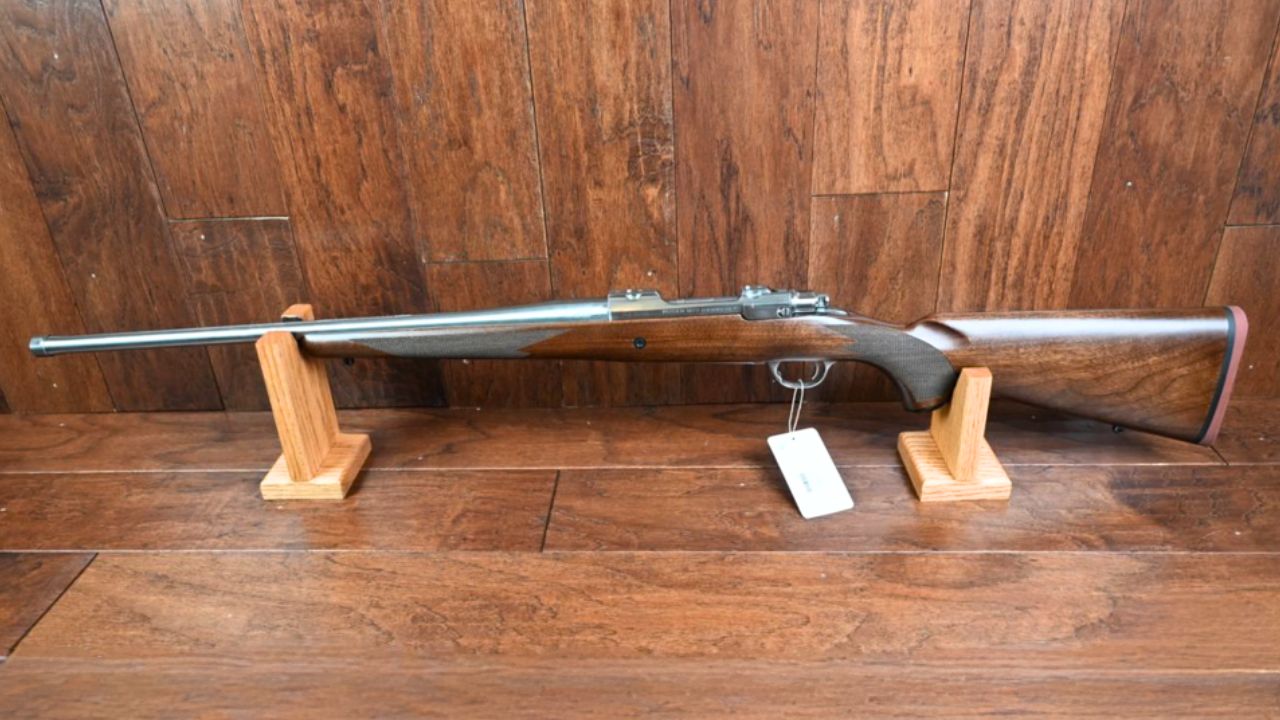
This is for the hunter who values controlled-round feed and a rifle that feels like it could survive a fall off a tailgate. The Hawkeye isn’t the lightest, and it won’t win any “best trigger” contests out of the box. But it carries like a real rifle and feeds like it’s supposed to.
Big-box guns can be accurate, sure. But when you’re cold, gloved up, and working the bolt fast on a follow-up, the Hawkeye’s confidence is hard to ignore.
6. Henry X Model (lever-action, various chamberings)
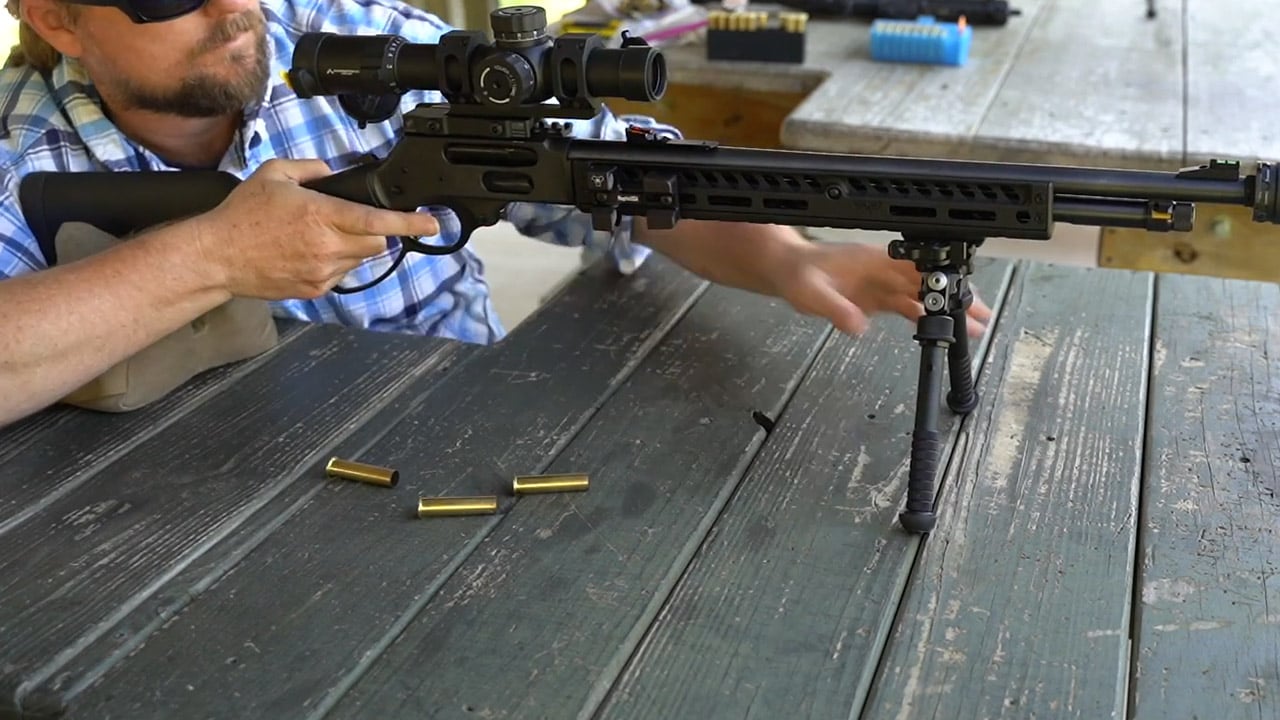
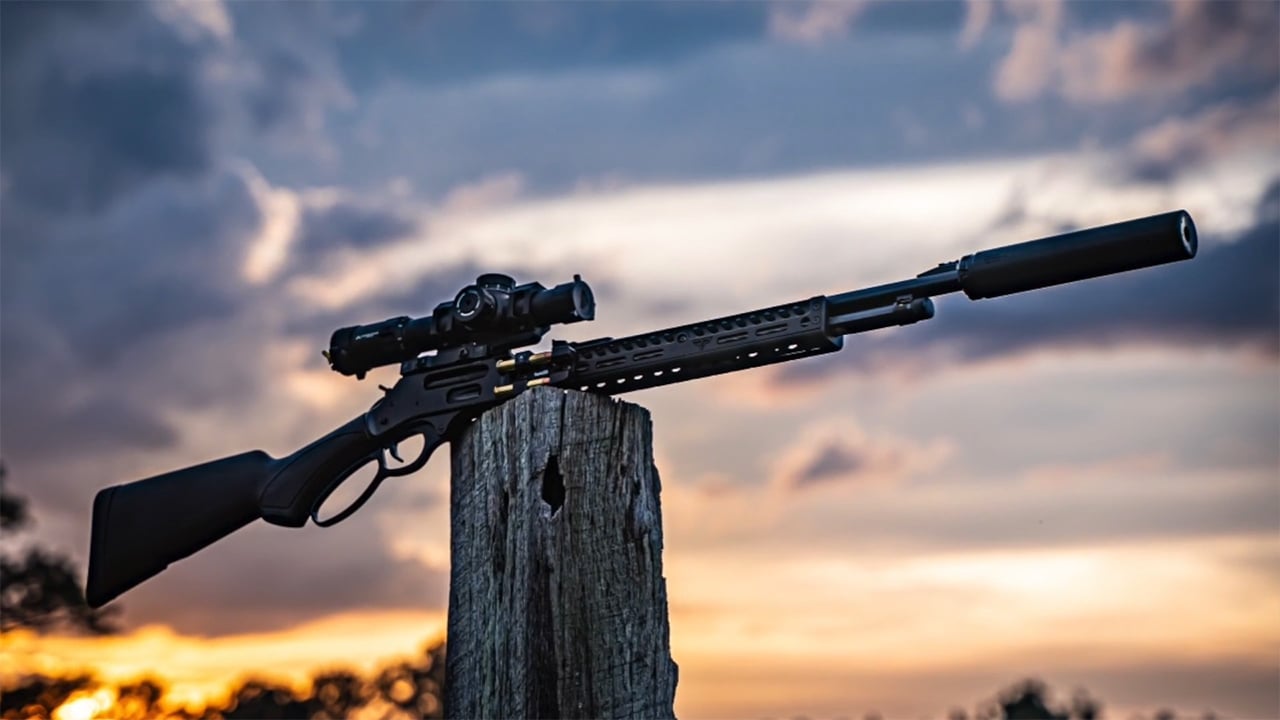
There’s nothing delicate about the Henry X. It’s a lever gun built for getting used, not babied. The side gate is handy, the furniture is tough, and the gun points naturally when you’re slipping through brush or stepping out of the cab.
Big-box lever guns can be hit or miss depending on the run. The Henry tends to arrive ready to hunt, and it stays that way if you keep it clean and don’t treat it like a pry bar.
7. Marlin 1895 (Ruger-made “Marlin”)
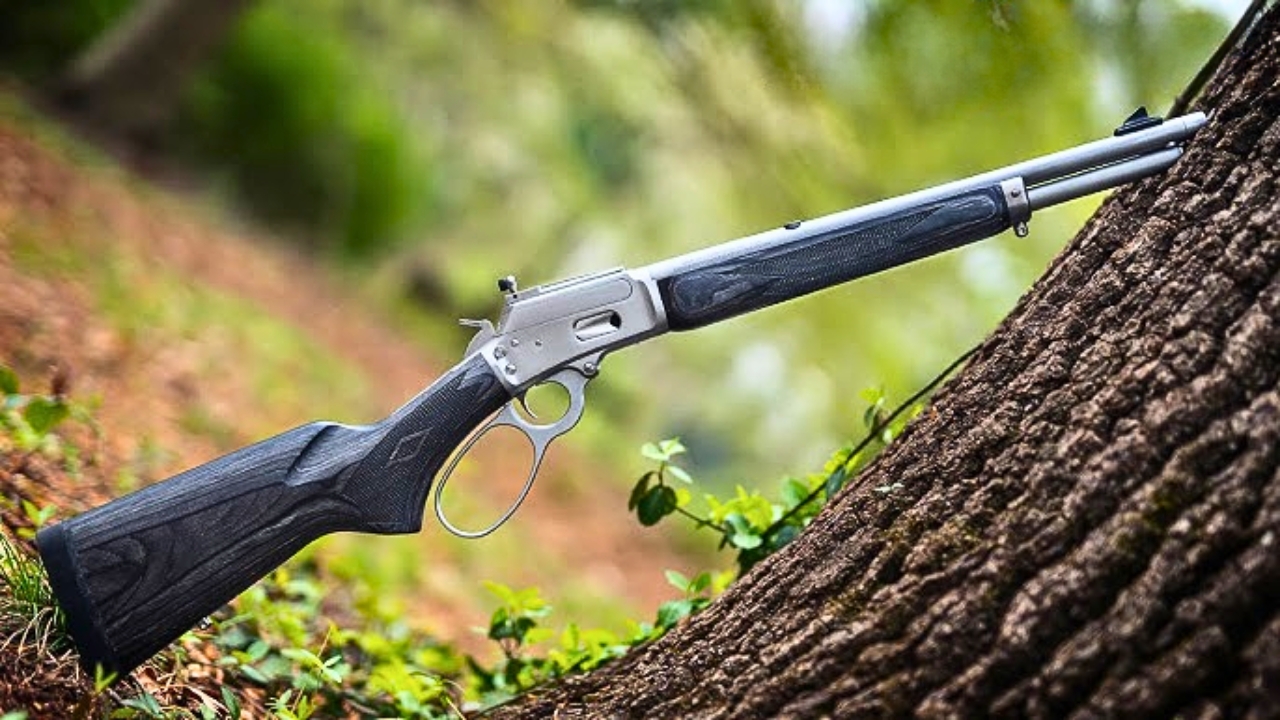
If you’ve handled the newer Ruger-made Marlins, you know why they’re on this list. The fit and finish came back. The action feels right. The whole gun has that “built by people who care” vibe that makes you stop looking at other racks.
It’s not a cheap date, but a good .45-70 lever gun is a lifetime tool for timber hunting, bear country, or just plain wanting a rifle that hits like a sledgehammer at sensible distances.
8. Springfield Armory M1A (Loaded or Standard)
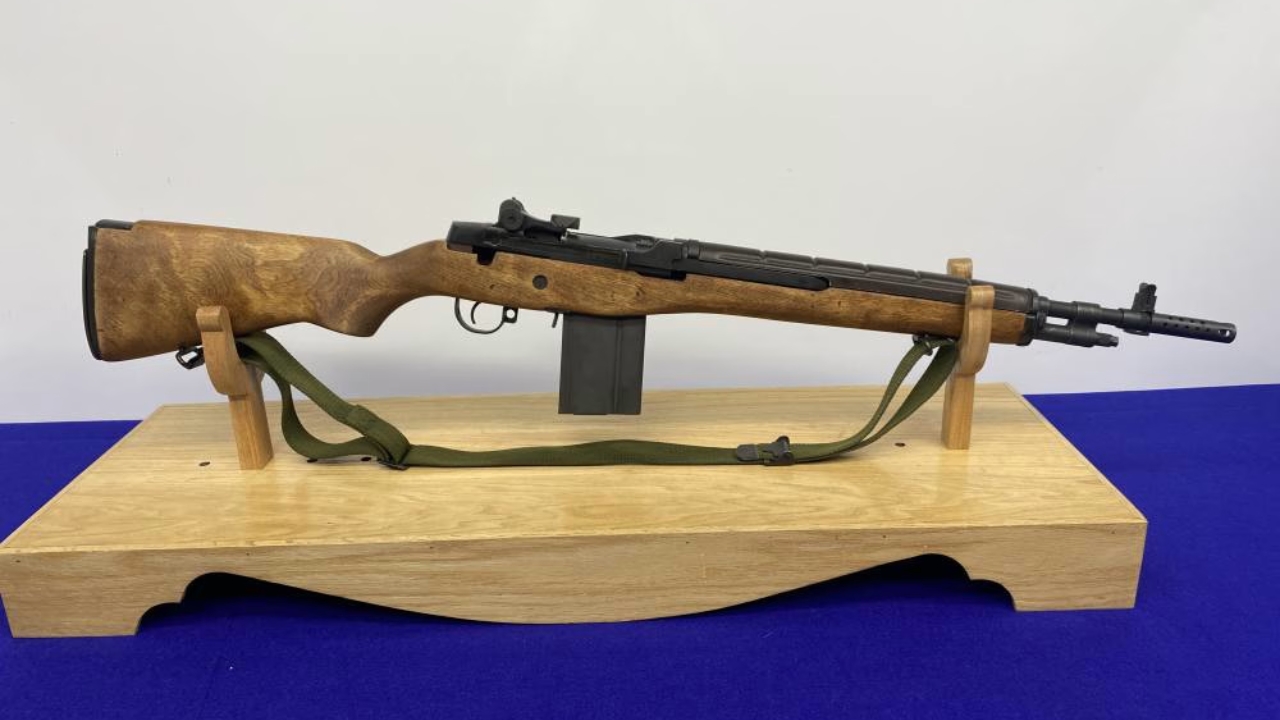
The M1A is not the most practical modern rifle, and I get why some folks roll their eyes. It’s heavier than it needs to be, magazines cost money, and optics setups can feel like a project. But when you shoot a good one, it’s hard not to respect it.
Big-box “precision” rifles can shoot, but the M1A brings a different kind of confidence—iron-sight capability, ruggedness, and a real battle-rifle feel. It’s a shooter’s rifle, not just a spec sheet.
9. Smith & Wesson M&P 2.0 (9mm compact or full size)
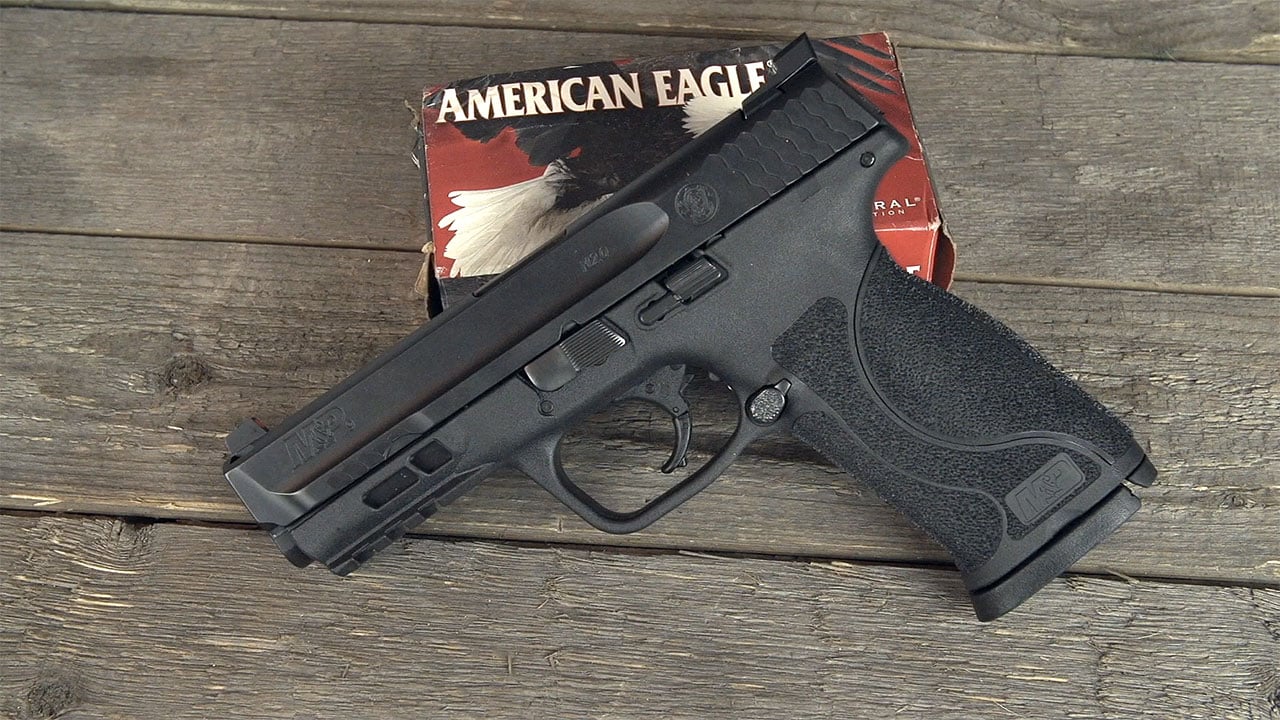
Carry guns from the big box can be fine, but the M&P 2.0 is the kind of pistol that shows you what “sorted out” feels like. Better texture, solid reliability, and a trigger that’s usable without a shopping list of upgrades.
Mags are everywhere, holsters are everywhere, and the gun just runs. If you actually train—draws, reloads, cold hands—the ergonomics pay off.
10. Glock 19 (Gen 5, U.S.-made versions for the domestic market)
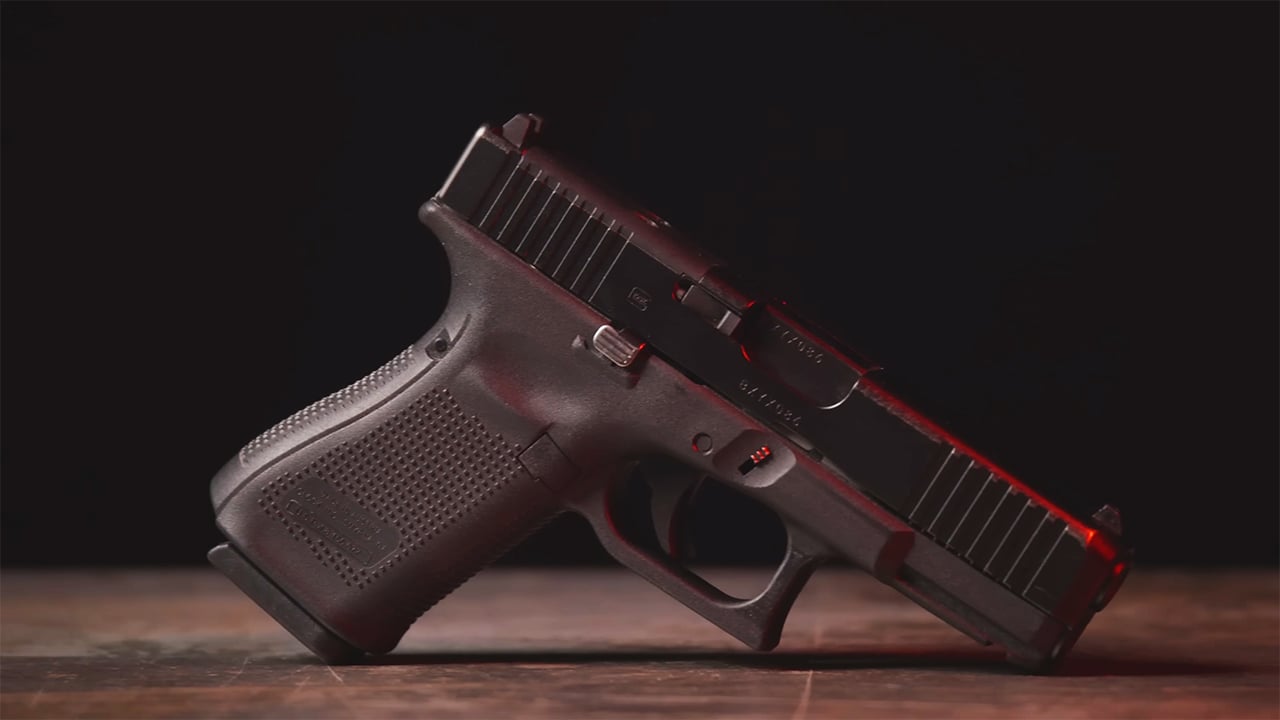
The Glock 19 is boring. It’s supposed to be. It’s the pickup truck of handguns: it starts every time, it doesn’t care about your feelings, and it will still be working when the “hot new” pistol is getting traded in.
Big-box counter guys love pushing whatever is on sale that week. The 19 ignores sales cycles. Magazines, parts, and support are bottomless, and that matters more than most folks admit.
11. Ruger SP101

If you want a revolver you can actually shoot a lot without it going loose, the SP101 is a tank. It’s not the lightest carry revolver, and that’s kind of the point. Light snubbies are miserable to practice with, and then folks wonder why they can’t hit with them.
The SP101 carries decently in a real belt holster, shoots .357 or .38 comfortably for its size, and doesn’t feel like it’s going to shake apart.
12. Smith & Wesson Model 686

A 686 is what happens when you want a wheelgun that shoots straight and stays tight. Trigger work varies by sample and era, but even the average ones have a feel that a lot of “value” revolvers can’t touch.
This one outperforms big-box revolvers in the boring ways: timing stays right, lockup stays solid, and the gun keeps printing where you aimed even after a pile of full-power loads.
13. Ruger GP100
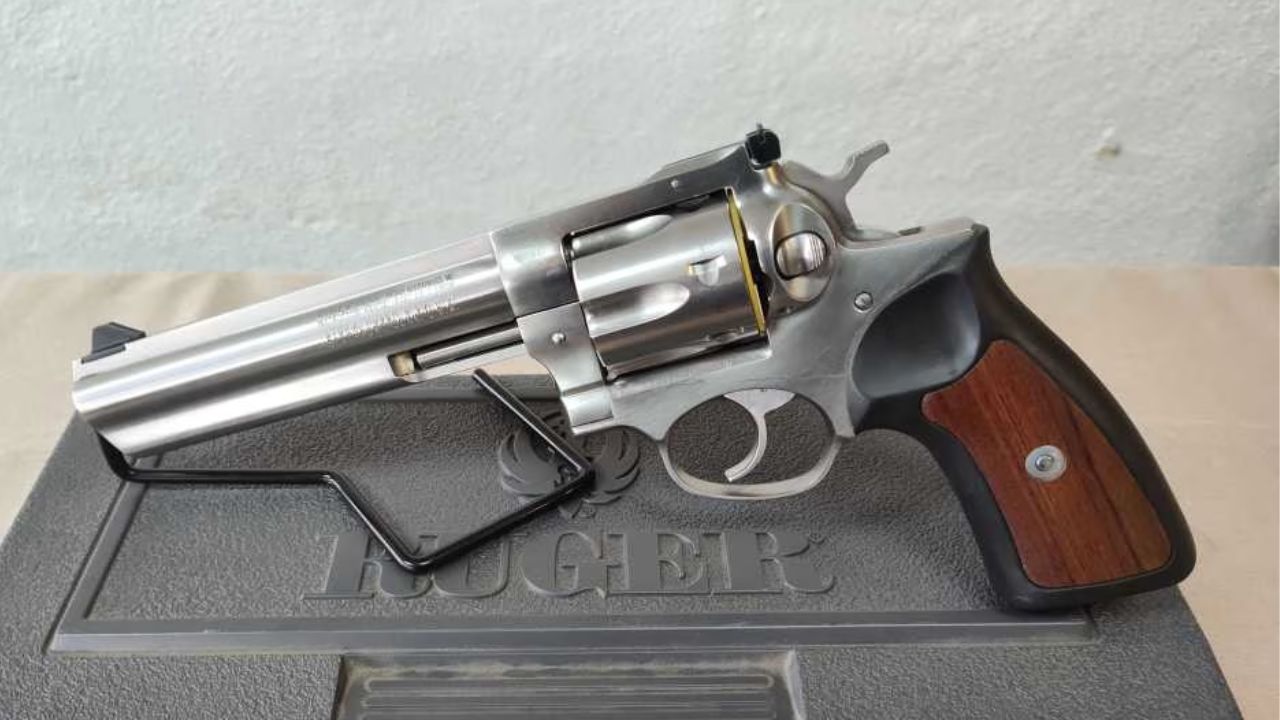
The GP100 is not elegant. It’s a working revolver. If you shoot a lot of .357, it’s hard to beat for the money, and it has that Ruger “overbuilt on purpose” thing going on.
Where it shines is long-term ownership. You can run it hard, clean it when you get around to it, and it keeps doing what it’s supposed to do. That’s a whole different experience than “I hope this holds up.”
14. Colt Python (new production)

Yeah, it’s pricey. Yeah, some folks buy it to admire it. But the new production Pythons can be real shooters, and when you get a good one, the trigger and balance are the kind of thing that makes you slow down and shoot better.
Big-box revolvers often feel like compromises. The Python is not trying to be cheap. It’s trying to be excellent, and it shows—especially on a calm range day when you can actually appreciate what the gun is doing.
15. Ruger 10/22 Carbine
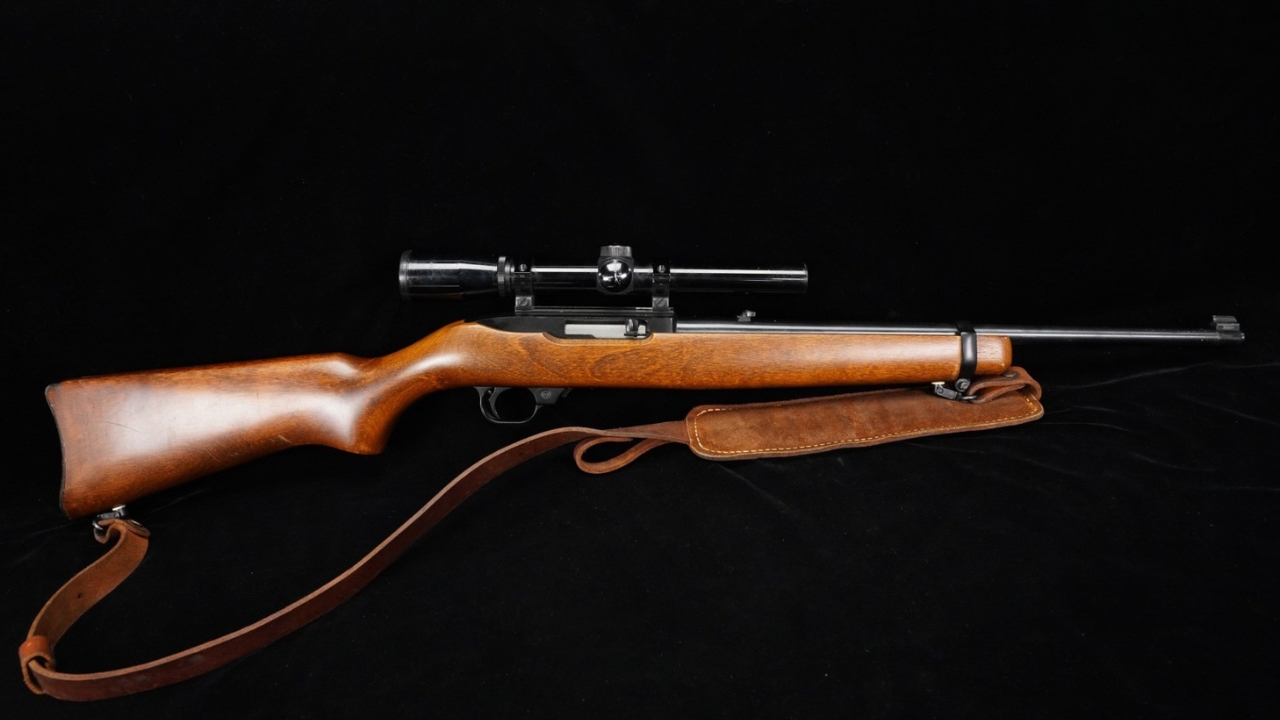
If you don’t own a 10/22, you probably will eventually. There’s nothing flashy about the base carbine, and that’s why it’s everywhere. It runs, it’s accurate enough to be fun, and it’s the easiest rimfire in America to keep alive forever.
Big-box .22s come and go. The 10/22 has magazines in every store, parts in every drawer, and enough aftermarket support to build it into whatever you want without turning it into a science project.
16. Smith & Wesson Model 41

This isn’t a “grab it on sale” pistol. It’s a serious rimfire that rewards good shooting. The Model 41 has the kind of trigger that makes you realize your other .22 pistols have been lying to you.
For target work, small game, or just owning one rimfire handgun that feels like a lifetime piece, it outclasses the average big-box shelf gun by a mile.
17. Mossberg 590A1

There’s a reason the 590A1 has the reputation it does. It’s a pump shotgun that’s built to take abuse, and the controls are straightforward. It’s not the smoothest pump ever made, but it’s dependable.
Big-box “tactical” shotguns often look the part and then start having little issues—fitment, cycling, screws walking out. The 590A1 is a no-nonsense tool, and it stays that way.
18. Remington 870 Police (older production)

I’ll say it: not all 870s are equal. The Police models, especially older ones, tend to be the version that reminds you why the 870 became the standard. They cycle smooth, they feel solid, and they don’t rattle like a budget project gun.
If you stumble into one that hasn’t been abused, it’s the kind of shotgun you buy and then stop shopping. For a working pump, it’s still hard to beat.
19. Benelli M4 (U.S.-assembled models in the market)

The M4 is expensive and heavy, and it’s not for everybody. But if you want a semi-auto shotgun that runs across a wide range of conditions with minimal drama, it’s a benchmark. It doesn’t feel like a “value” gun because it isn’t.
Compared to the semi-autos stacked at big-box stores, the M4 is the one that keeps running when the weather turns ugly and the maintenance schedule gets optimistic.
20. Daniel Defense DDM4 V7

ARs are everywhere now, and big-box stores are full of them. The problem is a lot of them feel like a pile of parts that happens to go bang. The DDM4 V7 feels like a rifle built by people who expect you to put real rounds through it and not just post photos.
It’s accurate, reliable, and the quality control tends to be there. Mags are standard, parts are standard, and you can set it up with a light and optic without chasing weird fit issues. There is nothing magical about it—just solid execution, which is rare enough to matter.
If you’re buying one gun to do a job, don’t let a sale sticker make the decision for you. Handle the real stuff. Work the action. Dry fire it (safely, and with permission). Think about magazines, holsters, mounts, and whether you can still get parts five years from now. The best guns aren’t always the prettiest on the rack—they’re the ones that keep earning their spot when the novelty wears off.
Like The Avid Outdoorsman’s content? Be sure to follow us.
Here’s more from us: