Photo credit: Gunbelievable/Youtube
Every gun has a fan club. Sometimes that fan club is right. Other times it is just stubbornness mixed with nostalgia, a good deal, or the fact that the gun “worked that one time” and now it’s family tradition.
This isn’t a hit list for the sake of being mean. It’s a reality check on a handful of firearms that have very real flaws—ergonomics, durability, accuracy, parts support, weird design choices—but still keep a loyal following that will argue with a brick wall. I’ve owned a couple of these. I’ve shot most of them. A few I’d still keep around. Most I wouldn’t bet a hunt on.
1. Remington 710
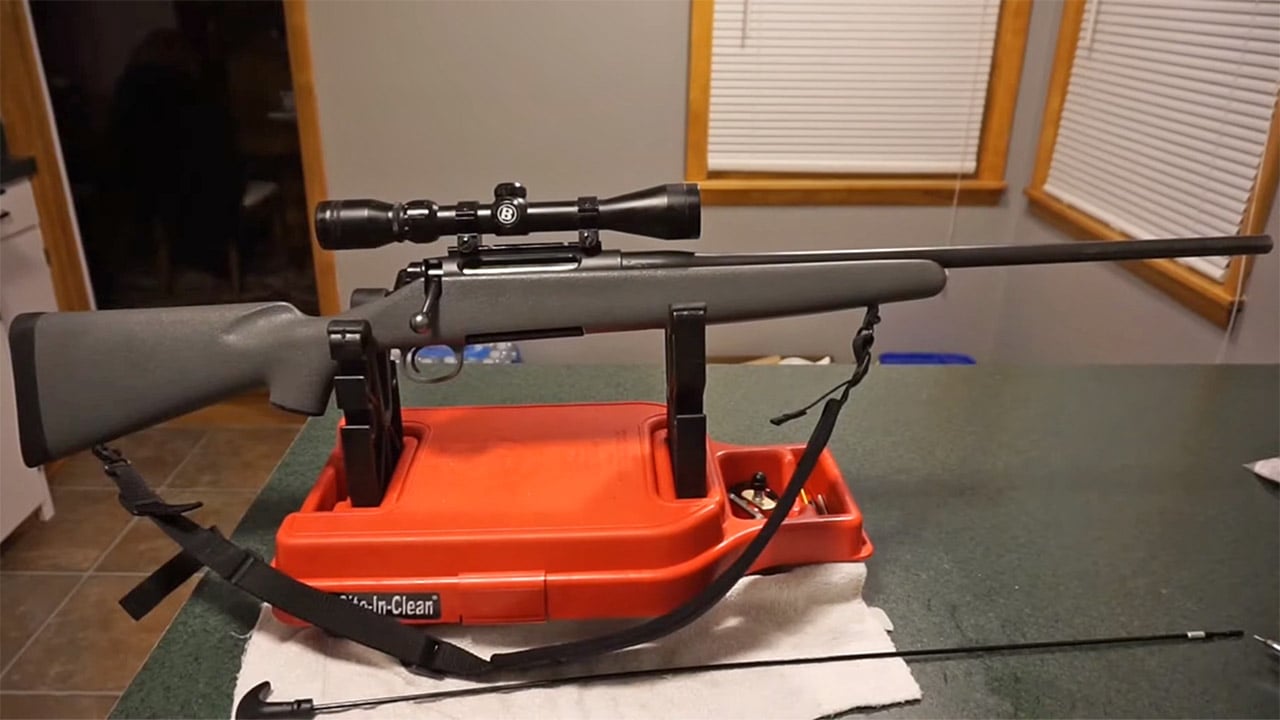
This one hurts, because on paper it looked like the working man’s deer rifle. In the real world, the 710 earned a reputation for rough bolts, finicky feeding, and an overall “disposable” feel that never sat right with folks who grew up on older Remingtons.
Plenty of them killed deer, no doubt. But when something wears out, you’re not stepping into a deep pool of parts and smiths who love working on them. Fans will say, “Mine shoots fine.” Sure. Until it doesn’t.
2. Remington 770

Think of the 770 as the 710’s younger cousin that didn’t learn from the family mistakes. The stock feels hollow, the bolt can feel like it’s dragging gravel, and the whole package screams “built to a price.”
The loyal fans like the fact it comes scoped and ready, and I get that. But once you’ve run one side-by-side with even a basic Savage Axis or Ruger American, it’s hard to pretend the 770 isn’t a compromise you’ll feel every time you work the action.
3. Taurus Judge

The Judge is a walking gun-counter argument. It’s big, it’s heavy, and it sells a concept that sounds better than it performs for most real uses. The .410 shotshell out of a short barrel isn’t the magic wand some folks want it to be, and .45 Colt performance depends a lot on the load and the gun.
Still, the fan base is loud because it’s “versatile.” In practice, it often ends up being a range novelty that’s awkward to carry and not especially good at any one job.
4. Taurus Curve
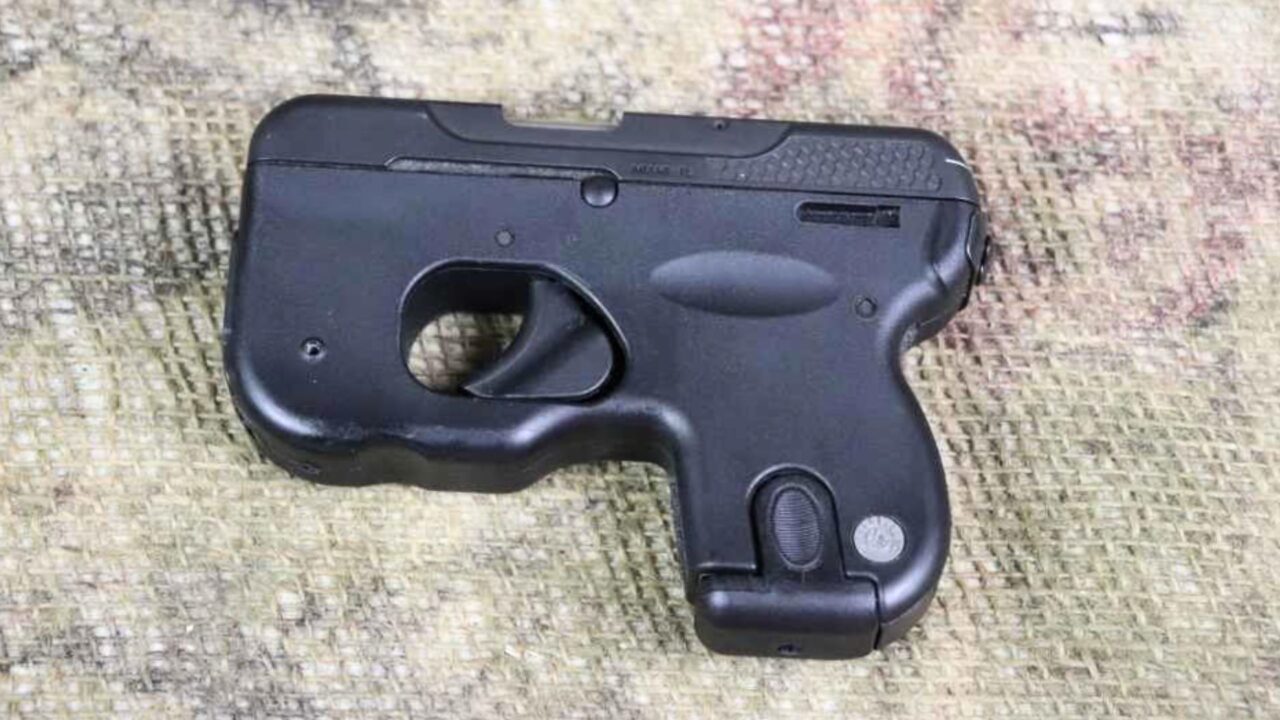
Any time a gun’s main selling point is “it’s shaped weird,” you should slow down. The Curve tried to reinvent concealment with a curved frame and built-in light/laser options, but ergonomics and shootability took the hit.
Fans defend it because it disappears in a pocket. That’s fine—until you actually need a consistent grip, real sights, and a trigger you can run without fighting the gun.
5. Kel-Tec PF-9

I’ve watched more than one new shooter fall in love with how thin and light the PF-9 is… right up until the first magazine. It’s snappy, it’s not forgiving, and it can be unpleasant enough that people avoid practice.
And that’s the real problem. A carry gun you don’t want to shoot is a bad plan. The diehards will tell you it’s “just fine if you do your part,” which is exactly what guys say when they’re used to getting beat up.
6. Kel-Tec P-32
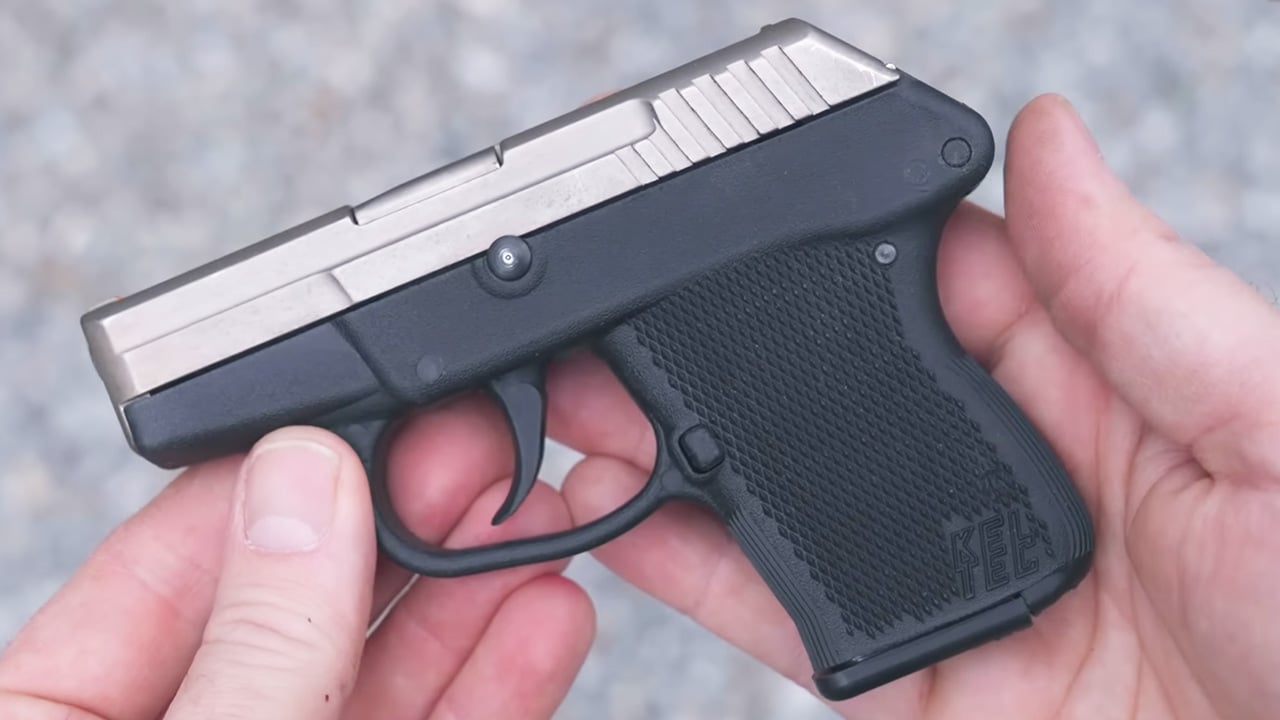
The P-32 deserves credit for being early to the ultra-light pocket pistol game. But ultra-light also means tiny sights, a grip you can barely hang onto, and a platform that can be picky about limp-wristing if your fundamentals slip.
Loyal fans love the “always gun” concept, and I don’t hate that. I just don’t like pretending it’s anything other than a deep concealment compromise that demands extra attention and testing with your carry ammo.
7. Hi-Point C9
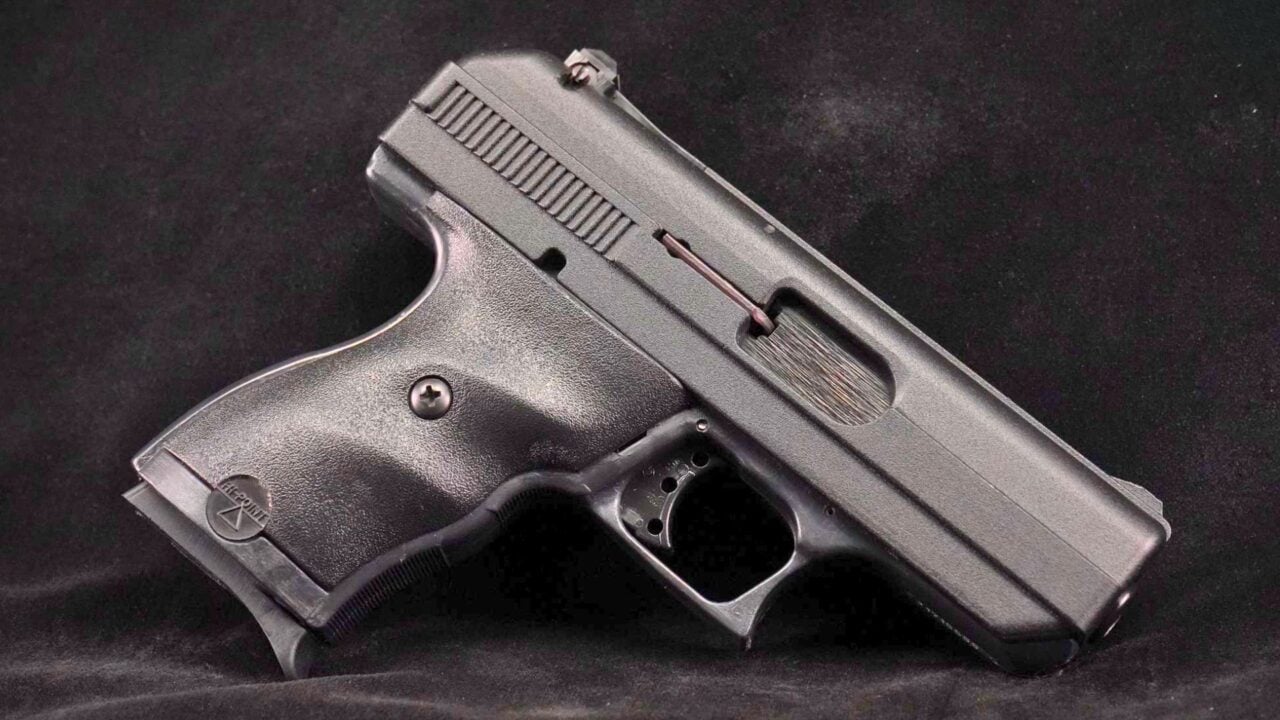
The C9 is the gun that always shows up in arguments about “just as good.” It’s bulky, the ergonomics are a brick, and it’s not winning any beauty contests. But it often runs, and that’s why it has defenders.
Here’s my issue: it’s hard to carry comfortably, hard to conceal, and the controls feel clunky. As a glovebox or tackle-box gun, some folks make it work. As a primary defensive handgun, there are better options that don’t feel like you’re holding a stapler.
8. SCCY CPX-2

The CPX-2 sells on price and the promise of a compact 9mm. The trigger is long, and the overall feel can be mushy. When you’re trying to shoot tight groups or run quick follow-ups, the gun makes you work for it.
Fans will tell you it’s reliable “if you break it in.” I’m a simple man: I like guns that behave on day one, not after a thousand rounds and a prayer.
9. Kimber Solo

The Solo is one of those pistols that looks like it should be perfect: small, classy, and from a brand people associate with nice 1911s. But the Solo built a reputation for being ammo-sensitive, and that’s a terrible trait for a carry gun.
Owners who got a good one love them, and I don’t blame them. Owners who didn’t got an expensive lesson in why “premium” doesn’t always mean “proven.”
10. Colt Double Eagle
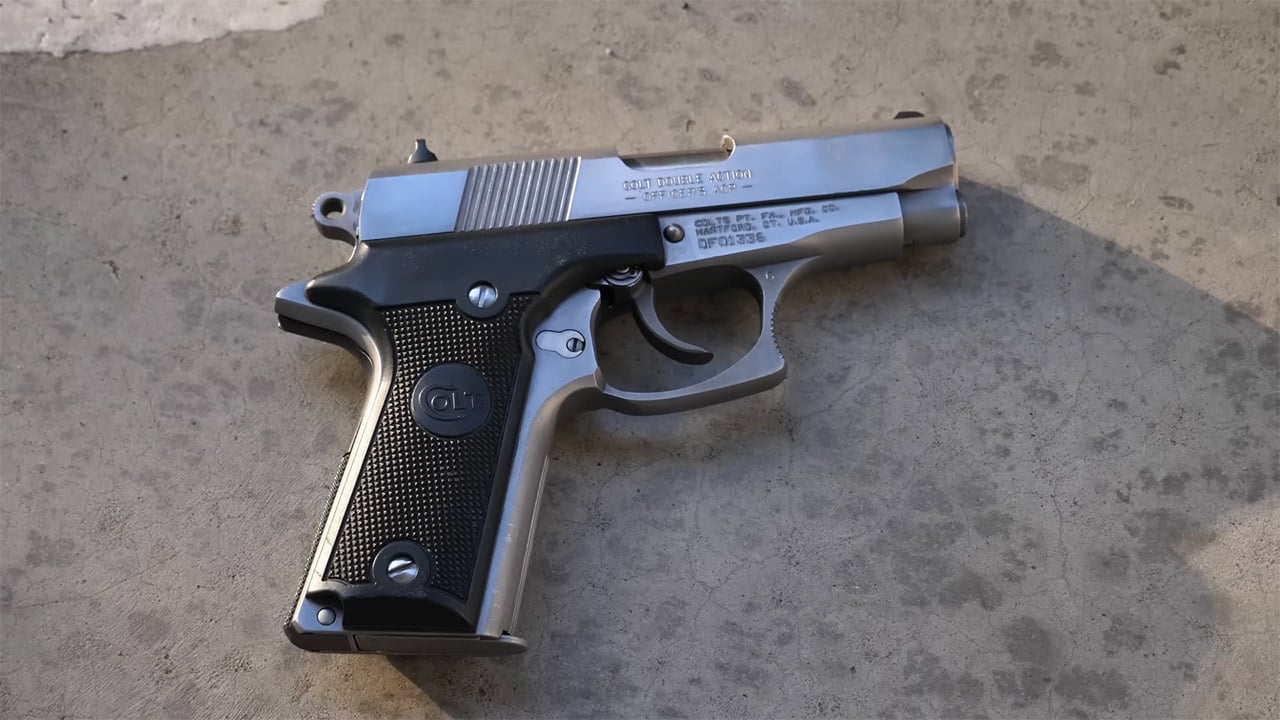
The Double Eagle has a loyal niche following mostly because it says “Colt” and because oddball Colts always attract collectors. As a shooter, though, it’s chunky, dated, and not nearly as refined as the better DA/SA pistols from the same era.
It’s the kind of gun that can be perfectly serviceable at the range, then a headache when you want parts, mags, or a smith who’s excited to tune it.
11. Springfield Armory XD (early models)
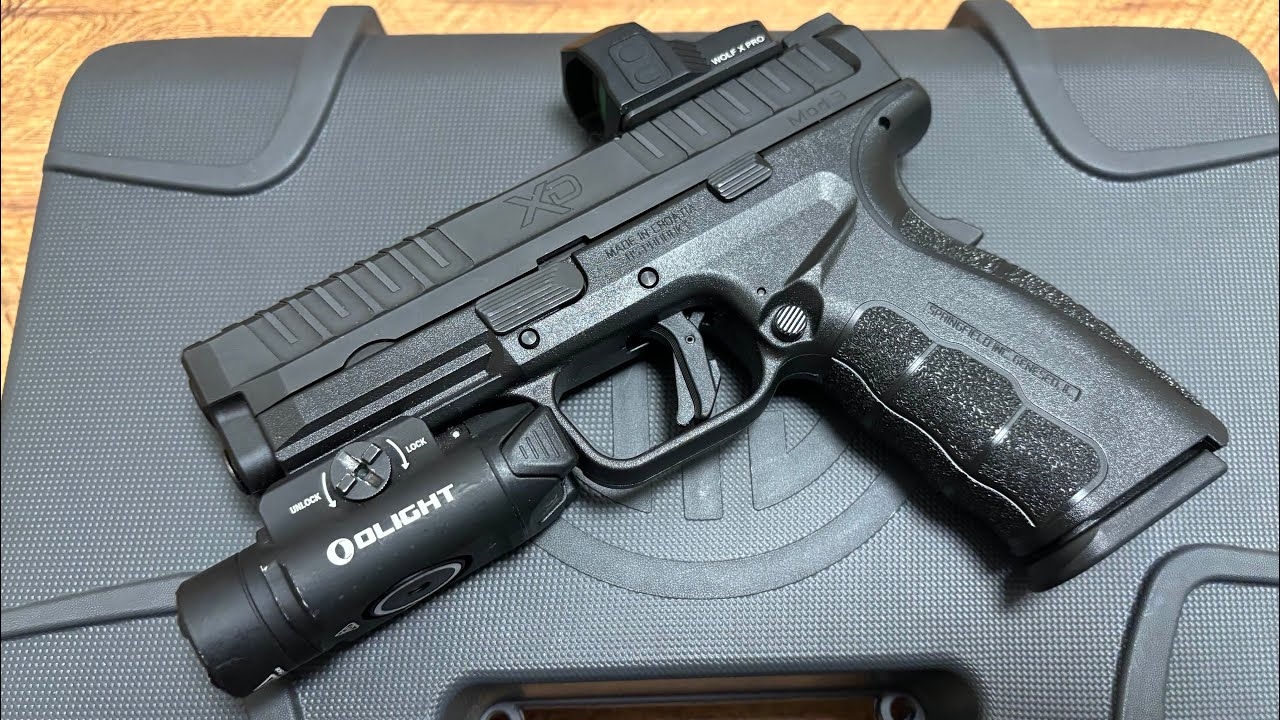
The XD is a weird one because it’s not automatically a “bad gun,” but it’s absolutely a gun with a fan base that will not acknowledge its downsides. The bore axis is high, the grip safety can be annoying for some hands, and the trigger feel never impressed me.
Diehards will swear it’s the best thing ever made because “it never jammed.” That’s great. But compared to modern striker guns, it can feel top-heavy and dated, and a lot of people figure that out after the honeymoon.
12. Glock 44
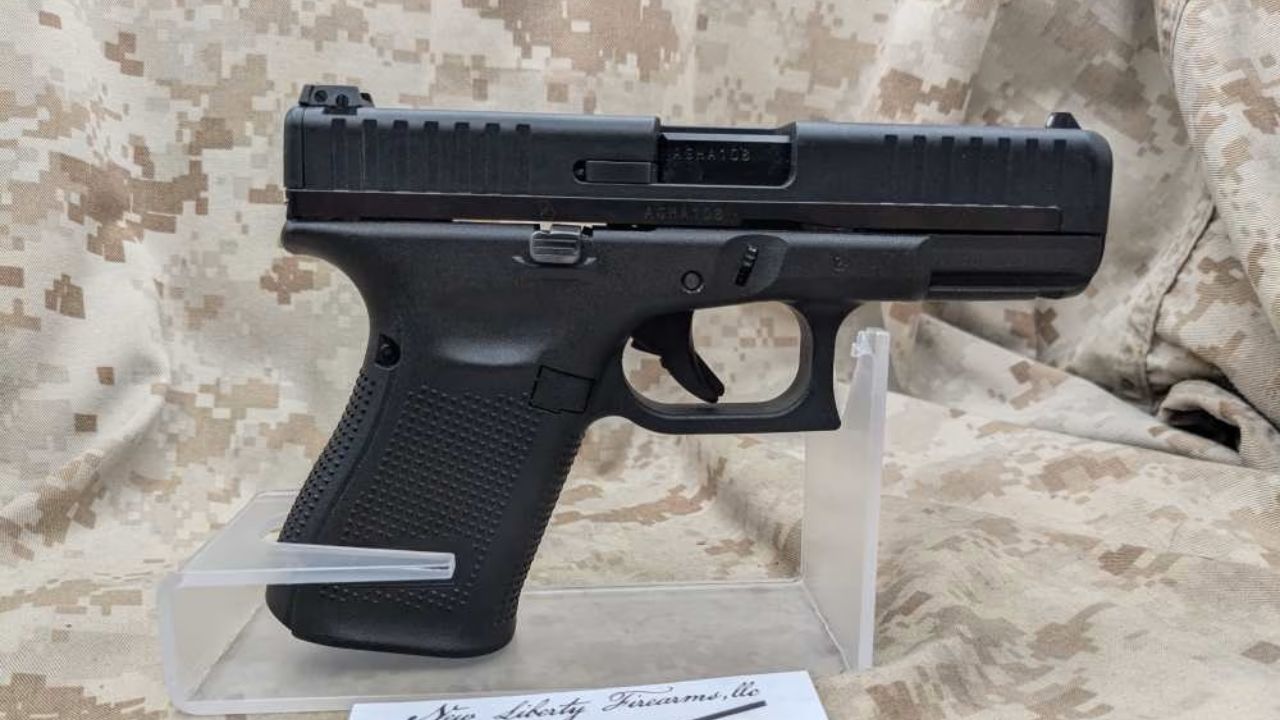
A .22 Glock should have been a home run—cheap practice with familiar controls. The 44 has fans who love it for that reason, and I understand the appeal. But it also had enough early chatter about reliability and ammo sensitivity that it left a sour taste for some shooters.
Rimfire is rimfire, and it’s always a little dirtier and pickier. Still, when a training gun becomes the gun that makes you clear malfunctions all afternoon, the value drops fast.
13. Walther P22
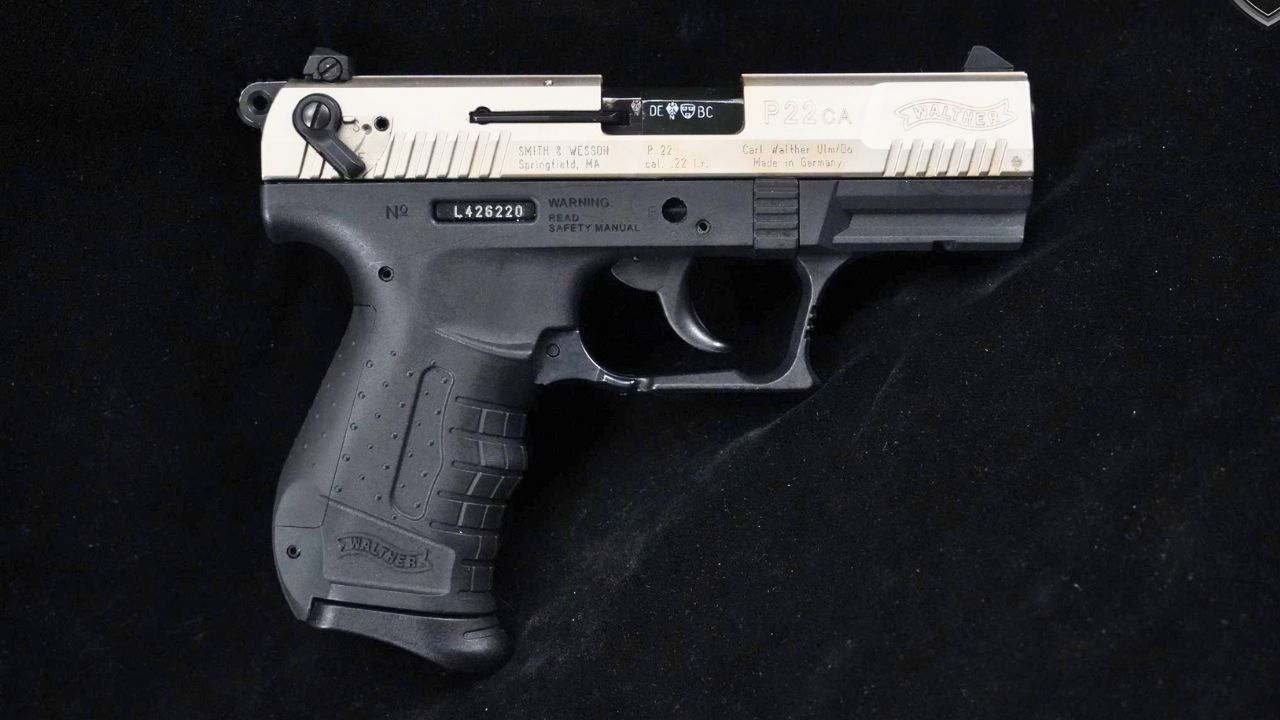
The P22 might be the king of “looks cool, shoots okay, then acts up.” They can be fun when they run, but they’ve got a long-standing reputation for being picky about ammo, magazines, and maintenance.
The loyal fans usually have a “magic” ammo brand that makes theirs sing. I’d rather have a .22 that eats whatever I can find when the shelves are bare.
14. SIG Sauer Mosquito
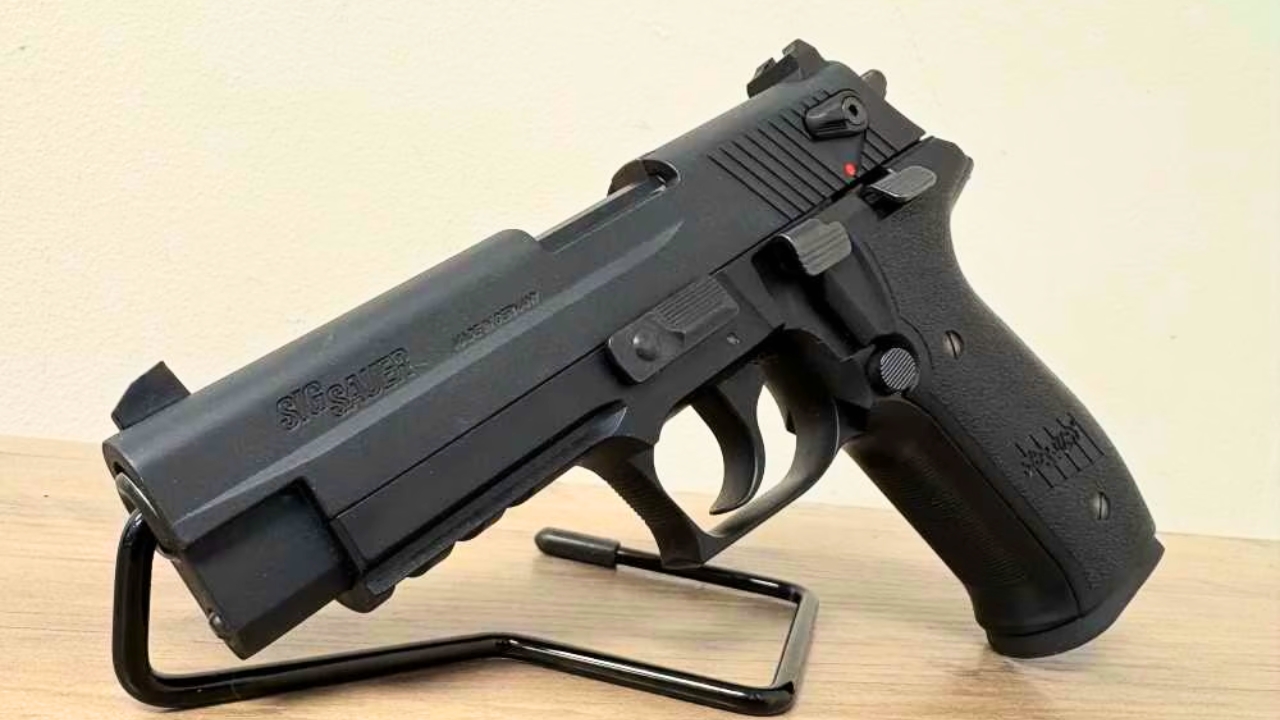
The Mosquito is another rimfire pistol that seduced buyers with a familiar brand and a service-pistol look. In practice, many of them were finicky enough that it became a running joke on some ranges.
Owners who got a good one guard them like a secret recipe. Owners who didn’t are the reason you see used ones priced to move. A .22 trainer shouldn’t be a science experiment.
15. Ruger Mini-14 (older thin-barrel rifles)

I like the Mini-14. I’ve hunted with one and ridden around with one. But the older thin-barrel guns have a reputation for “minute of barn” accuracy once they heat up, and that’s not a myth.
Mini fans will tell you it’s a ranch rifle, not a bench gun. Fair. But if you’re calling coyotes or stretching shots across a field, you’ll notice the difference compared to an AR that costs similar money and holds groups when the barrel warms.
16. Century Arms C39V2
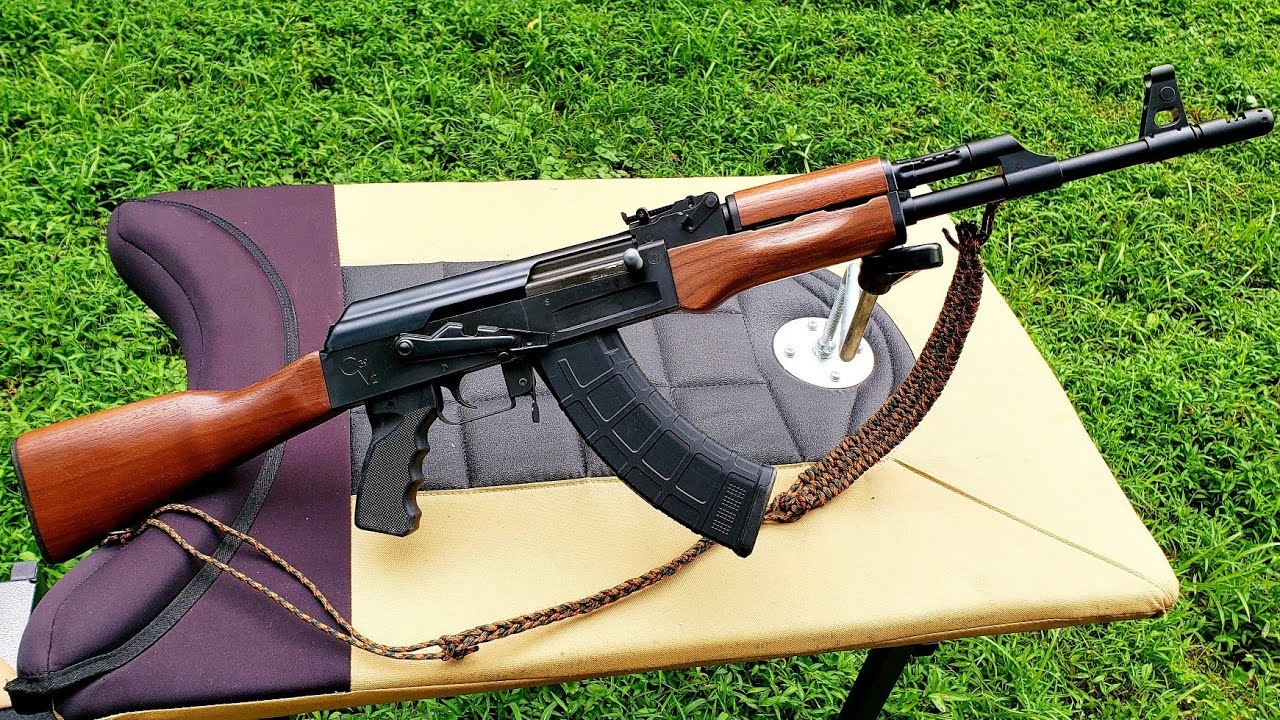
AK guys get tribal fast. The C39V2 has defenders because it’s an American-made AK that’s widely available, but it also caught plenty of criticism over wear patterns and long-term durability concerns compared to better AK options.
If your AK hobby is a few magazines a year, you may never care. If you actually train or shoot volume, this is where “cheap AK” can become “expensive lesson.”
17. IWI Tavor SAR (as a practical field rifle)

The Tavor is cool. It’s compact, it balances back, and it looks like something you’d see in a movie. The problem is that “cool” isn’t the same as “handy” once you’re past the novelty.
The trigger is the big complaint, along with weight and the way bullpups can feel strange for certain shooting positions. Fans will say you get used to it—and you can—but for normal outdoorsmen who want simple, the juice isn’t always worth the squeeze.
18. Smith & Wesson SD9VE

The SD9VE is the gun you buy because it’s affordable and says Smith & Wesson on the slide. It can be reliable, and plenty of them are. The big hang-up is the trigger, which feels like dragging a couch across carpet.
Fans defend it because it goes bang and it’s cheap. I won’t argue those points. I will argue that the trigger can hold back new shooters and make “cheap practice” less productive than it should be.
19. Rossi Circuit Judge
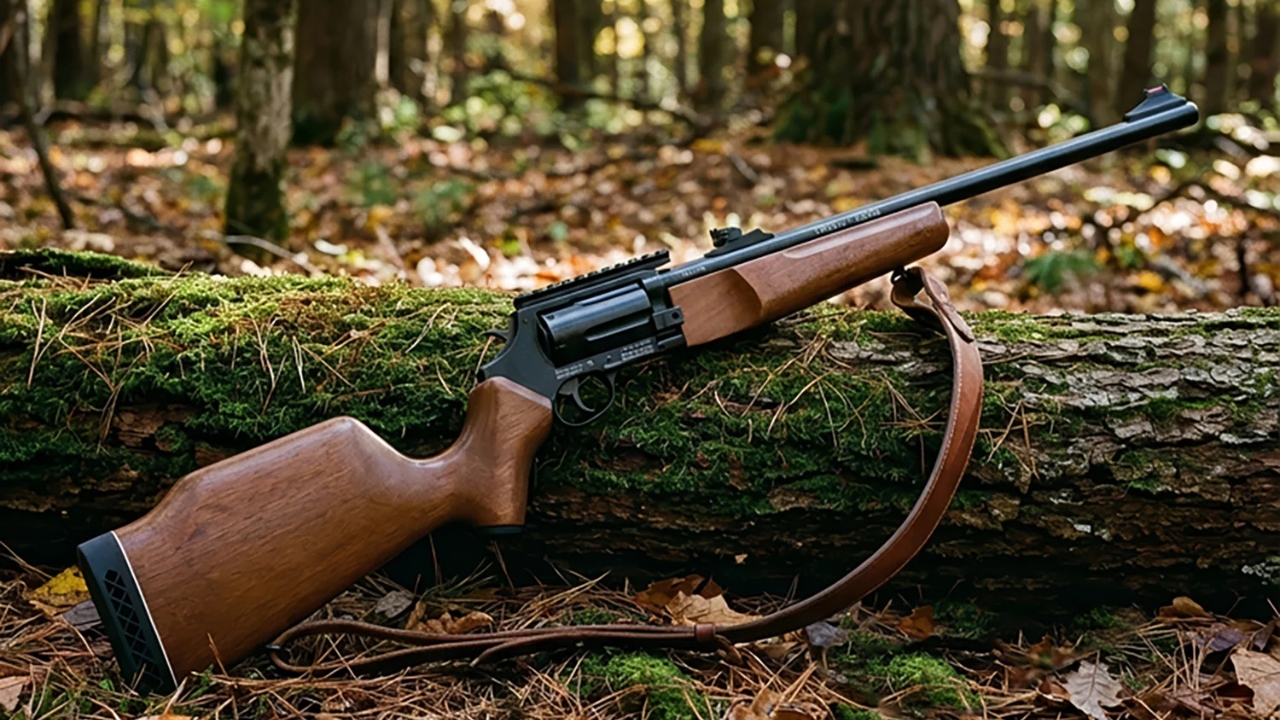
A revolving rifle chambered for .45 Colt and .410 sounds like a campfire idea that somehow made it to production. It’s fun, it’s different, and it has a real following. It’s also heavy, can be awkward, and it tends to attract buyers who think it’ll do everything.
In reality, it’s specialized. If you want a handy woods rifle, there are better options. If you want a shotgun, get a shotgun. The Circuit Judge sits in a strange middle ground that only makes sense if you specifically love it.
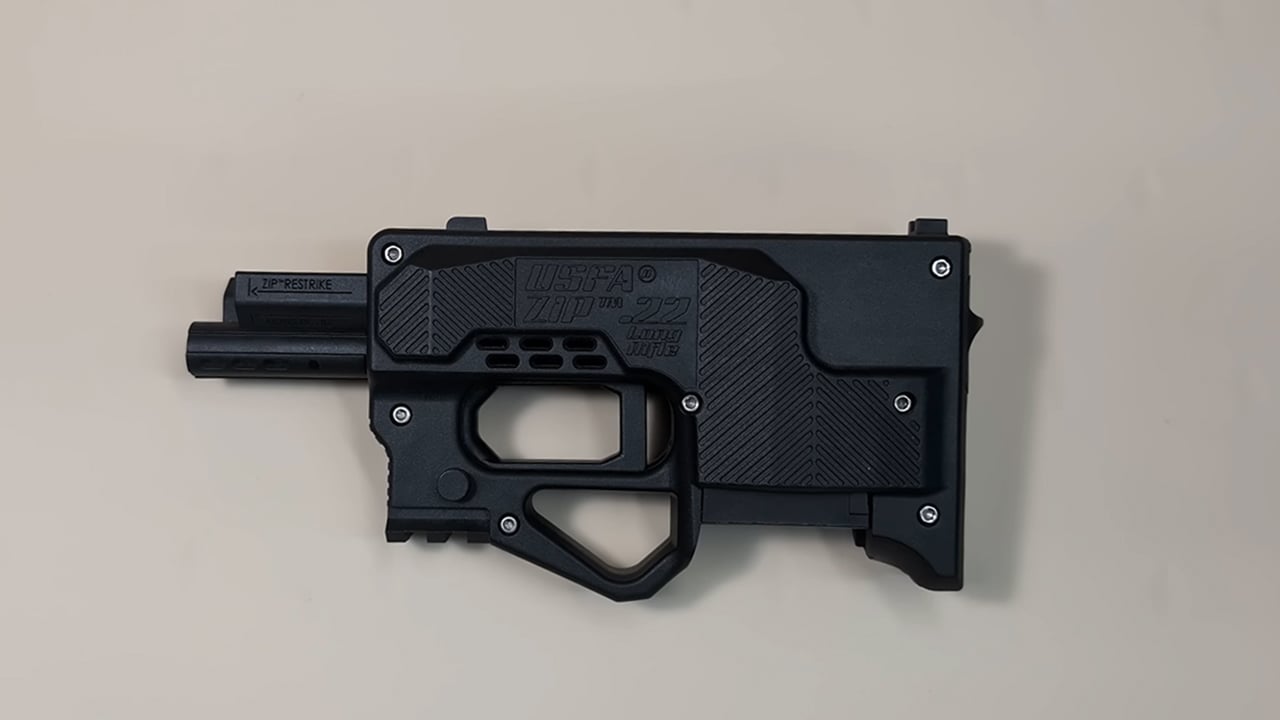
20. U.S. Fire Arms Zip .22
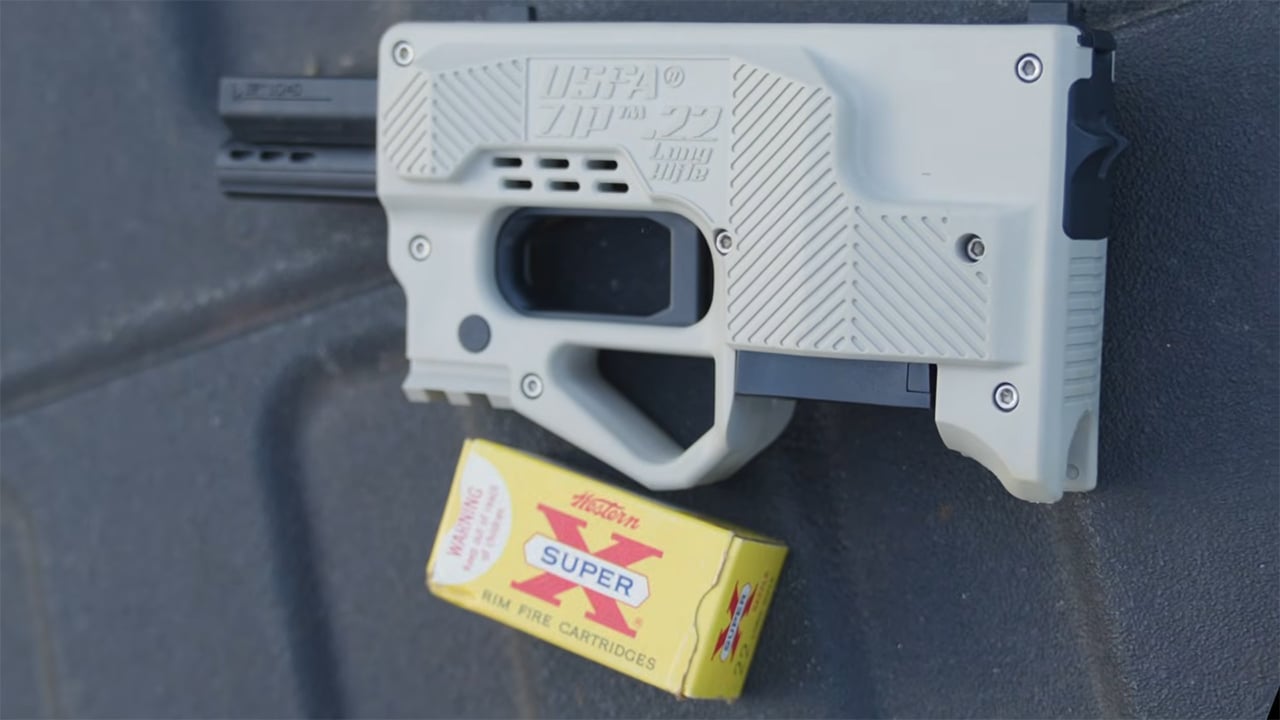
The Zip is one of those designs that makes you wonder who it was for. Low bore axis and “innovative” styling didn’t make up for the reputation it earned for reliability issues and overall odd handling.
And yet, it has loyal fans because it’s weird, because it’s a conversation piece, and because gun people love an underdog. I get it. I also wouldn’t trust it for anything beyond careful range time with solid safety habits.
A bad gun doesn’t always mean a useless gun. Sometimes it’s just a gun with sharp edges, quirks, and compromises that get ignored because the owner has a story tied to it. If you’ve got one of these and it runs, keep it clean, test it with the ammo you’ll actually use, and be honest about what it’s good for. Loyalty is fine. Blind loyalty is how gear lets you down when it matters.
Like The Avid Outdoorsman’s content? Be sure to follow us.
Here’s more from us: