Photo credit: GunBlue490/Youtube
Every time a shiny new blaster drops, the internet acts like everything older than five years is basically a musket. Then you go to the range, or you carry for a month, or you hunt in real weather, and you remember why certain “old” guns never leave the conversation. They run. They point right. They don’t need a special tool, a phone app, and a backup parts kit to make it through a season.
I’m not saying new guns are bad. A lot of them are flat-out excellent. But there are classics that still get it done better than the newest hotness, especially when you care about reliability, field carry, parts availability, and results instead of marketing.
1. Remington 870 Wingmaster
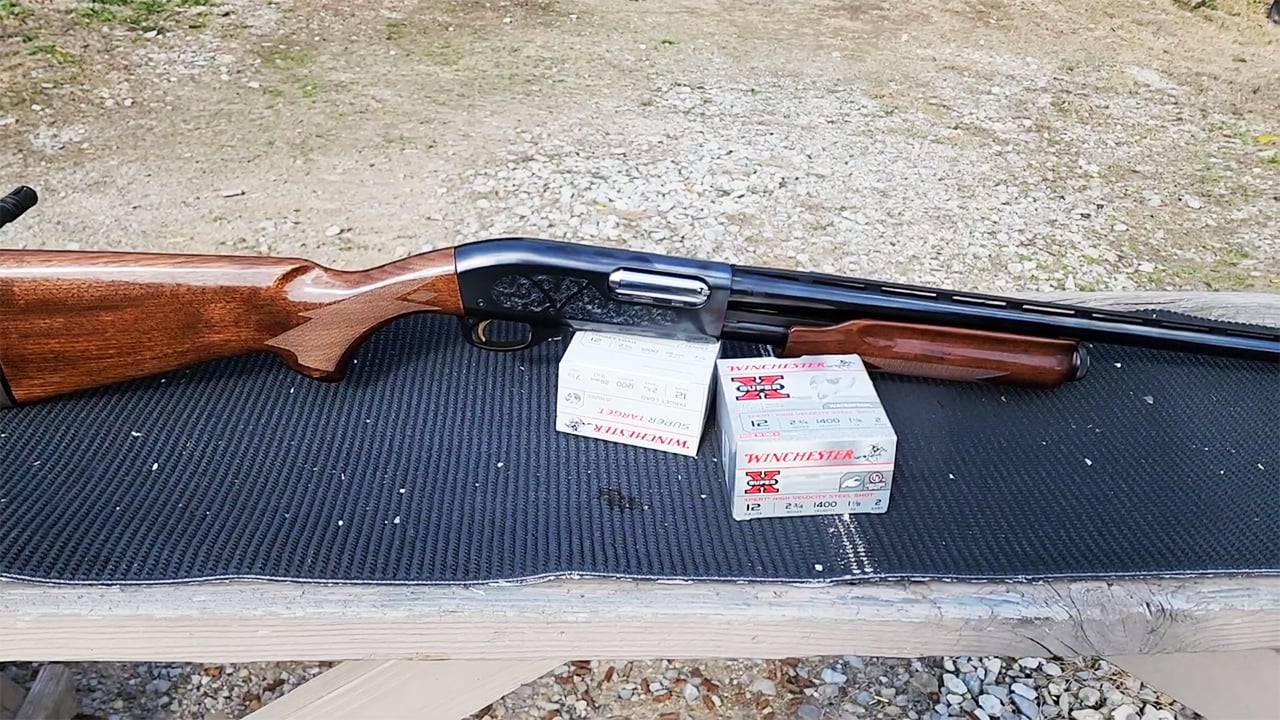
There’s a reason you still see these in duck blinds, behind truck seats, and in closets that belong to folks who don’t “collect” anything. The action on a good Wingmaster feels like it’s running on oiled glass, and they tend to keep running even when they’ve been neglected a little.
Newer pumps can be lighter, have more gadget mounting options, and sometimes come cheaper. But the older 870s have a durability and slickness you don’t always get today. For a do-everything shotgun that just works, it’s hard to beat.
2. Mossberg 500

The Mossberg 500 is not fancy, and nobody confuses it for a boutique shotgun. Still, the tang safety is excellent for real-world use, especially with gloves, and the gun’s simple layout is easy to live with.
When newer shotguns start chasing features, the 500 just keeps punching tags and breaking clays. Barrels and parts are everywhere. If you want one shotgun you can actually maintain without drama, this one still outruns a lot of “modern” options.
3. Winchester Model 70 (pre-’64 and classic style)

Controlled-round feed and a no-nonsense bolt feel matters when you’re cold, tired, and trying to run the rifle without thinking. The Model 70 has been taking game cleanly for generations, and it still carries like a real hunting rifle, not a bench gun pretending to be one.
Plenty of new rifles shoot tiny groups, but they can feel hollow or rough in the action. A good Model 70 just feels right. There’s a reason so many old-timers never switched.
4. Remington 700 (older production)

Say what you want about the drama and the internet arguments, but an older Remington 700 is still one of the most useful platforms ever made. The aftermarket is a universe, the rifles usually shoot, and the design is simple to work with.
A lot of newer rifles try to be “precision” out of the box, and that’s fine. But the 700’s strength is how easy it is to set up for what you actually do, whether that’s deer stands, coyotes, or banging steel on weekends.
5. Ruger M77 Hawkeye (and earlier M77s)

The Ruger M77 has a “working rifle” vibe that newer rifles sometimes lose. It’s not a dainty mountain rifle, and it’s not trying to impress anyone on the internet. It’s built to be carried, knocked around, and still hold zero.
The controlled-feed action and Ruger’s general toughness make it a steady choice for hunters who don’t baby gear. If you want a rifle you can trust when the weather turns ugly, this one still earns it.
6. Marlin 336

If you’ve hunted thick timber, you already know why the 336 is still a big deal. It carries close, comes up fast, and hits hard enough inside normal woods ranges without any fuss. It’s not a long-range toy, and that’s the point.
Newer “tactical lever guns” can be cool, but they’re often heavier and more complicated than they need to be. A plain 336 with good sights is still one of the best woods rifles ever made.
7. Winchester Model 94

The Model 94 is the kind of rifle that makes you hunt differently—in a good way. You move more, you shoot from odd angles, and you quit obsessing over dialing turrets for a 120-yard shot. It’s fast, light, and handy.
Newer rifles might shoot tighter groups from a bench, but in the real world the 94 is hard to out-handle. When you need “carry all day” more than “shoot half-inch groups,” it still wins.
8. Ruger 10/22

Every gun shop has a wall of rimfires that look space-age and come with a bunch of accessories already bolted on. Most of them will still be “fine” until they aren’t. The 10/22 just keeps doing what it’s always done: run, shoot, and take whatever upgrades you actually want.
Magazines are easy to find, parts are everywhere, and the platform is as close to rimfire Legos as it gets. For squirrels, plinking, and teaching new shooters, it’s still the king.
9. Marlin Model 60

The Model 60 doesn’t get the hype the 10/22 does, but in the real world it’s been quietly doing work forever. Tube-fed can be slower to load, sure, but it also means you don’t lose magazines in the leaves.
These rifles often shoot better than they have any right to, and they’re usually dead reliable with ammo they like. For a simple woods .22 that just lives by the back door, the Model 60 still hangs tough.
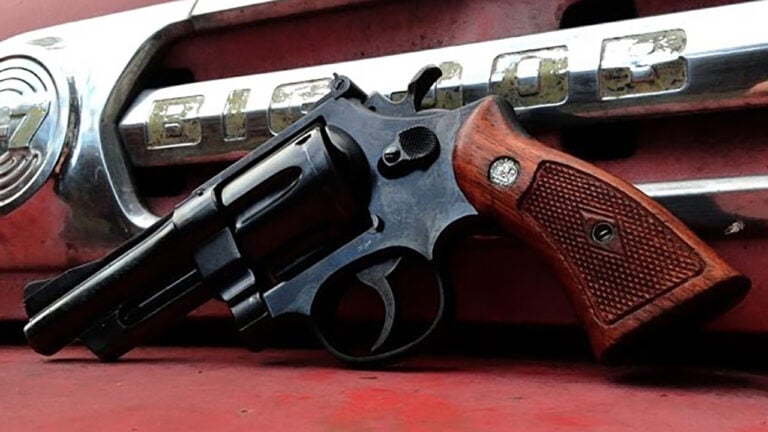
10. Smith & Wesson Model 10
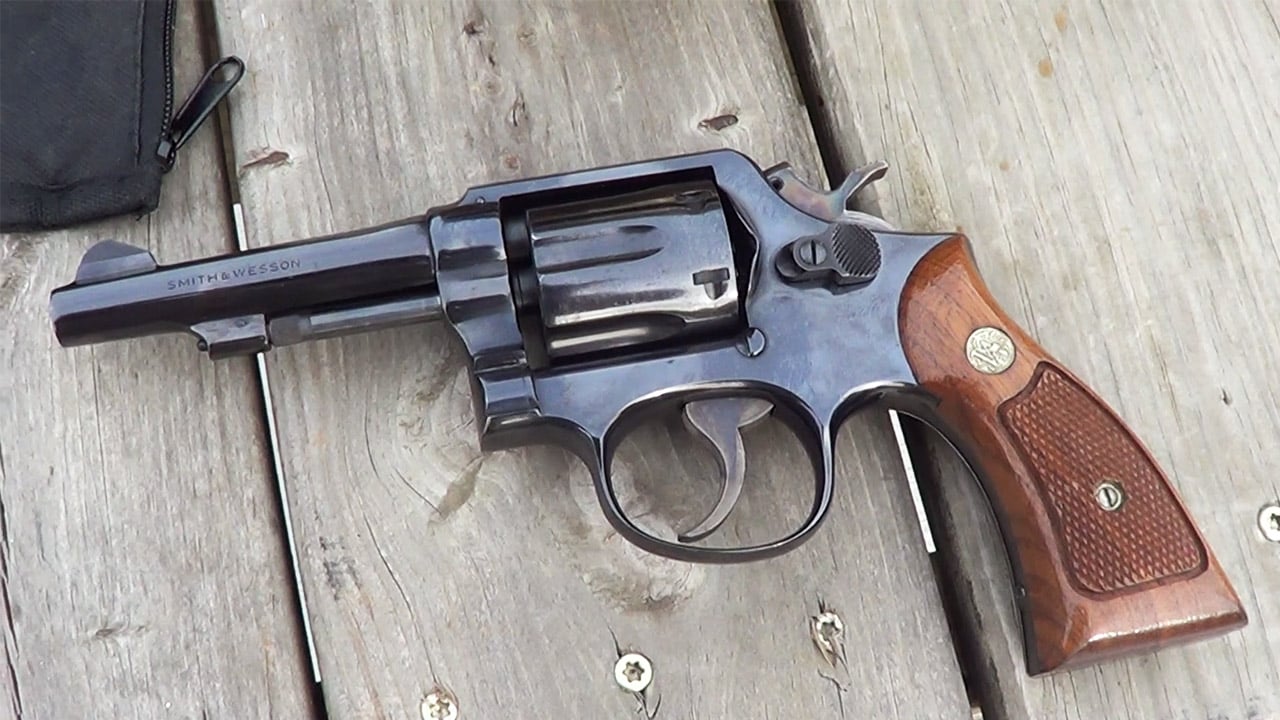
This is the revolver that taught a lot of folks what a good double-action trigger is supposed to feel like. It’s not small, and it’s not “high capacity,” but it carries well in a holster and shoots where you point it.
Newer defensive handguns are great, but they also encourage a lot of gear chasing. A Model 10 encourages practice. And if you practice with one, you’ll understand why it’s still relevant.
11. Colt Python (classic production)

The Python is not practical for everybody, and the price can make a man dizzy. But the reason people still talk about the older ones isn’t just nostalgia. The fit, finish, and trigger can be special in a way that’s hard to fake.
Modern revolvers are often perfectly serviceable. The Python is the one that makes you slow down and shoot well. It’s a classic for a reason, even if it’s more “want” than “need.”
12. Ruger GP100
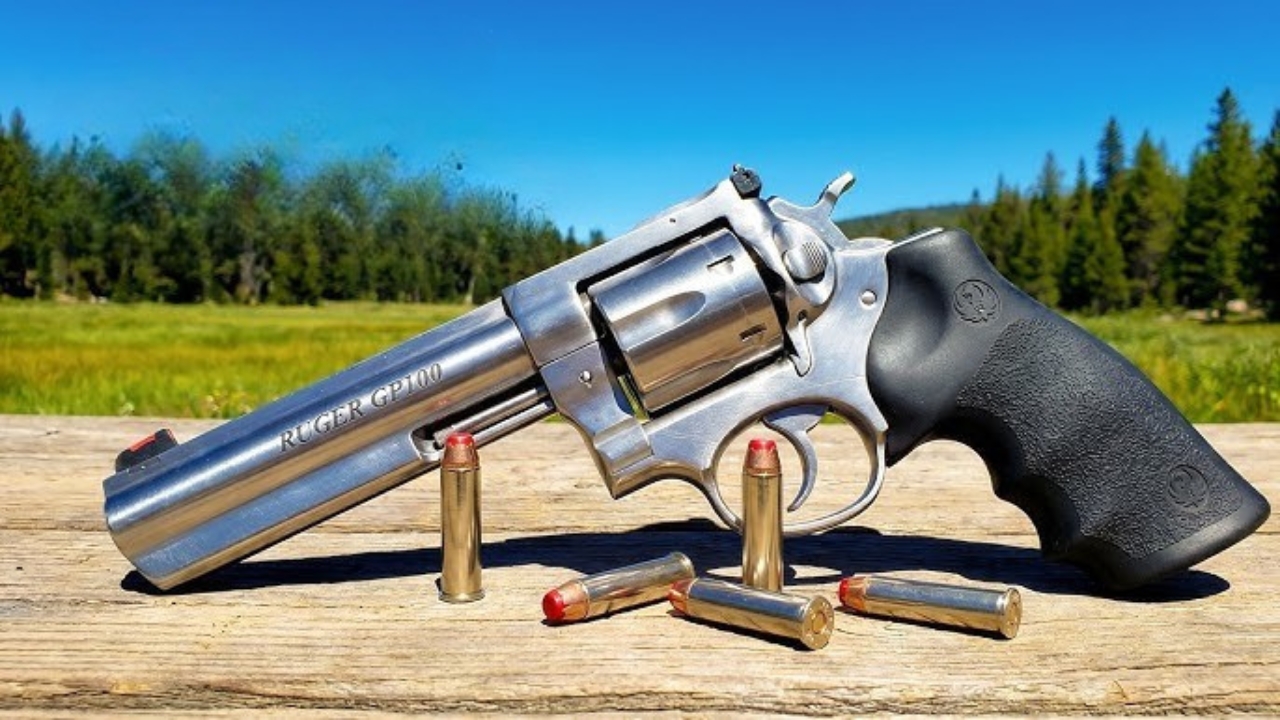
If you want a revolver that feels like it was made for real use, the GP100 is it. It’s not dainty, and it’s not trying to win a beauty contest. It’s built stout, it handles full-power .357 without complaining, and it’s easy to live with.
Some newer revolvers go lighter to sell a carry story, then beat you up when you actually shoot them. The GP100 is the opposite: carryable enough, shootable all day.
13. Smith & Wesson Model 686
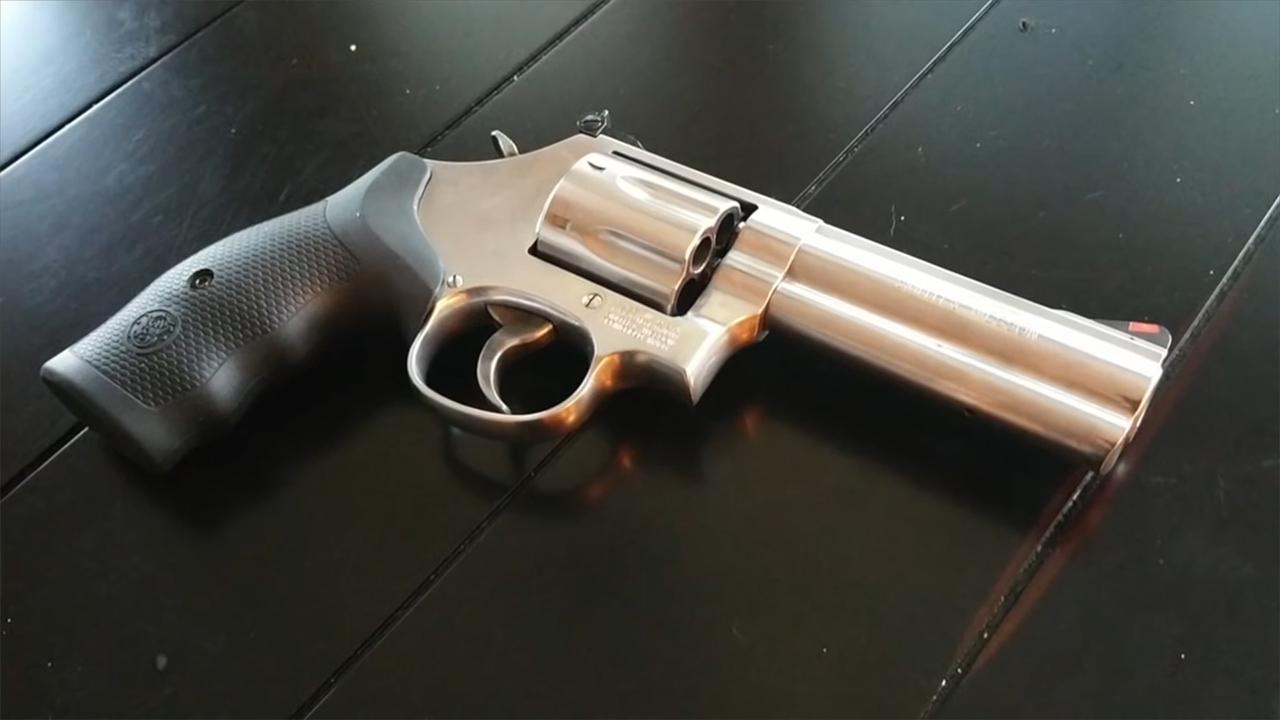
The 686 is one of those guns that just does everything well. Balance is good, triggers are usually solid, and it’s a revolver you can shoot accurately without having to fight it. For a lot of folks, it’s the “one .357” they should’ve bought first.
Newer handguns may give you more rounds, but they don’t give you that same simple confidence. A 686 with a good holster still makes sense for woods carry and range work.
14. Colt 1911 Government Model

Yes, 1911s can be picky, and yes, you can spend silly money chasing perfection. Still, a good Government Model points naturally, shoots flat, and has a trigger that makes a lot of modern pistols feel like staplers.
For folks who actually practice, the 1911 can still outperform newer guns where it counts: first-shot accuracy and controllability. It’s not for everyone, but it’s not obsolete either.
15. Browning Hi-Power
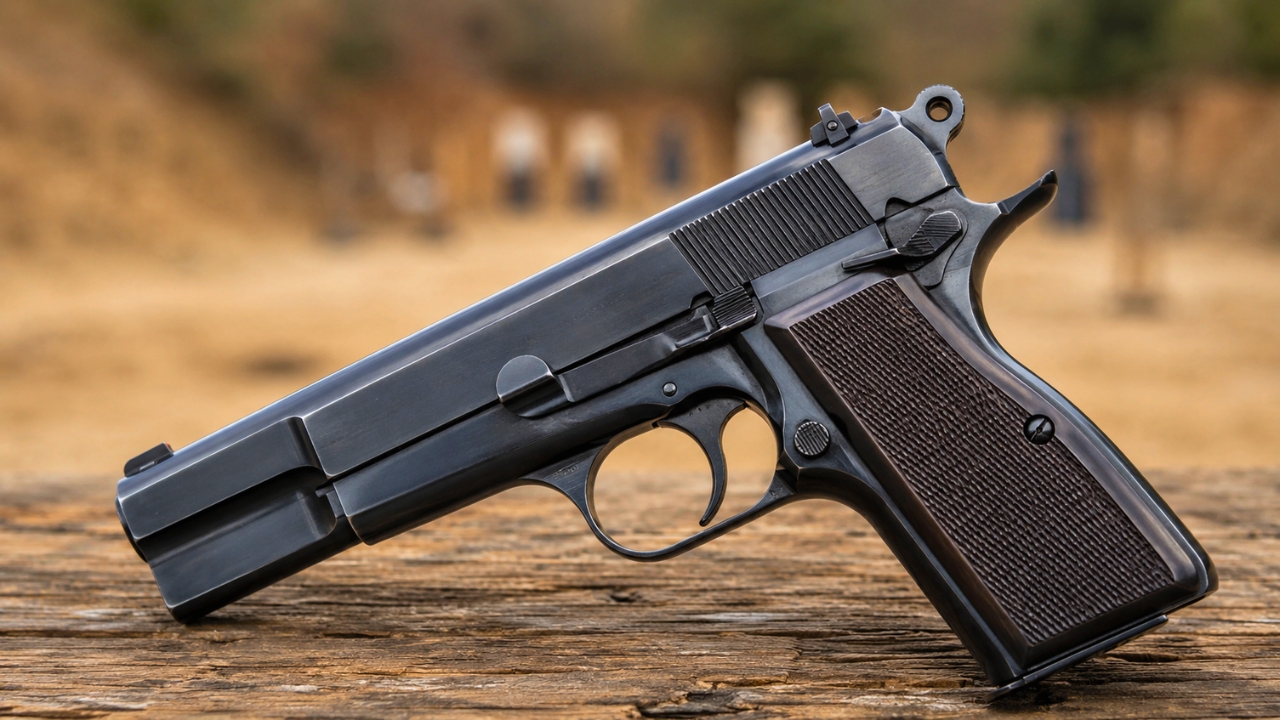
The Hi-Power is one of those pistols that just feels right in the hand. Slim, balanced, and easy to shoot well. If you’ve only handled chunky double-stacks, the Hi-Power can be a surprise.
Modern striker guns are efficient, but a Hi-Power has manners. It carries flatter than many newer pistols and shoots like a full-size should. It’s an old design that still does the job without excuses.
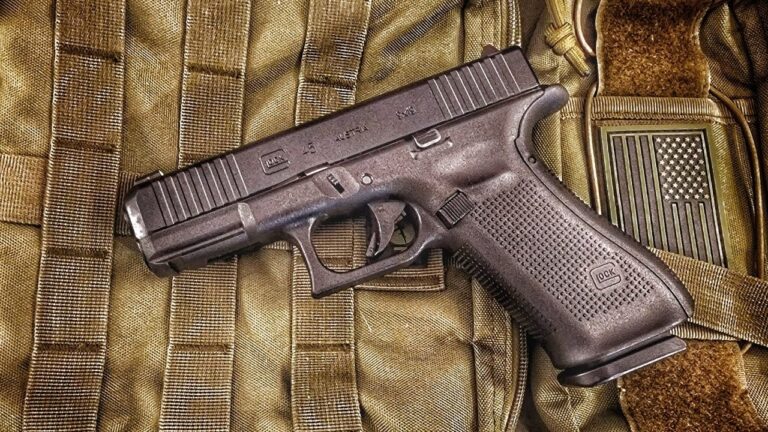
16. Glock 17 (Gen 2/Gen 3 era)
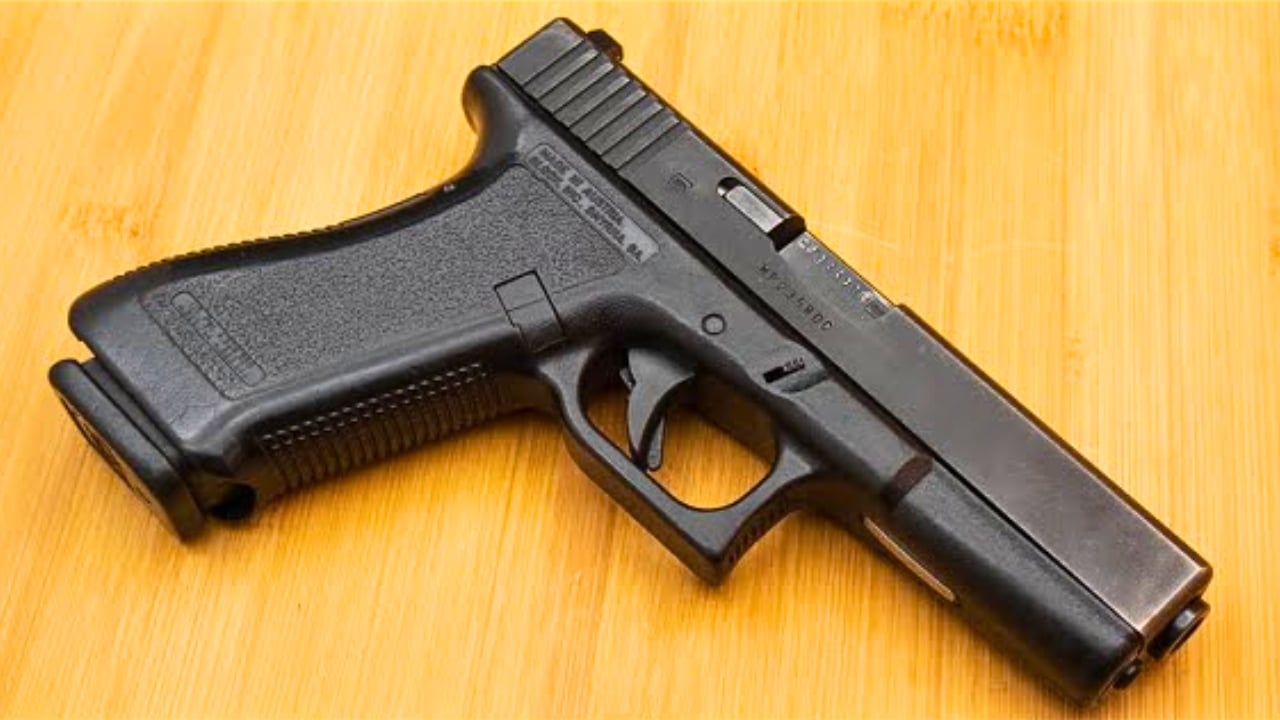
There are newer Glocks, and there are newer “Glock killers,” and there are pistols with better triggers out of the box. None of that changes the fact that an old-school Glock 17 just runs. Dirty, dry, cheap ammo, whatever.
It’s also easy to service, magazines are everywhere, and holster support is endless. If you want a boring pistol that never becomes a project, the classic G17 still outperforms a lot of modern “feature rich” guns.
17. SIG Sauer P226

The P226 is not light, and it’s not cheap. But when you shoot one that’s been broken in, it’s hard not to appreciate what a serious service pistol feels like. Recoil is smooth, accuracy is there, and reliability is usually boring in the best way.
Polymer guns have taken over, but the P226 still has a place for shooters who like a stable, forgiving platform. It’s the kind of gun you can shoot well even when you’re having an off day.
18. Beretta 92FS
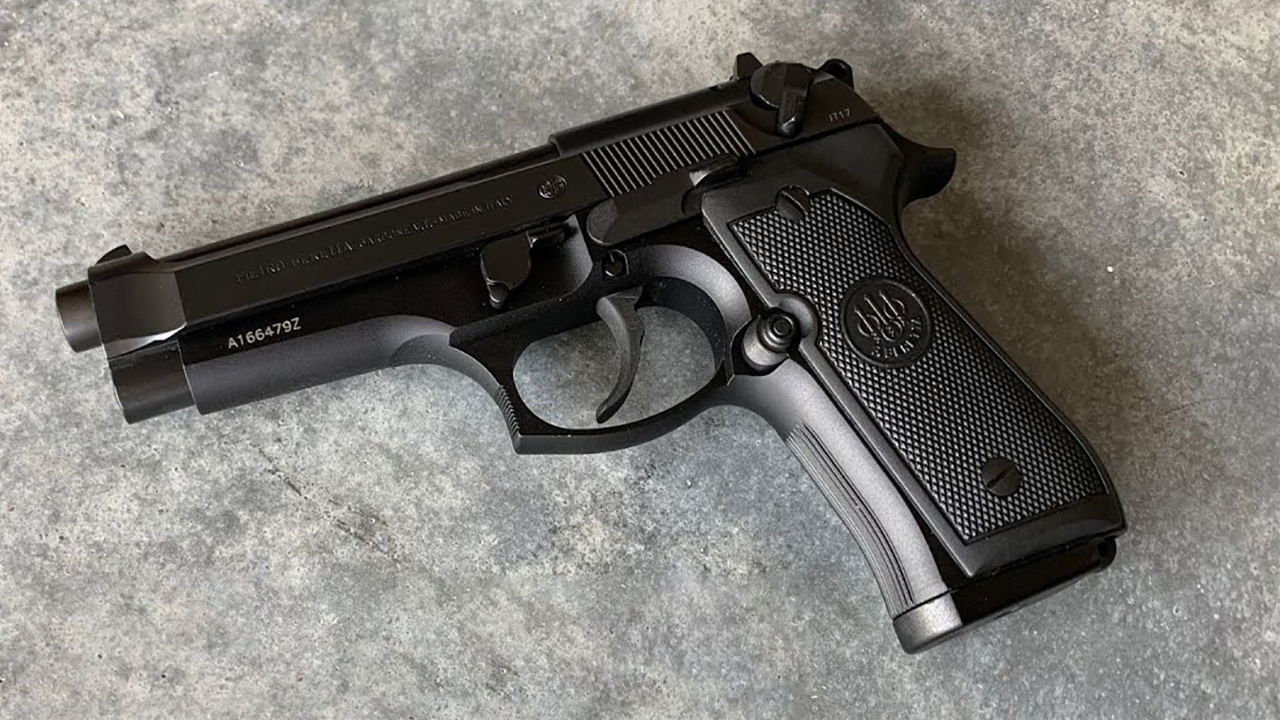
The 92FS gets called big and dated, and that’s fair. It’s also one of the softer-shooting 9mms out there, and it tends to run like a sewing machine. That open-top slide design has been proving itself for a long time.
Newer pistols might carry easier, but on the range and in training, the Beretta can make average shooters look better. If you value shootability over trends, it’s still a hammer.
19. CZ 75B
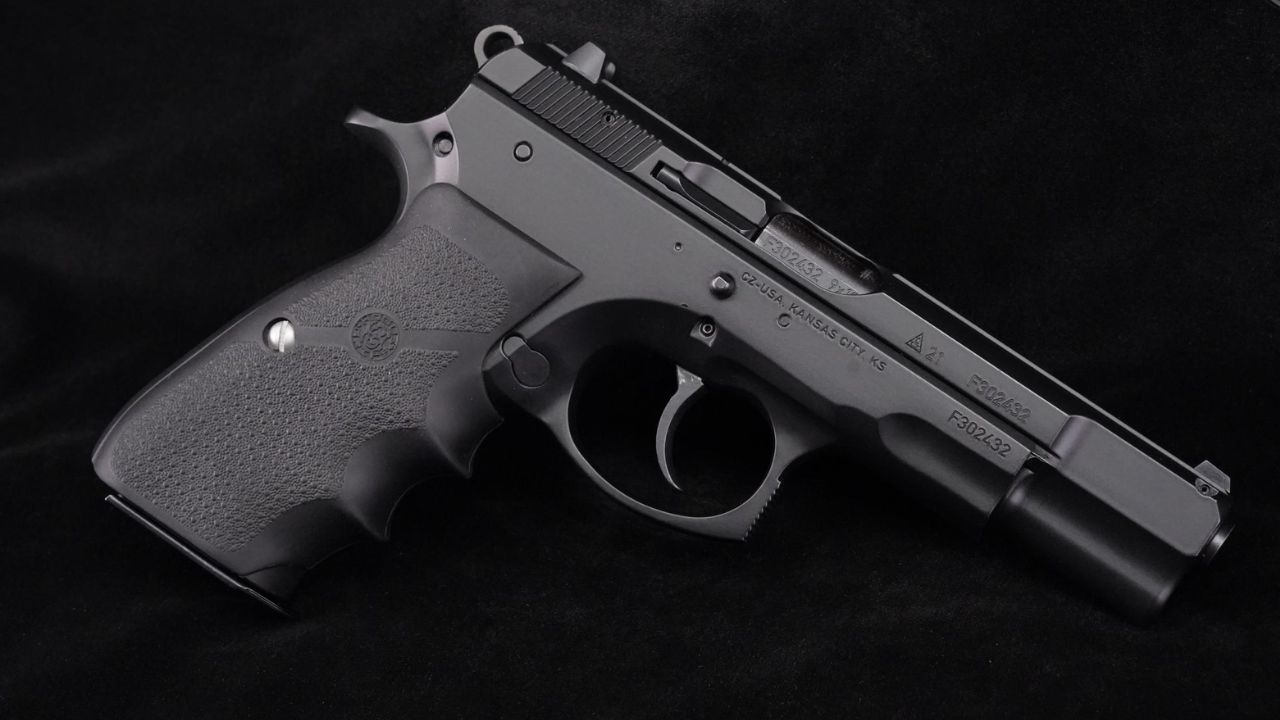
The CZ 75 family has always been a bit of a sleeper. They fit hands well, track smoothly, and have that “settles back on target” feel that’s hard to describe until you shoot one side by side with something snappier.
Lots of modern pistols are built to a price point. The CZ 75B feels like it was built to be shot. For accuracy and control, it still beats plenty of newer guns that cost more.
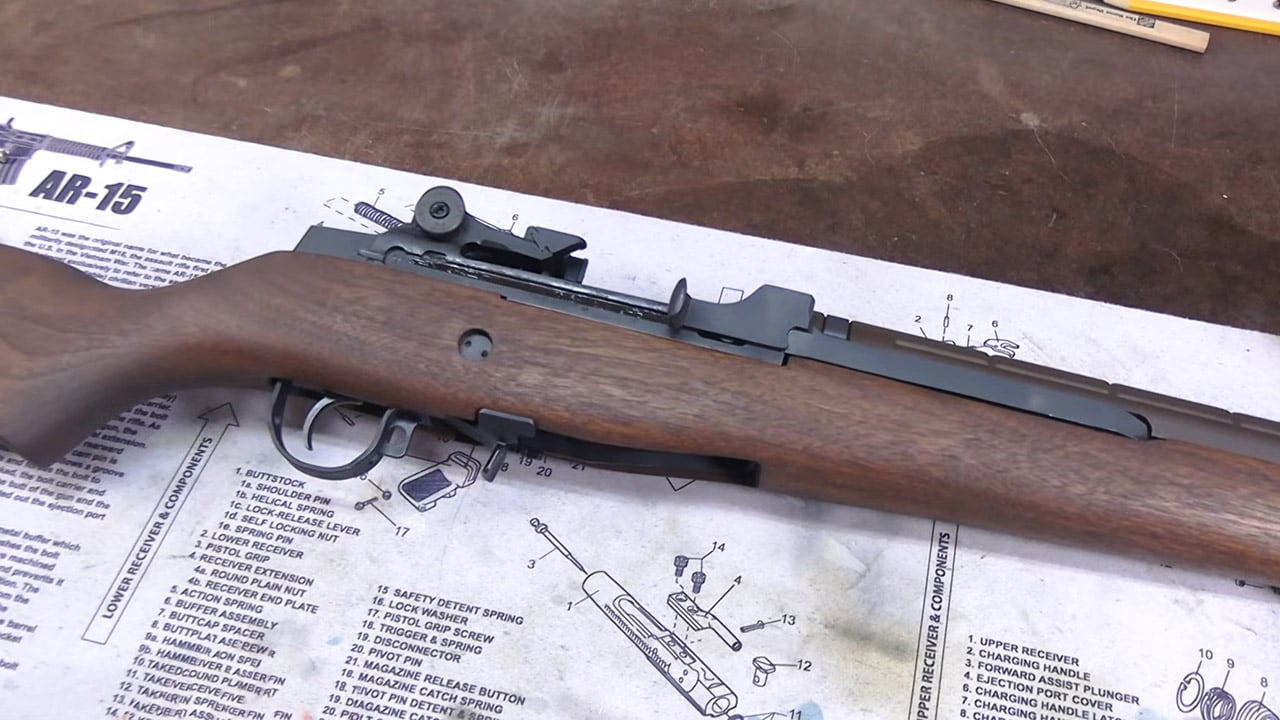
20. Springfield Armory M1A (M14-style)
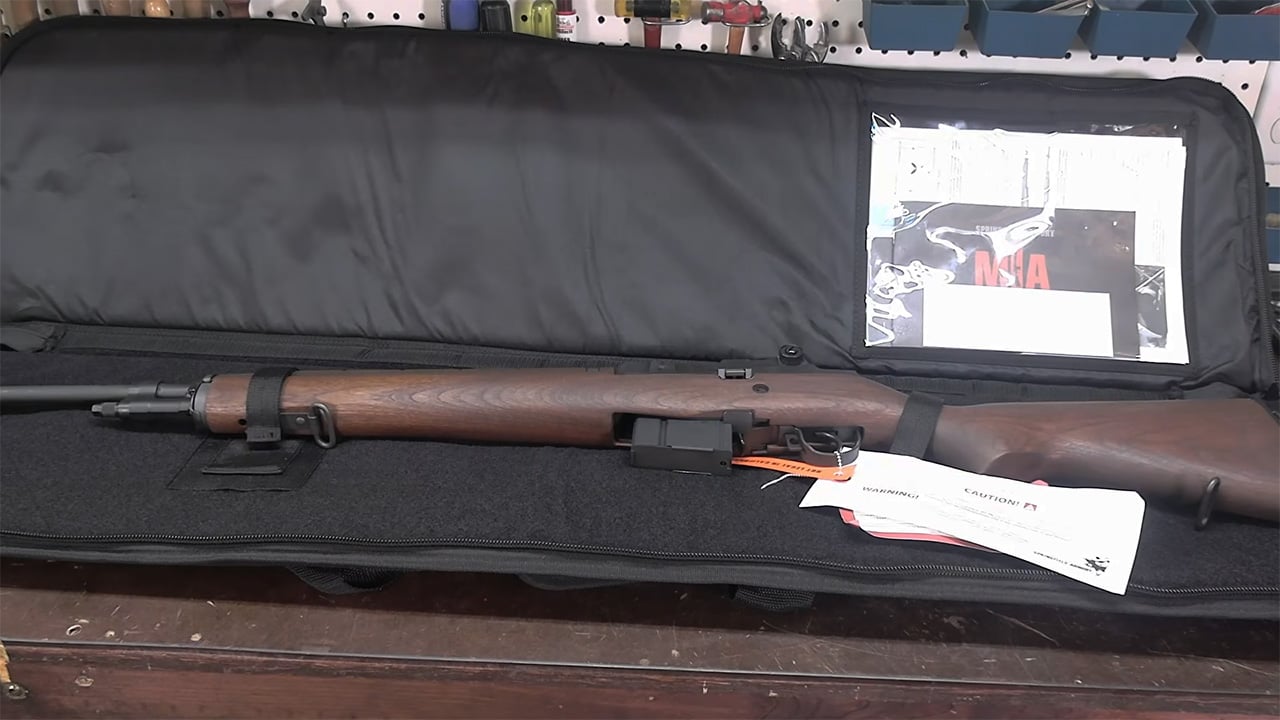
Look, the M1A is not the most efficient rifle for most people. It’s heavier than it needs to be, optics mounting can be a pain, and .308 isn’t getting any cheaper. But when you want a rifle that hits hard, feels steady, and runs with a simple manual of arms, it still has teeth.
Newer .308 rifles can be lighter and more modular, but the M1A has a certain rugged reliability and “real rifle” handling that keeps it in safes for decades. It’s not trendy. It’s just good.
The pattern with most of these isn’t magic steel or secret engineering. It’s that they were built around doing a job with as little drama as possible, and enough of them have survived enough seasons to prove it. If you’ve got one of these classics sitting in the safe, don’t be too quick to trade it off just because something newer looks cooler under fluorescent gun-counter lights. Ask me how I know.
Like The Avid Outdoorsman’s content? Be sure to follow us.
Here’s more from us: