Photo credit: All Outdoors/YouTube
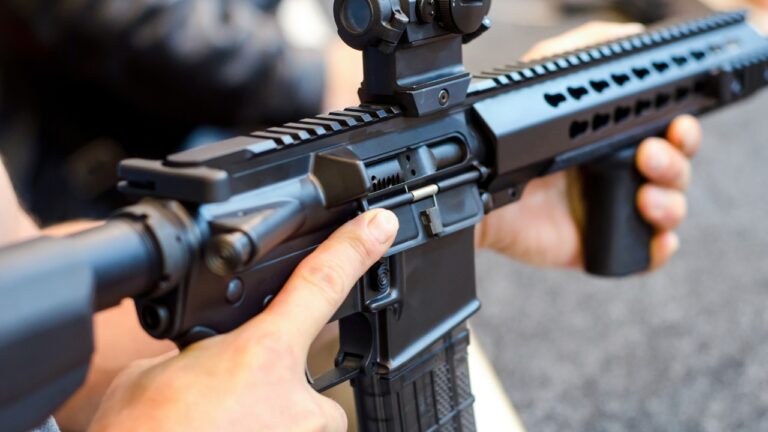
Modern handguns can do things older pistols never could. Optics cuts, modular chassis systems, interchangeable grip panels, compensators, accessory rails, and increasingly complex trigger systems have all become normal.
There is still something appealing about a handgun that asks very little from the owner. Load it, understand a few basic controls, and shoot it. These 20 classic handguns came from an era when manufacturers often relied more on straightforward mechanical design than endless customization. They may lack modern features, but their simplicity can make today’s pistols feel unnecessarily complicated.
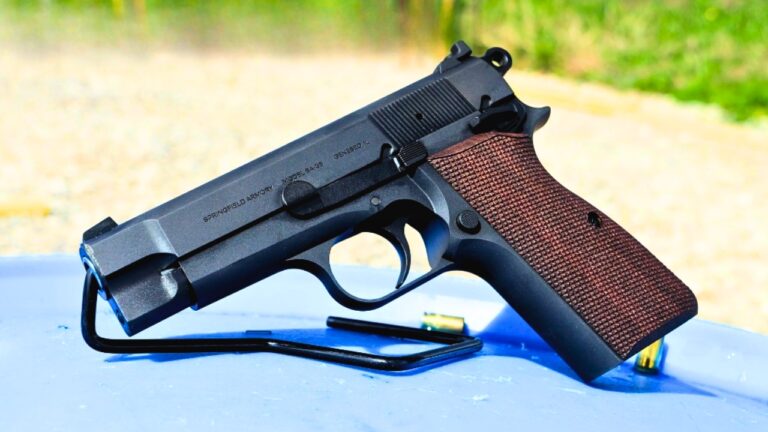
Colt Government Model 1911

The classic Government Model does not need a removable chassis, interchangeable grip modules, or a dozen optic plates to make sense. You have a single-action trigger, thumb safety, grip safety, slide stop, and magazine release.
That is essentially the whole conversation. The pistol requires training because it is intended to be carried cocked and locked, but the controls are extremely direct once learned. The 5-inch steel frame also makes the gun easy to shoot well. Modern pistols may give you more capacity and easier optics mounting, but few feel as mechanically straightforward as a traditional Government Model.
Smith & Wesson Model 10
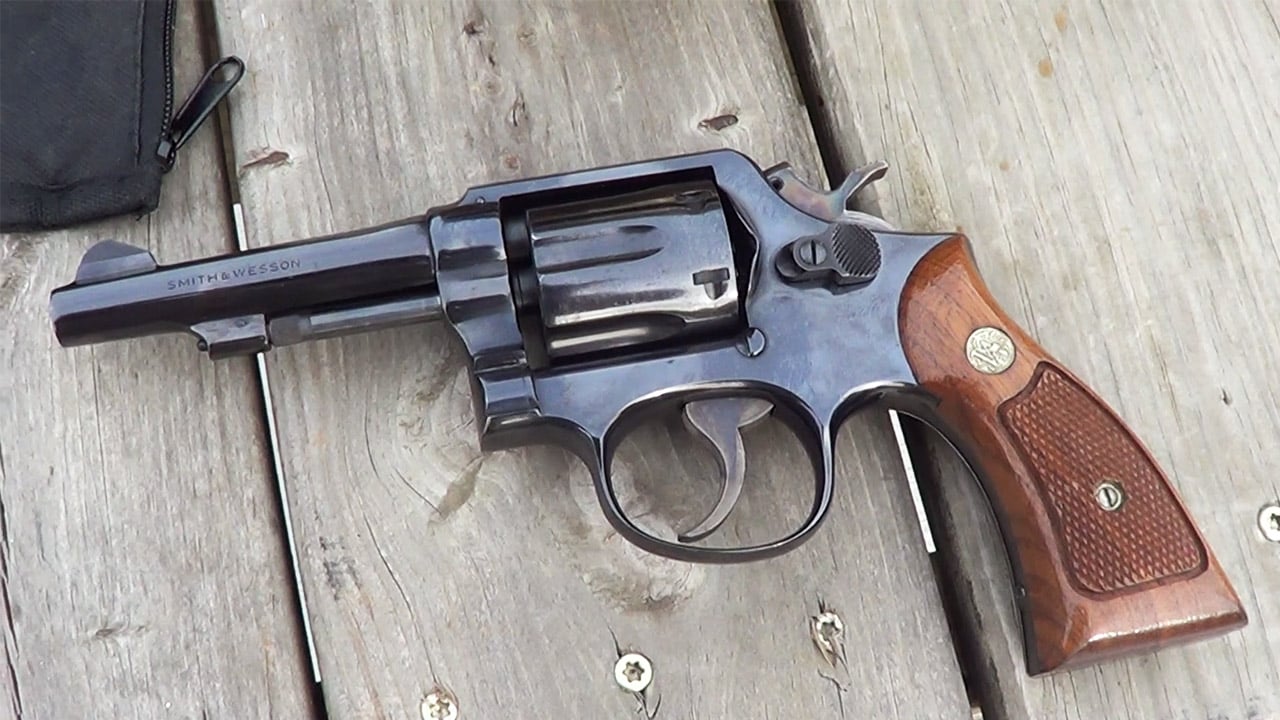
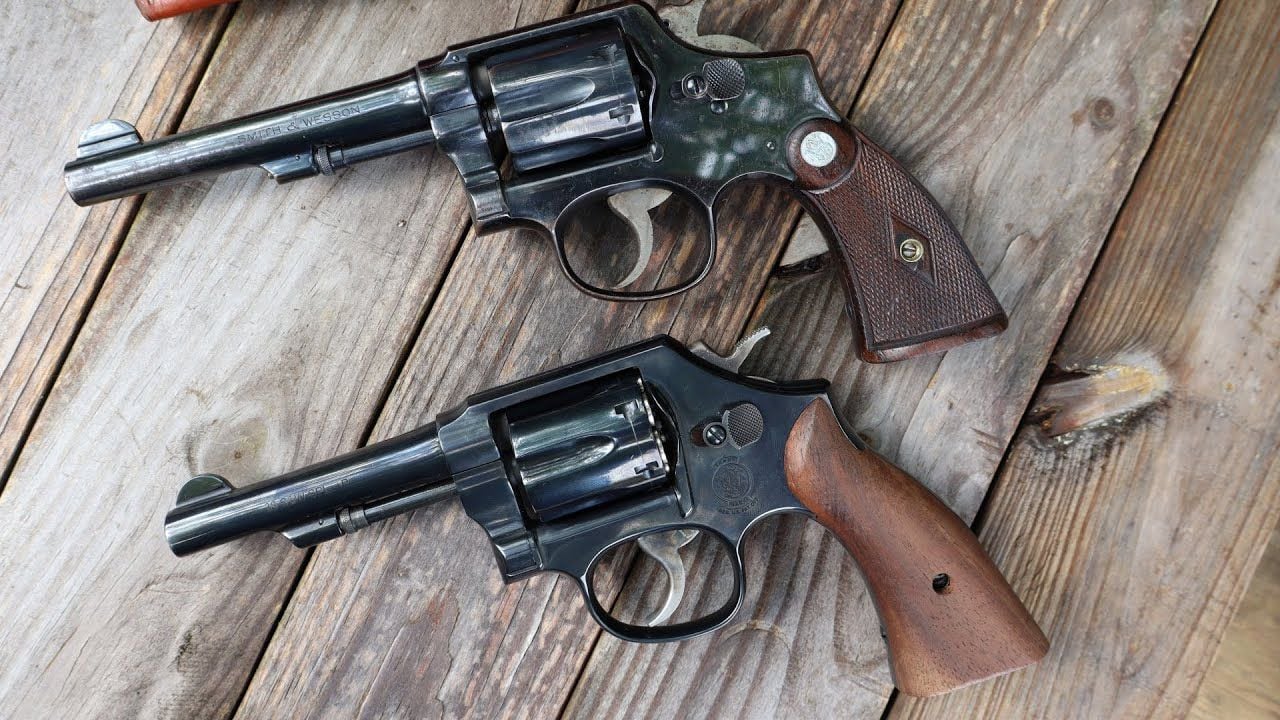
The Model 10 may be one of the simplest serious defensive handguns ever made. Open the cylinder, load six rounds, close it, and pull the trigger.
There are no magazines to tune, safeties to manipulate, optic batteries to monitor, or grip modules to select. The fixed sights and .38 Special chambering keep the entire package focused on basic revolver shooting. Capacity is obviously limited compared with modern semiautomatics, but the Model 10 demonstrates how little equipment a dependable handgun actually needs.
Colt Official Police
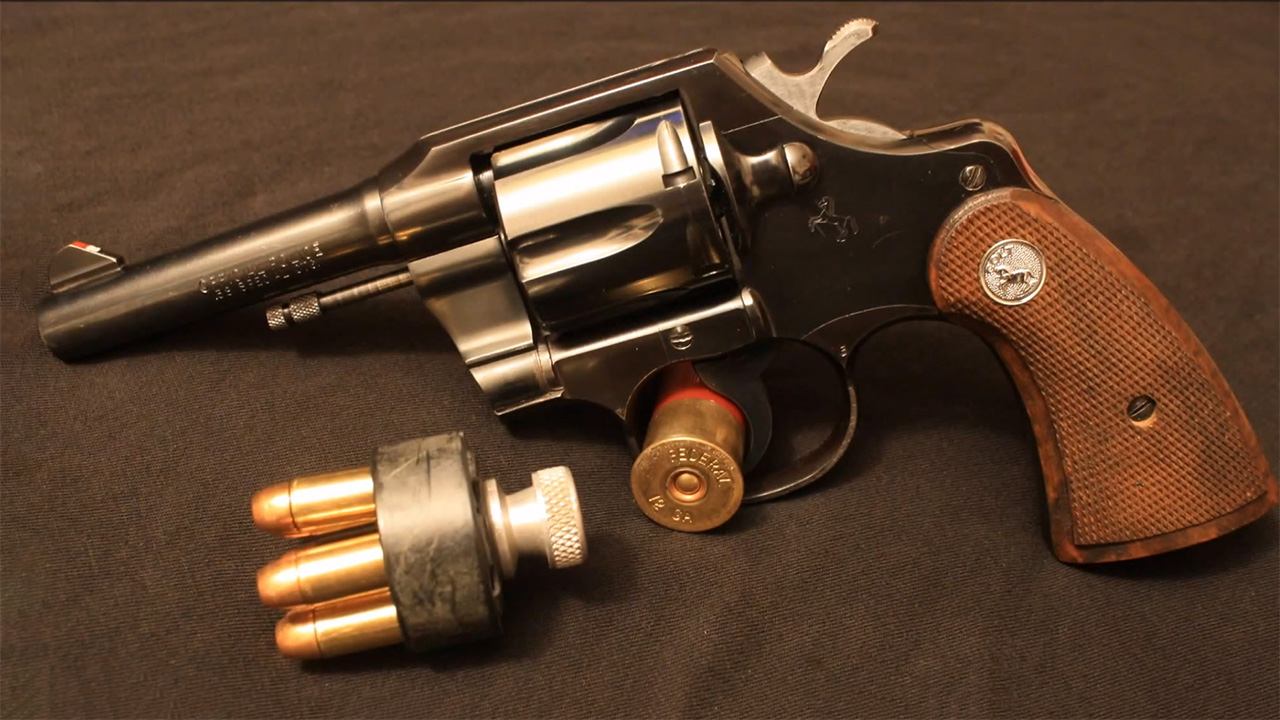
The Official Police was built around the idea that a service revolver should be sturdy, straightforward, and easy to operate under stress.
You get a six-shot cylinder, fixed sights, a conventional double-action trigger, and very little else to distract from shooting. It lacks the modularity and accessory support expected from modern duty pistols, but that is part of the charm. Everything on the gun exists because it needs to be there. Owners do not spend hours deciding which backstrap or optic plate configuration works best.
Ruger Blackhawk
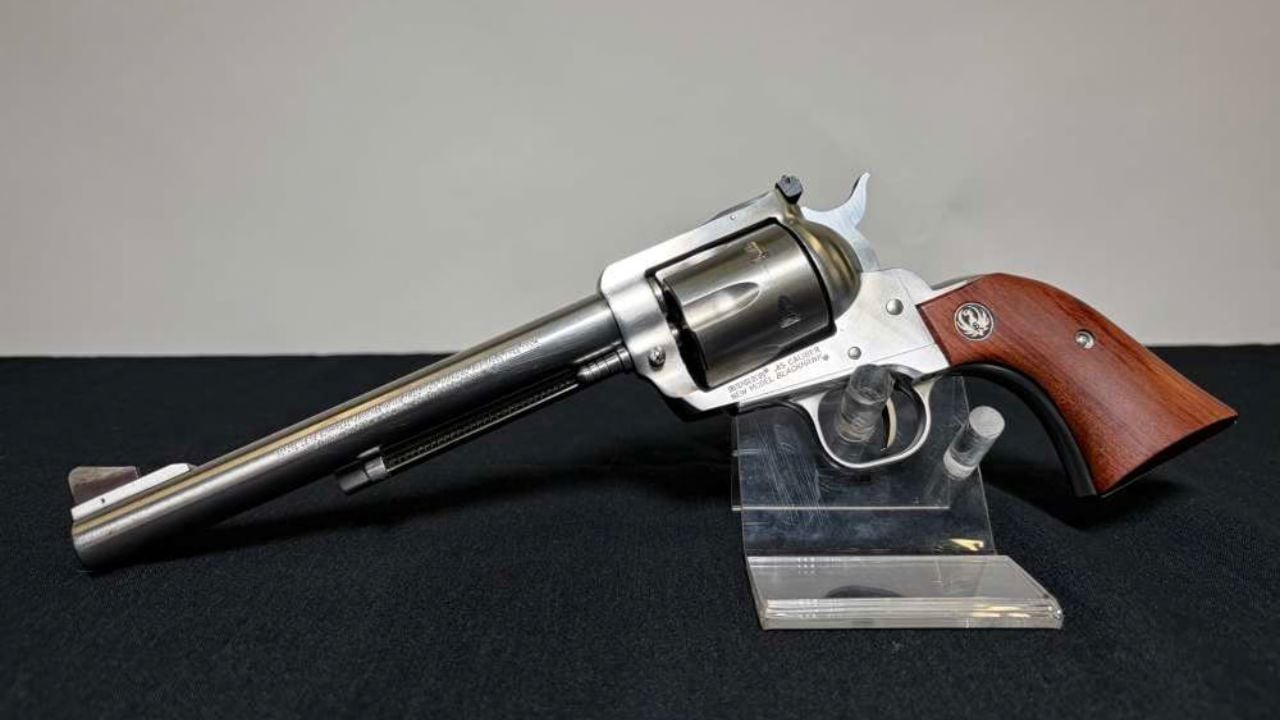
The Blackhawk takes simplicity even further by using a single-action revolver layout. Load the cylinder, cock the hammer, and fire.
There is very little mechanical interaction required from the shooter beyond understanding the loading procedure. The design is strong, reliable, and capable of handling serious cartridges without covering the gun in controls. Compared with a modern optics-ready semiautomatic covered in levers and plates, the Blackhawk feels almost prehistoric. That does not stop it from being extremely effective at what it was designed to do.
Smith & Wesson Model 14
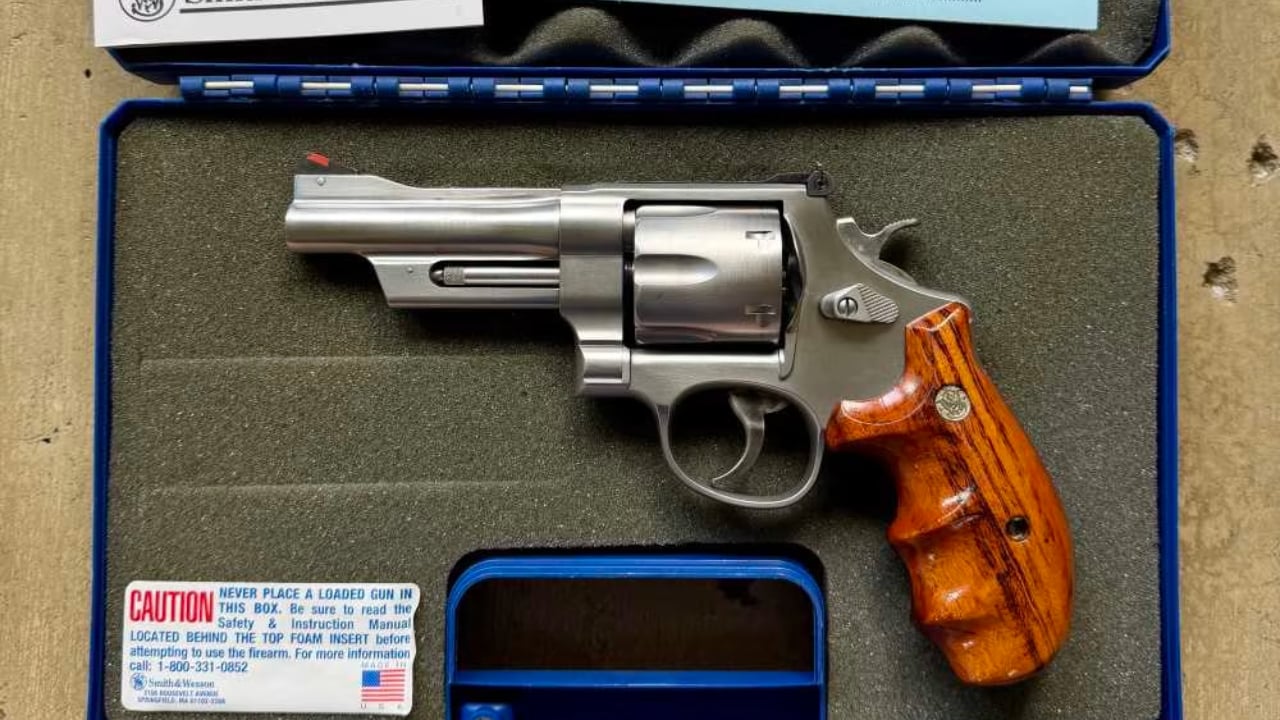
The Model 14 was built around accurate .38 Special shooting rather than trying to perform six different roles at once. Its adjustable sights, long barrel, and excellent double-action trigger give the shooter everything needed for deliberate target work.
There is no accessory rail or mounting system because none is required. The gun’s entire design pushes the shooter toward mastering the trigger and sights already attached to it. Modern target pistols can become platforms for optics, weights, grip systems, and electronic accessories. The Model 14 reminds you how much can be accomplished with steel sights and a good trigger.
Colt Police Positive Special
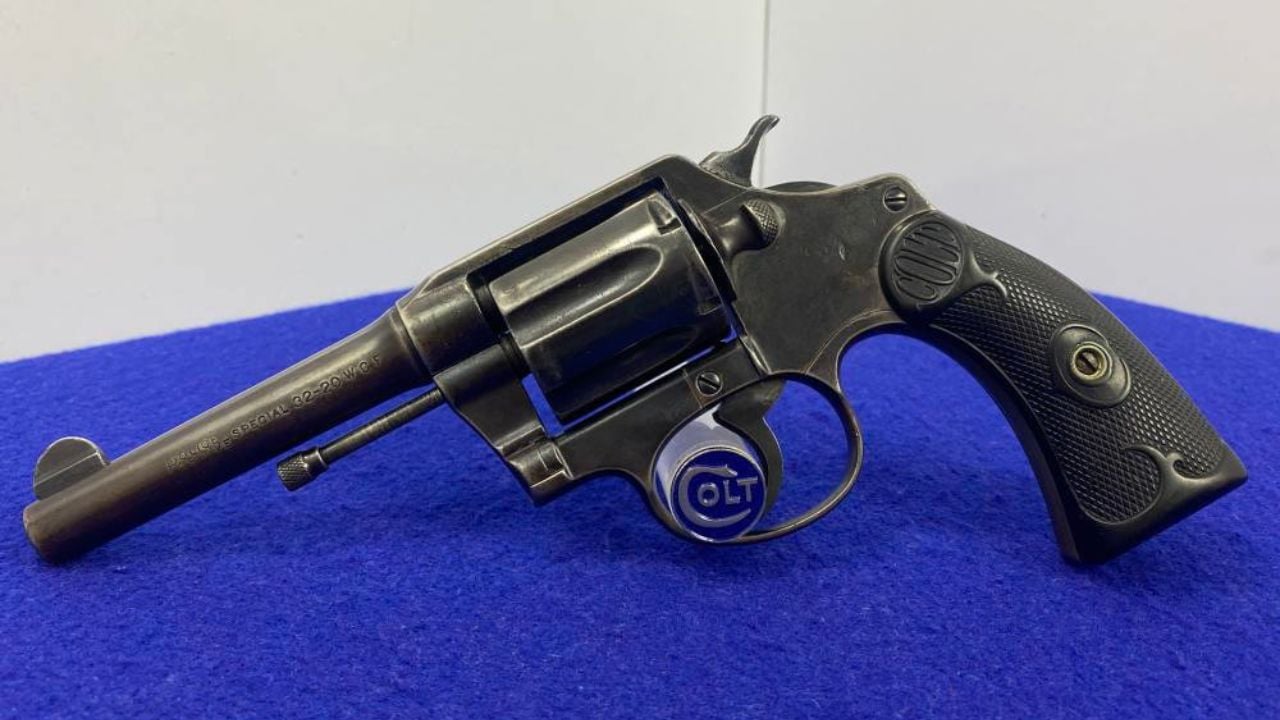
The Police Positive Special was compact enough for carry while remaining extremely simple mechanically. It gave owners six rounds, fixed sights, and a traditional double-action trigger in a relatively trim package.
There was no need to select magazine extensions or wonder whether a particular optic footprint would fit. The gun was purchased as a complete tool rather than a starting point for modification. That simplicity has aged well. It may not compete with modern carry pistols on capacity, but it certainly requires less thought to keep operational.
Ruger Standard Pistol
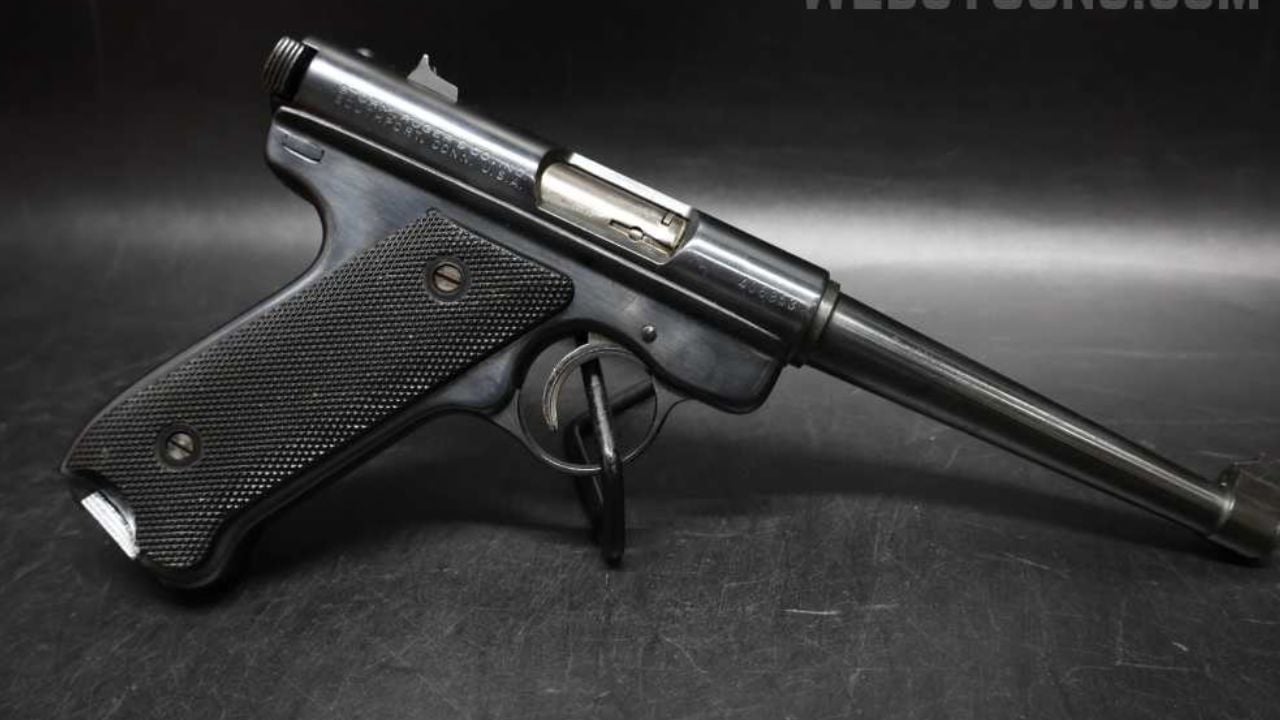
The original Ruger Standard helped build the company because it gave shooters an affordable, accurate .22 semiautomatic without unnecessary complexity.
The controls are basic, the fixed barrel contributes to accuracy, and the pistol exists almost entirely to send .22 LR accurately downrange. Later Ruger Mark pistols gained more features and eventually much easier takedown, but the early Standard remains appealing because it does not pretend to be anything beyond a rimfire pistol. It looks almost bare compared with current optics-ready tactical .22s.
High Standard Sport King
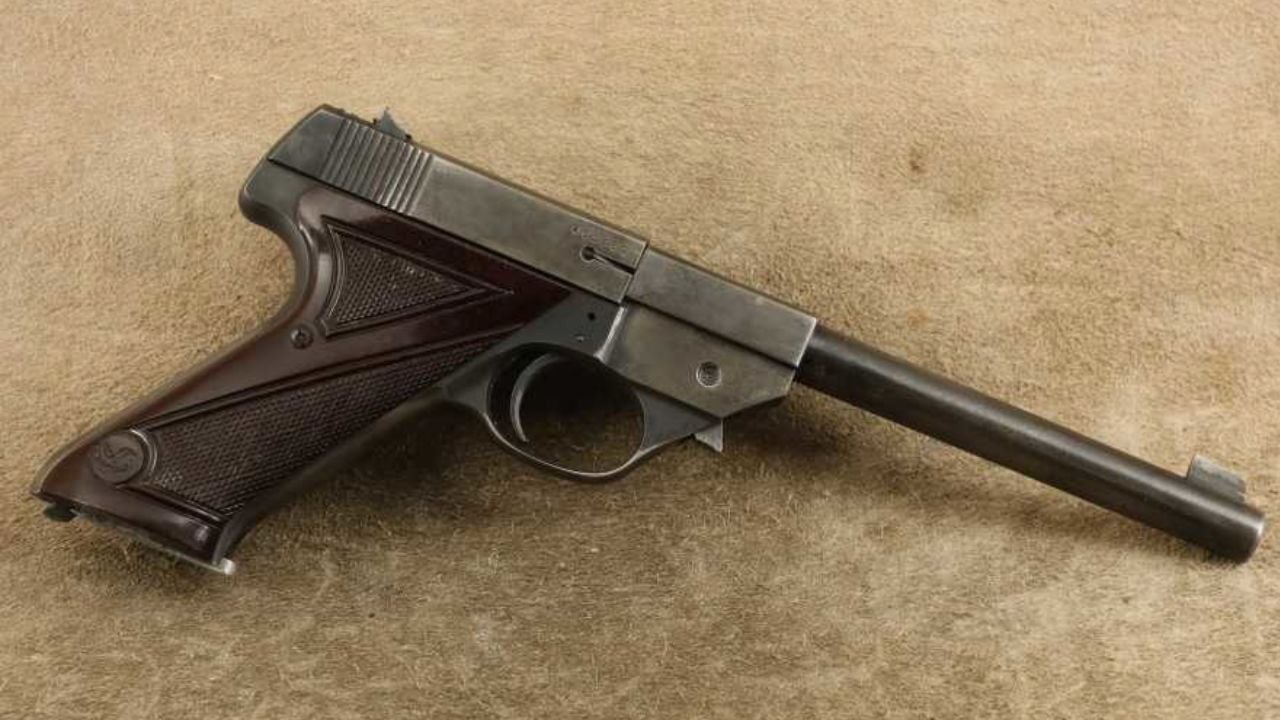
The Sport King came from an era when a rimfire pistol could simply be built around accuracy, balance, and a good trigger.
There is no modular fire-control unit or interchangeable grip system to study. You load the magazine, line up the sights, and shoot. The pistol’s clean shape and uncomplicated controls make many newer rimfires look overly busy by comparison. Owners bought these guns to shoot them rather than to spend months deciding how they should be configured.
Colt Challenger
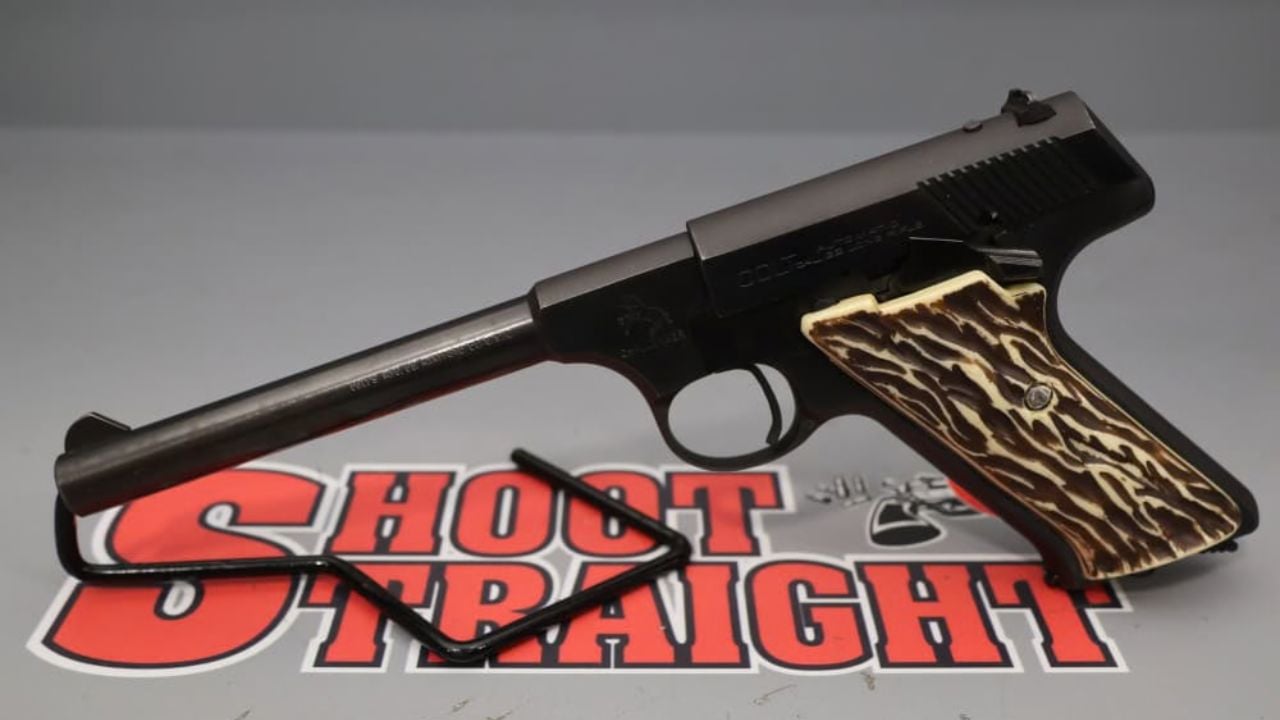
The Challenger was intended as a more affordable alternative to Colt’s higher-end rimfire pistols, but it retained the straightforward operation that made those guns enjoyable.
Everything about it feels purposeful. The fixed barrel, traditional sights, and uncomplicated controls give the shooter very little to think about besides marksmanship. It does not need threaded barrels, accessory rails, or removable optic plates to be useful. For informal shooting, the simplicity can be more enjoyable than endlessly configuring a modern rimfire.
Smith & Wesson Model 28 Highway Patrolman
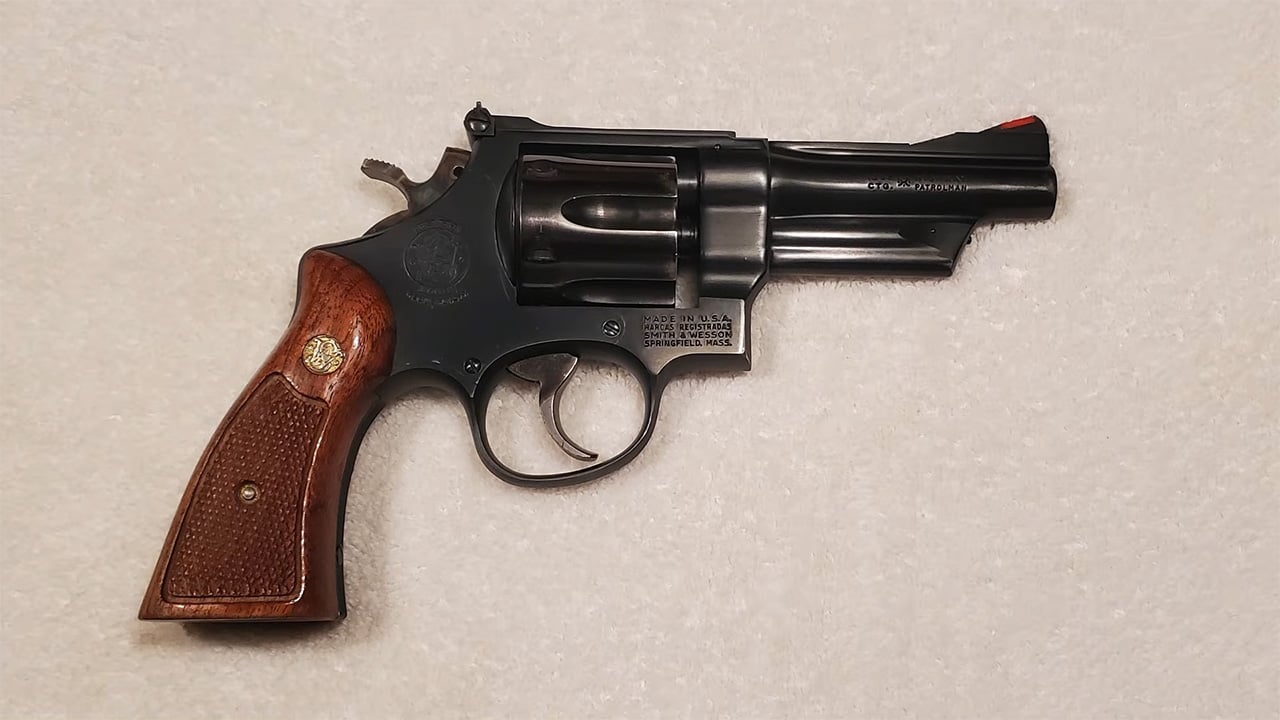
The Model 28 stripped some of the cosmetic refinement from the Model 27 while keeping the strong N-frame action and .357 Magnum chambering.
That made it an especially honest working revolver. Adjustable sights and a big frame were about as complicated as things got. You did not have multiple trigger modes, interchangeable grip shells, or electronic sights competing for attention. The Highway Patrolman gives you a powerful cartridge, strong action, and conventional revolver controls without pretending the gun needs anything else.
Colt New Service

The New Service is large, heavy, and mechanically straightforward. It was chambered in serious cartridges and relied on a conventional double-action revolver system rather than complicated user interfaces.
The controls are nearly impossible to misunderstand. Open cylinder, load ammunition, close cylinder, and shoot. That simplicity mattered in a period when these guns could be carried by soldiers, police officers, or outdoorsmen. Modern large-frame pistols may offer more capacity and accessories, but very few make their purpose this obvious.
Smith & Wesson Model 64
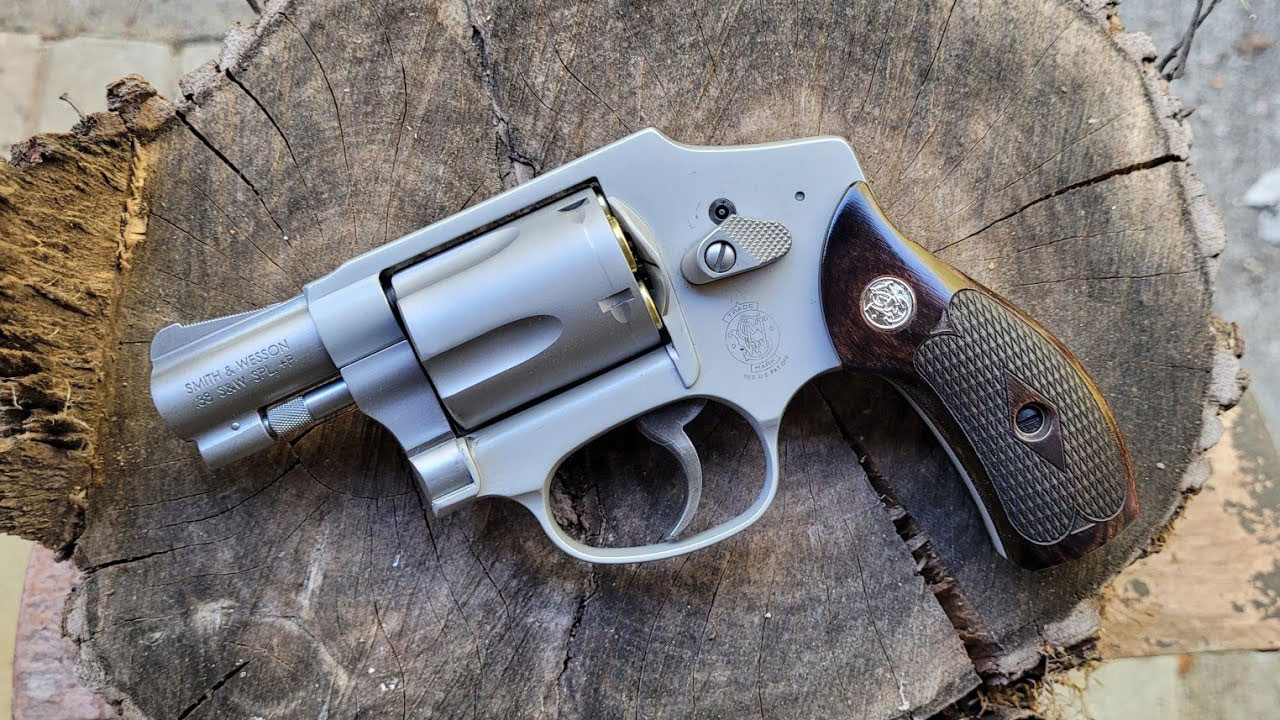
The Model 64 is essentially stainless-steel practicality distilled into revolver form. Fixed sights, .38 Special chambering, and a rugged K-frame made it a natural working gun.
It does not ask the owner to customize anything. There is no mounting plate to loosen, no magazine base pad to crack, and no battery to replace. Even the stainless finish reduces concern about ordinary wear. Modern defensive pistols outperform it in capacity, but the Model 64 wins easily when the question is how little equipment the owner has to manage.
Colt Frontier Scout
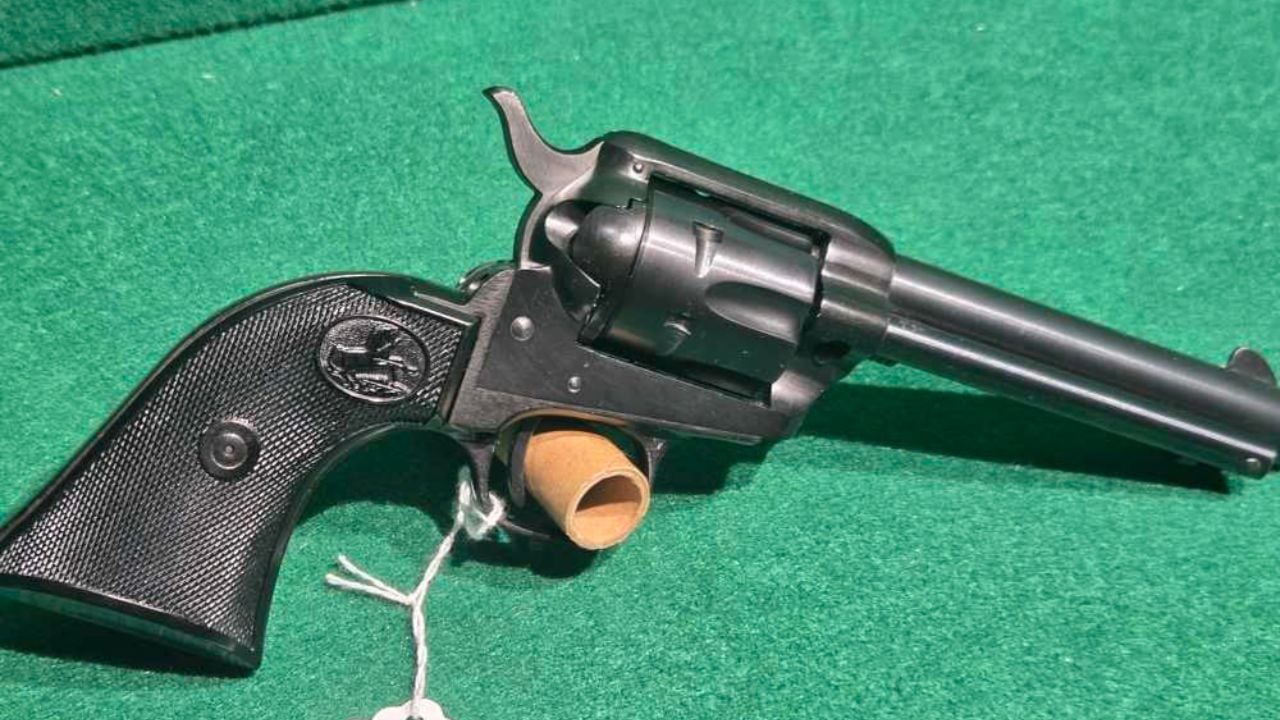
The Frontier Scout gives you the traditional single-action revolver experience in a lightweight rimfire package.
Its simplicity is almost refreshing. Cocking the hammer rotates the cylinder, the sights are basic, and there is very little that can distract from casual shooting. The gun does not need a complicated manual because the entire operating concept is visible in the design. Compared with modern .22 pistols equipped like miniature duty guns, the Frontier Scout feels wonderfully uncomplicated.
Smith & Wesson Model 17
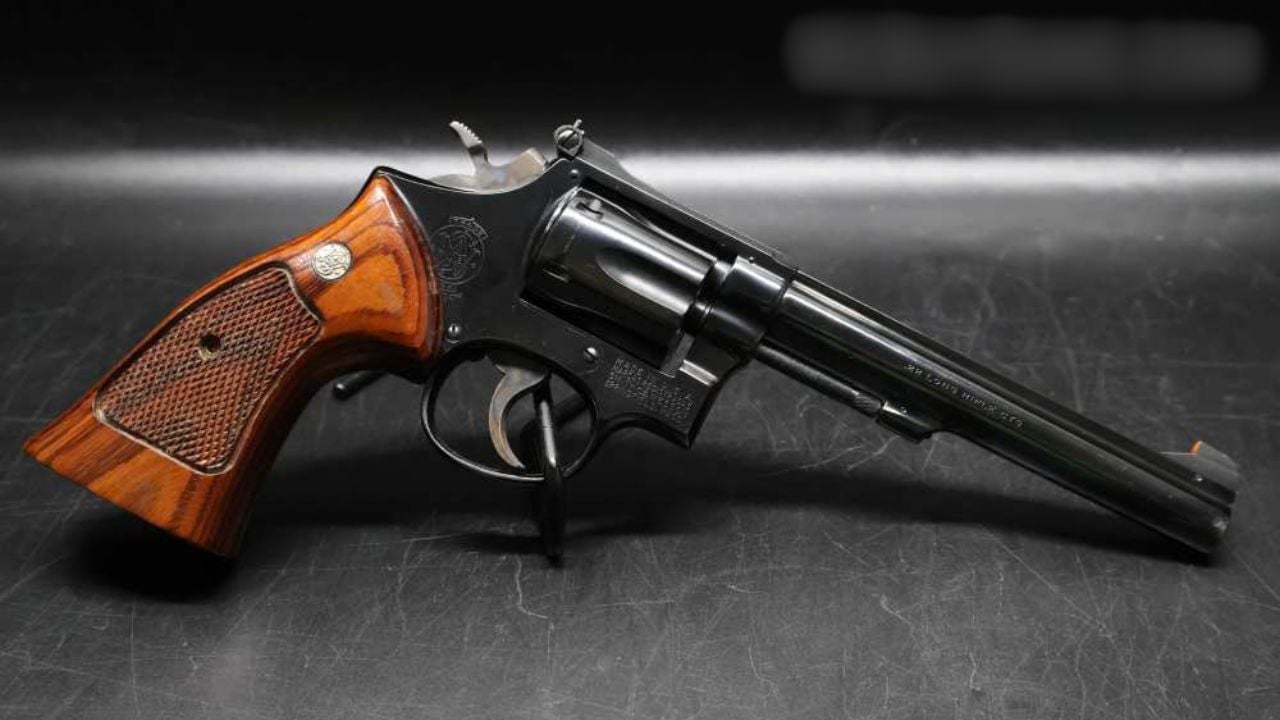
The Model 17 is a full-size .22 revolver built around quality rather than gadgetry. Its adjustable sights and excellent trigger provide everything necessary for serious rimfire shooting.
A modern shooter might immediately start thinking about optics, threaded barrels, and accessory mounting. None of that is necessary here. The Model 17 rewards basic fundamentals and good ammunition. It is heavy enough to stay steady and refined enough to remain enjoyable after thousands of rounds without needing a single accessory bolted to it.
Colt Diamondback
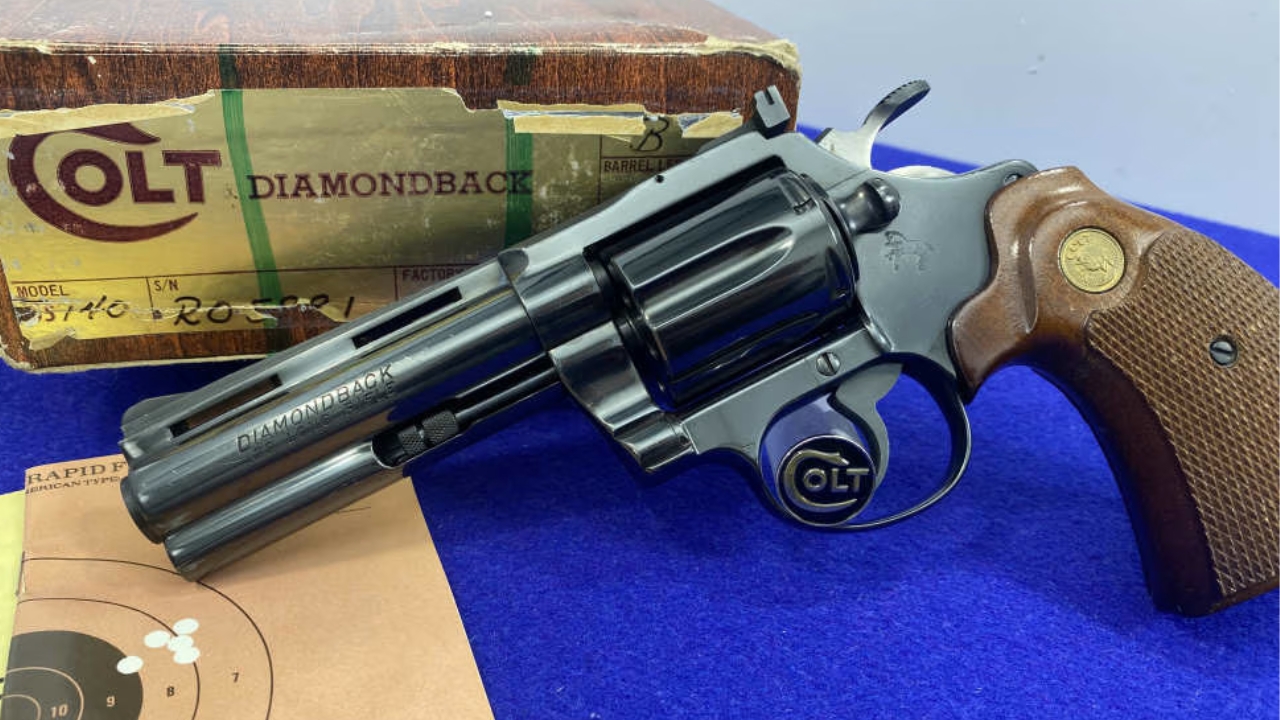
The Diamondback borrowed much of the visual appeal of larger Colt revolvers while remaining compact and manageable. Whether chambered in .22 LR or .38 Special, the design is remarkably straightforward.
The adjustable sights and exposed hammer provide all the user interaction necessary. There is no complicated feature package trying to convince the owner that the gun needs constant upgrading. The Diamondback was already complete when it left the factory, which is increasingly unusual in a market where buyers often treat a new pistol as the beginning of a build.
Ruger Single-Six
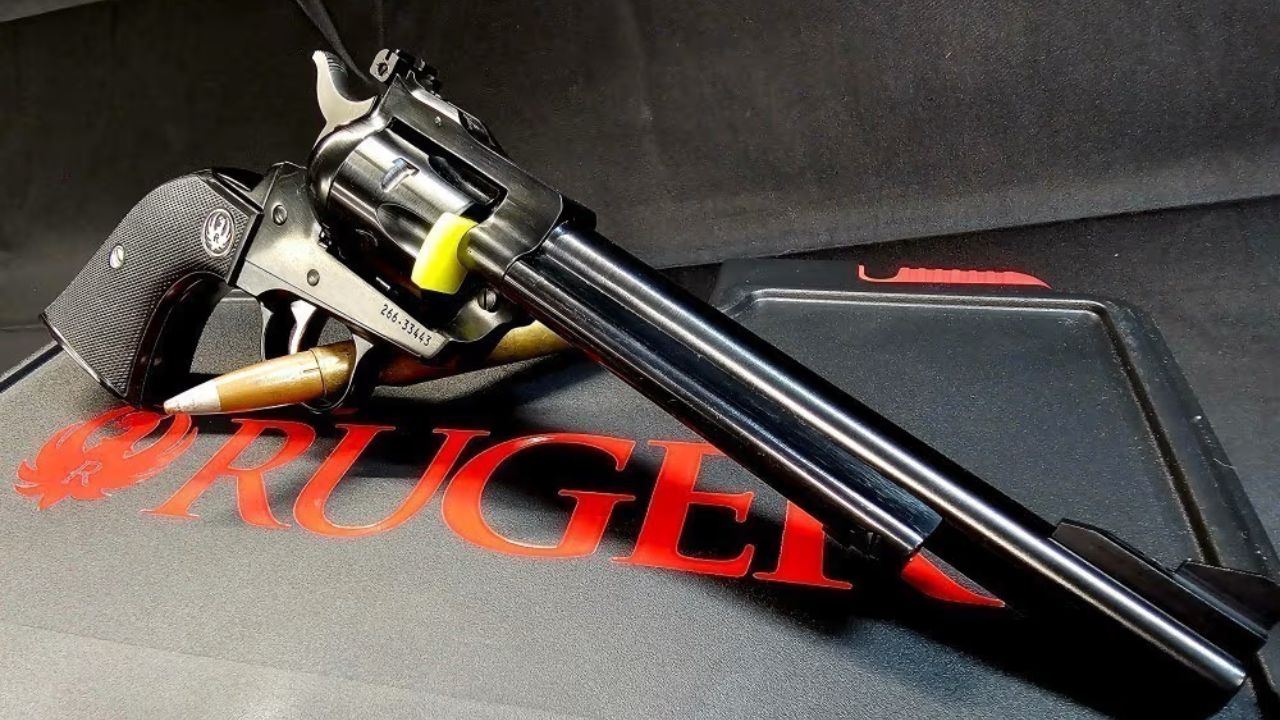
The Single-Six has stayed relevant for decades because the basic formula is so difficult to improve. It is a single-action rimfire revolver built around reliability and inexpensive shooting.
Convertible models add .22 Magnum capability with a second cylinder without making the gun mechanically complicated. That is clever versatility rather than feature overload. You can shoot cheap .22 LR all afternoon and switch cylinders when you want more power. No electronics, plates, or proprietary parts are needed.
Smith & Wesson Model 36

The Model 36 became popular because it condensed the basic revolver formula into a compact package without changing how the gun worked.
Five rounds, fixed sights, and a conventional double-action trigger are about as simple as defensive handguns get. There are obvious tradeoffs in capacity and shootability, but almost nothing about the operating system can confuse an experienced shooter. The Model 36 fits a specific job and does not pretend to be modular enough to handle every possible role.
Colt Cobra
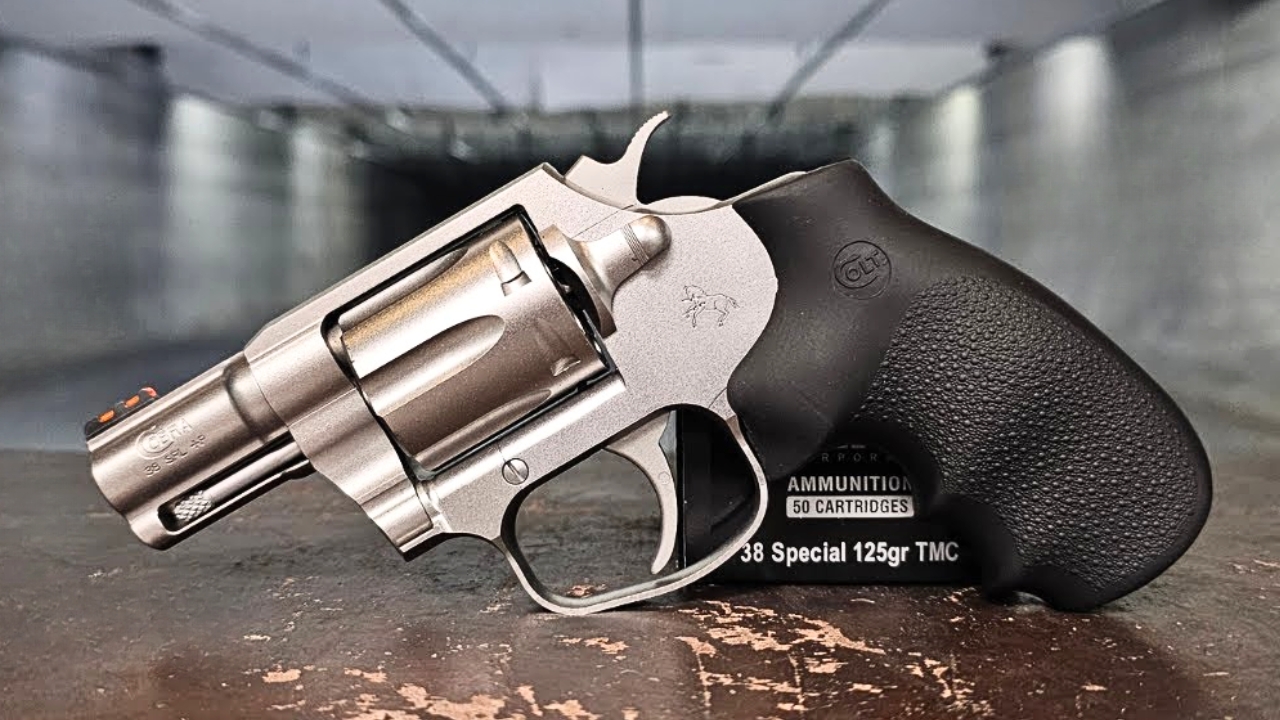
The original Cobra gave owners a lightweight carry revolver while retaining the traditional Colt double-action layout.
Its biggest feature was essentially weight reduction. That sounds almost strange today, when new carry pistols often arrive with optics cuts, accessory rails, replaceable fire-control units, and multiple magazine options. The Cobra simply tried to make a familiar revolver easier to carry. That focused design is part of why older examples still feel so clean and purposeful.
High Standard Supermatic Citation
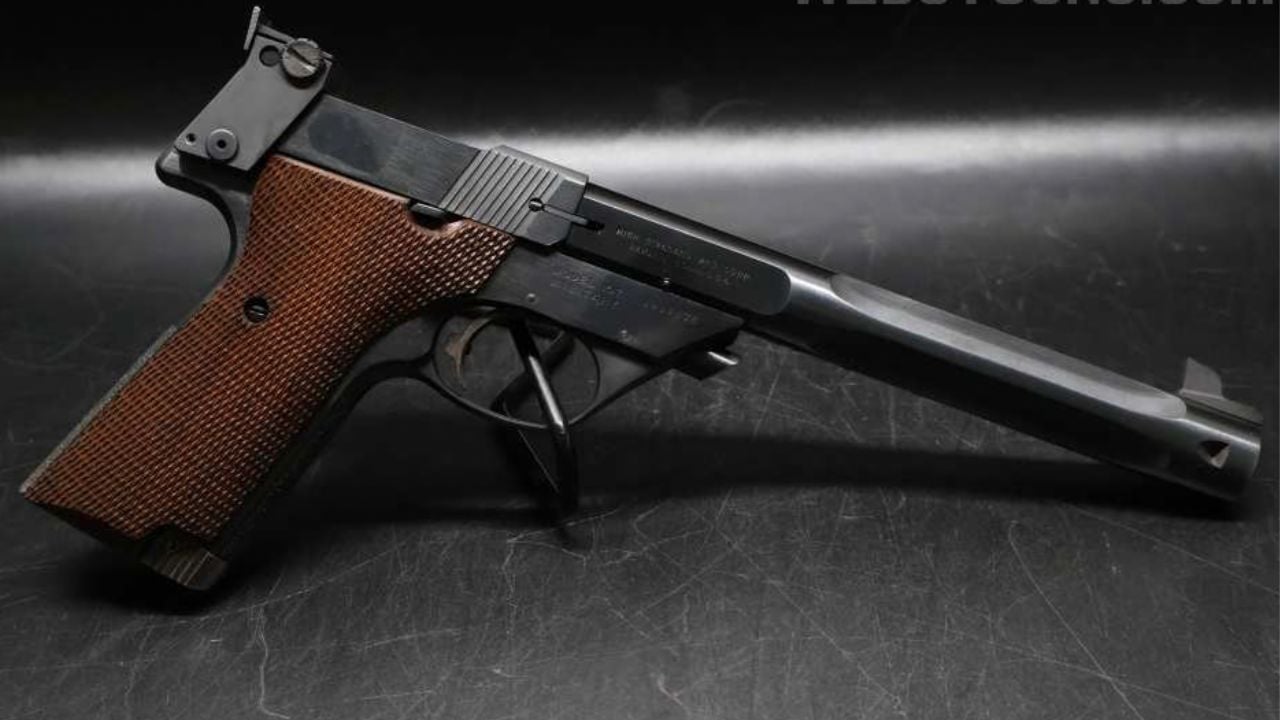
The Supermatic Citation was designed for serious target shooting, and nearly everything about it supports that one job.
The trigger, sights, barrel, and grip geometry matter because accuracy matters. Beyond that, there is very little unnecessary equipment. Modern competition pistols can become elaborate assemblies of optics, compensators, weights, and interchangeable components. The Citation shows that an accurate pistol can also be mechanically straightforward and visually clean.
Ruger Redhawk
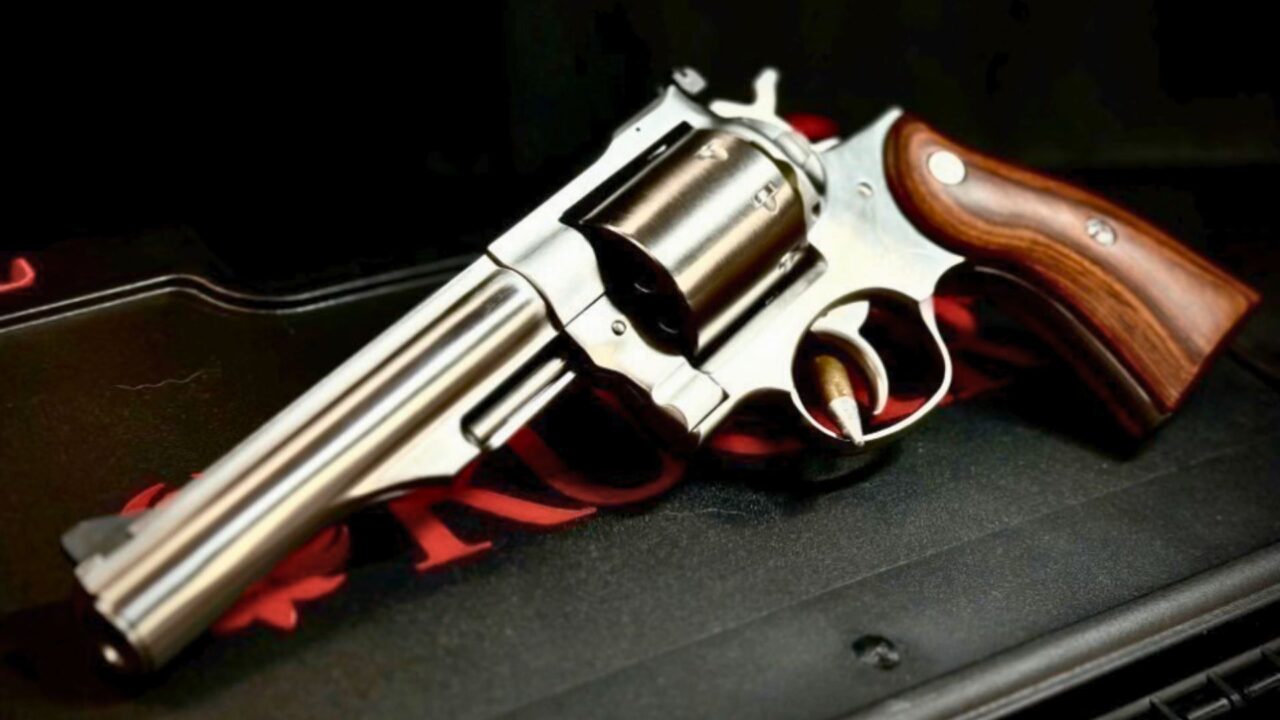
The Redhawk was built around strength. A large frame, heavy cylinder, and conventional double-action mechanism allow it to handle powerful revolver cartridges without surrounding the shooter with extra controls.
That makes it refreshingly direct. If you want to fire double-action, pull the trigger. If you want a lighter single-action shot, cock the hammer first. There is not much else to learn. The Redhawk may be oversized, but it is not overcomplicated. Modern handguns often try to solve every problem through additional features. The Redhawk mostly solves them with more steel.
Like The Avid Outdoorsman’s content? Subscribe to our newsletter so you never miss an article.
Here’s more from us: