Photo credit: Robert Nyholm/Shutterstock.com
You do not notice it all at once. One season you can walk into a little sporting goods store and grab what you need for a weekend hunt. The next season, the pegs are there, but the stuff that actually makes your hunt smoother is missing. Not the flashy new “must-have” gadgets either. I’m talking about the boring, dependable accessories you end up relying on when the weather turns, the truck breaks down, or you’ve got a tag in your pocket and no time for drama.
A lot of this comes down to manufacturing changes, brands discontinuing old workhorses, and the simple fact that hunters buy the same few items over and over when they find something that works. When those items get scarce, it’s not just annoying—it can cost you days afield. Here are 20 pieces of hunting gear I’m seeing vanish quietly, and why I’d rather have a spare in the tote than be scrambling the week before opener.
1. Butler Creek Flip-Open Scope Caps
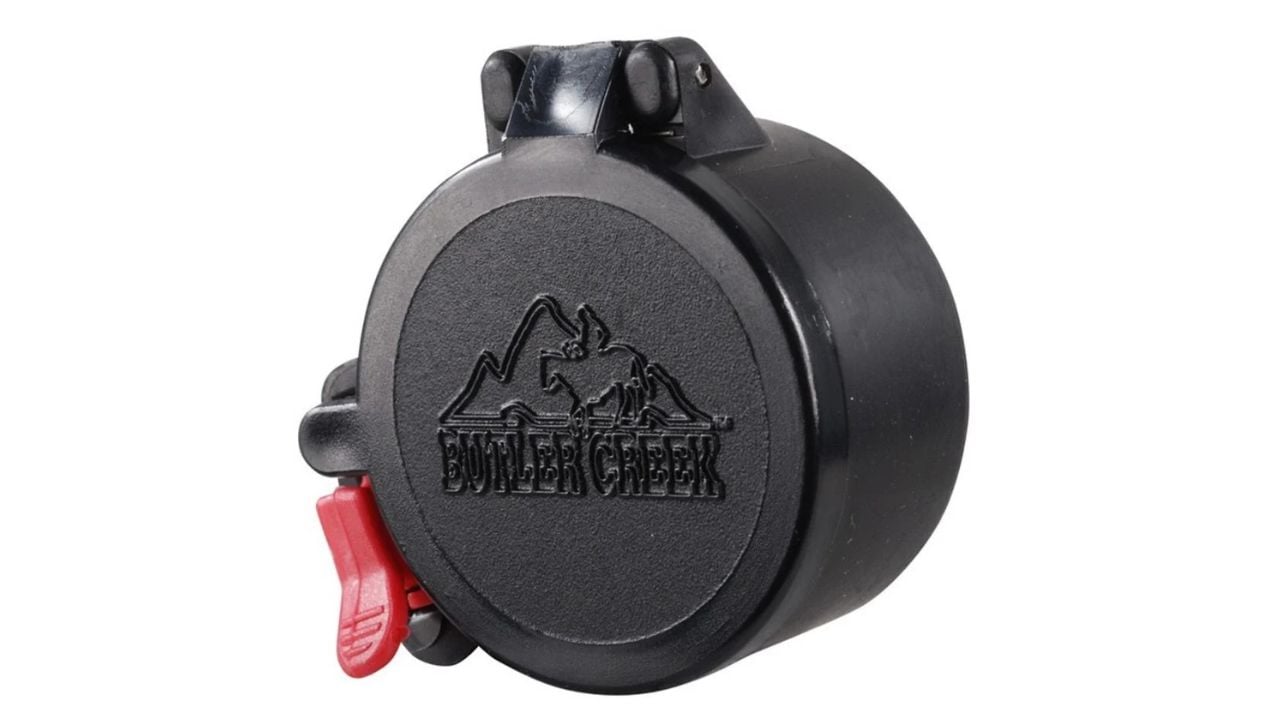
These used to be everywhere, and they were the definition of “good enough.” They are not fancy, but they keep rain, dust, and pine needles off your glass without adding bulk. I’ve watched more than one set crack in deep cold, but I’ve also watched them save a hunt in sleet.
What’s disappearing is the predictable sizing and the basic black caps that fit common hunting scopes. When you find the size that fits your favorite rig, buy an extra set. Losing a cap is easy. Finding the right one two days before a trip is not.
2. RWS Percussion Caps (No. 11 and Musket)
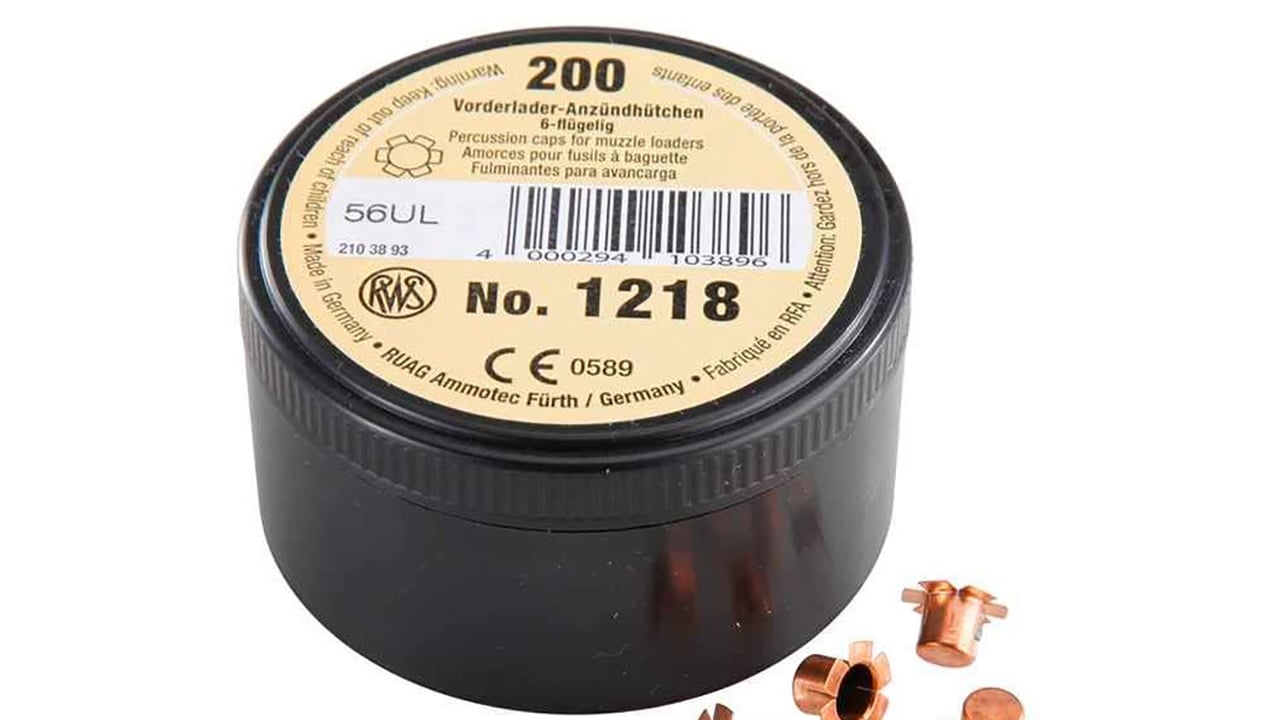
Muzzleloader seasons are still a big deal in a lot of states, and these little tins have become a pain to track down. It’s not just “caps are caps,” either. Some rifles and some nipples are picky, and switching brands can turn a reliable setup into a misfire machine.
If you run a caplock, keep enough on hand for practice and for the season. They store small, they store long if you keep them dry, and they are the kind of item that disappears right when everyone starts sighting in.
3. Traditions and Thompson/Center Nipple Wrenches
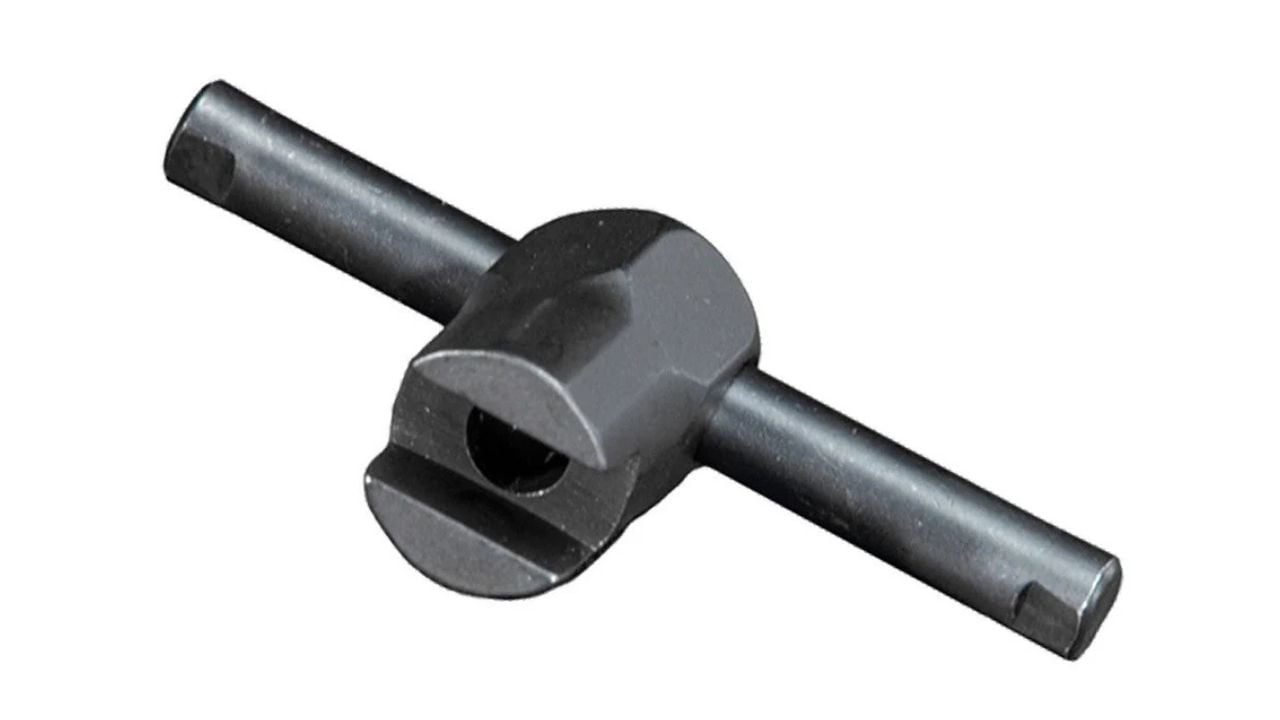
I get why nobody gets excited about a nipple wrench. But when you need one, you really need one. Cheap universal wrenches round off, flex, or just don’t fit right, and then you’re stuck babying a fouled-up part at camp.
The brand-specific little stamped tools used to hang right beside the muzzleloader supplies. Now you’re digging online and paying shipping for something that should be a five-minute purchase. Grab a spare and toss it in the possibles bag.
4. Cotton Bore Swabs and Mop Sets (Real Cotton, Not Foam)
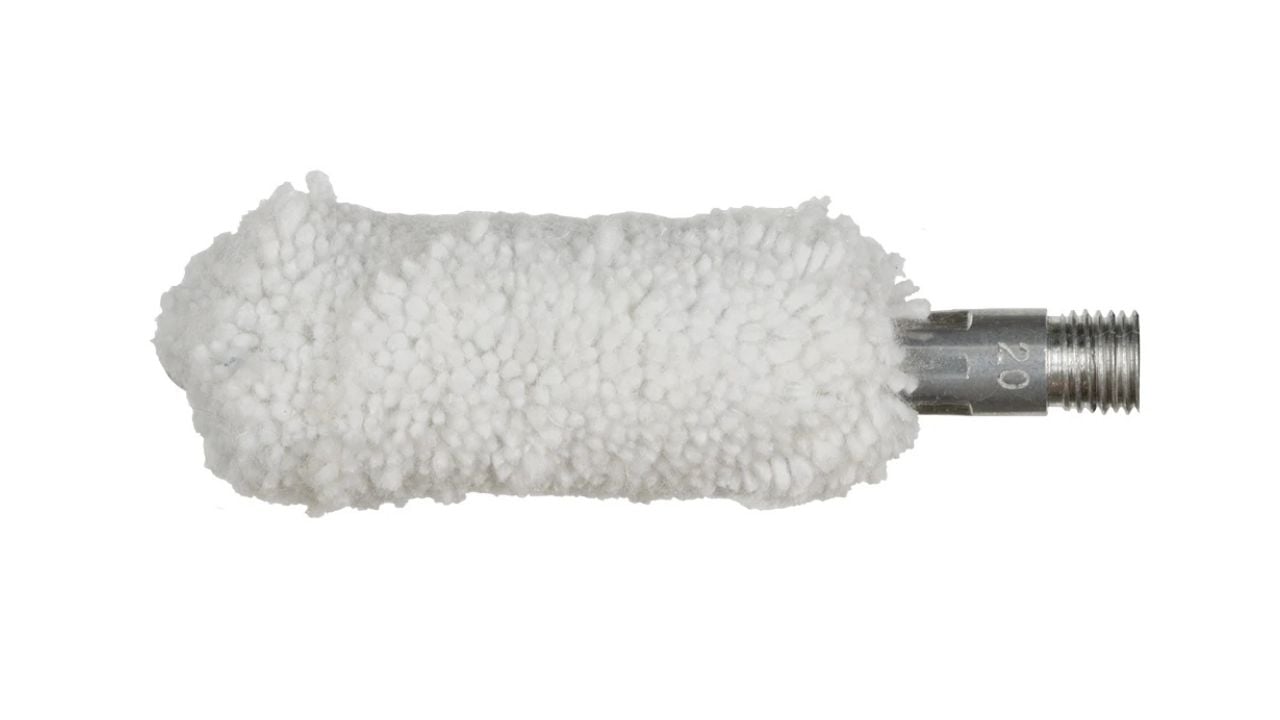
The trend has been toward foam everything. Foam has its place, but the old-school cotton mops and swabs actually carry solvent and oil the way you want, and they don’t shred into weird little crumbs. For blackpowder cleanup, cotton still wins.
When shelves get thin, you end up settling for the wrong caliber pack or an off-brand that sheds fibers. A couple extra packs take up no room in the cabinet and save you a headache after a wet hunt.
5. Federal Premium Trophy Bonded Tip in Common Deer Calibers
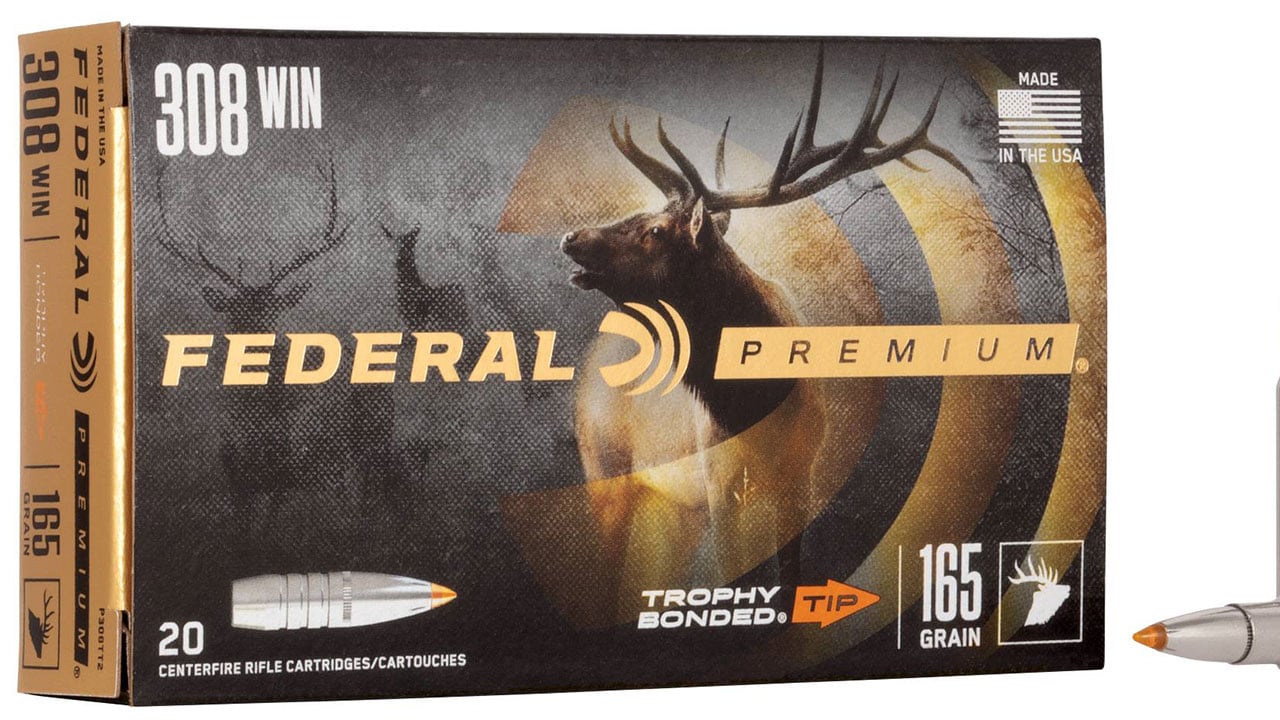
This isn’t about hoarding ammo. It’s about consistency. If you’ve got a rifle that prints one load into a tight cluster and hits where you expect at 200 yards, that matters more than whatever the new hotness is.
Some of the classic loads—especially in everyday calibers—come and go in waves. When you find your rifle’s “forever” round, set back enough to confirm zero, practice a little, and hunt for a couple seasons.
6. Winchester Super-X 20 Gauge Buckshot
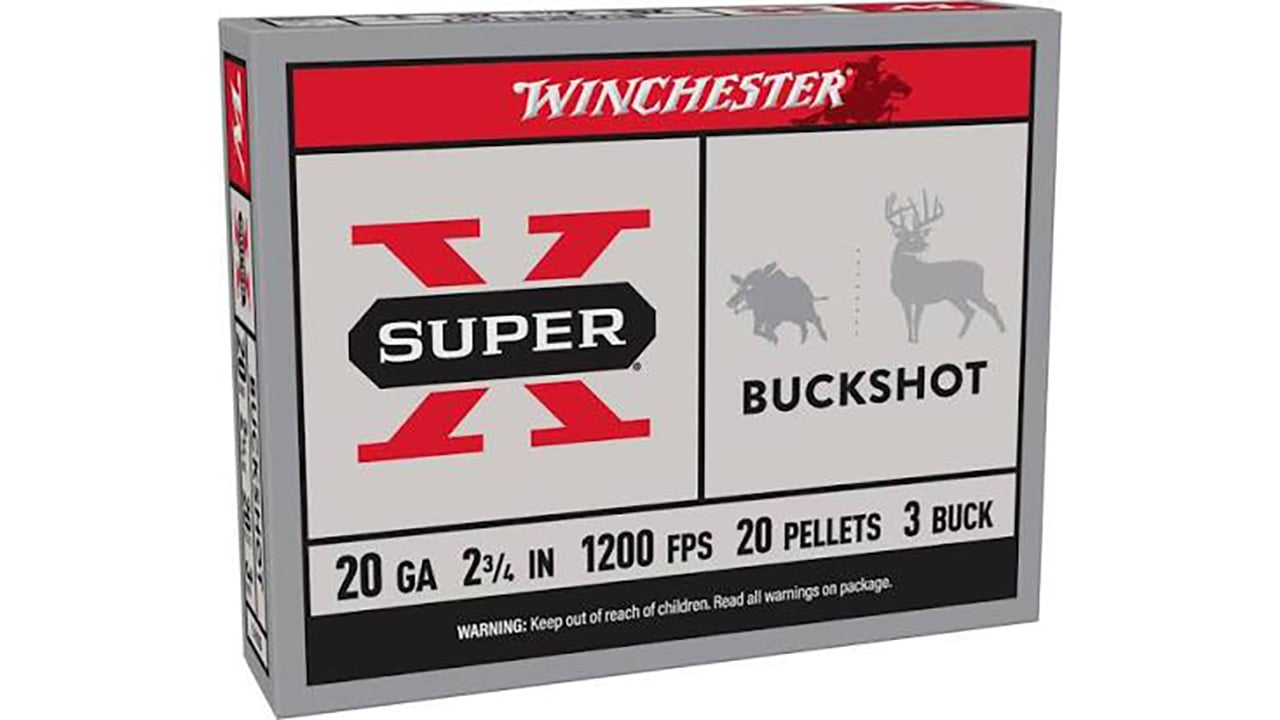
Every time I think 20 gauge buck is back to being easy to find, it vanishes again. Whether you use it for close-range predator work, thick cover, or keeping a farm gun fed, it’s one of those shells that gets bought up fast.
If you’ve got a 20 gauge that patterns a certain load well, don’t assume it’ll be there next month. Patterning substitutes gets expensive in a hurry.
7. MEC Shotshell Reloading Bushings (Older Common Sizes)
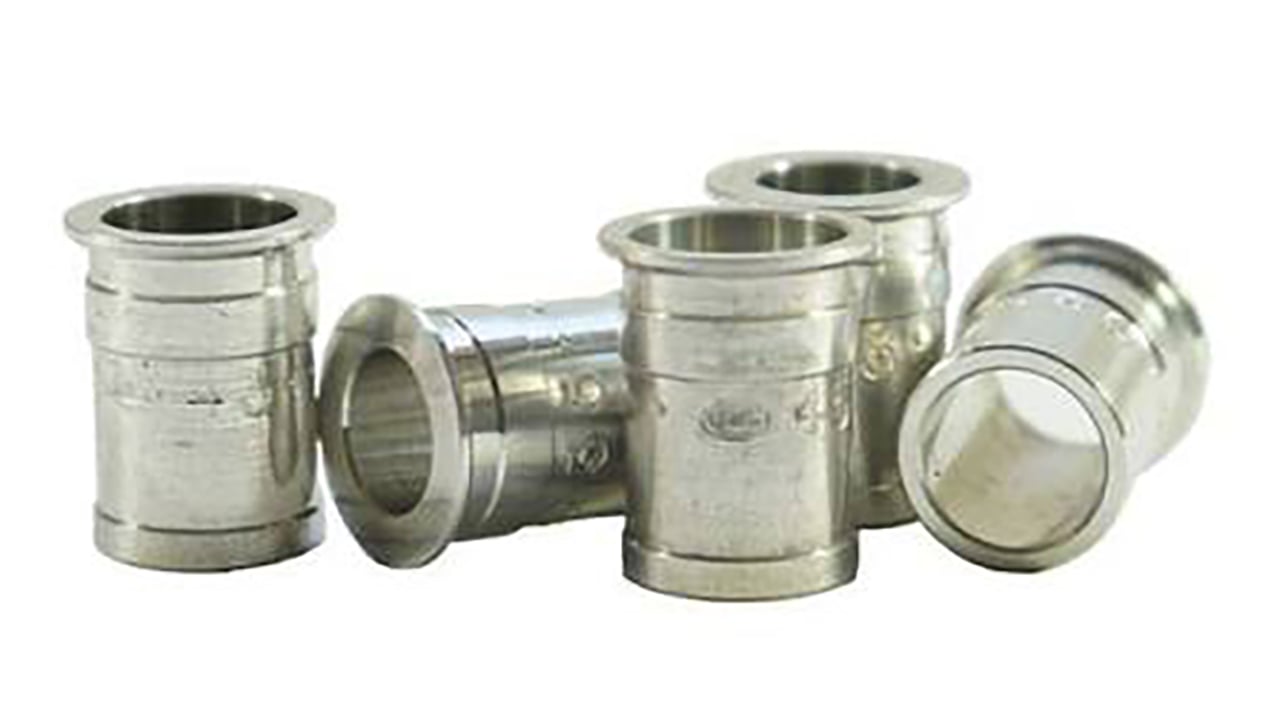
Reloaders know this pain. You can have the press, the primers, the wads—then get stopped cold because a simple bushing isn’t available. The older, common bushing sizes that used to live in coffee cans at every gun shop are getting harder to replace.
If you run a MEC and you’ve got a dialed-in recipe, having the right bushings on hand is like having spare fuses for your truck. Not glamorous, just smart.
8. Hoppes No. 9 Bottles in the Small, Leak-Resistant Size
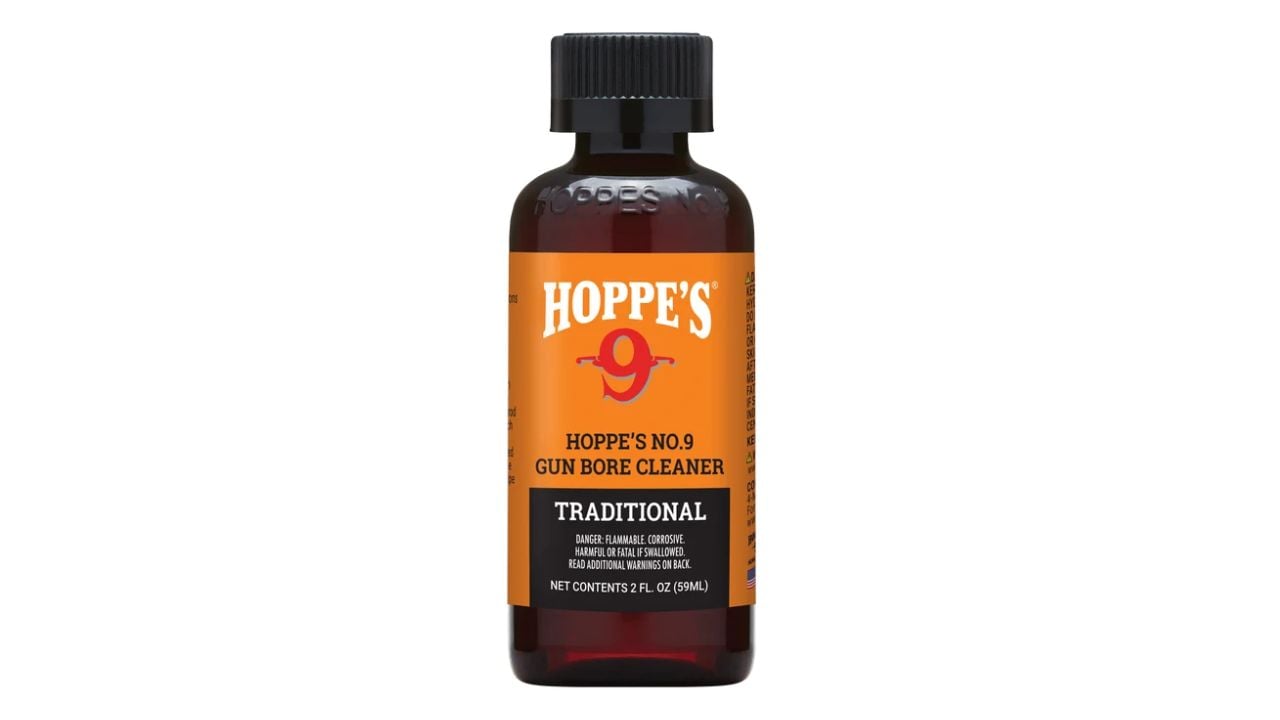
The big bottles are easy to find. The small bottle that fits in a range bag and doesn’t weep solvent into everything you own? Those are getting thin. Ask me how I know.
A small bottle plus a rag can fix a lot of problems at camp, from water in a bore to a gummed-up action. When you see the travel-friendly size, snag an extra.
9. Birchwood Casey Aluminum Black
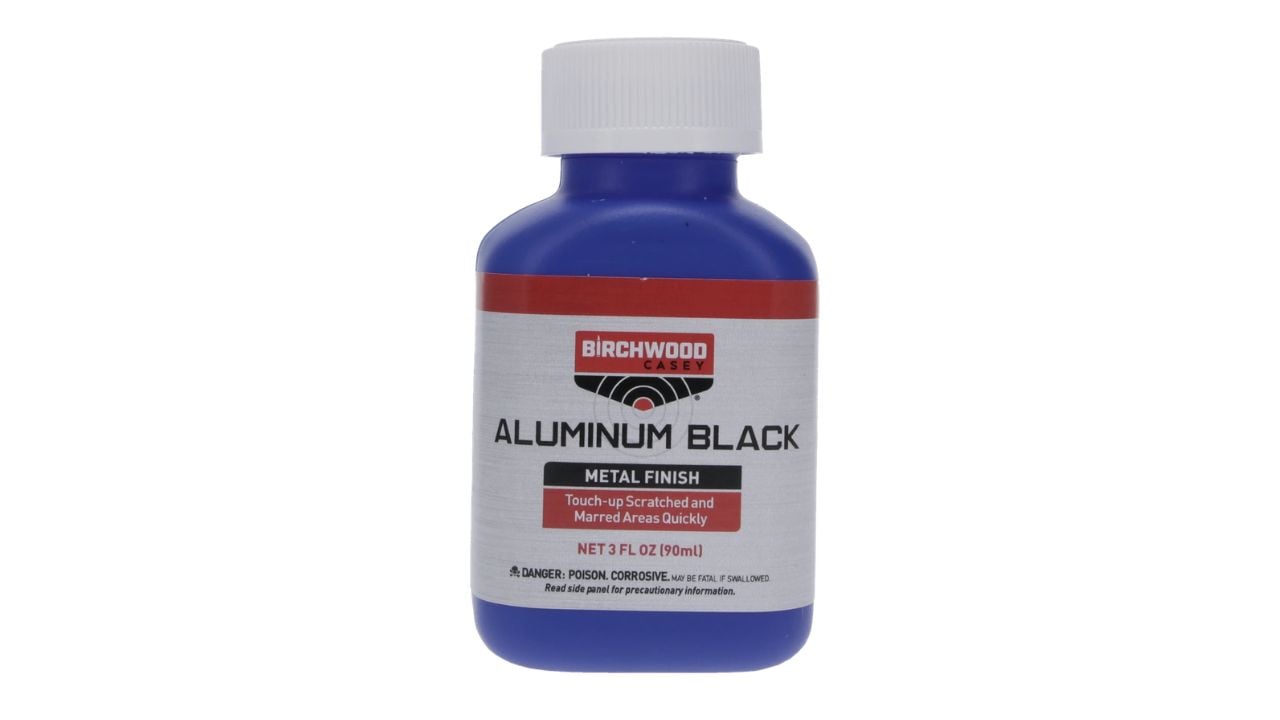
If you’ve ever bumped a scope ring, dinged a receiver edge, or scratched a barrel on a stand bracket, you know why this matters. This stuff is not a full refinish, but it knocks down glare and keeps raw metal from turning orange.
It’s one of those counter items that used to always be there. Now it’s hit-or-miss. If you maintain older rifles or you hunt hard, it’s worth having a bottle in the drawer.
10. Uncle Mike’s Quick-Detach Sling Swivels (Basic, Steel)
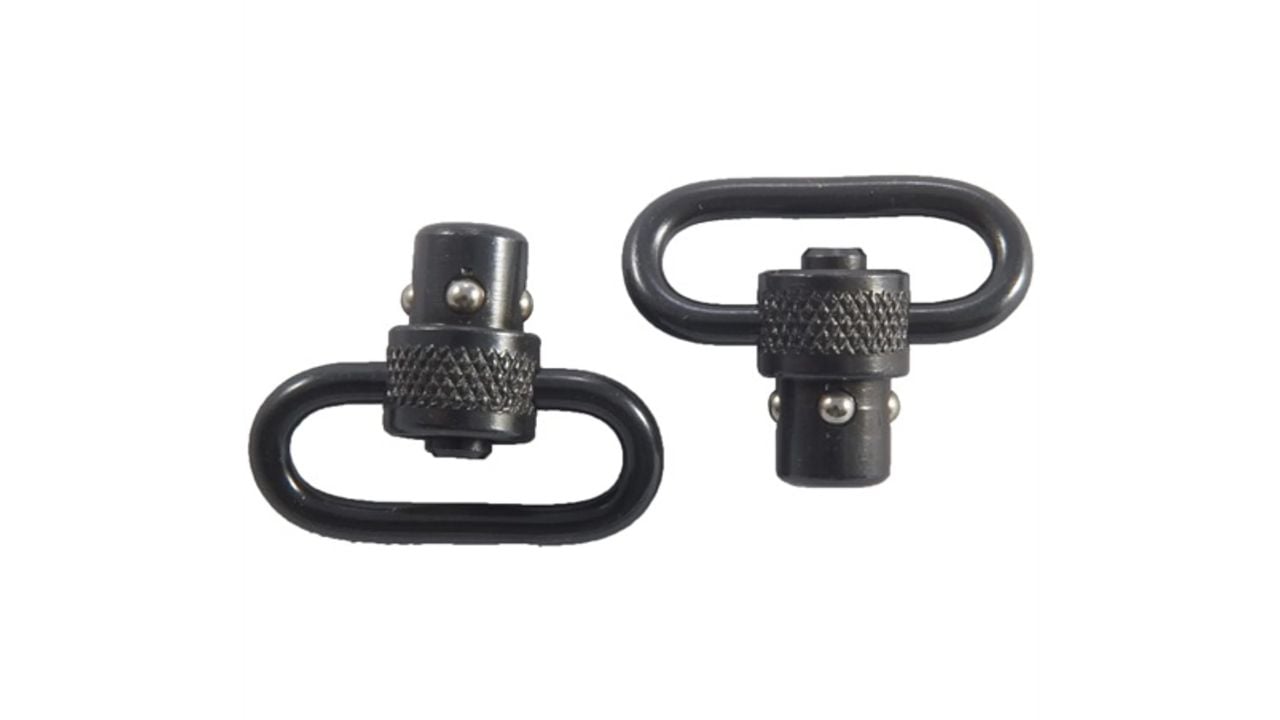
I’m not talking about fancy flush cups or tactical hardware. I mean the basic QD swivels that fit the rifles most of us actually carry. They are simple, quiet if you tape them right, and they don’t require a rebuild of your stock setup.
What’s happening is you find swivels, but not the size you need, or they’re cheap pot-metal that rattles and wears. If you’ve got a rifle that wears a sling every season, keep a spare set in the bin.
11. Nylon Sling Keepers and Simple Elastic Wraps
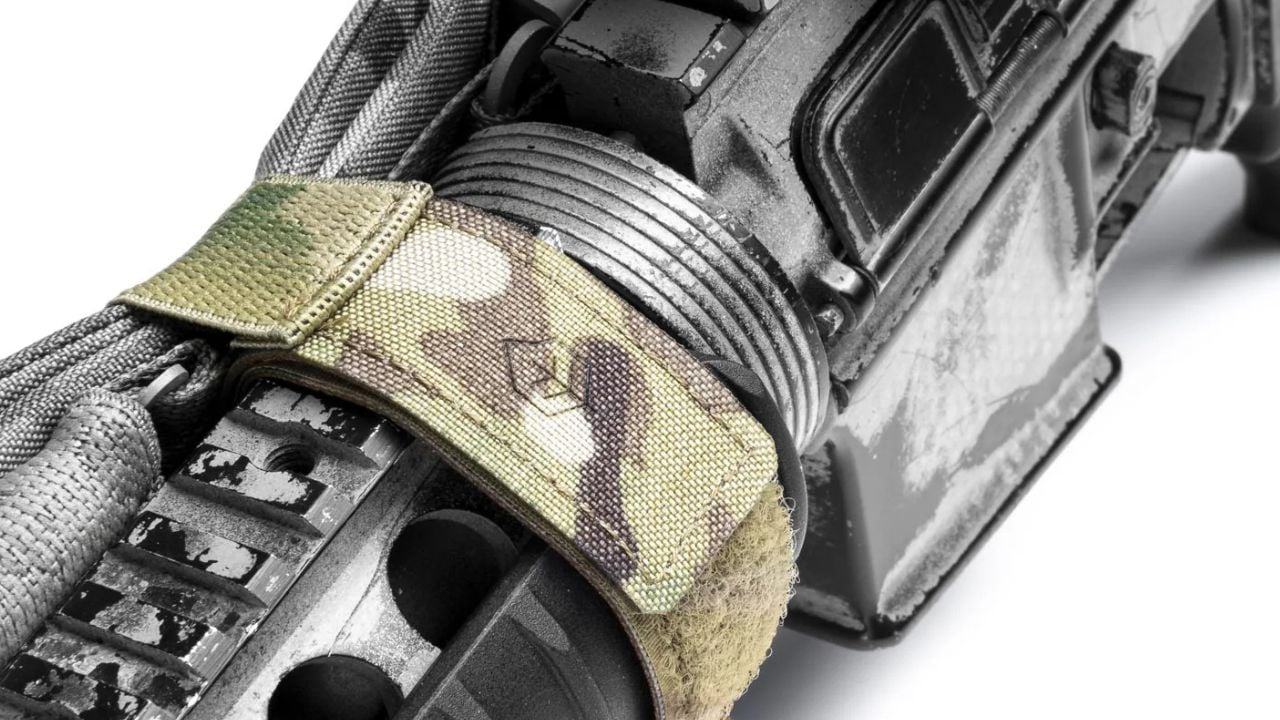
A flopping sling is a noise maker. It catches on brush, slaps your stock, and drags on the ground when you kneel. The little keepers that tame that extra tail used to come with everything, and now you’re lucky if a new sling includes one.
They’re dirt simple, but they matter. Keep a few in your pack and you can fix a buddy’s sling in about ten seconds without cutting anything.
12. Remington 870 Extractors and Springs (Factory-Pattern Replacements)
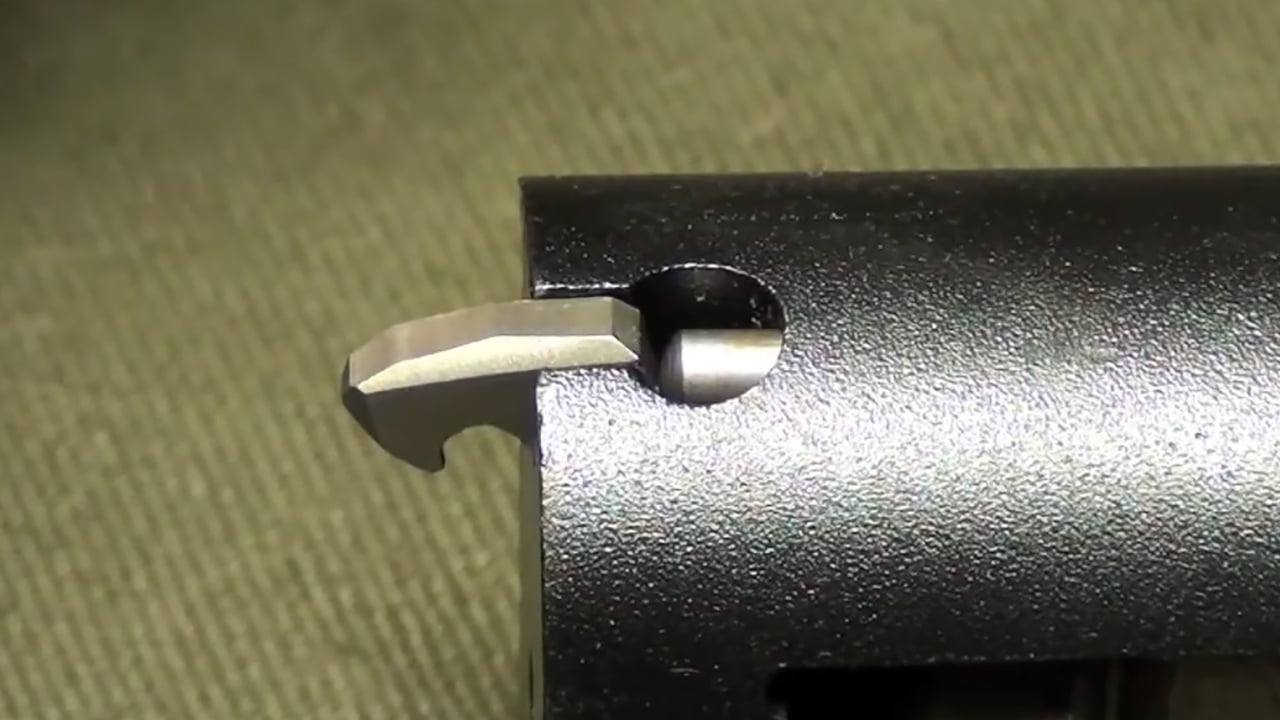
The 870 is still everywhere, but parts availability has gotten weird. A lot of older shotguns are still running because they’re simple and they work, and the extractor is one of those small parts that can turn “fine” into “single-shot” if it breaks at the wrong time.
Having a spare extractor and spring set in your cleaning kit isn’t overkill if you hunt hard. You’re not trying to become a gunsmith at camp—just trying to avoid a ruined morning.
13. Mossberg 500/590 Safety Buttons (Metal Replacements)
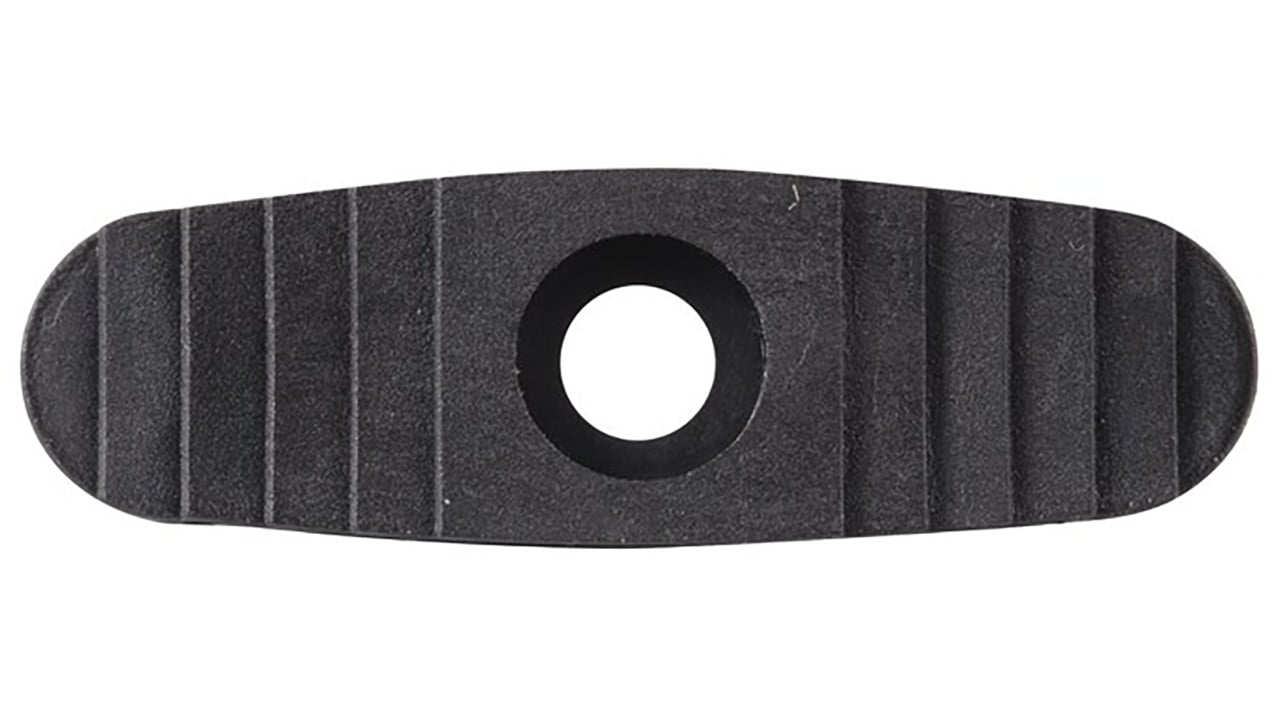
The plastic safeties work until they don’t. Cold hands, gloves, and hard use have a way of exposing weak points. Metal replacements have been a common upgrade for years, but the good ones aren’t always sitting on the shelf anymore.
If your Mossberg is a boat gun, turkey gun, or truck gun, it earns that upgrade. It’s not about “tactical.” It’s about a positive, reliable feel when your thumb is numb.
14. Leupold Rifleman and BackCountry Ring Sets (Common Heights)
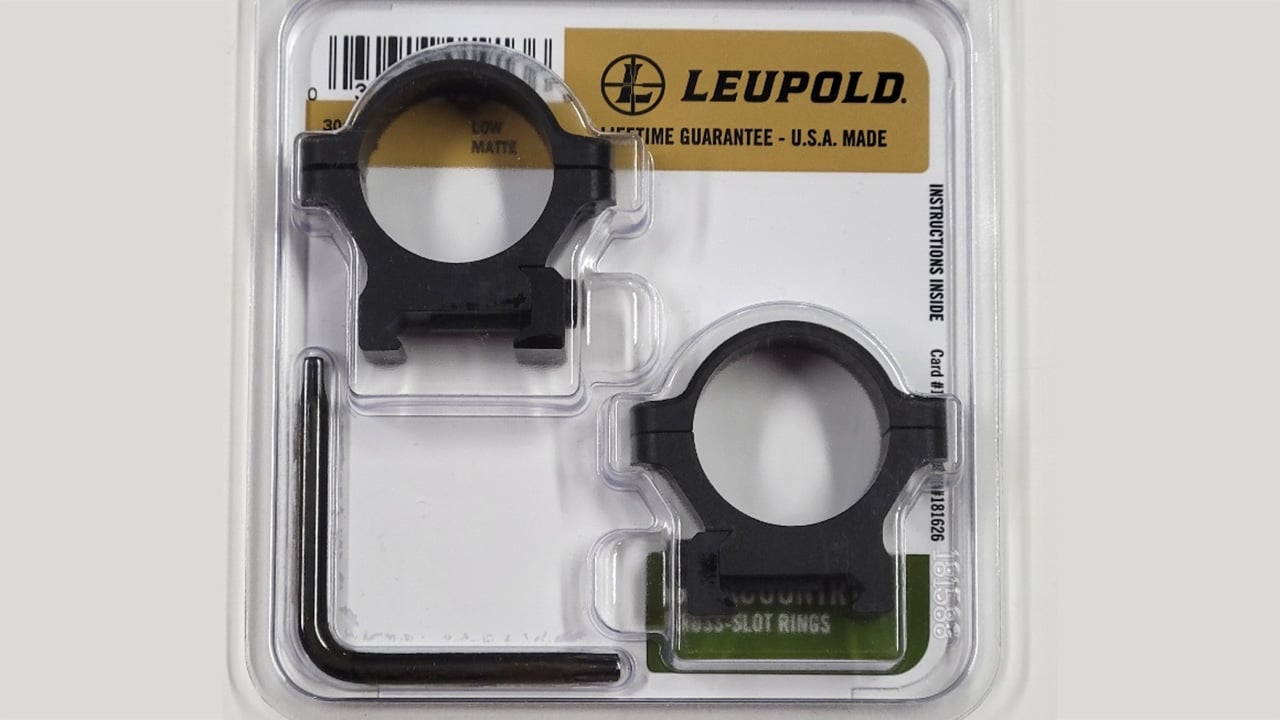
Ring availability has gotten sneaky. Scopes come in and out, but rings in the right height for a plain hunting rifle are the thing that can hold you up. I’ve watched guys buy a scope and then waste a week chasing rings to mount it.
When you find rings that fit your receiver and your preferred objective size, grabbing a spare set isn’t crazy. Rings don’t go bad sitting in a drawer, and they solve a real problem when you’re swapping optics before season.
15. Weaver-Style Two-Piece Bases for Older Rifles
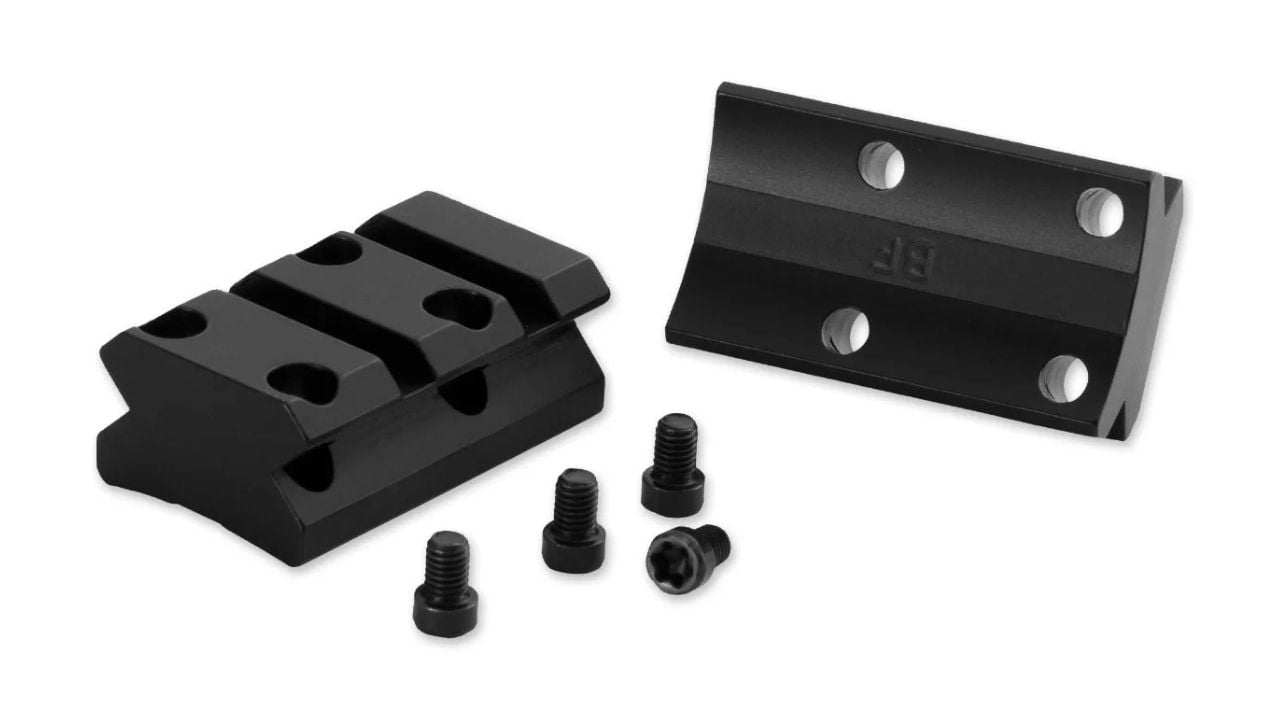
There are plenty of rifles out there that aren’t drilled for the newest one-piece rail craze. A lot of deer rifles are honest, older guns that have been killing whitetails for decades, and they still wear Weaver-style bases.
Those bases are the kind of thing a shop used to have in dusty packages behind the counter. Now you may find “almost right” bases that don’t line up. If you’ve got an older rifle you’ll keep, buying bases while you can is just being realistic.
16. Simple, Non-Electronic Rangefinders Under 600 Yards
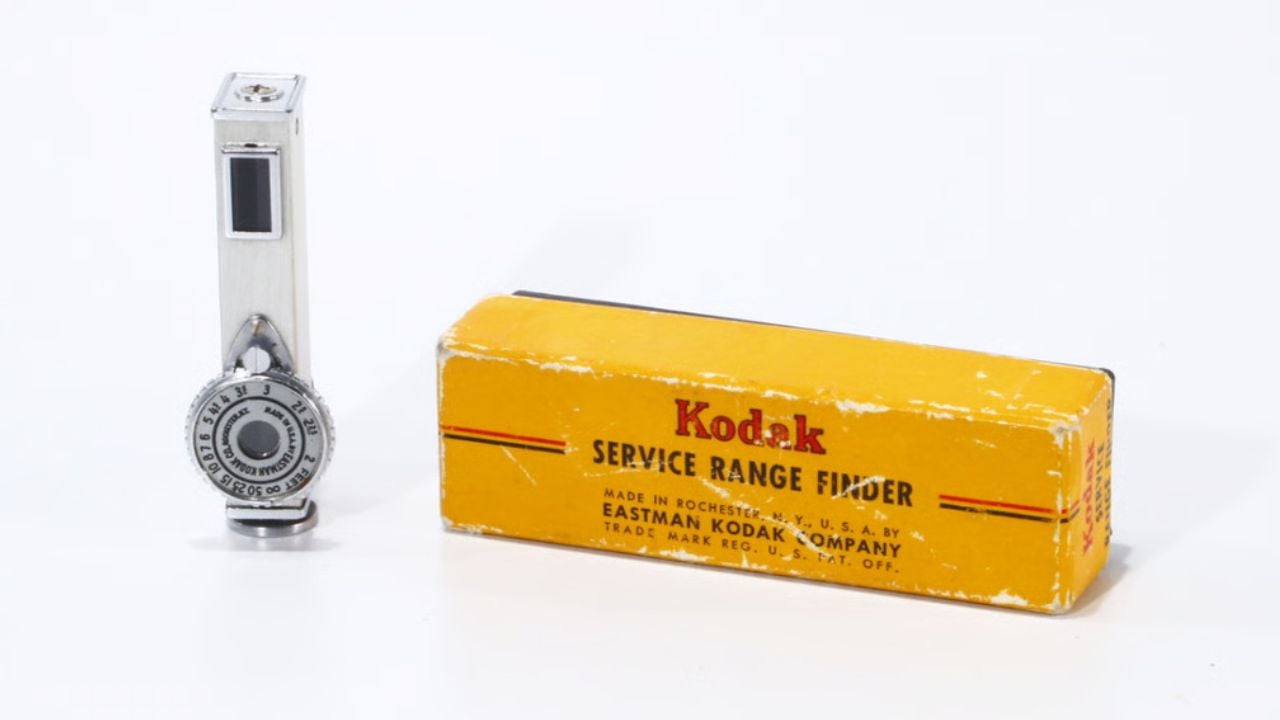
Not everybody wants a Bluetooth-connected rangefinder with a phone app and a subscription. A basic unit that ranges trees and does it every time is what most bowhunters and deer hunters actually use. And those basic models are quietly being replaced by pricier, feature-heavy versions.
If you have an older rangefinder that works, treat it like it matters. If you see a straightforward replacement that runs on a common battery, consider grabbing it before everything turns into a gadget.
17. Primos “Old Style” Hoochie Mama Elk Calls
Elk calls are personal, and I’m not here to say one tube is magic. But there are certain older calls that just flat work for a lot of folks, especially beginners who need something forgiving. Some of those classic calls are showing up less, replaced by newer designs that feel different.
If you’ve got a call you can actually make sound like an elk, don’t assume you can replace it later. A call that fits your mouth and your style is worth hanging onto, even if it looks like it came out of a bargain bin.
18. Dead Down Wind Laundry Detergent and Field Spray (Unscented, Basic)
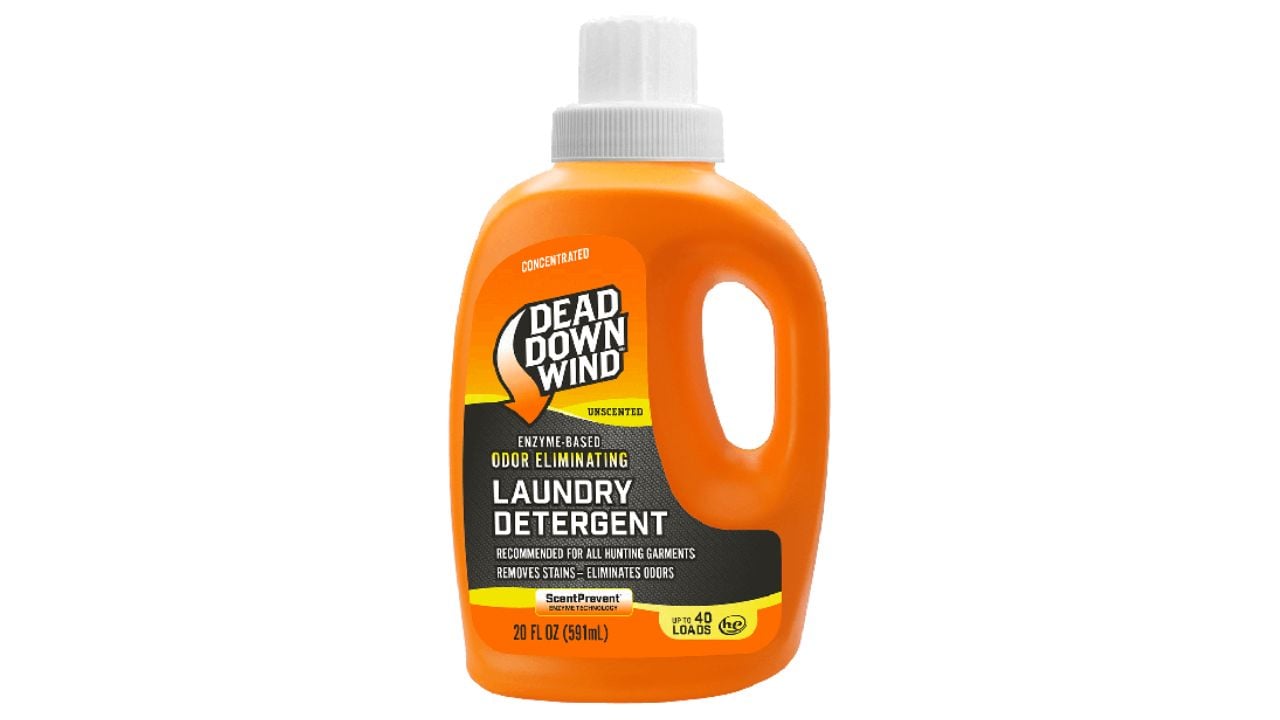
Scent control is a rabbit hole, but the basics matter: wash your clothes in something that doesn’t smell like spring flowers, and keep your gear from reeking like last week’s gas station. The unscented hunting detergents and sprays disappear first when shelves get thin.
It’s not because they’re rare. It’s because everybody uses them and they don’t sit. Keeping an extra detergent bottle and a couple sprays means you’re not improvising with household soap two days before a cold front.
19. Hand Warmers With Adhesive Backs (Toe and Body)

Regular hand warmers are common. The sticky-backed ones are the real gold when you’re sitting still for hours and you need heat where it counts. They’re also the first thing to vanish right before rifle season when everyone suddenly remembers they hate being cold.
Store them in a cool, dry place and rotate them. Having a box on hand changes how long you can sit, and it changes your ability to keep your hands working when it’s time to run a safety or tie a knot.
20. Basic Wind Checker Powder Bottles (Small, Quiet)
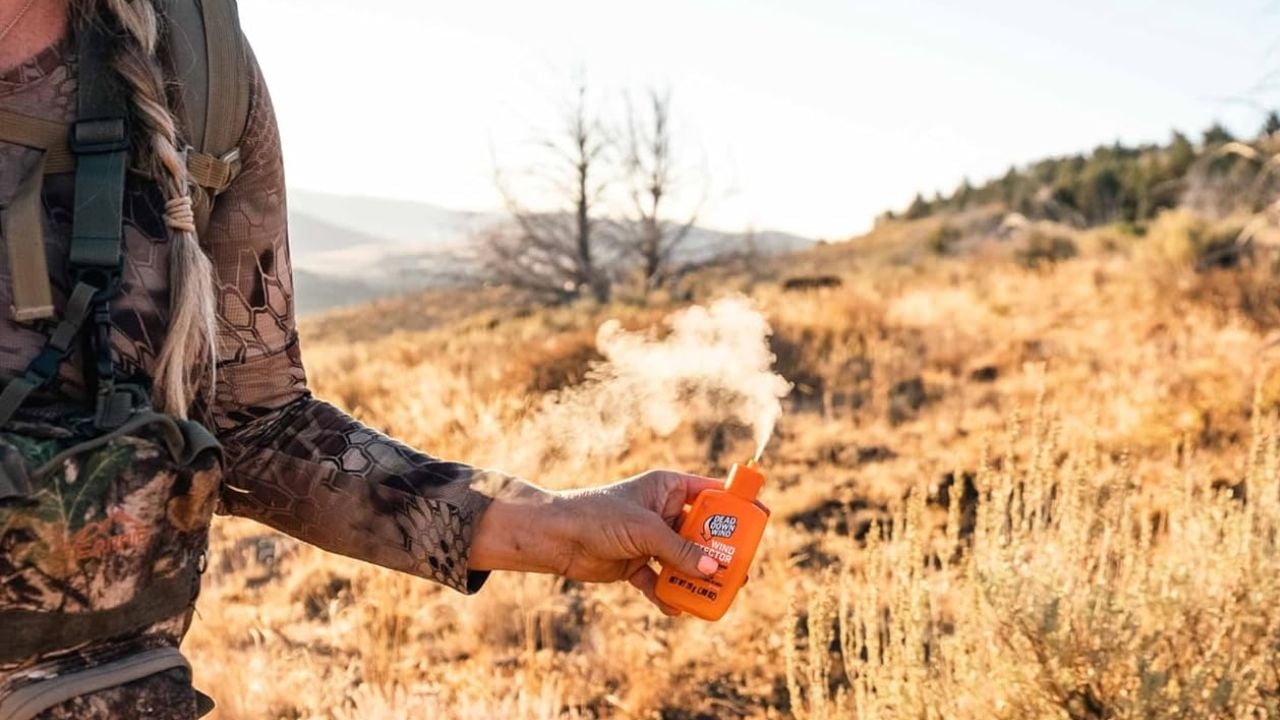
You can use milkweed, you can use grass, you can lick a finger. But the little wind checker bottle is fast, quiet, and works in the dark without a headlamp. The simple bottles used to hang by the calls and scents, and now half the time they’re gone.
This is one of the cheapest advantages you can carry. In a stand or still-hunting, a quick puff tells you what you need to know before you commit to a move you can’t take back.
None of this is meant to spark panic buying. It’s just the reality of hunting in a world where supply chains and product lines change faster than our seasons do. If you find the small, boring accessories that keep your rifle running, your optics clear, and your body warm, it’s not a bad idea to tuck away a spare or two. The goal isn’t to fill a closet. It’s to keep from getting sidelined by a ten-dollar problem when you’ve already burned vacation days and the woods are finally right.
Like The Avid Outdoorsman’s content? Be sure to subscribe to our newsletter.
Here’s more from us: