Photo credit: Bob’s Revolvers and Autos/Youtube
Pawn shops are where a lot of good guns go to get judged by bad lighting. You’ll see a few heartbreakers, a few “what were they thinking” specials, and every now and then a plain old workhorse sitting there like it’s embarrassed to be so useful. I like new guns as much as the next guy, but there are certain models I’d rather snag used, inspect carefully, and put the savings toward ammo, a sling, and a case of targets.
This isn’t about buying junk. It’s about buying smart. These are the guns that tend to show up in pawn shops in perfectly serviceable shape, often with the “new” premium already burned off by the first owner. Check serial numbers, check function, make sure it’s not been bubba’d, and if the shop will let you, dry-fire with permission and look down the bore. Do that, and these 20 are hard to beat.
1. Glock 19 (Gen 3 or Gen 4)
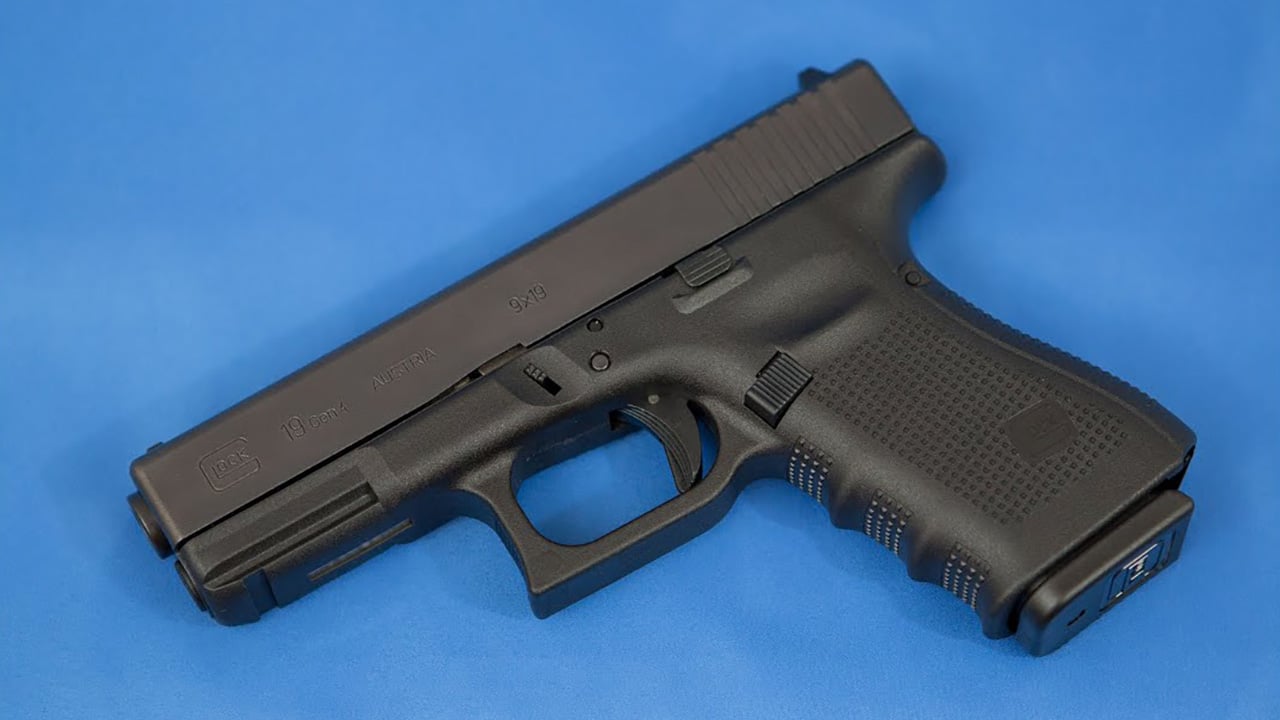
There’s a reason the Glock 19 is the most common “I bought it, carried it twice, and now I’m selling it” pistol in America. It’s boring, it works, and it’s everywhere. That makes pawn-shop pricing realistic compared to the new-gun counter where the same pistol somehow costs more every year.
Used, you can usually tell in about 10 seconds if it’s been abused. Look for chewed-up pins, mangled sights, and a slide that looks like it’s been dragged behind a truck. If it’s clean and the trigger feels normal, you’re buying a pistol with cheap mags, cheap parts, and a track record that doesn’t need internet arguments to defend it.
2. Smith & Wesson M&P Shield 9mm (1.0)
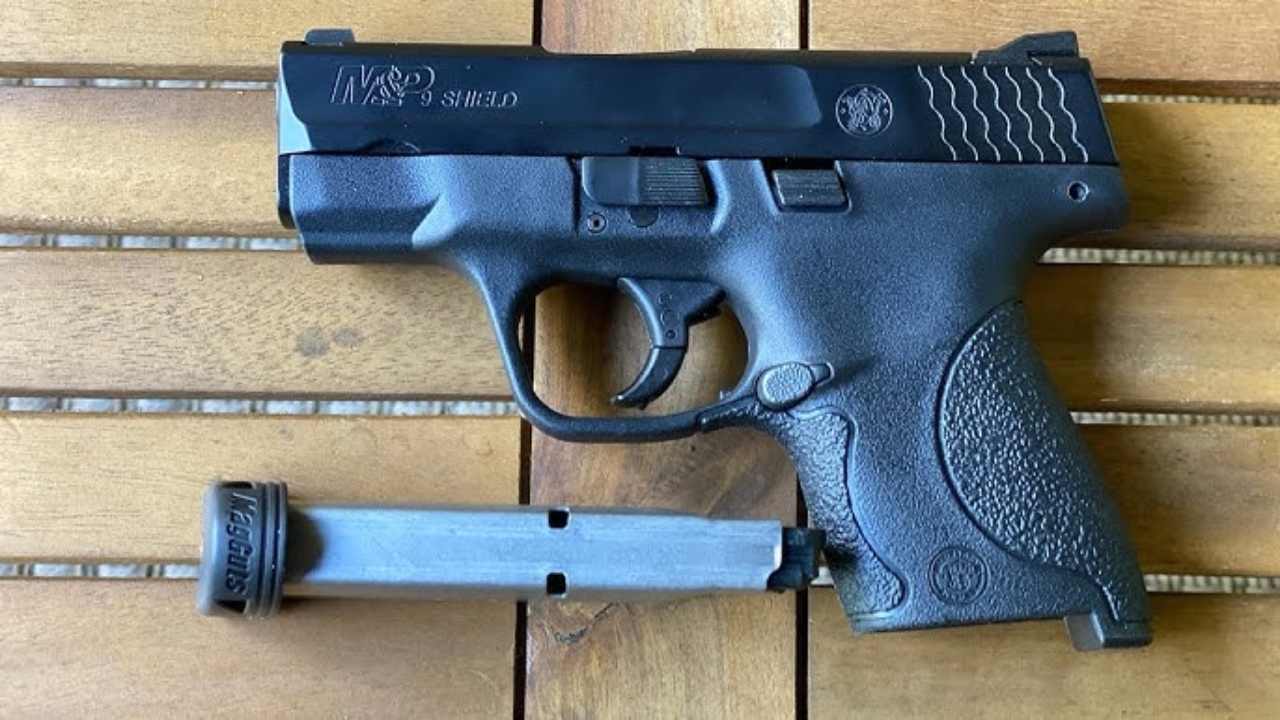
The original Shield is one of those carry guns that gets traded in when folks decide they “need” a dot, a light, a comp, and a grip the size of a fence post. Meanwhile, the little Shield keeps doing what it always did: carry easy and shoot straight enough to matter.
Pawn shops are full of them because they were everywhere for years. Check the magazine release, check the sights, and make sure the trigger isn’t doing anything weird. If it comes with extra mags, that’s real money saved.
3. Ruger GP100 (4-inch .357)
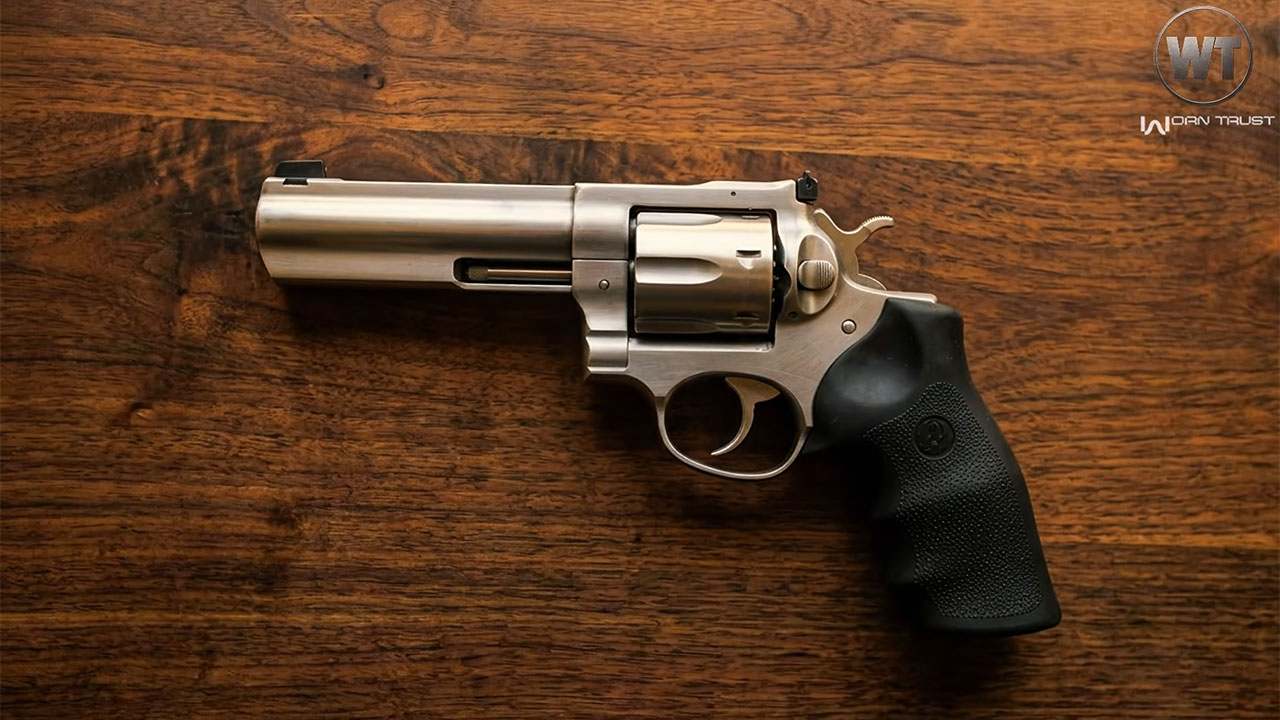
When you buy a GP100 new, you’re paying for Ruger’s reputation and modern pricing. When you buy one used, you’re usually buying a gun that somebody carried in the woods, shot a little, and then decided a polymer 9mm was “more practical.” Their loss.
Spin the cylinder, check lockup, and look for timing issues like a cylinder that doesn’t feel consistent. A GP100 that checks out will outlast most of us. It’s heavy on the belt, sure, but it’s the kind of heavy that makes you feel undergunned a lot less often.
4. Remington 870 Wingmaster (older, blued steel)

I will buy an older Wingmaster before I buy a brand-new budget 870, and I’m not shy about that. The older ones tend to have smoother actions and better overall fit. You can feel it when you rack it. There’s a reason old bird hunters hang onto them.
Pawn shops get these from estates and “cleaning out the safe” situations. Look for rust under the fore-end, check that the action bars aren’t bent, and make sure the barrel and receiver numbers match if it’s an older setup. If it’s solid, you’ve got a lifetime shotgun.
5. Mossberg 500 (field/security combos)

The Mossberg 500 is not fancy. The safety is where it should be, it runs dirty, and it doesn’t get precious about being wet. I’ve seen more of these riding behind truck seats and leaning in mudroom corners than anything else.
Pawn shops sometimes price them like they’re rare. They aren’t. But a fair deal on a 500 with two barrels is a real working-man win. Check the tang safety for mushiness and make sure the elevator isn’t bent up from somebody forcing shells where they didn’t belong.
6. Ruger 10/22 (carbine models)

A used 10/22 is almost always a safer bet than a “new but cheap” rimfire that’s picky about ammo. Even a dirty 10/22 will usually straighten up with a basic cleaning. Ask me how I know.
What you’re watching for is kitchen-table “upgrades.” Homemade trigger jobs, dremeled feed ramps, and mystery magazines can turn a good rifle into a problem. If it’s mostly stock and the bolt face doesn’t look beat to death, it’s an easy yes.
7. Marlin Model 336 (especially older JM-stamped rifles)

If you’ve hunted deer in timber, you already get it. A 336 carries right, points quick, and doesn’t snag on everything when you’re easing through brush. New lever guns have gotten expensive enough to make a guy blink.
Pawn-shop Marlins can be treasures or headaches. Check for a loose lever, make sure the action cycles without grinding, and look for screws that have been buggered up by the wrong screwdriver. A good 336 in .30-30 is never a bad tool to have around.
8. Winchester Model 94 (post-’64 shooters)
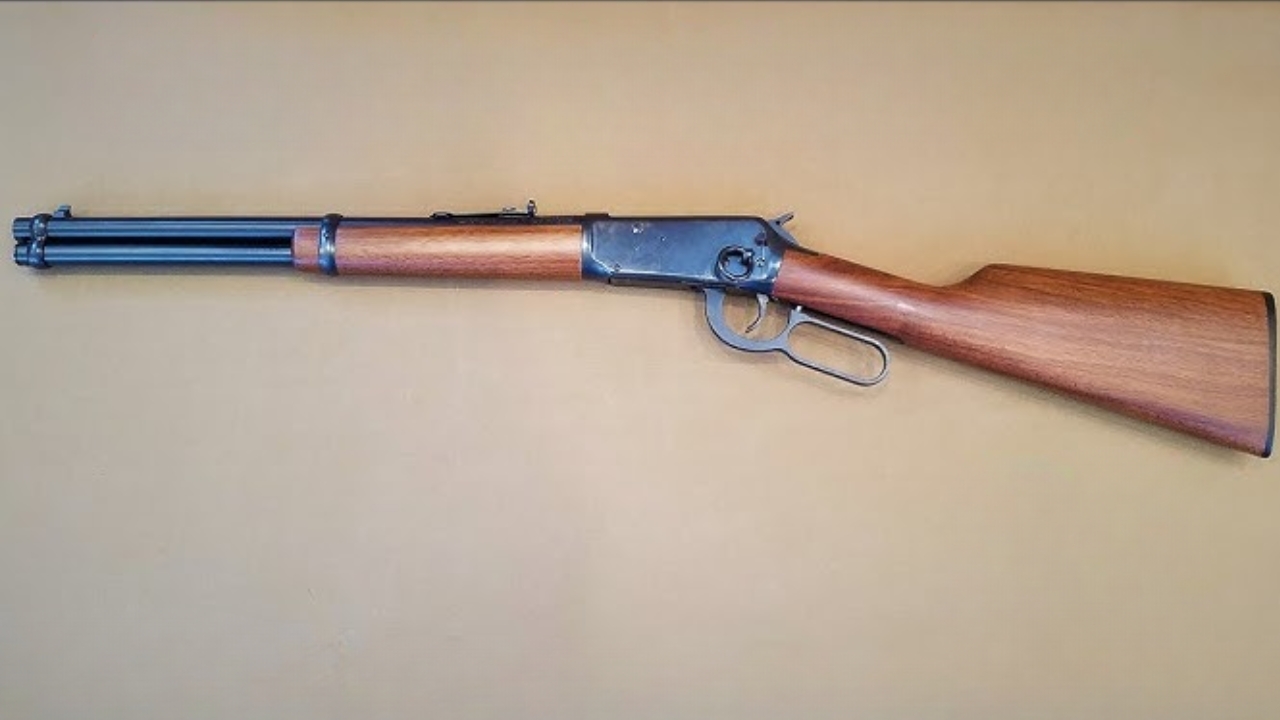
Everybody wants a pre-’64 like they’re buying fine art. I’m telling you the honest truth: a clean post-’64 Model 94 that runs is a deer rifle, not a museum piece, and it’ll kill deer just as dead.
Pawn shops get these with honest wear. Look for cracks at the wrist, make sure the front sight isn’t leaning like a bad fence post, and check that it feeds without hanging up. If it’s a solid shooter price, grab it and go make memories.
9. Savage 110 (older hunting rifles)
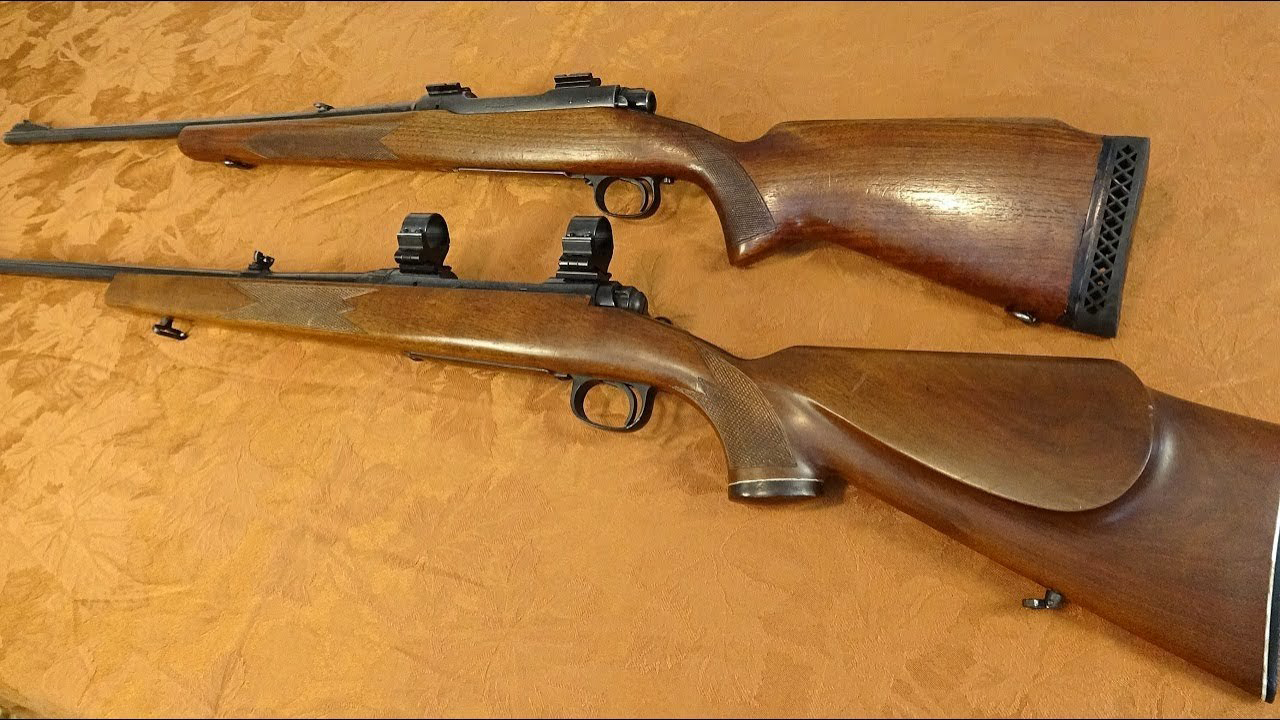
Used bolt guns don’t get more practical than the old Savage 110. They aren’t glamorous. They’re also usually accurate enough that the limiting factor is the guy behind the scope, not the rifle.
Pawn-shop Savages often come with a scope that’s… not great. Don’t pay extra for a no-name optic. Check the crown, check that the bolt lift is smooth, and make sure the stock hasn’t been cracked from over-torqued screws. If it’s sound, it’ll stack deer.
10. Ruger American Rifle (Gen 1)
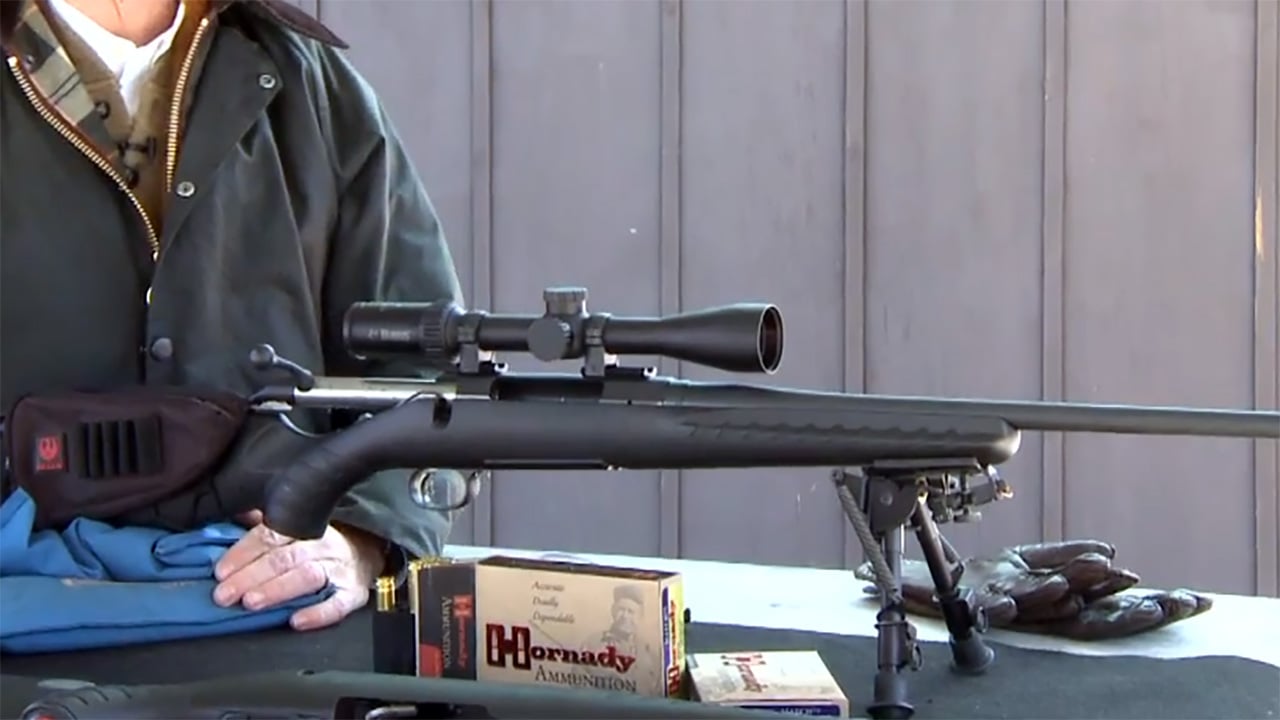
Plenty of folks buy a Ruger American, shoot two boxes, then decide they need something with a heavier barrel and a cooler name. Fine by me. The Ruger American is one of the best “real hunting rifle” values going, and used pricing makes it even better.
What I like here is parts and support are easy. The mags are available, the triggers are usually decent, and the guns generally just run. Inspect the bedding area for cracks and check the magazine latch. Then go hunt.
Free for gun owners: If something happened to you tomorrow, would your family know where the guns are, who has the safe combination, or what to do first? Our free Gun Owner’s Family Checklist walks them through it. It takes about 15 minutes to fill out. Get your free copy here.
11. Remington 700 ADL (older, plain-Jane rifles)

The Remington 700 has been through a lot of internet noise, and I get it. Still, older ADL rifles are often sitting in pawn shops because they’re not “tactical” and they don’t impress your buddies on social media. They do impress deer, though.
Look for signs of kitchen-table gunsmithing. Over-polished feed rails and hacked triggers are the red flags. If it’s a clean, basic 700 with an honest bore, you’ve got a rifle with endless aftermarket support if you ever want it.
12. Browning BPS (pump shotgun)
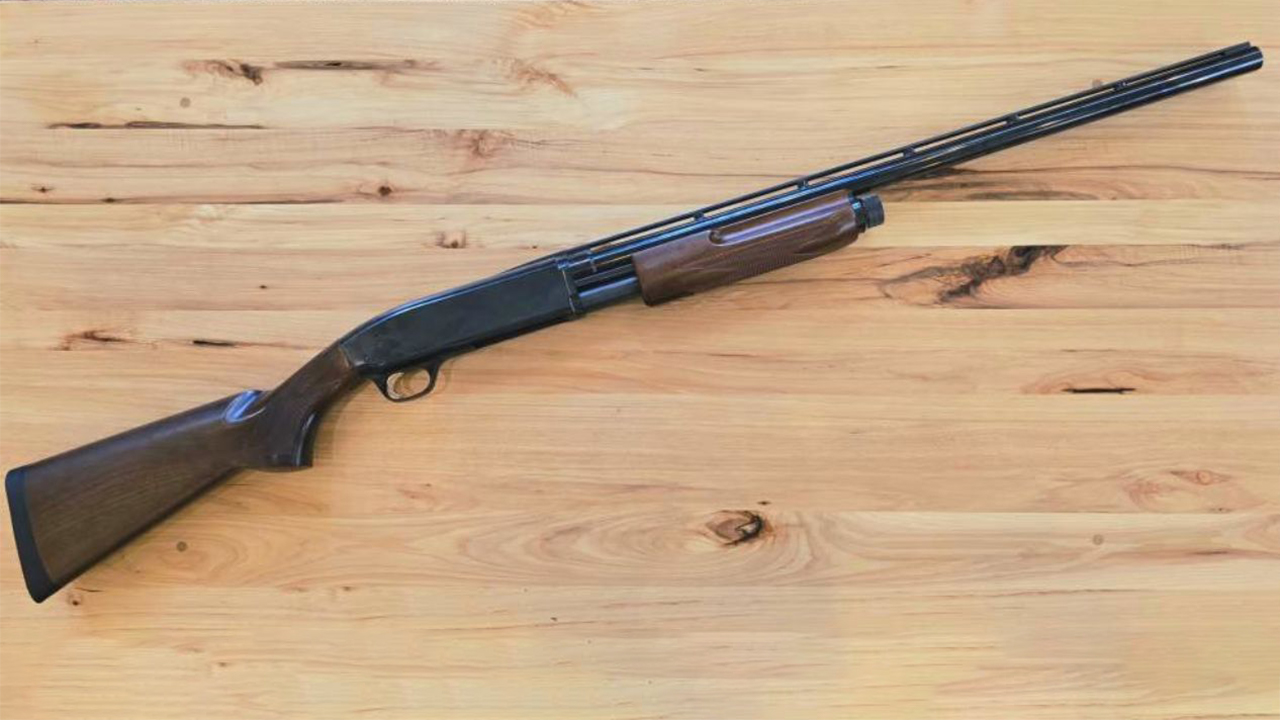
The BPS is a lefty-friendly, bottom-ejecting tank. They tend to be a little heavier than some pumps, but they’re smooth, and they keep hulls out of your buddy’s face in the duck blind.
Because they aren’t as “common” as an 870 or a 500, pawn shops sometimes undervalue them. Check the magazine tube area for dents and make sure the action feels consistent. If it passes, you’ve got a pump that’ll run hard for a long time.
13. Benelli SuperNova (12 gauge)
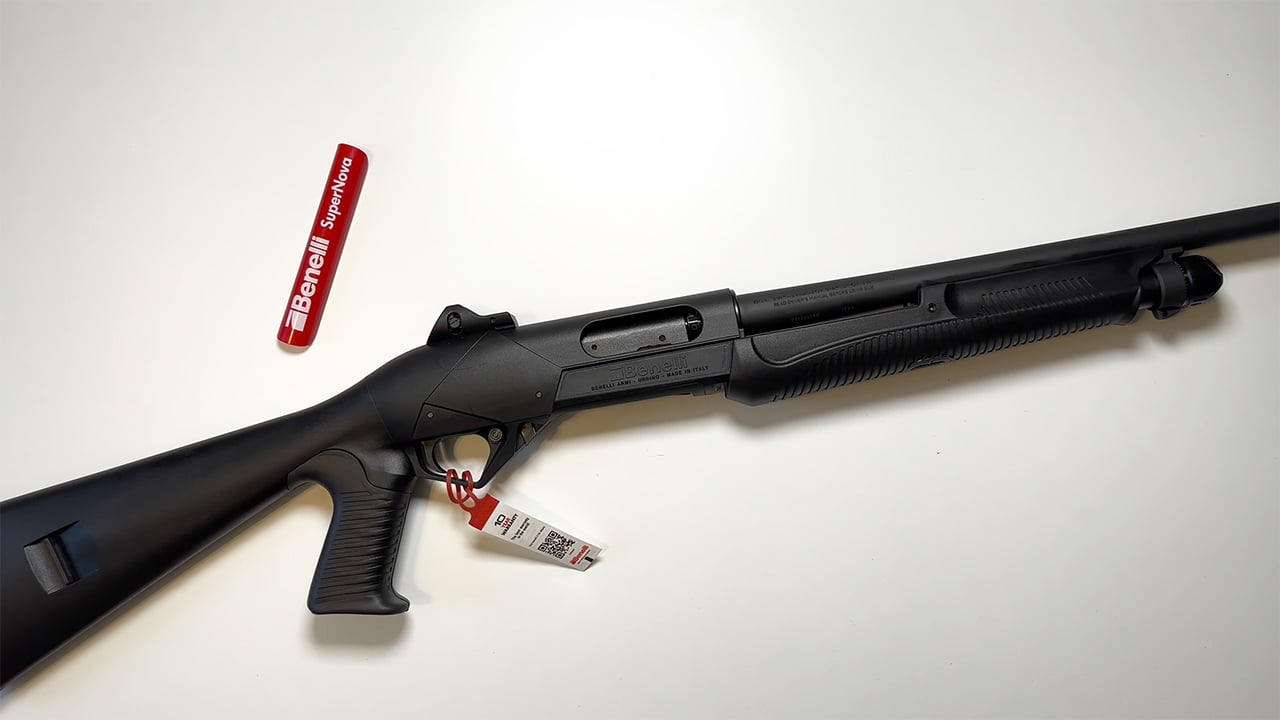
New Benelli pricing is its own thing. A used SuperNova, though, can be a sweet spot if you want a tough waterfowl or turkey pump without spending semi-auto money.
These handle recoil well for a pump, but they’re long and a little clunky for some folks. That’s why you see them traded. Check the stock for cracks around the receiver extension area and make sure the shell latch behaves. If it’s right, it’s a rough-weather shotgun you won’t baby.
14. CZ 75B (9mm)

If you’ve never handled a CZ 75B, you might not get the hype. Then you pick one up and it points like it was built for your hand. A lot of them wind up in pawn shops because owners move to striker-fired guns and never look back.
Used CZs are usually a good bet because they’re built stout. Check the slide rails for unusual wear and make sure the safety and decocker (if applicable) work correctly. Mags are easy enough to find, and the pistol will shoot better than most of us can hold.
15. SIG Sauer P229 (DA/SA)

The P229 is one of those “real gun” guns. It’s heavier than modern carry trends, and that’s exactly why it shoots so well. Pawn shops get them when folks decide they don’t want to deal with DA/SA anymore.
Inspect the frame rails and make sure the trigger reset feels normal. Many used SIGs come with holster wear that looks ugly but means nothing. If the price is right, you’re getting a pistol that’s hard to wear out and easy to trust.
16. Beretta 92FS (or M9)

The Beretta 92 is another one that gets dumped because it’s “big.” Yep. It is. It’s also soft shooting, reliable, and about as proven as a service pistol gets.
Pawn shop examples often come with tons of cosmetic wear and zero actual issues. Check the locking block area for obvious damage and make sure the magazines drop free. If it feels tight and cycles smoothly, it’ll run longer than your patience for cleaning sessions.
17. Smith & Wesson Model 10 (.38 Special)
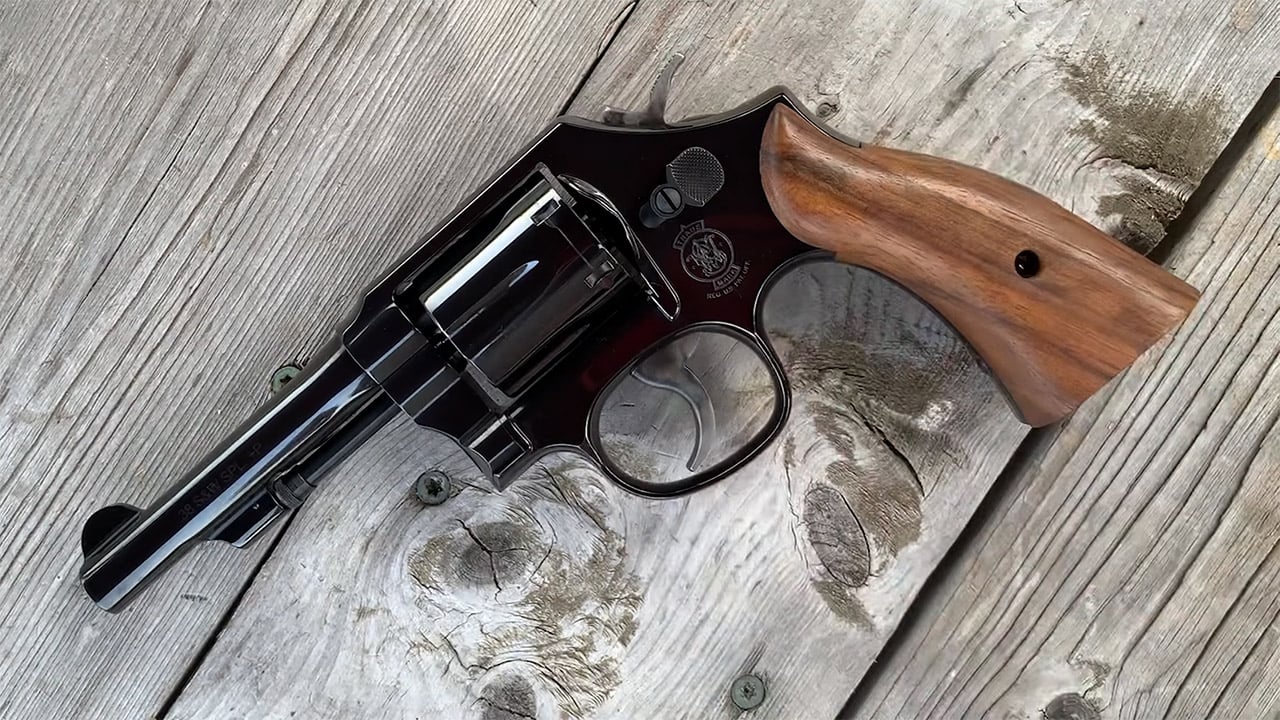
There’s nothing trendy about a Model 10, and that’s why I like it. Fixed sights, K-frame balance, and a trigger that usually feels better than a lot of new revolvers that cost twice as much.
Pawn shops get these because they were issued, inherited, and traded forever. Check for endshake, check timing, and look at the forcing cone. Find a clean one and you’ve got a nightstand or range revolver that just makes sense.
18. Ruger Single-Six (.22 LR/.22 WMR convertible)
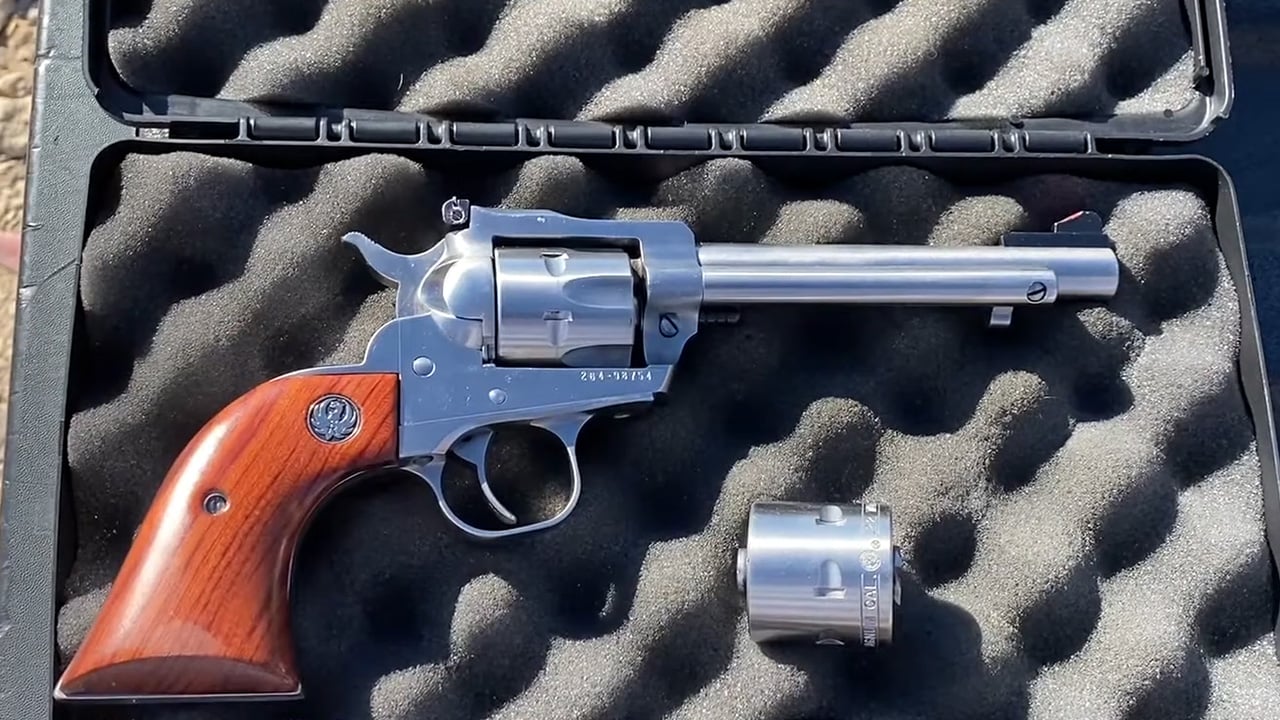
A Single-Six is a ranch gun, a trapline gun, a “walk the woods” gun. They’re also one of the best ways to teach a new shooter without turning it into a flinch-fest. New ones cost enough now that used starts looking real smart.
Look for cylinder fit and make sure both cylinders (if included) time correctly. A little honest wear is fine. What you don’t want is a revolver that’s been run loose by somebody fanning it like they’re in a bad movie.
19. SKS (Norinco or Yugoslav variants)
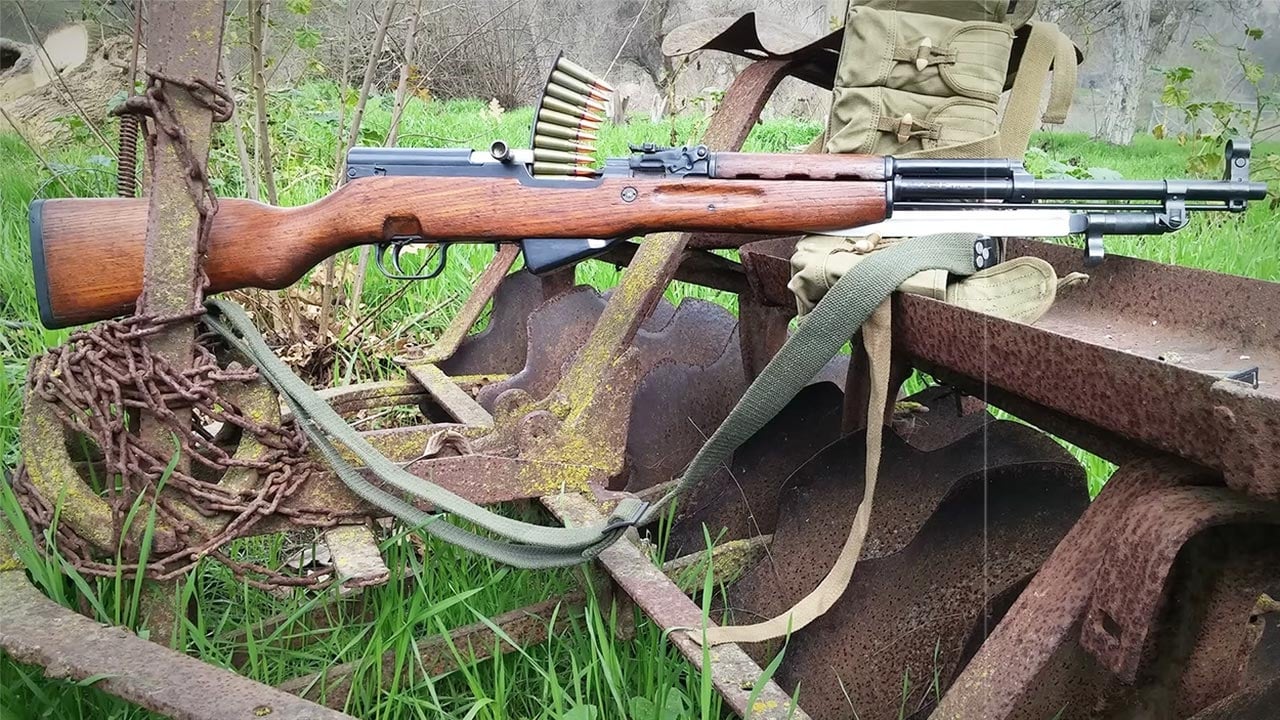
I get why folks sell SKSs. They bought them when they were cheap, then they got into ARs or AKs and the SKS started living in the back of the safe. But for a basic utility rifle, it’s still hard to beat if the price is sane.
Pawn shops sometimes overprice them because “they don’t make them anymore.” True, but condition matters. Check the bore, check the gas system for obvious issues, and make sure it hasn’t been modified into some plastic-stock mess. A clean SKS with stripper clips is a handy rifle.
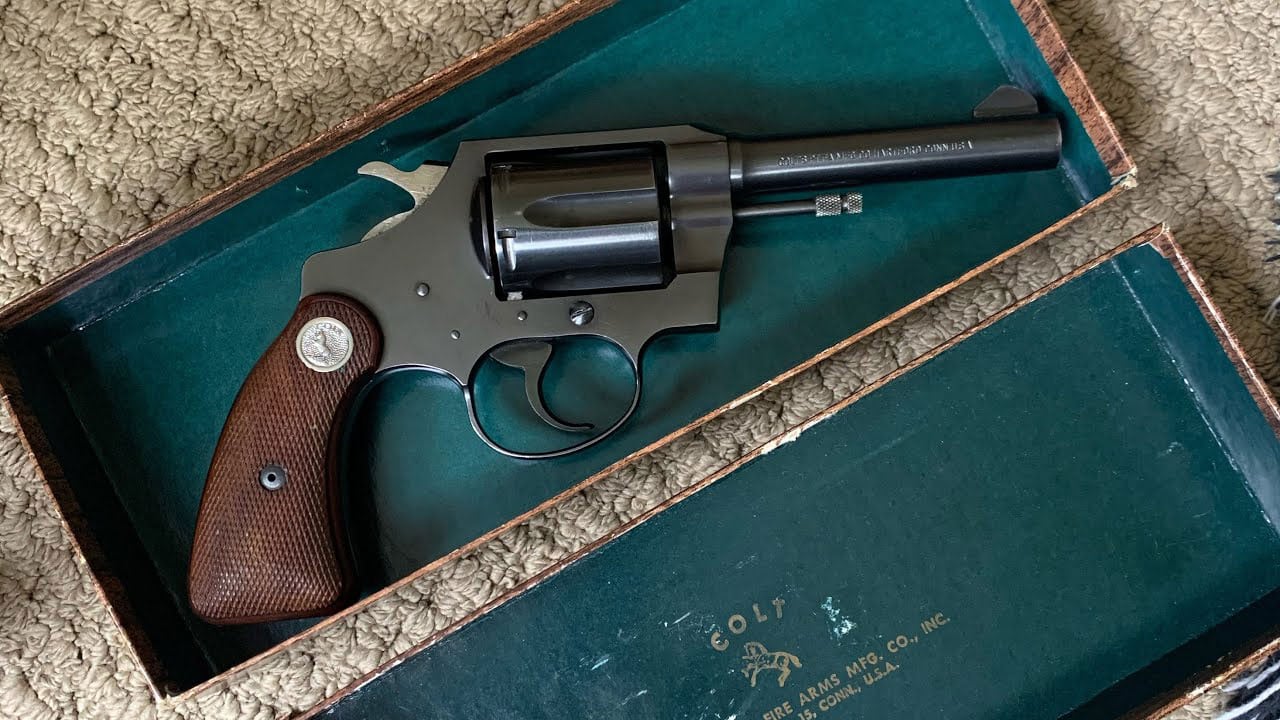
20. Colt Police Positive (or Detective Special)
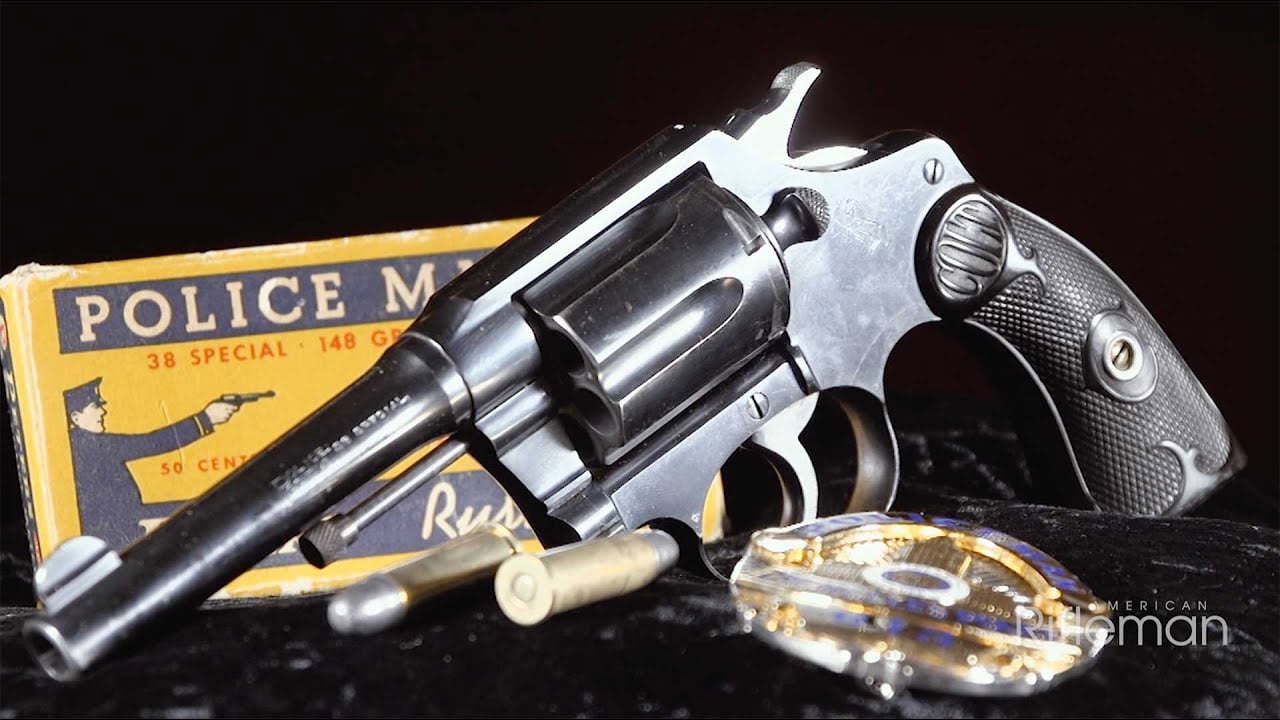
Old Colts can be a little intimidating because parts and qualified revolver smiths aren’t as common as they used to be. Still, when you find one in good shape at a pawn shop, it’s hard not to stop and stare for a minute.
The triggers can be excellent, and the guns carry history without being fragile antiques if you treat them right. Check timing carefully and don’t ignore a cylinder that feels out of sync. If it locks up correctly, it’s a classic revolver that’s a lot more interesting than another plastic pistol in a box.
Pawn shops aren’t magic, and they aren’t a substitute for knowing what you’re looking at. But if you stick to models with proven track records, common parts, and predictable wear patterns, used can be the smarter buy. I’d rather pay for function than for that first scratch that’s going to happen anyway the minute hunting season starts.
Like The Avid Outdoorsman’s content? Subscribe to our newsletter so you never miss an article.
Here’s more from us: