Photo credit: The Jimmini Show/YouTube
Popularity and trust are not always the same thing. Some pistols dominate sales because they have enormous marketing budgets, huge aftermarket support, or a familiar name on the slide. Others build their reputation much more quietly.
These are the guns that owners keep shooting for years without making much noise about them. They may never become the default recommendation at the gun counter, but their durability, reliability, and ability to keep functioning have earned them more confidence than their market share would suggest. These 20 pistols deserve more respect than their popularity indicates.
Beretta PX4 Storm Full Size
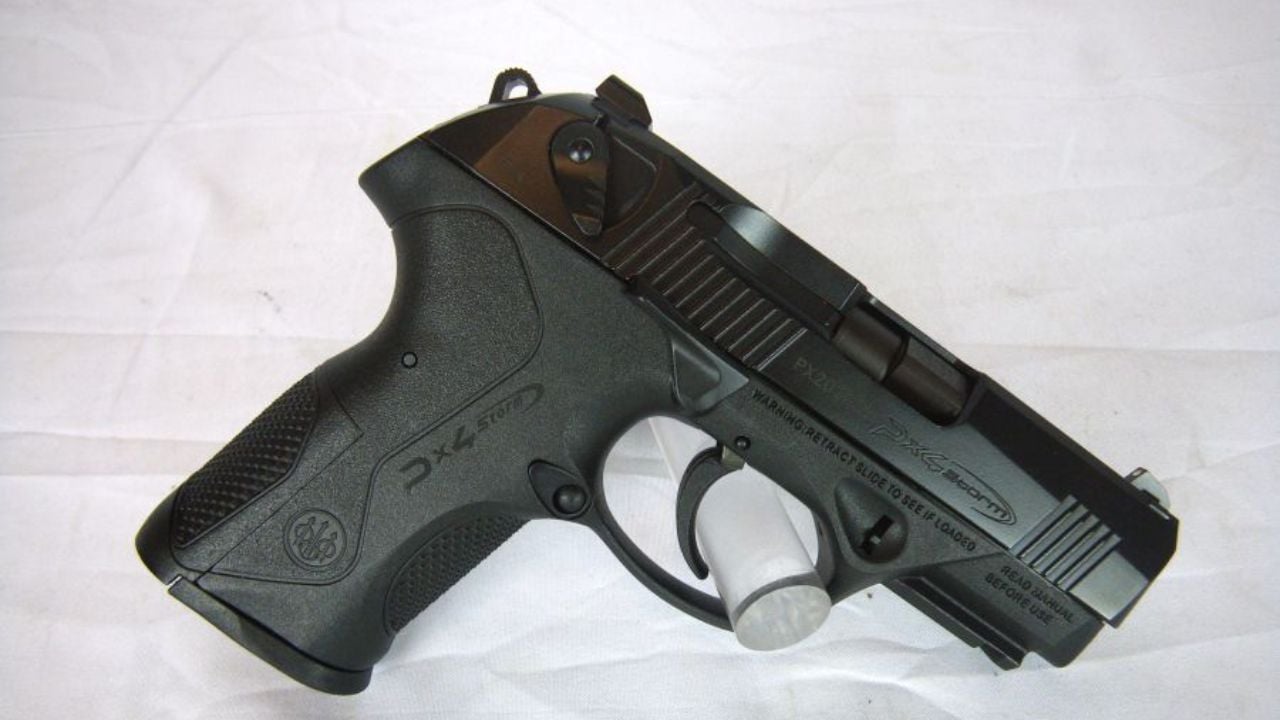
The PX4 Storm never became the successor to the Beretta 92 that some expected it to be. Its unusual styling and rotating-barrel system made it different enough that many buyers simply stuck with more conventional pistols.
Shooters who actually put serious rounds through the PX4 tend to view it very differently. The rotating barrel helps tame recoil, the action is durable, and the full-size version is remarkably pleasant during high-round-count range sessions. It has quietly developed one of the stronger reputations among people who prefer hammer-fired defensive pistols. The PX4 may never dominate gun-store shelves, but it has earned trust the hard way.
CZ 75 B

The CZ 75 B is famous among experienced handgun shooters, yet it has never enjoyed anything close to Glock-level popularity in the United States. Its all-steel frame, traditional DA/SA trigger, and internal slide rails also make it feel very different from today’s polymer pistols.
Reliability is rarely what pushes owners away from one. The design has been used and copied around the world for decades because it combines durability with excellent shooting characteristics. A CZ 75 B may be heavier and less fashionable than a current striker pistol, but it has accumulated an enormous amount of real-world credibility without needing much marketing help.
IWI Jericho 941
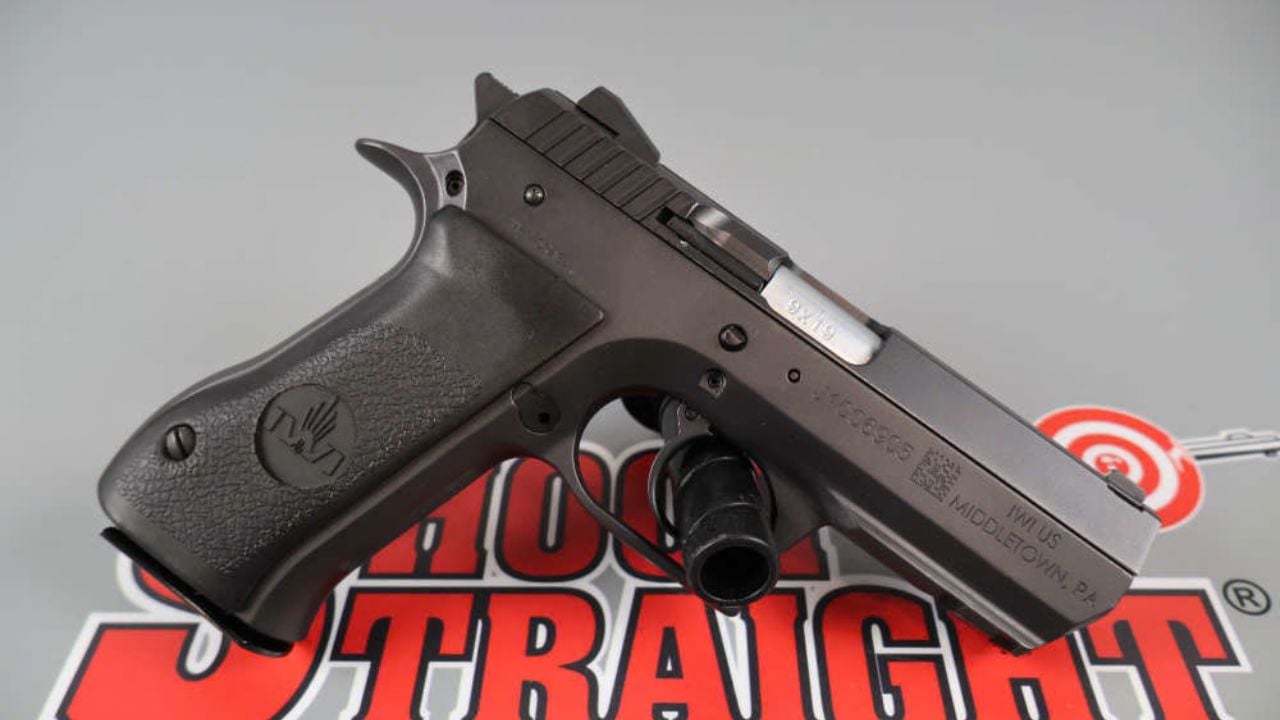
The Jericho 941 often gets attention because of its distinctive appearance or Israeli origins, while the actual durability of the design gets less discussion.
It is a substantial metal-framed pistol based broadly on the CZ 75 operating concept. That gives it a proven mechanical foundation, and the weight helps make the gun exceptionally manageable in 9mm. Jerichos have spent years being carried and used in demanding environments without becoming particularly glamorous in the American market. Owners who shoot them regularly often trust them far more than casual buyers expect.
Beretta 96A1
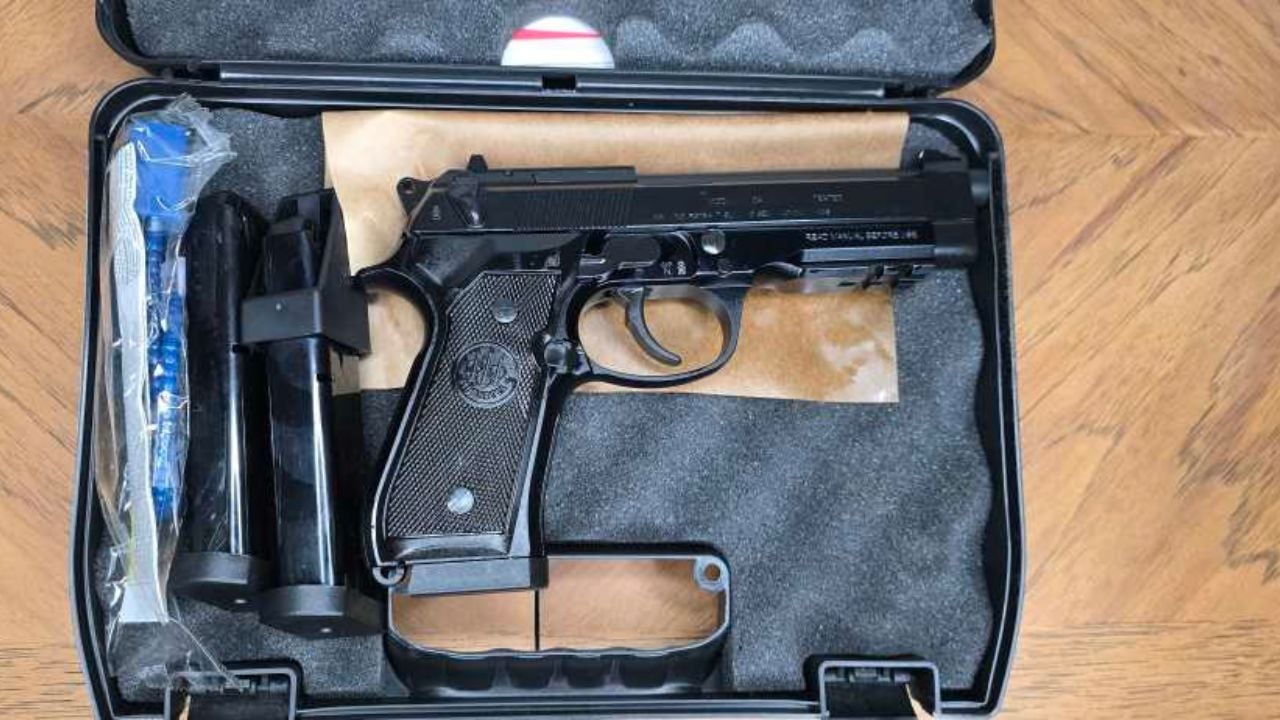
The decline of .40 S&W pushed pistols like the 96A1 almost completely out of mainstream conversation. That says more about ammunition trends than it does about the gun.
The 96A1 benefits from the mature Beretta 92-series action and adds the weight and size needed to make .40 S&W much more manageable than it feels in smaller pistols. The design is proven, magazines are substantial, and the gun was built around service-style use rather than minimum weight. It is not fashionable anymore, but a properly maintained 96A1 remains the kind of pistol an owner can trust for an enormous number of rounds.
Ruger P90
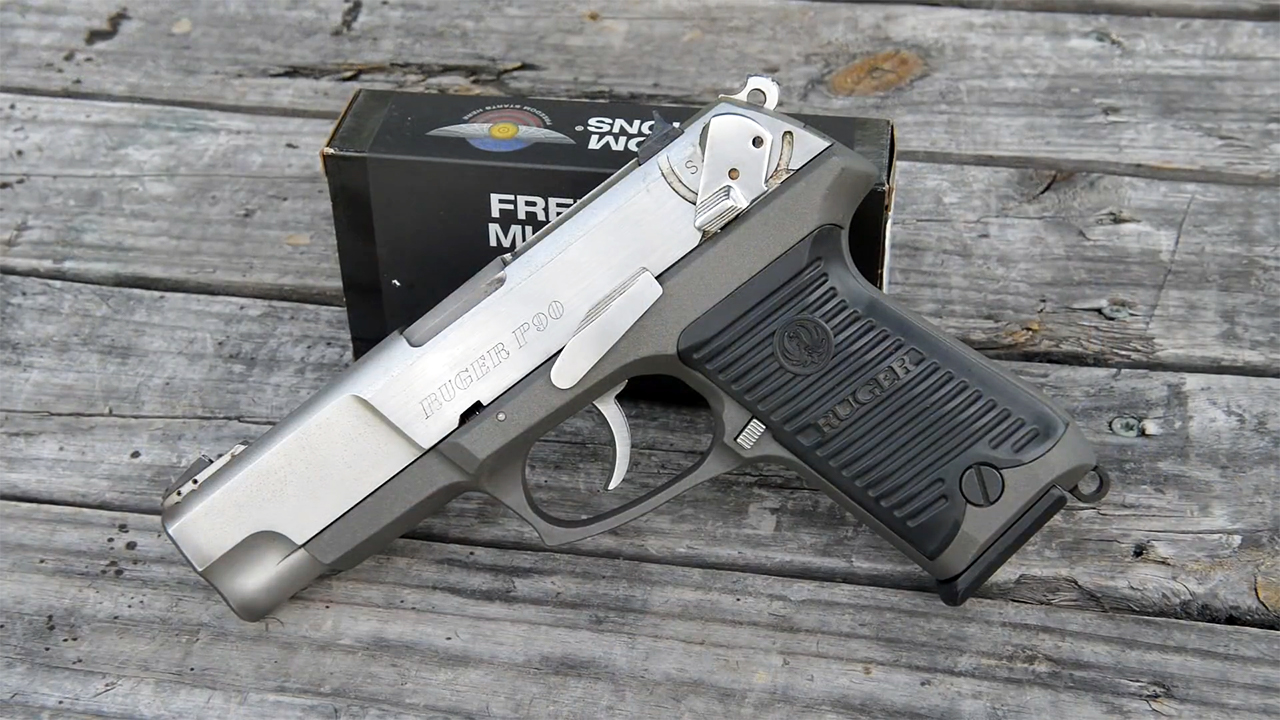
The P90 looks like it was designed with a ruler and a complete disregard for elegance. Ruger’s older P-series pistols were never known for beauty, but durability was another story.
The P90 in .45 ACP became particularly respected because it was built with the same overbuilt mentality that defined the series. The pistol is large, the controls feel dated, and nobody is likely to call it refined. Yet many examples have spent decades digesting ammunition with little more than basic maintenance. Owners often trust them precisely because there is very little delicate about the design.
Ruger P97
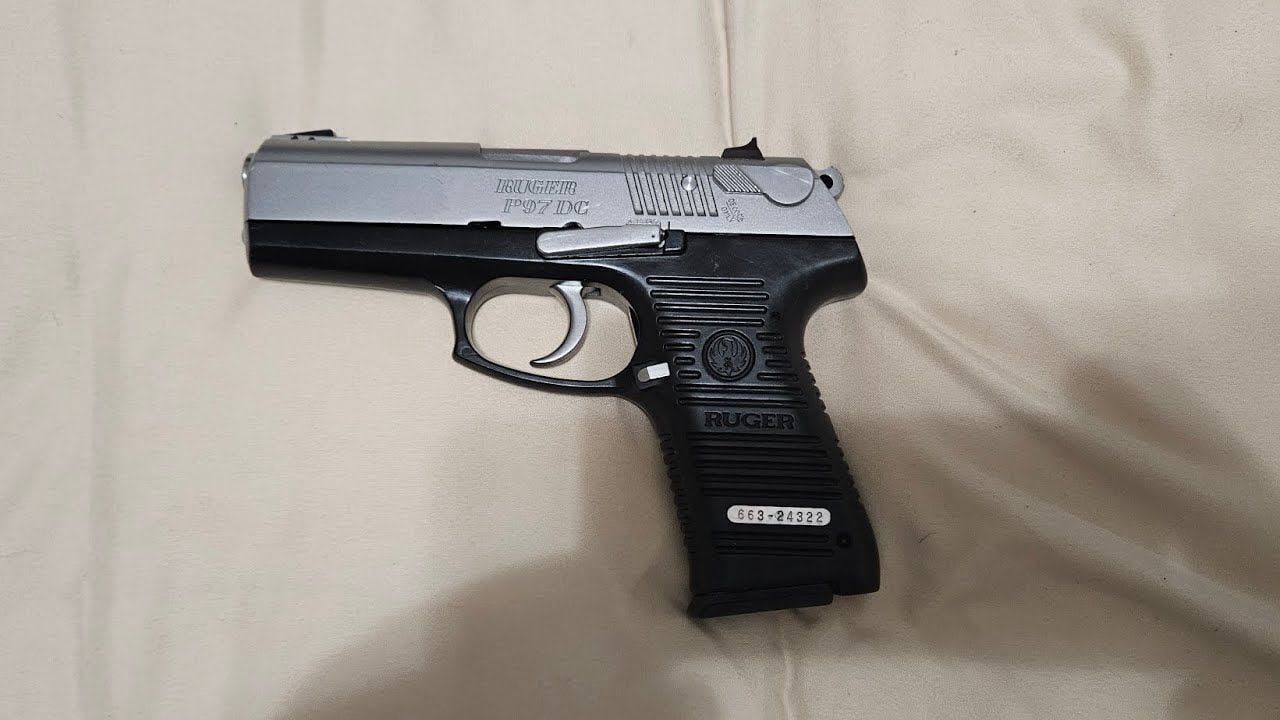
The P97 was Ruger’s attempt to slim down the company’s .45 ACP service pistol without abandoning the rugged operating system that made the P-series famous.
It never developed a huge following, partly because polymer striker-fired pistols quickly took over the market. That did not stop the P97 from becoming a dependable working handgun. The gun is lighter than the P90 while retaining a straightforward action and generous dimensions for reliable cycling. It is another Ruger that people bought cheaply, shot heavily, and often discovered was far more trustworthy than its modest reputation suggested.
SIG Sauer P2022

The SP2022 has spent most of its life overshadowed by SIG’s metal-framed P226 and P229 and later by the P320 family. That has made it one of the easiest SIG pistols to underestimate.
The polymer frame keeps the price and weight down, but the pistol retains a traditional SIG-style DA/SA operating system. The design has also seen large institutional contracts overseas, which says more about its intended durability than its relatively quiet civilian reputation. Shooters looking for a dependable hammer-fired pistol often discover the SP2022 delivers much more than its lower position in the SIG hierarchy suggests.
Walther P99

The P99 was technologically ambitious when it appeared, but its unusual trigger system and changing variants made it harder for the pistol to establish a simple identity in the American market.
Reliability was never its biggest problem. The P99 was built as a serious service pistol, and its striker system offered capabilities that were unusual when it launched. The ergonomics were excellent, the pistol was lightweight, and the design proved durable enough to influence later Walther handguns. It may not have won the popularity contest, but it earned considerably more professional credibility than its American sales numbers would imply.
FN FNP-9
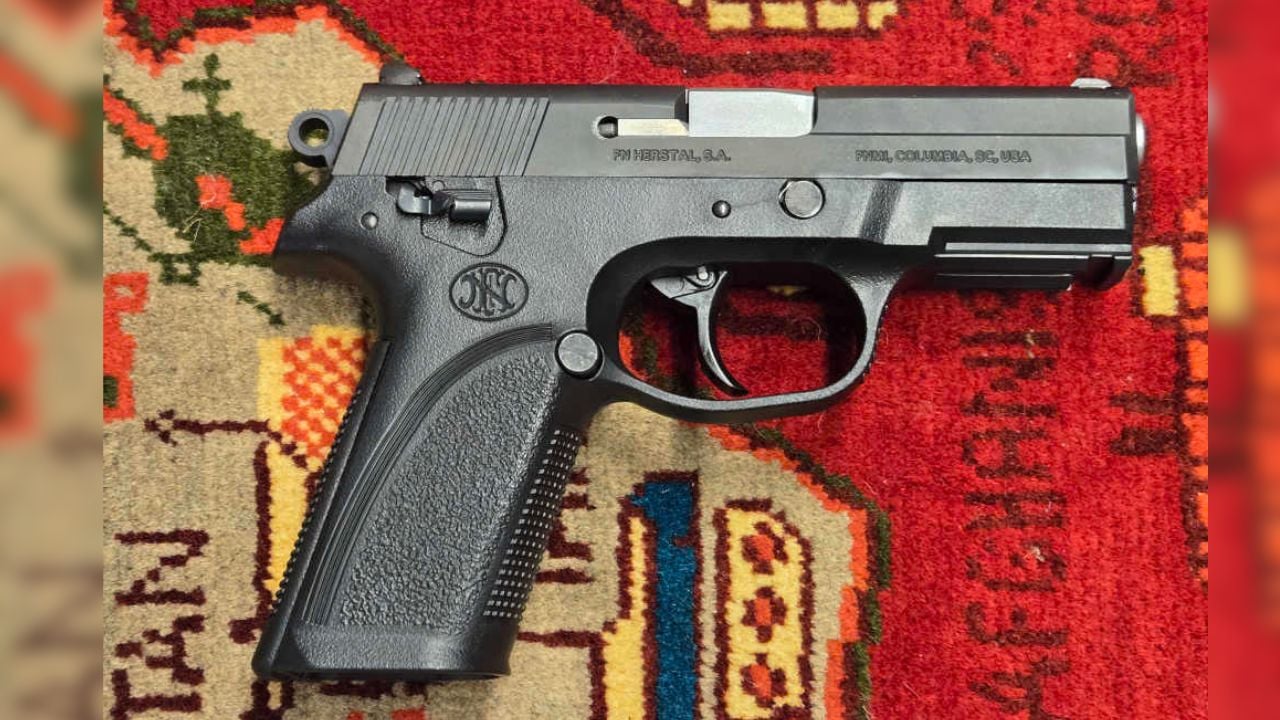
The FNP-9 arrived before FN had established a major civilian handgun following in the United States. It was a polymer-framed DA/SA pistol entering a market that was already moving aggressively toward striker-fired guns.
That timing hurt its popularity, not necessarily its performance. The FNP series was designed as a practical service pistol with good capacity and straightforward controls. Owners often found them reliable, easy to shoot, and far more durable than the limited aftermarket suggested. The later FNX family received more attention, but the FNP deserves credit for establishing a dependable foundation.
FNX-9
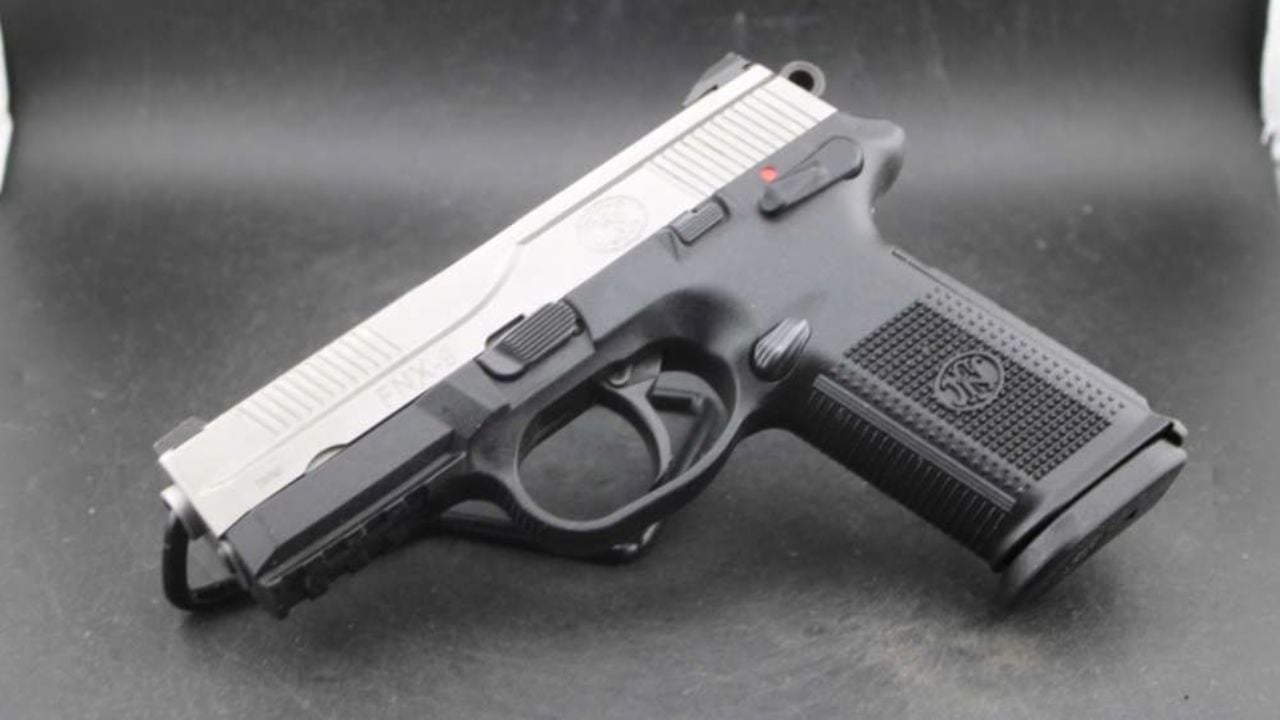
The FNX-9 took the FNP concept and refined it with improved controls and ergonomics. It still struggled for attention because hammer-fired polymer pistols were becoming increasingly uncommon.
For shooters who actually prefer that setup, the FNX-9 has plenty going for it. The pistol offers useful capacity, ambidextrous controls, and a rugged overall design that was intended for much more than occasional range use. The .45 Tactical version became famous, while the ordinary 9mm quietly remained the more economical pistol to shoot. It never became trendy, but reliability has given owners little reason to abandon it.
Stoeger Cougar 8000
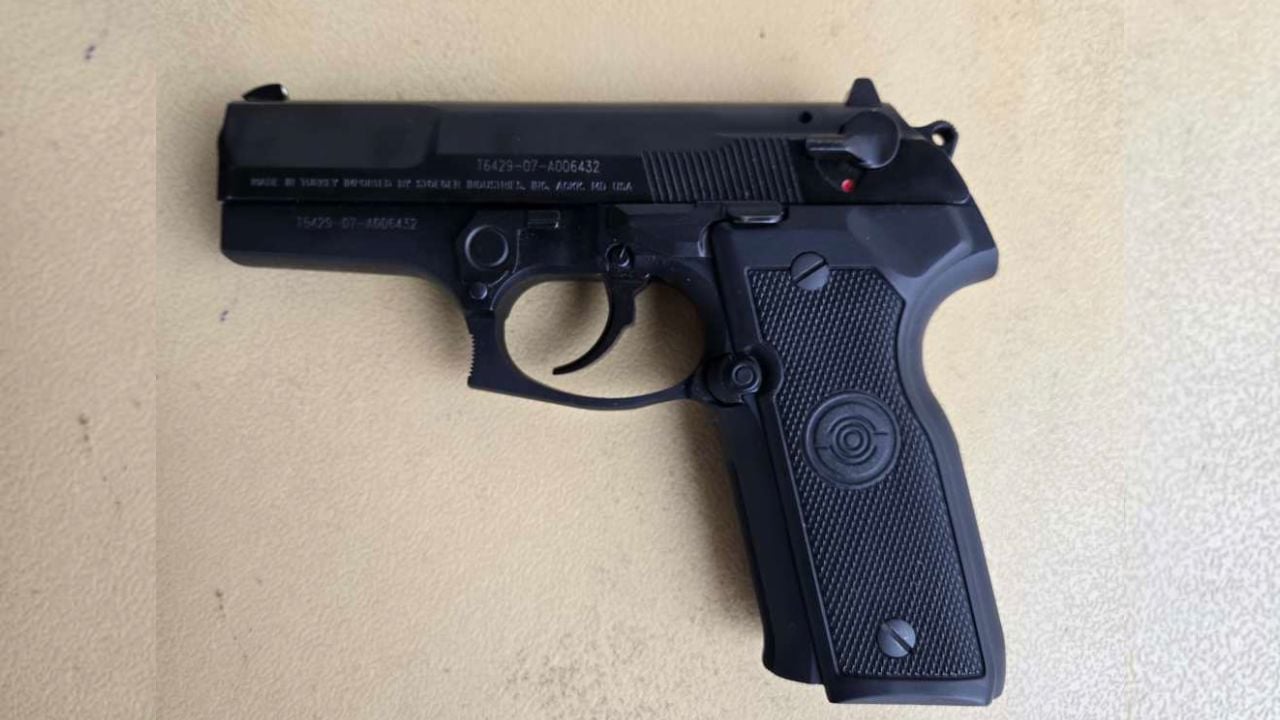
The Cougar is a strange case because it started as a Beretta design and later became associated with Stoeger production. That lower-priced branding caused many shooters to assume it was somehow a lesser pistol.
Mechanically, the rotating-barrel system remained the important part. The Cougar is soft-shooting, solidly built, and surprisingly dependable when properly maintained. It is heavier than modern carry pistols and lacks the aftermarket support of current platforms, but those drawbacks have very little to do with whether the gun works. Owners who bought them inexpensively often discovered a pistol far better than the market reputation suggested.
Beretta 8000 Cougar
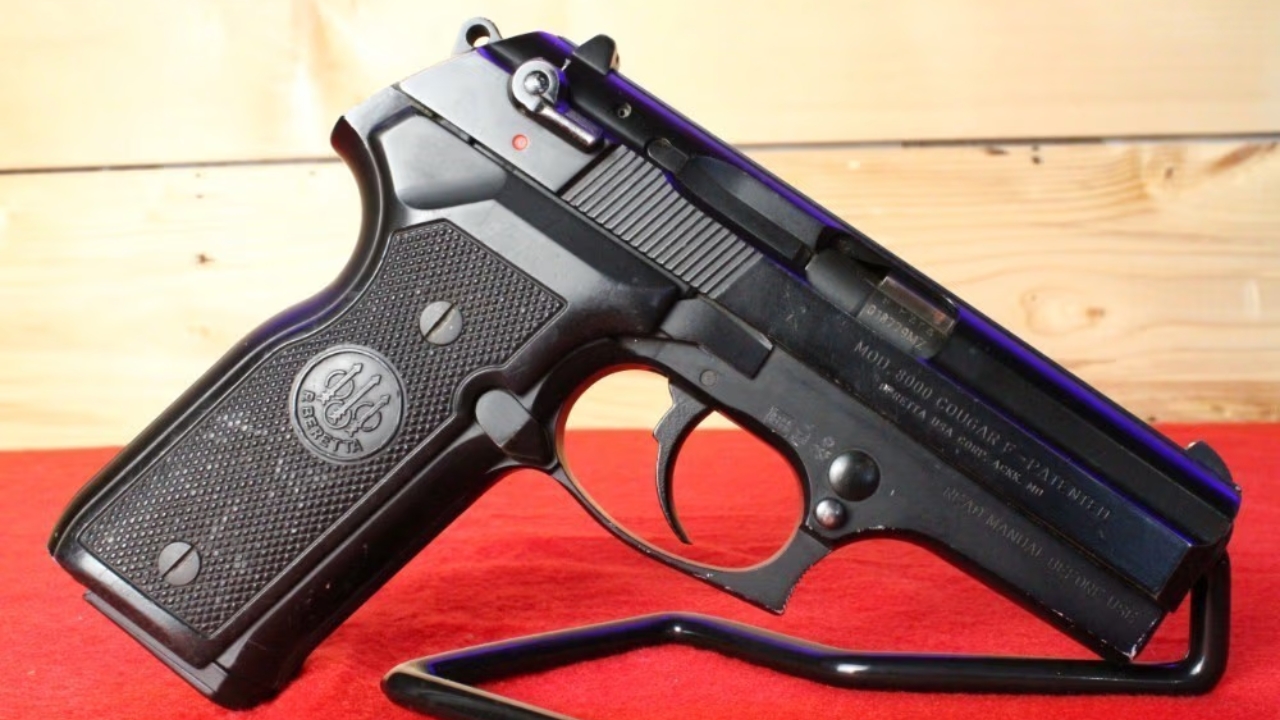
The original Beretta Cougar never enjoyed the widespread popularity of the 92 series, even though it offered a more compact package and an interesting rotating-barrel action.
Its operating system proved durable, and the extra weight of the metal frame made the pistol extremely manageable. The Cougar eventually disappeared as polymer pistols took over, but that does not erase the confidence many longtime owners developed in them. It is one of those pistols that seems obscure today until you talk to someone who has been shooting the same example reliably for decades.
CZ 97 B
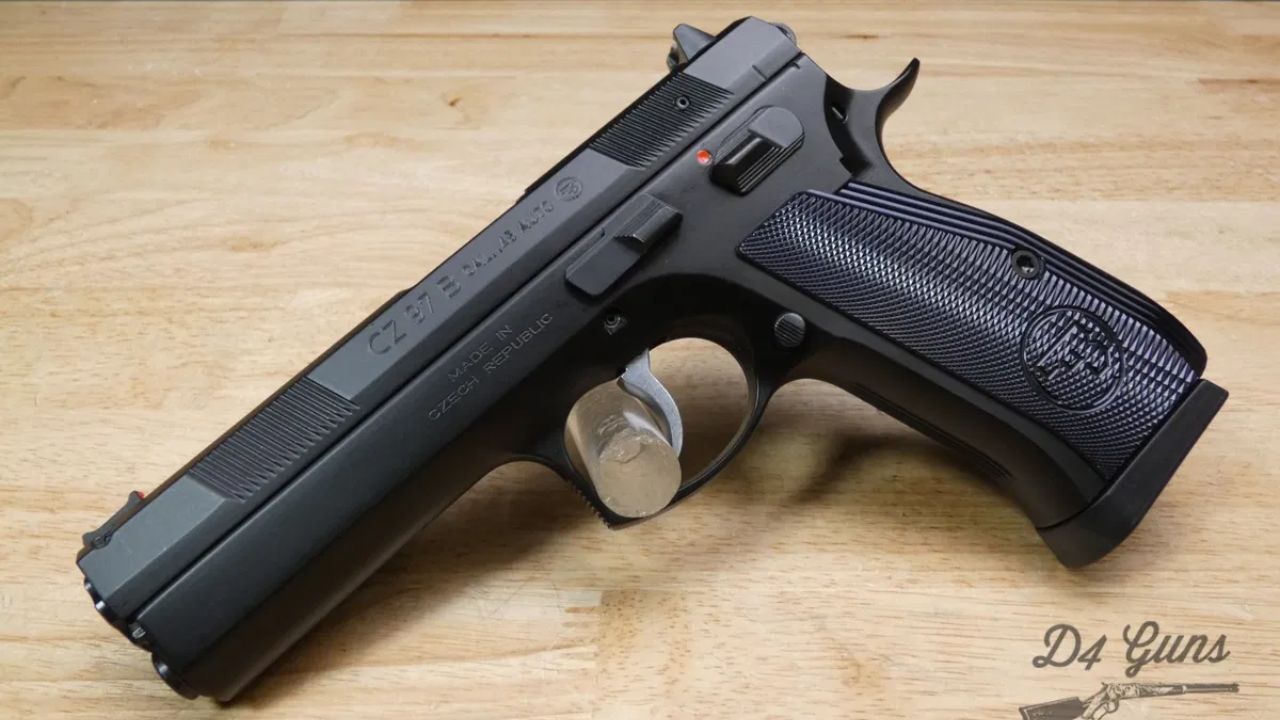
The CZ 97 B essentially took the classic CZ 75 concept and enlarged it for .45 ACP. It was big, heavy, and never likely to compete with compact defensive pistols for broad popularity.
Those dimensions also helped it become an exceptionally comfortable .45 to shoot. The heavy steel frame absorbs recoil, while the traditional CZ action provides a proven mechanical foundation. The 97 B developed a loyal following among owners who cared more about shooting performance than carry weight. Its discontinuation only highlighted how unusual it was to have such a substantial, dependable all-steel .45 available at a reasonable price.
EAA Witness Full Size
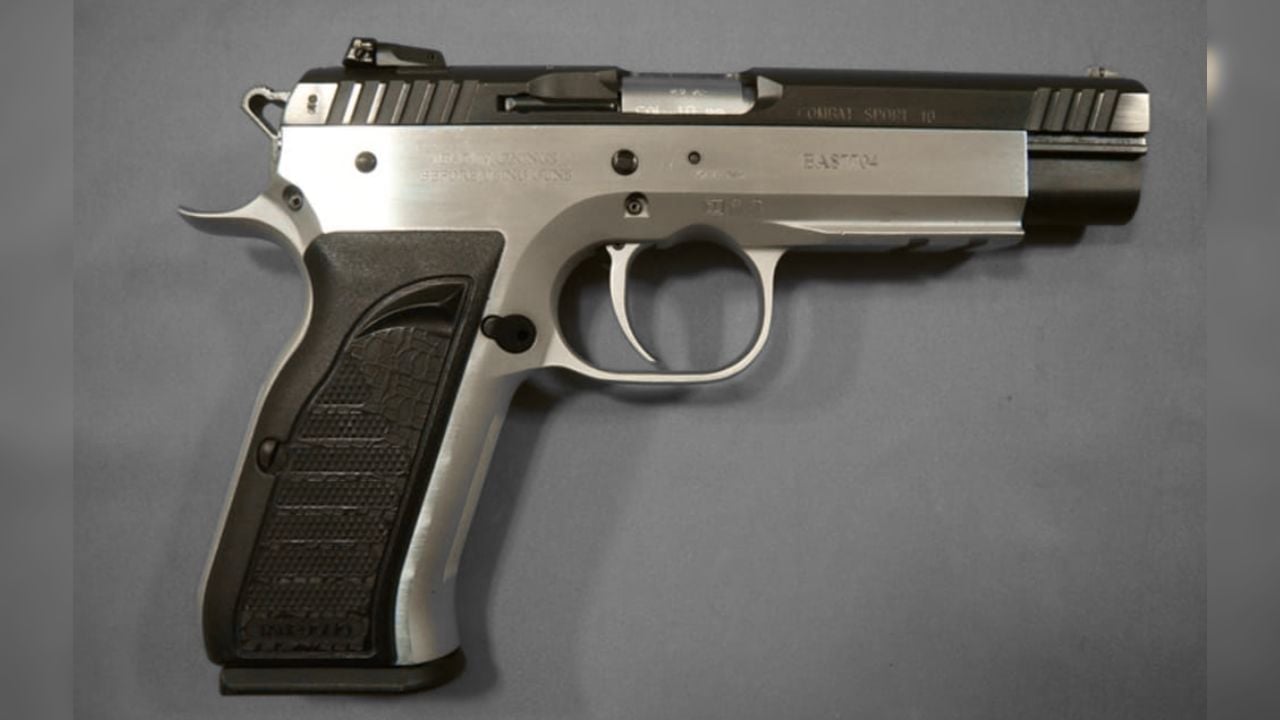
The Witness family spent years being treated as inexpensive CZ-pattern pistols. That low-cost reputation caused some shooters to dismiss them without considering how mature the underlying design was.
Full-size steel models, particularly in standard-pressure chamberings, can be extremely solid shooters. The substantial frames provide plenty of operating margin, while the CZ-derived layout gives the pistol a proven foundation. Quality varied across the enormous Witness family, but good examples earned loyal owners who discovered that an inexpensive import could keep running for years without needing to impress anyone at the range.
Baby Eagle II
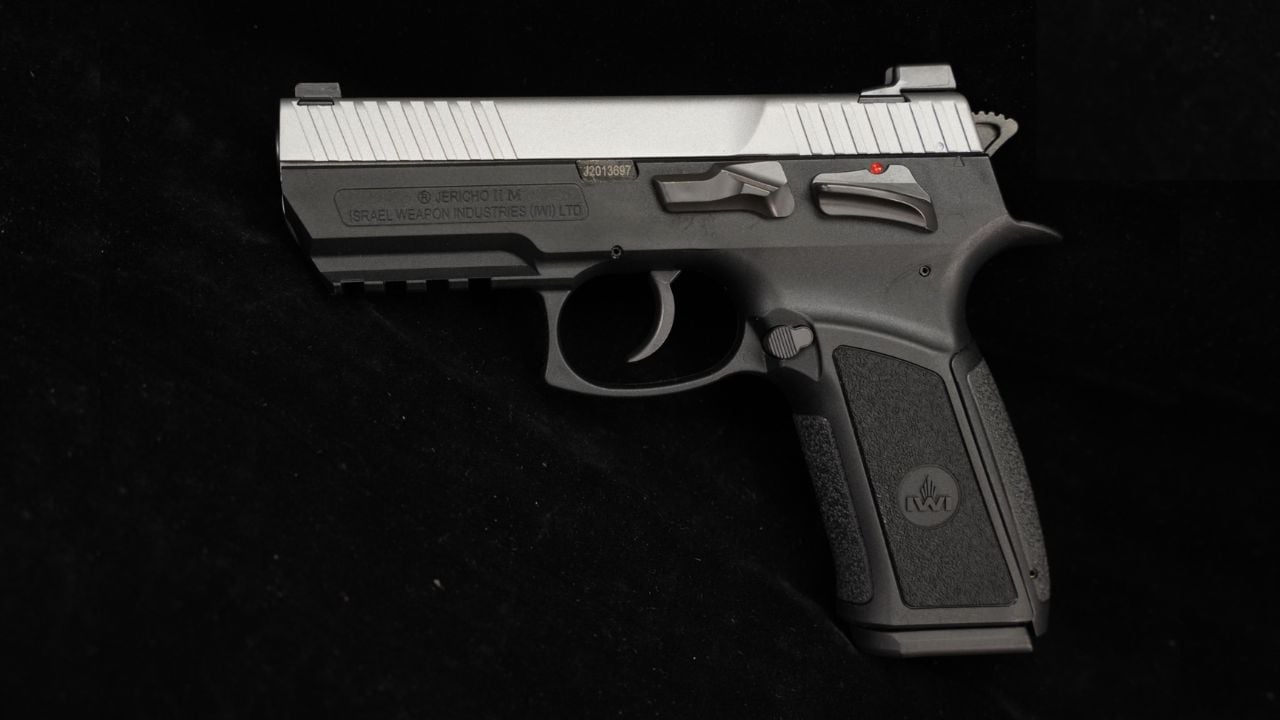
The Baby Eagle II had styling that made it look exotic while mechanically sharing plenty with the proven CZ-pattern family of pistols. Magnum Research’s branding sometimes caused buyers to focus more on appearance than on the practical gun underneath.
The pistol is heavy, comfortable, and generally very easy to shoot well. The steel-frame versions in particular have the mass and robust construction people expect from a serious service handgun. It never became a mainstream carry choice because lighter pistols were everywhere, but owners often develop considerable confidence in them after years of uneventful shooting.
Sarsilmaz K2 45
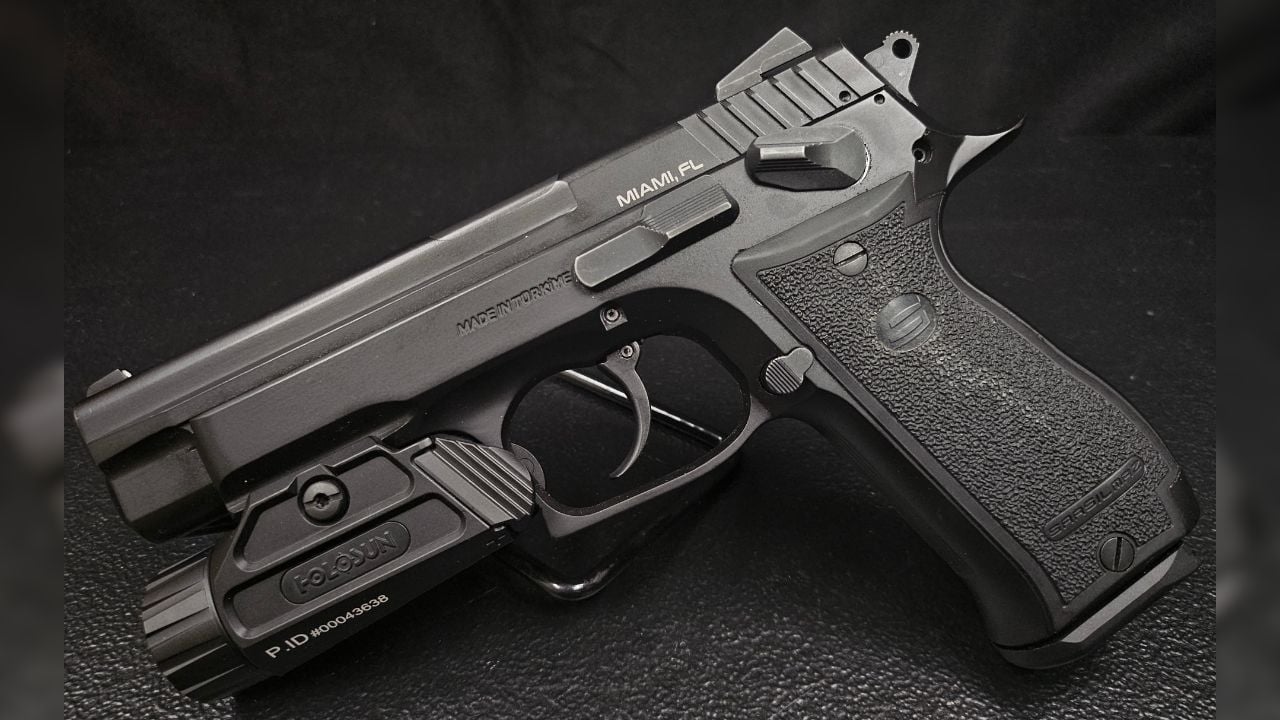
The K2 45 does not have the recognition of an HK45, Glock 21, or traditional 1911. In fact, plenty of American handgun buyers have probably never handled one.
That does not mean it is lightly built. The K2 is a substantial double-stack .45 with a metal frame and the kind of dimensions that make recoil much easier to manage. Its lower profile in the American market has more to do with branding and distribution than an inability to function. Shooters who want a high-capacity hammer-fired .45 often discover there is far more serious pistol here than the unfamiliar name suggests.
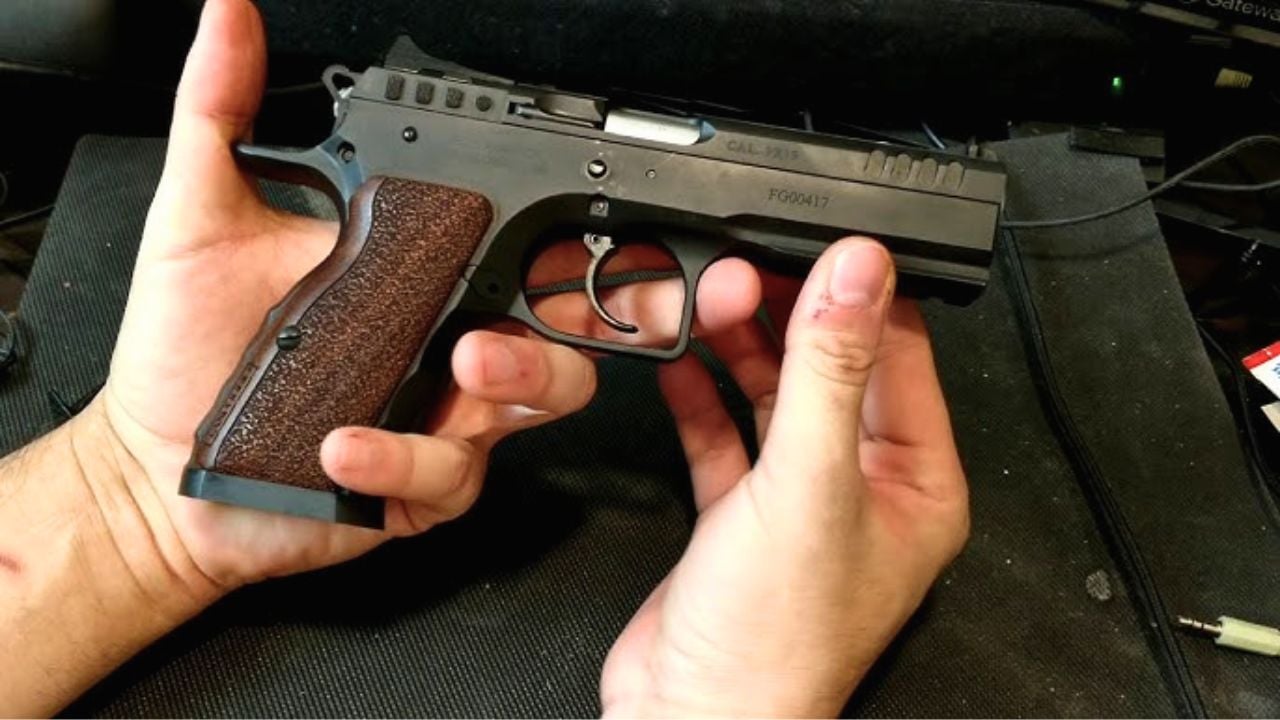
Tanfoglio Stock I
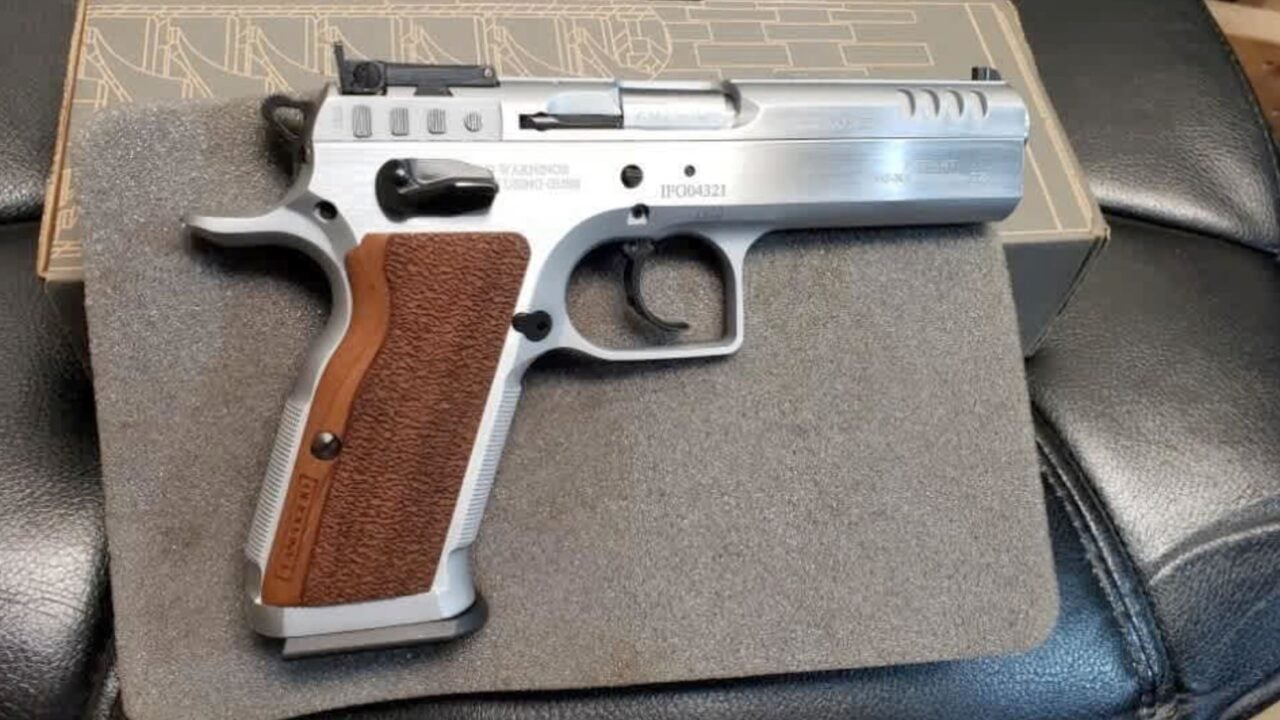
Tanfoglio is widely known among competition shooters, but its pistols receive far less mainstream defensive attention than CZs, Berettas, or SIGs.
The Stock I shows why the brand has earned loyal users. It combines a steel frame, traditional DA/SA operation, and a design derived from a mechanically proven family of pistols. Competition shooters tend to expose guns to high round counts quickly, and Tanfoglios have built their reputation in exactly that environment. They may not fill police holsters across America, but they have been trusted through a tremendous amount of hard use.
Beretta 8045 Cougar
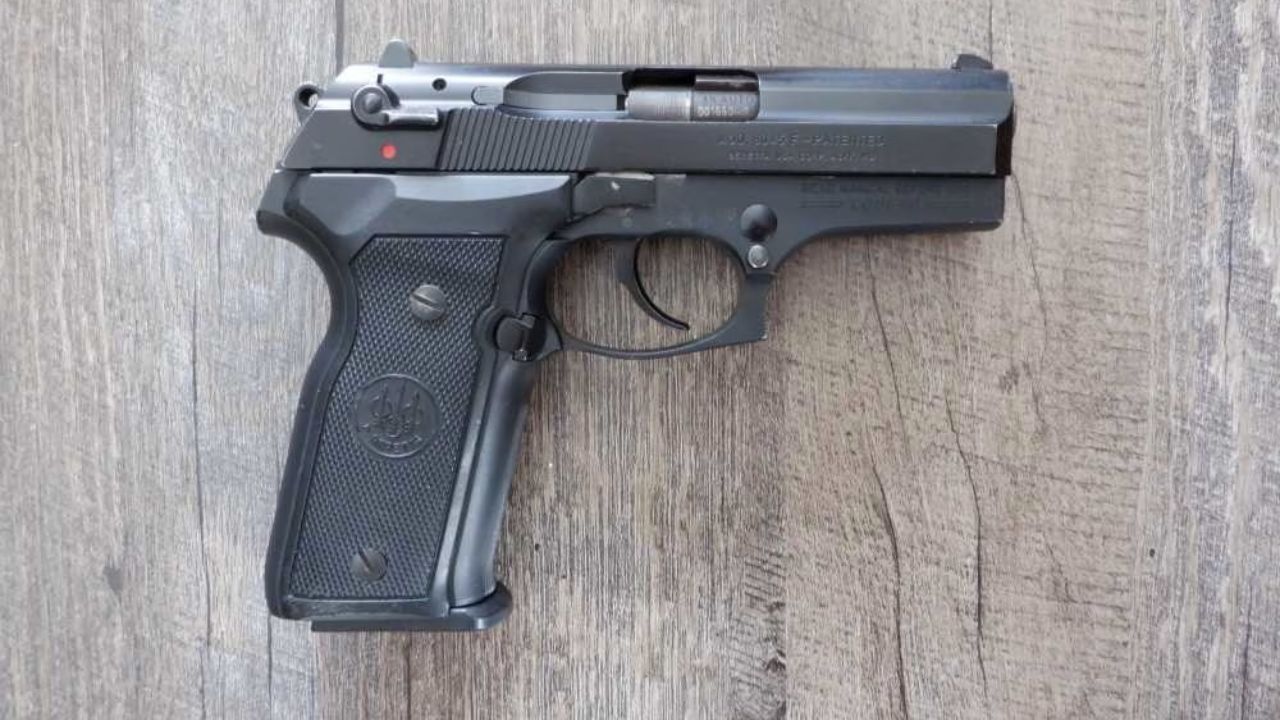
The .45 ACP Cougar is even less common than the 9mm versions, but it retains the same rotating-barrel operating principle in a larger caliber.
That creates a substantial handgun with very manageable recoil and a mechanical system Beretta had already developed around service use. It never became a huge seller because the market increasingly favored lighter polymer .45s. Owners who kept them often discovered that weight is much less objectionable when it helps a pistol remain pleasant and controllable after hundreds of rounds.
Smith & Wesson Model 457
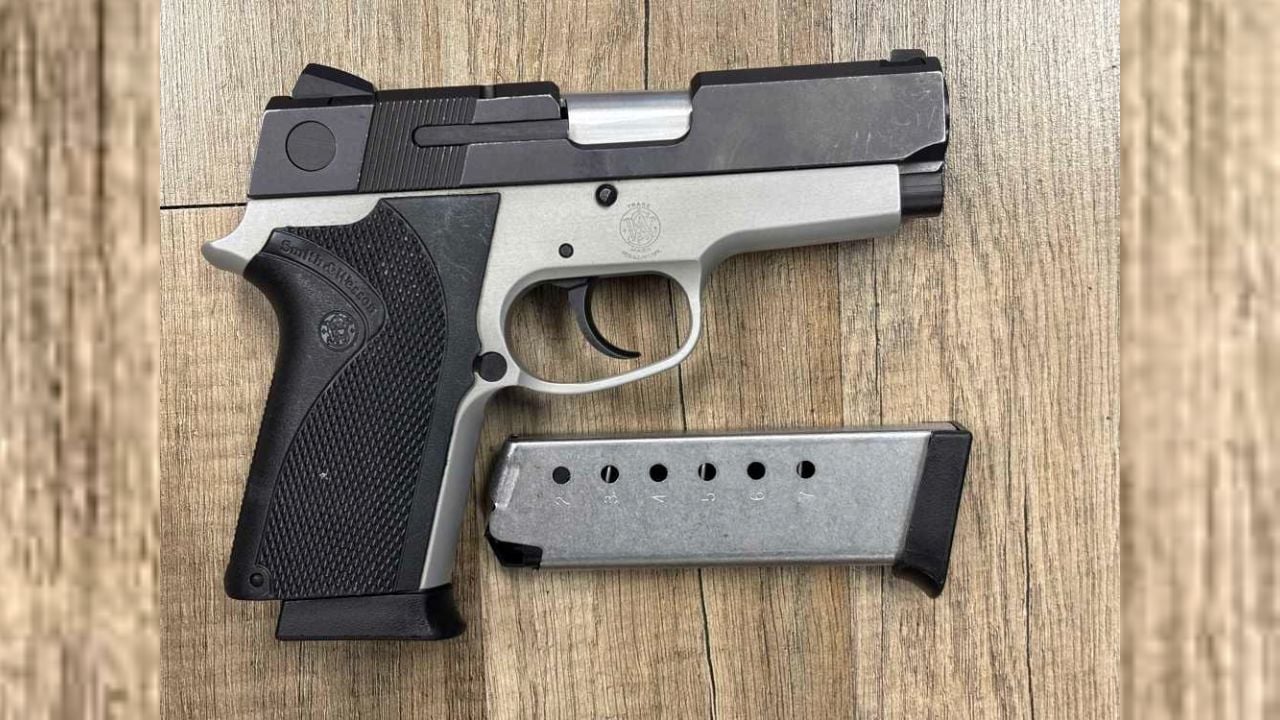
The Model 457 was one of Smith & Wesson’s value-oriented compact .45 pistols. It lacked the polished appearance and features of the company’s premium third-generation guns, which kept it from becoming a collector darling or status piece.
Its simpler presentation did not stop it from being useful. The pistol offered traditional DA/SA operation, a compact profile, and the basic durability associated with Smith’s metal-framed autos. Many owners bought them as affordable defensive pistols and simply kept using them. The 457 is a good example of a gun earning confidence through boring reliability rather than reputation.
Astra A-75

The Astra A-75 was a compact Spanish semiautomatic that entered an American handgun market already crowded with better-known European and domestic brands.
That made it easy to overlook, but the little pistol developed a loyal following because it was solidly constructed and surprisingly dependable. Steel-frame versions have enough weight to make 9mm very manageable, while the straightforward design avoids unnecessary complexity. Astra eventually disappeared as a manufacturer, but surviving A-75s continue to remind owners that a gun does not need a famous modern brand name to prove itself trustworthy.
Like The Avid Outdoorsman’s content? Subscribe to our newsletter so you never miss an article.
Here’s more from us: