Photo credit: Mrgunsngear Channel/Youtube
A gun can be accurate on paper and still wear you out in the real world. Sometimes it’s recoil. Sometimes it’s a tiny grip, a gritty trigger, a goofy sight picture, or a reliability “personality” that turns every range trip into a troubleshooting session. And sometimes it’s just the truth nobody wants to say out loud: some firearms take more work to shoot well than most of us have time for.
This isn’t a list of “bad” guns. A bunch of these are excellent at what they were designed to do. The problem is that “designed to do” and “easy to shoot well” are two different things. If you’ve ever gone home with a sore hand, a bruised shoulder, and a target that looks like you were patterning buckshot, you’ll recognize a few of these.
1. Smith & Wesson 340PD
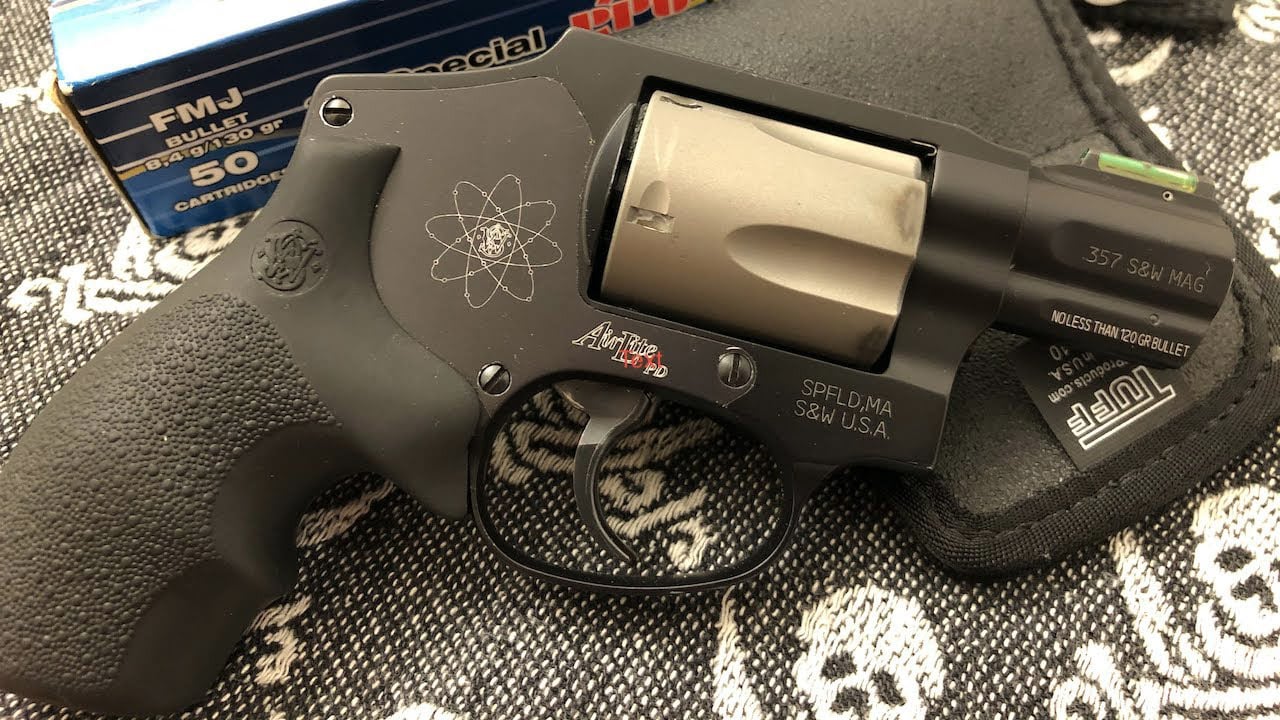
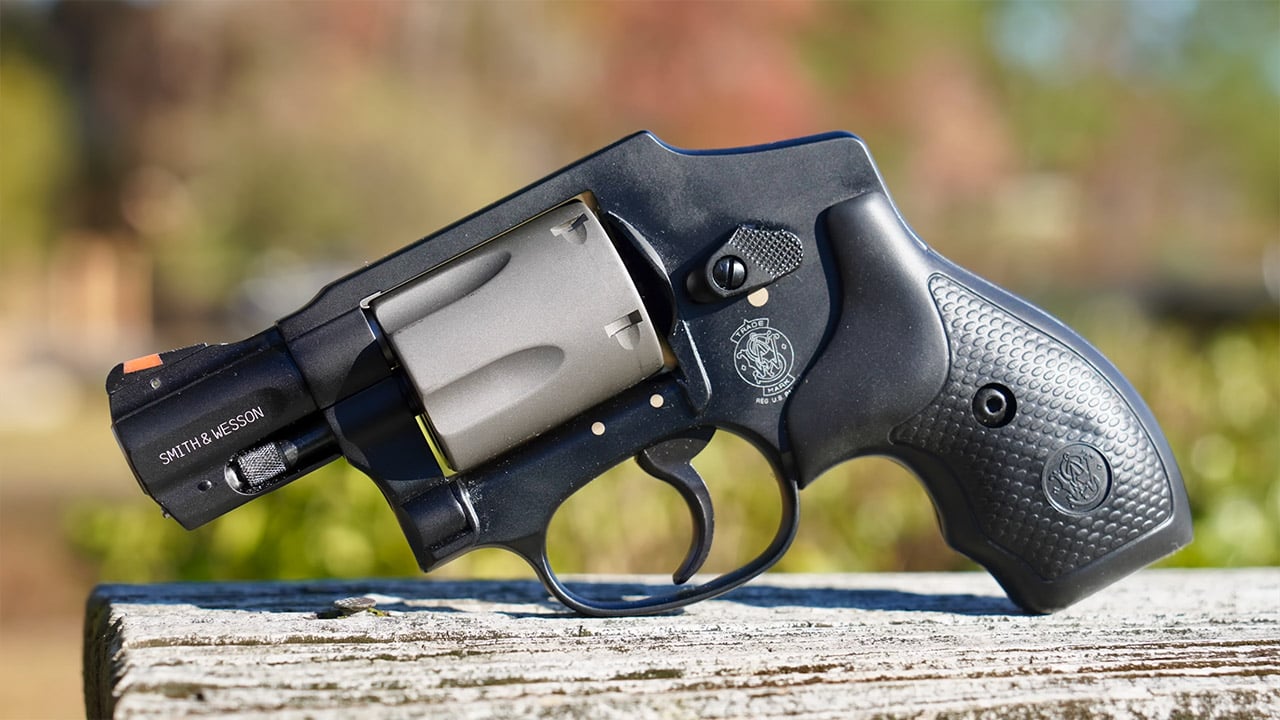
Ultra-light .357 revolvers sound like a smart carry choice until you actually run a box of real ammo through one. The 340PD is a featherweight, and it carries like a dream. It also recoils like it’s mad at you personally.
The hard part isn’t just pain. The hard part is staying honest with your practice when every trigger press is a little flinch factory. If you can shoot it well, you earned it. Most folks end up loading .38s and calling it good, which kind of tells the story.
2. Ruger LCP (original)
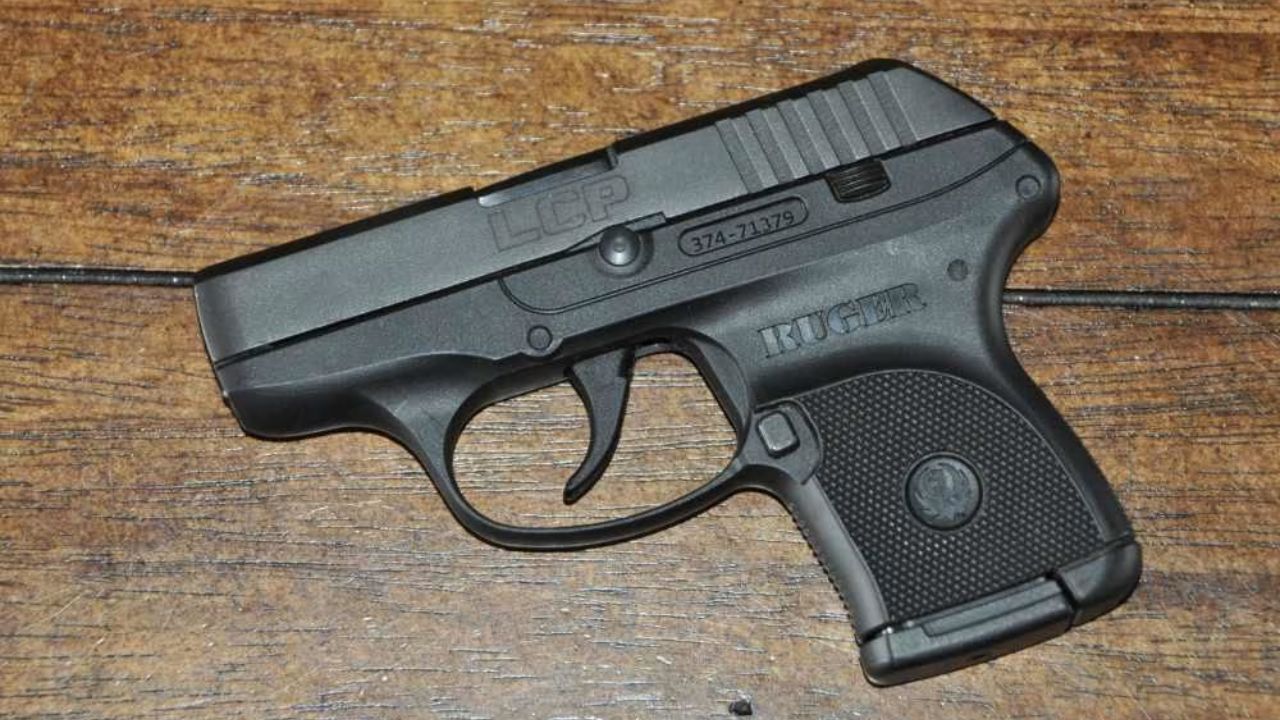
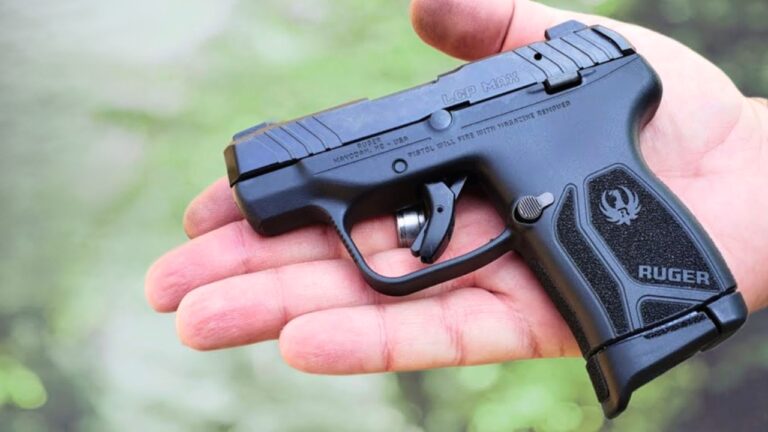
The original LCP helped start the pocket-pistol craze, and I get why. It disappears in a pocket holster and goes everywhere. But it’s not a “fun” gun, and it’s not a forgiving gun.
Small sights, long pull, tiny grip, snappy recoil for the caliber—stack all that together and “good shooting” becomes a real skill. It’ll do its job at close distance, but it will absolutely expose sloppy fundamentals.
3. Kel-Tec PF-9

There’s a certain type of thin, budget 9mm that looks perfect in the display case and feels like a chore on the firing line. The PF-9 is light, flat, and easy to carry. Then you start shooting.
The recoil impulse is sharp, and the grip geometry doesn’t do you any favors. It’s also the kind of pistol that can make you chase reliability gremlins if you don’t keep on top of maintenance and ammo selection. When a range day turns into a diagnostic day, it gets exhausting fast.
4. Kahr PM9
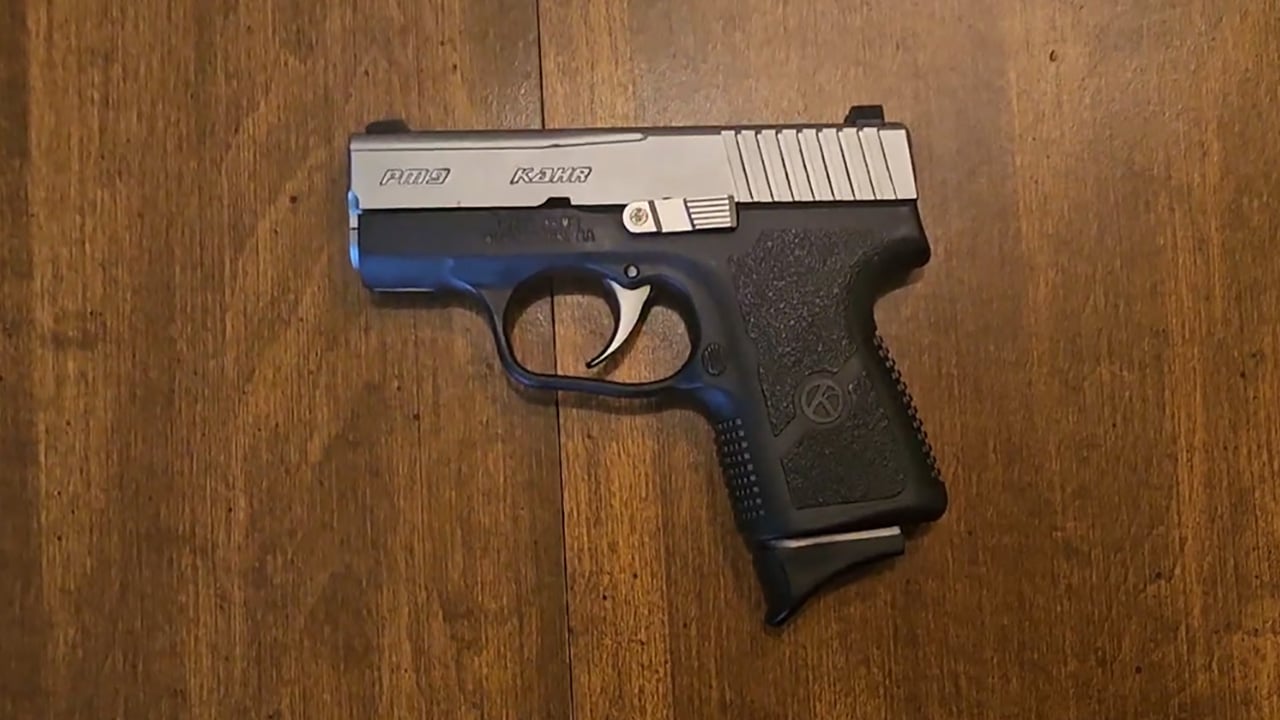
The PM9 is one of those pistols that serious concealed carriers respect, and for good reason. It’s compact, well-made, and it points naturally. But it takes commitment.
That long, smooth trigger is great when you learn it. Before you learn it, you’ll yank shots low and wonder why your groups look like a sideways comma. Add a short sight radius and brisk recoil and you’ve got a pistol that rewards practice—but demands it too.
5. Glock 43

The Glock 43 is reliable and simple, and it’s put a lot of honest carry guns on a lot of belts. The downside is the same downside most single-stacks have: less grip, less weight, more felt recoil, more movement in your hands.
It’s not that it’s inaccurate. It’s that it’s easy to get “acceptable” hits and harder to shoot truly well at speed. If you don’t lock in your grip and trigger press, the target will tell on you.
6. SIG Sauer P365 (standard micro-compact)

Micro-compacts changed the game, and the P365 is a big reason why. Great capacity for the size, good sights, decent trigger. Still, a small gun is a small gun.
Run fast strings, reloads, and one-handed work and you’ll notice how quickly they fatigue your hands compared to a compact or full-size. You can get very good with it, but it’s more work than folks expect after watching a couple highlight-reel videos.
7. Springfield Armory Hellcat
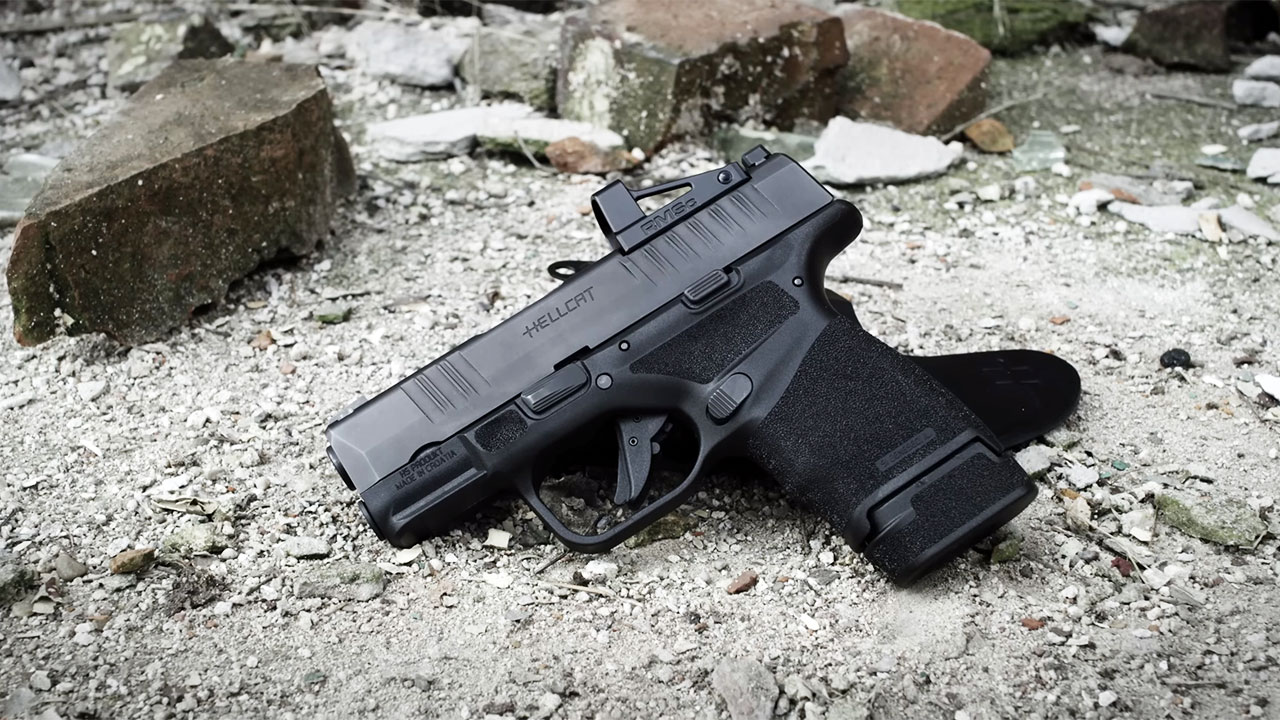
The Hellcat is another modern carry staple that’s easy to own and harder to master. It’s thin, it carries well, and it has enough capacity to make you feel covered. But it’s lively in recoil.
Where it gets tiring is longer practice sessions. You start out sharp, and after a few magazines you’re fighting the gun a little instead of driving it. If your support-hand grip isn’t consistent, groups open up in a hurry.
8. Smith & Wesson M&P 340 (AirLite .38 +P)
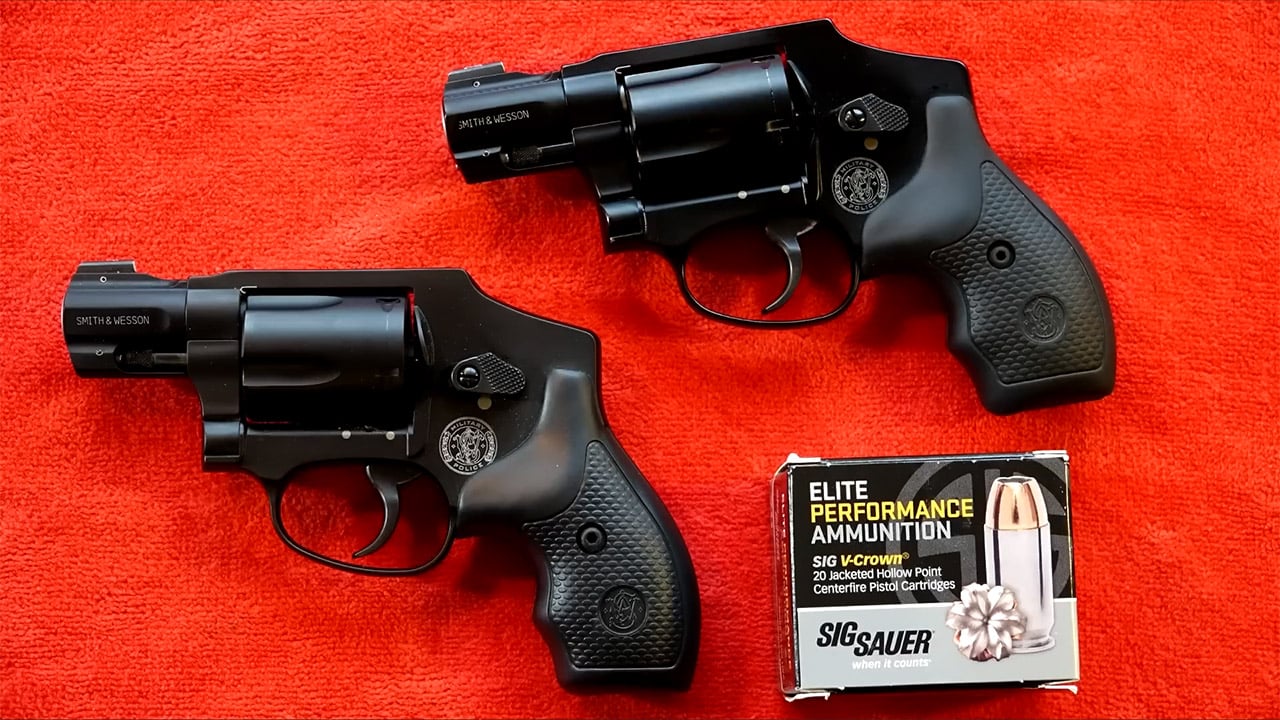
Even in .38 +P, those light J-frames are no joke. They’re honest tools, and they carry when bigger guns get left behind. But the learning curve is real.
The combination of a small grip, a heavy double-action pull, and muzzle flip makes accuracy work. You can’t “kind of” press the trigger. You have to run it straight through without disturbing the sights. That’s tiring, especially when your hand is already getting beat up.
9. Colt Single Action Army (traditional fixed-sight models)
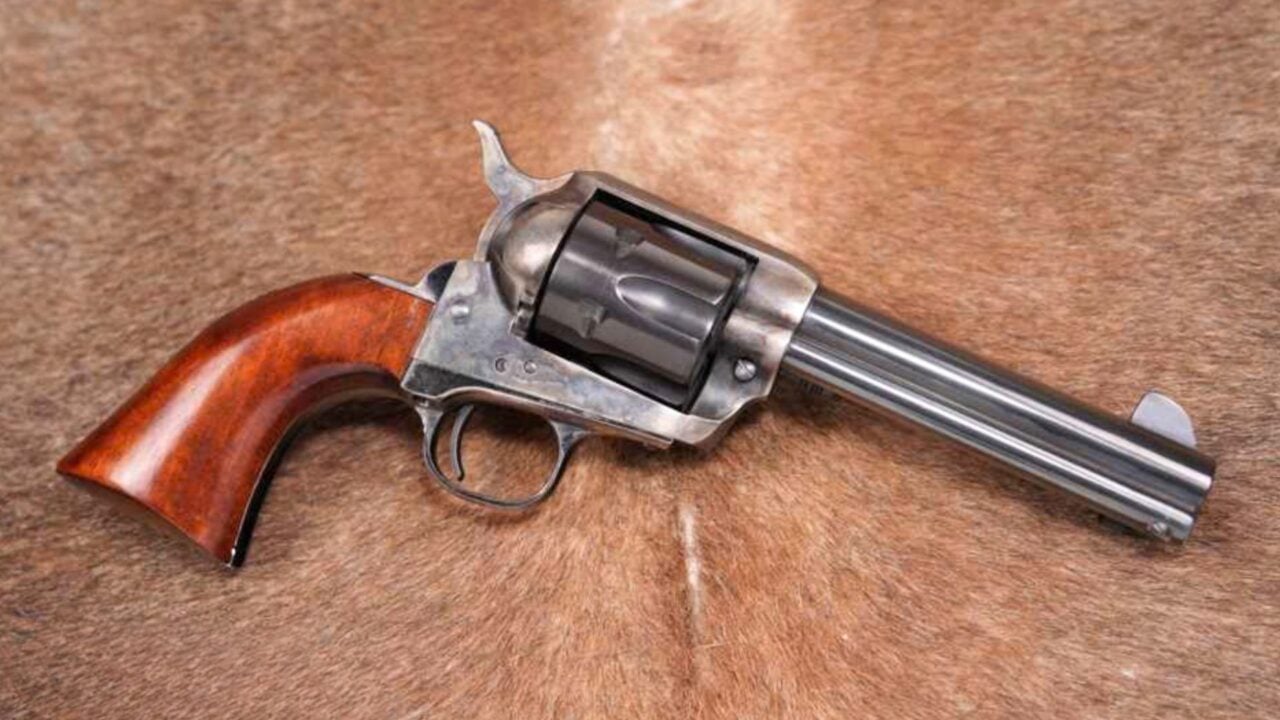
Classic single-actions are a joy in the hand and a headache on the clock. The fixed sights on many traditional SAA-style guns are more “suggestion” than precision instrument, especially if your eyes aren’t 20 anymore.
Then there’s the grip shape. It rolls in recoil like it’s supposed to, but that rolling can punish your consistency if you’re trying to shoot tight groups quickly. It’s a beautiful system. It’s also slower and more demanding than modern stuff.
10. Ruger Super Redhawk Alaskan (.454 Casull)

Short-barreled big-bore revolvers have a certain appeal, right up until you touch one off. The Alaskan is built tough, and it can handle serious cartridges. That doesn’t mean you can handle serious cartridges all afternoon.
.454 out of a short tube is violent. The blast is huge, recoil is abrupt, and follow-up shots take real control. It’s a specialty tool, and most shooters will do better (and practice more) with something they don’t dread.
11. Desert Eagle Mark XIX (.50 AE)
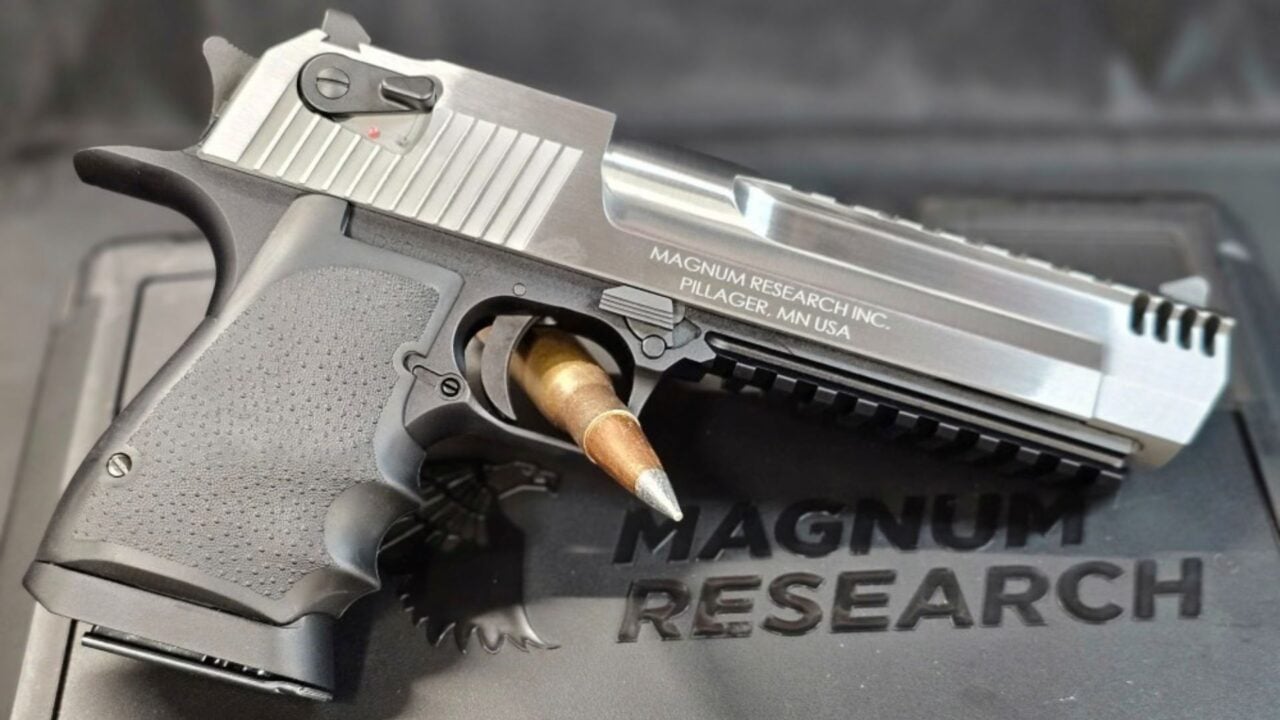
The Desert Eagle is iconic. It’s also a workout. It’s heavy, it’s wide, and it doesn’t point like a normal pistol for most hands. When you finally line it up, you still have to manage the recoil and the cycling quirks.
They can be picky about grip and ammo. Limp-wrist it and you may get a hiccup. Try to shoot it “delicately” and it’ll remind you it’s a half-inch bullet leaving the muzzle. It’s impressive, but it’s not effortless.
12. Smith & Wesson Model 29 (4-inch, full-house .44 Magnum)
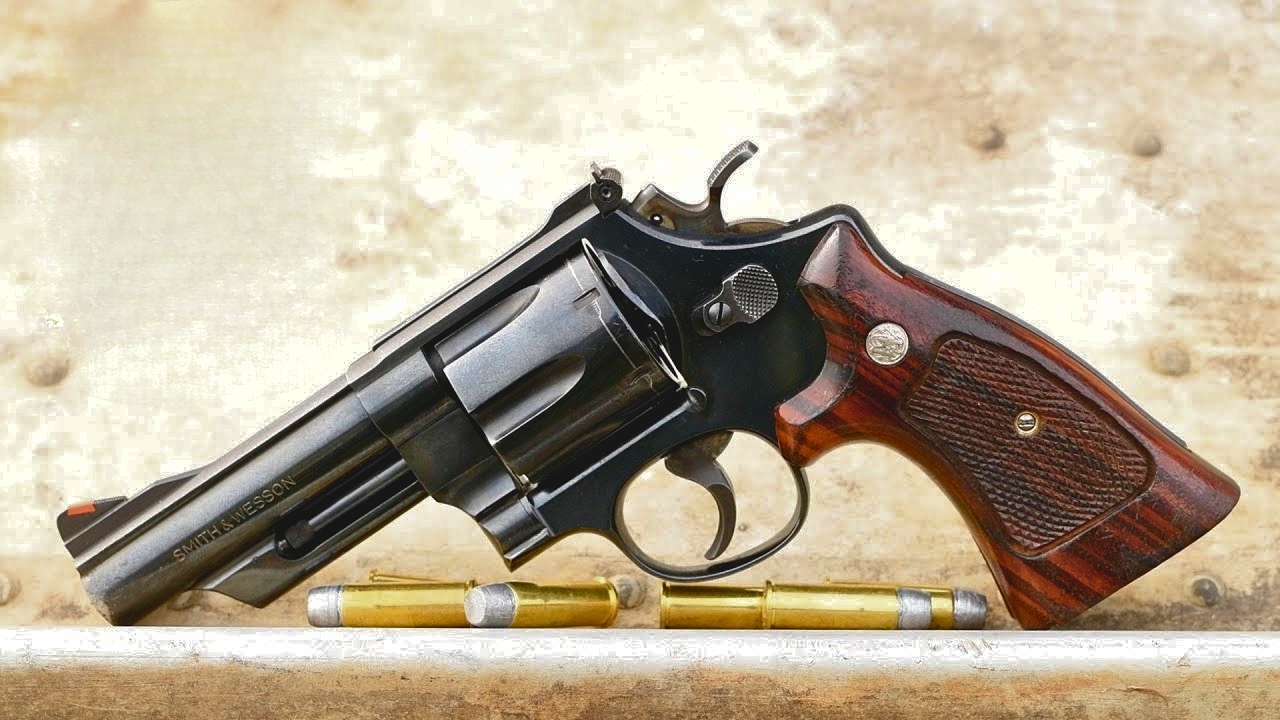
A 4-inch .44 Magnum is one of those guns everybody wants to shoot once. Shooting it well, repeatedly, is something else. The shorter barrel makes it handier, but it also increases muzzle rise and blast.
With full-power loads, you’re managing recoil, sights lifting, and a trigger you need to run clean. After a cylinder or two, most shooters start anticipating. That anticipation is the enemy of accuracy, and it creeps in quick.
13. Ruger LCR (.357 Magnum)

The LCR is a clever design and a good carry revolver. In .357, though, it can be a miserable practice partner. Light weight plus magnum pressure equals a sharp, stinging recoil impulse.
It’s the kind of gun where you can be competent but still not enjoy the process. And when you don’t enjoy the process, you don’t practice as much. Ask me how I know.
14. North American Arms Mini Revolver (.22 Magnum)
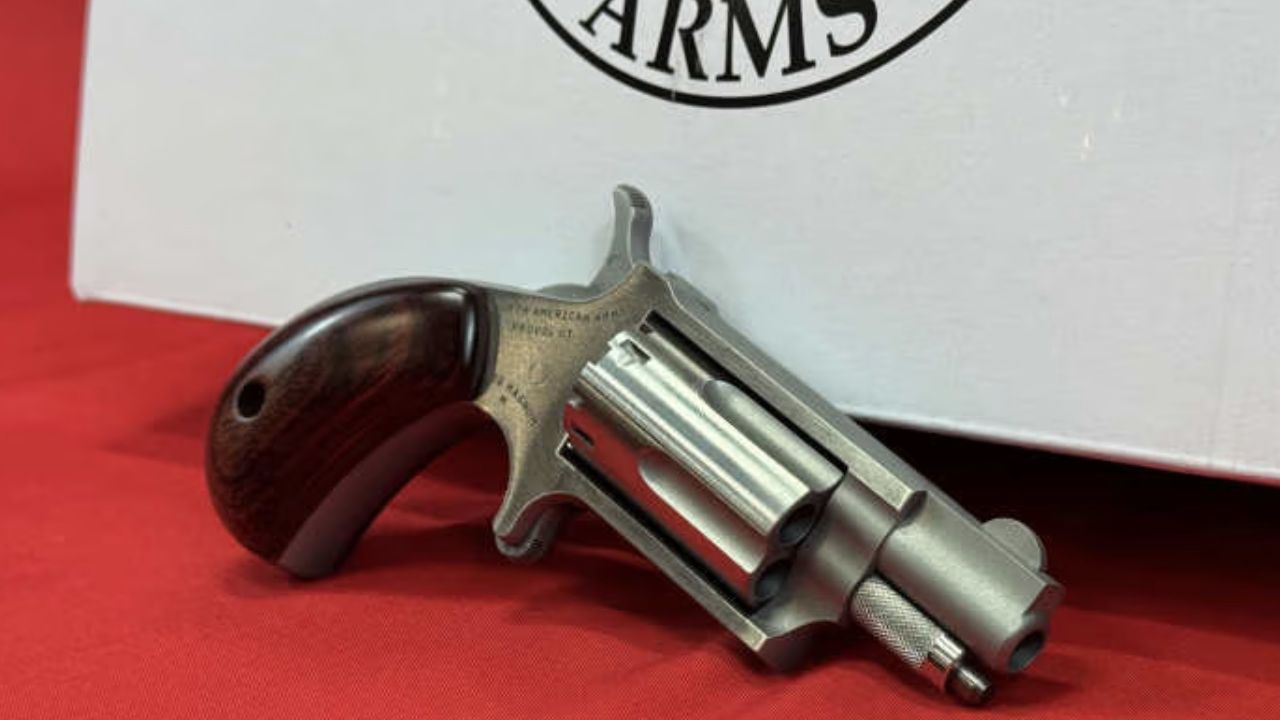
These tiny NAA minis are marvels of machining, and they’re genuinely easy to carry. Shooting them well is another matter. You’re basically pinching a revolver between your fingers and hoping your sight picture stays put.
The sights are minimal, the grip is minimal, and manipulation is slow. They’re not built for long strings or fast reloads. They’re built for last-ditch carry. Treat them like that and you’ll be happier.
15. Remington Model 870 with a pistol-grip-only setup
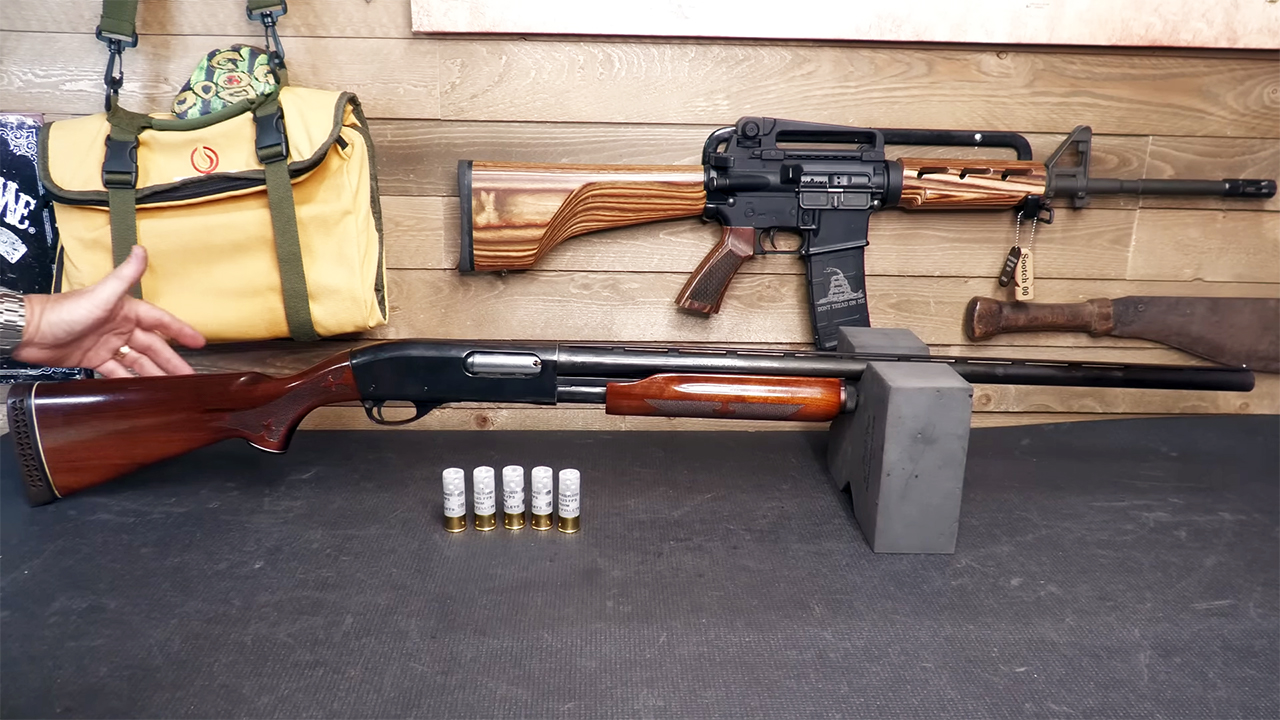
An 870 is one of the most useful shotguns ever made. But when you strip the stock off and go pistol-grip-only, you turn a practical tool into a fight. Recoil management gets ugly fast, especially with buckshot and slugs.
It’s hard to aim consistently, hard to cycle smoothly under recoil, and easy to develop bad habits. I’ve watched good shooters look clumsy with these setups. There’s a reason most folks eventually put a real stock back on.
16. Mossberg 590A1 (short barrel, heavy loads)
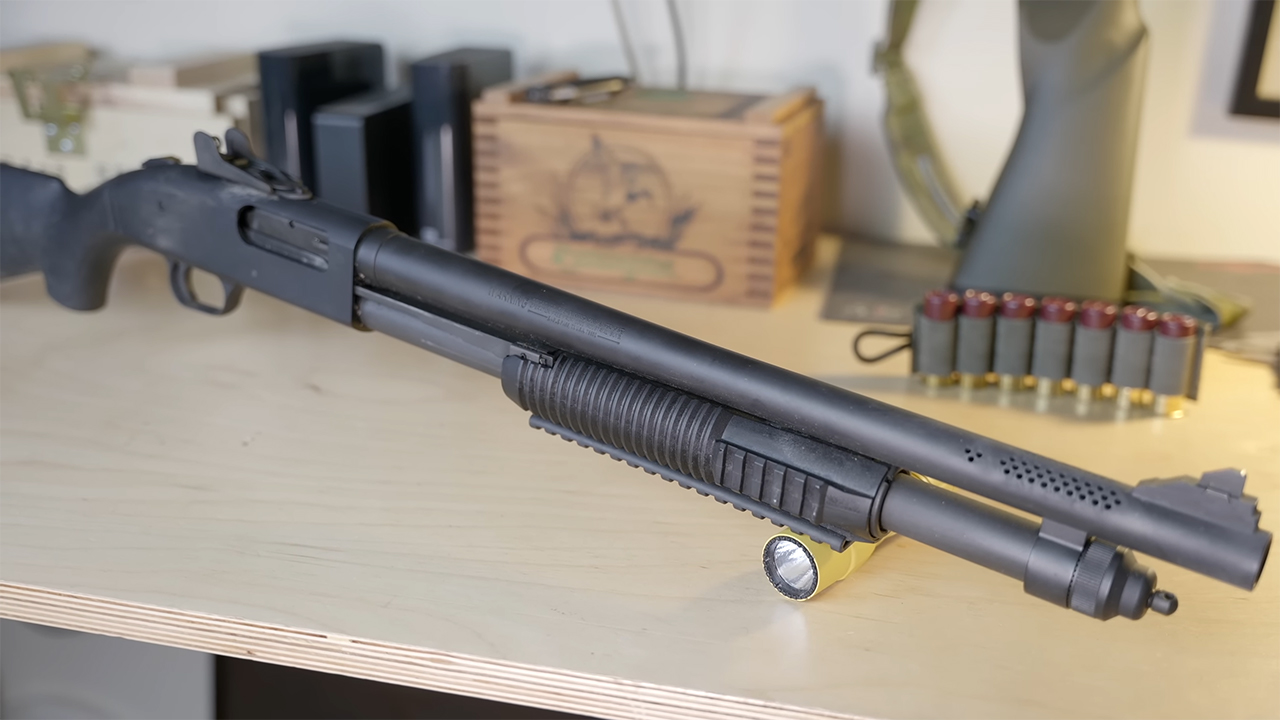
The 590A1 is built like farm equipment, and that’s a compliment. But a short-barreled pump gun running heavy loads is physically demanding if you’re trying to shoot it well and fast.
Pumps require you to run the action aggressively and consistently. If you get lazy or short-stroke it, you’ll pay for it. Add recoil and fatigue and you can see how a “simple” shotgun becomes a lot of work over a long training day.
17. Winchester Model 1897 (original-style trench/riot configuration)
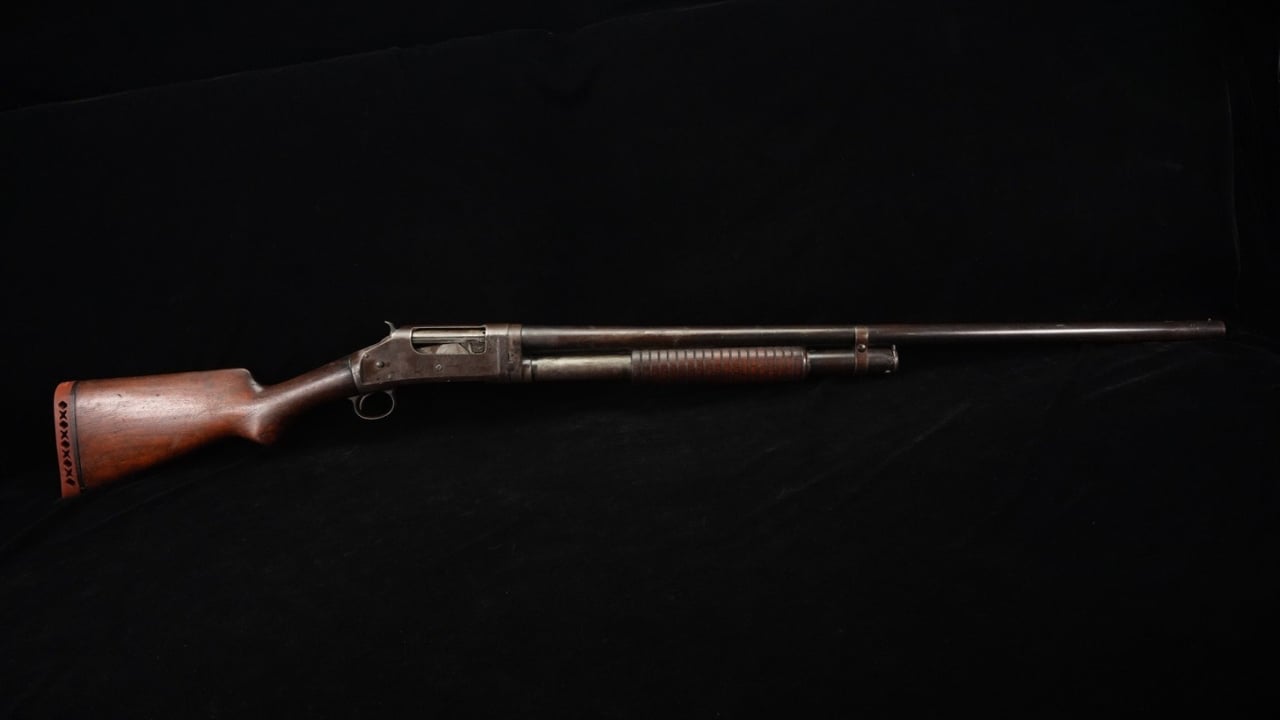
The old ‘97 has style for days. It also has old-gun ergonomics, a long action stroke, and a manual of arms that’s not as slick as modern pumps. Keeping it running smoothly under speed takes practice.
It’s also easy to get beat up by recoil if the stock fit isn’t right. They’re cool, and they can be effective, but they’ll wear you out compared to a modern 12-gauge with a better recoil pad and smoother action.
18. Barrett M82A1 (.50 BMG)
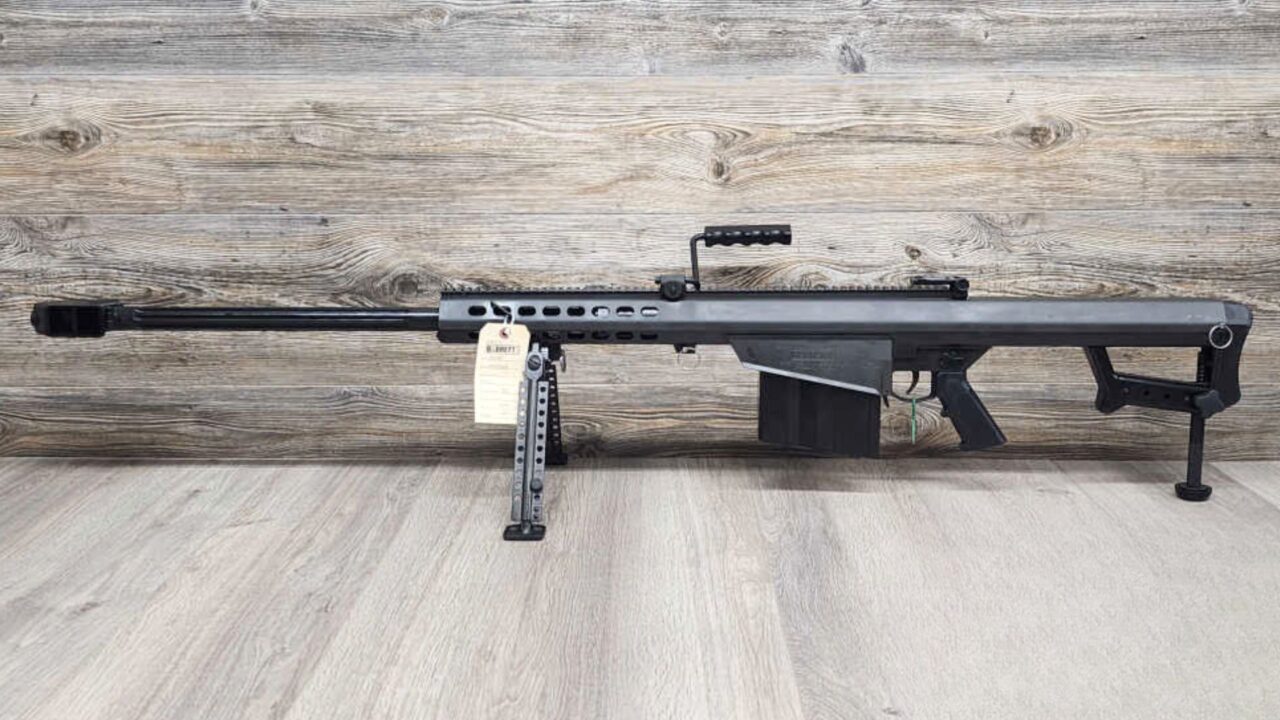
The M82A1 is the kind of rifle that turns heads before the first shot. Shooting it well is an event. You’re managing a big rifle, a big muzzle blast, and usually a big optic, all while trying to stay steady.
It’s not just recoil. It’s weight, position building, and the little details that matter at distance. After a few rounds, you’re not just practicing marksmanship—you’re doing chores with a rifle that costs as much as a used truck.
19. Ruger Gunsite Scout Rifle (short, handy .308)
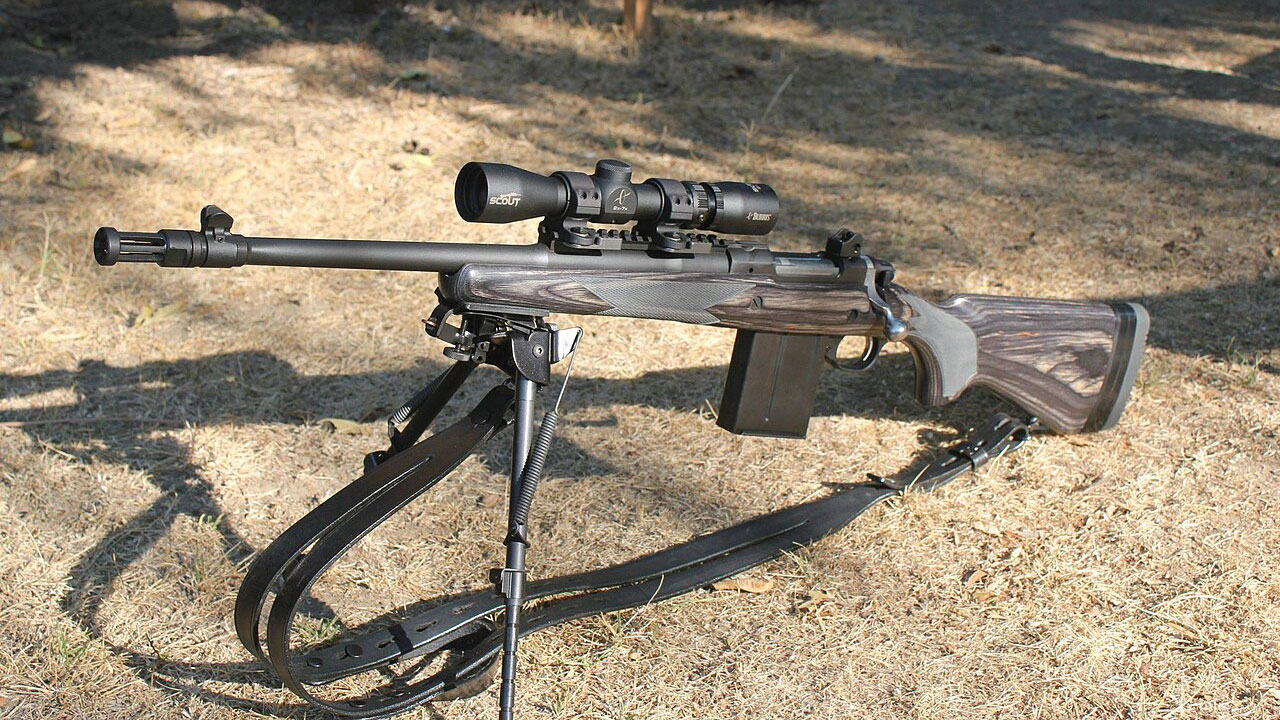
I like scout rifles. They carry well, they handle fast in the woods, and they do a lot with little fuss. But a light, handy .308 with a shorter barrel can be tiring to shoot well for extended sessions.
The recoil isn’t brutal, it’s just consistent. Add muzzle blast, a thin pad on some setups, and a forward optic arrangement that not everyone loves, and you can end up working harder than you would with a heavier, softer-shooting bolt gun.
20. Marlin 1895 Guide Gun (.45-70 Govt, full-power loads)
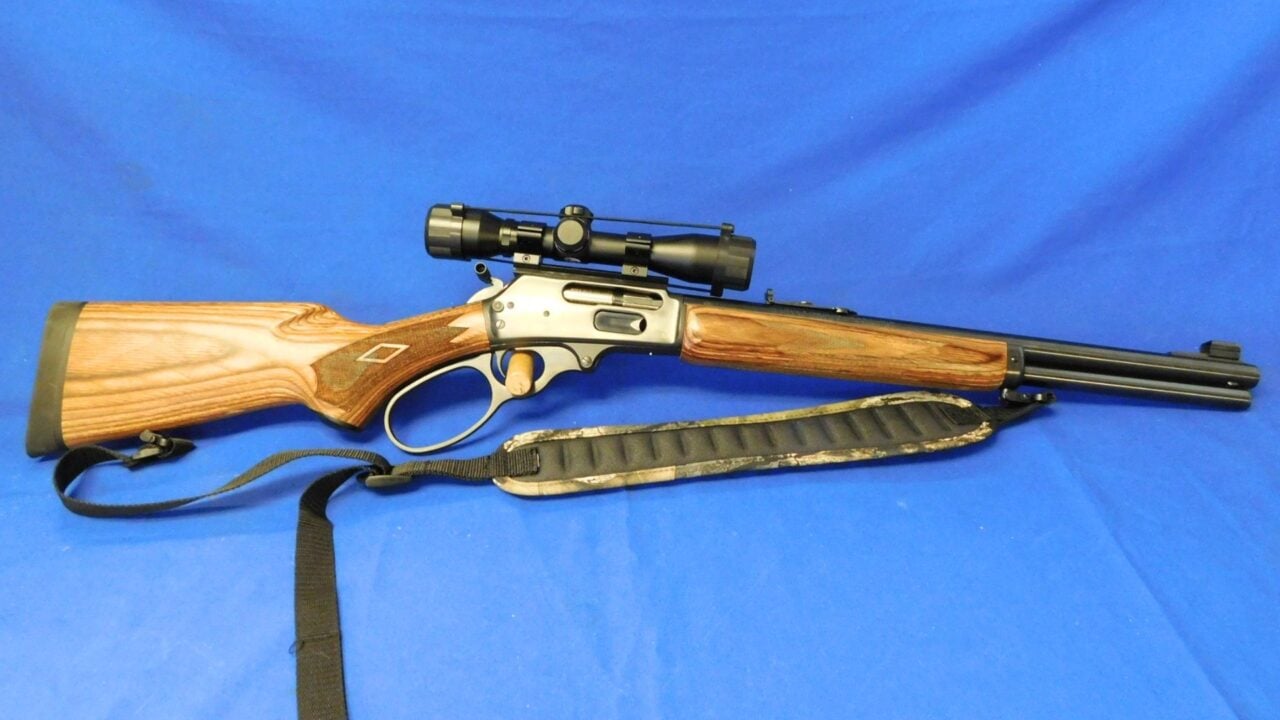
A Guide Gun is about as “woods practical” as it gets, and it’s hard not to love one. But if you feed it hot .45-70 loads and expect a relaxing range day, you’re in for a lesson.
Recoil is a shove that turns into a slap depending on stock fit and load choice. The rifle is compact, which is great in thick cover, but compact rifles tend to make recoil feel sharper. Shooting it well means building a solid position and not letting the gun bully you into a flinch.
There’s a pattern here: the guns that are hardest to shoot well are usually the ones that trade comfort for carry, power, or cool factor. None of that is automatically wrong. Just be honest about what you’ll actually practice with, and what you’ll only shoot twice a year. The target doesn’t care what looked good on the gun counter, and neither does recoil.
Like The Avid Outdoorsman’s content? Be sure to follow us.
Here’s more from us: