Photo credit: NRApubs/Youtube
If you spend any time on a public range, you start to notice a pattern. Certain pistols look like they ought to stack holes—great sights, good triggers on paper, “match” in the name, big reputations, big price tags. Then the target comes back and it’s a frustrating, wandering group that makes you wonder if you forgot how to shoot.
Most of the time it’s not one single thing. It’s a mix of fit, lockup, sights you can’t really read fast, a trigger that feels fine until you try to press it straight back, and the reality that some guns just don’t like certain loads. Here are 20 handguns that often leave shooters feeling like they should be tighter than they are—and what’s usually going on when they don’t behave.
1. Glock 19 (Gen5)

The Glock 19 is the “do-it-all” 9mm, and with the Gen5 barrel hype a lot of guys expected easy, boring accuracy. Then they hit the range and print a group that’s acceptable, not impressive. The gun runs, it carries, it’s simple—yet the targets don’t always match the reputation.
For many shooters it’s the combination of that Glock grip angle, a short sight radius, and the wall-and-break trigger that can encourage a little steering. Add plastic sights and inconsistent range ammo and it turns into “minute of torso” instead of “nice little cloverleaf.” It’s still a great pistol, but it’s not a free accuracy pass.
2. Glock 43X

This one hurts because the 43X feels like it should be easy. Slim grip, decent sights on many versions, and a size that points naturally for a lot of hands. But plenty of shooters struggle to keep it as tight as their full-size guns.
Lightweight, narrow guns show every mistake. The shorter barrel and sight radius make small alignment errors look bigger downrange, and a snappy recoil impulse can have you chasing the dot or front sight. It’s a carry gun first, and it shoots like one.
3. SIG Sauer P365
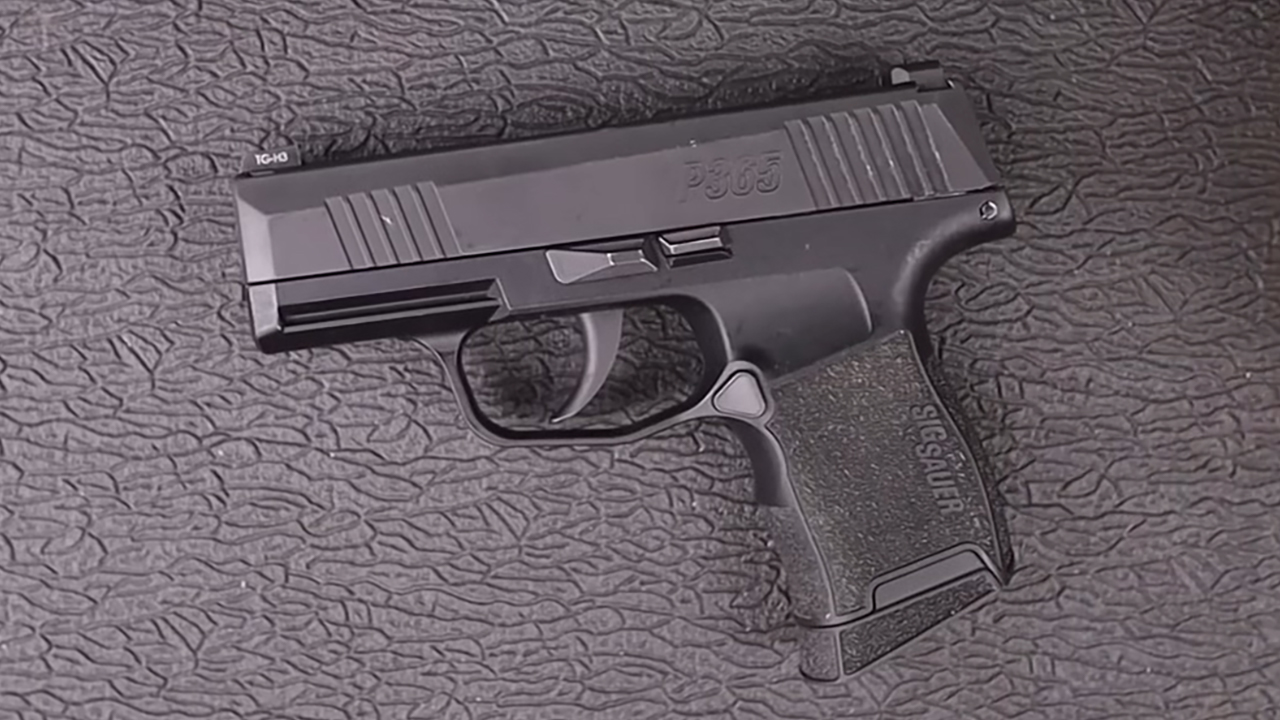
The P365 changed concealed carry, no doubt. It’s also a pistol that can make a good shooter look average at 15 yards if they’re not locked in. When it’s on, it’s very good. When it’s not, you’ll see a “shotgun pattern” group that feels undeserved.
Part of it is the short, light platform and the tiny grip that encourages you to clamp down with the firing hand. The trigger is workable but it’s not a tuned single-action, and many shooters run it too fast and too low. You can absolutely shoot it well, but it demands more discipline than folks expect from the hype.
4. Springfield Armory Hellcat
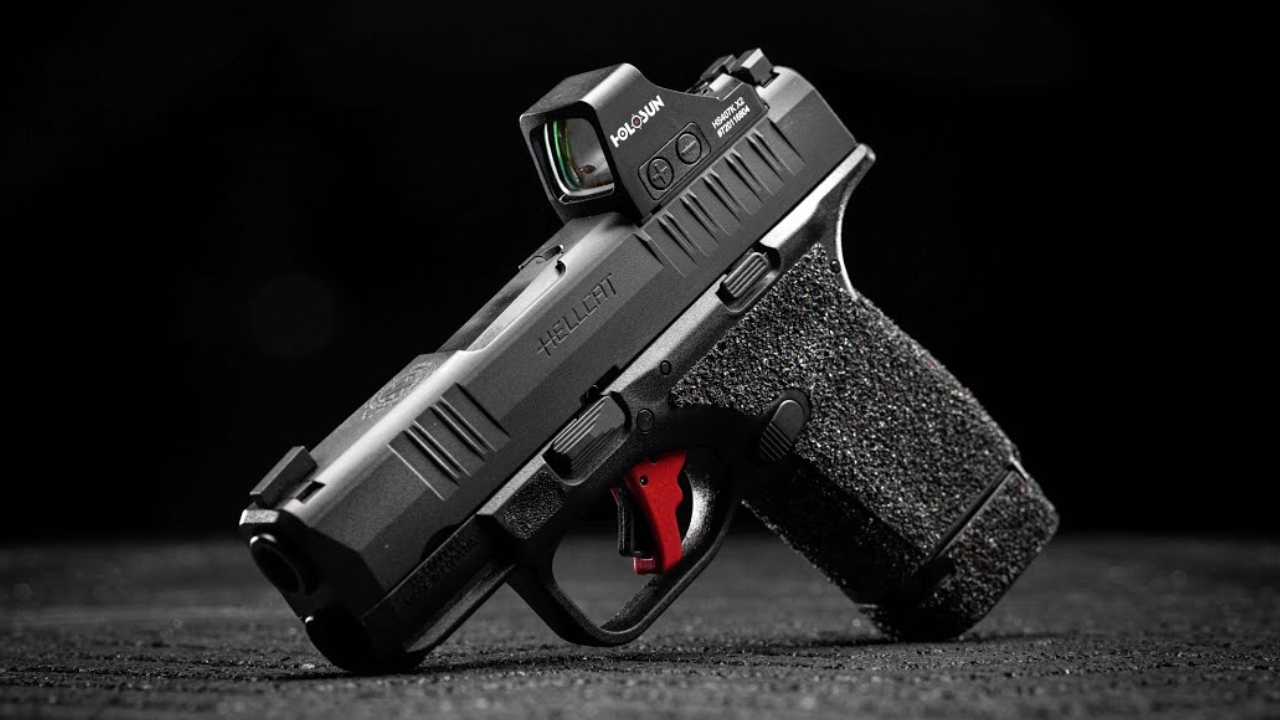
The Hellcat is another micro that sells itself as a little tack-driver. It has good sights, smart ergonomics, and it carries like a dream. Then you get on paper and realize it’s easy to pull shots off the line if your grip pressure isn’t consistent.
The factory trigger varies gun to gun, and that matters on a small frame. A clean press is harder when the grip is short and the recoil is brisk. A lot of Hellcats “shoot fine” but don’t shoot “easy,” and that’s the difference.
5. Smith & Wesson M&P 9 Shield (1.0)

The original Shield is one of those pistols that has ridden in a million holsters and killed a lot of buyer’s remorse. It’s reliable and thin. But the early triggers and the overall feel can keep it from shining on a bullseye target.
Many of these guns have a longer, mushier break than the shooter expects, and the reset doesn’t encourage slow, deliberate work. Plenty of Shields will hold good groups, but they tend to reward a steady cadence more than slow-fire precision. The 2.0 versions improved a lot, and it shows.
6. Smith & Wesson M&P 2.0 Compact
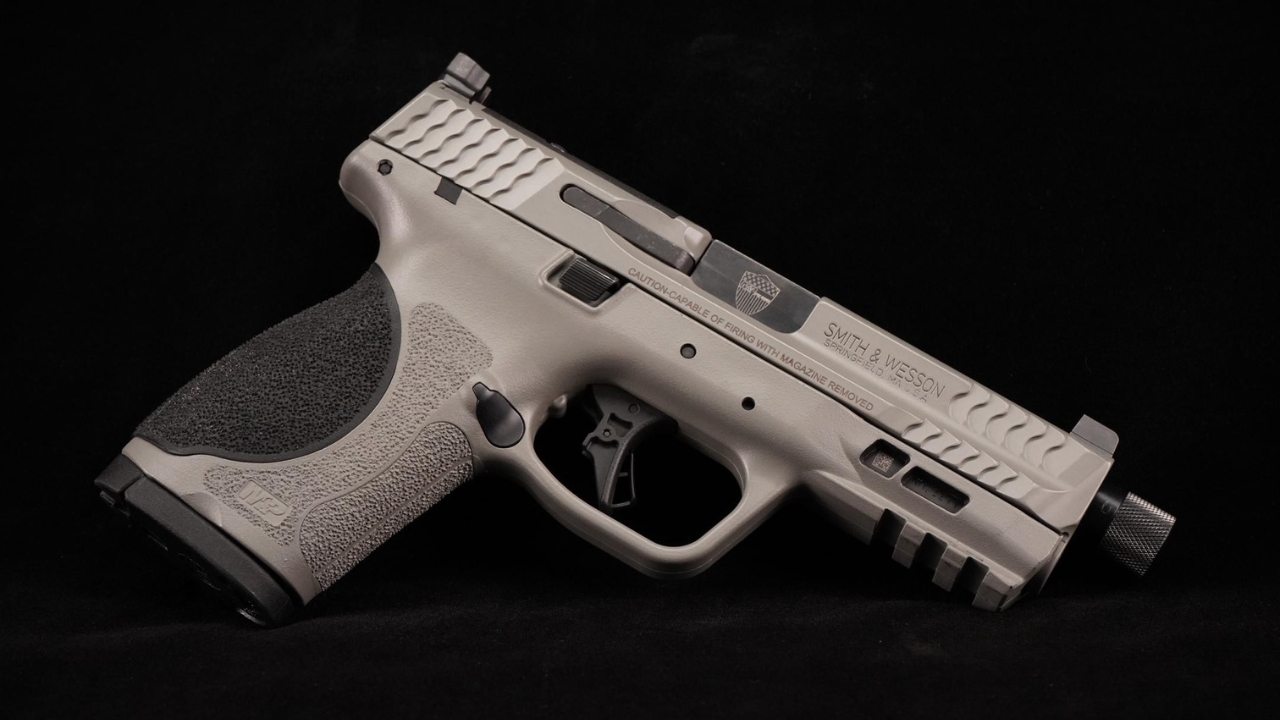
This pistol looks like a home run: great texture, good size, decent sights, and usually a better trigger than the old days. Yet a fair number of shooters never quite “click” with it for precision work, even if it runs flawlessly.
The M&P grip shape fits many hands, but not all, and if it doesn’t fit you it’ll show up as left-right spread and low hits. The hinge-style trigger feel also throws some folks off. If you shoot it well, you really shoot it well—but it’s not universal.
7. Walther PPQ M2
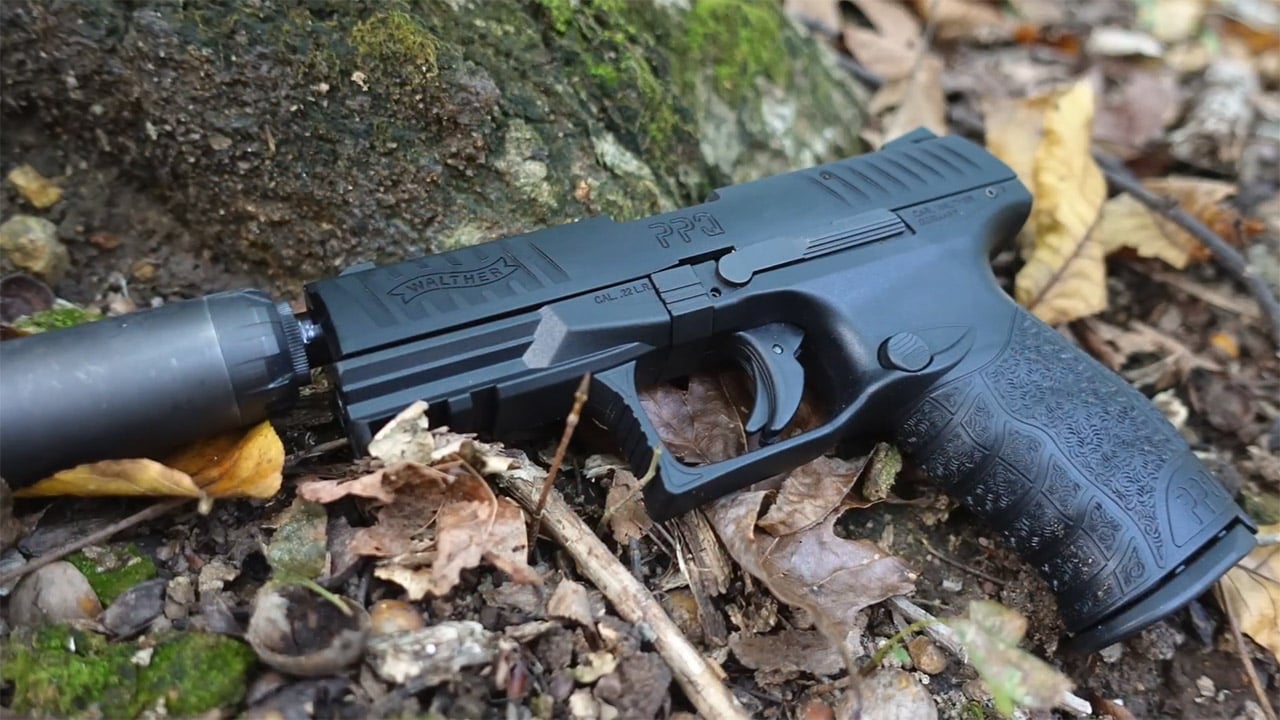
The PPQ has one of the best striker-fired triggers out of the box. That alone makes you expect tiny groups. Then you see a lot of “pretty good” targets instead of “wow” targets, and it’s confusing.
In my experience, the PPQ’s light, short trigger can actually get you in trouble if you’re not disciplined. It’s easy to slap it. The gun will absolutely shoot, but the trigger invites speed, and speed is the enemy of group size when you’re trying to prove a point.
8. FN 509

The 509 is built tough, with a duty pedigree and a serious look. It feels like a pistol that should hold a tight group in adverse conditions. What you often get is combat accuracy and a trigger that makes you work for more.
Many shooters describe the trigger as heavier or “stacky” compared to its competitors. That can be fine in a duty context, but it’s not doing you favors on a slow-fire accuracy test. The gun is dependable, but it rarely feels like a precision instrument.
9. Beretta APX A1

The APX line is underrated for reliability and value, and the A1 variants fixed some earlier complaints. Still, when guys expect it to shoot like a tuned competition gun, they sometimes end up disappointed. The groups aren’t bad—they’re just not what the ergonomics suggest.
The sight picture and trigger feel can be a weird mix depending on the exact model. If the trigger break doesn’t feel consistent to you, you’ll start “helping” the gun, and that’s where flyers show up. It’s a service pistol through and through.
10. CZ P-10 C
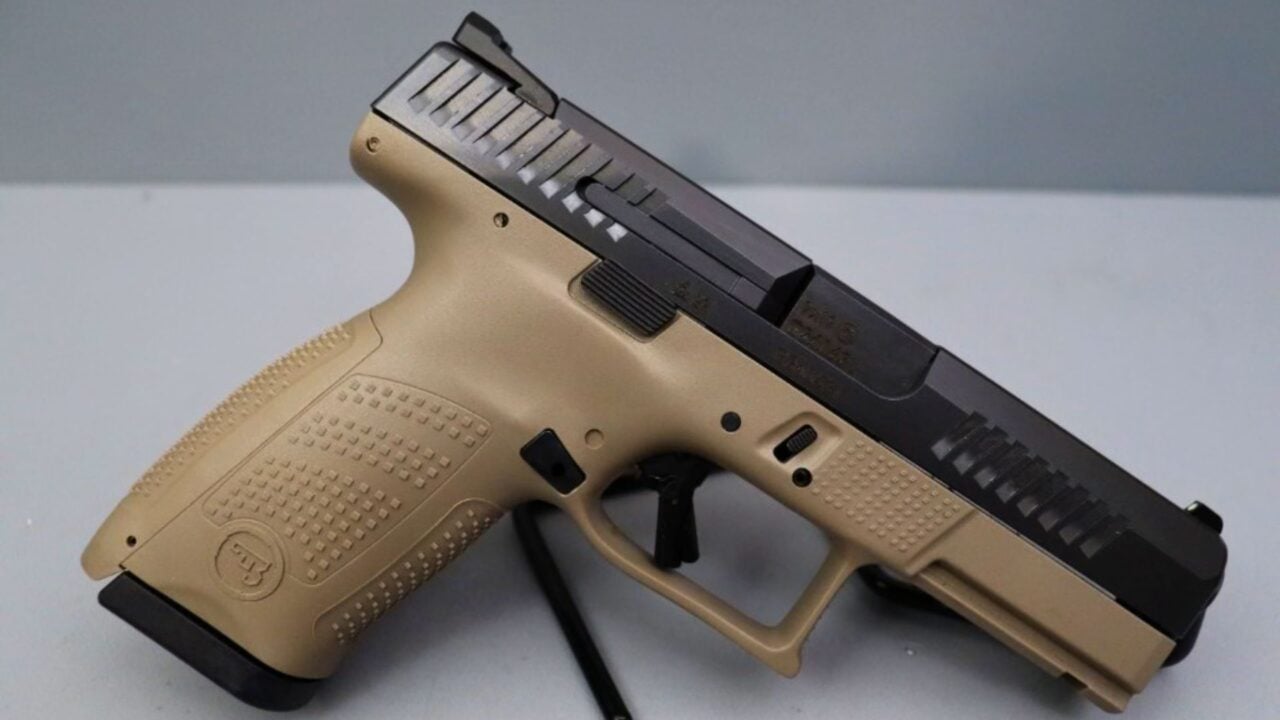
The P-10 C has a reputation as a Glock killer, and it really can be an excellent shooter. But there are shooters who never get the accuracy they expected out of it, especially at speed. They’ll swear the gun is “off” when it’s usually a fit issue.
The grip and backstrap geometry is more specific than it looks. If your finger placement isn’t right, you’ll push shots. Also, some guns shoot certain 115-grain range loads less happily than heavier, more consistent ammo. Try a couple loads before you declare it a dud.
11. Ruger Security-9

This is one of those practical, no-drama pistols that sells because it’s affordable and Ruger generally builds sturdy stuff. Folks buy it expecting it to be a sleeper tack-driver. Then the trigger and sight setup remind you it’s a budget-friendly defensive gun.
The trigger can feel long, and the reset isn’t what you’d call crisp. That doesn’t stop it from being useful, but it can limit what the average shooter can do with it on paper. If you’re chasing tight groups, this one can make you earn them.
12. Ruger LCP II

The LCP II is a pocket pistol that’s saved a lot of people from “I left my gun at home” days. It’s also a gun that gets blamed for accuracy problems that are really just physics. Tiny sights, tiny grip, and a tiny gun equals big human error.
At realistic pocket-gun distances it’s fine. Stretch it to 15 yards and many shooters start painting patterns. There is nothing fancy about it, and that is kind of the point, but don’t confuse “easy to carry” with “easy to shoot well.”
13. Kimber Custom II (1911)
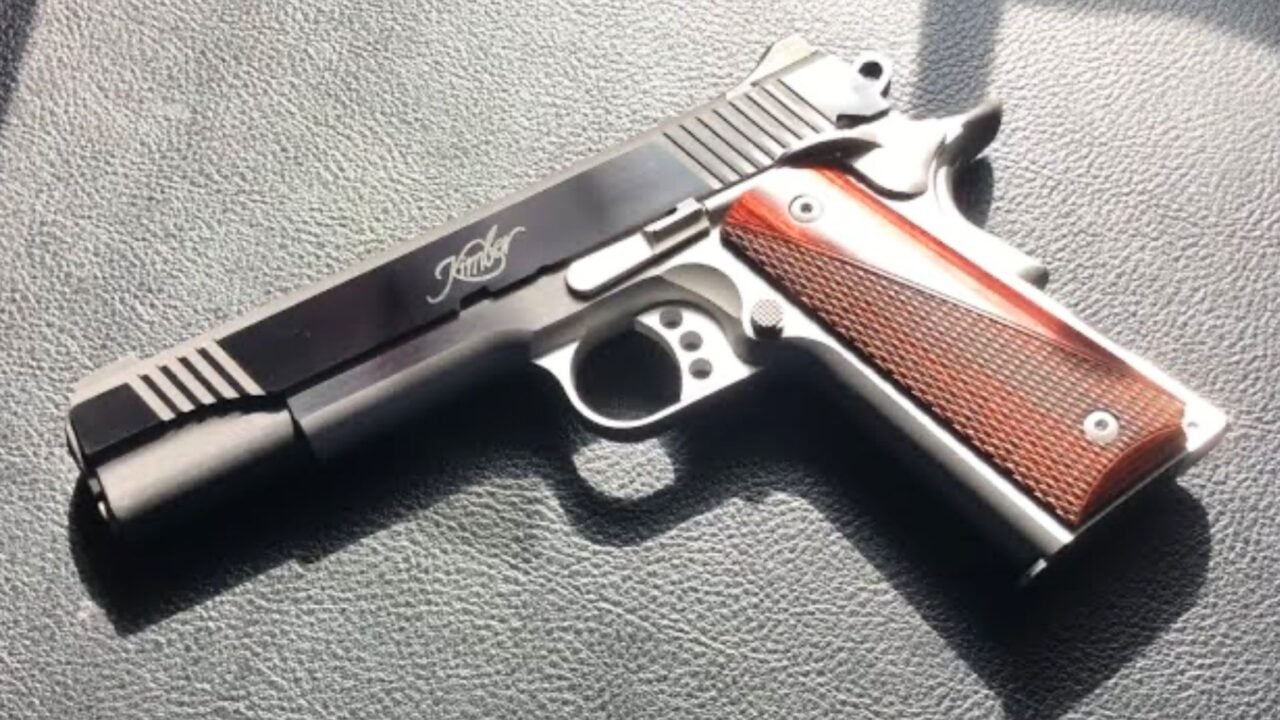
Kimber 1911s look like they should shoot lights-out. Crisp single-action trigger, decent barrel, and that classic 1911 pointability. Then a guy shows up with one that’s more temperamental than expected and prints groups that don’t match the price tag.
Some of it comes down to consistency in lockup and how the gun is sprung from the factory. Some of it is shooter expectation—guys try to outrun their sights because the trigger feels so good. When they’re right, they’re really right, but the “match grade” vibe isn’t guaranteed on every sample.
14. Colt Defender (3-inch 1911)
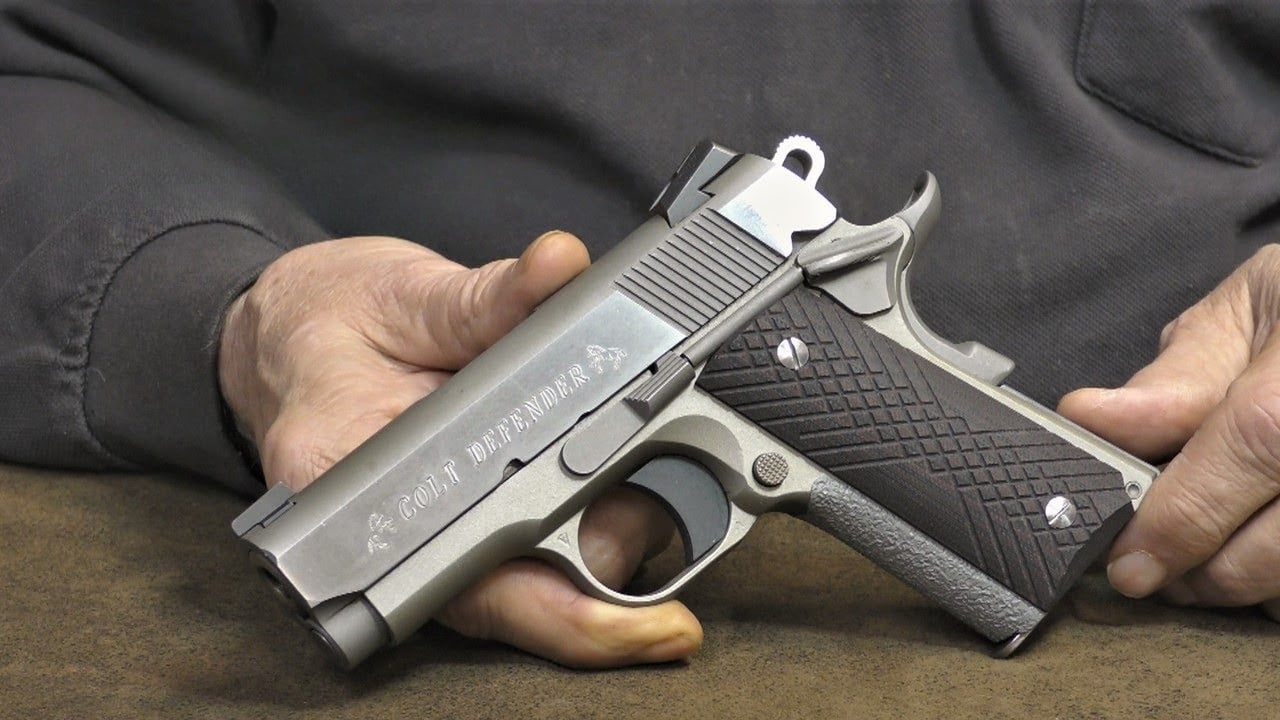
Short-barreled 1911s are seductive. They carry well and feel familiar. The Defender is a classic example of a gun that looks like it should be as accurate as its bigger brothers, but the reality can be a little humbling.
The shorter sight radius magnifies small mistakes, and the recoil impulse is sharper than many expect from a steel-framed design. Also, 3-inch 1911s can be ammo-sensitive, and when reliability is the priority, accuracy sometimes takes a back seat. Great carry idea, not always a bullseye joy.
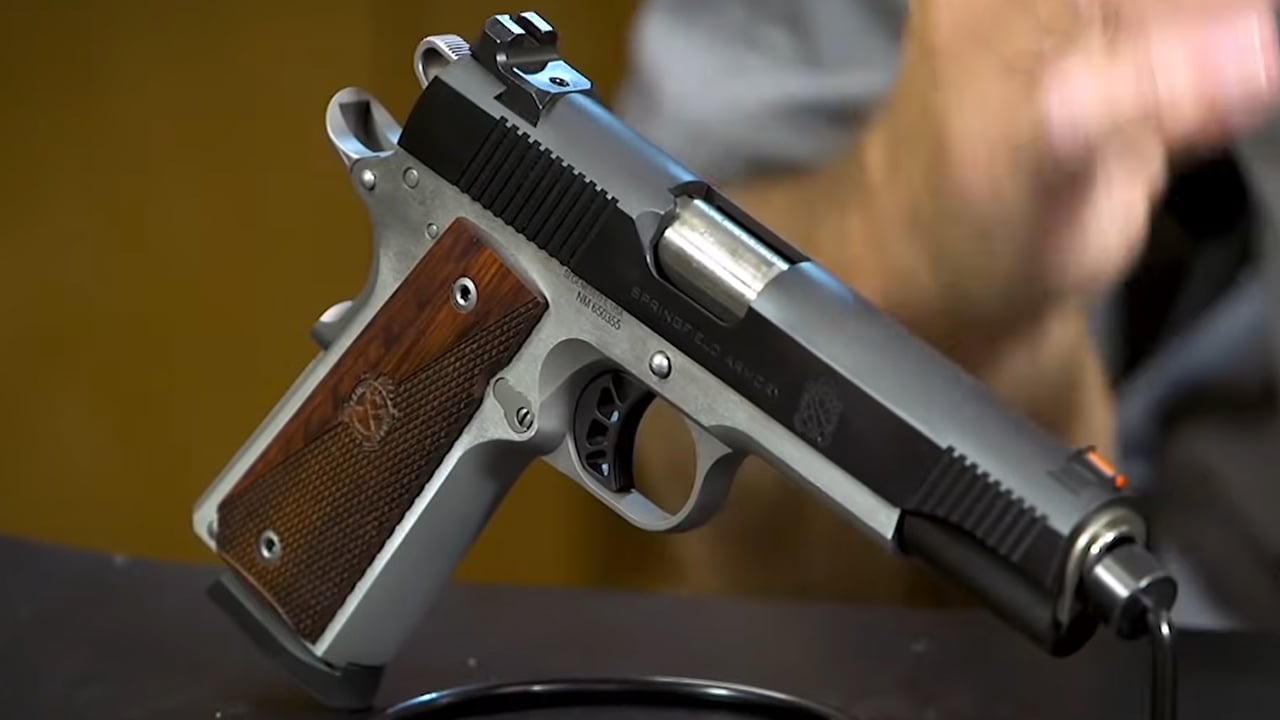
15. Springfield Armory 1911 Ronin (4.25-inch)
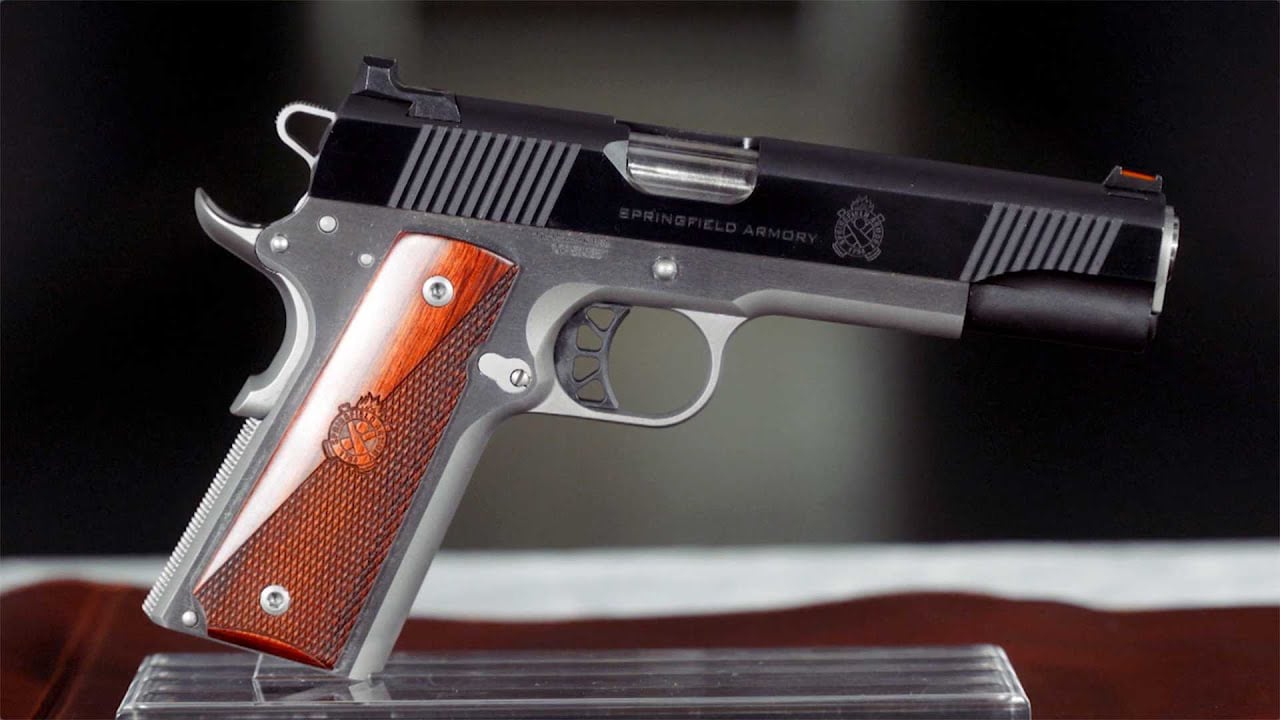
The Ronin is a good-looking, good-feeling 1911 that hits a sweet spot for a lot of buyers. But I’ve watched more than one shooter expect “laser beam” results and end up with groups that are just okay. That one stings because the gun feels so right in the hand.
Often it’s a mix of sight preference and how the trigger breaks under real pressure. If you’re used to a heavier duty trigger, a lighter 1911 can make you snatch shots. It can also simply be a gun that needs the right load to settle down.
16. Rock Island Armory GI Standard FS
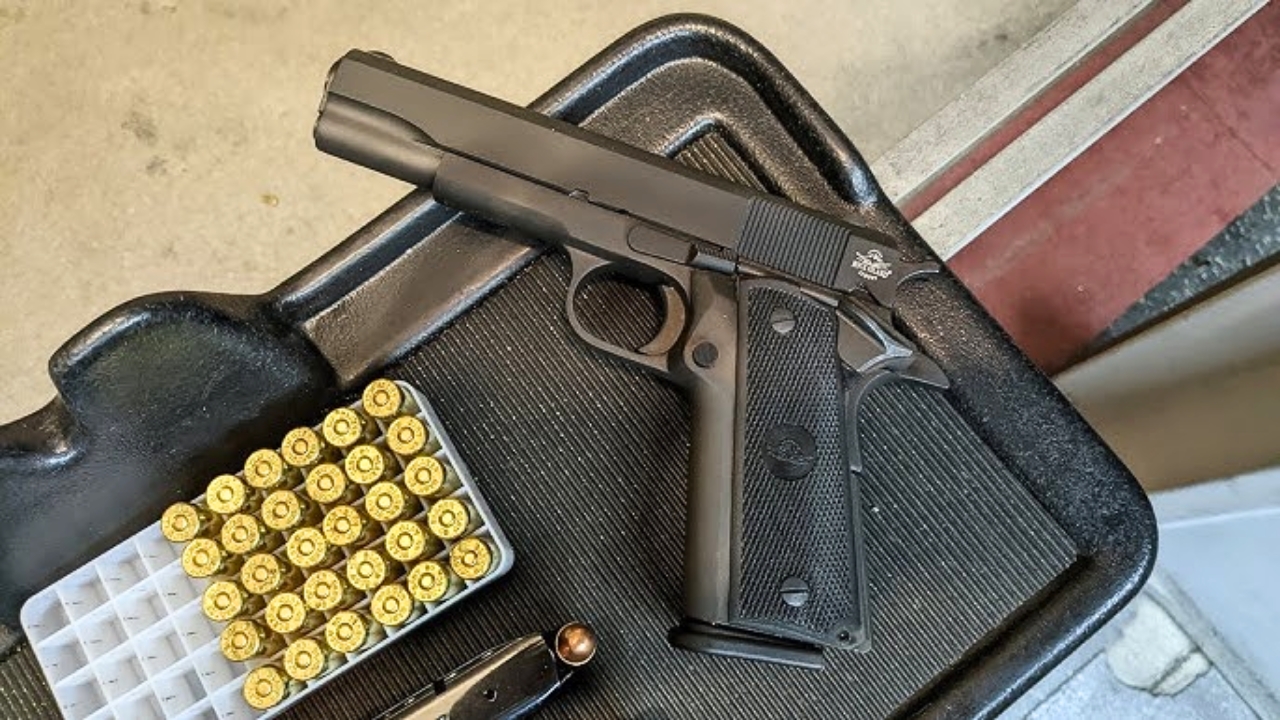
RIA GI-style 1911s are honest working guns. They’re also a perfect example of why “it’s a 1911, so it must be accurate” isn’t always true. Basic sights and basic fitting can keep a good shooter from seeing what the gun is really doing.
Those tiny GI sights disappear on dark targets, and when you can’t see the front sight clearly, you start guessing. Plenty of these pistols are mechanically decent, but the interface between your eyes and the gun is old-school. If you upgrade nothing else, the sight picture is what bites most people first.
17. Taurus G3C

The G3C sells because it’s affordable and generally reliable for the money. The surprise is when a shooter expects it to hang with pricier pistols for group size and it just doesn’t. It’s not junk; it’s just not a target pistol.
Triggers vary, and sights aren’t always as refined as what you get on higher-end guns. If your grip is a little sloppy, the lightweight frame and trigger feel will broadcast it to the paper. As a carry beater it makes sense, but it rarely impresses on a slow-fire drill.
18. IWI Masada

The Masada is a solid, no-nonsense striker gun with good features and a decent price. It looks like a pistol that should naturally shoot well. Yet I’ve seen shooters struggle to find consistent groups unless they slow down more than they want to.
The trigger feel and the way the gun returns from recoil can be a little different than what many are used to. If you’re coming from a Glock or M&P, the Masada can feel like it’s “moving” in your hands until you get your grip right. Once you do, it’s fine—but it isn’t automatic.
19. HK VP9

The VP9 is comfortable, refined, and has a reputation for being easy to run. That makes it extra confusing when someone can’t tighten their groups with it. You’ll see a shooter do better with a cheaper gun and walk away scratching their head.
Sometimes the VP9’s great ergonomics encourage a relaxed grip, and relaxed grips open groups. The trigger is good, but the whole gun feels so friendly that shooters get casual. If you treat it like a serious tool and really drive the gun, it usually comes back around.
20. Beretta 92FS
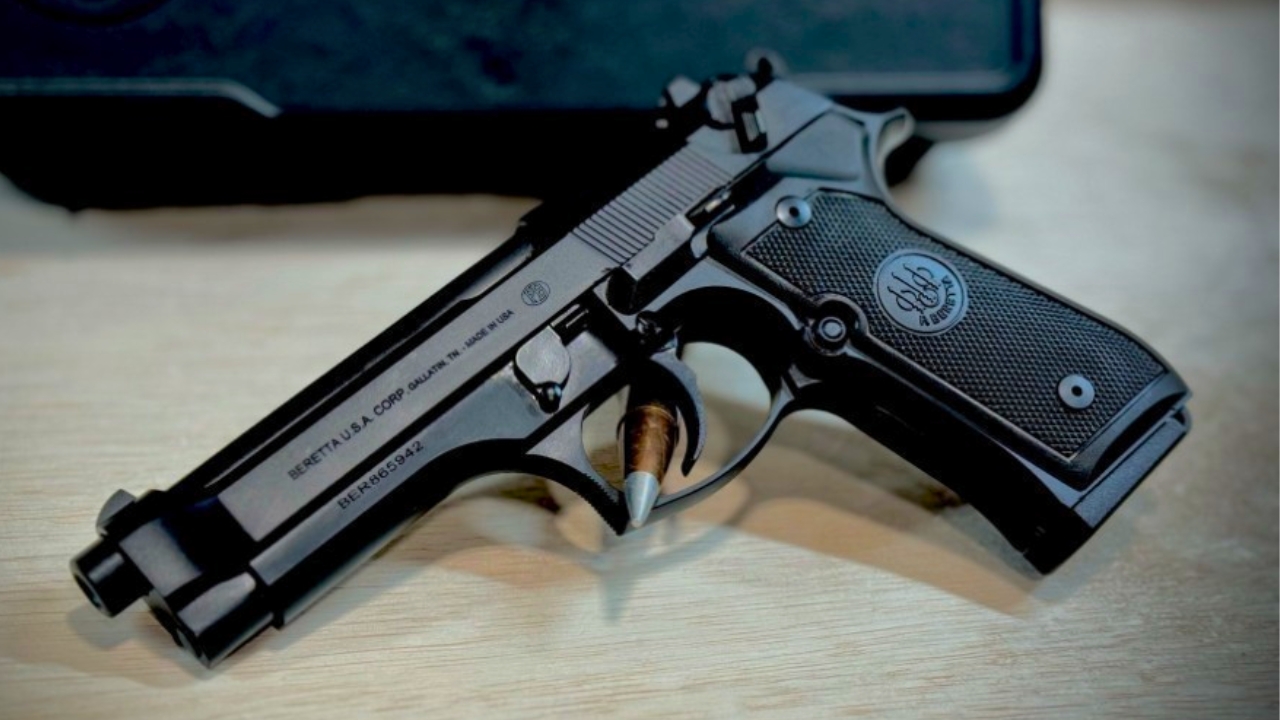
The 92FS has military history, a long sight radius, and a smooth slide that feels like it’s on bearings. On paper, it should be an easy accurate pistol. In reality, plenty of shooters fight the first double-action pull and never recover their rhythm.
The transition from that long first pull to a lighter single-action can open groups fast if you’re not practiced. Add a wide grip that doesn’t fit smaller hands and you’ll see low-left hits (right-handed shooters) all day. When you learn it, it’s a sweetheart, but it doesn’t flatter everyone out of the gate.
If you own one of these and it shoots better than you do, good. Keep it. But if your target is telling you the relationship isn’t working, don’t immediately blame the gun or yourself. Try a different load, check your sights, slow down, and be honest about grip and trigger control. A pistol can be reliable, carry well, and still not be the easy button for accuracy—and that’s a reality worth recognizing before you dump money into the next “sure thing.”
Like The Avid Outdoorsman’s content? Be sure to follow us.
Here’s more from us: