Photo credit: Lucky Gunner Ammo/YouTube
Some handguns look nearly perfect in the display case. They have the right size, a respected name on the slide, and enough positive reviews to make buyers expect an easy trip to the range. Then the first magazine goes through the gun, and the experience does not match the reputation.
That does not always mean the pistol is unreliable or poorly made. A handgun can function correctly and still be unpleasant to shoot, difficult to control, awkward in the hand, or far less accurate than expected. The guns below all have their supporters, but each one has characteristics that commonly leave shooters wondering why they enjoyed it more at the gun counter than on the firing line.
Springfield Armory Hellcat

The Springfield Hellcat helped push micro-compact capacity forward, but its small size creates a shooting experience that can surprise new owners. The pistol has a high perceived recoil level for a 9mm, and the short grip gives the shooter limited leverage. Rapid strings often open up quickly, especially when using the flush-fitting magazine.
The Hellcat is not inherently inaccurate, but it demands more effort than larger competitors. Shooters with large hands may also struggle to maintain a consistent grip without contacting the magazine baseplate. It carries extremely well, which explains its popularity, but many owners discover that they enjoy practicing with a Glock 19, Shield Plus, or P365 XL far more.
SIG Sauer P365 SAS

The P365 SAS was designed to reduce snag points by removing traditional sights and replacing them with a recessed sighting system. The concept sounds ideal for deep concealment, but many shooters find the sight difficult to acquire under indoor range lighting. It can take more time to align than a conventional front and rear sight.
The flush slide stop and takedown controls also make the pistol less convenient to manipulate. These changes may reduce protrusions, but the standard P365 was already easy to conceal. At the range, the SAS often feels like it gives up too much usability for a problem that was not especially serious. Shooters expecting a faster defensive pistol can come away frustrated.
Glock 43
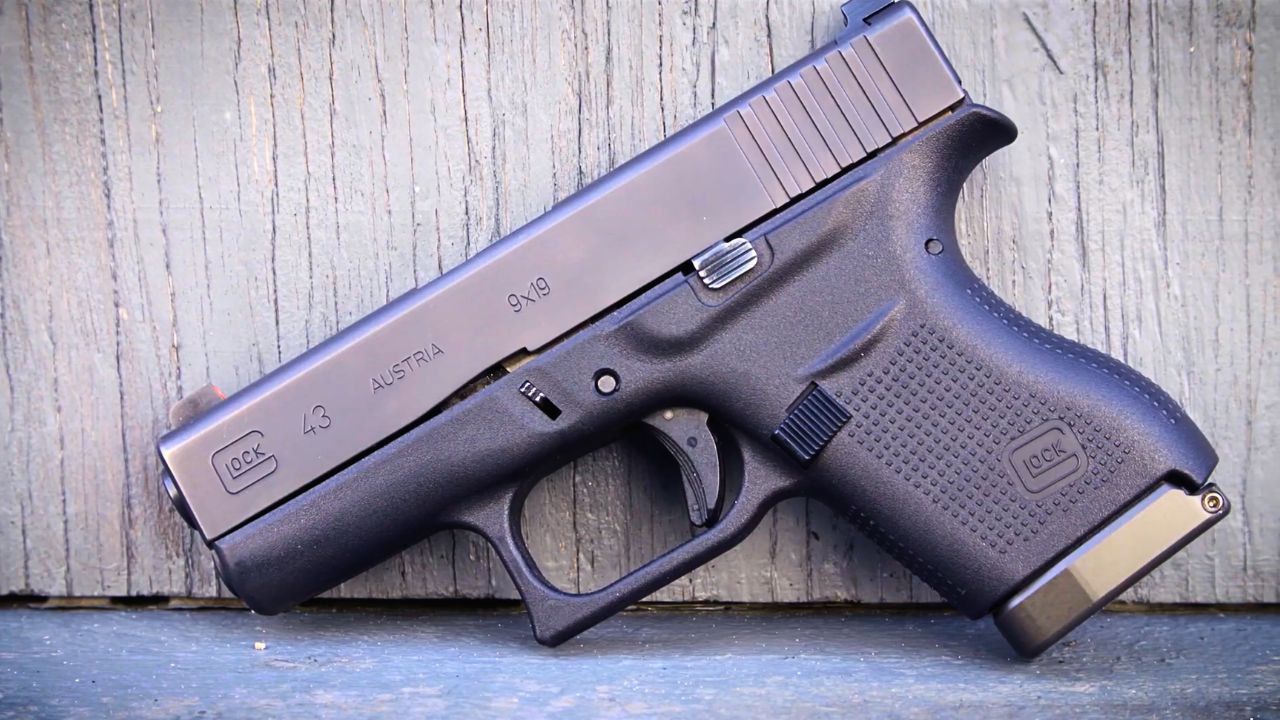
The Glock 43 is thin, lightweight, and dependable, but it is not especially pleasant compared with newer micro-compacts. Its narrow grip concentrates recoil into a small area of the hand, and the short frame makes the pistol easy to disturb during the trigger press. The result is often groups that are larger than expected.
Its six-round magazine also feels dated beside pistols that hold ten or more rounds in a similar footprint. The Glock 43 still has value for shooters who want a straightforward, slim handgun, but its popularity creates high expectations. At the range, many people discover that the slightly larger Glock 43X is much easier to control.
Glock 27
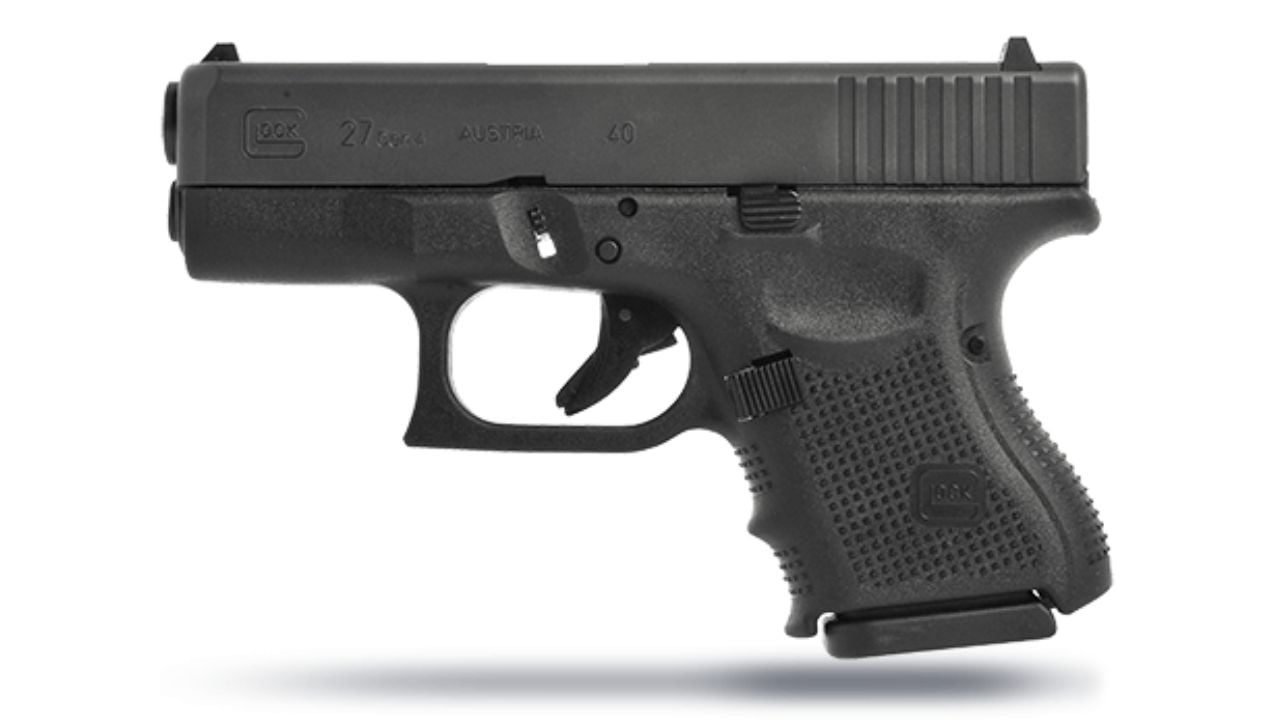
The Glock 27 packs .40 S&W into a compact and lightweight frame, creating a pistol that can be exhausting during longer practice sessions. The combination of a short grip, stiff recoil impulse, and abrupt slide movement makes it noticeably more difficult to shoot than a comparable 9mm.
Experienced shooters can control it, but new owners often struggle with low-left impacts and slow follow-up shots. Magazine extensions improve the grip but reduce the concealment advantage. The Glock 27 remains a durable and powerful carry gun, yet many shooters who buy one eventually decide that the added recoil is not worth the modest ballistic advantage over modern 9mm ammunition.
Smith & Wesson M&P Bodyguard .380

The original M&P Bodyguard .380 became popular because it was small, affordable, and easy to conceal. Its range performance is less impressive. The long, heavy trigger pull makes precise shooting difficult, while the tiny sights provide little help once the target moves beyond close defensive distance.
Its small grip and light weight also make the pistol feel sharper than many people expect from .380 ACP. The gun can fulfill its role as a deep-concealment pistol, but practice is rarely enjoyable. Many owners carry it more than they shoot it, which is not ideal for a defensive handgun that requires familiarity and confidence.
Ruger EC9s

The Ruger EC9s attracts buyers with its low price, slim profile, and simple controls. At the range, the fixed sights and basic trigger can make the pistol feel more limited than expected. The sights are machined directly into the slide, so replacing them with a brighter or more visible set is not a practical option.
Recoil is manageable but noticeably sharper than it is in larger compact pistols. The narrow grip also makes it harder for some shooters to maintain control during rapid fire. The EC9s can be reliable and useful, but it feels like a budget handgun once the shooting starts. Buyers expecting the refinement of a more expensive carry pistol may be disappointed.
Ruger LC9

The original Ruger LC9 is compact and easy to conceal, but its long double-action trigger is difficult to master. The trigger travels a considerable distance before the shot breaks, and the reset is not especially short or clear. Shooters accustomed to modern striker-fired pistols often pull shots off target while trying to work through the movement.
Its narrow grip and light frame add another layer of difficulty. The pistol can produce respectable accuracy when fired slowly, but it is not naturally easy to shoot. Later Ruger models improved the trigger considerably. That leaves the original LC9 feeling outdated at the range even though it remains functional as a carry gun.
Taurus GX4

The Taurus GX4 offers impressive capacity and compact dimensions at an affordable price. However, the grip is short, the frame is light, and the recoil can feel abrupt during fast shooting. Some shooters also find the trigger safety blade uncomfortable after several magazines.
The pistol is capable of good accuracy, but it does not hide mistakes in grip or trigger control. Its low price can lead buyers to expect an easy alternative to more expensive micro-compacts. At the range, it often feels more demanding than the larger Taurus G3C or similarly sized pistols with slightly more grip area.
Taurus Spectrum

The Taurus Spectrum was marketed as a stylish and affordable pocket pistol with soft contours and several color options. Its appearance attracted attention, but the shooting experience often fails to make the same impression. The trigger is long and heavy, and the small sights are difficult to use in anything other than bright conditions.
The pistol’s smooth shape helps with concealment but provides little texture for controlling recoil. Shooters with wet or sweaty hands may struggle to keep a consistent grip. The Spectrum is easy to carry, but many owners find that it is harder to shoot well than competing pocket .380s.
KelTec PF-9

The KelTec PF-9 is extremely thin and lightweight for a 9mm pistol. Those same qualities make it punishing during extended range sessions. The recoil is sharp, the grip is narrow, and the trigger requires a deliberate pull that can disrupt the sights.
The PF-9 was impressive when slim single-stack 9mm pistols were less common, but newer options offer better triggers, more comfortable grips, and greater capacity. It can still serve as an inexpensive concealment gun, but buyers often underestimate how unpleasant a lightweight 9mm can become after several magazines.
KelTec P11

The KelTec P11 provides good capacity in a compact package, but its trigger is one of the hardest features for many shooters to accept. The pull is long, heavy, and slow to reset. This makes accurate rapid fire difficult even for people with solid handgun fundamentals.
The grip is also blocky and can feel uncomfortable under recoil. The P11 earned a following because it offered substantial firepower in a small handgun before that became common. At a modern range, however, it feels crude beside newer compact pistols. Many shooters quickly understand why later designs moved away from its trigger system.
SCCY CPX-2
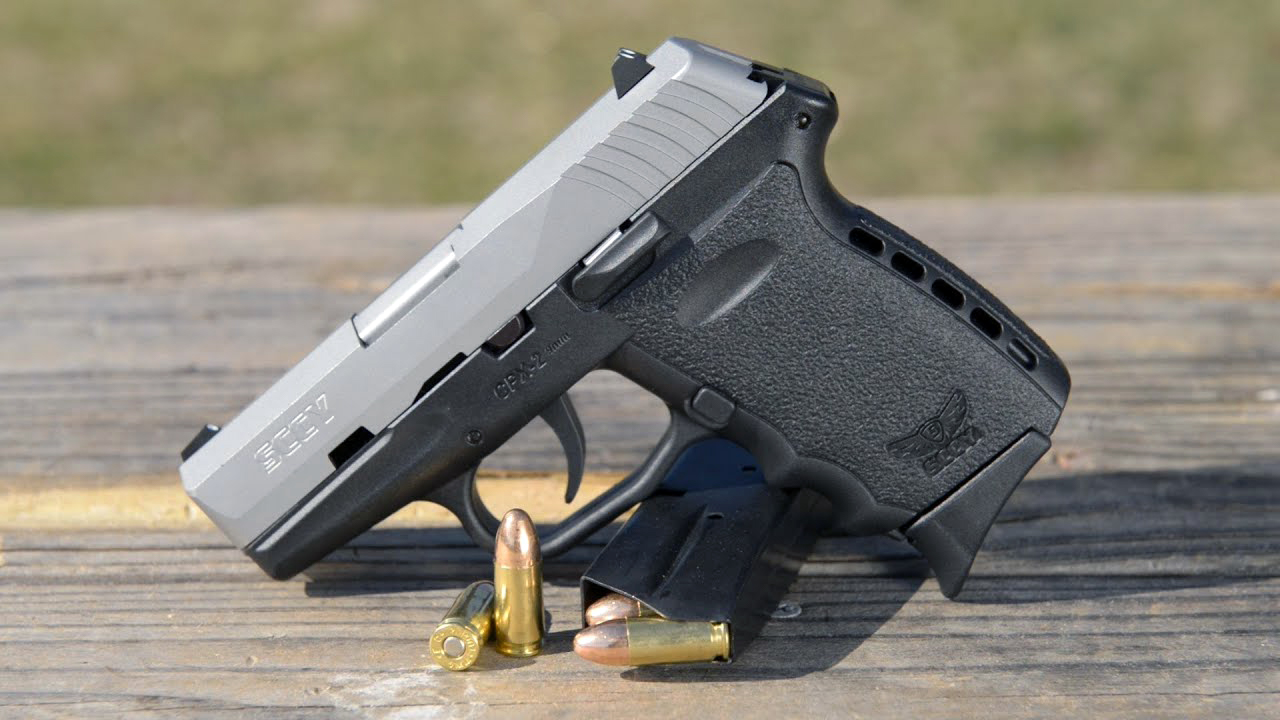
The SCCY CPX-2 is inexpensive, compact, and equipped with a double-action-only trigger. That trigger becomes the main source of disappointment for many owners. It is long and heavy, requiring consistent pressure throughout the stroke. Shooters who rush the pull often drag shots away from the center of the target.
The pistol also has a relatively wide grip for its size, which can feel awkward to smaller hands. Recoil is not unbearable, but it is more noticeable than expected because of the lightweight frame. The CPX-2 can work as a budget defensive pistol, but it takes considerably more effort to shoot well than many similarly priced competitors.
Smith & Wesson SD9 VE
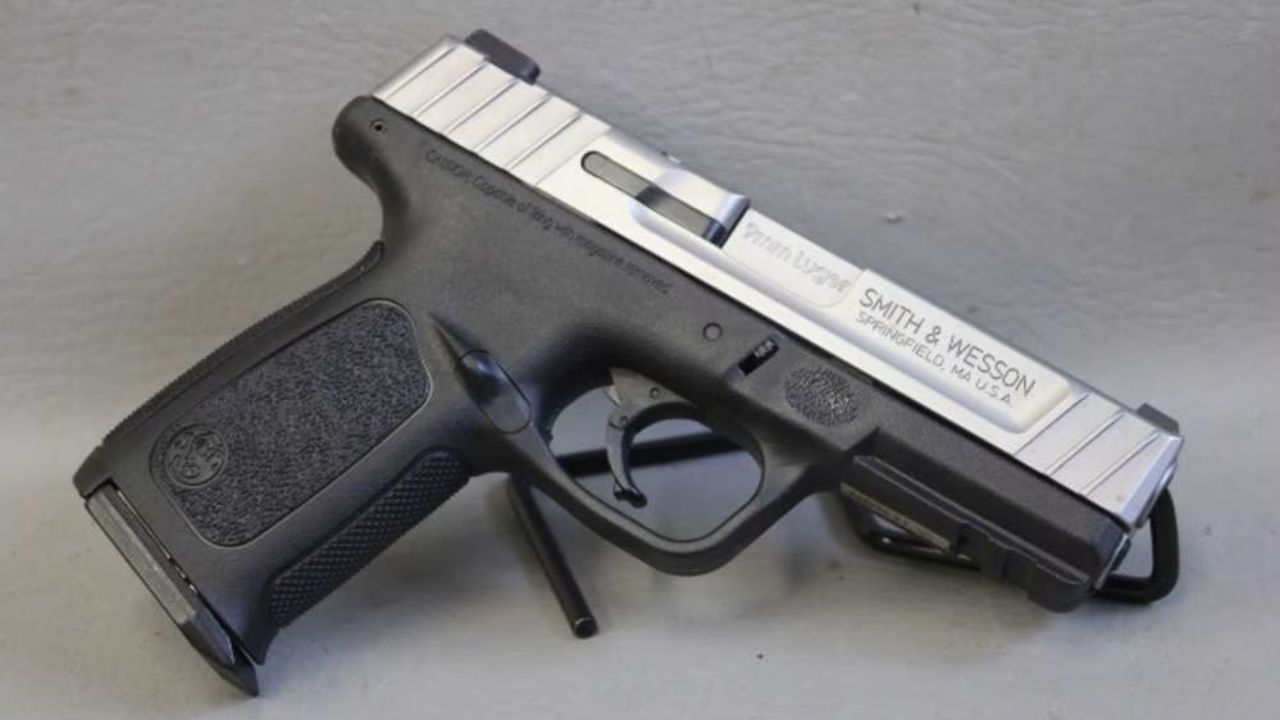
The Smith & Wesson SD9 VE has a comfortable grip, respectable capacity, and a reputation for basic dependability. Its trigger is what disappoints most shooters. The pull is heavy and somewhat gritty, with a break that makes precise shooting harder than it needs to be.
The pistol can still produce good groups with careful technique, but it does not feel as refined as the M&P series. New shooters may assume their poor accuracy comes entirely from inexperience when the trigger is contributing to the problem. The SD9 VE makes sense as an affordable defensive gun, but range performance rarely feels as polished as its ergonomics suggest.
Beretta PX4 Storm Subcompact

The full-size PX4 Storm is known for its rotating-barrel system and soft recoil, but the Subcompact uses a different operating system and does not deliver the same experience. It is thick, top-heavy, and relatively bulky for a pistol with a short grip and barrel.
Its weight helps with recoil, yet the gun can still feel awkward during transitions and rapid fire. The short grip also limits control unless an extended magazine is used. Buyers expecting a smaller version of the smooth-shooting full-size PX4 may be surprised by how differently the Subcompact handles.
Walther PPK
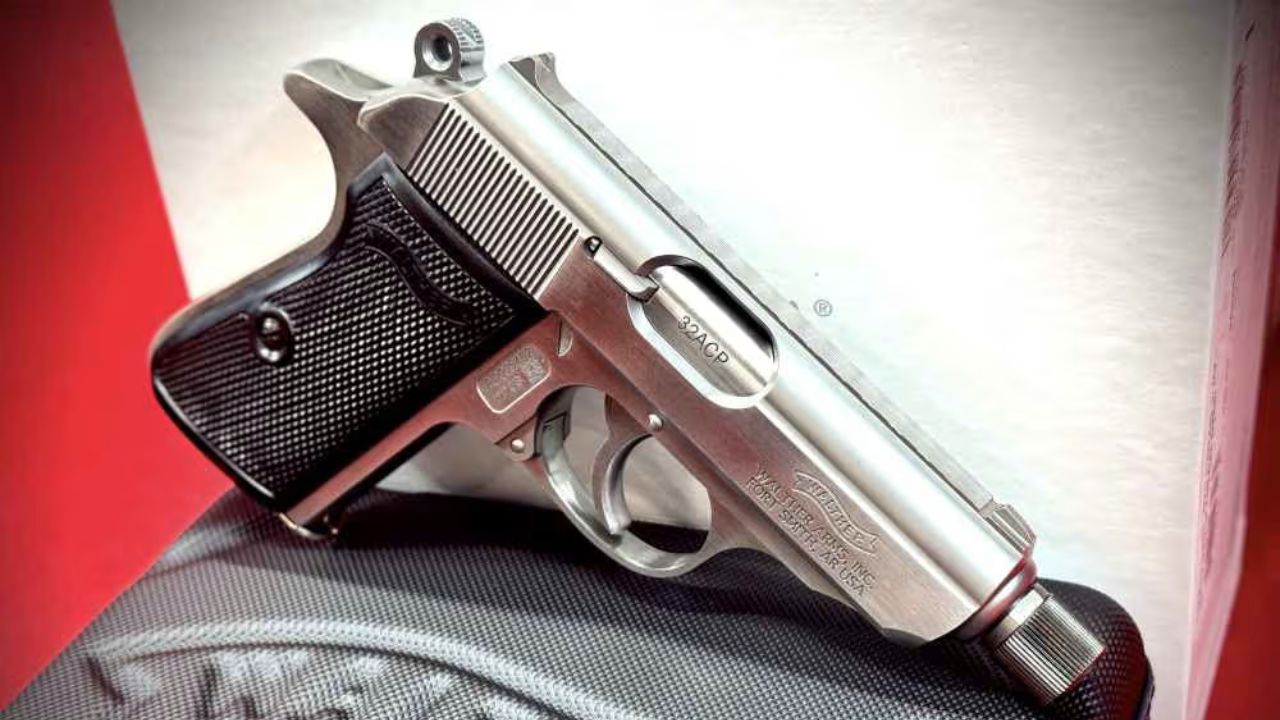
The Walther PPK is one of the most recognizable pistols ever made, but its range manners are not nearly as glamorous as its reputation. The straight-blowback action produces sharp recoil in .380 ACP, while the narrow grip and metal frame direct much of that force into the shooter’s hand.
Slide bite can also be a problem depending on hand size and grip placement. The sights are small, the double-action trigger is heavy, and the controls feel dated compared with modern pistols. The PPK remains attractive and historically important, but many first-time owners are surprised by how uncomfortable it can be to shoot.
Walther CCP

The Walther CCP uses a gas-delayed operating system intended to reduce recoil and make the slide easier to operate. In practice, the pistol can feel soft-shooting, but the trigger and maintenance process reduce some of its appeal. Earlier versions were especially awkward to disassemble, and even later examples are more complicated than many competing striker-fired pistols.
The trigger can also feel vague, with a less distinct reset than shooters may expect from Walther. The ergonomics are good, but the overall experience does not always match the company’s stronger models. Buyers expecting something close to a compact PPQ or PDP can leave the range underwhelmed.
Remington R51

The Remington R51 generated considerable excitement because of its slim profile, low bore axis, and unusual operating system. Unfortunately, the pistol’s reputation was damaged by serious early production problems, including feeding issues, rough operation, and inconsistent quality.
Even improved examples can feel awkward because of the grip safety, stiff controls, and unusual internal design. The pistol points naturally for some shooters, but others find it uncomfortable and difficult to trust. Its troubled launch created expectations that the later production guns never fully overcame.
Kimber Micro 9

The Kimber Micro 9 offers attractive styling, metal construction, and 1911-like controls in a compact 9mm pistol. It also produces more recoil than many buyers expect. The narrow grip and lightweight frame make the gun feel lively, particularly with hotter defensive ammunition.
The single-action trigger can support good accuracy, but the short grip makes consistency difficult during rapid strings. Some shooters also dislike manipulating a small manual safety under stress. The Micro 9 carries well and looks expensive, but its appearance can create expectations of a smooth, refined shooting experience that the small frame cannot always provide.
SIG Sauer P938
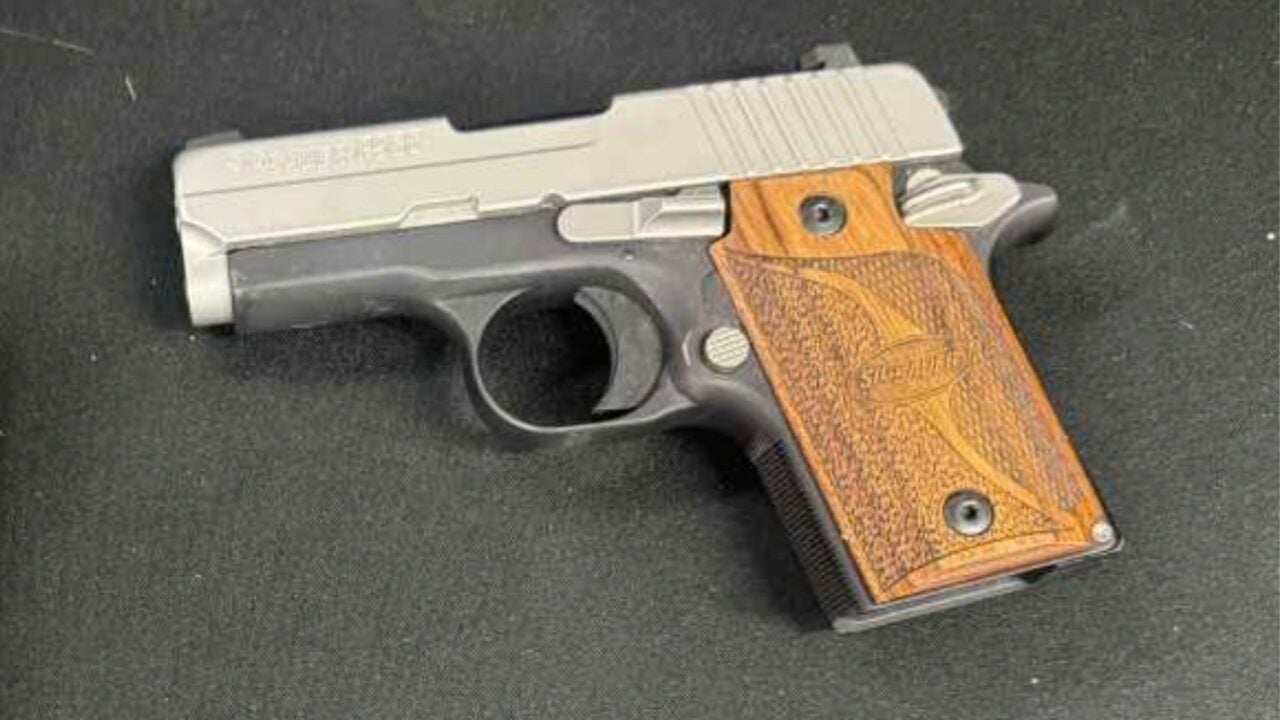
The SIG Sauer P938 is accurate, compact, and well made, but it can be surprisingly demanding at the range. Its all-metal construction does not eliminate the sharp recoil produced by firing 9mm through such a small handgun. The short grip and narrow backstrap concentrate much of that force into the hand.
The single-action trigger is generally good, but the manual safety requires consistent practice. Shooters who ride the safety with their thumb may also find the controls cramped. The P938 is a capable carry pistol, yet it is not the miniature 1911 experience some buyers imagine. It takes more effort to control than its premium finish suggests.
Smith & Wesson Model 642

The Smith & Wesson Model 642 is one of the most popular concealed-carry revolvers ever made. It is lightweight, dependable, and easy to conceal, but few people would describe it as easy to shoot. The small grip, short sight radius, and heavy double-action trigger make accurate shooting difficult beyond close range.
Recoil can also be sharp with defensive .38 Special loads, especially in the web of the hand. The enclosed hammer makes the revolver excellent for pocket carry, but it removes the option of manually cocking the gun for a lighter trigger pull. Many owners respect the Model 642 while still admitting that range practice with it feels more like work than recreation.
Like The Avid Outdoorsman’s content? Be sure to follow us.
Here’s more from us: