Photo credit: Kozub Vasyl/Shutterstock.com
Some dogs are friendly with everyone. Others pick their people and make it obvious where their loyalty lies. That kind of devotion can be a great trait in a family dog, working dog, or farm companion, but it can also create challenges. A dog that bonds intensely may be suspicious of strangers, protective around the home, or unhappy when separated from the people it trusts.
The breeds on this list are known for forming especially strong attachments. Some are livestock guardians, some are herding dogs, and others were developed specifically to work side by side with one handler. Their loyalty can make them incredibly dependable companions, but it also means they usually need thoughtful socialization, clear boundaries, and owners who understand that devotion can turn into overprotectiveness or clinginess if it is not managed well.
Akita
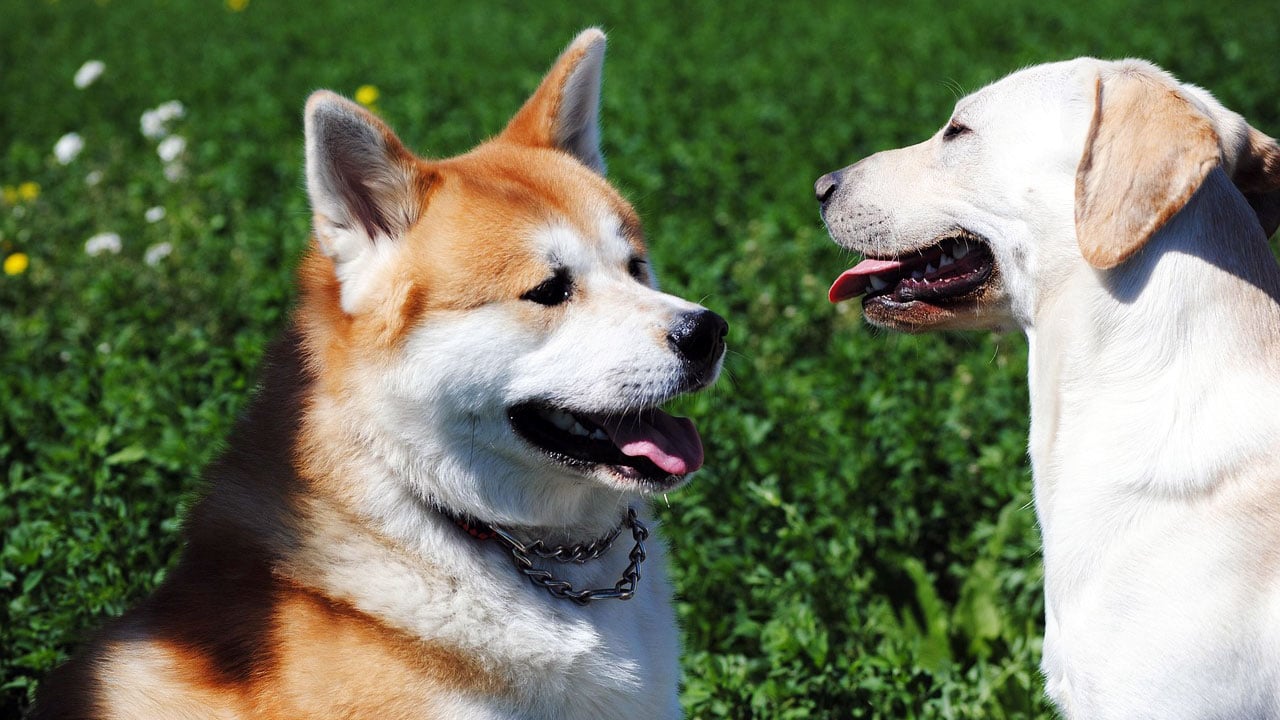
Akitas are famous for attaching themselves deeply to their family while remaining much more reserved with outsiders. They are not typically the kind of dog that works the room looking for attention. Instead, they tend to decide who belongs to them and act accordingly. That makes their loyalty feel serious rather than playful.
The downside is that this devotion can come with suspicion and territorial behavior. Akitas need early socialization because they are naturally inclined to be selective about strangers and other dogs. With their own people, though, they can be exceptionally devoted and calm. They are the type of dog that often watches everything quietly and stays close without constantly demanding attention. That reserved personality makes their loyalty feel even stronger once you earn it.
Doberman Pinscher

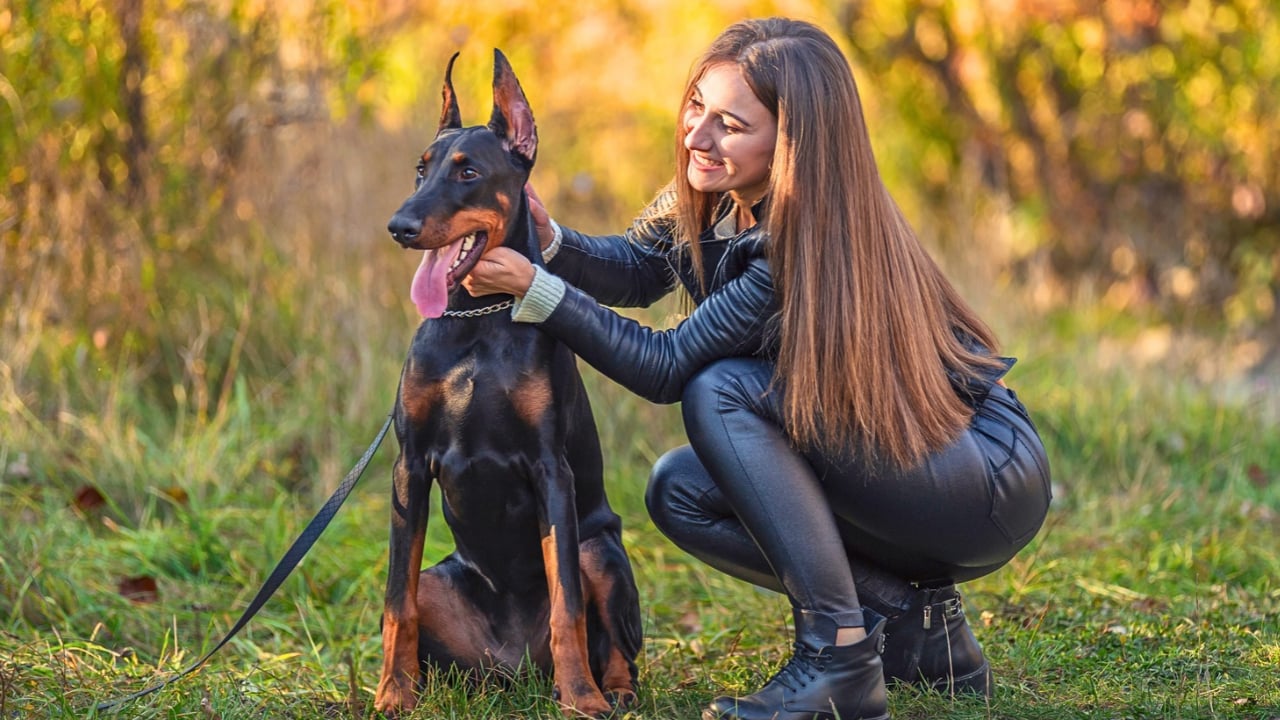
Dobermans were developed to stay close to a handler and protect them, and that history still shows in the breed today. They often shadow their owners from room to room and seem happiest when they know exactly where their person is.
That close attachment can become intense. Dobermans generally do not thrive when left isolated for long periods, and some can develop separation-related behavior if they never learn independence. They are also naturally alert, which means their devotion can make them quick to react when something feels wrong around the home. With good training and socialization, though, they are affectionate, responsive, and deeply connected to their families. Few breeds combine physical protectiveness with such a strong desire to stay near their people.
German Shepherd Dog
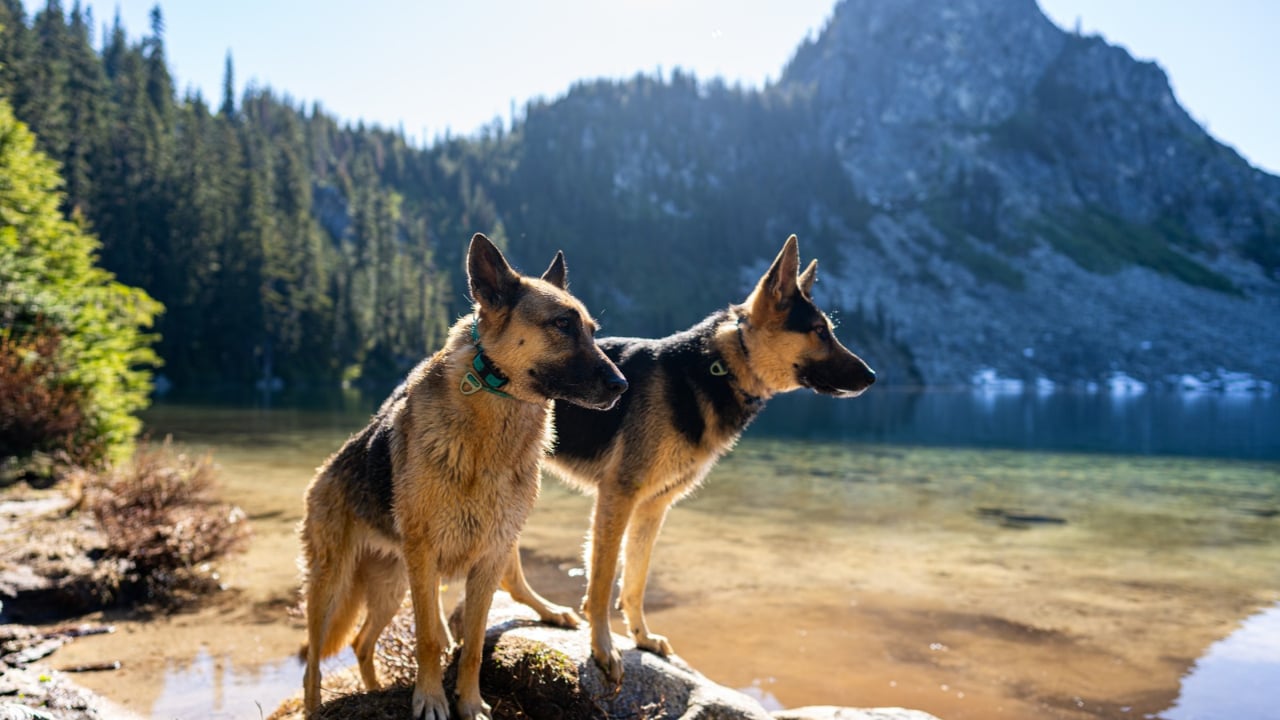
German Shepherds are one of the classic examples of a dog that takes its relationship with its family seriously. They were bred to work closely with people, respond to direction, and remain alert to changes in their environment. That creates a dog that often feels almost constantly tuned in to its owner.
Their loyalty can become protective behavior if they are not exposed to enough people and situations early in life. A poorly socialized Shepherd may decide too quickly that strangers are a problem. A well-raised one is much easier to live with because it learns the difference between normal activity and genuine concern. They still tend to keep an eye on their family, though, and many will naturally position themselves where they can see what everyone is doing.
Great Pyrenees
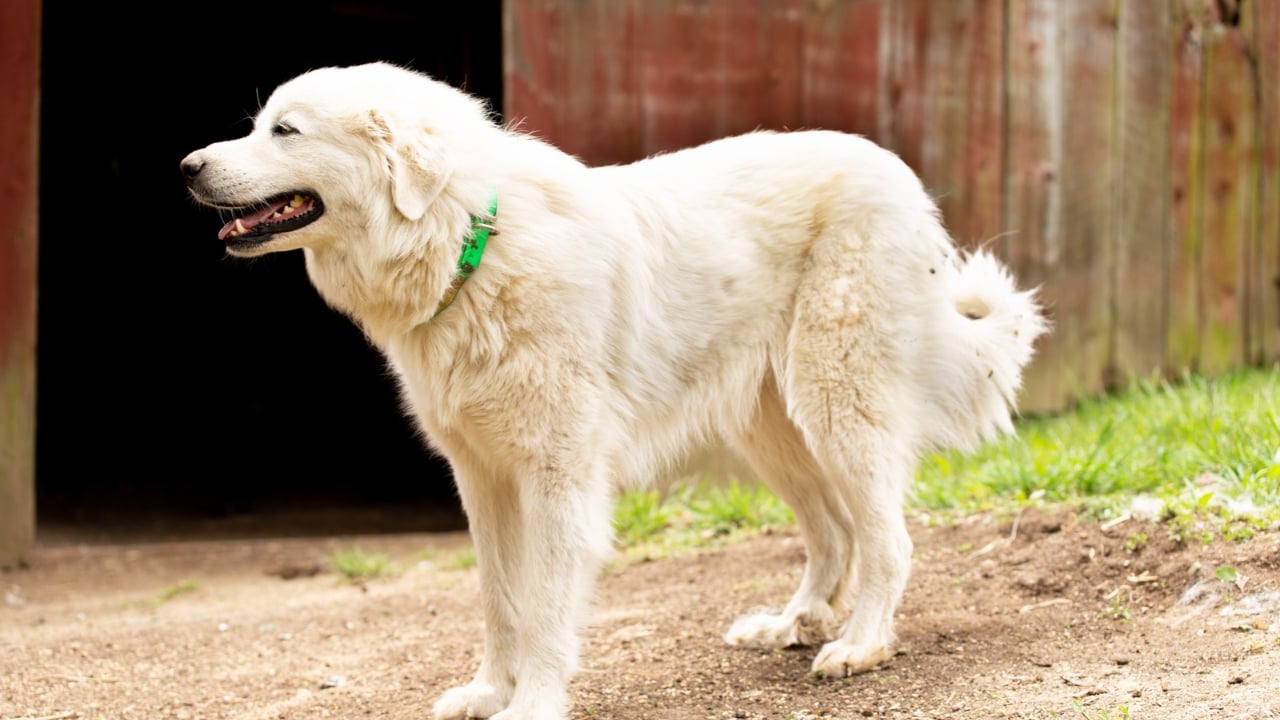
Great Pyrenees are independent, but that does not mean they are emotionally detached. They were developed to live with livestock and make their own decisions while protecting what they considered theirs. That same instinct often transfers strongly to the household and family.
Their loyalty looks different from the clinginess of a Doberman. A Pyr may choose to lie on the porch, patrol the property, or watch from across the yard rather than follow every step you take. Even so, they are paying attention. They can be extremely devoted to children, other animals, and the property itself. The challenge is that their protective instincts do not switch off just because an owner would prefer them to. Barking, nighttime patrols, and independent decision-making all come with that deep sense of responsibility.
Cane Corso

The Cane Corso was bred as a guardian, and that background produces a dog that often treats family loyalty as a serious job. Corsos usually bond closely with the household and are naturally watchful around unfamiliar people.
That can be an excellent trait with an experienced owner, but it requires structure. A Corso that is allowed to make every decision about who belongs can become overly suspicious or difficult to control. Early socialization is especially important because this is a large, powerful dog with real protective instincts. When properly raised, they can be calm, affectionate, and surprisingly sensitive with their own people. Their loyalty tends to be steady and deliberate rather than frantic, but there is no question where their allegiance lies.
Rottweiler

Rottweilers are often affectionate and even goofy with their own families, which surprises people who only know the breed by its guarding reputation. That relaxed side comes from the confidence many well-bred Rottweilers have around the people they trust.
Their loyalty is still serious. They tend to stay aware of strangers, unusual sounds, and activity around the property. Because they are powerful dogs, training and socialization are important from the beginning. A Rottweiler that trusts its owner and understands expectations can be remarkably stable. One that has not learned boundaries can become overly protective. At their best, they combine warmth toward family with a strong instinct to remain nearby and keep an eye on what is happening.
Australian Cattle Dog
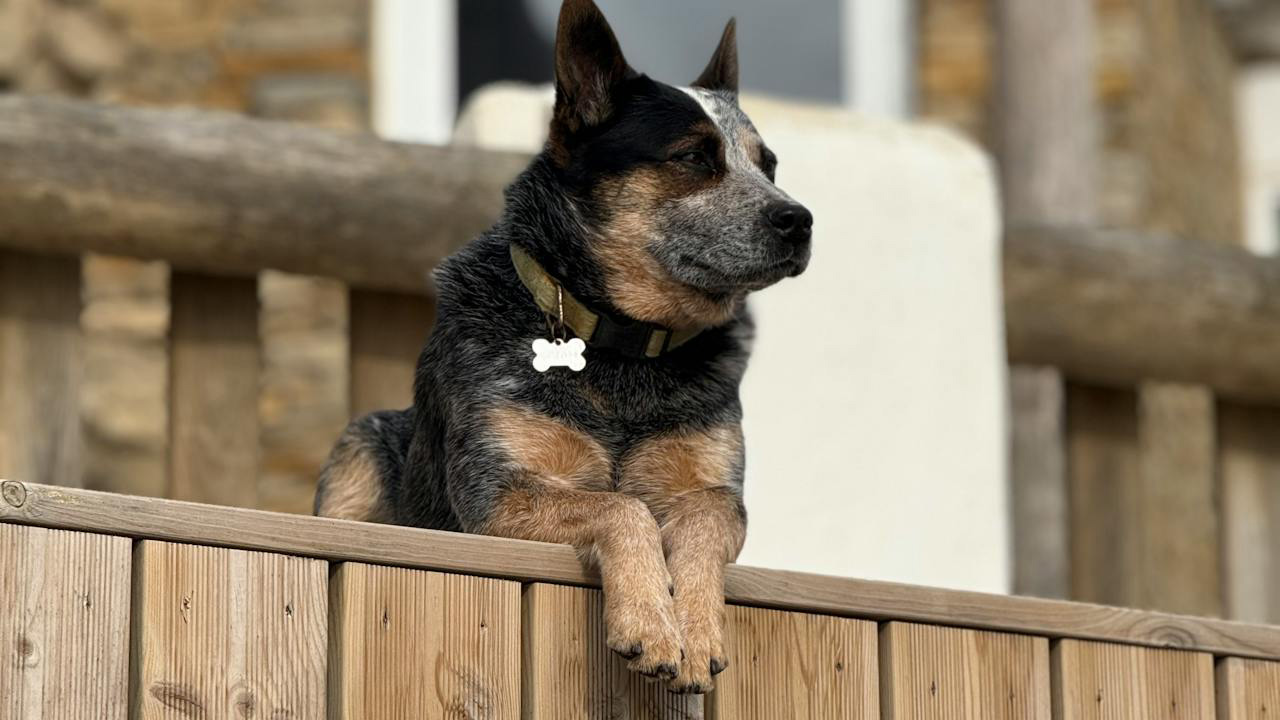
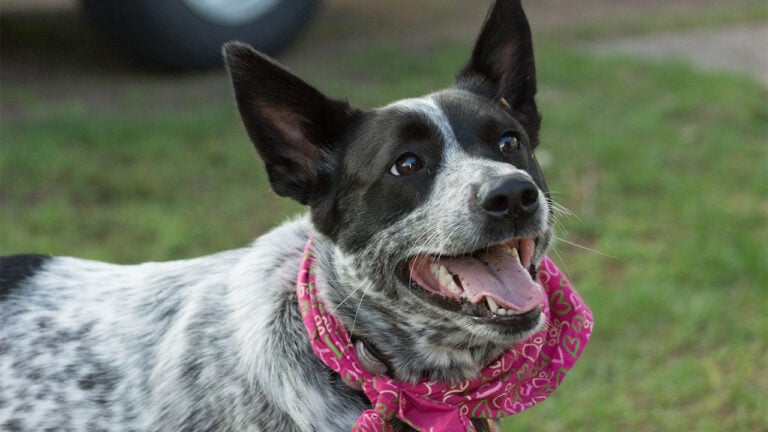
Australian Cattle Dogs often develop an intense attachment to one or two people. They were bred to work hard, think independently, and remain focused on the handler despite distractions, so they naturally tend to build strong working relationships.
That loyalty can become possessiveness or constant shadowing if the dog has too little structure. Heelers are also smart enough to notice routines quickly, which means they often know where their person is supposed to be and what happens next. They can be suspicious of unfamiliar people and may try to control movement around the home through herding behavior. With enough work and training, though, that same intensity becomes one of their best qualities. They are the kind of dog that often wants to be involved in whatever their owner is doing.
Belgian Malinois
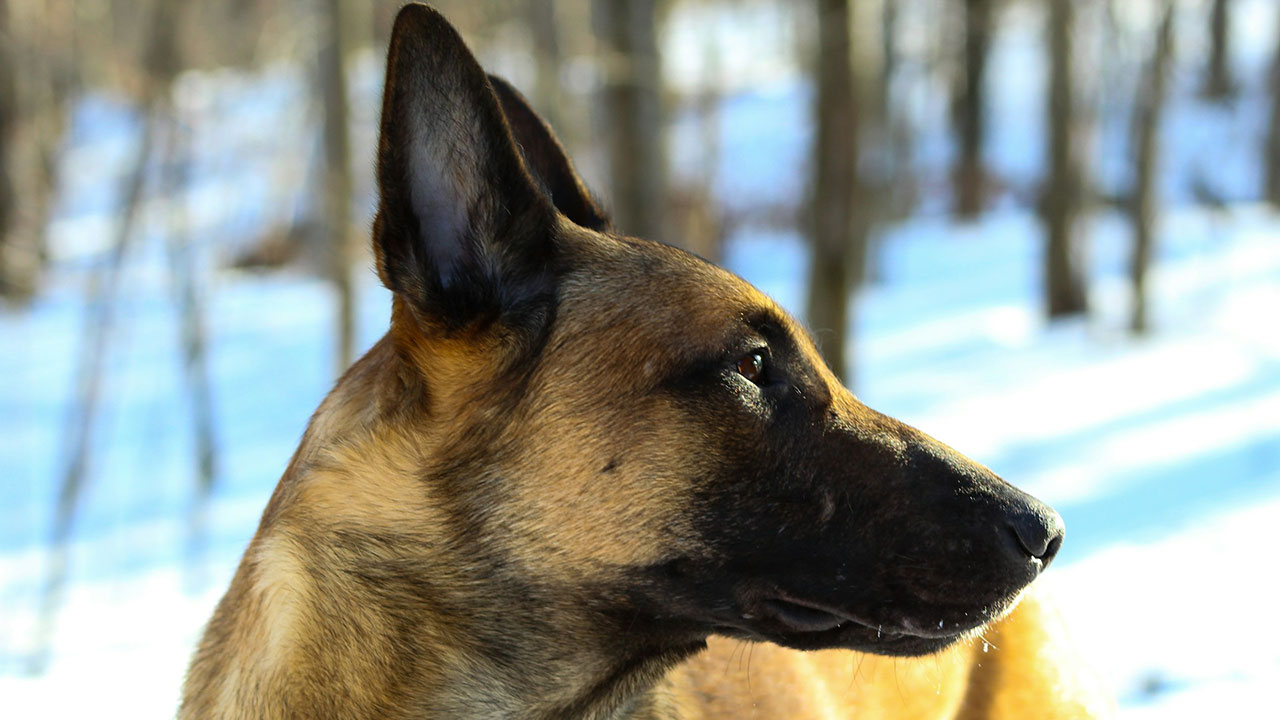
Few breeds are as handler-focused as the Belgian Malinois. They were developed for demanding work that requires constant communication, speed, and responsiveness, so strong attachment to a handler is practically built into the breed.
That level of loyalty can be overwhelming in an ordinary household. Malinois often want interaction, direction, and activity throughout the day, and they may struggle if they are expected to simply entertain themselves. Their protective instincts can also develop quickly, particularly if socialization is weak. For experienced handlers, though, the bond can be extraordinary. A well-trained Malinois watches its person closely and responds with an intensity that makes the dog feel almost like an extension of the handler rather than just a pet.
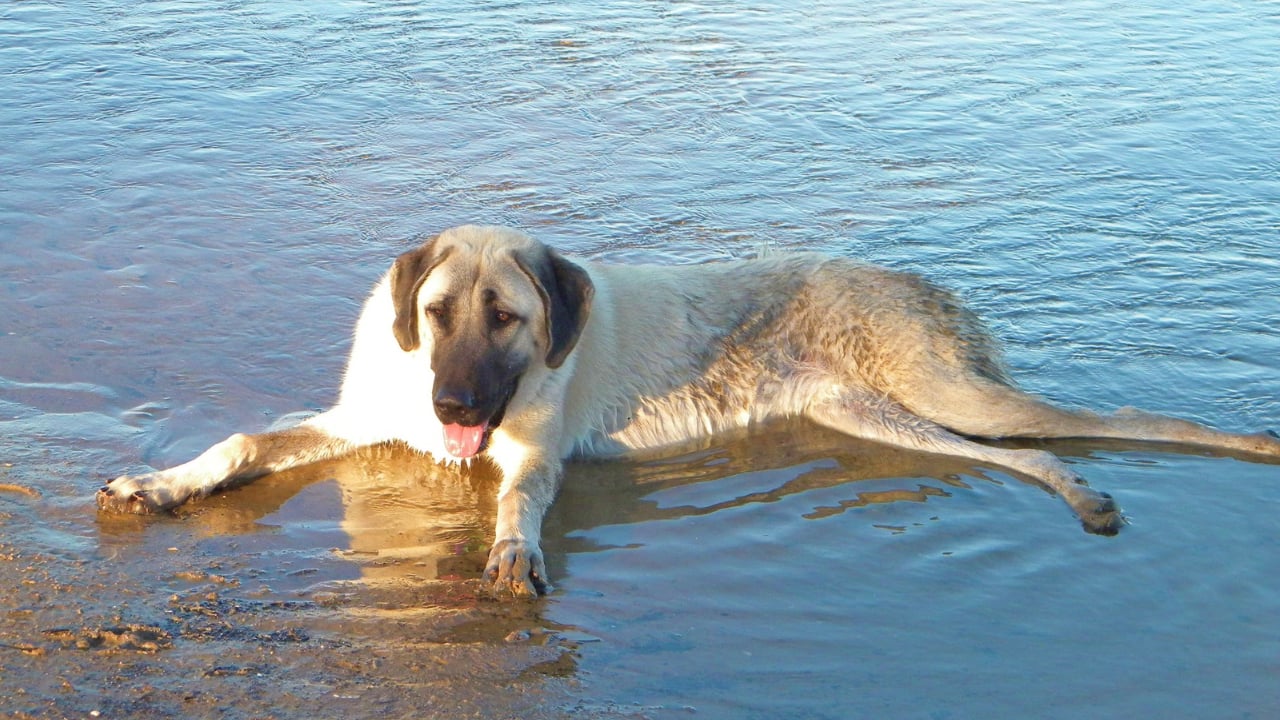
Anatolian Shepherd
LyndenLeaves/Shutterstock.com
Anatolian Shepherds were bred to protect livestock without constant human direction, which means their loyalty is strongly tied to territory and whatever they consider part of their group. That may include family members, livestock, other dogs, and the property itself.
They are not usually clingy. In fact, an Anatolian may spend much of the day doing its own thing while quietly monitoring everything. The loyalty becomes obvious when something unusual enters the picture. These dogs tend to make independent decisions quickly, which can be both impressive and frustrating. They require owners who respect that independence rather than expecting Labrador-style obedience. Once an Anatolian accepts people or animals as its own, though, the protective attachment can be extremely strong.
English Shepherd
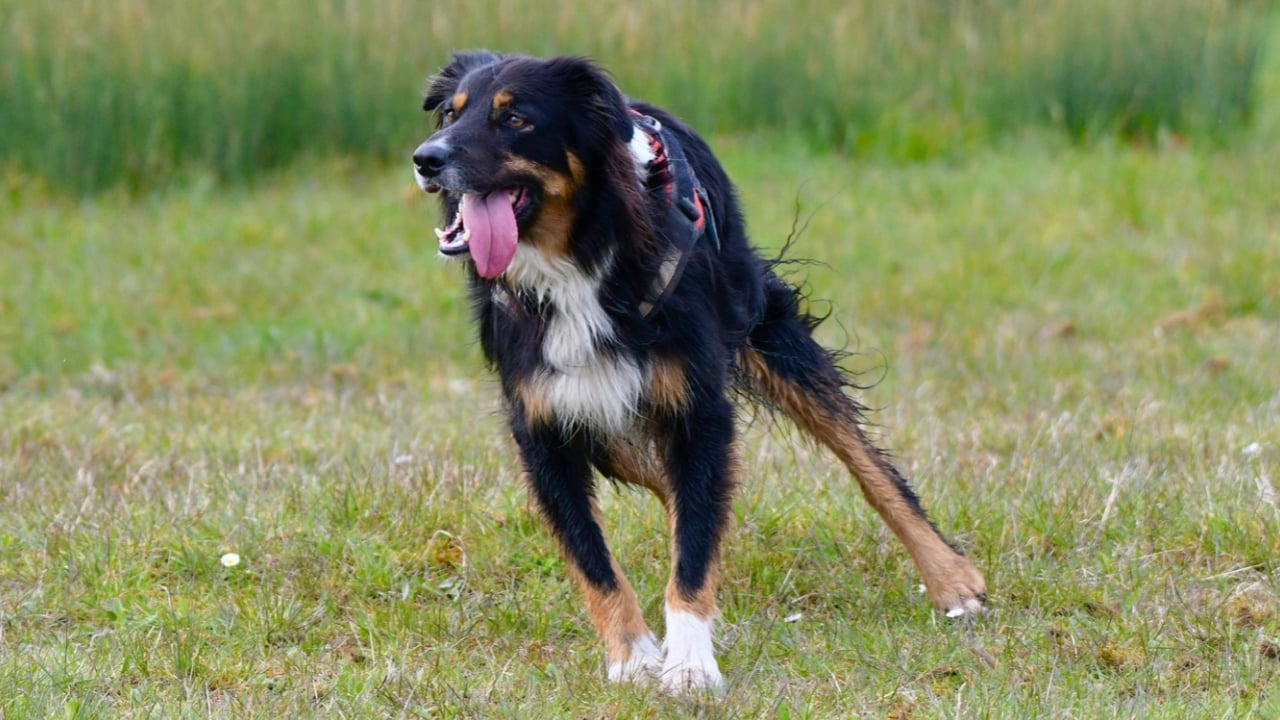
English Shepherds are traditional farm dogs that were bred to work closely with a family rather than specialize in one narrow job. That history gives them a very personal kind of loyalty. They often want to know where their people are and what work is happening around the property.
Unlike some harder-driving herding breeds, many English Shepherds are capable of settling down when there is nothing to do. They still tend to stay involved, though. They may follow children, help move livestock, alert to unfamiliar vehicles, and naturally position themselves near family activity. Their loyalty can make them cautious around strangers, but they are usually more adaptable than serious guardian breeds. For someone wanting an all-purpose farm companion that genuinely bonds with the household, this trait is a major part of their appeal.
Beauceron
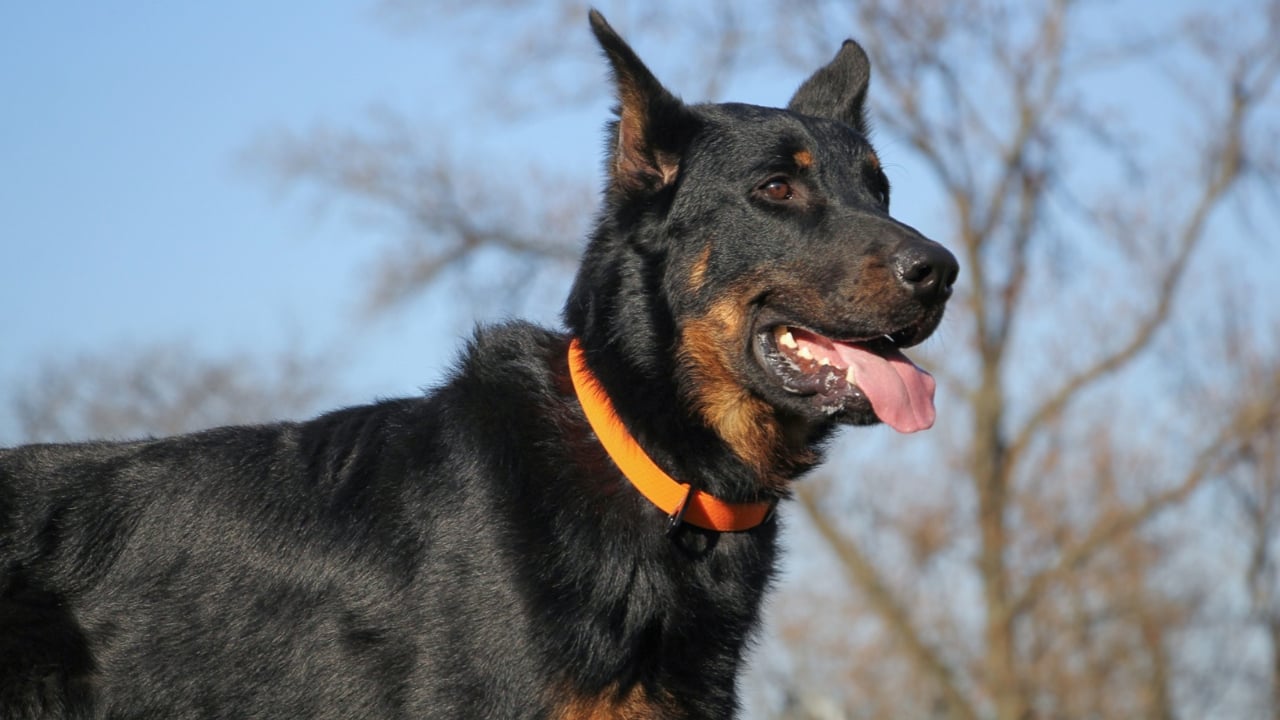
The Beauceron is a powerful French herding and guarding breed that often forms a very strong bond with its family. They are confident dogs that tend to watch their environment closely while staying responsive to the person handling them.
That combination can make them excellent companions for experienced owners, but they need guidance. Beaucerons mature slowly, and young dogs can be energetic, pushy, and physically overwhelming if training is inconsistent. Once they mature, they often become remarkably steady. Their loyalty shows through attentiveness more than constant affection. A Beauceron may not beg for attention every minute, but it usually knows exactly where its people are and what is happening around them.
Rhodesian Ridgeback
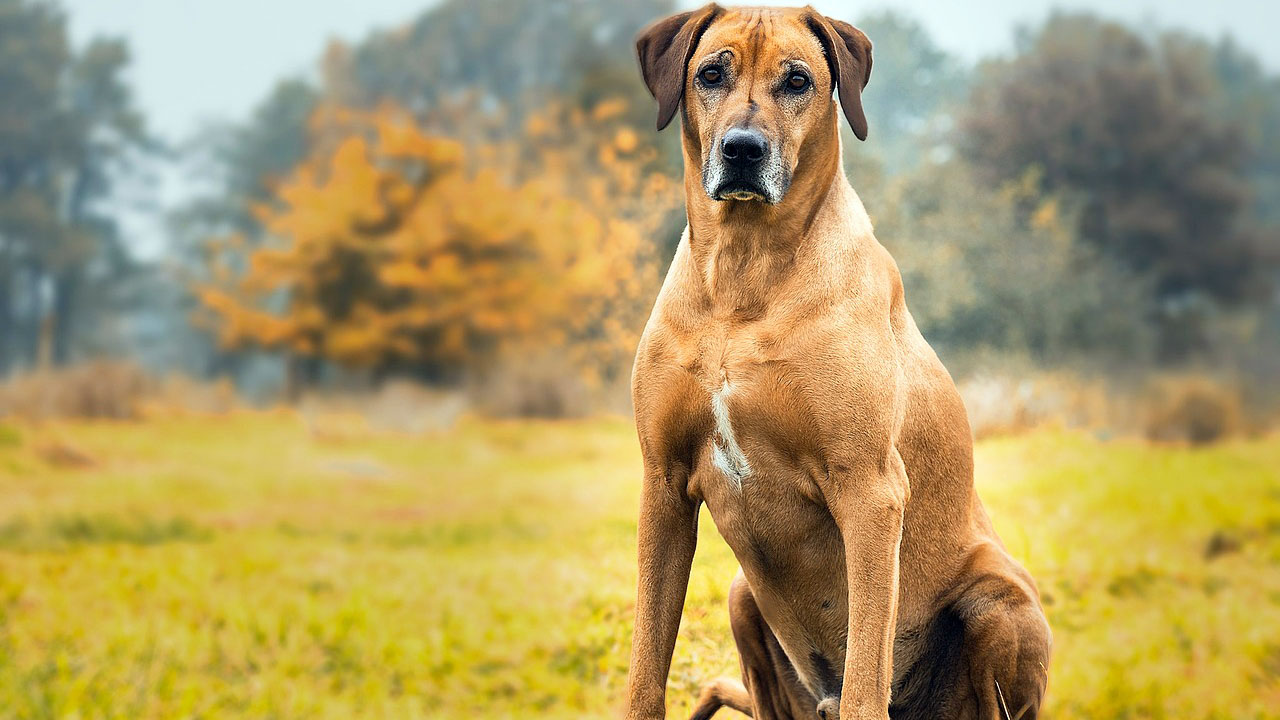
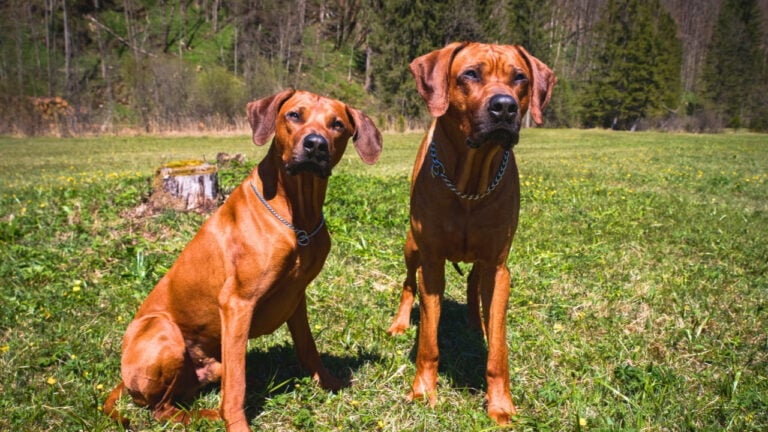
Rhodesian Ridgebacks are independent dogs, but they often form very deep attachments to their household. Their reserved nature with strangers can make that family bond especially noticeable.
They are not typically eager to obey just for the sake of pleasing someone, so their loyalty should not be confused with automatic obedience. Ridgebacks think for themselves and can be stubborn when they see no reason to comply. Still, they usually want to stay near their family and can be surprisingly affectionate at home. Their size and natural confidence also make them effective deterrents even without formal protection training. With proper socialization, they tend to be calm and composed while remaining strongly devoted to the people they know.
Kuvasz
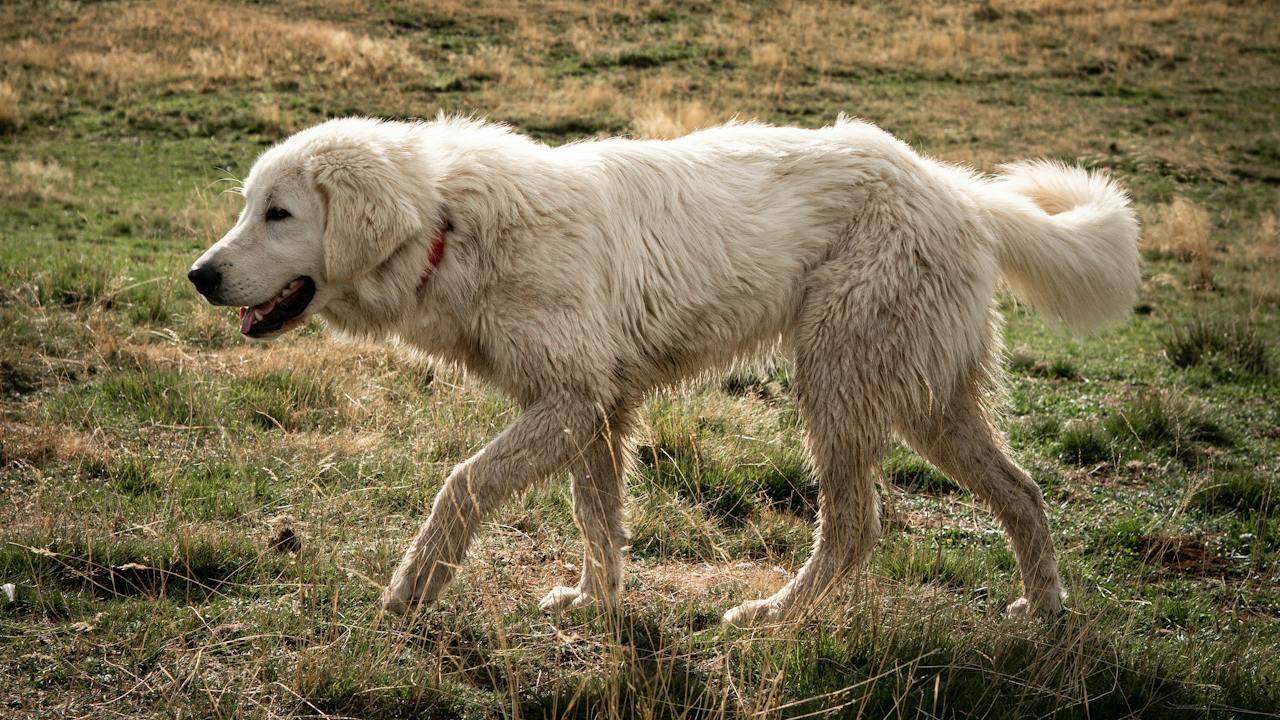
The Kuvasz is a livestock guardian with a long history of independent protection work. Like other guardian breeds, it tends to form powerful bonds with the people, animals, and territory it considers its responsibility.
That loyalty can be difficult for inexperienced owners because a Kuvasz may not wait for permission before deciding something is suspicious. They need early exposure to visitors, handling, and normal household activity so their judgment becomes more reliable. With their own family, they can be affectionate and surprisingly gentle. They are also capable of remaining calm and distant rather than constantly demanding interaction. Their devotion becomes most obvious in the way they watch, patrol, and position themselves between their family and unfamiliar activity.
Boxer
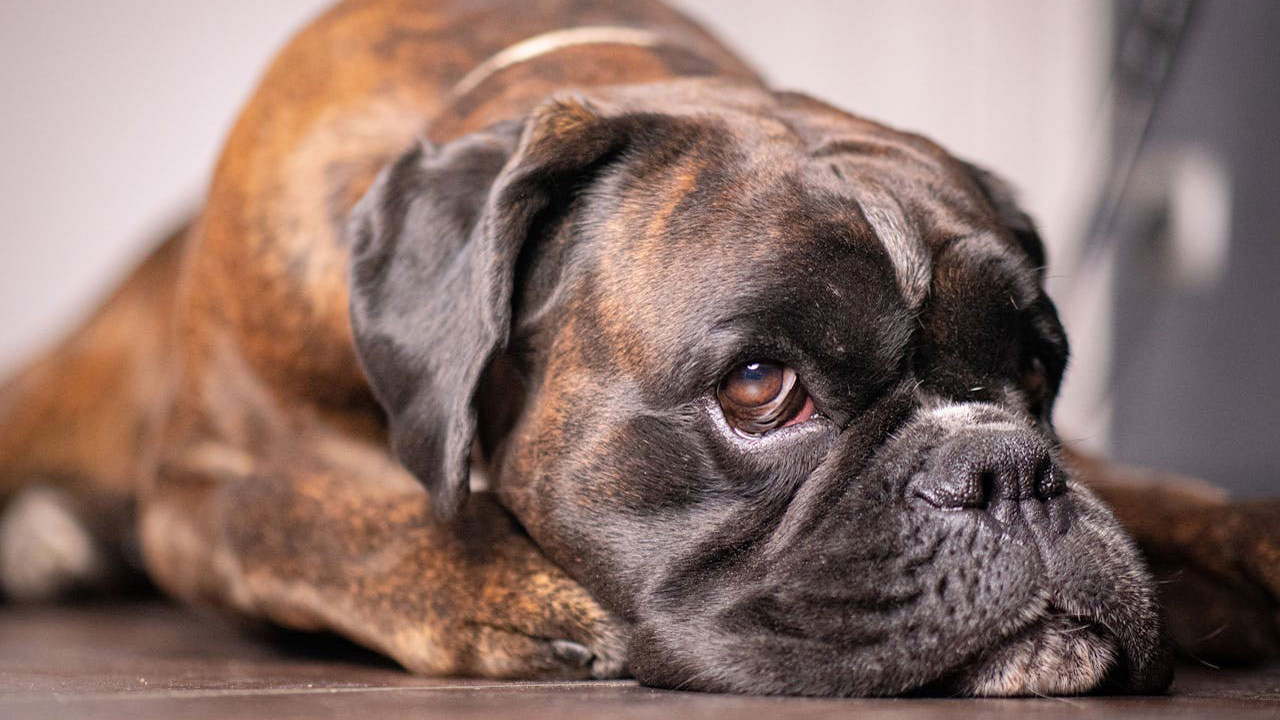
Boxers are much more playful than most traditional guardian breeds, but their family attachment can be every bit as strong. They often want to be physically close to their people and have a reputation for following family members around the house.
That affection comes with a watchful side. Boxers can be naturally suspicious of unusual activity and are often protective without being as serious or independent as some mastiff breeds. Their enthusiasm can become a problem if they are not trained because a large, excited Boxer can knock people around without meaning to. With proper manners, though, they are excellent family companions. Their loyalty tends to be expressive, physical, and obvious. They generally want to be wherever the family is rather than stationed somewhere alone.
Giant Schnauzer

Giant Schnauzers are intense working dogs that commonly develop a close bond with their owners. They are alert, intelligent, and naturally protective, which means they often take household security seriously.
They also need more involvement than many people expect. A bored Giant Schnauzer can become destructive, pushy, or difficult because the breed was never intended to be a passive pet. Their loyalty works best when they have training and regular interaction with their people. Once that relationship is established, they can be exceptionally responsive and dependable. They are often aloof with strangers while remaining playful and affectionate at home, which makes the contrast between family and outsiders very clear.
Bullmastiff

Bullmastiffs were developed to work quietly alongside gamekeepers, and that calm protective instinct still defines the breed. They tend to bond strongly with family while remaining much more reserved with strangers.
Unlike high-energy working breeds, Bullmastiffs generally do not need constant activity to feel connected. Many are perfectly happy lying nearby and monitoring the house. Their size alone creates a powerful deterrent, but their loyalty is what makes them naturally attentive to unusual situations. They need good socialization because a dog this large cannot be allowed to become needlessly suspicious. When raised correctly, they are often gentle, patient family dogs that still maintain a strong instinct to stay close and protect their household.
Black Mouth Cur
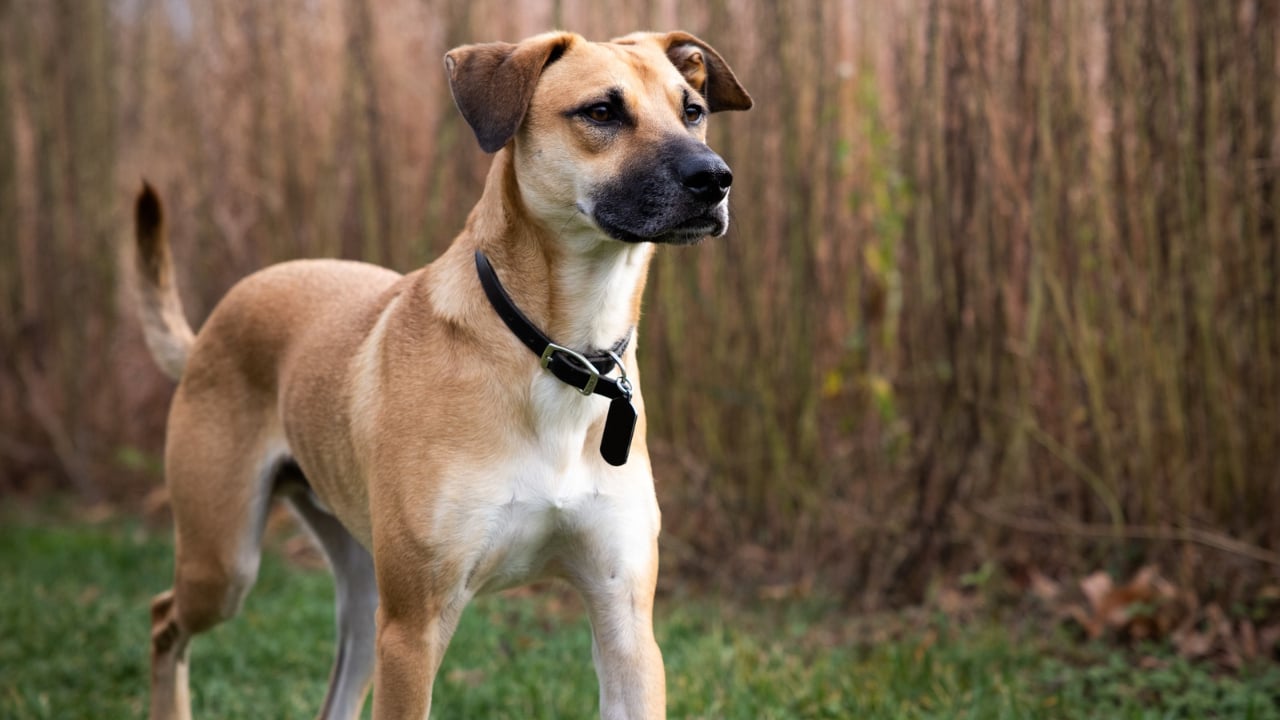
Black Mouth Curs were developed as practical farm and hunting dogs, and their attachment to family is one of the traits that made them valuable. They tend to be versatile, tough, and willing to stay involved in whatever work is happening.
They can also be naturally protective of the property and suspicious of strangers. Unlike many specialized hunting breeds, a good Black Mouth Cur often transitions well from working outside to staying close to family life. They are intelligent enough to notice routines and typically prefer having a job rather than being left without direction. Their loyalty can make them excellent farm companions, but it also means early socialization matters. They need to learn that not every visitor or unfamiliar dog is automatically a threat.
Australian Shepherd

Australian Shepherds often become extremely connected to their families because they were bred to work closely with people all day. Many will follow their owner from room to room and seem genuinely bothered when they are excluded from activity.
That closeness can be great for someone who wants an involved companion, but it can become demanding. Aussies need mental work, exercise, and some practice being independent so they do not turn into anxious shadows. Their herding instincts may also make them try to control children, other pets, or even guests moving around the house. With enough structure, though, their loyalty is one of their biggest strengths. They tend to be highly responsive dogs that want to participate rather than simply coexist in the background.
Vizsla

Vizslas have earned the nickname “Velcro dogs” because many of them want near-constant physical closeness with their owners. They were developed as hunting companions that worked in close cooperation with people, and that relationship remains deeply ingrained.
Their loyalty is affectionate rather than strongly territorial. Most Vizslas are not serious guard dogs, but they are intensely attached to their household and can struggle when left alone too much. They usually do best with active owners who actually want a dog involved in daily life. A Vizsla may follow you through the house, lean against you whenever possible, and settle directly beside you after exercise. For someone who enjoys that level of companionship, it is hard to find a breed that offers more.
Doberman Pinscher
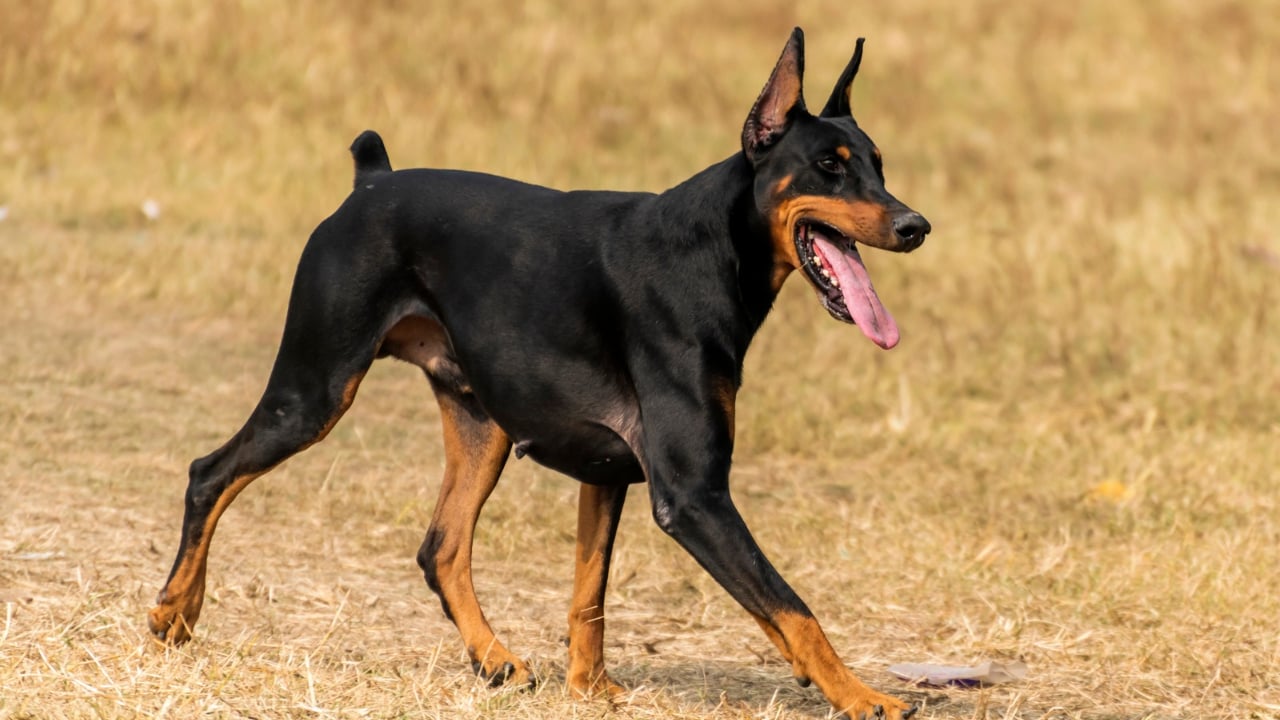
A well-bred Doberman can feel almost unnervingly aware of its owner. The breed was designed around personal protection, which required staying close, reading body language, and reacting quickly when something changed. That instinct has never really disappeared.
What makes the loyalty so noticeable is how personal it tends to be. Many Dobermans do not simply love the household in a general sense. They form an especially strong bond with one person and keep track of that individual constantly. That can be wonderful, but it also means they need to learn how to relax without constant contact. Given enough socialization, exercise, and clear expectations, that intense attachment becomes one of the breed’s defining strengths rather than a problem.
Like The Avid Outdoorsman’s content? Subscribe to our newsletter so you never miss an article.
Here’s more from us: