
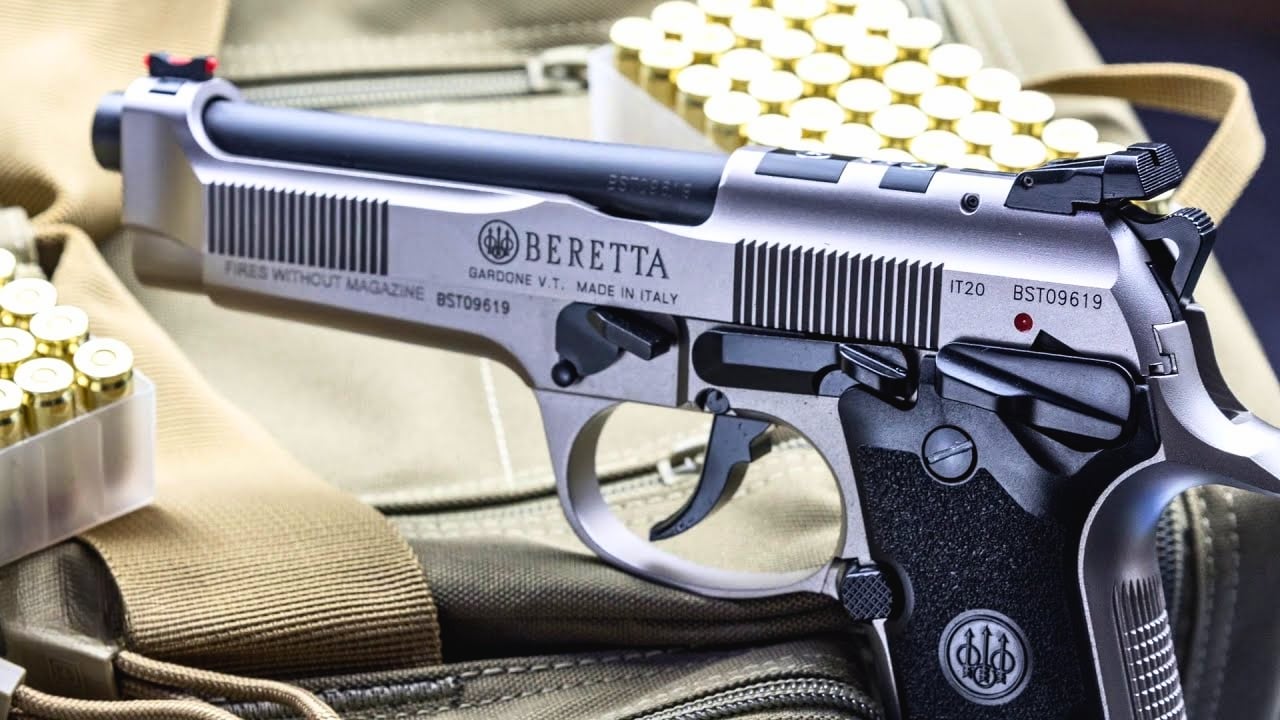
Photo credit: Armeria Red Point/YouTube
Some handguns are expensive because they give you something tangible in return. Better triggers, premium machining, improved accuracy, unusual materials, and hand fitting can all justify a higher price.
Others are harder to defend. Once you strip away the brand name, finish, limited-edition treatment, or extra features, the practical difference can be surprisingly small. These 20 handguns are not necessarily bad guns, but they ask for more money than their real-world advantages justify.
HK USP9
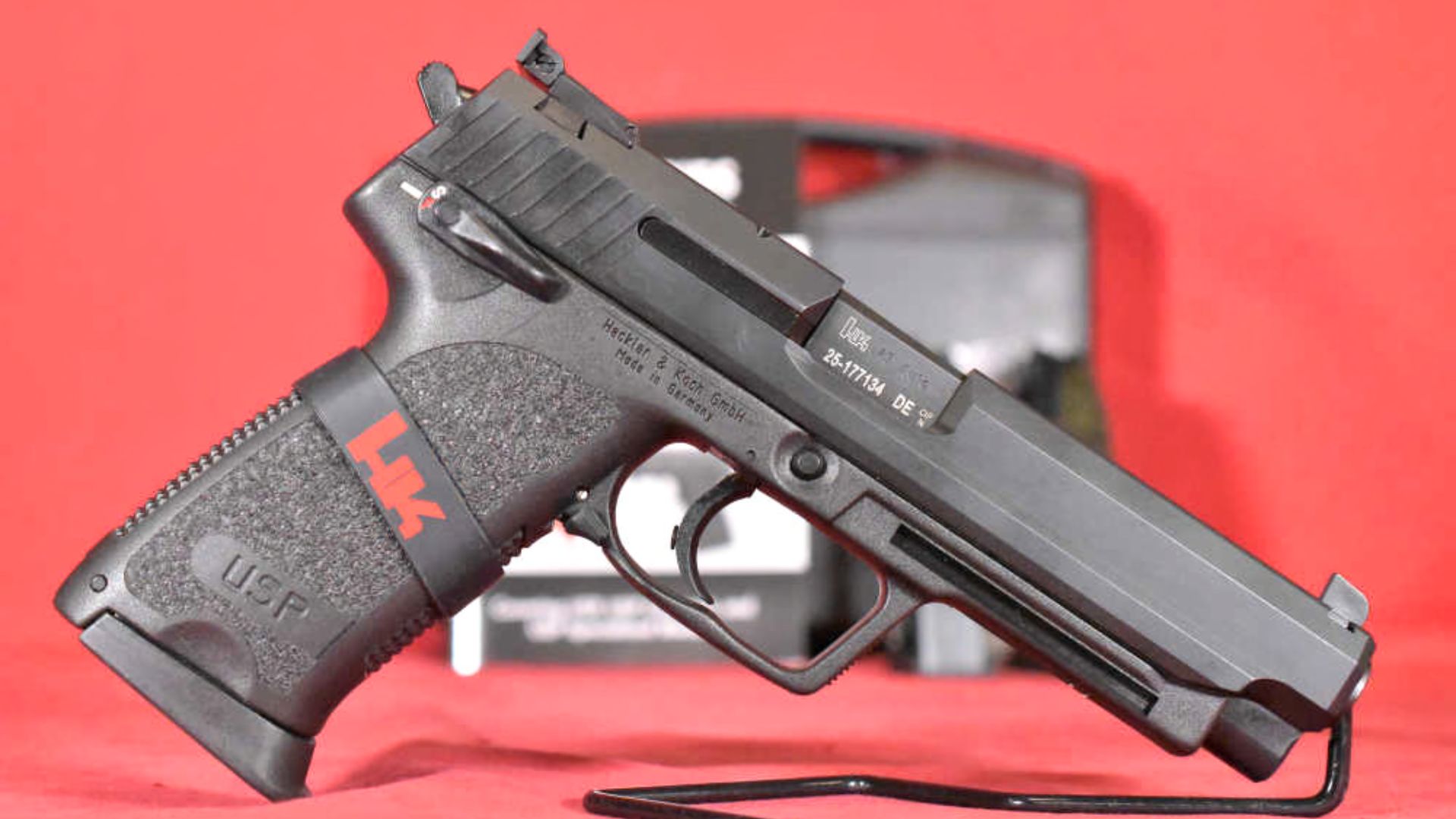
The USP is tough, proven, and built like a tank. Nobody needs to make excuses for its durability.
The problem is that the platform now costs premium money while still giving you an older control layout, relatively bulky dimensions, limited optics support, and capacity that no longer stands out. You are paying heavily for HK quality and reputation, but the actual feature set looks dated beside newer duty pistols that cost much less.
FN Five-seveN MRD

The Five-seveN is light, soft-shooting, and undeniably different. Its 5.7x28mm chambering and large magazine capacity are the main reasons people want one.
The price is where the argument gets weak. You are paying a substantial premium for a polymer service pistol while also accepting more expensive ammunition and fewer defensive-load choices than 9mm. Unless you specifically want the Five-seveN experience, much cheaper pistols can handle defensive and range duties just as effectively.
Colt Python

The modern Python is beautifully finished and has one of the strongest names in the revolver market.
That name costs money. If you simply want a durable .357 Magnum revolver for regular shooting, there are cheaper guns that deliver the same practical performance. The Python makes sense as a gun you specifically want to own. It is much harder to justify as the logical value choice.
Staccato CS

The CS is a refined compact double-stack 1911 with an excellent trigger and impressive shootability for its size.
It also costs several times what a good micro-compact 9mm costs. That premium gets you better trigger feel and the 2011-style shooting experience, but it does not give you three times the defensive capability. For most concealed-carry buyers, the price climbs much faster than the practical benefit.
Staccato P
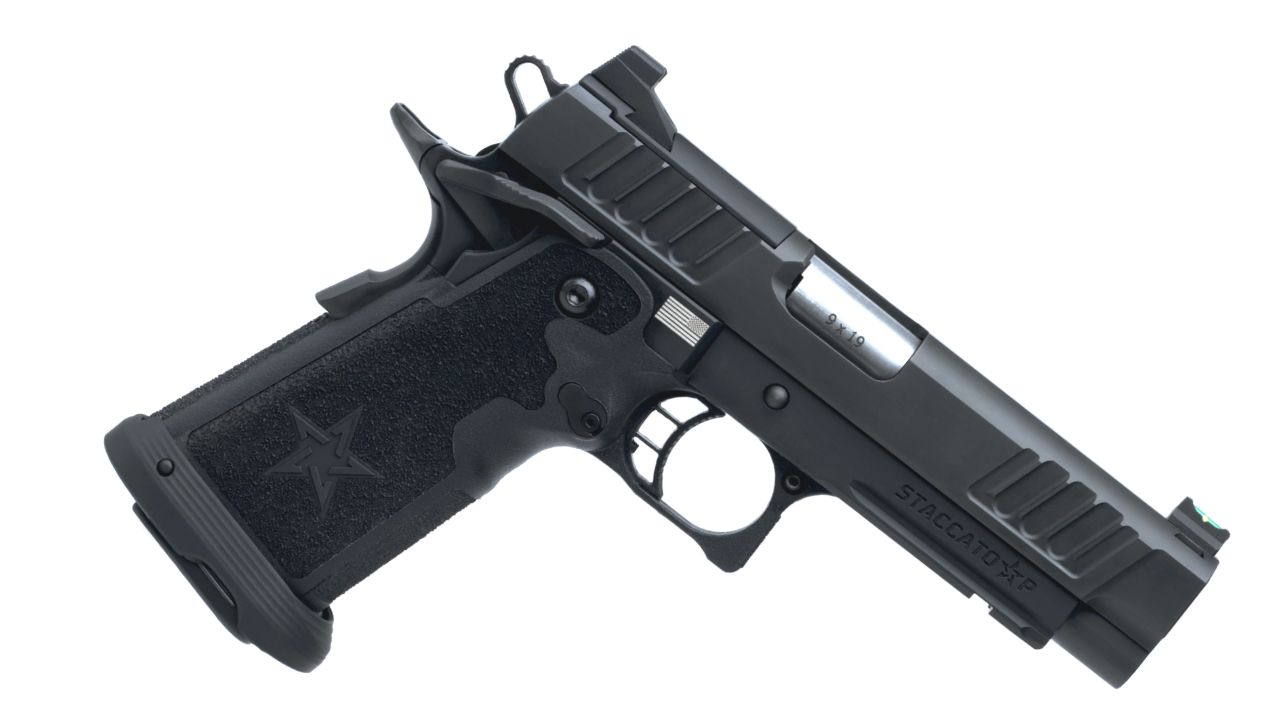
The P is an excellent shooter, and its combination of trigger quality, capacity, and recoil control has earned it a serious following.
The problem is that the double-stack 1911 market has exploded. Buyers now have far cheaper ways to get much of the same feel and performance. The Staccato remains more refined than many of them, but the gap is no longer large enough to make the price an automatic value.
HK Mark 23

The Mark 23 is enormous, durable, accurate, and historically interesting. It was built around demanding military requirements rather than civilian convenience.
That is also why it is hard to justify for most buyers. You are paying premium money for a huge .45 ACP pistol that is difficult to carry and far more gun than most people need. Its appeal comes from what it is, not from being the most practical use of your handgun budget.
SIG Sauer P226 Legion

The P226 Legion improves a classic pistol with better controls, grips, sights, and trigger work.
The issue is that the base P226 was already a very good handgun. Once the Legion premium is added, you are spending a lot of money for refinement rather than a dramatic jump in capability. Shooters who love the P226 may happily pay it. Buyers looking strictly at value have stronger options.
SIG Sauer P229 Legion

The same value problem follows the P229 Legion. It is compact, well finished, and extremely pleasant to shoot.
It is also heavy for a carry pistol, uses a traditional DA/SA trigger, and costs well into premium territory. Modern compact pistols offer similar capacity, optics capability, and easier carry at much lower prices. The Legion treatment makes the P229 nicer, but not necessarily enough nicer.
Beretta 80X Cheetah Tactical
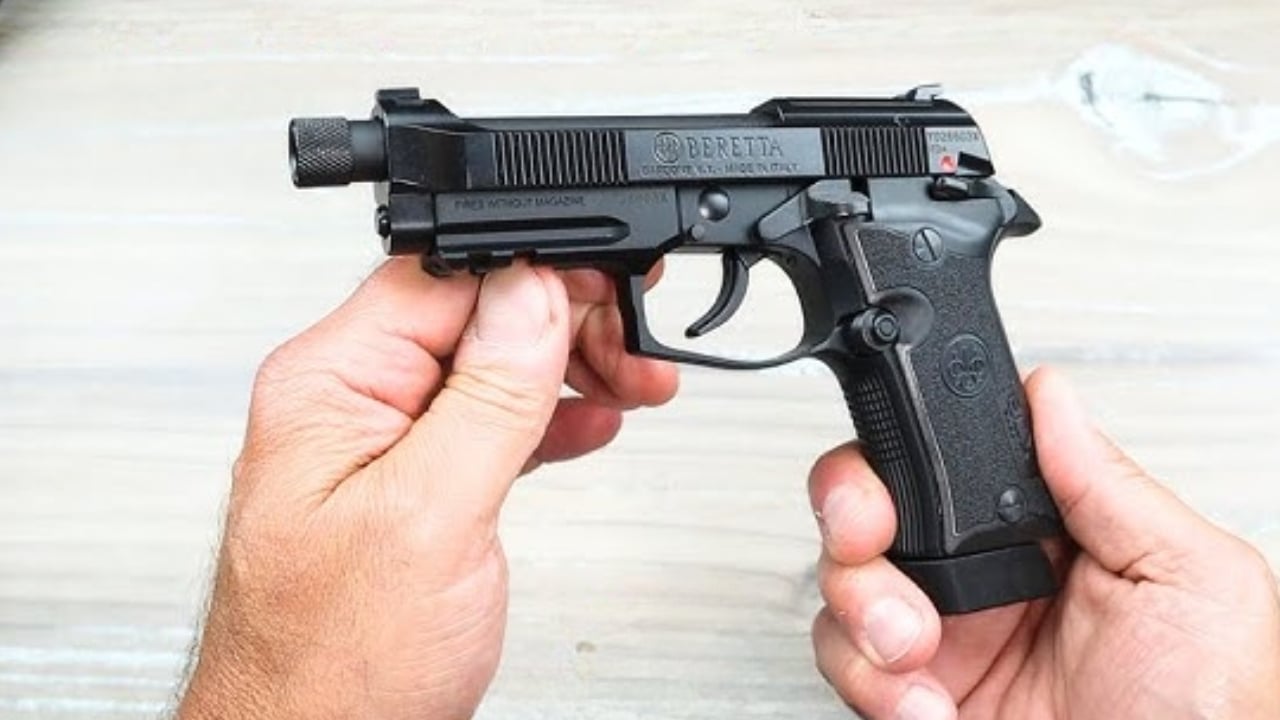
The 80X is a genuinely interesting modern .380 with a metal frame and traditional hammer-fired operation.
The Tactical versions push the price into territory where the cartridge starts becoming hard to ignore. You are paying premium 9mm money for a fairly large .380 pistol. If the goal is collecting or simply enjoying the design, that can make sense. As pure defensive value, it does not.
Kimber KDS9c
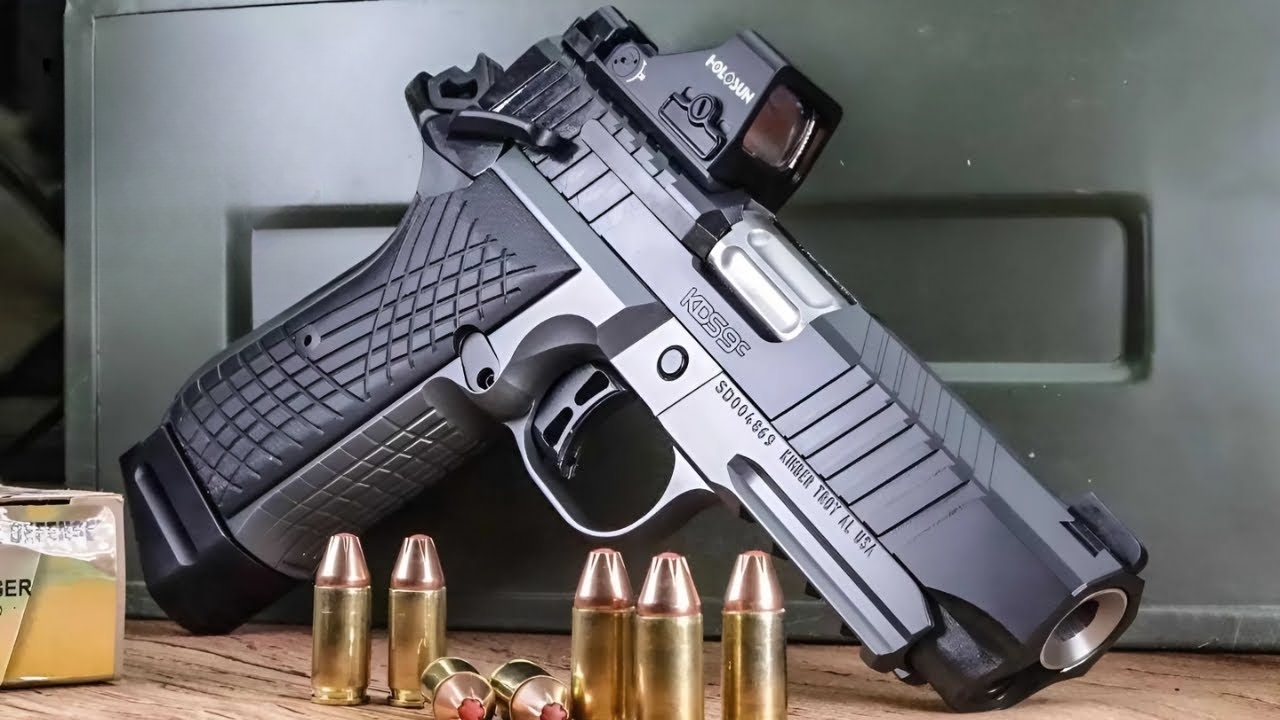
The KDS9c combines a high-capacity magazine with a crisp single-action trigger and compact metal frame.
Its pricing puts it dangerously close to pistols with much stronger track records in the premium double-stack category. That is the problem. At a lower price, the KDS9c would be a very interesting alternative. At premium pricing, buyers are being asked to take a chance without getting a clear bargain in return.
FN 509 Tactical

The 509 Tactical gives you a threaded barrel, optics mounting, suppressor-height sights, and strong durability.
The trigger and overall refinement do not always feel like a premium-priced pistol. Plenty of cheaper striker-fired guns now arrive optics-ready with excellent factory triggers and comparable capacity. The 509 is dependable, but its price is difficult to defend when the practical feature gap has narrowed so much.
HK VP9 Match

The VP9 Match is long, soft-shooting, and loaded with competition-oriented features.
The problem is that the standard VP9 already shoots very well. Extending the slide and adding Match treatment pushes the price much higher without changing the basic platform. Unless you specifically want a long-slide HK, there are competition-focused pistols that give you more obvious performance for the same money.
Glock 19X MOS
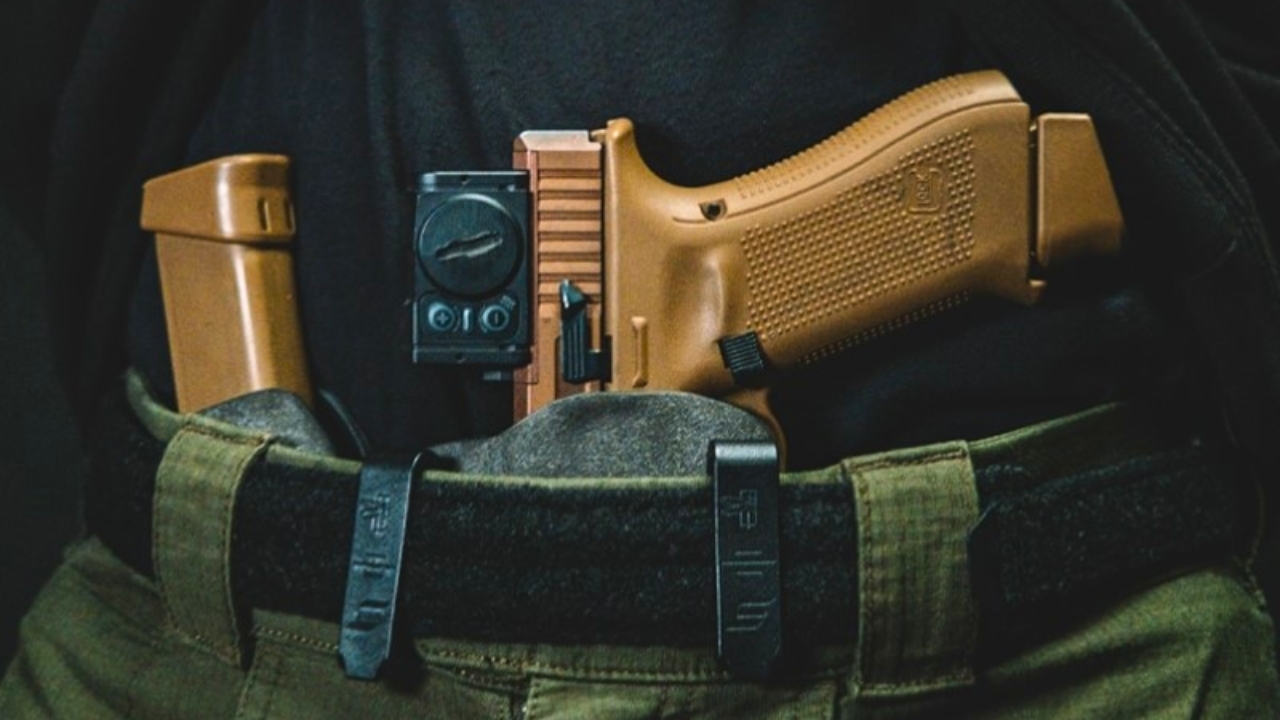
The 19X remains a popular crossover pistol with the compact slide and full-size grip combination that helped inspire an entire category.
Premium versions and special configurations can push the price well beyond what the basic design really offers. At the end of the day, you are still getting a fairly conventional Glock with a standard Glock trigger and familiar polymer construction. Paying substantially more for finish, packaging, or minor upgrades quickly hurts the value.
Glock 45 MOS
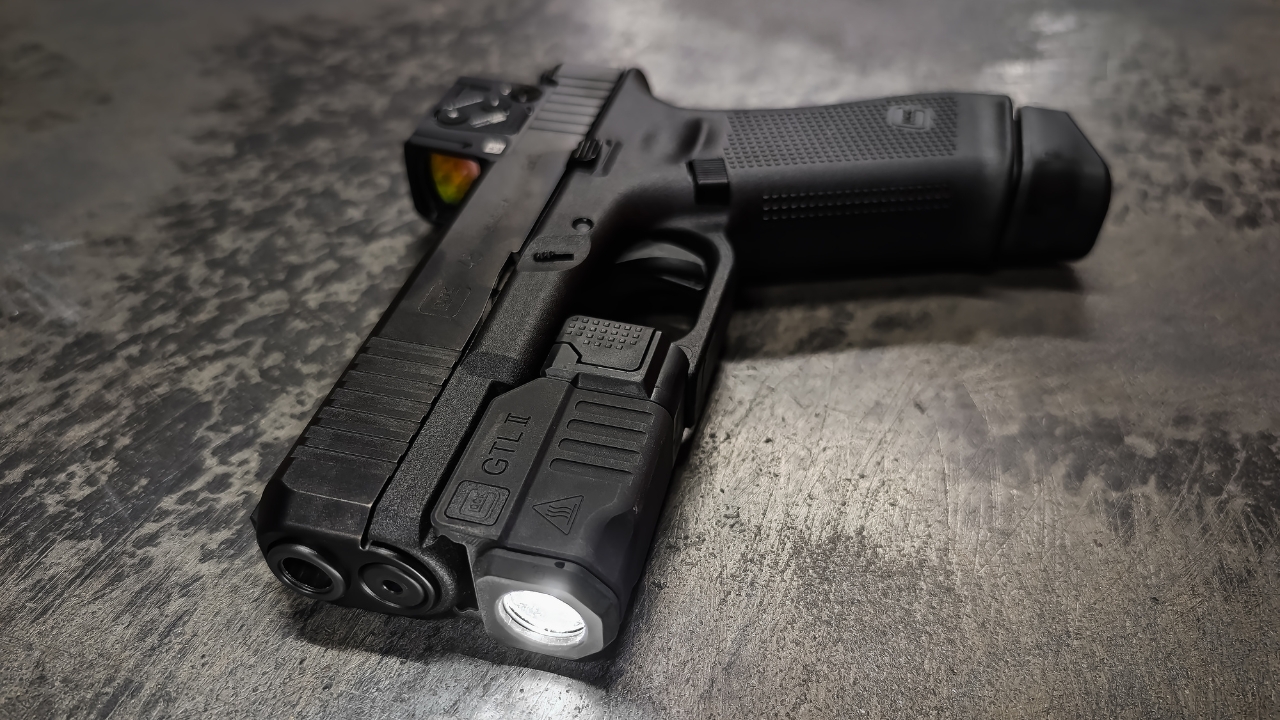
The Glock 45 is one of the better duty-size Glock configurations, and the MOS version gives buyers factory optics capability.
The issue is how much additional money people often put into one after purchase. Better sights, a different trigger, an optic plate, grip work, and other common upgrades can turn an ordinary Glock into an expensive project. At that point, several competitors deliver more straight from the box for similar total money.
Smith & Wesson M&P9 Metal Carry Comp
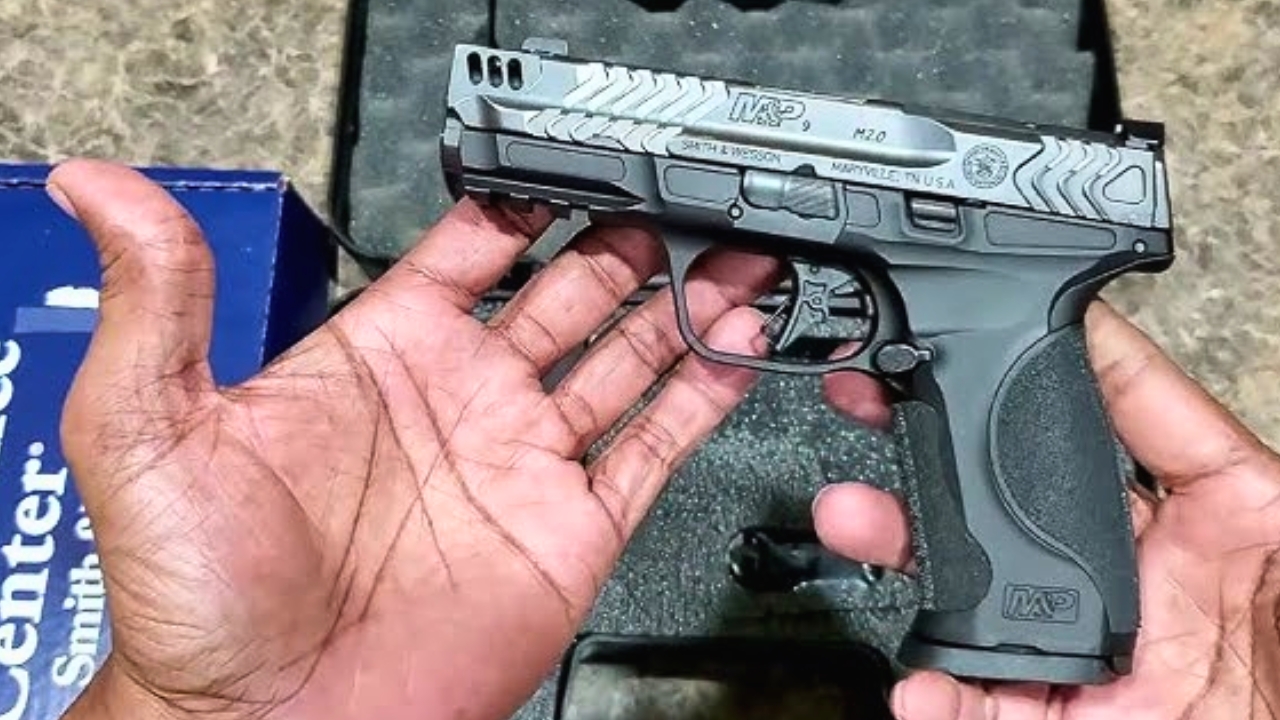
The Metal Carry Comp looks and feels more premium than a standard M&P. The aluminum frame and compensator help separate it visually and mechanically from the base gun.
The standard polymer M&P is already excellent, though. It is durable, accurate, and easy to shoot. The Metal Carry Comp costs much more without producing an equally large increase in practical performance. The upgrade makes sense if you specifically want the metal frame, not because the basic M&P needed fixing.
CZ Shadow 2 Orange
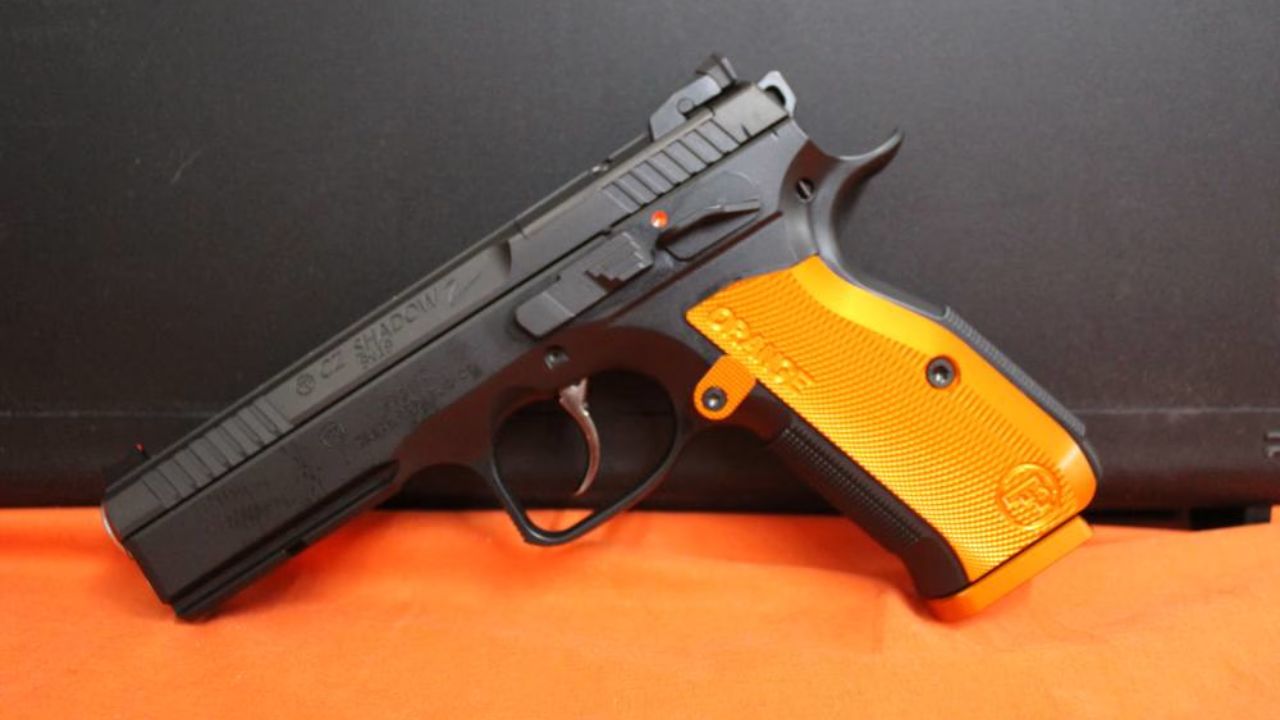
The Shadow 2 Orange is a highly refined competition pistol with additional fitting and upgraded components over the standard Shadow 2.
The standard gun is already so good that the Orange runs directly into diminishing returns. Most shooters will never be able to exploit the small performance difference enough to justify the price jump. Unless you are competing seriously, the regular Shadow 2 gives you nearly all of what makes the platform special.
SIG Sauer P365 AXG Legion
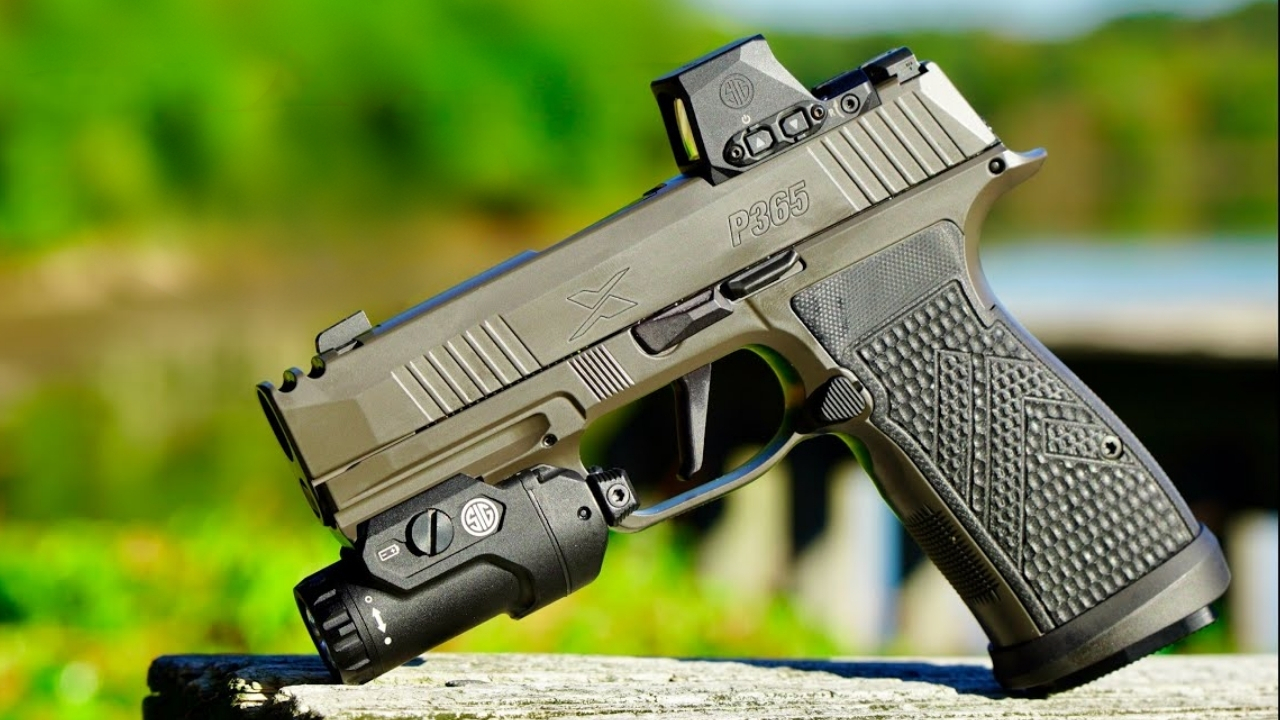
The AXG Legion takes the P365 concept far upscale with a metal grip module, integrated compensation, premium controls, and Legion treatment.
It also takes a platform famous for compact practicality and moves it into a price bracket where much larger premium pistols live. The gun shoots extremely well for its size, but buyers are paying heavily for refinement. A standard P365 variant handles the actual carry job for far less.
Beretta 92X Performance Defensive
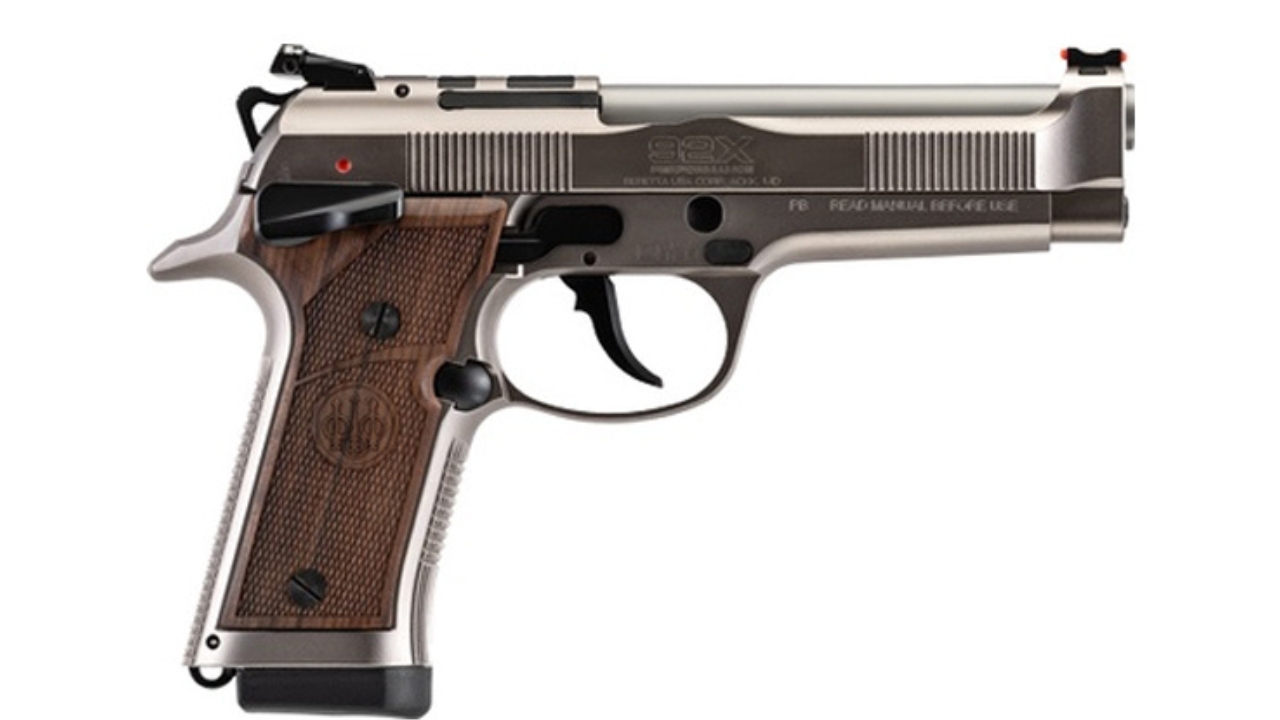
The 92X Performance Defensive is a beautifully made steel-frame pistol aimed at competition shooters who want the familiar Beretta operating system.
It is heavy, specialized, and expensive. Most buyers interested in a defensive or general-purpose 92 can get what they need from a much cheaper 92X or M9A4. The Performance model is worth it for the shooter who needs its competition features, but excessive for almost everyone else.
Colt Anaconda
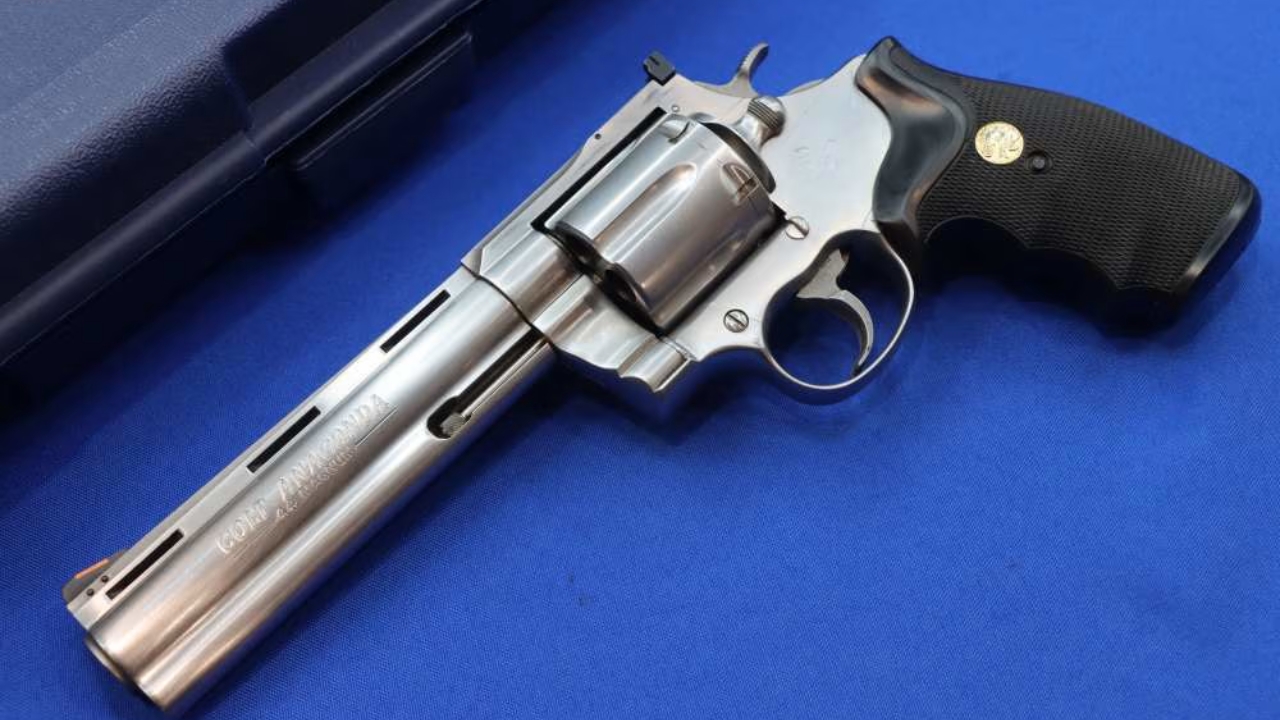
The modern Anaconda gives shooters a strong, beautifully finished .44 Magnum revolver carrying one of Colt’s most recognizable names.
As with the Python, part of the purchase price is clearly attached to the rollmark. If you need a powerful .44 Magnum revolver for hunting or backcountry use, less expensive alternatives can handle the same work. The Anaconda is desirable because it is a Colt, not because it provides unbeatable performance per dollar.
Nighthawk Custom GRP

Nighthawk makes extremely well-finished 1911s with excellent triggers, careful fitting, and craftsmanship that mass-production pistols cannot fully duplicate.
The problem is what that craftsmanship costs. Once a 1911 reaches several thousand dollars, practical improvements become increasingly small. A much cheaper quality 1911 can still be accurate, reliable, and enjoyable to shoot. The Nighthawk buys refinement and exclusivity more than proportional real-world capability.
Like The Avid Outdoorsman’s content? Be sure to follow us.
Here’s more from us:


